
Reviewed · OSAKA COOKING CLASSES
Matcha Making Class in Osaka with Authentic Japanese Sweets Set
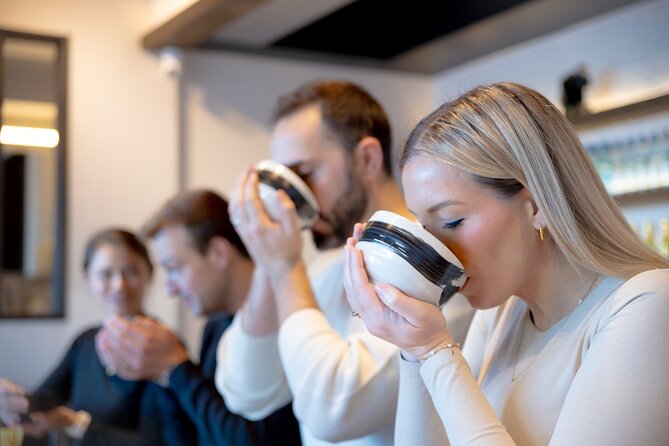
Learning to make matcha properly is the heart of this Osaka class. You hear about the tea’s background, take part in a few light quizzes, then whisk your own cup with an instructor correcting your technique. The format is casual, clear, and suited to beginners.
I like the small groups of up to six, which give you room to ask questions and get hands-on help. I also like the practical focus: you are not just watching a ceremony, you are learning how to prepare matcha at home and pairing it with Japanese sweets.
The main consideration is finding the entrance. Several people have needed extra time to locate the building, so use the provided address carefully and check the venue’s short directions video before setting out. The class lasts about an hour, so arriving late could cost you part of the lesson.
Key points to know before booking
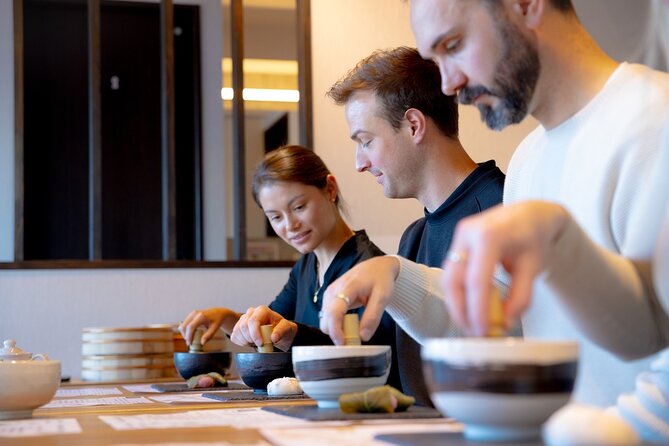
- You whisk your own matcha: The teacher supplies the tools and ingredients, then guides you through each step.
- Groups are capped at six: The small size makes individual corrections and questions more likely.
- English instruction is included: Hosts such as Yui, Momo, Fuko, and Matty have led clear, friendly sessions.
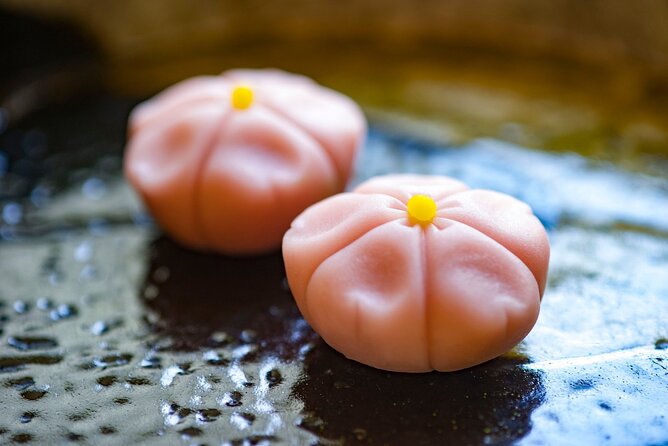
- Japanese sweets come with the tea: The sweets help balance matcha’s strong, grassy taste.
- Morning and afternoon times are available: You can fit the class around sightseeing and meals.
- The class meets in Higashishinsaibashi: It begins and ends at Matcha Making Osaka, with no hotel pickup.
A calm hour in the middle of Osaka
Osaka is famous for food, lights, and constant motion. This class gives you a quieter hour without asking you to leave the city center. You meet at Matcha Making Osaka, at 1-chōme-16-20 Higashishinsaibashi in Chuo Ward, and settle in for a lesson built around tea, sweets, and conversation.
The class is not presented as a formal, silent tea ceremony. It is a hands-on introduction. That distinction matters. If you want to observe a highly ritualized performance, this may feel informal. If you want to understand what is happening and try the method yourself, the relaxed approach works well.
The host explains where matcha comes from and how it is made, then connects that background to the cup in front of you. Visual aids and short quizzes help break up the explanation. This is useful because tea vocabulary and production details can become dry when delivered as a long lecture.
Hosts named in the class feedback include Momo, Fuko, Yui, and Matty. The strongest pattern is consistent: the instructors explain the process in accessible English, keep the mood light, and make space for questions. You do not need previous tea experience, and you do not need to arrive already interested in Japanese tea culture.
More wagashi and sweets workshops in Osaka:
- Osaka: Matcha Making Experience with Japanese Sweets
★ 5.0 · 146 reviews - Osaka: Japanese Traditional Sweets Making and Tea Ceremony
★ 4.7 · 118 reviews - Japanese Traditional Sweets “Nerikiri” making
★ 4.2 · 5 reviews
What happens when you arrive
All tools and ingredients are prepared for you. That keeps the hour focused on learning rather than setup, and it makes the class easy to join after a morning of sightseeing.
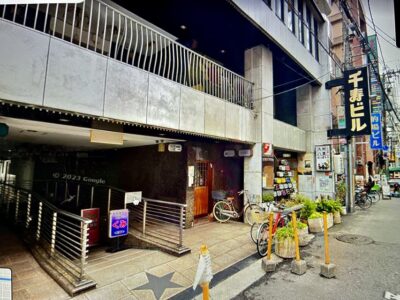
Take a little extra time to find the venue. The address is specific, but the building entrance has caused confusion for some people. One useful tip is to watch the venue’s YouTube short before leaving. I would also avoid cutting your arrival too close to the start time, particularly if you are navigating unfamiliar streets or using a phone map in a busy part of Osaka.
The activity begins and ends at the same meeting point. There is no hotel transfer, so you handle your own way there and back. The venue is near public transportation, but the supplied information does not identify a particular station or give a walking time. Plan your route in advance rather than assuming the address will be instantly obvious.
Matcha’s story, explained without a heavy lecture
The first teaching section covers the background of matcha and the way it is produced. You learn why powdered tea is prepared differently from ordinary steeped green tea, along with some context about Japanese tea practice.
This section gives the practical lesson a useful frame. You are not simply stirring green powder into hot water. You begin to understand why the preparation uses particular tools and movements, and why small changes can affect the final cup.
The use of visuals and quizzes is a plus. A short question can make a detail stick better than a long explanation, especially when you are learning in a second language. Fuko, in particular, is praised for giving clear English explanations and using a quiz to help make the information memorable.
Do not expect an academic seminar. The class is designed for a broad audience and lasts only about an hour. You get a friendly introduction, not an exhaustive study of tea production, regional styles, or Japanese tea schools.
Whisking your own cup
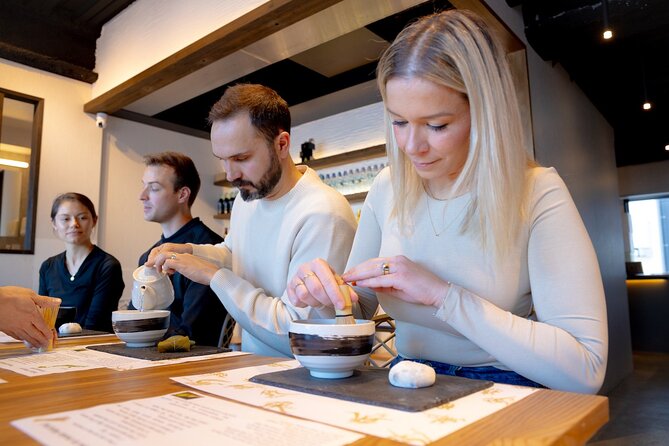
The most valuable part is the hands-on preparation. Your instructor walks you through the steps, watches what you are doing, and corrects mistakes as needed. That is far more useful than watching someone else make a perfect bowl.
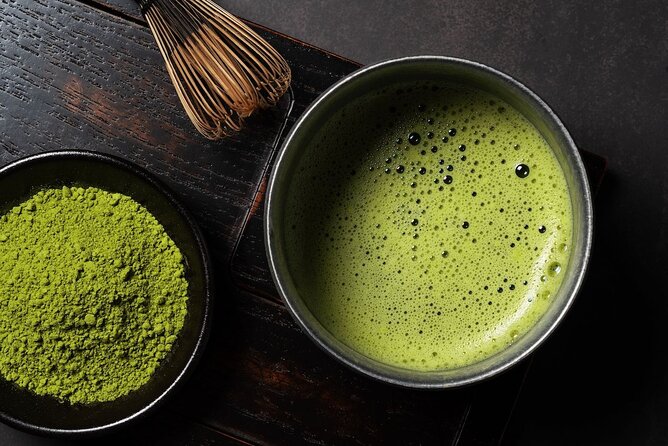
You learn the basic process for making matcha at home. The class is especially helpful if you already buy matcha but have never been sure how to prepare it correctly. The lesson turns a powder, bowl, and whisk into a repeatable method you can use after your Osaka visit.
The teaching style is meant to be accessible. You do not need to know the correct wrist movement in advance, and the instructor can adjust the explanation if you are struggling. Since the group has a maximum of six people, the format should feel more personal than a large demonstration.
The class does not promise that you will become a tea master in one hour. You will, however, leave with a basic technique and a better sense of what a properly made cup should taste and feel like. For many people, that practical takeaway is the best value here.
More tea ceremonies in Osaka:
- Osaka: Tea Ceremony Experience
★ 4.9 · 1,426 reviews - Tea Ceremony Experience in Osaka Doutonbori
★ 5.0 · 754 reviews - Osaka Temple Cool Foot Bath & Matcha Experience〈45min〉
★ 4.9 · 82 reviews - Samurai Show, Tea Ceremony, Japanese Traditional Activities
★ 5.0 · 56 reviews
Japanese sweets make the tea easier to enjoy
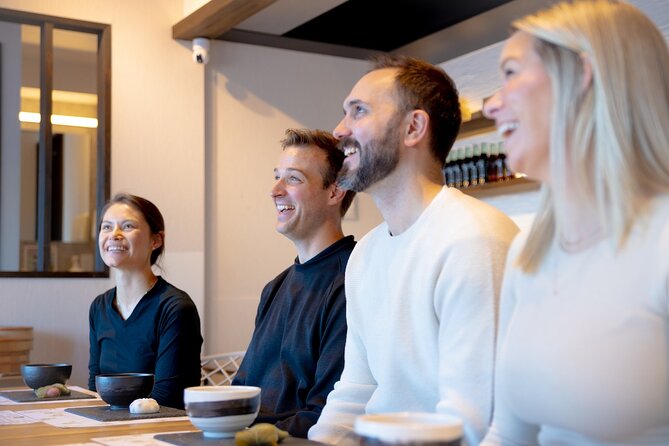
Matcha has a powerful flavor. It can taste grassy, bitter, creamy, or savory depending on how it is prepared, and it is not everyone’s favorite on the first try. The Japanese sweets served with the tea provide a pleasant counterpoint.
The sweets are included in the price, along with the matcha. They are not an extra tasting menu, but they complete the experience and give you a classic pairing to try. Several class comments specifically note that both the tea and the treats were delicious.
This pairing also helps you understand why Japanese tea service often includes something sweet. The sweetness softens matcha’s sharper notes and makes the drink easier to appreciate. Even if you are not a dedicated matcha fan, the class gives you a fair chance to enjoy it in the setting it was meant for.
You can also take photos during the experience. That makes the class more relaxed than a strictly formal ceremony, though you should still give your attention to the instruction while the tea is being prepared.
Why the one-hour length works
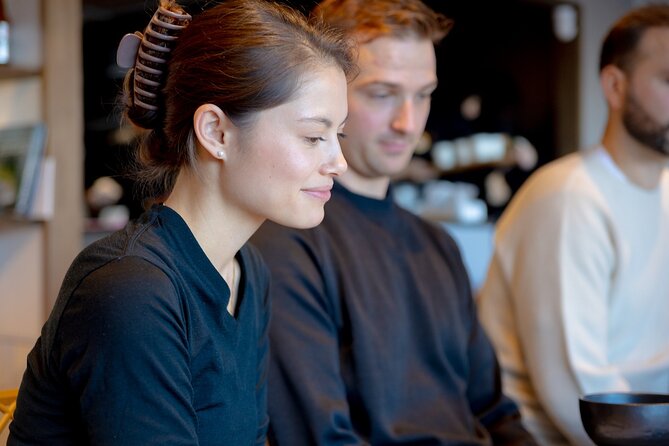
An hour is enough time to cover the essentials without taking over your day. You can schedule the class in the morning before sightseeing or in the afternoon as a break between Osaka activities. Having both morning and afternoon options gives you useful flexibility.
The short duration is also a limitation. You should not book this expecting a full-day cultural program or an extended tea ceremony. The class focuses on matcha’s background, basic preparation, sweets, and a chance to ask questions.
I see the length as a good match for a first introduction. You get the central experience without committing half a day to a subject you may still be testing out. If you already have advanced knowledge of tea preparation, the lesson may feel basic.
For families, couples, solo visitors, and small groups, the format is easy to fit into an Osaka plan. The teacher-led structure also gives solo visitors a natural setting for conversation without requiring them to join a large tour.
The value at $21.89
At $21.89 per person, this is priced as an affordable cultural activity rather than a luxury tea event. The fee covers the English-speaking instructor, matcha, Japanese sweets, equipment, and the guided lesson.
I consider the value strongest if you want to learn a skill. A simple cup of matcha elsewhere might cost less, but that would not include the explanation, the demonstration, or the chance to practice under guidance. The price also avoids the cost and time of arranging a private tea lesson.
The small group is important to the value calculation. A lesson for up to six people can offer real contact with the instructor, while a larger class might turn the hands-on portion into a demonstration from the back of the room.
The price is less compelling if you only want to drink matcha and take a photo. You would be paying for instruction, so book it because you want to understand the preparation and try it yourself.
The hosts make the difference
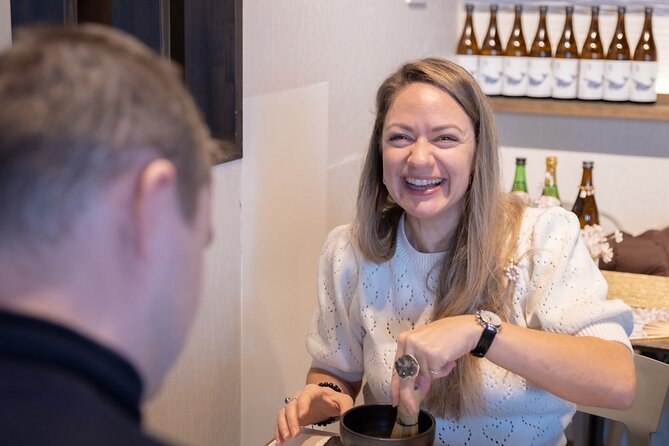
The class depends heavily on the person leading it. The names connected with particularly positive sessions include Momo, Fuko, Yui, and Matty. Their roles are not identical from one session to another, but the important point is that the experience is host-led rather than self-guided.
Momo is described as lovely and easy to spend time with. Fuko is noted for clear English and a useful quiz. Yui receives praise for giving understandable instructions and helping participants make good matcha. Matty is described as entertaining and effective at keeping the class interactive.
Those details matter because a short cultural class can feel stiff if the teacher only recites facts. Here, the format encourages questions, participation, and a few laughs. The tone is casual enough for someone who knows little about matcha.
At the same time, this is not a guaranteed private lesson with a named instructor. You may not receive the particular host you have read about, so book the experience for the overall format rather than for one specific person.
Who should book this experience
This class is a strong fit for you if you want a short, practical cultural activity in Osaka. It works especially well for:
- First-time matcha drinkers
- People who buy matcha and want to prepare it correctly at home
- Solo visitors looking for a friendly small-group activity
- Couples and families who prefer participation over observation
- Anyone interested in Japanese sweets and tea customs
- Visitors who want a morning or afternoon activity near central Osaka
It is also a good choice for people who do not usually like matcha. The sweets, friendly explanations, and chance to control your own preparation make the introduction less intimidating.
You may want something else if you are looking for a formal tea ceremony, a long discussion of tea schools, or a detailed tour of tea farms and production regions. None of those are part of the stated one-hour format.
Practical details that can save you trouble
You receive confirmation at booking, and the ticket is mobile, so you do not need a printed voucher. Service animals are allowed, and the venue is near public transportation.
The meeting point is Matcha Making Osaka, 1-chōme-16-20 Higashishinsaibashi, Chuo Ward, Osaka, 542-0083, Japan. The activity ends at the same address.
Allow time to locate the entrance. This is the one practical weakness that comes up repeatedly in the available information. Check the short video directions, keep the full address handy, and avoid arriving at the last second.
Cancellation is free if you cancel at least 24 hours before the local start time. Cancellations or changes made less than 24 hours ahead are not refunded or accepted, so check your Osaka schedule before booking.
Should you book the Osaka matcha class?
I would book this if you want a friendly, affordable way to learn something you can repeat at home. The best parts are the small group, clear English guidance, hands-on whisking, and Japanese sweets. The class has enough cultural context to feel meaningful, but it does not bury you in ceremony or technical detail.
Give yourself extra time to find the venue, and keep your expectations focused on a one-hour introduction. If that sounds right, this is a sensible addition to an Osaka itinerary, especially between larger sightseeing stops or on a rainy day.
FAQ
How long does the matcha class last?
The class lasts approximately one hour.
Where does the class take place?
It takes place at Matcha Making Osaka, 1-chōme-16-20 Higashishinsaibashi, Chuo Ward, Osaka, 542-0083, Japan.
Where does the activity end?
The activity ends back at the meeting point.
Is the class taught in English?
Yes. An English-speaking instructor leads the class.
Do I need previous matcha experience?
No. The class is beginner-friendly, and no prior experience is required.
What is included in the price?
The experience includes the English-speaking instructor, matcha, and Japanese sweets. Tools and ingredients are prepared for the class.
How many people can join the class?
The activity has a maximum of six participants.
Are morning and afternoon sessions available?
Yes. Morning and afternoon class times are available.
Is hotel pickup included?
No. Hotel pickup and drop-off are not included. You make your own way to the meeting point.
Can I cancel for a full refund?
Yes, if you cancel at least 24 hours before the experience start time. Cancellations or changes made less than 24 hours in advance are not refunded or accepted.
More Workshops in Osaka
- Sushi Making Osaka Roll and Authentic Japanese Sushi Class
★ 5.0 · 1,220 reviews - Osaka: Roll and Authentic Sushi Making Class in Dotonbori
★ 4.9 · 239 reviews - Ramen and Gyoza Cooking Class in Osaka
★ 5.0 · 202 reviews - Osaka: Sushi Class in Dotonbori
★ 4.9 · 160 reviews
More Cooking Classes in Osaka
- Osaka Sushi Making Experience
★ 5.0 · 400 reviews - Osaka: Ramen and Gyoza Cooking Class in Dotonbori
★ 5.0 · 378 reviews - Osaka: Traditional Mochi Pounding Experience with Tasting
★ 4.9 · 306 reviews - Osaka Cooking Class: Okonomiyaki &Japanese cuisines experience
★ 5.0 · 261 reviews
Just added in Osaka
- Urban Canvas: Osaka Street Art Bike Tour★ 5.0 · 10 reviews
- Anime Cosplay Photshoot-50 Digital Photos Provided★ 5.0 · 8 reviews
- TeamLab Botanical Garden Osaka Ticket★ 3.5 · 6 reviews
- Umeda Sky Building & Kuchu Teien Observatory Ticket in Osaka★ 4.5 · 3 reviews
- Immerse in Judo Martial Arts Class from Japan★ 5.0 · 4 reviews
- Cherry Blossom Buddha and Mt.Yoshino with Strawberry Picking Tour★ 4.5 · 5 reviews
- Traditional Home cooking Experience in Osaka, Japan★ 5.0 · 14 reviews
- Traditional Calligraphy Experience near Dotonbori★ 5.0 · 3 reviews
Osaka Cooking Classes, compared.
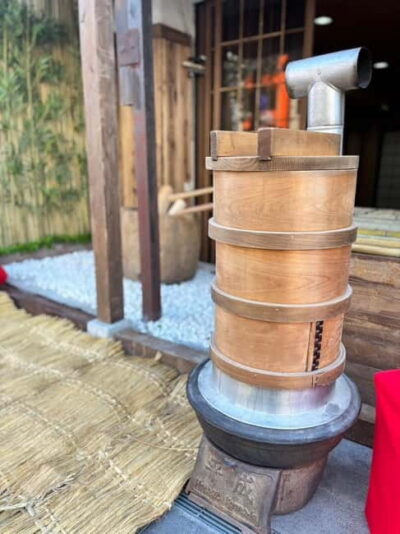
Traditional Mochi Pounding Experience with Tasting
Read our review →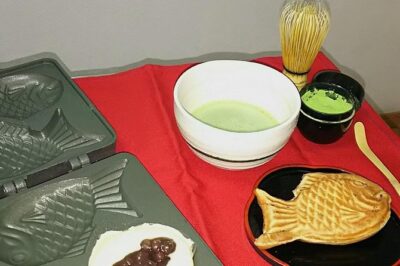
Osaka Cooking Class: Okonomiyaki &Japanese cuisines experience
Read our review →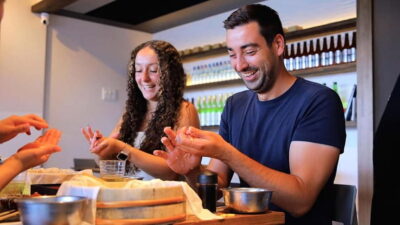
Roll and Authentic Sushi Making Class in Dotonbori
Read our review →

Osaka Sake Tasting & Takoyaki Cooking Experience
Read our review →
Browse the lists this tour appears in