
Reviewed · OSAKA COOKING CLASSES
Osaka Cooking Class: Okonomiyaki &Japanese cuisines experience
Osaka’s food culture makes more sense when you cook it yourself. In Yayo’s home near Noda Station, you learn to prepare okonomiyaki, takoyaki, and miso soup, then sit down to eat the results. The class also includes taiyaki and matcha, with an optional sake and beer pairing.
I like the small maximum of eight people, which gives Yayo time to guide each person through the cooking. I also like the practical focus: you learn techniques you can repeat at home, from making dashi to handling the batter for takoyaki and okonomiyaki. The main consideration is the setting. This is a home-based class in a small cooking studio, not a large professional kitchen, so punctuality and a confirmed booking matter.
Key points to know before booking
- Cook in Yayo’s home near Noda Station: The personal setting is central to the experience, with conversation about Japanese food and daily life alongside the cooking.
- Prepare several Osaka favorites: The menu centers on okonomiyaki and takoyaki, with miso soup and other dishes such as tamago-maki included during some sessions.
- Expect a full meal: You eat what you prepare, and the generous portions may leave you with food to take away.
- Small groups keep the class hands-on: The maximum is eight people, although some sessions may be much smaller or even private.
- Optional sake and beer pairing: You can add local drinks if you want a tasting element with your meal.
- Plan carefully for the meeting time: Meet outside Noda Station, and arriving more than 10 minutes late may mean losing your place without a refund.
A home kitchen gives the class its character
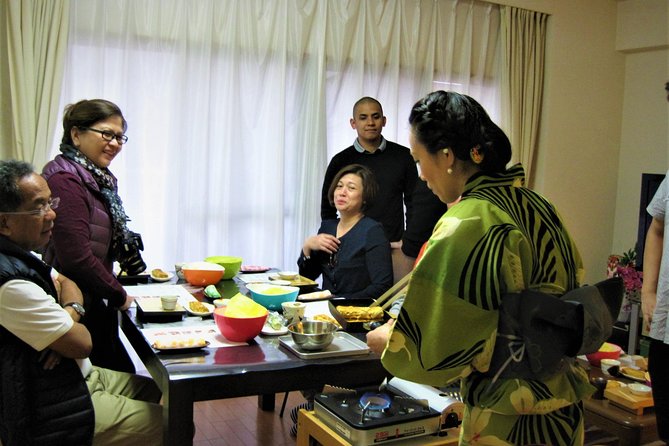
The class begins outside Noda Station in Osaka’s Fukushima Ward. From there, you continue to Yayo’s cooking studio, which is also her home. That detail matters. You are not simply following a recipe in a commercial classroom. You are entering a personal space where the food lesson also includes family traditions, ingredient choices, and stories about Japanese life.
Yayo is the host and instructor. Her English is described as quite fluent, and the class is designed for direct conversation as well as demonstration. You can ask questions as you work, which is useful when a Japanese ingredient or technique is unfamiliar.
The home setting can also be a drawback for anyone expecting a spacious cooking school. The studio is small, and only people with confirmed bookings can join. It is best to arrive ready for a close, social class rather than a private workstation with lots of room.
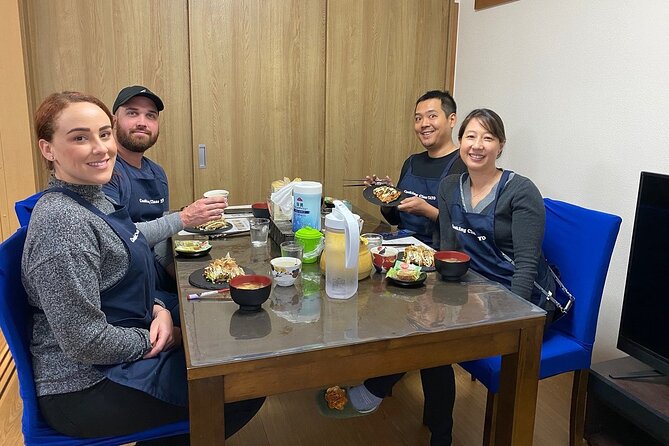
The group limit is eight people, but the actual class may be smaller. Couples and solo participants have sometimes found themselves in a very small group, which means more individual help from Yayo. That format suits you if you enjoy conversation and personal instruction. If you prefer to keep to yourself, a larger class might feel less intense.
More okonomiyaki classes in Osaka:
- Cooking Ramen&Gyoza/KatsuCurry/Bento/Okonomiyaki+Store Tour@Osaka
★ 5.0 · 138 reviews - Osaka Okonomiyaki Cooking Experience!
★ 5.0 · 79 reviews - Osaka : Cooking Class Okonomiyaki & Takoyaki course in Nanba
★ 4.9 · 25 reviews
Miso soup starts with small details
The first cooking task is miso soup, a simple dish that shows why Japanese cooking often depends on careful basics. The class explains how subtle changes in preparation affect the finished flavor. You learn about the foundation of the soup rather than simply mixing instant ingredients together.
A useful lesson here is dashi, the stock used in many Japanese dishes. Some people arrive assuming it is difficult, then discover that the method is quite manageable. That makes this portion especially valuable for anyone hoping to recreate Japanese food at home after the trip.
Miso soup also sets the pace for the class. You are not rushed through a string of demonstrations. Yayo prepares and explains the ingredients, then gives you a chance to take part. Her teaching style combines instruction with enough preparation ahead of time to keep the class moving.
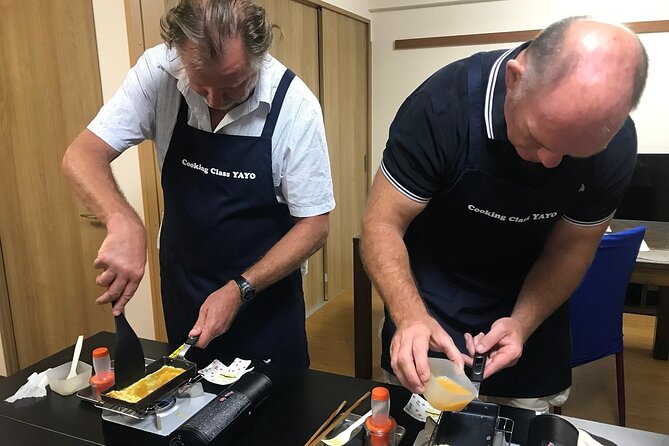
The class may include dashimaki tamago, a rolled Japanese omelet, as well. This is another dish where technique matters. The egg is familiar, but the rolling method gives you a new way to think about texture and presentation. The precise menu can vary, so treat it as part of the wider cooking experience rather than a guaranteed separate course.
Okonomiyaki shows why Osaka is known as Japan’s kitchen
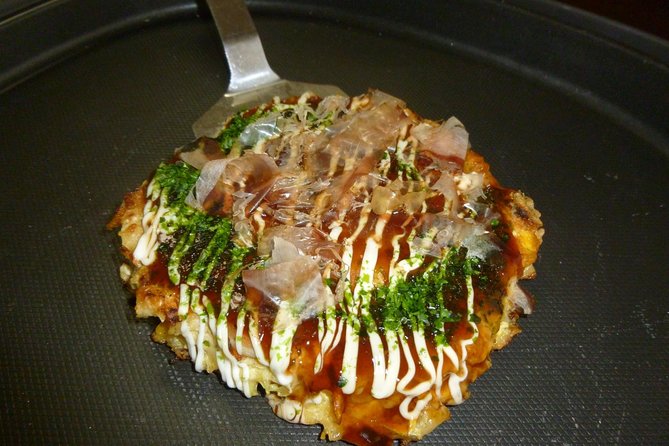
Okonomiyaki is the main event for many people. This savory pancake usually combines egg, flour, cabbage, pork, and dried bonito flakes, though ingredients can vary. The name is often explained as food prepared according to what you like, which fits Osaka’s relaxed approach to the dish.
You learn how to combine and cook the mixture, rather than simply watching Yayo prepare it. That hands-on work helps you understand the balance between batter and cabbage, as well as how the pancake comes together in the pan.
The dish is filling, so pace yourself. The class includes several foods, and the portions can be generous. You might find yourself taking leftovers away if you try to finish everything immediately.
What makes this part worthwhile is its usefulness. Okonomiyaki is not a restaurant-only dish. Once you understand the basic method, you can adjust the fillings at home. The class gives you the confidence to make it with ingredients available outside Japan, while still explaining the Osaka style.
The setting also gives you a chance to ask why certain toppings and ingredients are used. Yayo explains the cultural background of the dishes, not just the order of the cooking steps. That context helps the meal feel connected to Osaka rather than like a generic international cooking lesson.
Takoyaki puts your hands to work
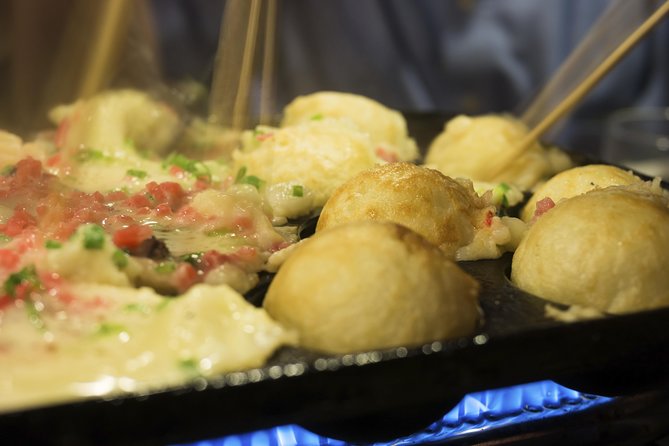
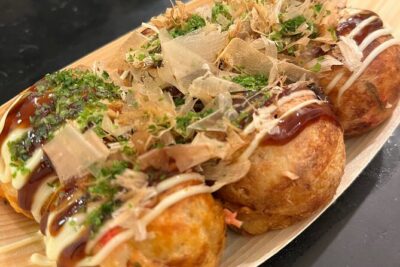
Takoyaki consists of small balls of wheat-flour batter filled with octopus and cooked until browned. It is one of Osaka’s best-known street foods, and making it is more active than the finished snack suggests.
You work with the batter and filling while learning how to shape the balls during cooking. The process takes coordination, and the instructor’s guidance is useful here. You do not need advanced cooking skills, but you do need to pay attention and take part.
This is a good dish for a group because everyone can share the work and compare results. It also adds a playful change of pace after the more familiar soup and pancake. The class is structured so that you can participate without the pressure of producing restaurant-perfect food.
If you dislike octopus, note that it is part of the stated takoyaki preparation. Vegetarian and pescatarian options are available if requested at the time of booking, but you should make that request in advance. The supplied information does not promise a specific substitute menu, so ask when arranging the class if you have strict dietary needs.
More cooking classes in Osaka:
- Matcha Making Class in Osaka with Authentic Japanese Sweets Set
★ 5.0 · 509 reviews - Osaka Sushi Making Experience
★ 5.0 · 400 reviews - Osaka: Ramen and Gyoza Cooking Class in Dotonbori
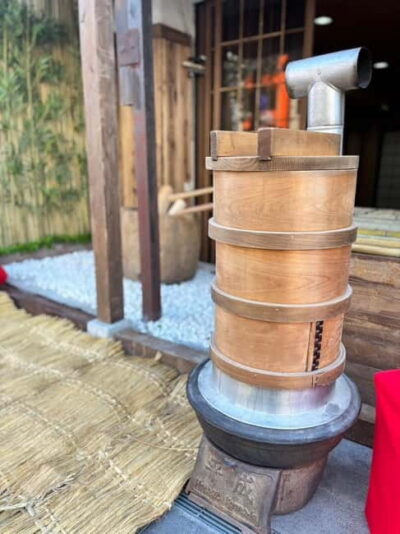
★ 5.0 · 378 reviews - Osaka: Traditional Mochi Pounding Experience with Tasting
★ 4.9 · 306 reviews
Taiyaki and matcha finish a very full meal
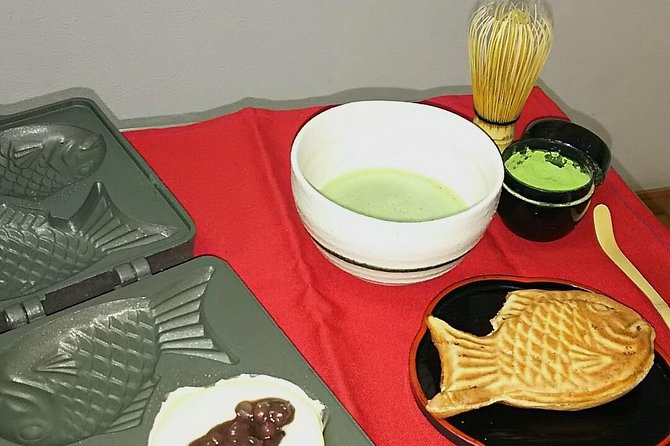
After the savory dishes, you try taiyaki, a fish-shaped cake, along with matcha tea. Taiyaki is a classic Japanese sweet, and its shape makes it a memorable final course even after a substantial meal.
The matcha provides a calm finish to the class. It also gives you a chance to shift from hands-on cooking to conversation and tasting. In some sessions, the menu includes additional items such as tamago-maki, which can make the food load even larger.
The amount served is one of the clearest practical points to keep in mind. You are not paying for a small sample of each dish. The experience includes lunch or dinner made from the food you prepare, and the portions may be enough to leave you very full. Plan to arrive hungry and avoid scheduling another major meal right afterward.
Some sessions also include small gifts, such as chopsticks, homemade items, printed instructions, or paper cranes made with flags from participants’ home countries. These extras are not the core reason to book, and they may vary, but they add a personal touch to the home-based format.
Optional sake and beer add a social layer
You can add a sake and beer pairing to the class for an additional tasting element. This is optional, so the experience still works if you prefer not to drink or want to keep the cost lower.
The pairing makes sense with the menu, especially when you sit down to eat the okonomiyaki and takoyaki. It also gives Yayo another way to explain Japanese food customs and flavor combinations. Still, it is not essential. The cooking instruction and meal provide the substance of the experience.
The base price is $104.13 per person. That is more than the cost of eating okonomiyaki at a casual Osaka restaurant, but the comparison is not quite like for like. You are paying for roughly two and a half hours of instruction, ingredients, use of the kitchen, a full meal, English-language guidance, and the personal setting.
I consider the price reasonable for people who value participation over a quick meal. It becomes less attractive if you only want to taste Osaka specialties and have little interest in cooking. The optional drinks may also raise the total, so check what you select when booking.
What the small group means for your experience
The eight-person limit is one of the strongest features. Yayo can watch your technique, answer questions, and adjust the pace more easily than an instructor leading a large class. Solo visitors may even find themselves in a one-on-one session, while couples can receive a very personal lesson.
The social side is still important. You may meet people from other countries, and the shared meal gives everyone an easy topic of conversation. Parents and children can also take the class together, although adult pricing applies to all participants except children age two and under.
This experience suits people who enjoy a relaxed home visit and do not mind cooking in a compact space. It may not suit anyone looking for a polished restaurant demonstration, formal culinary certification, or a broad tour of Osaka’s food districts.
The instructor’s approach appears warm and patient. Yayo explains ingredients, answers questions, and uses humor to help people feel at ease. Her training includes an expert certificate in Japanese cuisine, but the class is aimed at curious home cooks, not professionals.
Timing, meeting point, and practical details
The experience lasts about two hours and 30 minutes. It may be offered in the morning, with the meal functioning as lunch, or at another scheduled time for dinner. The activity ends back at the meeting point.
You meet outside Noda Station at 1 Chome-1 Ohiraki, Fukushima Ward, Osaka, postal code 553-0007. The location is near public transportation, but you should allow time to find the exact meeting spot. This is especially important because participation is not guaranteed if you arrive more than 10 minutes late, and late arrival does not qualify for a refund.
A mobile ticket is available, and confirmation is provided when you book. Hotel pickup and drop-off are not included, so you handle your own route to and from Noda Station.
Vegetarian and pescatarian options can be arranged, but you must request them when booking. The information provided does not confirm other dietary accommodations, so contact the provider before paying if you have allergies or more restrictive needs.
Free cancellation is available up to 24 hours before the start time. Cancellations made less than 24 hours in advance are not refunded, and last-minute changes are not accepted. That policy is worth noting because the small studio depends on confirmed numbers.
Who will enjoy this Osaka cooking class most
I would choose this class if you want to understand how Japanese home cooking works, not just eat famous Osaka dishes. It is especially well suited to:
- Solo visitors who appreciate personal attention and a chance to meet people
- Couples looking for a relaxed shared activity
- Families with older children who enjoy hands-on food preparation
- First-time visitors who want an easy introduction to Osaka cuisine
- Home cooks who want recipes and methods they can repeat later
- People who value a local host and a home setting over a large commercial class
I would think twice if you need a spacious kitchen, strict control over every ingredient, or a short tasting session. The meal is substantial, the class is social, and the cooking studio is small.
Should you book Cooking Class YAYO?
Book it if you want an intimate food experience with real participation. The combination of okonomiyaki, takoyaki, miso soup, taiyaki, matcha, and possible additional dishes gives you a broad introduction to Osaka cooking in one sitting. Yayo’s personal teaching style and the small group limit make the class feel more like a visit than a standard tourist activity.
The best value comes from using what you learn afterward. Pay attention to the dashi, batter, omelet, and cooking methods, then take the recipes home and try them again. If you only want a cheap meal, a local restaurant will cost less. If you want a generous meal plus practical instruction and conversation in a Japanese home, this is a strong choice.
FAQ
Where does the cooking class meet?
You meet outside Noda Station in Osaka at 1 Chome-1 Ohiraki, Fukushima Ward, Osaka, 553-0007, Japan.
How long does the experience last?
The class lasts approximately two hours and 30 minutes.
What dishes do I prepare?
The class includes miso soup, takoyaki, and okonomiyaki. The experience also includes taiyaki and matcha, and some sessions may include dishes such as dashimaki tamago.
Is the food included?
Yes. The ingredients, utensils, and lunch or dinner made during the class are included.
Can I add a sake tasting?
Yes. An optional local sake and beer pairing is available if selected when booking.
Are vegetarian and pescatarian options available?
Yes. Vegetarian and pescatarian options are available upon request at the time of booking.
What happens if I arrive late or need to cancel?
You should arrive on time because participation may not be guaranteed if you arrive more than 10 minutes late, and no refund is provided for that late arrival. You can cancel for a full refund up to 24 hours before the start time.
More Workshops in Osaka
- Sushi Making Osaka Roll and Authentic Japanese Sushi Class
★ 5.0 · 1,220 reviews - Osaka: Roll and Authentic Sushi Making Class in Dotonbori
★ 4.9 · 239 reviews - Ramen and Gyoza Cooking Class in Osaka
★ 5.0 · 202 reviews - Osaka: Sushi Class in Dotonbori
★ 4.9 · 160 reviews
Just added in Osaka
- Urban Canvas: Osaka Street Art Bike Tour★ 5.0 · 10 reviews
- Anime Cosplay Photshoot-50 Digital Photos Provided★ 5.0 · 8 reviews
- TeamLab Botanical Garden Osaka Ticket★ 3.5 · 6 reviews
- Umeda Sky Building & Kuchu Teien Observatory Ticket in Osaka★ 4.5 · 3 reviews
- Immerse in Judo Martial Arts Class from Japan★ 5.0 · 4 reviews
- Cherry Blossom Buddha and Mt.Yoshino with Strawberry Picking Tour★ 4.5 · 5 reviews
- Traditional Home cooking Experience in Osaka, Japan★ 5.0 · 14 reviews
- Traditional Calligraphy Experience near Dotonbori★ 5.0 · 3 reviews
Osaka Cooking Classes, compared.

Matcha Making Class in Osaka with Authentic Japanese Sweets Set
Read our review →
Traditional Mochi Pounding Experience with Tasting
Read our review →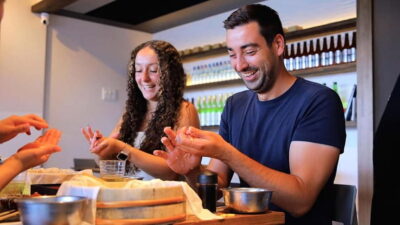
Roll and Authentic Sushi Making Class in Dotonbori
Read our review →
Osaka Sake Tasting & Takoyaki Cooking Experience
Read our review →
Browse the lists this tour appears in