
Reviewed · OSAKA COOKING CLASSES
Osaka Sushi Making Experience
Making sushi is more satisfying when you eat the results. This 90-minute Dōtonbori class teaches you to shape 12 pieces, including nigiri and gunkan sushi, rather than simply watching a chef work. Instructors such as Mika, Kosei, Yui, and Mako have been praised for patient, clear teaching.
I like the central Namba location and the chance to ask questions in English, Chinese, or Korean. I also like the useful little lesson in portion control: one class teaches the 10-gram rice measure needed for a good balance. The main drawback is that the experience can feel brisk and commercial if the instructors are trying to keep the session moving.
At a glance
- Make 12 pieces yourself: The class covers nigiri and gunkan sushi, with some sessions also including a third style.
- Learn a repeatable technique: You get practical help with rice portions, shaping, and the ingredients used at home.
- Meet in Dōtonbori: The Namba-area location is close to public transportation and easy to combine with an evening in central Osaka.
- Choose your class time: Afternoon and evening options let you schedule sushi around your sightseeing and appetite.
- Request special menus: Vegetarian, vegan, and halal sushi are available when requested in advance.
- Small enough for personal help: The maximum group size is 16 people, and some sessions may be much smaller.
The real appeal: you eat what you make
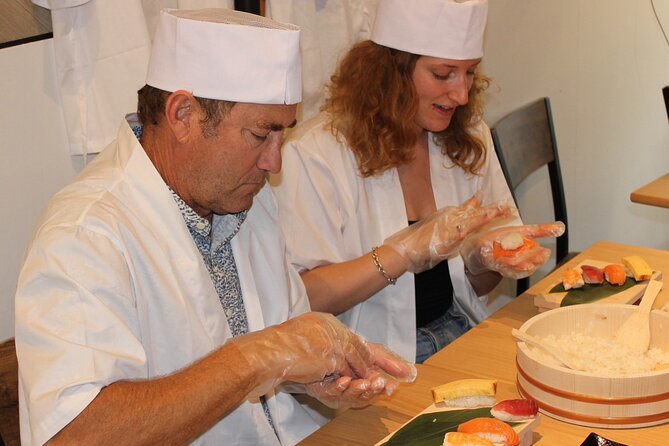
This is not a long culinary course. It is a short, cheerful introduction to sushi that gives you enough hands-on practice to understand the basic process.
You make 12 pieces, working with at least two forms: nigiri and gunkan sushi. Nigiri is the familiar hand-shaped rice topped with an ingredient. Gunkan has a ring of seaweed around the rice, creating a small cup for its topping. Learning both forms gives you a better sense of how sushi varies in shape and handling.
The useful part is the guidance at the work surface. Instead of receiving a plate and a quick demonstration, you practice the motions yourself while the instructors correct your technique. One especially practical lesson is the use of about 10 grams of rice per piece. That may sound fussy, but it helps you avoid the two most common home problems: a mound of rice that overwhelms the topping, or a piece so small it falls apart.
You also learn about the ingredients needed to make sushi at home. The lesson is not designed to turn you into a professional sushi chef, but it can give you the confidence to try a simple meal after returning home.
More sushi making classes in Osaka:
- Sushi Making Osaka Roll and Authentic Japanese Sushi Class
★ 5.0 · 1,220 reviews - Osaka: Roll and Authentic Sushi Making Class in Dotonbori
★ 4.9 · 239 reviews - Osaka: Sushi Class in Dotonbori
★ 4.9 · 160 reviews
What the 90-minute class is like
The experience begins at Sushi Making Experience Namba1A, at 2-chōme-6-11 Nishishinsaibashi in Osaka’s Chūō Ward. It ends at the same place, so you do not need to arrange a separate return point.
The first part introduces sushi styles and the basic method. The information provided for the class specifically includes nigiri and gunkan, while some descriptions of the session refer to three types. The exact mix may vary, so do not book this expecting an advanced menu or a long lecture on every form of sushi.
Then comes the hands-on work. Your instructors guide you through forming the rice and assembling the pieces. The teaching is aimed at beginners, and you can expect the pace to be friendly rather than technical. Instructors named in past sessions include Mika, Kosei, Yui, Mako, Shiori, Toshiki, and Hana. The important point is not the particular host on your date, but the class format: direct help, simple steps, and plenty of time to eat the finished sushi.
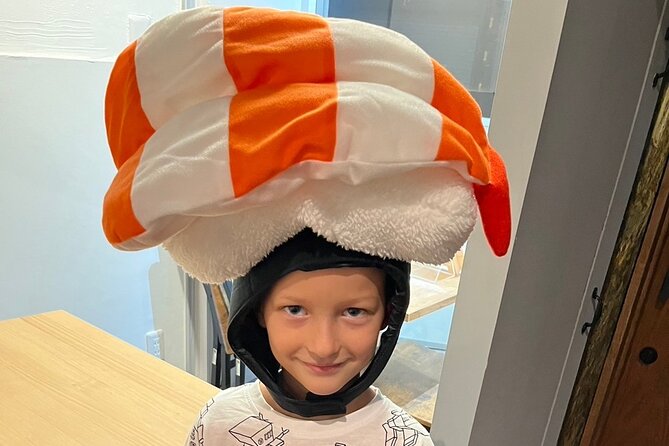
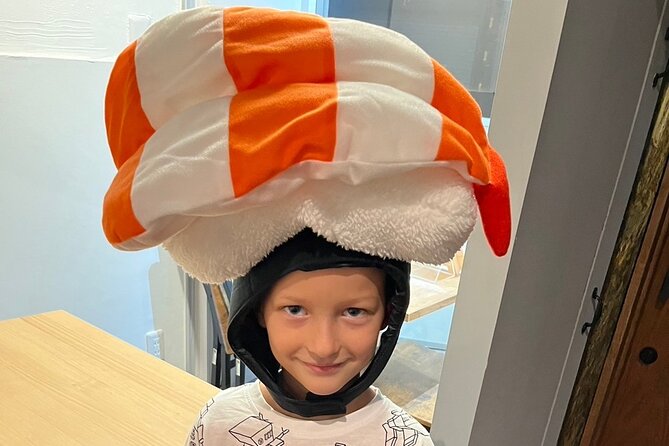
The cheerful presentation includes a sushi-chef costume. That adds a playful touch and works well for photos, especially for families and couples. Some sessions have also included a certificate with your name written in Japanese characters, a photograph, or a small personalized treat. These extras are not the main reason to book, but they make the hour and a half feel more like an activity than a standard meal.
At the end, you eat the 12 pieces you prepared. That is the best part of the lesson. Your pieces may not look perfect, but you will understand why they hold together, and the meal feels more rewarding because you made it yourself.
Dōtonbori location and timing
The class is in central Osaka, in the Dōtonbori and Namba area. That makes it a practical choice if you are already planning an evening around the canal, shopping streets, and restaurants.
The central location also shapes the experience. This is a visitor-friendly cooking activity, not a quiet workshop in a distant neighborhood. If you want an intimate look at the daily work of a traditional sushi restaurant, this is not that. If you want a simple cultural activity that fits neatly into an Osaka sightseeing day, the location is a strong point.
Afternoon and evening sessions give you useful flexibility. An afternoon class can work as a late lunch, while an evening session can serve as an early dinner before you continue around Namba. Think about your appetite when choosing. You are making 12 pieces, so this is more substantial than a quick tasting, though the activity is still fairly short.
Finding the exact entrance may take a little care. One person had trouble locating the venue, so I would allow extra time and check the address before setting out. The meeting point is listed as Sushi Making Experience Namba1A, not simply Dōtonbori. A few spare minutes can prevent a rushed arrival.
Teaching style and language support
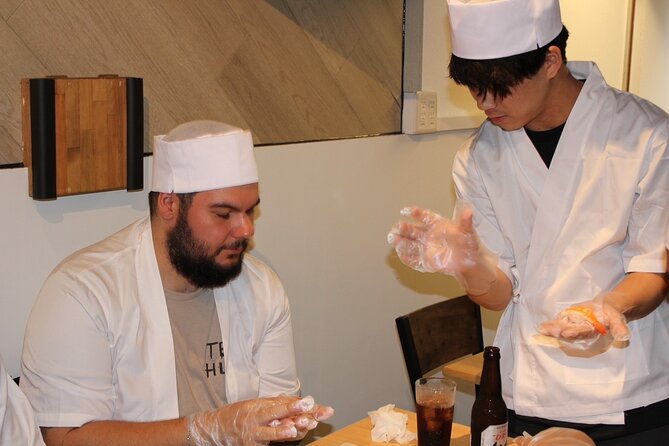
The teaching is conducted in English, Chinese, and Korean. That matters because sushi shaping is easier when you can follow each step directly rather than rely on gestures.
The instructors are described as young, energetic, friendly, and patient. Many classes appear to have a relaxed tone, with time for questions about Osaka, Japanese writing, sushi customs, and the food itself. The personal contact is one of the better reasons to choose this over a self-guided sushi kit.
You should also set your expectations correctly. The lively style will suit families, couples, and solo participants who enjoy a bit of conversation and encouragement. If you prefer a quiet, highly formal cooking lesson, the energy may feel overdone. One account describes the class as commercial and somewhat rushed, with instructors trying to finish quickly. That does not mean every session runs that way, but group size and timing can affect the feel.
The maximum group size is 16 people. That is not a private class, yet it is limited enough that the instructors can provide individual help. When attendance is low, the session can feel almost private. When the room is full, expect a more structured sequence and less time for extended conversation.
More cooking classes in Osaka:
- Matcha Making Class in Osaka with Authentic Japanese Sweets Set
★ 5.0 · 509 reviews - Osaka: Ramen and Gyoza Cooking Class in Dotonbori
★ 5.0 · 378 reviews - Osaka: Traditional Mochi Pounding Experience with Tasting
★ 4.9 · 306 reviews - Osaka Cooking Class: Okonomiyaki &Japanese cuisines experience
★ 5.0 · 261 reviews
The food, drinks, and special diets
The included food is 12 pieces of sushi, along with the fees and taxes. The wording also describes snacks, but you should think of the sushi you prepare as the main edible part of the experience.
Vegetarian, vegan, and halal sushi are available by request. Make that request before the class rather than waiting until you arrive. The plant-based menu may be simpler than the standard seafood option. One participant felt the vegan selection included only a few vegetables compared with the shrimp and seafood offered to other people, and thought the price should reflect that difference.
That is a fair consideration if food variety matters to you. The class is still useful for learning the shaping techniques, but the ingredients may not feel equally generous across every menu type. If you follow a special diet, confirm exactly what will be served before booking.
The information is not fully consistent about drinks. Alcoholic beverages are listed as not included, while the experience description mentions Japanese sake and beer, and some accounts refer positively to sake. Treat alcohol as an optional extra or something to confirm with the provider, not as part of the guaranteed price.
Is $29.85 good value?
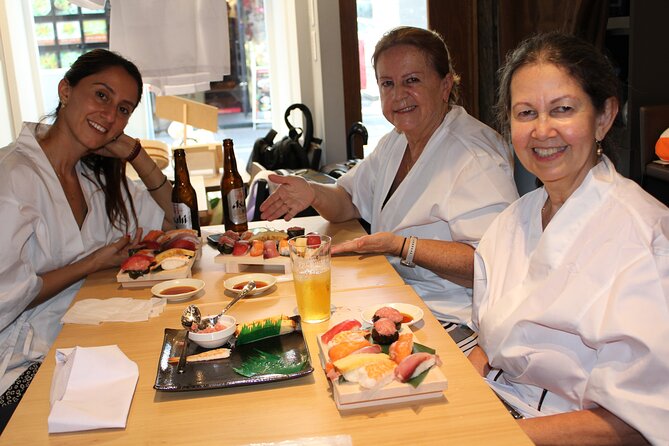
At $29.85 per person, this is a reasonable price for a centrally located, hands-on activity that includes your food and instruction. You are not only paying for 12 pieces of sushi. You are also paying for a prepared class, a guide who demonstrates each technique, access to ingredients, and a meal in the middle of Dōtonbori.
The value is strongest if you want an activity rather than the cheapest possible dinner. You could spend less on a simple sushi meal in Osaka, but that would not teach you how to portion rice, shape nigiri, or make gunkan. On the other hand, this is not a full professional cooking course, and the 90-minute format limits how much you can learn.
For families, the value is good because children can take part in the making, not just sit through a meal. For couples, it offers an easy shared activity. Solo visitors can also join, particularly if they enjoy meeting instructors and asking questions. The maximum of 16 people keeps the price lower than a private lesson while still allowing some personal guidance.
I would book it for the practical lesson and the relaxed social setting, not for a gourmet tasting. The finished sushi is fresh and enjoyable, but the central experience is learning by doing.
Who should book this experience?
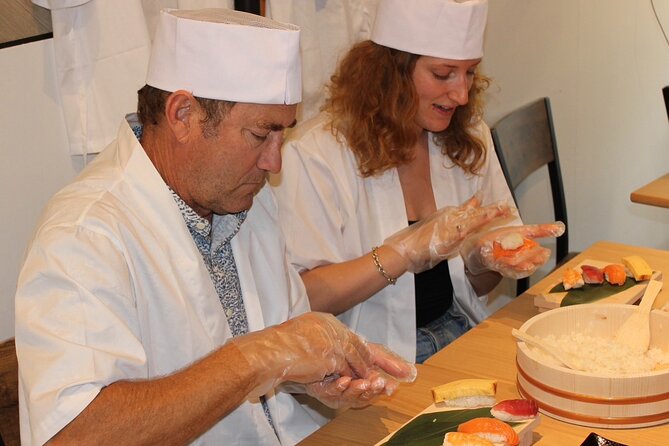
This class suits first-time sushi makers. You do not need prior cooking skill, and the instructors break the process into manageable steps.
It is also a good fit for:
- Families with children: The short duration and costume element help keep the activity engaging.
- Couples: You can work side by side and finish with a meal you prepared together.
- Solo visitors: The small-group setup gives you a chance to talk with the instructors.
- Food-focused visitors: You learn the difference between sushi styles instead of simply ordering from a menu.
- People with dietary needs: Vegetarian, vegan, and halal options can be arranged by request.
I would look elsewhere if you want a serious study of knife skills, fish cutting, or traditional sushi-counter etiquette. Those subjects are not part of the stated program. This is a friendly introduction, with a strong social side and a clear focus on shaping and eating.
Small details that improve the experience
Arrive with enough time to find the meeting point. The central area can be confusing, and a late arrival would be more stressful in a class built around a fixed sequence.
Choose the class time around your meal plans. An afternoon session may replace lunch, while an evening class can work as dinner. If you want to continue eating around Dōtonbori afterward, choose an earlier slot and treat the sushi as a satisfying starter rather than your only meal.
Request your dietary option when booking. This is especially important for vegan and halal participants, since the ingredients and preparation need to be planned.
Keep your expectations realistic about presentation. Your sushi may be uneven at first. That is part of the point. The instructors can help you improve the shape, but the experience is not a competition.
Finally, ask about the drink arrangement if sake or beer matters to you. Alcohol is listed as not included, even though sake and beer appear in the activity description. A quick confirmation avoids a surprise at the venue.
Should you book the Osaka Sushi Making Experience?
I would recommend this class if you want an easy, central Osaka activity that combines food, instruction, and conversation. The strongest features are the hands-on practice, the 12 pieces you make and eat, the multilingual guidance, and the chance to learn techniques you can repeat at home.
Book it with a flexible attitude. The style is upbeat and visitor-friendly, not quiet or formal. The session may feel slightly rushed when the group is full, and special-diet menus may offer fewer ingredients than the standard option. Still, at $29.85, it gives you a useful skill, a meal, and a memorable hour and a half in Namba.
If your Osaka plans already include Dōtonbori, this is an easy activity to fit into the day. If you only want to eat excellent sushi, spend the money at a restaurant instead. If you want to make your own and leave with a better feel for nigiri and gunkan, this class is a good pick.
FAQ
Where does the sushi-making class meet?
It meets at Sushi Making Experience Namba1A, 2-chōme-6-11 Nishinsaibashi, Chūō Ward, Osaka, Japan. The activity ends back at the meeting point.
How long does the experience last?
The class lasts approximately 1 hour and 30 minutes.
How many pieces of sushi will I make?
You will make 12 pieces of sushi.
Which sushi styles are included?
The stated class includes two styles: nigiri sushi and gunkan sushi. Some descriptions also refer to making three different types, so the exact format may vary.
Is the class taught in English?
Yes. Guidance is available in English, Chinese, and Korean.
Are vegetarian, vegan, or halal options available?
Yes. Vegetarian, vegan, and halal sushi are available upon request.
Are drinks included in the price?
Alcoholic beverages are listed as not included. The experience information mentions Japanese sake and beer, so confirm the drink arrangement with the provider if this matters to you.
How many people can join the class?
The maximum group size is 16 people.
Can I cancel for a refund?
Yes. You can cancel at least 24 hours before the local start time for a full refund. Cancellations or changes made less than 24 hours before the start time are not accepted for a refund.
Just added in Osaka
- Urban Canvas: Osaka Street Art Bike Tour★ 5.0 · 10 reviews
- Anime Cosplay Photshoot-50 Digital Photos Provided★ 5.0 · 8 reviews
- TeamLab Botanical Garden Osaka Ticket★ 3.5 · 6 reviews
- Umeda Sky Building & Kuchu Teien Observatory Ticket in Osaka★ 4.5 · 3 reviews
- Immerse in Judo Martial Arts Class from Japan★ 5.0 · 4 reviews
- Cherry Blossom Buddha and Mt.Yoshino with Strawberry Picking Tour★ 4.5 · 5 reviews
- Traditional Home cooking Experience in Osaka, Japan★ 5.0 · 14 reviews
- Traditional Calligraphy Experience near Dotonbori★ 5.0 · 3 reviews
Osaka Cooking Classes, compared.
Matcha Making Class in Osaka with Authentic Japanese Sweets Set
Read our review →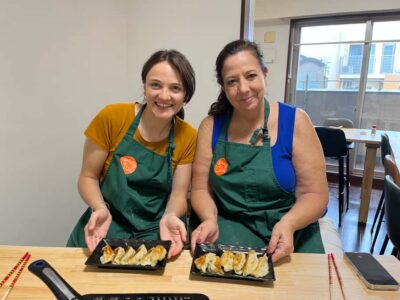
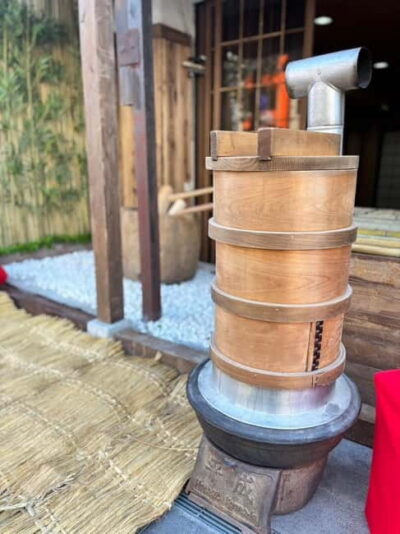
Traditional Mochi Pounding Experience with Tasting
Read our review →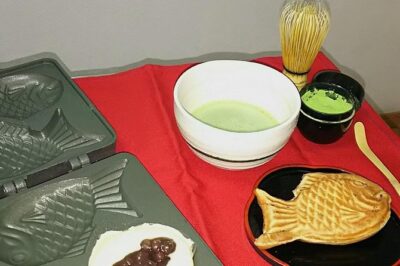
Osaka Cooking Class: Okonomiyaki &Japanese cuisines experience
Read our review →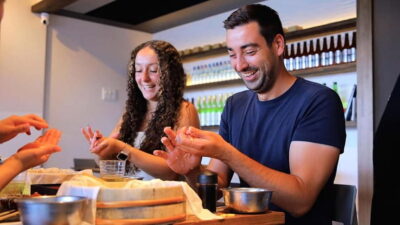
Roll and Authentic Sushi Making Class in Dotonbori
Read our review →
Osaka Sake Tasting & Takoyaki Cooking Experience
Read our review →Browse the lists this tour appears in