
Reviewed · OSAKA COOKING CLASSES
Osaka: Matcha Making Experience with Japanese Sweets
The best part of this one-hour matcha class is its simple rhythm: learn where matcha comes from, whisk it yourself, then sit down with your tea and Japanese sweets. You are not just watching a demonstration. You handle the bamboo whisk and make your own bowl.
I like the small six-person limit, which gives the English-speaking instructor time to help each person create a smooth drink. I also like the central Osaka setting, just five minutes from Shinsaibashi and close to Dotonbori, making this an easy break from shopping, food stalls, and crowds. The main consideration is that this is a short introduction, not a full tea ceremony or a substantial meal.
Key points
- A hands-on first matcha lesson: You whisk your own tea with traditional tools instead of simply tasting a prepared cup.
- A playful history quiz: The opening lesson adds context without turning the hour into a lecture.
- Small groups of up to six: Instructors can guide beginners closely and answer questions.
- Japanese sweets included: The sweets balance matcha’s earthy, slightly bitter flavor.
- A useful central location: The class is near Shinsaibashi and Dotonbori, two of Osaka’s best-known areas for food and shopping.
- Friendly English instruction: Guides including Fujiko, Reika, Serin, Yui, Matty, and Takara are praised for clear explanations and an easygoing manner.
Learning matcha near Dotonbori and Shinsaibashi
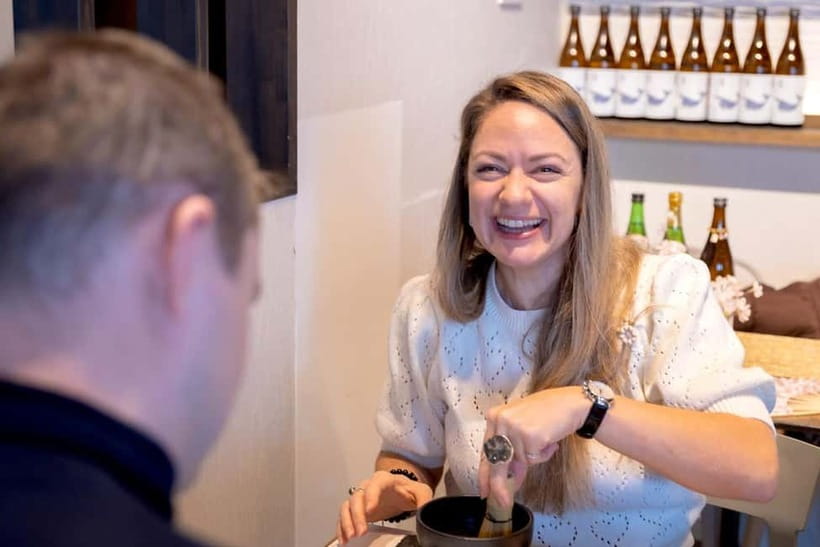
Osaka is famous for eating, so a matcha lesson fits the city well. This class takes place in the Galleria Acca Building, about five minutes on foot from Shinsaibashi Station. The address puts you near Dotonbori and Shinsaibashi, where neon signs, department stores, restaurants, and narrow food streets fill the surrounding area.
That location matters because the activity takes only an hour. You can fit it between lunch and shopping, use it as a cool indoor pause during a hot day, or schedule it before an evening walk around Dotonbori. Several people also appreciated getting away from the noise for a quiet sit-down session.
The meeting point is on the third floor, so look for the Galleria Acca Building and be ready to go upstairs. One class member found the facility a little hard to spot, with the useful advice being simple: go up the stairs. Allow a few extra minutes to find the building rather than arriving at the last moment.
More wagashi and sweets workshops in Osaka:
- Matcha Making Class in Osaka with Authentic Japanese Sweets Set
★ 5.0 · 509 reviews - Osaka: Japanese Traditional Sweets Making and Tea Ceremony
★ 4.7 · 118 reviews - Japanese Traditional Sweets “Nerikiri” making
★ 4.2 · 5 reviews
The opening quiz makes matcha history easy to follow
The class begins with an introduction to matcha and Japanese tea culture. Instead of giving you a long formal talk, the instructor uses an interactive quiz and questions. That approach works well for first-time visitors because you can listen, guess, and ask questions as you go.
You learn about the background of matcha before making it. The lesson covers the origins and place of matcha in Japanese culture, then connects that information to the way the tea is prepared and consumed. It is enough context to make the final bowl feel meaningful without asking you to memorize dates or terminology.
The quiz also gives the instructor a chance to adjust the class to the group. Some people arrive already fond of matcha, while others have never tasted it. The format allows both kinds of participants to take part. If you are a serious matcha fan, you can ask more detailed questions. If this is your first cup, you get a clear starting point.
The teaching style appears to be one of the activity’s strongest features. Fujiko is noted for her humor and strong English, while Serin, Reika, Yui, Matty, and Takara are also praised for making the material clear and interactive. Names and instructors can vary by session, but the practical point is consistent: you receive English guidance rather than trying to copy a silent demonstration.
Whisking your own bowl with traditional tools
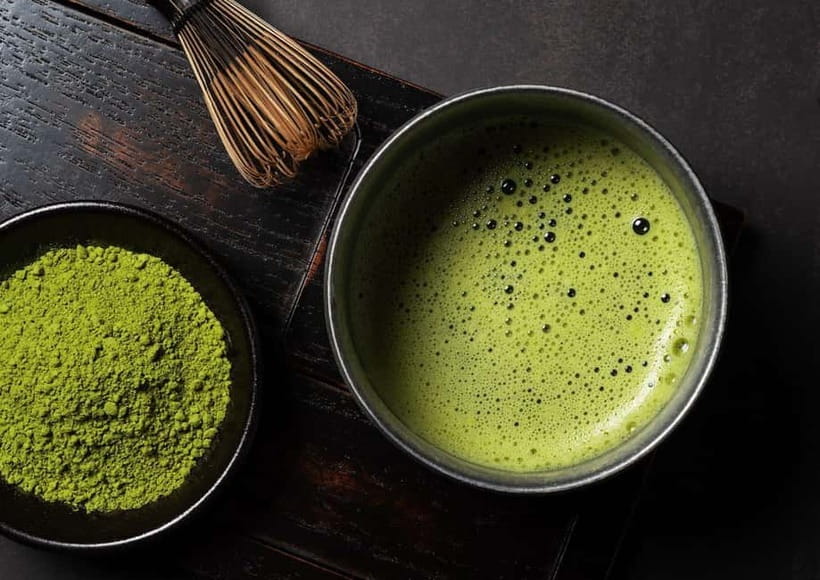
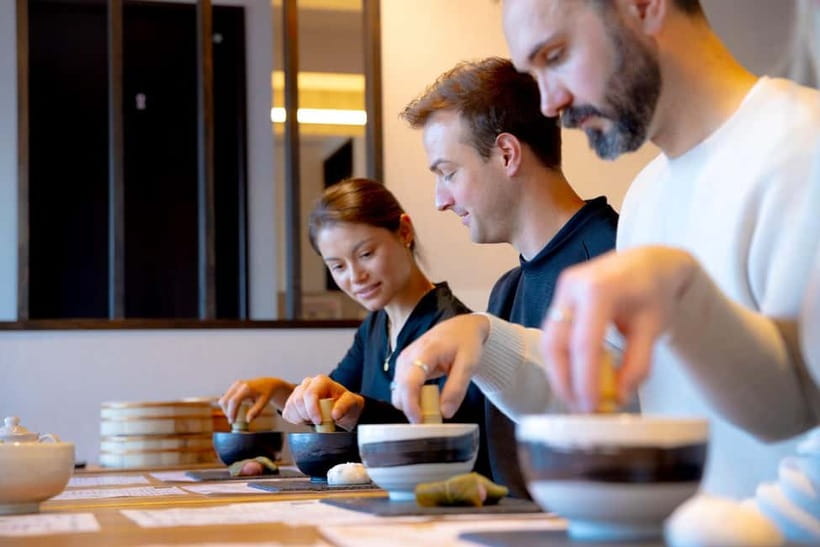
The hands-on section is the heart of the class. You use traditional matcha-making tools, including the bamboo whisk, and follow the instructor’s method step by step. You learn how to work the powder into the water and create the smooth texture that makes a well-prepared bowl pleasant to drink.
This is an easy activity physically, but small details matter. The whisking motion, the way the powder is dissolved, and the final texture all affect the result. Your first bowl may not look perfect, and that is part of the fun. The instructor can show you how to adjust your technique and help you avoid the most common beginner mistakes.
The setup has a traditional feel without requiring you to kneel on the floor. One class participant specifically appreciated the table arrangement, which offered a more comfortable seated position while still keeping the setting connected to Japanese tea customs. That makes the experience suitable for families and people who prefer not to sit in a formal floor position.
The class is not presented as a full ceremonial performance. You are learning the basic preparation and drinking process in a relaxed setting. That distinction is useful when choosing the activity. If you want a formal, highly scripted tea ceremony, this may feel too casual. If you want to understand matcha and prepare it yourself, the informal format is a better fit.
Drinking matcha with Japanese sweets
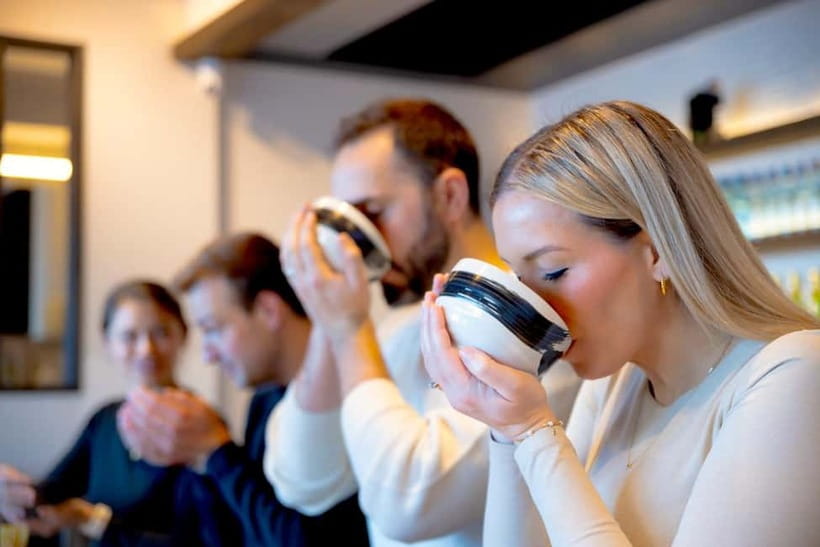
After whisking, you drink the matcha you made and eat Japanese sweets served alongside it. The sweets are not just an extra snack. Their sweetness gives your palate a break from matcha’s vegetal and slightly bitter taste, making the tea easier to appreciate.
The portion is modest. This is a tasting and cultural activity, not lunch. You should eat beforehand if you need a full meal, especially since the class lasts only an hour. Still, the combination feels complete for the time: a short lesson, hands-on preparation, one bowl of tea, and a sweet to finish.
The drinking portion also lets you compare your result with the instructor’s guidance. You can notice the texture, strength, and flavor of your tea after learning how it was prepared. For someone trying matcha for the first time, that makes the experience more useful than simply ordering a matcha drink at a café.
One small limitation is that the final sitting period may feel brief if you want a long, quiet tea session. The class moves through several parts in one hour, so the focus is on learning and doing rather than lingering. You can always continue the experience later by ordering matcha elsewhere in Osaka or trying the method at home.
More tea ceremonies in Osaka:
- Osaka: Tea Ceremony Experience
★ 4.9 · 1,426 reviews - Tea Ceremony Experience in Osaka Doutonbori
★ 5.0 · 754 reviews - Osaka Temple Cool Foot Bath & Matcha Experience〈45min〉
★ 4.9 · 82 reviews - Samurai Show, Tea Ceremony, Japanese Traditional Activities
★ 5.0 · 56 reviews
A small group keeps the lesson personal
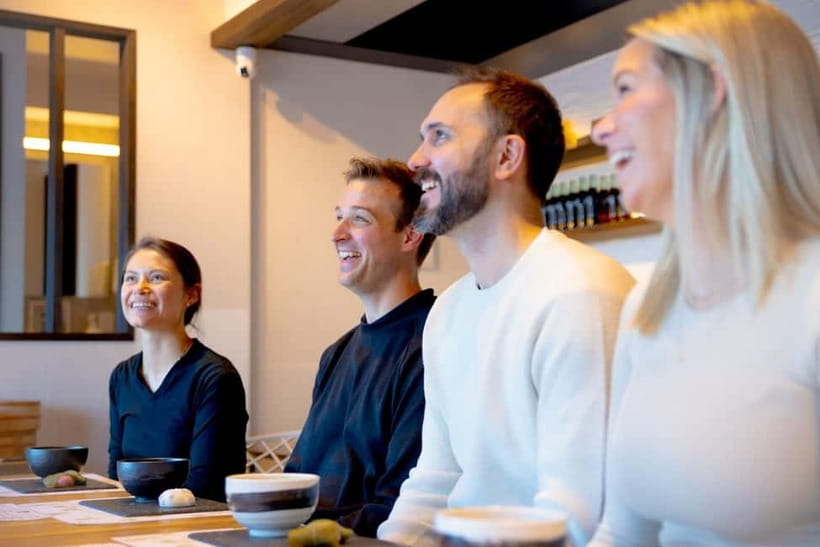
The class accepts up to six participants. That is a good size for this kind of activity. You get the social energy of a group, but the instructor can still watch your technique and answer individual questions.
Solo participants are welcome, and groups can attend together. Families have also used the class successfully, including one family with an eight-year-old child and another with elementary-age children. A nine-month-old baby was also brought along, although the supplied information does not set out a formal age or infant policy, so families with very young children should confirm details when booking.
The small room and limited seating give the session an intimate feel. You are likely to speak with the instructor and the other people at your table rather than sit at the back of a large demonstration. That is especially helpful if you have questions about matcha preparation, Japanese tea customs, or where to eat nearby.
The tone is friendly rather than stiff. Instructors are described as funny, patient, energetic, and welcoming. One guide even shared local restaurant suggestions, and several instructors offered tips for the rest of an Osaka visit. Those conversations can be a welcome bonus, though the main purpose remains the matcha lesson.
What the $22 price gets you
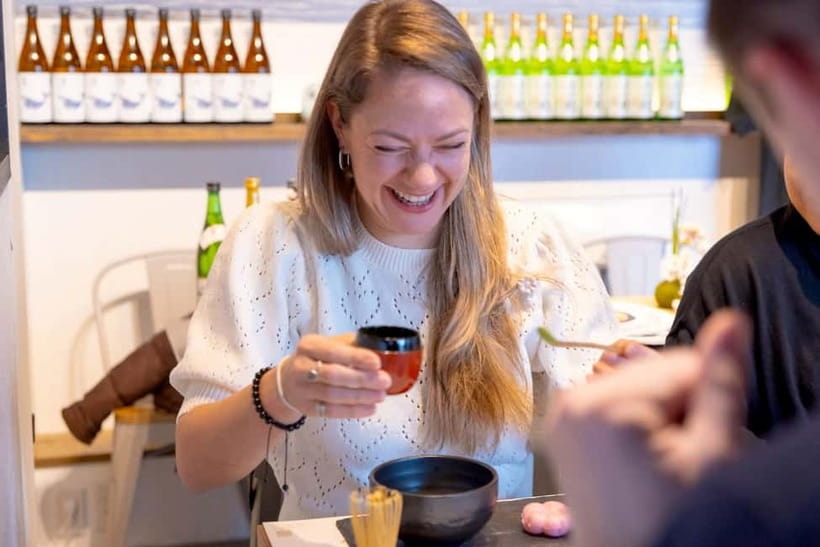
At $22 per person, the class is priced as a compact cultural activity rather than a full cooking workshop. The fee includes the instructor, ingredients, and the class itself. You are paying for guided participation, traditional tools, a bowl of matcha, and Japanese sweets.
I consider that reasonable if you want more than a drink. A café matcha gives you a finished beverage. This class explains what you are drinking and lets you prepare it with help. The added value is the practical knowledge, the small group, and the chance to ask questions in English.
The value is also strongest for first-time matcha drinkers and people who want a short cultural activity close to Osaka’s main entertainment areas. If you already make matcha at home, you may find the basic instruction familiar, but the history and Japanese setting can still make the hour worthwhile.
You should not book it expecting a large amount of food, a long ceremony, or a take-home meal. One participant noted that there is not much matcha or food, which is fair. The class is carefully sized around a single learning experience.
A useful lesson for matcha fans and complete beginners
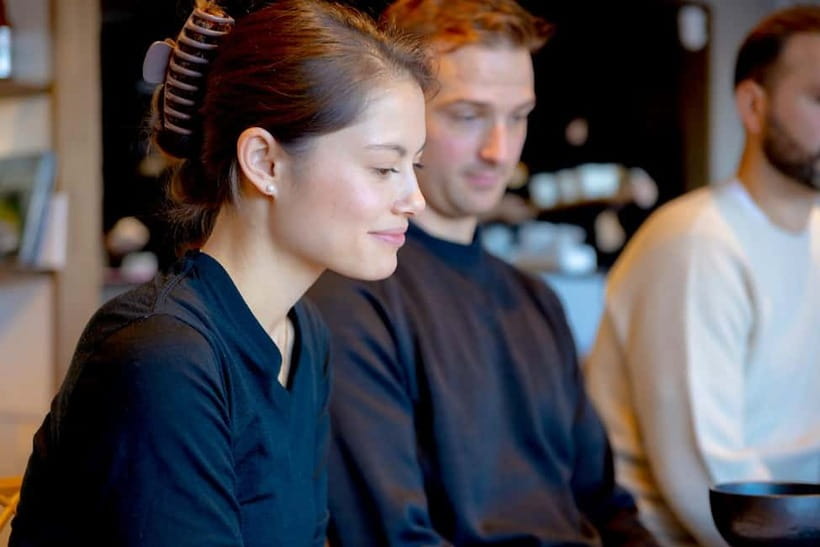
This activity suits a wide range of people. Beginners get patient instruction and an approachable introduction. Matcha fans can ask about technique and tea culture. Families and teenagers can take part because the quiz and whisking keep the hour active.
It also works well for visitors who want a break from Osaka’s busy streets. The class offers a seated indoor hour, and one participant chose it specifically as an escape from the heat. The central address means you do not need to spend half a day crossing the city for it.
The experience may be less suitable if you are looking for a formal ceremony with elaborate etiquette, extended meditation, or a large meal. It is also not the best choice if you dislike guided group activities. Even with six people or fewer, you will be learning together and following an instructor’s pace.
For a family booking, the table arrangement is a practical advantage because you do not need to kneel. For solo visitors, the limited group size makes it easier to meet people without committing to a long social event. For couples, it gives you something more memorable than another café stop.
Timing, cancellation, and practical planning
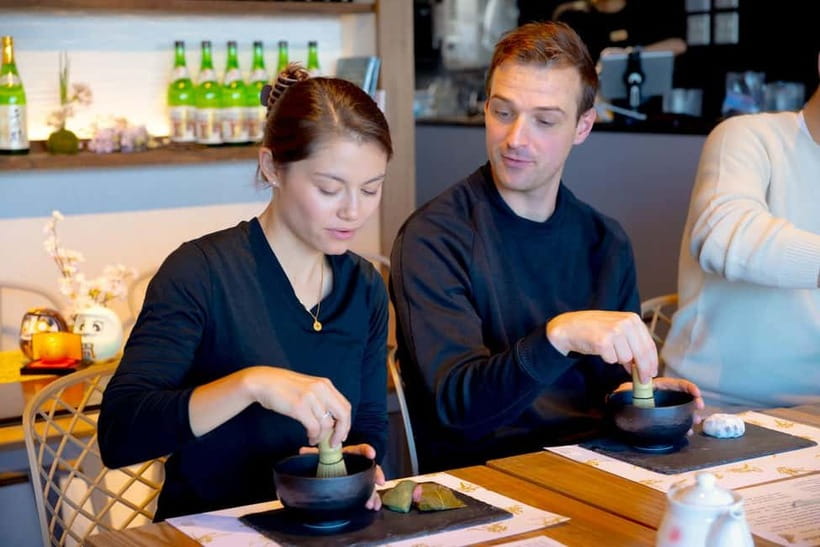
The activity lasts one hour, with starting times based on availability. Because the lesson is short, I would place it before or after another plan in Shinsaibashi or Dotonbori rather than building an entire day around it.
You can cancel up to 24 hours in advance for a full refund. The reserve-now, pay-later option also helps if your Osaka schedule is still changing. These policies are useful in a city where restaurant bookings, weather, and day trips can shift your plans.
Hotel pickup and drop-off are not included. You make your own way to the Galleria Acca Building, using the address and coordinates provided. The class is taught in English, and the group type is small.
The activity is provided by Sushi Making Japan, also known as Cooking Class in Japan. Despite that provider name, this particular experience focuses on matcha making and Japanese sweets, not sushi preparation.
Should you book this Osaka matcha class?
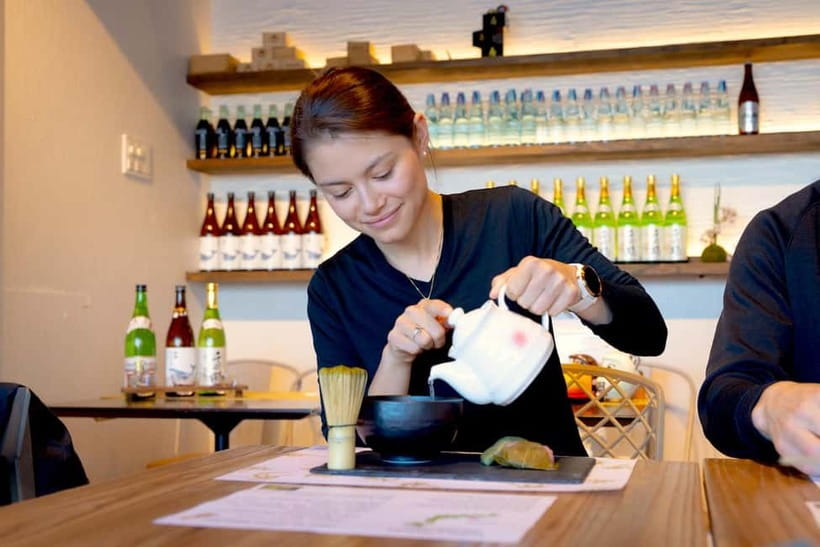
I would book it if you want a short, hands-on introduction to Japanese tea culture in a convenient part of Osaka. The strongest reasons are the six-person limit, the clear English instruction, the chance to whisk your own tea, and the sweets served at the end.
It is especially useful for first-time matcha drinkers, families, couples, solo visitors, and anyone seeking an indoor pause near Shinsaibashi. Guides such as Fujiko, Reika, Serin, Yui, Matty, and Takara have made the experience friendly and easy to follow.
I would skip it only if you want a formal tea ceremony, a full meal, or an advanced workshop. For everyone else, $22 buys a well-contained cultural activity that teaches you something practical and leaves you with a new way to enjoy matcha at home.
FAQ
Where does the matcha class take place?
It takes place on the third floor of the Galleria Acca Building, about five minutes from Shinsaibashi Station. It is near Dotonbori and Shinsaibashi in central Osaka.
How long does the activity last?
The matcha-making experience lasts one hour.
Is the class taught in English?
Yes. English-speaking local instructors lead the class and provide guidance throughout the history lesson, preparation, and tasting.
How many people are in each group?
The class is limited to six participants, creating a small-group setting.
Are Japanese sweets included?
Yes. Japanese sweets are served with the matcha you prepare.
What is included in the price?
The price includes the cooking class, ingredients, and instructor. Hotel pickup and drop-off are not included.
More Cooking Classes in Osaka
- Osaka Sushi Making Experience
★ 5.0 · 400 reviews - Osaka: Ramen and Gyoza Cooking Class in Dotonbori
★ 5.0 · 378 reviews - Osaka: Traditional Mochi Pounding Experience with Tasting
★ 4.9 · 306 reviews - Osaka Cooking Class: Okonomiyaki &Japanese cuisines experience
★ 5.0 · 261 reviews
Just added in Osaka
- Urban Canvas: Osaka Street Art Bike Tour★ 5.0 · 10 reviews
- Anime Cosplay Photshoot-50 Digital Photos Provided★ 5.0 · 8 reviews
- TeamLab Botanical Garden Osaka Ticket★ 3.5 · 6 reviews
- Umeda Sky Building & Kuchu Teien Observatory Ticket in Osaka★ 4.5 · 3 reviews
- Immerse in Judo Martial Arts Class from Japan★ 5.0 · 4 reviews
- Cherry Blossom Buddha and Mt.Yoshino with Strawberry Picking Tour★ 4.5 · 5 reviews
- Traditional Calligraphy Experience near Dotonbori★ 5.0 · 3 reviews
- Discover Osaka’s Iconic Umeda Sky Observation★ 5.0 · 6 reviews
Osaka Cooking Classes, compared.
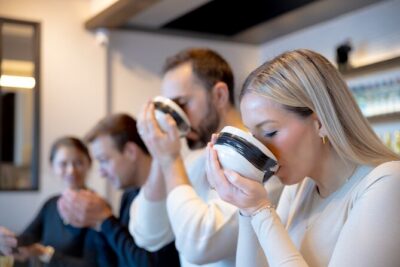
Matcha Making Class in Osaka with Authentic Japanese Sweets Set
Read our review →
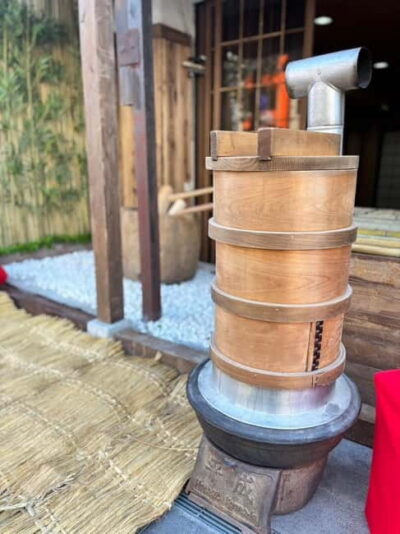
Traditional Mochi Pounding Experience with Tasting
Read our review →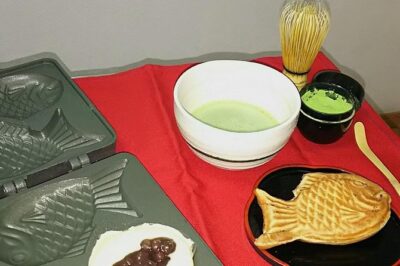
Osaka Cooking Class: Okonomiyaki &Japanese cuisines experience
Read our review →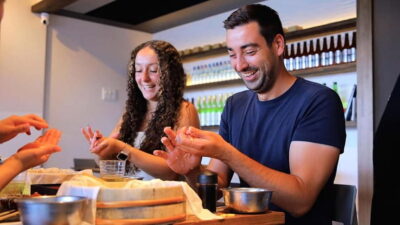
Roll and Authentic Sushi Making Class in Dotonbori
Read our review →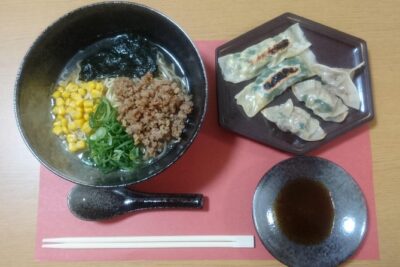
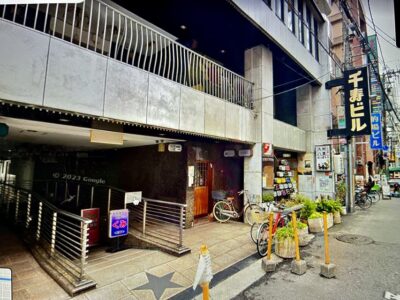
Osaka Sake Tasting & Takoyaki Cooking Experience
Read our review →Browse the lists this tour appears in