
Reviewed · OSAKA COOKING CLASSES
Osaka : Cooking Class Okonomiyaki & Takoyaki course in Nanba
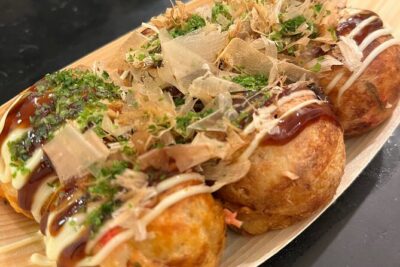
Osaka’s best-known comfort foods are the stars here: okonomiyaki, a savory pancake, and takoyaki, the hot dough balls filled with octopus. You do not simply watch a chef work. You mix, cook, shape, and eat the food yourself, which makes this a useful introduction to everyday Japanese cooking.
I like the small group of up to eight, since it gives you a better chance to ask questions and get help at the hot plates. I also like the take-home recipes, along with the relaxed tasting session and drinks. The main catch is the timing: the published schedule adds up to three hours, while the activity is also described as lasting two hours, so confirm the exact length when you book.
Key points to know before booking
- You make two Osaka classics: Prepare both okonomiyaki and takoyaki rather than focusing on just one dish.
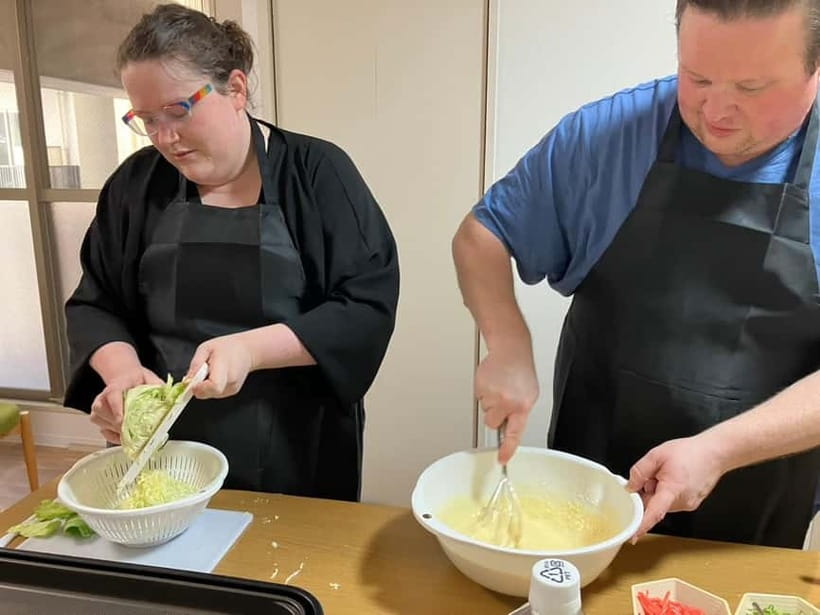
- The class is hands-on: Ingredients and cooking tools are supplied, and the instructors guide you through each step.
- Small groups matter: With no more than eight participants, help should be close at hand.
- Drinks are part of the tasting: Sake, beer, and soft drinks are included, with extra food and drinks available only at your own expense.
- Recipes go home with you: You can try the dishes again after your Japan trip.
- The timetable needs checking: The stated 30-minute orientation, 1.5-hour cooking period, and 1-hour tasting session total three hours, despite the listed two-hour duration.
Why okonomiyaki and takoyaki make a good Osaka class
If you have eaten in Osaka, you have probably seen these dishes on menus and at casual food counters. Okonomiyaki is often described as a Japanese savory pancake, but that label only gets you partway there. You combine a batter with ingredients and cook it on a hot surface, then finish it with sauces and toppings.
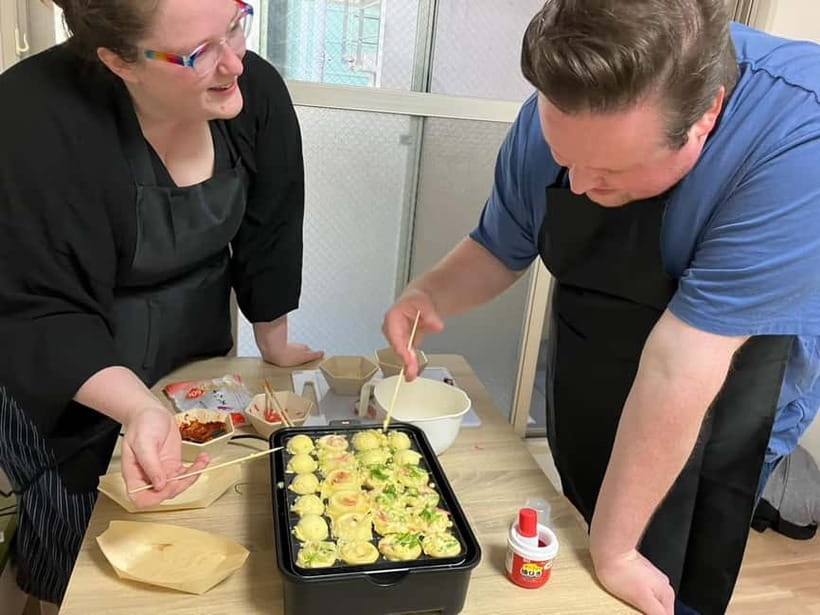
Takoyaki is a different sort of challenge. The batter is poured into round molds, with octopus and other ingredients added as the balls cook. Turning them into neat spheres takes some practice, so the class gives you something to do with your hands rather than leaving you as a passive observer.
That makes these dishes particularly well suited to a short cooking course. You learn techniques that are simple enough for beginners but still require attention. The finished meal is also familiar enough to be appealing to children and cautious eaters, while offering food enthusiasts a closer look at Osaka-style cooking.
I like the local focus. This is not a broad survey of Japanese cuisine with a long list of unrelated dishes. You concentrate on two foods strongly linked with Osaka, then sit down and eat what you prepared.
More takoyaki classes in Osaka:
- Osaka Sake Tasting with Takoyaki Cooking
★ 5.0 · 156 reviews - Osaka Sake Tasting & Takoyaki Cooking Experience
★ 5.0 · 149 reviews - Osaka Street Food Festival :Takoyaki&Okonomiyaki for Families
★ 5.0 · 13 reviews
What happens during the orientation and preparation
The first part is a 30-minute orientation and preparation session, according to the stated program. This is where you should expect to get familiar with the class, the ingredients, and the equipment before the cooking begins.
The practical value of this opening is easy to overlook. Hot cooking surfaces and takoyaki molds require a little care, and a clear explanation at the start should help you work with more confidence. You also have a chance to ask questions before the group gets busy.
The class is designed for beginners, so you do not need prior cooking experience. Food enthusiasts should still find enough interest in learning about the ingredients and the way the dishes are assembled. One participant particularly appreciated picking up small tips and tricks from the instructors, which is the sort of detail that can make the difference when you try the recipes at home.
Instruction is available in English and Japanese. The activity information also describes the instructors as fluent in Spanish, though the additional details confirm English and Japanese. If Spanish instruction is important to you, check that point before payment.
Making okonomiyaki from batter to plate
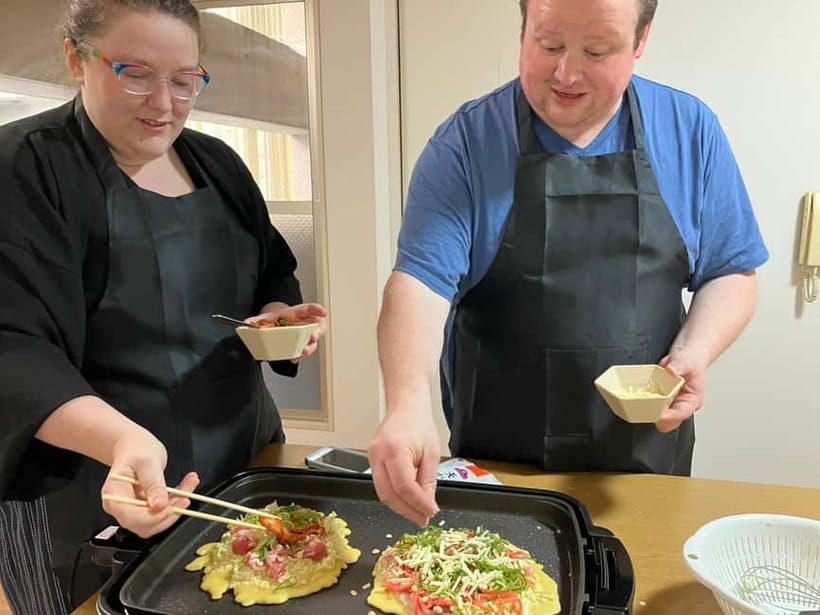
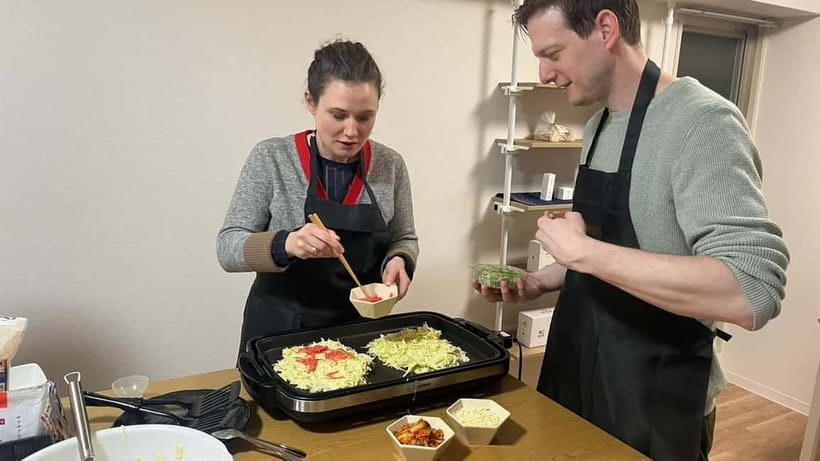
The okonomiyaki portion gives you a chance to work with a dish that is forgiving and social. You prepare the mixture, cook it, and build the finished pancake with guidance from the instructor.
That hands-on format is more useful than simply being told how okonomiyaki is made. You can see how the texture changes as it cooks and ask for help if your pancake is not behaving as planned. The class is conducted in a group setting, so you will be cooking alongside other participants rather than receiving a private chef lesson by default.
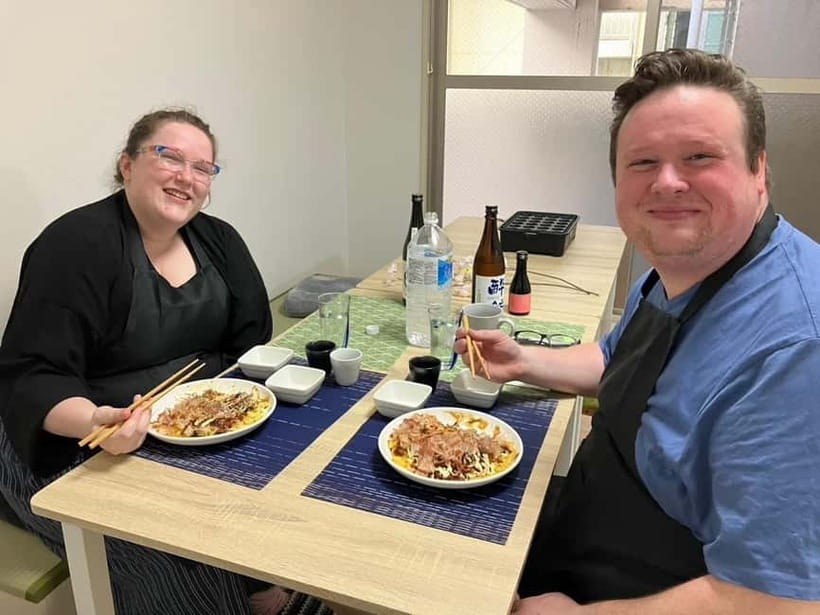
The final tasting is part of the experience, not an afterthought. You sit down with the food you prepared and pair it with one of the included drinks. The meal gives you a clear sense of why these dishes are so popular: they are warm, filling, informal, and meant to be enjoyed without fuss.
One practical tip is worth taking seriously: do not eat a heavy meal before the class. You will be preparing and eating both okonomiyaki and takoyaki, and one participant specifically warned that the amount of food is generous.
Turning takoyaki without losing the plot
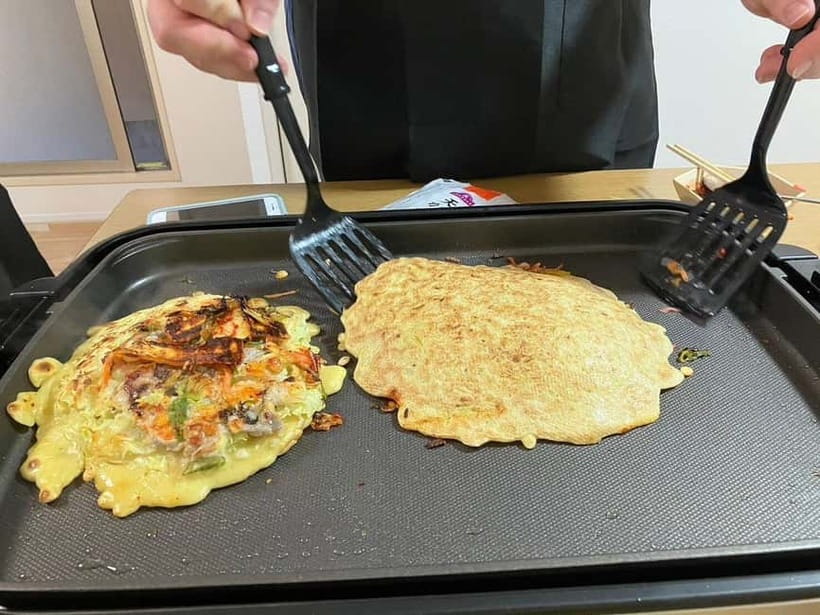
Takoyaki is likely to be the most entertaining part of the cooking. The batter begins in a mold, and you work toward round balls as they cook. It looks easy when an experienced cook does it, but the timing and turning take attention.
That is where having an instructor nearby helps. The professional guides can show you how to handle the food and step in with advice when needed. You should expect a few imperfect shapes at first. That is part of the fun, and the final taste matters more than a perfectly round result.
This dish also gives the class a little theater. You are not just stirring a bowl and waiting for an oven timer. You have to watch the food and respond as it cooks. For families, couples, and friends, that shared task can make the session more memorable than a standard meal.
The class does not promise a restaurant-style presentation or advanced chef training. Its value is in giving you a practical first attempt, along with recipes that let you keep practicing after you leave Osaka.
More okonomiyaki classes in Osaka:
- Osaka Cooking Class: Okonomiyaki &Japanese cuisines experience
★ 5.0 · 261 reviews - Cooking Ramen&Gyoza/KatsuCurry/Bento/Okonomiyaki+Store Tour@Osaka
★ 5.0 · 138 reviews - Osaka Okonomiyaki Cooking Experience!
★ 5.0 · 79 reviews - Osaka Okonomiyaki Cooking Class “Learn here and make it at home”
★ 5.0 · 20 reviews
The tasting session, drinks, and amount of food
After cooking, you eat the okonomiyaki and takoyaki you made. Included drinks are sake, beer, and soft drinks, giving you a choice between an alcoholic pairing and a nonalcoholic option.
This is one of the strongest parts of the format. You are not rushing away after the final cooking step. Instead, you get time to enjoy the food and chat with the instructors and other participants. Several of the named hosts, including Nana, Mimi, Asami, and Sacha, have been praised for being welcoming, friendly, and easy to follow.
The tasting also gives you a chance to compare your result with what you expected. If you are new to Japanese cooking, you can ask about the ingredients and the way the dishes are normally eaten. It is a simple setting, but food often creates better conversation than a formal lecture.
The stated tasting period is one hour. However, the overall duration is listed as two hours, while the separate sections total 30 minutes of orientation, 1.5 hours of cooking, and one hour of tasting. That is a three-hour program. This is the one detail I would confirm before booking, especially if you have a train, dinner reservation, or evening plan afterward.
Small group size and the feel of the class
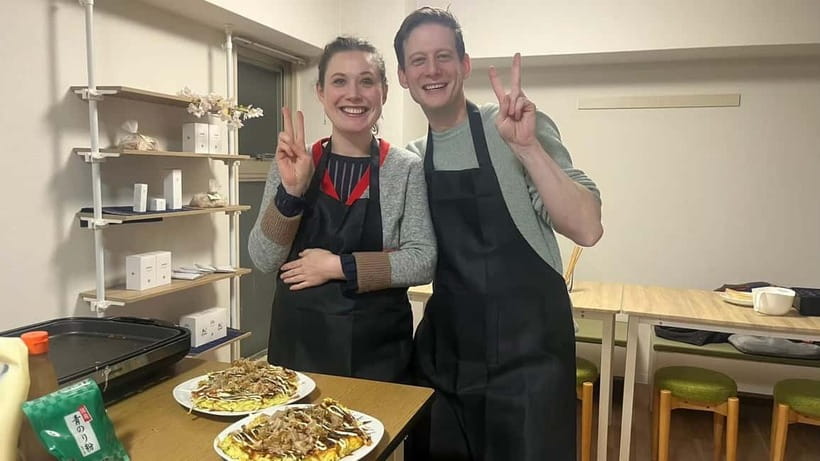
The maximum group size is eight participants. That is a useful limit for a practical cooking lesson. You should have more access to the instructors than you would in a large demonstration class, and the cooking remains a shared activity rather than a crowded production line.
The class may be especially appealing if you are traveling alone and want an easy social activity. One booking had only two participants, making it feel almost like a private class. That is not something you can count on, but the small maximum leaves room for a more personal session when numbers are low.
Couples and families can also fit comfortably into the format. Beginners are welcome, and the instructors are there to help throughout the cooking. The class is not presented as a silent, formal lesson, so you should expect conversation and cooperation with the rest of the group.
The tradeoff is that you do not control the group dynamic. If you want a completely private lesson, this is not advertised as one. You may be cooking with people at different skill levels, and the pace will be shaped by the whole group.
Meeting at Dear Court Semba
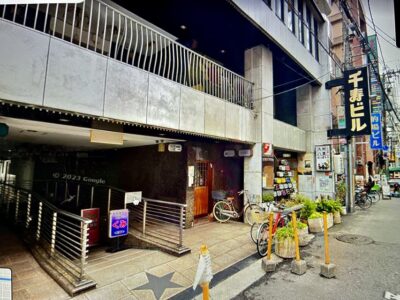
The meeting point is Dear Court Semba 303, 4-chōme-3-1 Bakurōmachi, Chuo Ward, Osaka, 541-0059. You enter the building and use the doorbell at the entrance. Press 303, then press the Call button marked 呼. Once the door opens, go to Room 303 on the third floor.
This is the sort of arrival detail you should save before setting out. You are not meeting at a large restaurant entrance with an obvious tour desk. If your phone connection is unreliable, have the room number and doorbell instructions ready.
Hotel pickup and drop-off are not included, so you make your own way to the address. The activity is listed as wheelchair accessible, but it is still sensible to confirm any particular access needs when reserving, especially because the class takes place in a building room rather than a purpose-built visitor center.
Pets are not allowed.
Is the $70 price good value?
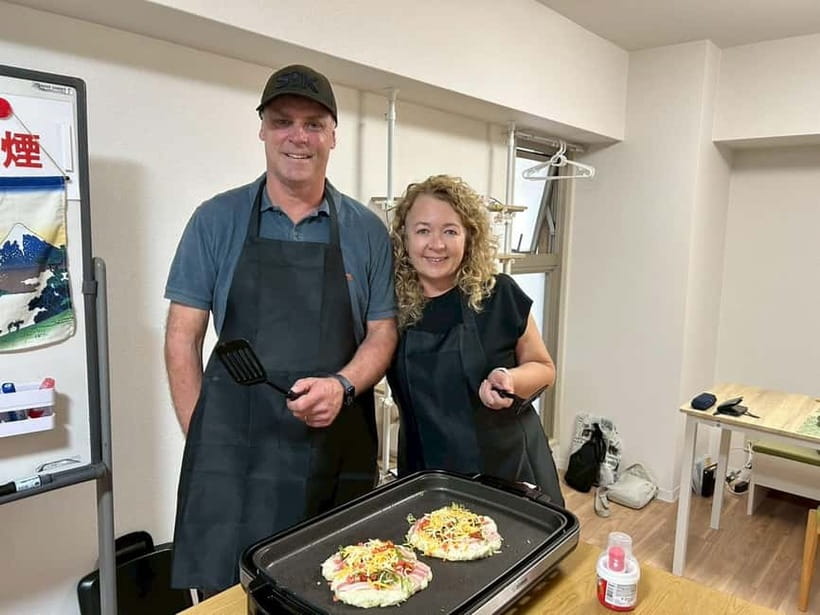
At $70 per person, the class includes ingredients, tools, professional instruction, 1.5 hours of hands-on cooking as described, a tasting session, and drinks such as sake, beer, and soft drinks. You also receive recipes to use at home.
That is a fair package if you place value on participation rather than simply eating a meal. You are paying for instruction, food, a social activity, and the chance to learn two dishes that you may be able to recreate later. The recipes improve the value because the experience can continue after your trip.
Still, price-sensitive visitors should compare the class with the cost of eating okonomiyaki and takoyaki at a casual restaurant. A restaurant meal will almost certainly require less time and effort. This class makes sense when you want to learn and cook, not just fill up.
One booking described the cost as $116 per person and considered it a little high, while the supplied activity price is $70. Prices can vary by booking conditions or date, so check the amount shown for your chosen session. At $70, I find the value easier to justify, particularly if the full stated cooking and tasting schedule is provided.
Who will enjoy this most
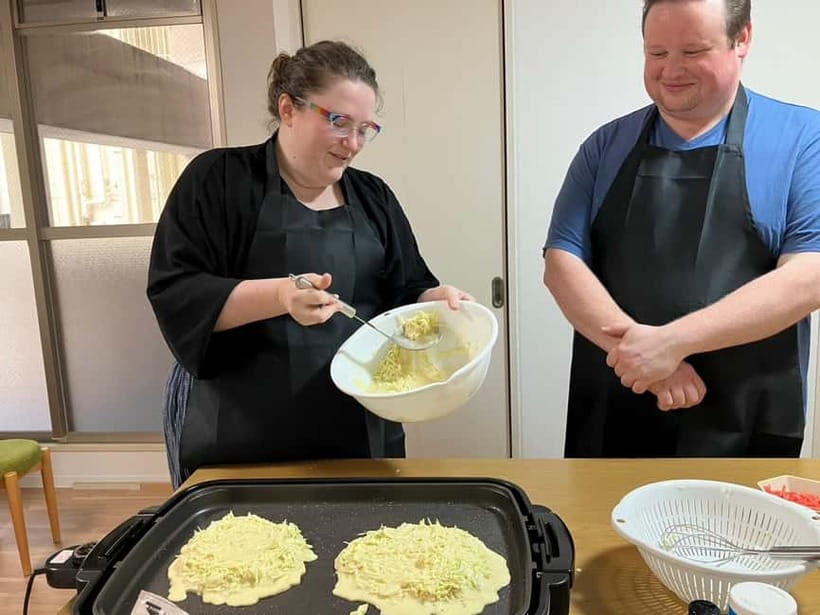
I would recommend this class to:
- First-time visitors who want a food activity tied closely to Osaka
- Beginners who prefer clear guidance over independent cooking
- Couples and families looking for something more active than sightseeing
- Solo visitors who like small-group social activities
- Food enthusiasts who want recipes and practical tips for home cooking
- Anyone who enjoys a generous meal and does not mind eating both dishes in one sitting
You may want to skip it if your schedule is tight, you dislike group activities, or you are looking for advanced culinary training. It is also a poor choice immediately after a large lunch. The food portion sounds substantial.
The class is not designed around hotel pickup, a market visit, or a tour of Osaka’s food history. Its strength is narrower and more practical: you arrive, learn, cook, eat, and leave with recipes.
Booking, cancellation, and language details
Booking is required at least one day ahead. You can cancel up to 24 hours before the activity for a full refund, and the reserve-now-pay-later option lets you hold a place without paying immediately.
The class is listed as available in English and Japanese. The instructors are described as professional Washoku cooks, and named hosts including Nana, Mimi, Asami, and Sacha have led sessions. Since host assignments may differ by date, do not assume one particular instructor unless your booking confirms it.
Starting times depend on availability. Check the exact session time and the total duration carefully because the published time breakdown does not match the two-hour headline.
Should you book this Osaka cooking class?
Book it if you want to make Osaka food rather than simply order it. The small group, friendly instruction, included drinks, generous tasting, and take-home recipes create a well-rounded food activity for beginners.
I would be most likely to choose it early in an Osaka visit. You can learn what goes into okonomiyaki and takoyaki, then use that knowledge when you order the dishes elsewhere. Just confirm the true length and current price before paying, and arrive hungry but not stuffed.
FAQ
How long does the cooking class last?
The activity is advertised as two hours, but the detailed schedule lists 30 minutes for orientation, 1.5 hours for cooking, and one hour for tasting. Those sections total three hours, so confirm the exact duration and starting time when booking.
What dishes will I make?
You will make okonomiyaki, a Japanese savory pancake, and takoyaki, savory dough balls traditionally made with octopus.
Are ingredients and cooking tools included?
Yes. The class provides all ingredients and tools needed for the cooking session.
Are drinks included?
Yes. The tasting session includes drinks such as sake, beer, and soft drinks. Additional food and drinks are not included.
Can beginners join?
Yes. The class is described as suitable for beginners and food enthusiasts, with instructors providing guidance throughout the cooking.
What languages are available?
Instruction is available in English and Japanese. The activity information also refers to Spanish-speaking instructors, so confirm Spanish availability if you need it.
Where does the class meet?
The meeting point is Dear Court Semba 303, 4-chōme-3-1 Bakurōmachi, Chuo Ward, Osaka, 541-0059. Press 303 and then the Call button marked 呼 at the entrance, then go to Room 303 on the third floor.
Is the class wheelchair accessible?
Yes, the activity is listed as wheelchair accessible.
Can I cancel for a refund?
You can cancel up to 24 hours in advance for a full refund. Booking is required at least one day ahead, and the reserve-now-pay-later option allows you to book without paying immediately.
More Workshops in Osaka
- Sushi Making Osaka Roll and Authentic Japanese Sushi Class
★ 5.0 · 1,220 reviews - Osaka: Roll and Authentic Sushi Making Class in Dotonbori
★ 4.9 · 239 reviews - Ramen and Gyoza Cooking Class in Osaka
★ 5.0 · 202 reviews - Osaka: Sushi Class in Dotonbori
★ 4.9 · 160 reviews
More Cooking Classes in Osaka
- Matcha Making Class in Osaka with Authentic Japanese Sweets Set
★ 5.0 · 509 reviews - Osaka Sushi Making Experience
★ 5.0 · 400 reviews - Osaka: Ramen and Gyoza Cooking Class in Dotonbori
★ 5.0 · 378 reviews - Osaka: Traditional Mochi Pounding Experience with Tasting
★ 4.9 · 306 reviews
Just added in Osaka
- Urban Canvas: Osaka Street Art Bike Tour★ 5.0 · 10 reviews
- Anime Cosplay Photshoot-50 Digital Photos Provided★ 5.0 · 8 reviews
- TeamLab Botanical Garden Osaka Ticket★ 3.5 · 6 reviews
- Cherry Blossom Buddha and Mt.Yoshino with Strawberry Picking Tour★ 4.5 · 5 reviews
- Umeda Sky Building & Kuchu Teien Observatory Ticket in Osaka★ 4.5 · 3 reviews
- Immerse in Judo Martial Arts Class from Japan★ 5.0 · 4 reviews
- Traditional Home cooking Experience in Osaka, Japan★ 5.0 · 14 reviews
- Traditional Calligraphy Experience near Dotonbori★ 5.0 · 3 reviews
Osaka Cooking Classes, compared.

Matcha Making Class in Osaka with Authentic Japanese Sweets Set
Read our review →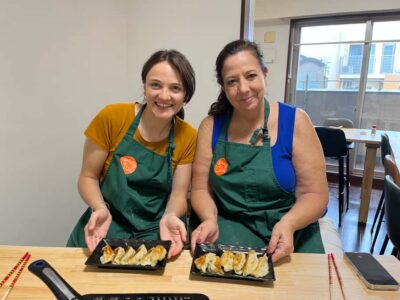
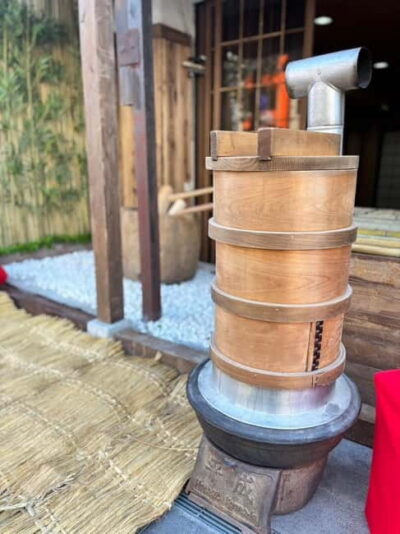
Traditional Mochi Pounding Experience with Tasting
Read our review →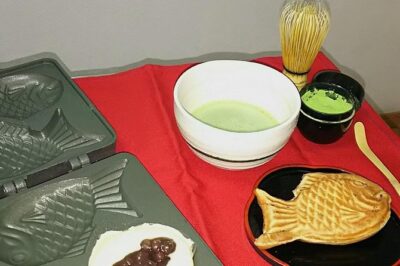
Osaka Cooking Class: Okonomiyaki &Japanese cuisines experience
Read our review →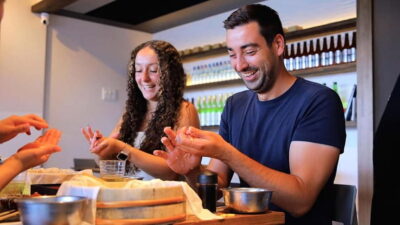
Roll and Authentic Sushi Making Class in Dotonbori
Read our review →
Osaka Sake Tasting & Takoyaki Cooking Experience
Read our review →Browse the lists this tour appears in