
Reviewed · OSAKA COOKING CLASSES
Ramen and Gyoza Cooking Class in Osaka
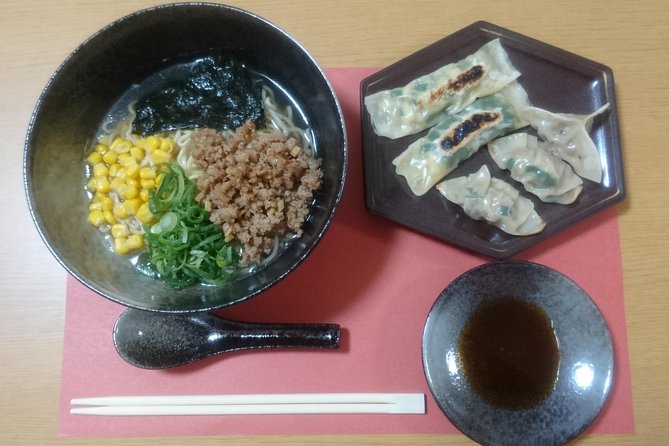
Making noodles by hand is the heart of this Osaka cooking class. In about two and a half hours, you prepare ramen from scratch, then fold classic pork gyoza and crisp rectangular vegetable dumplings before sitting down to eat what you made.
I like the small-group setup, advertised for up to six people, and the practical recipes you can repeat at home. I also like that instructors such as Keigo explain why each step matters, rather than simply telling you what to do. The main thing to check is the group size, since the additional booking information allows up to 12 participants.
Key details before you book
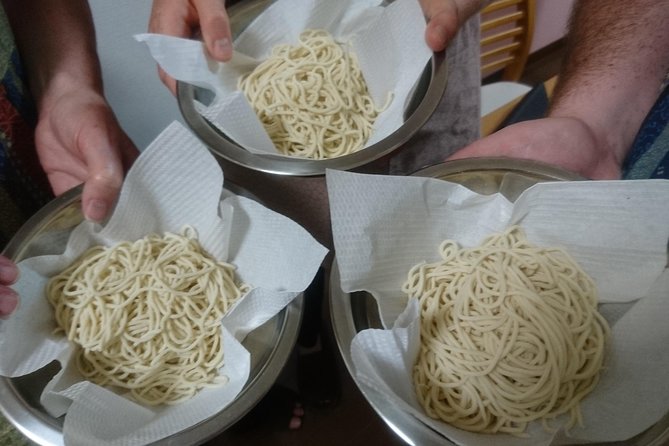
- Fresh ramen, not just toppings: You make the noodles, soup, and toppings yourself.
- Two distinct gyoza styles: Learn classic round pork dumplings and rectangular vegetable gyoza with a crisp finish.
- A useful class size: The experience is presented as a maximum-six-person class, though another listing detail states a maximum of 12.
- A meal is part of the lesson: Your ramen and dumplings become lunch or dinner, with green tea and a seasonal dessert.
- Recipes go home with you: A printed recipe helps turn the class into something you can repeat in your own kitchen.
- Dietary requests need advance notice: Vegetarian options are available, and ingredients can change with the season.
Why this Osaka cooking class is worth your time
Osaka is famous for eating well, but a cooking class gives you a better look at what is behind the bowl. Here, you work with the ingredients rather than simply ordering a finished plate. That makes the experience useful for food lovers who want more than another restaurant meal.
At $79.59 per person, the price includes all ingredients, kitchen equipment, instruction, the meal, a seasonal dessert, and a printed recipe. You are not paying only for lunch or dinner. You are also paying for a guided lesson, access to a prepared kitchen, and the chance to learn techniques you can use later.
I would not call this a formal culinary school session. It is a friendly, practical class aimed at visitors and home cooks. You do not need advanced cooking skills, but you should be ready to work with your hands and follow several steps in sequence.
The class is described as taking place in Nishinomiya, while the stated meeting point is in Osaka’s Nishi Ward at Banix Kitahorie, near public transportation. Check the confirmed meeting details carefully after booking, especially if you are planning your day around another activity.
More ramen and gyoza classes in Osaka:
- Osaka: Five Must-See Highlights Walking Tour & Ramen Lunch
★ 4.7 · 411 reviews - Osaka: Ramen and Gyoza Cooking Class in Dotonbori
★ 5.0 · 378 reviews - Walking Tour of Osaka’s 5 Must-See Sights, with Ramen for Lunch
★ 5.0 · 158 reviews
Finding the kitchen in Kitahorie
The meeting address is listed as Banix北堀江, 3-chōme 6-2 Kitahorie, Nishi Ward, Osaka, postal code 550-0014. The activity begins and ends at the meeting point, and hotel pickup is not included.
This is the sort of detail that matters more than it first seems. Cooking classes often take place in private or residential-style kitchens rather than large tourist facilities, so allow enough time to find the building. One instructor or assistant has been reported to wait outside and help participants locate the entrance, but you should still arrive with the full address ready on your phone.
The area is near public transportation, which makes the class fairly easy to fit into an Osaka itinerary. You will not need to arrange a separate ride back after dinner. Since the activity lasts around two hours and 30 minutes, you can place it between other plans, but avoid booking a tight connection immediately afterward.
Luggage has been allowed at the location, according to one firsthand account, though this is best confirmed in advance if you are carrying large bags. The class ends where it starts, so you can continue to your hotel or another evening stop from there.
Making ramen noodles from scratch
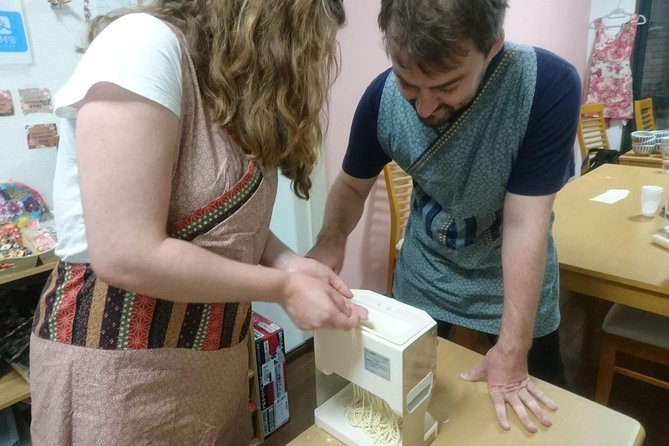
The ramen portion is more hands-on than a simple demonstration. You work through the noodles, soup, and toppings with guidance from the chef. That gives you a better sense of how the dish comes together, including the patience needed for each part.
The value here is not only the finished bowl. The instructor explains the ingredients and the reasons behind the methods, helping you understand what affects texture and flavor. That is useful when you cook at home, since you can make sensible changes instead of relying on a recipe without knowing why it works.
The class has received especially strong praise for clear, step-by-step teaching. Keigo is the instructor most often identified in the available accounts, and he is described as organized, funny, patient, and comfortable teaching in English. Other sessions have been led by Fumi, Keiko, Sakura, or supported by Tomiko, so the exact instructor may vary by date.
You should expect to take part in the work rather than watch from the side. The setup allows the chef to check each person’s progress and correct small mistakes as they happen. That matters with fresh noodles, where texture and handling can affect the final result.
This is also where the pace seems well judged. The class fits a lot into two and a half hours, but it is not designed to rush you from station to station. One account specifically describes making fresh noodles and learning many techniques without feeling hurried.
Folding two kinds of gyoza
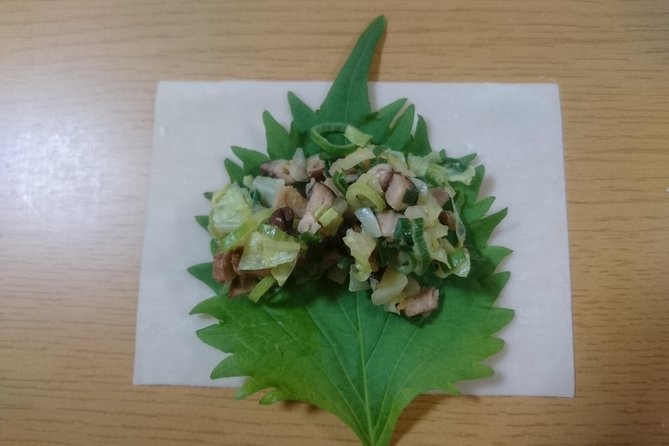
The gyoza lesson gives you two different tasks. First comes the familiar round pork gyoza. Then you make rectangular vegetable gyoza, a less common shape that gives the class a small point of difference from a standard dumpling workshop.
The contrast is useful. The pork dumpling teaches the classic approach, while the vegetable version lets you work with a different filling and folding pattern. You are not simply repeating one shape for an entire afternoon.
Gyoza can look easy until you try to seal a full batch evenly. The instructor guides you through the process and helps keep everyone on track. Several class accounts note that the instructions are simple enough for beginners, while still offering tips that capable home cooks can use.
The final cooking step is part of the reward. You see how the dumplings change as they cook, then eat them while they are fresh. Since the meal is made by the group during the class, the food has a personal connection that you do not get from a restaurant plate.
Vegetarian options are available if you request them ahead of time. One particularly useful example involved soy meat and seaweed stock, showing that the kitchen can make thoughtful changes rather than simply removing the pork. Do not wait until the day of the class to mention allergies or dietary restrictions.
More cooking classes in Osaka:
- Matcha Making Class in Osaka with Authentic Japanese Sweets Set
★ 5.0 · 509 reviews - Osaka Sushi Making Experience
★ 5.0 · 400 reviews - Osaka: Traditional Mochi Pounding Experience with Tasting
★ 4.9 · 306 reviews - Osaka Cooking Class: Okonomiyaki &Japanese cuisines experience
★ 5.0 · 261 reviews
Eating what you made
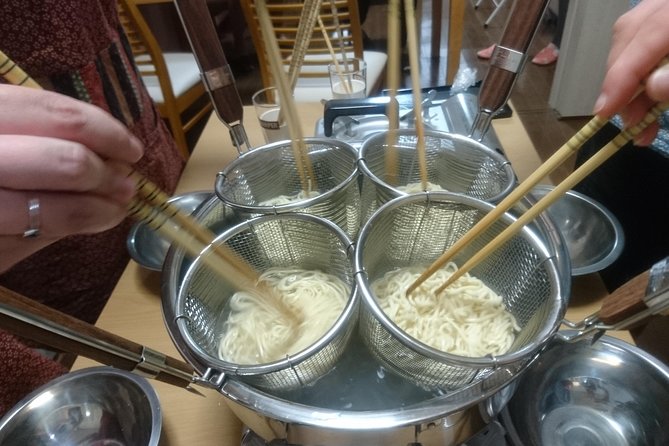
After the cooking is finished, you sit down to eat the ramen and gyoza with the group. Green tea and a seasonal dessert are included, so the meal does not end with the last dumpling.
The dessert changes with the season. That means you should not book this expecting one particular sweet, but it adds a pleasant finish and gives the meal a little more variety. Ingredients may also change during the year, which is normal for a class built around available produce.
I like this shared meal because it gives the lesson a clear purpose. You are not cooking for practice only. You are preparing a complete lunch or dinner, then getting time to enjoy it and compare results with the people at your table.
The food itself appears to be a strong part of the experience. Accounts describe successful results even for people with little cooking experience. Still, your meal depends on your own work, so do not expect the exact consistency of a specialist ramen shop. That is part of the appeal, not a flaw.
What the teaching is really like
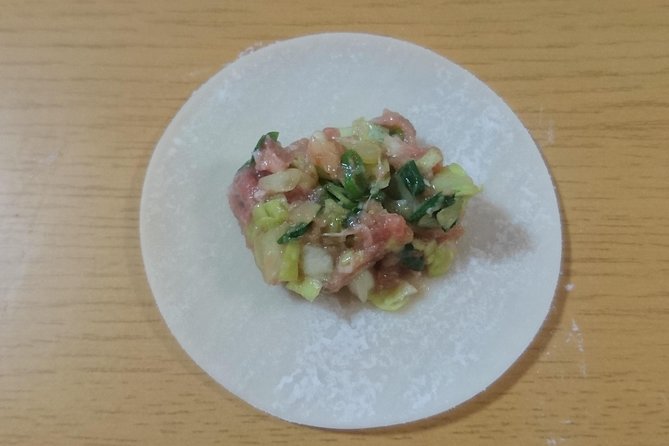
The strongest feature of this class is the teaching style. The instructors are described as friendly, patient, and well organized, with explanations that cover both the method and the reason behind it.
Keigo is repeatedly singled out as an engaging teacher who speaks excellent English. He has also been described as taking photographs during the process and sending them afterward. That is a nice extra for a honeymoon, family trip, or first visit to Japan, though photo service should not be treated as a guaranteed part of every booking unless confirmed.
The kitchen is described as clean, homey, and well prepared. Ingredients and tools are set out for the lesson, which keeps the session moving. A helper may also assist the main instructor, especially when the group is larger.
There is a cultural side to the class, but it is kept practical. You learn about ramen and gyoza, the ingredients that shape their flavor, and older hand-preparation methods that are often hidden by modern kitchen equipment. You leave with more than a list of steps. You have a better feel for the work involved.
The class is conducted in English according to the details provided about Keigo. Since staffing can vary, you may want to confirm the teaching language if this is important to you.
Group size and the pace of the lesson
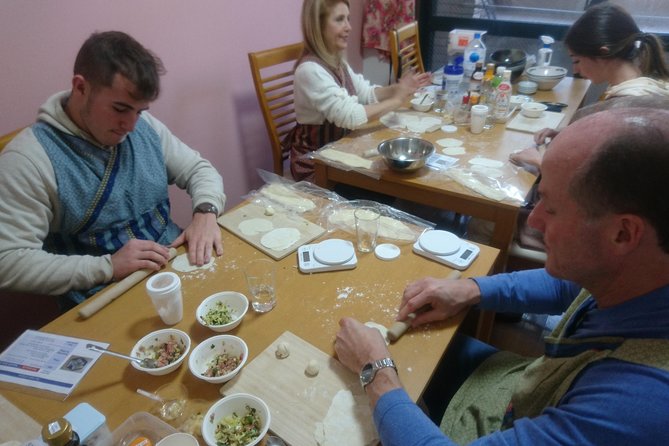
The experience is promoted as a small-group class with a maximum of six people. That is a very good size for a practical lesson. You can ask questions, get help with your dumpling folds, and keep an eye on the chef’s demonstrations without standing at the back of a crowd.
One additional detail gives the activity a maximum of 12 participants. That conflicts with the small-group description, so I would ask the provider which limit applies to your chosen date. Six people would feel intimate and personal. Twelve would still be manageable with an assistant, but the amount of individual attention could be lower.
The 2-hour-30-minute length is enough for a full meal without taking an entire day. It suits couples, families, and food-focused visitors who want a scheduled activity but do not want to spend half a day in a kitchen.
You should also expect some standing, chopping, shaping, and moving between preparation and cooking steps. No special cooking background is required, but this is not a passive food tasting.
Who will get the most from it
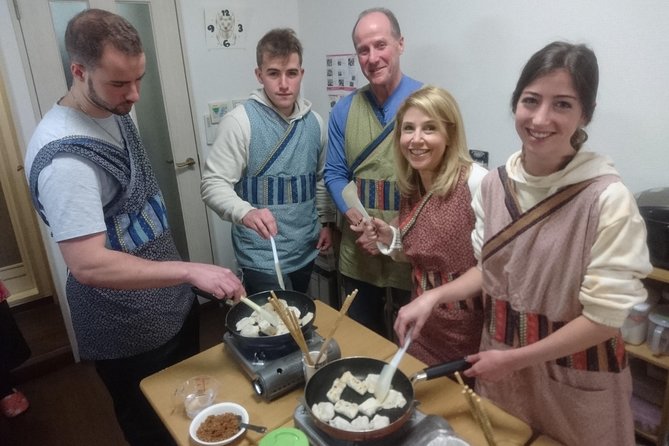
I would choose this class if you enjoy Japanese food and want a skill you can bring home. It is especially well suited to:
- Couples looking for a shared evening activity
- Families with older children who can follow kitchen instructions
- Home cooks who want fresh noodle and dumpling techniques
- Visitors who prefer a small, social lesson to a large group tour
- Vegetarians who arrange suitable ingredients in advance
- Anyone who wants a meal and an activity in the same booking
It is less suitable if you want a quick demonstration, a restaurant-style tasting menu, or a class with a fixed menu that never changes. The work is central to the experience. If you would rather simply eat ramen, Osaka has plenty of easier options.
The class also makes a good rainy-day plan. Much of Osaka’s sightseeing depends on being outdoors, while this activity gives you a warm indoor block with a clear start and finish. Just remember that the address and timing still matter, so allow room for finding the kitchen.
Price, value, and what is included
At $79.59 per person, the cost is reasonable for a two-and-a-half-hour cooking session that includes lunch or dinner. Ingredients, utensils, equipment, a printed recipe, green tea, and dessert are included.
The recipe is an important part of the value. A cooking class can be fun for one afternoon, but a written guide gives it a second life when you return home. Several details from the experience point to recipes that are straightforward enough to repeat, rather than complicated restaurant formulas requiring hard-to-find equipment.
Hotel transportation, personal expenses, and extra drinks are not included. Since the activity begins and ends at the same Osaka meeting point, you should budget for your own trip there and back.
The high recommendation rate and 5.0 rating suggest very steady satisfaction, but I would focus on the specific strengths that matter: clear instruction, a clean cooking space, useful recipes, tasty results, and a friendly atmosphere. Those are the parts that make the price feel fair.
Booking, cancellation, and practical checks
Confirmation is provided within 48 hours of booking, subject to availability. Free cancellation is available if you cancel at least 24 hours before the local start time. Cancellations or changes made inside that window are not refunded or accepted.
Before paying, I would check three things. First, confirm the exact meeting address, since the class description refers to Nishinomiya while the meeting point is in Kitahorie, Osaka. Second, ask about the group size for your date, because the stated limits differ. Third, send vegetarian requests and other dietary restrictions in advance.
The mobile ticket is convenient, but keep the meeting information accessible even if your phone signal is poor. You are responsible for getting to the location, and the class does not include hotel pickup.
Should you book the ramen and gyoza class?
I would book it if you want a hands-on Osaka activity with food you can actually recreate at home. The combination of fresh ramen, two gyoza styles, a full meal, dessert, and a printed recipe gives you more substance than a short cooking demonstration.
The best reason to choose this class is the teaching. Keigo and the other instructors are described as patient, clear, and encouraging, and the small setup lets you take part in every stage. The main caution is the unclear group-size information and the need to verify the exact meeting location.
For a couple, family, or food-loving solo visitor, this is a strong use of 2.5 hours and $79.59. Book it when you want to cook, not simply eat. If that sounds like your kind of Osaka evening, arrange your dietary requests early and confirm the class size before you go.
FAQ
How long does the ramen and gyoza cooking class last?
The class lasts approximately 2 hours and 30 minutes.
Where does the class meet?
The stated meeting point is Banix北堀江, 3-chōme 6-2 Kitahorie, Nishi Ward, Osaka, postal code 550-0014. The activity ends back at the meeting point.
What will I cook?
You will make ramen from scratch, including noodles, soup, and toppings. You will also prepare two types of gyoza: classic round pork gyoza and rectangular vegetable gyoza.
Is a meal included?
Yes. You eat the ramen and gyoza prepared during the class. Green tea and a seasonal dessert are also included.
Are vegetarian options available?
Yes. Vegetarian options are available, but you must provide dietary information in advance. Ingredients may vary by season.
Is hotel pickup included?
No. Hotel pickup and drop-off are not included, and you must make your own way to the meeting point.
Can I cancel for a full refund?
Yes, if you cancel at least 24 hours before the experience’s local start time. Cancellations or changes made less than 24 hours in advance are not refunded or accepted.
More Workshops in Osaka
- Sushi Making Osaka Roll and Authentic Japanese Sushi Class
★ 5.0 · 1,220 reviews - Osaka: Roll and Authentic Sushi Making Class in Dotonbori
★ 4.9 · 239 reviews - Osaka: Sushi Class in Dotonbori
★ 4.9 · 160 reviews - Three Types of Ramen Cooking Class in Osaka
★ 5.0 · 119 reviews
Just added in Osaka
- Urban Canvas: Osaka Street Art Bike Tour★ 5.0 · 10 reviews
- Anime Cosplay Photshoot-50 Digital Photos Provided★ 5.0 · 8 reviews
- TeamLab Botanical Garden Osaka Ticket★ 3.5 · 6 reviews
- Umeda Sky Building & Kuchu Teien Observatory Ticket in Osaka★ 4.5 · 3 reviews
- Immerse in Judo Martial Arts Class from Japan★ 5.0 · 4 reviews
- Cherry Blossom Buddha and Mt.Yoshino with Strawberry Picking Tour★ 4.5 · 5 reviews
- Traditional Home cooking Experience in Osaka, Japan★ 5.0 · 14 reviews
- Traditional Calligraphy Experience near Dotonbori★ 5.0 · 3 reviews
Osaka Cooking Classes, compared.

Matcha Making Class in Osaka with Authentic Japanese Sweets Set
Read our review →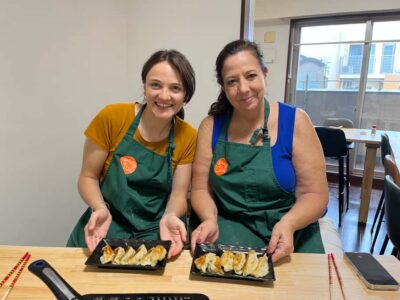
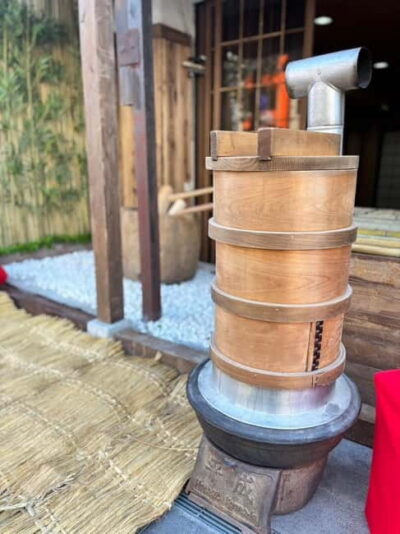
Traditional Mochi Pounding Experience with Tasting
Read our review →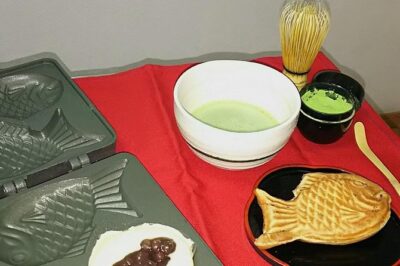
Osaka Cooking Class: Okonomiyaki &Japanese cuisines experience
Read our review →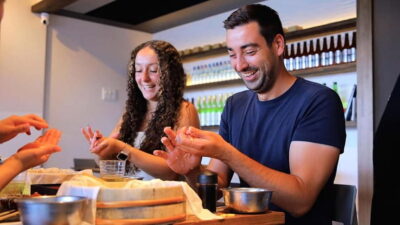
Roll and Authentic Sushi Making Class in Dotonbori
Read our review →

Osaka Sake Tasting & Takoyaki Cooking Experience
Read our review →
Browse the lists this tour appears in