
Reviewed · OSAKA SAMURAI EXPERIENCES
Samurai Calligraphy:Final brushstrokes of a lifetime before a War
A samurai’s last written character was meant to carry a lifetime of meaning. This Osaka experience turns that idea into a hands-on lesson: you choose one kanji, practice its stroke order, then create a final, forceful version with a huge brush and taiko rhythm. Teacher Kaori leads the calligraphy portion.
I like the thoughtful choice of a single character, since it gives the activity more weight than simply copying Japanese writing. I also like the 90-minute format, which leaves enough time for practice, clothing, and the large performance without taking half a day from your Osaka plans.
The main consideration is the theme. This is built around a samurai preparing for death before war, so you should be comfortable with a solemn idea. The costume is also only a hakama and kimono, not a full kimono outfit, and transportation is not included.
Key points at a glance
- Choose one final kanji: Reflect on your life and select a character with personal meaning.
- Learn real brush technique: Practice basic strokes and correct stroke order during a 60-minute shodo lesson.
- Write on a huge canvas: Your final character goes onto a 150 by 150 centimeter sheet with a brush more than five times larger than usual.
- Wear samurai-style clothing: Hakama and kimono are supplied, giving the performance a stronger sense of occasion.
- Keep the group small: No more than eight people take part, with an English- or Chinese-speaking assistant available.
- Budget about $64.38: The price includes instruction, tools, clothing, and a professional photographer, but not transport or optional video.
Choosing a final character before war
The heart of this experience is not the costume or the oversized brush. It is the decision about what you want your one character to say.
The activity presents you as a samurai in Japan’s Warring States Period, when death could be close at hand. Before going to war, you imagine writing a final message for the world. In Japanese, this farewell writing is called a resignation. The idea is serious, but the exercise gives you a clear way to approach it: think about your life, the people or values you want to leave behind, and the feeling you want your character to carry.
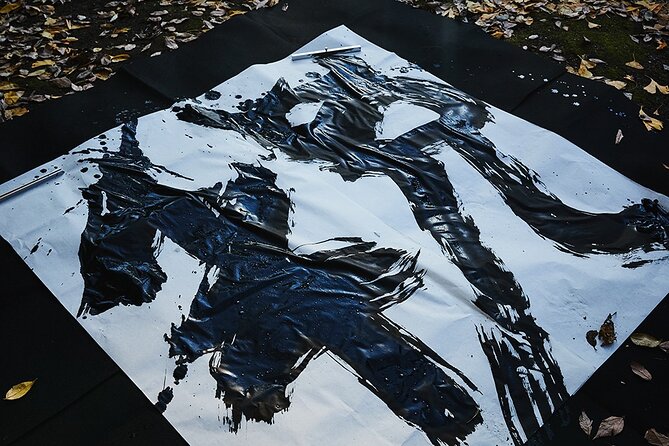
You do not write a long letter. You select one kanji. That makes the choice harder, but also more interesting. A single character can suggest courage, peace, love, strength, family, or another idea, depending on the character selected and the meaning attached to it.
I like this structure because it gives the calligraphy a reason. You are not just learning how to hold a brush and copy a symbol. You are asking what can be said with one mark. That small act of reflection is likely to appeal to couples, families with older children, and anyone who wants a cultural activity with some personal substance.
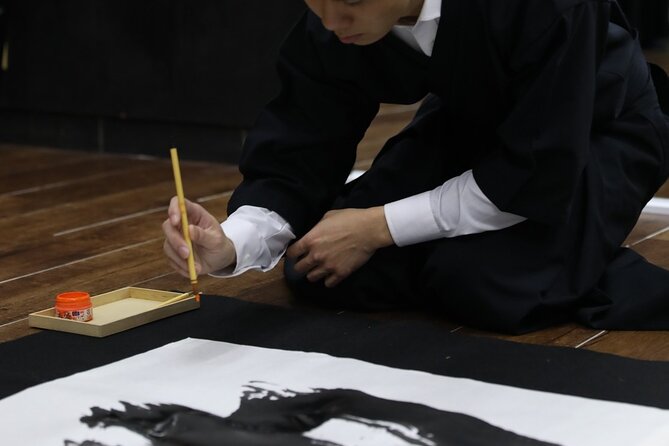
The teacher helps you think through the character composition and design. You also practice its basic strokes and stroke order. That preparation matters. Japanese calligraphy is not freehand drawing. The order, direction, pressure, and shape of each stroke all contribute to the finished character.
More calligraphy classes in Osaka:
- Osaka: Private Japanese Calligraphy Experience
★ 5.0 · 66 reviews - Calligraphy Workshop in Namba, Dotonbori
★ 5.0 · 57 reviews - Learning Zen of Japanese Calligraphy in kimono near Osaka Castle
★ 4.5 · 53 reviews
Sixty minutes of Japanese shodo practice
The first part lasts about 60 minutes and focuses on Japanese shodo, the art of brush calligraphy. You receive the necessary shodo tools, so you do not need to bring your own brush or ink equipment.
The lesson begins with the fundamentals. You practice basic brush movements, then work on the stroke order of the character you selected. This is the most instructional part of the session, and it is where you get the best chance to ask questions or correct your technique.
Teacher Kaori is identified as the calligraphy teacher, and the experience includes an English- or Chinese-speaking assistant. That language support is useful here, since the difference between a correct stroke and a merely attractive mark can be difficult to understand through demonstration alone.
You should expect to make several practice attempts. Do not treat the early sheets as failures. They help you learn how much pressure to use, how quickly to move, and how to keep the brush from producing a weak or uneven line.
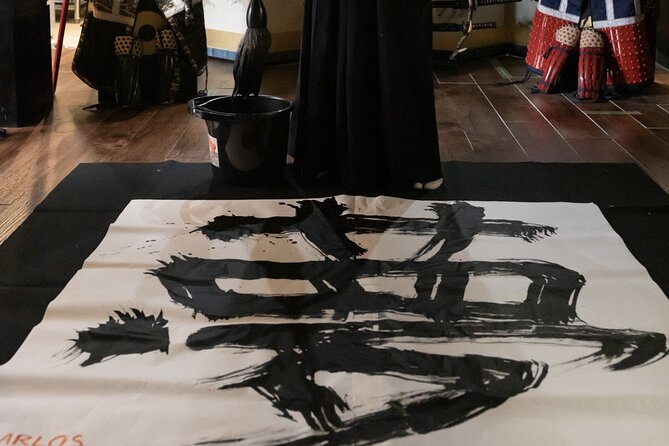
The lesson also introduces the idea of blank space, sometimes called the beauty of the margins. In Japanese aesthetics, the empty area around a letter is part of the composition. The character does not need to fill every corner of the paper. The untouched space gives the mark room to breathe.
That is a useful lesson for beginners. Many first-time calligraphy students focus only on making the character large and bold. Here, you also consider balance, position, and the relationship between ink and empty paper. The final result can be powerful because of what you leave unpainted.
From practice sheet to 150-centimeter performance
After the shodo practice, the activity shifts into its samurai calligraphy section, lasting about 30 minutes. You put on the supplied hakama and kimono before creating the final piece.
The clothing is not a full kimono outfit, so you should keep your expectations practical. It is a samurai-style presentation layer rather than a complete traditional dressing session. Still, the hakama and kimono give the performance a clear visual identity and help mark the difference between practice and the final act.
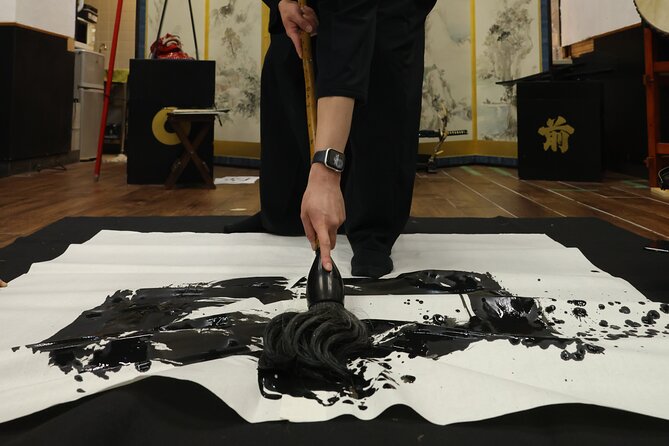
The final paper measures 150 by 150 centimeters. That is much larger than a standard calligraphy sheet, and the brush is more than five times larger than a usual brush. You cannot control it with tiny wrist movements alone. The description of the activity emphasizes using the whole body to guide the brush.
This changes the physical feel of the work. A normal brush lets you make small corrections. A large brush creates a more committed mark. You need to move with purpose, and the stroke can appear both strong and delicate depending on the ink, speed, and pressure.
The aim is one large character, not a page full of text. Your preparation leads to a single gesture that represents your chosen idea. That is why the decision made during the first hour matters so much. Once the brush touches the large paper, the space and scale leave little room for hesitation.
The experience also includes the bold writing of a circle, or maru, to the beat of taiko drums. The circle is a familiar Japanese brush form, but here it becomes part of the performance. The drum rhythm adds ceremony and energy to the final stage.
You should not expect a quiet museum-style demonstration. The oversized brush, large paper, samurai clothing, and taiko beat make this a physical presentation. It is still a calligraphy lesson, but it also has the feel of a staged cultural activity.
Why the empty space matters
The focus on blank space gives this experience more depth than a simple souvenir workshop.
In Japanese calligraphy, the paper is not just a background. The empty parts help shape the meaning of the ink. A character placed too heavily in one area can feel unbalanced. A strong mark surrounded by open paper can feel calm, controlled, or dramatic.
You may find that this idea changes how you look at the finished work. The goal is not to cover the sheet. It is to create a relationship between the one character and the surrounding silence.
That approach also fits the resignation theme. A final word does not need to explain everything. The character suggests a larger story, while the blank paper leaves space for the person reading it to think.
This is one of the strongest reasons to choose the activity if you want more than a photo opportunity. The lesson gives you a small piece of Japanese visual culture to consider, even if you have never studied calligraphy before.
More samurai and ninja experiences in Osaka:
- Samurai Training Experience KENDO in Osaka
★ 5.0 · 515 reviews - OSAKA NIGHT FUSION Japanese Taiko Kabuki Samurai Dance Show
★ 4.8 · 155 reviews - Osaka: Samurai Training Experience KENDO in Osaka
★ 5.0 · 111 reviews - Osaka: A Modern Samurai, Kabuki, Taiko, & Dance Show
★ 4.5 · 66 reviews
The samurai setting without a full costume rental
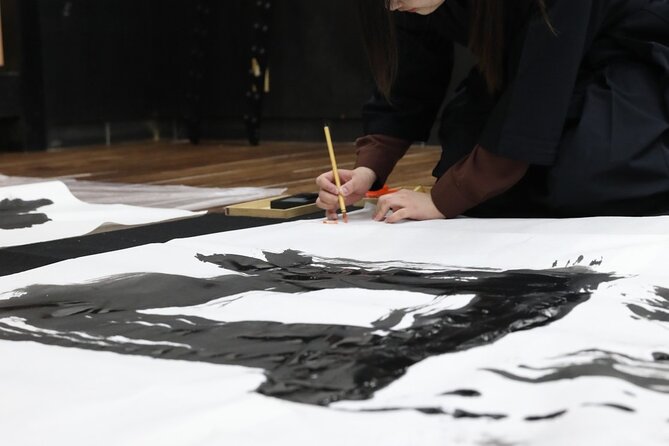
The samurai theme shapes the entire session, but it helps to know exactly what is included.
You receive hakama and kimono, along with the shodo tools. The clothing is not a full kimono set, and the activity does not list a sword demonstration, armor fitting, or other samurai equipment. The focus remains on writing and performance.
That narrower focus is a benefit if you want an activity built around calligraphy rather than a broad samurai show. It is also a limitation if your main goal is a full costume experience.
A professional photographer is included. That should help you keep your attention on the brush and the performance instead of trying to manage your own camera. A paid movie-shooting option is available for ¥11,000 per person, but it is not part of the standard price.
You can also add wagami, described as collected hair with kanzashi, for ¥3,300 per person. This is optional and separate from the basic experience. If you are comparing the total cost, include these extras only if the visual presentation matters to you.
What the $64.38 price buys you
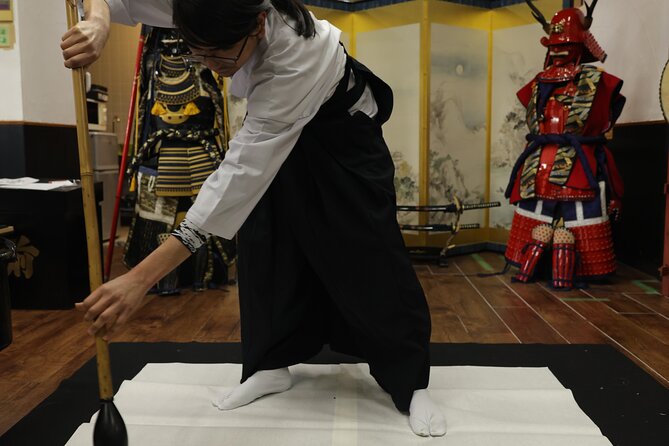
At $64.38 per person, the experience sits in the moderate range for a short cultural activity in Osaka. The session lasts about 90 minutes, so the value depends on how much you care about instruction and the final performance rather than on time alone.
Your price includes:
- The 60-minute Japanese shodo lesson
- The 30-minute samurai calligraphy section
- Shodo tools
- Hakama and kimono
- A professional photographer
- An English- or Chinese-speaking assistant
- The large-brush final performance
You pay separately for public or private transportation. The meeting point is in Osaka’s Joto Ward, at 2-chome 3-19 Shiginonishi, and the location is near public transportation. Since no transport service is provided, you should allow extra time to reach the address.
The price makes the most sense if you want several elements in one booking: a guided lesson, clothing, a large-scale activity, and photographs. It is less appealing if you only want to try ordinary brush calligraphy at a low cost.
The small maximum of eight people also matters. A limited group gives the teacher and assistant fewer people to manage during the character selection, brush practice, and final performance. It should feel more personal than a large class, though the experience is not listed as private.
The activity is often booked about 48 days in advance. That is a useful planning clue. If your Osaka dates are fixed, do not assume you can leave this until the last day. Availability may be limited, particularly if you want a certain time.
Who will get the most from this activity
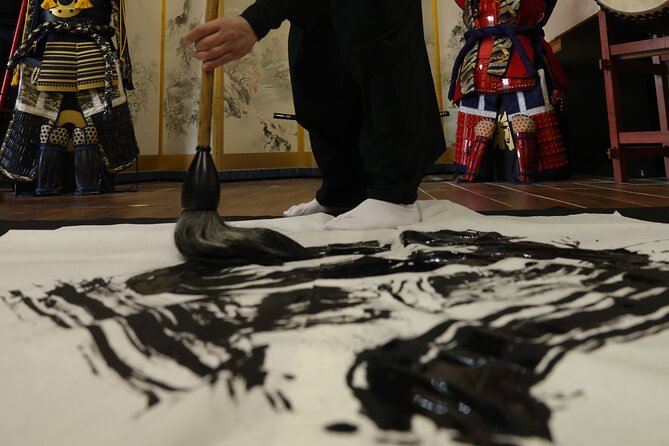
I would suggest this for you if you like cultural activities that ask for some thought and participation. You do not need previous calligraphy experience. The lesson is designed to teach basic brush strokes and stroke order before you attempt the large final character.
It also suits people who enjoy photographs with a clear setting. The clothing, huge paper, oversized brush, and taiko drums create a strong visual record. Families can take part, since most people can participate, though the activity’s serious deathbed theme may be better suited to older children and adults.
Couples may enjoy choosing characters that reflect a shared value. Solo visitors can make the decision more personal. You might also appreciate it if you have already seen Osaka’s major sights and want an activity that slows the pace for an hour and a half.
I would think twice if you want a fast, casual craft stop. The character choice asks for reflection, and the teacher spends real time on basic technique. I would also think twice if you expect a full samurai costume, weapons, or a historical reenactment. Those are not part of the listed experience.
Practical details before you book
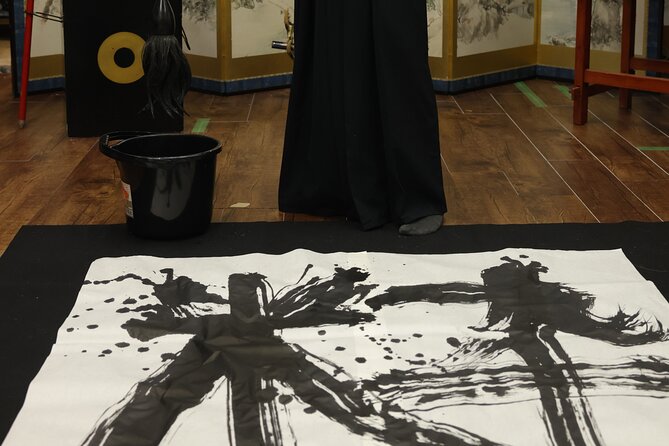
The activity starts and ends at the same meeting point in Osaka’s Joto Ward. No private or public transportation is included, so you handle the journey to the location yourself. The address is Japan, 536-0014 Osaka, Joto Ward, Shiginonishi, 2-chome 3-19, Excellence Takayama.
A mobile ticket is provided, and confirmation is received when you book. The activity has a maximum of eight people. Most people can participate, but the available information does not give specific accessibility details, so you should ask the operator if you have mobility concerns about using a large brush or wearing the supplied clothing.
English- or Chinese-speaking assistance is available. That does not mean every part of the experience is conducted in both languages by the same person, so you may want to confirm your language needs when booking.
Cancellation is flexible up to a point. You receive a full refund if you cancel at least 24 hours before the local start time. Cancellations or changes made within 24 hours are not refunded or accepted.
The strongest reason to go
The best part is the progression from thought to action.
You first consider the message you want to leave. Then you select a kanji and learn its structure. After that, you put on the clothing and use a brush large enough to require your whole body. The final mark is connected to the earlier decisions, not pulled from a random demonstration.
I also like that the experience treats the blank paper as part of the design. The final character does not need to be perfect in a Western sense. It needs to feel deliberate, balanced, and tied to your chosen meaning.
The positive feedback for the teacher is worth noting. One participant specifically enjoyed learning about Japanese culture, choosing a word, practicing it, and receiving help with their name and its symbols. That suggests Kaori may offer personal guidance beyond the single final character. Another description compares the session to meditation, which makes sense given the concentration, repetition, and quiet attention required during practice.
The performance itself is more energetic, with the taiko rhythm and oversized brush. That contrast gives the 90 minutes a good shape: calm preparation first, then a bold finish.
Should you book Samurai Calligraphy?
Book it if you want an Osaka activity that combines personal reflection, basic Japanese calligraphy, samurai-style clothing, photography, and a memorable final gesture. The $64.38 price is fair when you value the instruction, small group, tools, costume pieces, and professional photographs together.
Skip it if you are looking for a full kimono dressing session, a samurai combat show, or a long historical tour. This is a focused 90-minute workshop about one character and the meaning behind it.
For the best experience, think about your character before arrival, wear clothing that lets you move comfortably, and leave enough time to reach the Joto Ward meeting point. If that sounds like a good use of an hour and a half, this is a thoughtful and unusual choice for Osaka.
FAQ
How long does the Samurai Calligraphy experience last?
The total duration is approximately 90 minutes. About 60 minutes are devoted to Japanese shodo, followed by 30 minutes of samurai calligraphy.
What happens during the Japanese shodo lesson?
You learn basic brush strokes, choose a kanji character, and practice the correct stroke order for that character. You also consider the design and meaning of your final character.
What is the final samurai calligraphy activity?
You wear the supplied hakama and kimono, then use an oversized brush to write one character on a 150 by 150 centimeter sheet of paper. The performance includes writing a bold circle to the beat of taiko drums.
Is a costume included?
Yes. Hakama and kimono are included, but the activity does not provide a full kimono set.
Is photography included?
A professional photographer is included. Movie shooting is an optional paid addition costing ¥11,000 per person.
Is language assistance available?
An English- or Chinese-speaking assistant is included. Teacher Kaori leads the calligraphy instruction.
Where does the activity start and end?
It starts and ends at the same meeting point in Osaka’s Joto Ward: 2-chome 3-19 Shiginonishi, Excellence Takayama, Osaka 536-0014. Transportation to and from the location is not included.
Just added in Osaka
- Urban Canvas: Osaka Street Art Bike Tour★ 5.0 · 10 reviews
- Anime Cosplay Photshoot-50 Digital Photos Provided★ 5.0 · 8 reviews
- TeamLab Botanical Garden Osaka Ticket★ 3.5 · 6 reviews
- Umeda Sky Building & Kuchu Teien Observatory Ticket in Osaka★ 4.5 · 3 reviews
- Immerse in Judo Martial Arts Class from Japan★ 5.0 · 4 reviews
- Cherry Blossom Buddha and Mt.Yoshino with Strawberry Picking Tour★ 4.5 · 5 reviews
- Traditional Home cooking Experience in Osaka, Japan★ 5.0 · 14 reviews
- Traditional Calligraphy Experience near Dotonbori★ 5.0 · 3 reviews
Osaka Samurai Experiences, compared.
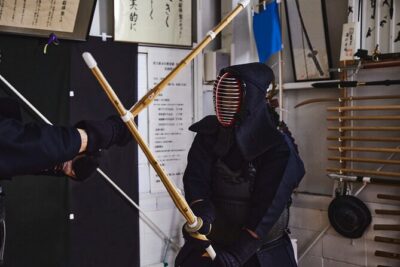
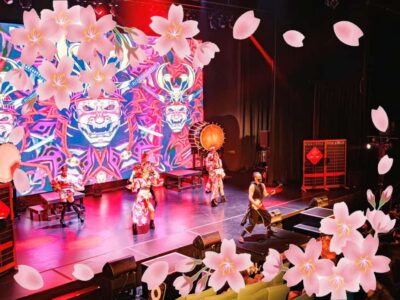
OSAKA NIGHT FUSION Japanese Taiko Kabuki Samurai Dance Show
Read our review →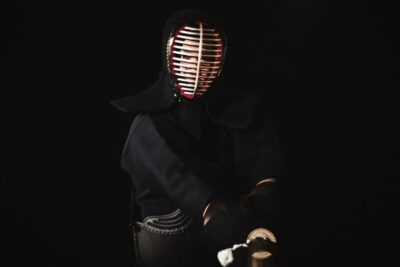
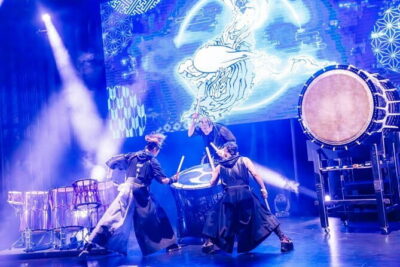
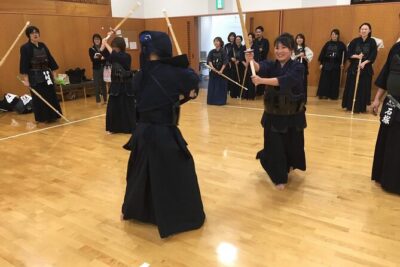
Osaka 2-Hour Genuine Kendo / Samurai Experience In Japan
Read our review →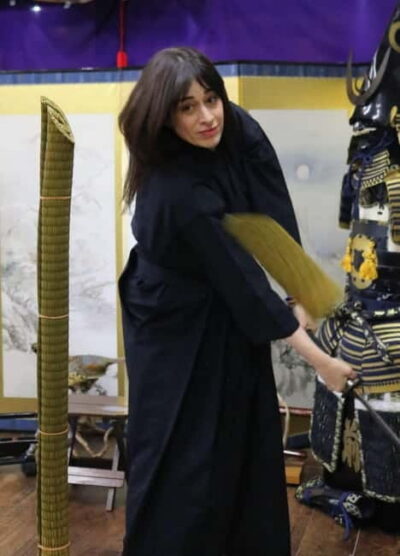
Learn Bushido – Trial Slashing with Samurai Sword
Read our review →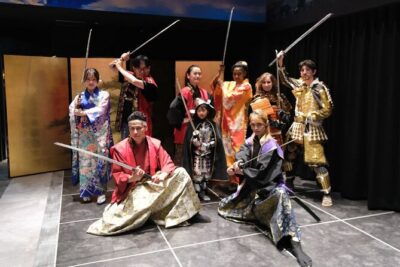
Samurai Show, Tea Ceremony, Japanese Traditional Activities
Read our review →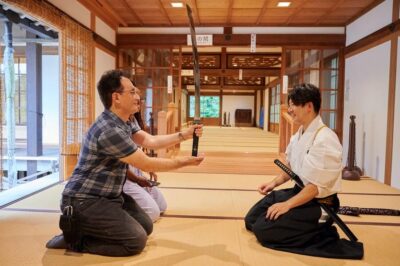
Private Samurai Experience – Train with Sword Master
Read our review →Browse the lists this tour appears in