
Reviewed · OSAKA CALLIGRAPHY CLASSES
Osaka: Private Japanese Calligraphy Experience
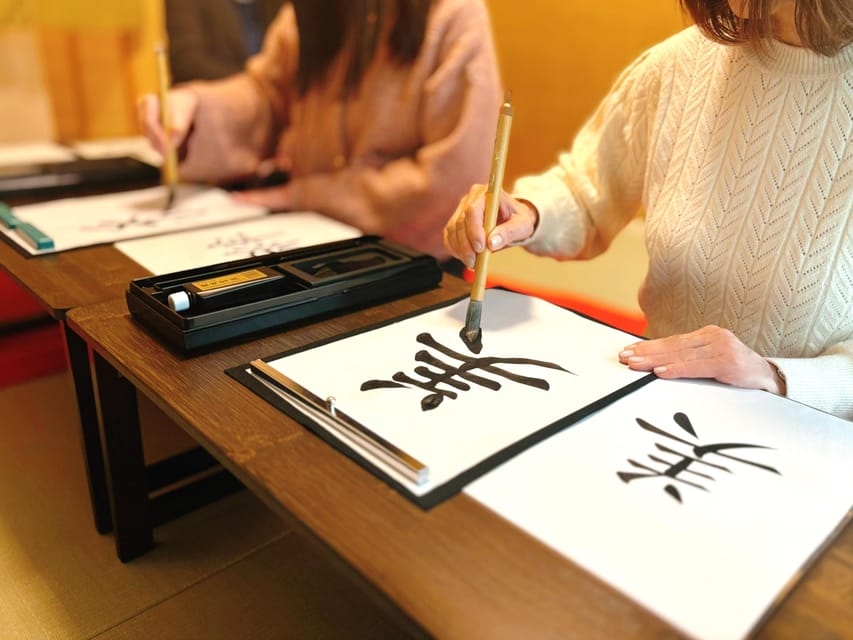
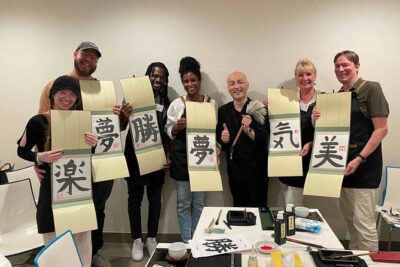
The best part of this private Osaka calligraphy class is its personal touch. You choose a word or theme, then work with your instructor to find kanji that fits your personality. You practice the brush movements before making a finished piece on colored paper, complete with your name and initials.
I like the calm, one-group setting and the fact that the instructor can adjust the pace for children or take plenty of photos. I also like the souvenir: it is not a mass-produced charm, but artwork you helped create. The main consideration is that calligraphy takes control and patience, so your first brush strokes may wobble more than expected.
Key points to know
- Personalized kanji: Choose a theme or favorite word, then create Japanese characters linked to your personality.
- Private 90-minute session: Your group receives close guidance, with time for questions, photos, and a slower pace if needed.
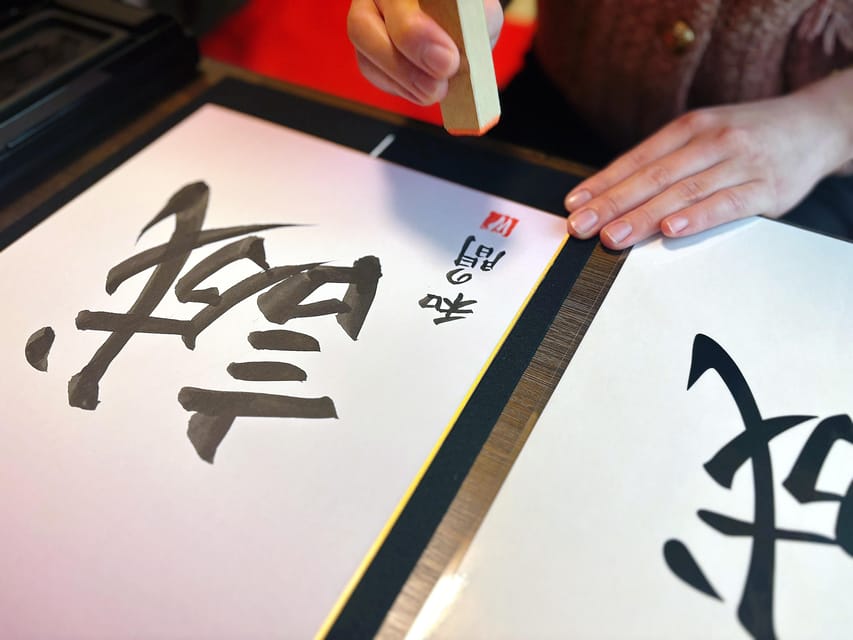
- Finished artwork included: Use colored paper, add your Japanese name, stamp your initials, and take the piece home.
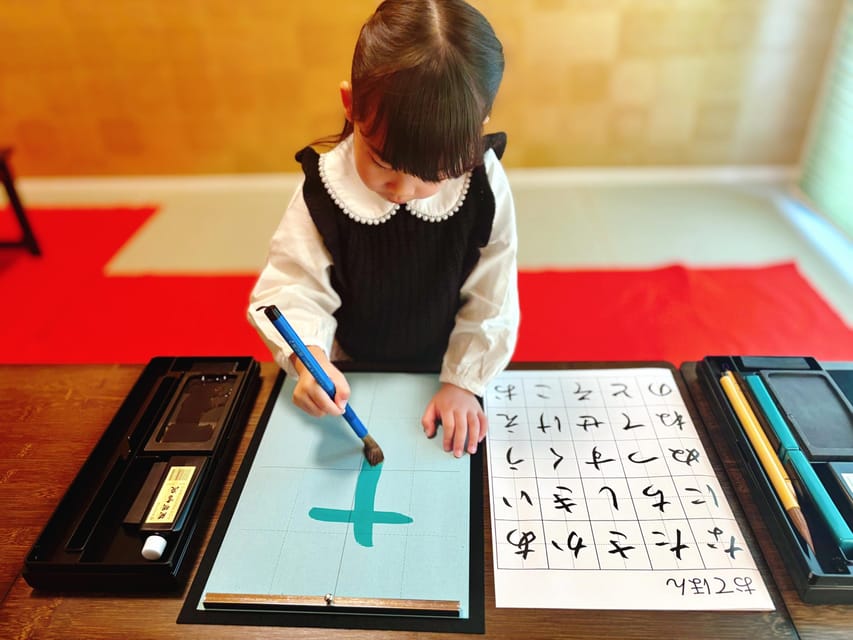
- Good for families: Children can take part, and water calligraphy is available to help prevent ink stains.
- Central Namba location: The meeting point is about 30 seconds west of New Osaka Hotel Shinsaibashi and close to Shinsaibashi-suji.
- Strong value for couples and small groups: At $51 per person, the hands-on instruction and private format make this more than a quick demonstration.
A quiet art lesson in the middle of Osaka
Osaka is famous for bright signs, packed shopping streets, and food served at a fast pace. This calligraphy session offers a useful change of rhythm. For 90 minutes, you sit down, handle a brush, and focus on the order and shape of each stroke.
You are not simply copying a character from a worksheet. The lesson begins with your choice of a theme. You can suggest a favorite word or letters, or ask the instructor to recommend kanji that express your character. That personal step gives the finished work more meaning than a generic souvenir.
The class is private, so the instructor can give close attention to each person. You can ask questions as they arise, request photos during the lesson, or ask for a slower pace if a child needs more time. That flexibility is especially useful when a group includes different ages or very different levels of confidence.
The instructor teaches in English and Japanese. Booking notes identify the instructor with the name Wa No Ma, sometimes written as Womema, and describe her as patient, encouraging, and clear in her explanations. You can expect help with both the practical brush work and the cultural meaning behind the characters.
More calligraphy classes in Osaka:
- Calligraphy Workshop in Namba, Dotonbori
★ 5.0 · 57 reviews - Learning Zen of Japanese Calligraphy in kimono near Osaka Castle
★ 4.5 · 53 reviews - Osaka: Private Tea Ceremony and Calligraphy Experience
★ 5.0 · 50 reviews
Finding the studio near Shinsaibashi
The meeting point is outside the main entrance of New Osaka Hotel Shinsaibashi. From there, walk west for about 30 seconds. Look for the blue vending machine near the entrance, where the instructor waits about five minutes before your scheduled start time.
The instructor wears a kimono, which makes the meeting point easier to spot. The studio is in Namba, one of Osaka’s main visitor areas, and is also close to Shinsaibashi-suji shopping street. That makes this an easy activity to pair with shopping, sightseeing, or an evening meal in the area.
You should arrive with socks, since they are required. Smoking is not allowed, and the experience is not suitable for wheelchair users. Those details are easy to overlook when planning a short activity, so check them before you book.
Choosing a theme that feels like yours
The first part of the lesson is choosing what you want to write. You might select a word linked to happiness, connection, family, strength, or another idea that matters to you. If you already have favorite letters or words, share them with the instructor.
You can also ask for a suggestion. The instructor helps match your idea with Japanese kanji and explains what the characters mean. This is one of the most worthwhile parts of the class, since kanji are not simple letter-for-letter translations. The chosen characters can carry several layers of meaning, and the instructor helps you understand why a particular combination works.
For families, this step can be a nice way to give each person a different goal. One child might choose a character connected with courage, while another chooses happiness or friendship. Adults can select a name, a value, or a word that recalls the trip.
Keep your expectations sensible here. A personalized kanji name is a creative interpretation, not necessarily a direct Japanese spelling of your name. If that distinction matters to you, ask questions before you begin the final artwork.
Learning the brush strokes before the final piece
Once you have chosen your theme, the instructor explains the basic practices of calligraphy. You learn how to hold and move the brush, how to follow the order of the strokes, and how pressure affects the line.
This is where the class becomes more than a photo opportunity. The character may look simple on a sign or menu, but producing it with a brush requires steady movement. You have to think about where a stroke begins, how it turns, and when to lift the brush.
The practice stage gives you room to make mistakes. Several participants have found that calligraphy is harder than it looks, especially because the hand can shake. That is normal. The instructor gives feedback while you work and can offer hands-on guidance if a movement feels awkward.
You should not expect every practice sheet to look polished. That is part of the lesson. The aim is to understand the movement well enough to create a final piece that feels like your own work, with help from the instructor when needed.
The teaching style suits beginners. You do not need to know Japanese, and you do not need previous art experience. The instructor explains the language and the cultural background in clear English, while also welcoming questions about Japanese writing.
A few more Osaka half-days worth pricing up
- Private Osaka Walking Tour: Highlights & Hidden Gems
★ 5.0 · 569 reviews - 3/4/5 Hours Private Tour in Osaka with Local Guide
★ 5.0 · 189 reviews - Osaka’s Best and Brightest: Private Full-Day Tour by Vehicle
★ 5.0 · 147 reviews - Full Day Tour of Kyoto with Private Transportation
★ 5.0 · 130 reviews
Creating the finished artwork on colored paper
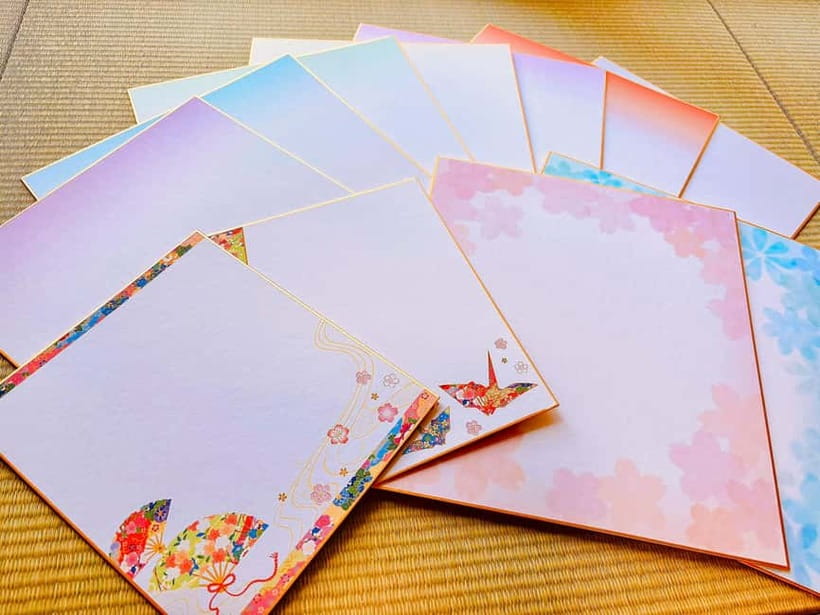
After practice, you choose a favorite piece of colored paper from the available selection. This small choice matters because the paper becomes part of the final presentation. A color that suits your chosen character can make the finished work feel more deliberate and personal.
You then print the selected kanji with the brush. The instructor remains nearby to guide your strokes, but you are still making the artwork yourself. That balance is important. If you want a perfect professional sample, the instructor can demonstrate the form, but the take-home piece is meant to show your participation.
The final steps are adding your name in Japanese characters and stamping your initials. The name gives the artwork a personal link to you, while the stamp adds a traditional-looking finishing touch.
You receive the colored paper and the instructor as part of the price, along with all fees and taxes. Tea ceremony is not included. If you want both activities, you need to reserve the separate private tea ceremony and calligraphy plan.
Why the private format matters
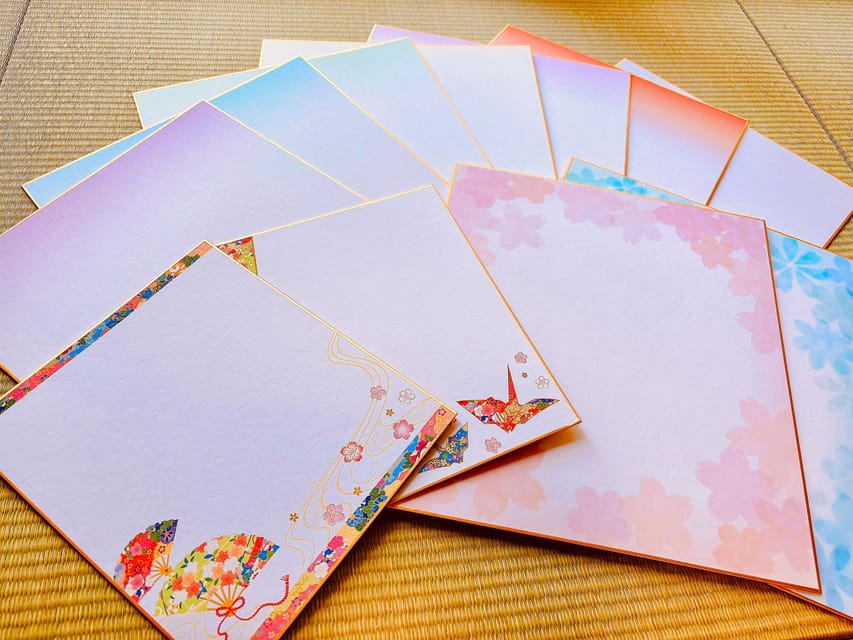
A group demonstration can show you what calligraphy looks like. This format lets you work at your own speed. That difference is important when you are holding a brush for the first time.
You can ask the instructor to explain a stroke again, take a break for photographs, or slow things down for a child. The private setting also removes the pressure of comparing your work with strangers. You can concentrate on the shape of the character instead of worrying about keeping up.
The format works particularly well for couples. At $51 per person, you are paying for a 90-minute private session, individual instruction, materials, and a finished piece to take home. For two people, that is a reasonable price for an activity that gives you both a cultural lesson and a physical souvenir.
Families should also find good value here. Children aged 7 and 10 have taken part successfully, and one option is water calligraphy, which helps prevent ink from getting on hands and clothing. You should still follow the instructor’s guidance, but this choice makes the activity more practical for younger participants.
A souvenir with more meaning than a shop purchase
Osaka has no shortage of souvenirs. You can buy fans, snacks, ceramics, and character goods almost anywhere in the city. The advantage of this artwork is that you take home something connected to a specific hour of your trip.
You remember the word you chose, the brush movement that gave you trouble, and the final attempt that came together. The artwork can also serve as a conversation piece at home because the instructor explains the meaning of the characters.
The result will not necessarily look like a professional calligrapher’s work. That is not a flaw. The value is in making the piece yourself, with enough guidance to produce something you will be proud to display.
Participants have described their finished works as symbols of happiness and connection, and families have planned to display them at home. Those are useful clues about the activity’s appeal. It gives you a souvenir with a story, not just an object bought on the way back to the hotel.
Photography, pacing, and practical comfort
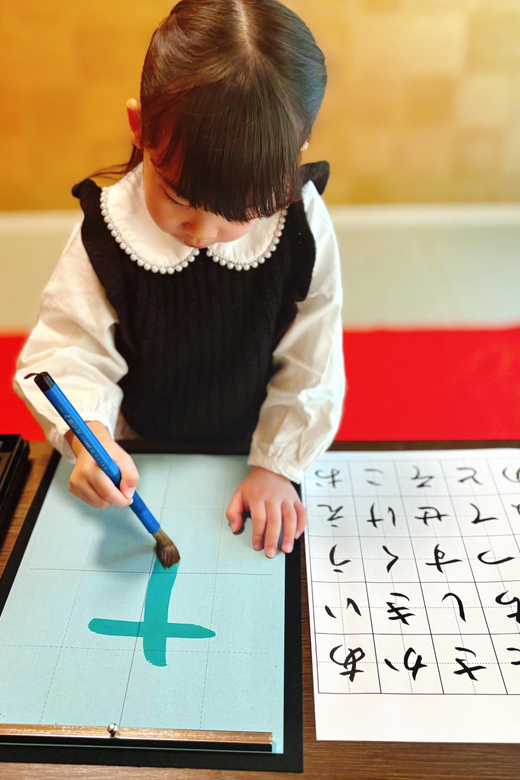
You may take photos during the session, and you can request that the instructor photograph you while creating the final kanji. This is helpful because brush work takes concentration, and you may not have a free hand for a phone.
Tell the instructor at the start if photographs are important to you. You can also request more time for a child or ask the lesson to proceed slowly. Because the session is private, these requests are easier to accommodate than they would be in a large class.
Wear clothing that allows you to sit and work comfortably. The supplied information specifically requires socks, but it does not give detailed clothing guidance. Water calligraphy is available for young children, which is the better choice if keeping clothes clean is a major concern.
The activity lasts 90 minutes. That is long enough for an introduction, practice, the final artwork, and questions without taking up an entire sightseeing day. I would schedule it between other Namba plans rather than placing it immediately before a train departure.
Who will enjoy this calligraphy experience
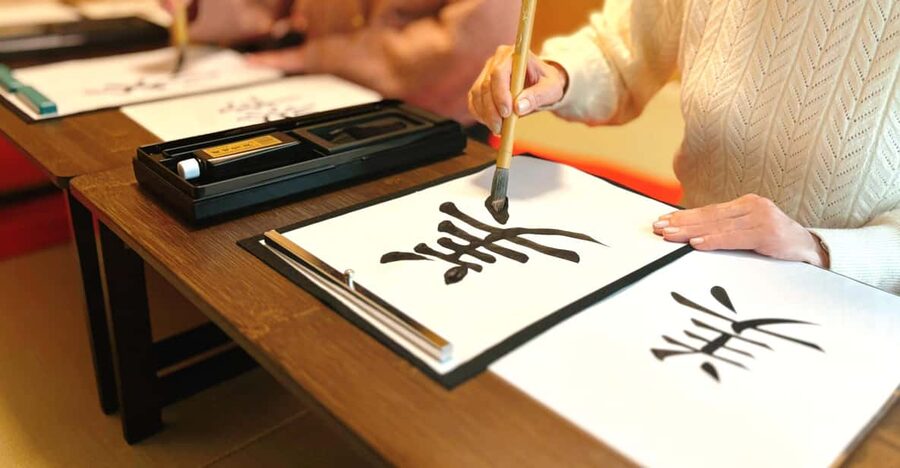
I would recommend this class to first-time visitors who want a hands-on introduction to Japanese culture. It works well if you prefer making something to simply watching a performance.
It is also a good choice for:
- Couples who want a shared souvenir
- Families with children who can follow a guided lesson
- Solo visitors who want close instruction
- Anyone interested in Japanese language and writing
- People looking for a quieter break from Osaka’s shopping streets
- Visitors who want a meaningful activity that fits into half a day
You may want to choose another activity if you dislike careful handwork or want a fast, casual experience. Calligraphy rewards patience. The class is friendly and accessible to beginners, but the brush does not always obey on the first try.
You should also consider mobility needs carefully. The activity is not suitable for wheelchair users, and the requirement to wear socks may indicate a traditional indoor setup. Ask the provider directly if you need more information about seating or the physical arrangement.
Booking details and value at $51 per person
The price is $51 per person, with fees and taxes included. Colored paper and instruction are included, so you do not need to budget separately for the basic artwork.
The cost makes the most sense for couples and small private groups. You get personal attention rather than a large class, plus a customized piece based on your chosen theme. If you value a guide who can adjust the pace and answer questions, the private format adds real value.
Free cancellation is available up to 24 hours before the scheduled start for a full refund. You can also reserve now and pay later, which helps if your Osaka schedule is still changing.
The experience is offered in English and Japanese. The meeting location is central and simple to reach from Shinsaibashi-suji, so you do not need to set aside a separate long journey for it.
Should you book it?
Book this Osaka calligraphy experience if you want a calm, personal activity with a souvenir you helped create. The strongest reasons are the private format, the personalized kanji, the patient instruction, and the ability to adapt the lesson for children or photography.
I would be especially keen to book it for a couple or family staying near Namba or Shinsaibashi. You get a cultural lesson, a chance to ask real questions about Japanese writing, and a finished artwork in 90 minutes.
Skip it if you want a polished professional piece without practicing, or if wheelchair access is essential. For everyone else, $51 buys a thoughtful introduction to calligraphy rather than a quick brush-and-go demonstration.
FAQ
How long does the Osaka Japanese calligraphy experience last?
The experience lasts 90 minutes.
Where does the activity meet?
Meet outside the main entrance of New Osaka Hotel Shinsaibashi. Walk west for about 30 seconds and look for the blue vending machine near the entrance.
How will I recognize the instructor?
The instructor waits outside the building, near the main entrance, about five minutes before the booking time. The instructor wears a kimono.
Is the calligraphy class private?
Yes. The experience is provided for a private group, with close attention for all participants.
What languages does the instructor speak?
The activity is offered in English and Japanese.
What do I create during the class?
You choose a theme or word, select kanji with the instructor, practice basic brush techniques, create a final piece on colored paper, write your name in Japanese characters, and stamp your initials.
Can I take my artwork home?
Yes. The colored paper for making the calligraphy work is included, and you take your finished artwork with you.
Is tea ceremony included?
No. Tea ceremony is not included in this plan. A separate private tea ceremony and calligraphy plan is available.
Is the activity suitable for children and wheelchair users?
Children can take part, and water calligraphy is available for young children to help prevent dirty hands and clothes. The activity is not suitable for wheelchair users.
Just added in Osaka
- Urban Canvas: Osaka Street Art Bike Tour★ 5.0 · 10 reviews
- Anime Cosplay Photshoot-50 Digital Photos Provided★ 5.0 · 8 reviews
- TeamLab Botanical Garden Osaka Ticket★ 3.5 · 6 reviews
- Umeda Sky Building & Kuchu Teien Observatory Ticket in Osaka★ 4.5 · 3 reviews
- Immerse in Judo Martial Arts Class from Japan★ 5.0 · 4 reviews
- Cherry Blossom Buddha and Mt.Yoshino with Strawberry Picking Tour★ 4.5 · 5 reviews
- Traditional Home cooking Experience in Osaka, Japan★ 5.0 · 14 reviews
- Traditional Calligraphy Experience near Dotonbori★ 5.0 · 3 reviews
Osaka Calligraphy Classes, compared.
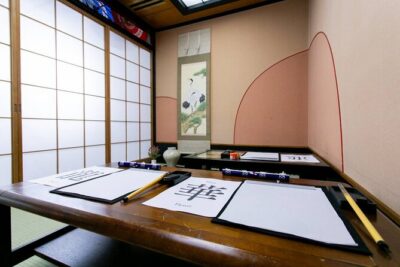
Learning Zen of Japanese Calligraphy in kimono near Osaka Castle
Read our review →
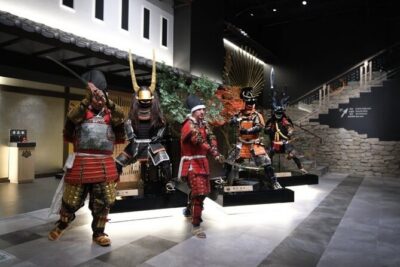
Samurai dress-up and shows, plus Tea Ceremony & Calligraphy
Read our review →
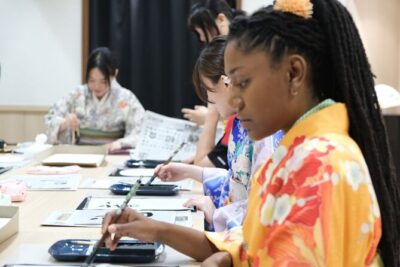
Premium Kimono Dressing, Tea Ceremony, Calligraphy, Samurai show
Read our review →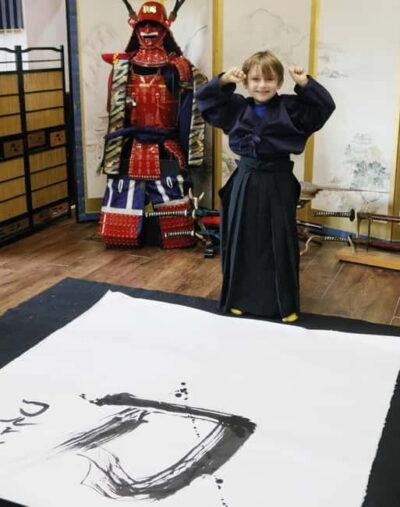
Learning Shodo with a kimono and Trying Samurai Calligraphy
Read our review →Browse the lists this tour appears in