
Reviewed · OSAKA TEA CEREMONIES
Osaka: Private Tea Ceremony and Calligraphy Experience
A quiet tea room in the middle of Osaka gives this experience its charm. At WA NO MA, instructor Wanoma guides your private group through tea ceremony and calligraphy, with time to ask questions, take photos, and work at your own pace. I especially like the personal kanji name and the chance to make your own matcha, not just watch someone else do it. The main consideration is that the class lasts 135 minutes and calls for sitting in a traditional style, so it may not suit wheelchair users or anyone who dislikes floor-based cultural activities.
I also like the thoughtful extras: you choose a tea bowl that matches your mood, taste Japanese sweets twice, and take home artwork you made yourself. Children can use water calligraphy, which keeps hands and clothing clean. The studio is easy to reach from Shinsaibashi and central Namba, though the meeting point can be a little easy to miss if you are focused on the hotel rather than the blue vending machine nearby.
Key points to know before booking
- Your name becomes a personal kanji design: The instructor suggests Japanese characters based on your name and personality, then helps you write them.
- You make your own matcha: This is a hands-on tea lesson, not only a demonstration.
- The class is completely private: Your group receives the instructor’s full attention and can request a slower pace or extra photos.
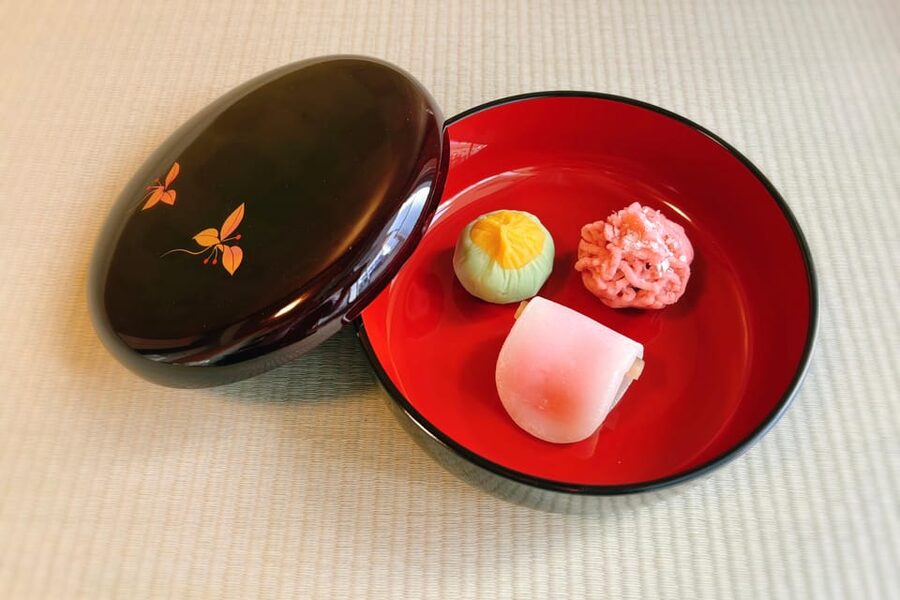
- Seasonal Japanese sweets are part of the lesson: You taste different sweets during the tea ceremony and learn how sweets relate to the seasons.
- You take home a handmade souvenir: Colored paper, calligraphy, your Japanese name, and a stamp turn practice into a finished keepsake.
- The studio sits in central Namba: It is close to Shinsaibashi-suji shopping street and convenient for a half-day Osaka plan.
A calm cultural break in central Osaka
Osaka is famous for food, shopping, neon, and noise. This 135-minute class gives you a useful change of pace without asking you to leave the city center. The WA NO MA studio is in Namba, near Shinsaibashi-suji shopping street, so you can pair the activity with an afternoon of shopping or a meal nearby.
The meeting point is outside the main entrance of New Osaka Hotel Shinsaibashi. Walk west for about 30 seconds and look for a blue vending machine near the entrance. The instructor waits outside five minutes before your scheduled time, wearing a kimono. That clothing makes the meeting easier, but I would still allow a few extra minutes to find the exact spot.
The private format matters here. You are not trying to hear a lecture over a large group or waiting for strangers to finish their brushwork. You can ask about a movement, pause for a photograph, or request a slower pace for a child. The instructor can also adjust the schedule to suit your group.
This is not a formal performance where you sit quietly and watch from beginning to end. You take part. That makes the class more useful for first-time visitors who want to understand what the tea ceremony and calligraphy mean, rather than simply photograph them.
More tea ceremonies in Osaka:
- Osaka: Tea Ceremony Experience
★ 4.9 · 1,426 reviews - Tea Ceremony Experience in Osaka Doutonbori
★ 5.0 · 754 reviews - Matcha Making Class in Osaka with Authentic Japanese Sweets Set
★ 5.0 · 509 reviews
The tea ceremony: sweets, bowls, and careful movements
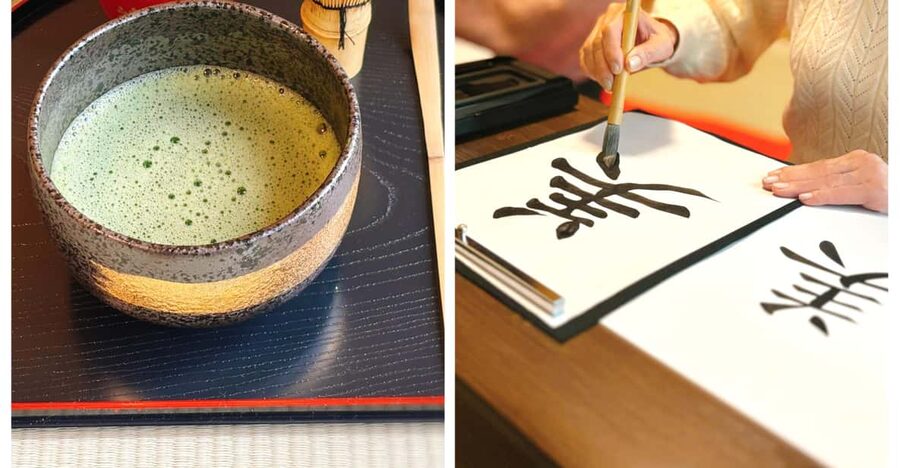
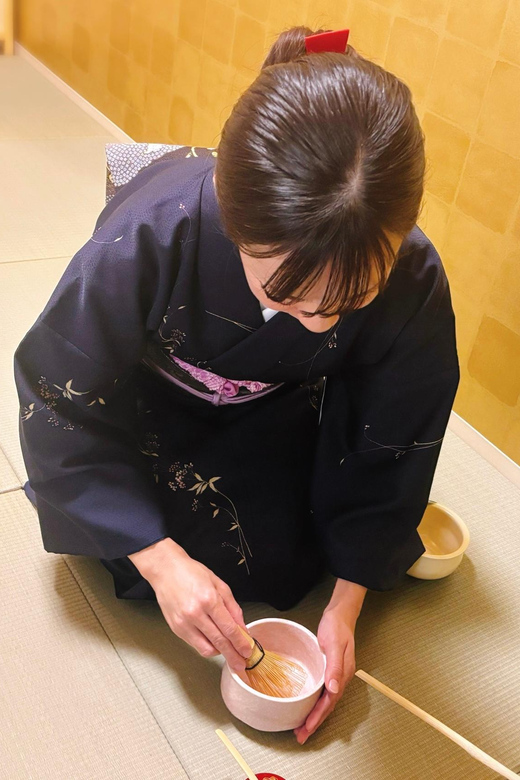
The tea portion introduces the manners and sequence of a Japanese tea ceremony in a friendly way. Your instructor explains the purpose of the movements and shows you how to enjoy the tea properly. You then have a chance to prepare matcha yourself.
The process is simple in equipment but deliberate in action. You handle the tea and follow the instructor’s directions, learning through movement instead of trying to remember a list of rules. You do not need previous experience. The class is built for beginners, and the instructor is there to correct your technique without making mistakes feel awkward.
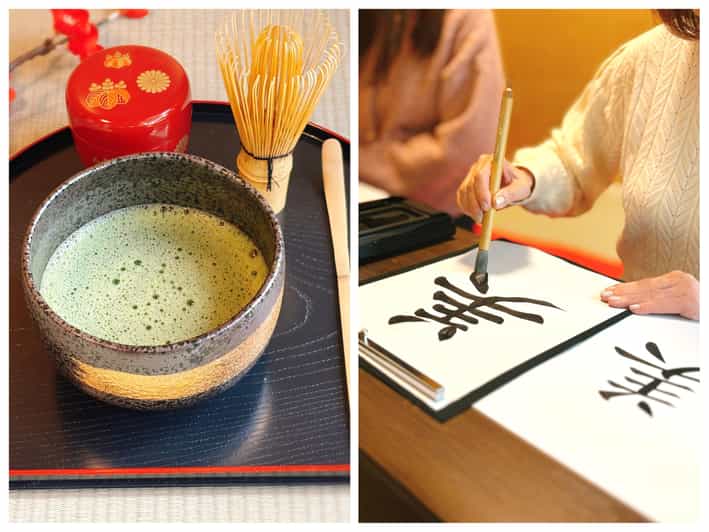
One particularly nice touch is choosing a tea bowl from several options. The bowl is not just a cup selected at random. You are invited to choose the one that expresses how you feel that day. It is a small decision, but it helps you pay attention to the objects used in the ceremony and to the idea that each meeting and moment has its own character.
The matcha can be an acquired taste. It is earthy, bitter, and more concentrated than the sweetened drinks many people know from cafes. Japanese sweets balance that flavor. You enjoy different types of sweets twice during the ceremony, and the instructor explains the connection between the sweets and the seasons. That detail adds context to what might otherwise be simply a snack between cups of tea.
If you have food concerns, the information provided specifically notes that one visitor enjoyed lactose-free sweets. Still, you should discuss any dietary needs with the instructor before or at the start of the class, since the exact sweets can vary.
The tea ceremony is also the slower section of the experience. If you are used to moving quickly through Osaka sights, give yourself permission to settle into the pace. You will get more from the lesson if you watch the hand movements, taste the matcha carefully, and ask why each step matters.
Making matcha instead of only watching
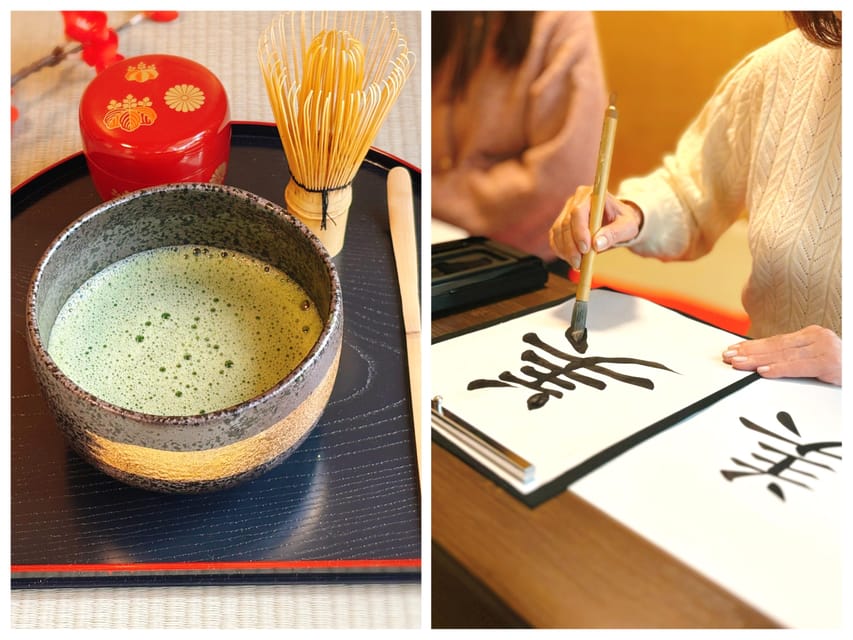
Many cultural activities let you observe a demonstration, take a picture, and leave. This one gives you the whisk and lets you prepare matcha yourself. The instructor first shows the method, then guides you through your own attempt.
That hands-on turn is valuable because it makes the ceremony less mysterious. You begin to see how much care goes into a bowl of tea and why the order of actions matters. You also get a natural chance to laugh at small mistakes. The teaching style described by past participants is patient and relaxed, with room for questions rather than pressure to perform perfectly.
The private setting is especially helpful here. If you are traveling with children, the instructor can slow down to match their pace. A family with a ten-year-old and a teenager found the class kept both children engaged, including children with ADHD. That does not guarantee the same result for every family, but it shows why the flexible format can work better than a fixed group lesson.
You should bring socks. This is a practical requirement, not a decorative suggestion. Smoking is not allowed, and the experience is not suitable for wheelchair users. The supplied information does not give detailed seating arrangements, so anyone with mobility concerns should ask the operator before booking.
Calligraphy with a meaning behind it
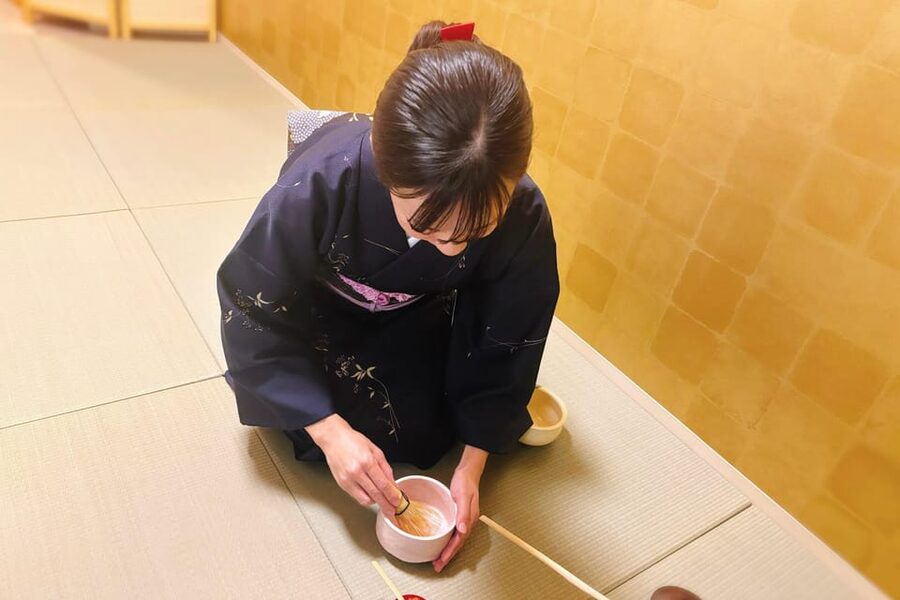
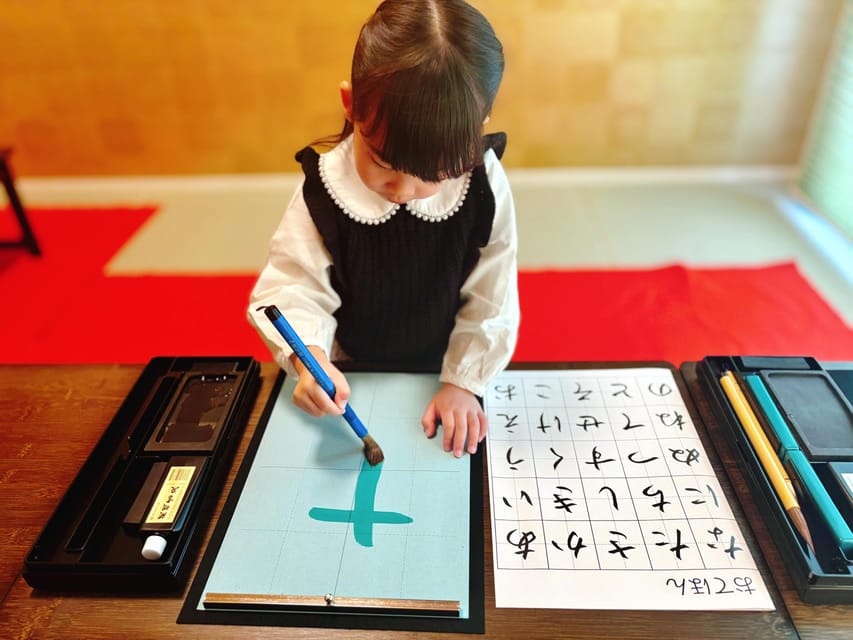
After the tea lesson, the focus shifts to Japanese brush calligraphy. You begin by choosing a theme, letter, or word you would like to write. If you do not know which Japanese character fits, the instructor can suggest kanji based on your name and personality.
This is one of the strongest reasons to choose this class over a basic calligraphy demonstration. You are not simply copying a random symbol from a menu. The finished piece can represent your name, a quality you value, or a word connected to your trip. The instructor can offer choices at different difficulty levels, which helps beginners avoid selecting a character that is too demanding.
Before you use the final paper, you practice the brushstrokes. The instructor explains the basic techniques and shows the order and direction of the strokes. Reviews of the class repeatedly praise the patience of this teaching stage, especially for people who have never held a calligraphy brush.
You then choose a piece of colored paper from several types. After practicing, you write your selected kanji, add your name in Japanese characters, and stamp your initials. The result is a small piece of personal artwork rather than a mass-produced Osaka souvenir.
That souvenir has practical advantages. It is light, easy to pack, and connected to something you did during the trip. A shop-bought magnet may remind you of Osaka, but your own calligraphy carries a more specific memory: the word you chose, the brush technique you learned, and the moment you put the final mark on the paper.
Calligraphy can be humbling. The first attempt may look less balanced than the instructor’s example, and brush pressure takes practice. That is part of the lesson, not a flaw in the activity. You are learning how Japanese writing is formed, not trying to produce museum-quality art in one sitting.
More calligraphy classes in Osaka:
- Osaka: Private Japanese Calligraphy Experience
★ 5.0 · 66 reviews - Calligraphy Workshop in Namba, Dotonbori
★ 5.0 · 57 reviews - Learning Zen of Japanese Calligraphy in kimono near Osaka Castle
★ 4.5 · 53 reviews - Samurai dress-up and shows, plus Tea Ceremony & Calligraphy
★ 5.0 · 27 reviews
Why the private format is worth the price
The listed price is $64 per person for 135 minutes. That is not the cheapest cultural activity in Osaka, but the price includes the instructor, all fees and taxes, calligraphy paper, matcha, Japanese sweets, the matcha-making lesson, and a finished artwork to take away.
The bigger value comes from the private arrangement. You are paying for a lesson designed around your group rather than a seat in a large demonstration. The instructor can give direct help with brushstrokes, explain a question in more detail, take requested photos, and slow down for young children.
For couples, families, or a small group of friends, the combination is strong. You receive two activities in one booking, and they balance each other well. Tea ceremony offers quiet observation and careful ritual. Calligraphy gives you a more active, creative task. If you only want a quick cup of matcha, the class will feel long. If you want a cultural activity with teaching and participation, 135 minutes is a fair amount of time.
The reserve-now-and-pay-later option can also help if your Osaka schedule is still changing. Free cancellation is available up to 24 hours in advance for a full refund. Check the exact terms at booking, especially if your plans are uncertain.
Who will enjoy this Osaka class most
I would recommend this experience to first-time visitors who want a clear introduction to two Japanese traditions without committing to a full-day excursion. You do not need prior knowledge of tea ceremony or calligraphy, and the instructor teaches in English and Japanese.
It suits couples particularly well because the private setting gives you time to share the activity without being folded into a large tour. It also suits families if children can sit and follow instructions for a period of time. The water-calligraphy option for young children is a useful way to prevent stained clothes and keep the lesson manageable.
It is a good choice for anyone who wants a meaningful souvenir. The kanji artwork is made during the class and can be personalized to your name or chosen theme. If you prefer shopping, food tours, or fast-moving sightseeing, you may find the quiet pace less exciting.
The activity is not suitable for wheelchair users, and socks are required. Since the class involves traditional tea ceremony customs, you should be comfortable following instructions about movement, sitting, and handling the tea bowl.
Planning this around a Namba day
The location makes this easy to combine with other central Osaka plans. You can visit Shinsaibashi-suji shopping street before or after the class, then continue through Namba for dinner. Because the activity lasts more than two hours, avoid placing it between two fixed reservations with no buffer.
Arrive at the meeting point five minutes early. Look for the instructor in a kimono outside the main entrance of New Osaka Hotel Shinsaibashi, near the blue vending machine about 30 seconds west of the entrance. Having the meeting instructions ready on your phone will save time in this busy part of Osaka.
Bring socks and wear clothing that lets you sit comfortably. The information does not specify a dress code, but practical clothes are better than anything you would worry about while working with ink or water. Children can use water calligraphy, while the standard calligraphy lesson uses colored paper and a brush.
You are welcome to take photographs during the experience, and the private format makes it easier to ask the instructor to take pictures for you. If photos are important, tell the instructor at the beginning so the timing can be adjusted naturally.
The teaching style and cultural value
The best part of this class is not simply drinking matcha or writing a kanji character. It is the explanation around each activity. You learn why the ceremony follows a particular rhythm, how sweets relate to the season, how to prepare matcha, and why brushstrokes are made in a certain order.
The instructor, known as Wanoma in the supplied feedback, is repeatedly described as friendly, funny, patient, and attentive. Those qualities matter because both activities have unfamiliar rules. A stiff or hurried lesson could make you worry about doing everything correctly. Here, the tone is designed to let you ask questions and enjoy the process.
The class also gives you a closer look at Japanese ideas of attention and presentation. The tea bowl, the sweet, the paper color, the chosen kanji, and the final stamp all receive a little care. You do not need to treat the lesson as a formal ceremony in your own life to appreciate that care.
For a short cultural activity, it offers more substance than a photo opportunity. You leave with practical knowledge, a taste of matcha, and a handmade object tied to your own visit.
Should you book the WA NO MA experience?
Book it if you want a private, beginner-friendly introduction to tea ceremony and calligraphy in central Osaka. The strongest reasons are the personal kanji artwork, the chance to make matcha yourself, the seasonal sweets, and the instructor’s ability to adjust the pace for your group.
Think twice if you want an informal drop-in tasting or if sitting in a traditional setting will be uncomfortable. The class rewards patience and participation. For most couples, families, and curious first-time visitors, $64 is a sensible price for 135 minutes of instruction, food, tea, and a souvenir you create yourself.
FAQ
Where does the tea ceremony and calligraphy experience take place?
It takes place at the Japanese Culture Experience WA NO MA studio in Namba, central Osaka, near Shinsaibashi-suji shopping street.
How do I find the meeting point?
Go to the entrance of New Osaka Hotel Shinsaibashi, then walk west for about 30 seconds. Look for a blue vending machine near the entrance. The instructor waits outside the main entrance five minutes before the booking time and wears a kimono.
How long does the experience last?
The scheduled duration is 135 minutes. The timing can be adjusted to suit your group’s requests.
Is the experience private?
Yes. It is a private group experience, so the instructor can focus closely on your participants, take photos when requested, and adjust the pace.
What languages does the instructor speak?
The experience is offered in English and Japanese.
What should I bring, and is it accessible for wheelchair users?
You must bring socks. Smoking is not allowed, and the activity is not suitable for wheelchair users.
Just added in Osaka
- Urban Canvas: Osaka Street Art Bike Tour★ 5.0 · 10 reviews
- Anime Cosplay Photshoot-50 Digital Photos Provided★ 5.0 · 8 reviews
- TeamLab Botanical Garden Osaka Ticket★ 3.5 · 6 reviews
- Umeda Sky Building & Kuchu Teien Observatory Ticket in Osaka★ 4.5 · 3 reviews
- Immerse in Judo Martial Arts Class from Japan★ 5.0 · 4 reviews
- Cherry Blossom Buddha and Mt.Yoshino with Strawberry Picking Tour★ 4.5 · 5 reviews
- Traditional Home cooking Experience in Osaka, Japan★ 5.0 · 14 reviews
- Traditional Calligraphy Experience near Dotonbori★ 5.0 · 3 reviews
Osaka Tea Ceremonies, compared.
Matcha Making Class in Osaka with Authentic Japanese Sweets Set
Read our review →
Japanese Traditional Sweets Making and Tea Ceremony
Read our review →
Osaka Temple Cool Foot Bath & Matcha Experience〈45min〉
Read our review →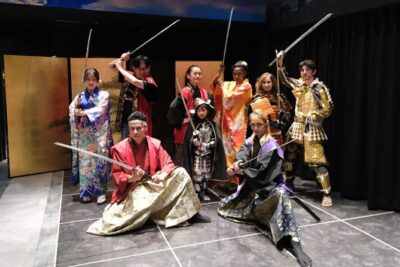
Samurai Show, Tea Ceremony, Japanese Traditional Activities
Read our review →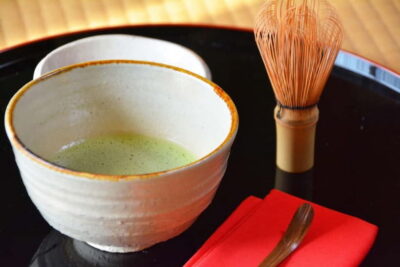
Osaka; Japanese Tea ceremony experience, Macha and Sencha
Read our review →Browse the lists this tour appears in