
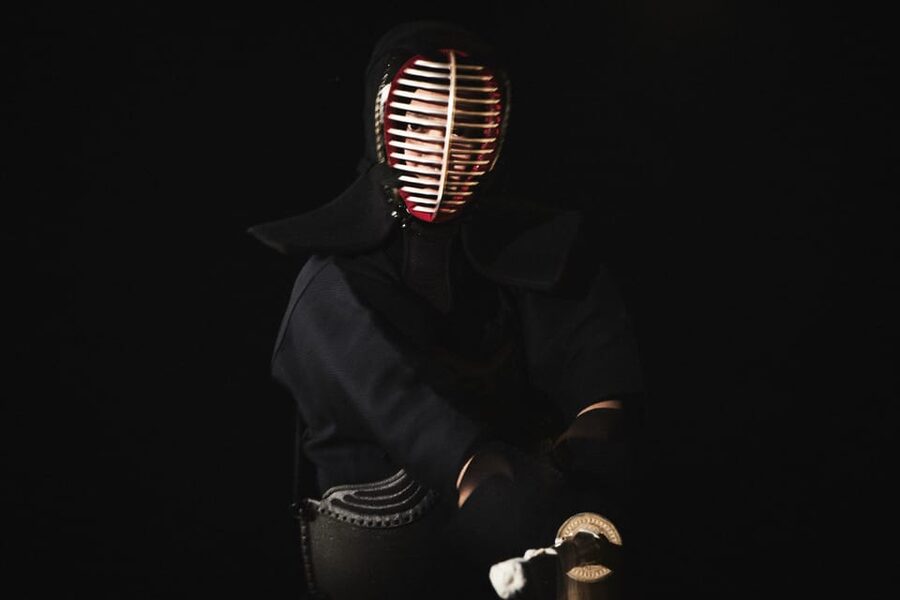
Reviewed · OSAKA SAMURAI EXPERIENCES
Osaka: Samurai Training Experience KENDO in Osaka
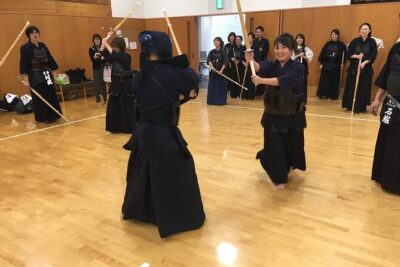
Walking into a real dojo, putting on a Kendo uniform and full protective armour, then facing an opponent with a bamboo sword is a far better way to meet Samurai culture than simply posing beside a replica sword. This two-hour Osaka activity combines a short cultural lesson, practical training, paired drills, and match-style combat.
I like the patient, personal teaching from Toshi and his assistants, especially for first-timers who need clear explanations and encouragement. I also like that the session includes both serious Kendo practice and playful Samurai photos, so you get a workout and a lasting souvenir.
The main consideration is physical effort. Kendo may look simple from the outside, but the footwork, shouting, armour, and repeated strikes can leave you sweaty and tired. Children aged 3 to 5 mainly take part in dressing up and photos, while people over 75 cannot participate in the combat session.
Key Points Before You Book
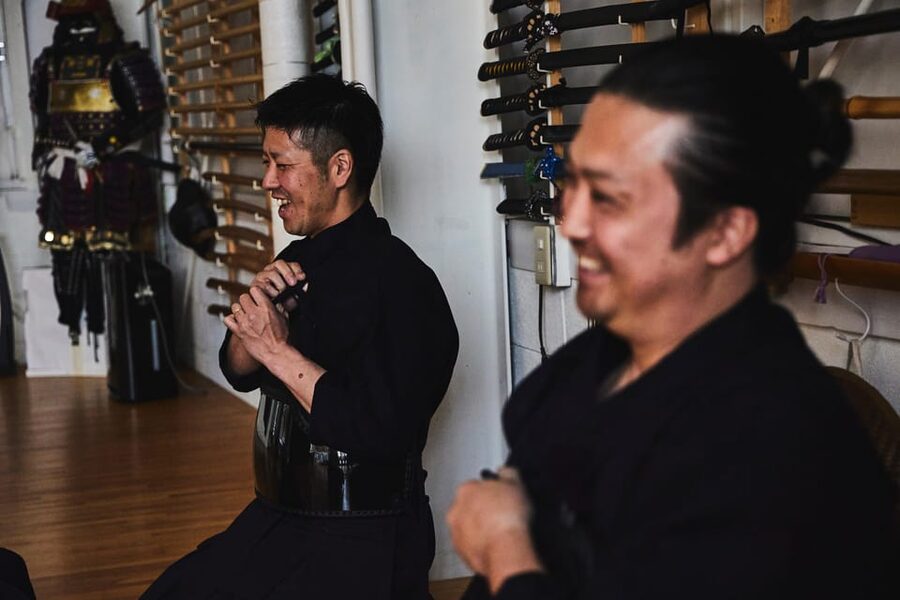
- Train in a genuine Osaka dojo: This is a working martial arts setting, not only a staged photo attraction.
- Wear full Bogu armour: You use the Men, Kote, Dō, and Tare, along with a Shinai bamboo sword.
- Learn more than sword swings: The lesson covers Samurai culture, Bushidō, Reiho etiquette, posture, footwork, attacks, blocks, and rules.
- Expect a real workout: The final sparring session can be energetic, with timing and focus mattering more than raw strength.
- English instruction is available: Toshi and his team teach in English and Japanese, with explanations adjusted to your level.
- Bring your height and weight details: These help the staff prepare a safer, more comfortable fit for the armour.
Why This Osaka Kendo Experience Feels Different
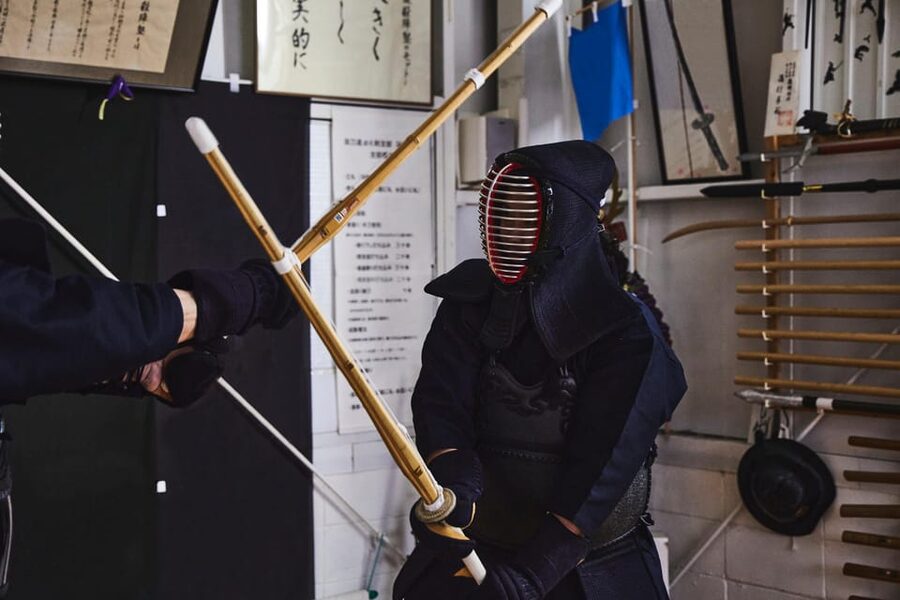
Many Japanese cultural activities let you watch, dress up, or copy a short routine. This one asks you to take part. You do not simply hold a sword for a photograph. You learn how Kendo works, put on protective gear, practise movements, and then use them in a match-style exercise.
That difference matters. Kendo is a modern Japanese martial art with roots in the warrior tradition, but it is not a free-for-all sword fight. The session places strong attention on respect, self-control, posture, timing, and Reiho, the etiquette used in Japanese martial arts.
I especially like this balance. The Samurai theme is appealing to fans of Japanese history, anime, and martial arts, but the activity does not treat Kendo as a costume show alone. The cultural explanation gives the physical movements a clear purpose.
At the same time, this is a short introductory experience, not a complete Kendo course. In two hours, you can learn the basic shape of the sport and experience sparring, but you will not reach the level of a trained practitioner. That is the right expectation to bring.
More samurai and ninja experiences in Osaka:
- Samurai Training Experience KENDO in Osaka
★ 5.0 · 515 reviews - OSAKA NIGHT FUSION Japanese Taiko Kabuki Samurai Dance Show
★ 4.8 · 155 reviews - Osaka: A Modern Samurai, Kabuki, Taiko, & Dance Show
★ 4.5 · 66 reviews
Arriving at the Dojo in Osaka City
The activity takes place in Osaka City at a genuine dojo. The location is convenient for a city visit, though you should check the meeting-point map carefully before setting out and allow time to arrive ready for a scheduled start.
The space has been described as bright, clean, and spacious. That is useful when you are wearing bulky armour and moving with a Shinai. A cramped room would make footwork and paired practice less comfortable, so the open training area adds real value.
The staff may ask for your height, weight, and gender before the session. Give accurate information when booking. Kendo armour needs to fit well enough for movement and protection, and the right sizing also saves time when the group changes clothes.
Some families have been invited to arrive about 30 minutes early so changing does not reduce the actual activity time. This is worth asking about when you book, particularly if you are visiting with children or a larger group.
The Opening Lesson: Samurai Values and Kendo History
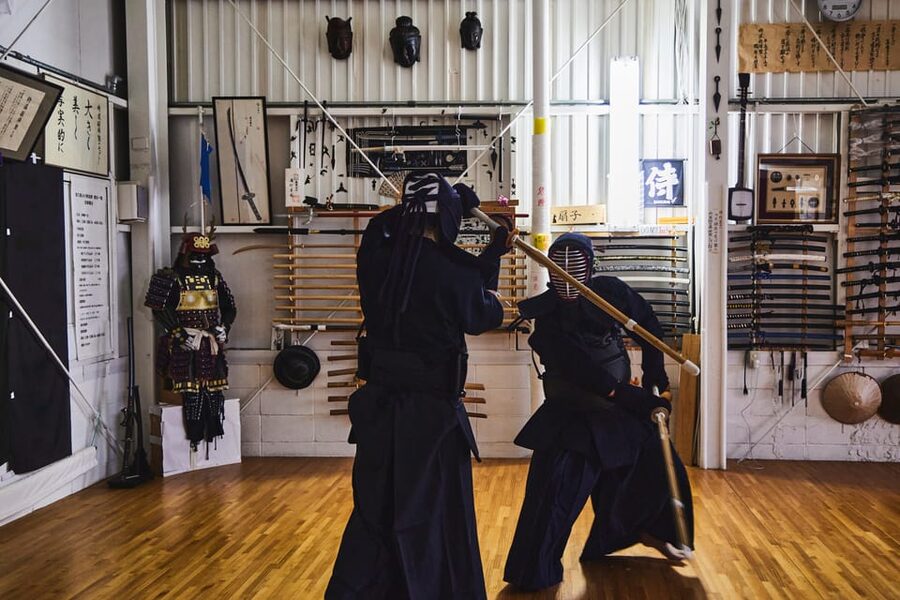
The session begins with an introduction to Samurai culture, Bushidō, and the development of Kendo. You learn that the activity is built around more than striking an opponent. Reiho, or correct etiquette, sets the tone from the start.
Expect an explanation of how to behave in the dojo, how to show respect, and why discipline matters. The instructors connect Kendo with ideas such as harmony, sincerity, focus, and personal growth. This part helps you understand why bowing, posture, controlled movement, and careful preparation are treated seriously.
The history lesson is short enough to keep the session moving, but it gives useful context. You are not asked to memorise dates or names. Instead, you get a practical sense of how an older warrior tradition became a modern martial art with formal rules and protective equipment.
Toshi leads the physical instruction, while his assistants help with clothing, photographs, and explanations. The teaching is available in English and Japanese, and the instructors are used to working with complete beginners. If you do not understand a movement at first, the format allows it to be shown and repeated.
Dressing in Dōgi, Hakama, and Bogu
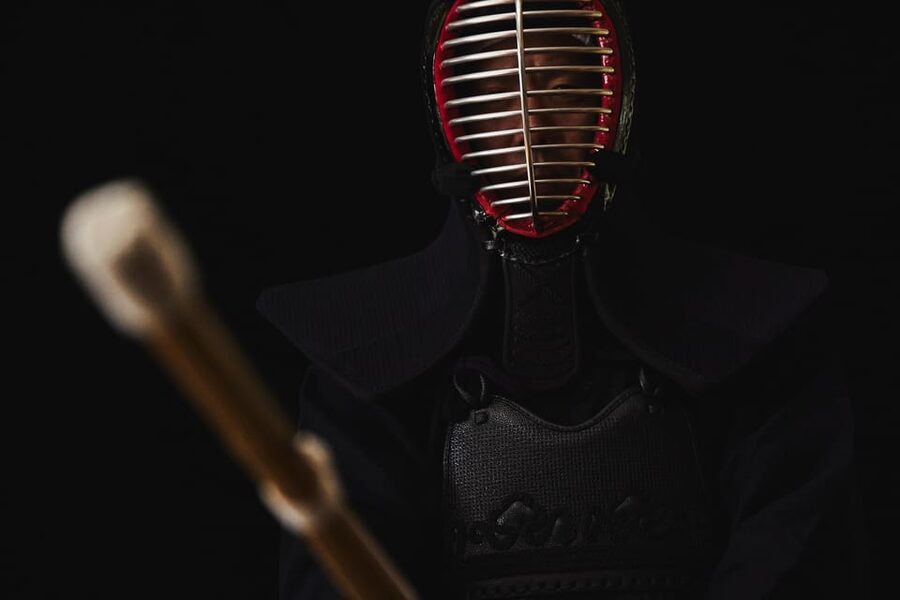
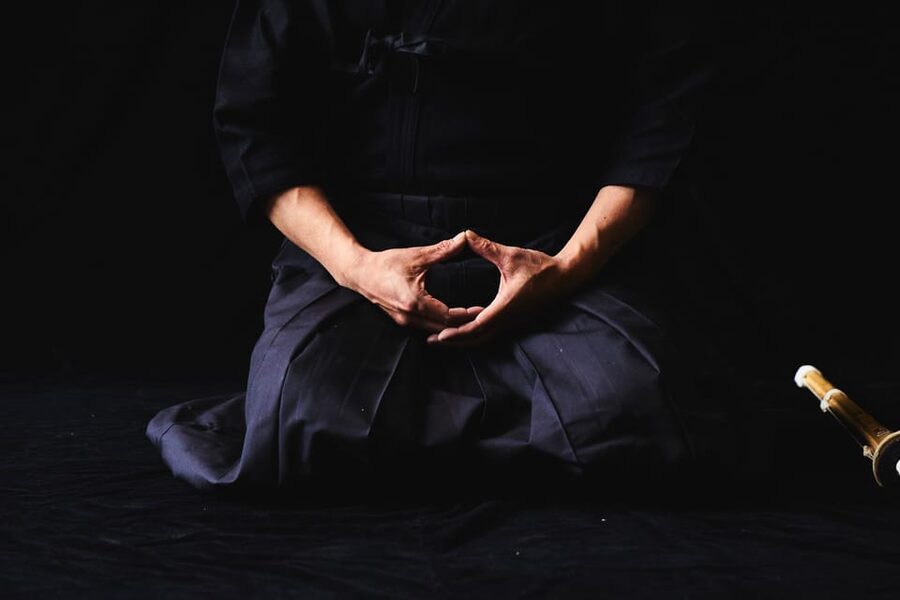
Next comes the transformation from sightseer to Kendo student. You put on the Dōgi and Hakama, the traditional training clothes, followed by protective armour known as Bogu.
The equipment includes:
- Men, the head and face protection
- Kote, the gloves and forearm protection
- Dō, the chest protector
- Tare, the waist and lower-body protection
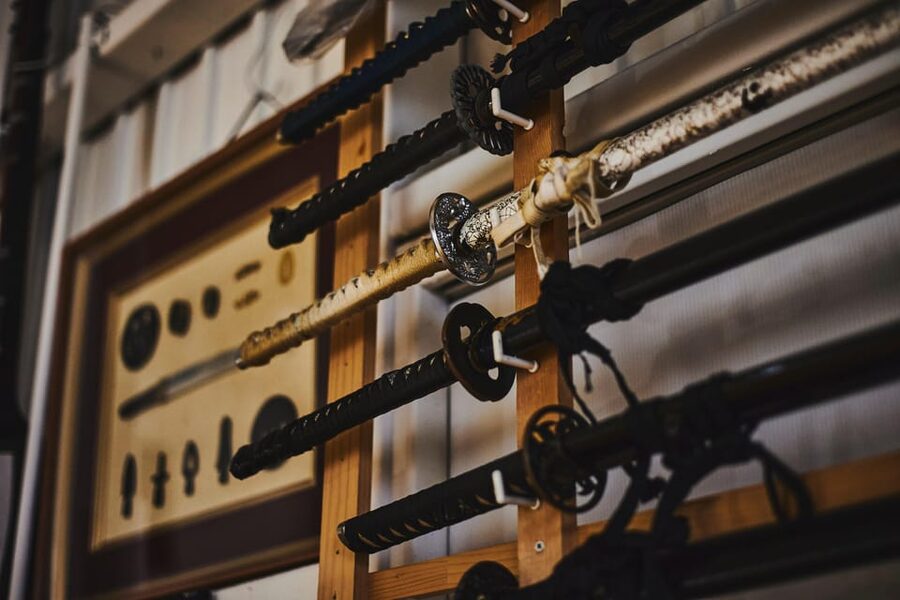
- Shinai, the bamboo sword used for practice
This is one of the most memorable parts of the experience, but it is also where the practical side becomes clear. Armour takes time to put on, feels substantial, and changes how you move. You cannot simply swing from the shoulder as you might with a prop sword.
The staff help you with the outfit and fit. That personal help is important because first-time visitors may not know how the pieces fasten or how tightly they should sit. The equipment and training area are kept clean, another detail that makes the experience more comfortable.
For children aged 3 to 5, the focus is mainly on wearing the uniform, trying on armour, and taking photographs. They do not receive the same combat session as adults. Children under 2 cannot try Kendo, and anyone aged 76 or over may watch but cannot participate.
Same city, a completely different kind of afternoon:
- Osaka Go Karting Tour with Funny Costume
★ 5.0 · 2,658 reviews - Osaka Castle: Museum and Tower Entry Ticket
★ 4.5 · 2,380 reviews - Osaka: Shinsekai Food Tour with 13-15 Dishes at 5 Eateries
★ 4.8 · 2,204 reviews - Osaka Food Tour: 13 Dishes at 5 Local Eateries
★ 5.0 · 2,149 reviews
Learning Footwork, Posture, and Strikes
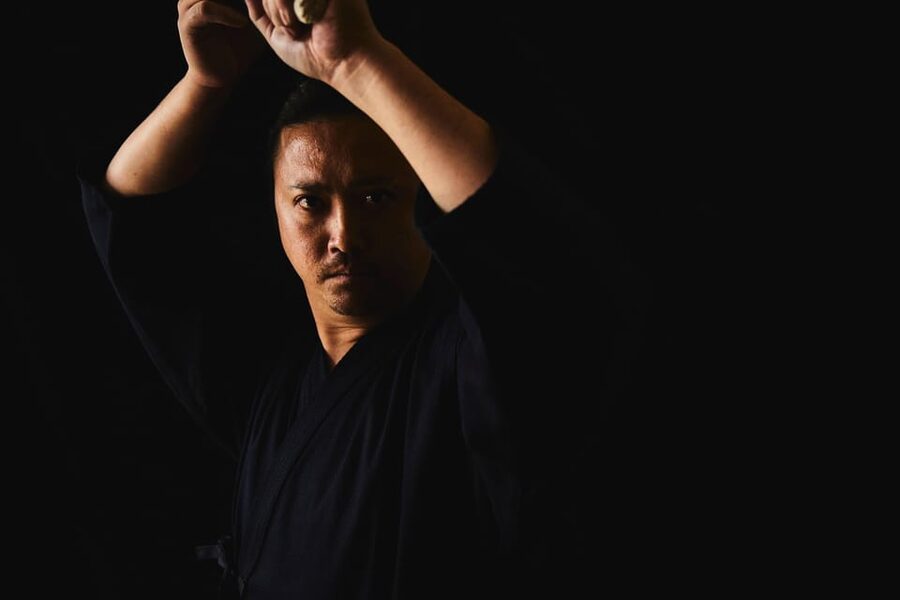
Once dressed, you learn how to stand and move. The basic lesson covers posture, footwork, safety, how to hold the Shinai, and the rules behind the strikes.
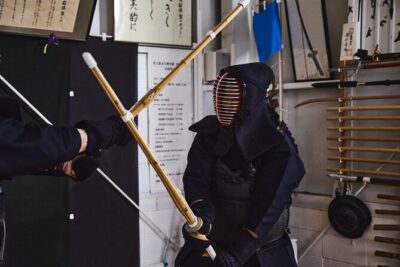
The instructors build the movements step by step. You might practise how to raise the Shinai, how to bring it down with control, and how to use your feet rather than relying only on your arms. The lesson also introduces basic attacks, blocks, and counters.
This is where the activity becomes more demanding than it first appears. Kendo requires concentration because your hands, feet, voice, and body position need to work together. The repeated footwork can tire your legs, even if you consider yourself reasonably fit.
You do not need martial arts experience. The instructors adjust the pace to the group, and several sessions have included people trying a martial art for the first time. Experienced Kendo or martial arts participants are also welcome, though they should expect an introductory format rather than advanced technical training.
The loud call used during practice may surprise you. Strong vocal energy is part of Kendo training, and shouting helps create focus and spirit. It can feel awkward for a minute, especially if you are shy, but most people quickly get into the rhythm.
Paired Practice and Match-Style Combat
After the basic drills, you practise with another participant. This may be a partner, family member, another person in the group, or an instructor if you are attending alone.
The paired work lets you test the techniques immediately. You see why timing matters, why a controlled strike is more useful than simply hitting hard, and how footwork affects distance. The protective armour allows you to take part in match-style practice without turning the session into a dangerous stunt.
The final combat section follows real Kendo rules in a simplified, beginner-friendly way. You may face another participant and, in some sessions, Toshi or another skilled practitioner. The sparring can be light and playful, but it is still active enough to feel like a genuine challenge.
I would not book this expecting a relaxed photo session with a few gentle swings. The combat section can be intense, particularly once you start moving quickly in armour. At the same time, the instructors keep the tone respectful and adapt the activity to your ability.
If you are nervous about fighting a partner, tell the instructor. The teaching style is patient, and participants are encouraged to work at their own capacity. If you are keen for more action, the final practice provides the most rewarding part of the two hours.
Samurai Photos Inside the Dojo
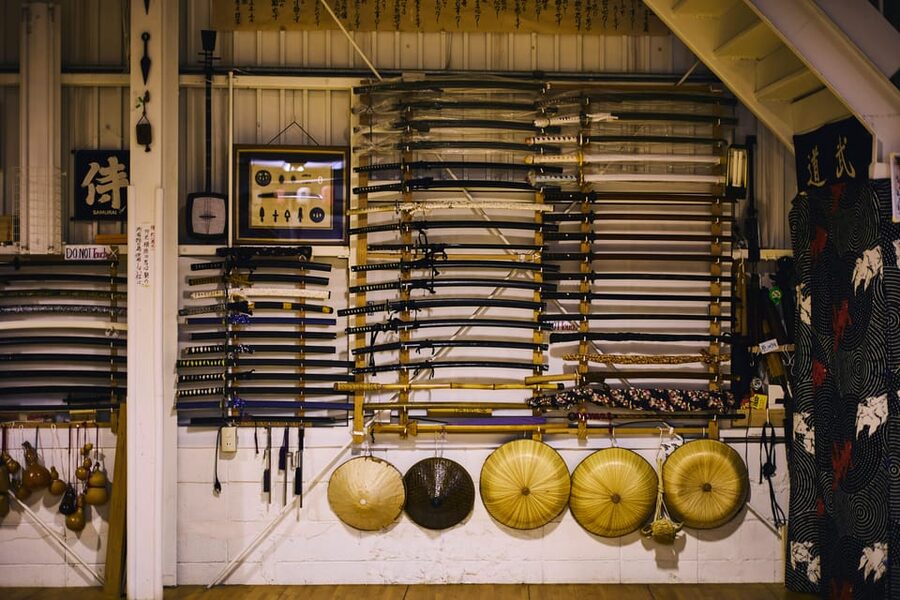
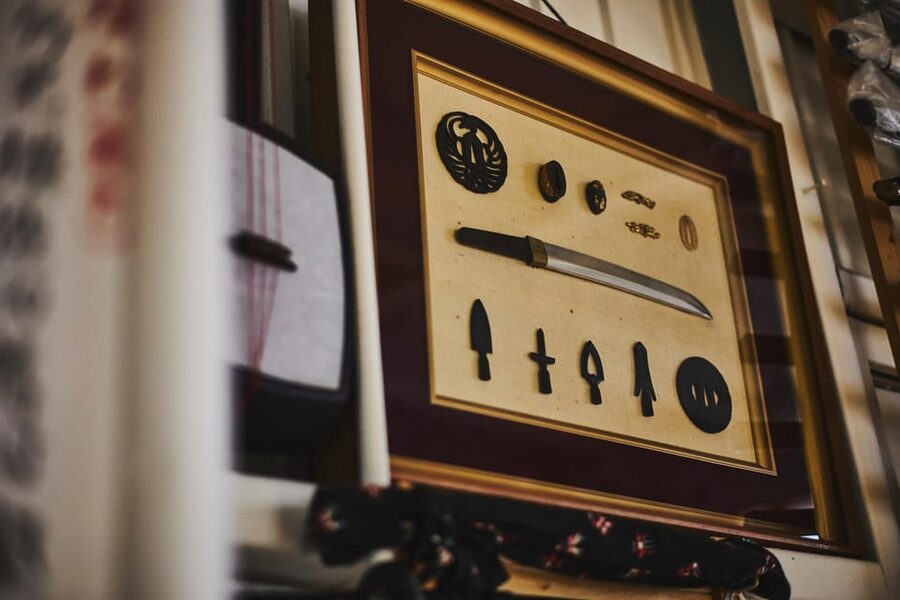
The photo session gives the experience a lighter finish. You can pose in Kendo clothing and armour, use swords and other Samurai items, and take photographs inside the dojo.
These pictures work best when treated as a memory of the whole experience rather than the main event. After learning the etiquette, handling the Shinai, and completing the drills, you will look and feel more convincing in the gear. The photos also help families and children enjoy the Samurai theme without needing to take part in the full combat practice.
Staff members help with the outfit and photographs. Some sessions include posed images and action shots, so you can capture both the formal side of Kendo and the fun of the match. If photos matter to you, ask the staff when the best time is, since the exact flow may depend on group size and the lesson pace.
The activity can be semi-private or very small when few people book a time. One-person sessions have taken place, with the instructor and assistant giving the participant close attention. A small group offers more personal guidance, while a larger group may make the paired practice feel more social.
What the Two Hours Are Worth
The listed price is $127 per person. That is not a cheap quick activity, but it covers more than a costume rental or a short demonstration.
You receive the history and etiquette lesson, use of the uniform and protective equipment, instruction from an experienced English-speaking teacher, paired practice, match-style combat, and Samurai photos. The value depends on what you want from Osaka. If you are only looking for a fast photo, the price may feel high. If you want a guided cultural activity with physical participation and personal instruction, it is easier to justify.
The time also has value. The session usually runs for two hours, and some groups have spent close to three hours at the venue when changing time, snacks, and extra attention are included. Do not count on the longer visit every time, but allow some space in your Osaka schedule rather than booking a train or meal immediately afterward.
Several participants have described the experience as a real workout. Your feet and legs may feel tired later, especially after repeated footwork and sparring. Wear comfortable clothes underneath the uniform and bring a drink. Alcohol and drugs are not allowed, and water is specifically listed as something to bring.
Who Will Enjoy This Most
I would choose this activity for a visitor who wants to do something active and distinctly Japanese. It suits Samurai and anime fans, martial arts enthusiasts, families with older children, and anyone who prefers learning by doing.
It is also a good choice for people who have never tried martial arts. The instruction starts with basic movements, and the teachers are patient about repeating explanations. You do not need to arrive fit or technically skilled, although a willingness to move, shout, and try the sparring is important.
Families can take part together, but check the age limits carefully. A 10-year-old can participate in a fuller lesson, while children aged 3 to 5 mainly receive the clothing and photo experience. Children under 2 cannot try Kendo.
Wheelchair access is available, but the activity includes changing clothes, wearing armour, and physical movement. If you use a wheelchair or have mobility concerns, contact the provider ahead of time so the staff can explain how the session will work for you.
People over 75 are not suitable for active participation. Those aged 76 and above may watch only. This is a firm safety limit, not a suggestion to ignore.
Booking, Cancellation, and Small Practical Details
The provider is Vicky Co., Ltd. Instruction is offered in English and Japanese, with Toshi and his assistants handling teaching, clothing, photographs, and support. The staff also sometimes offer local suggestions for restaurants and places to visit after the session, though that should be viewed as a friendly extra rather than part of the formal programme.
You can cancel up to two days in advance for a full refund. Check the available start times when choosing your date, since the activity lasts two hours and can be tiring enough to shape the rest of your day.
Bring drinks, provide accurate body measurements, and avoid alcohol or drugs. Comfortable clothing under the Kendo uniform will make changing and movement easier. Most importantly, arrive ready to listen. Respect for the dojo is part of the activity, not an optional decoration.
Should You Book the Osaka Kendo Session?
Book it if you want more than a staged Samurai photograph. The strongest part is the combination of cultural context, careful instruction, full armour, and real match-style practice. Toshi and his team create a welcoming setting for beginners while still giving experienced participants a chance to move and spar.
Skip it if you dislike physical activity, do not want to wear heavy protective gear, or hope for a quiet history talk. The session asks you to participate, sweat, shout, and concentrate.
For most visitors who want an unusual Osaka memory, the $127 price is reasonable when you value instruction and hands-on time. Bring water, allow extra time for changing, and expect to leave with tired legs, new respect for Kendo, and photographs that mean more because you earned them.
FAQ
Where does the Kendo experience take place?
It takes place in a genuine Samurai and Kendo dojo in Osaka City. Use the supplied meeting-point map when planning your route.
How long does the activity last?
The scheduled experience lasts two hours. Changing time may add extra time, and some groups have spent close to three hours at the venue.
Is Kendo experience required?
No. The programme is designed mainly for beginners and first-time participants. People with previous martial arts or Kendo experience may also join.
Is instruction available in English?
Yes. The instructors speak English and Japanese. Toshi and his assistants explain the movements and can adjust instruction to your level.
What equipment do I wear?
You wear a Dōgi and Hakama, then protective Bogu armour including the Men, Kote, Dō, and Tare. You also use a Shinai bamboo sword.
Can children participate?
Children under 2 cannot try Kendo. Children aged 3 to 5 mainly take part in wearing uniforms, trying on armour, and taking photos. Older children may join the fuller activity, depending on their age and ability.
Can older people participate?
People over 75 are not suitable for active Kendo participation. Anyone aged 76 or older may attend for viewing only.
What should I bring?
Bring drinks. You should also provide your height, weight, and gender when requested so the staff can prepare a comfortable and safe fit for the equipment.
Just added in Osaka
- Urban Canvas: Osaka Street Art Bike Tour★ 5.0 · 10 reviews
- Anime Cosplay Photshoot-50 Digital Photos Provided★ 5.0 · 8 reviews
- TeamLab Botanical Garden Osaka Ticket★ 3.5 · 6 reviews
- Umeda Sky Building & Kuchu Teien Observatory Ticket in Osaka★ 4.5 · 3 reviews
- Immerse in Judo Martial Arts Class from Japan★ 5.0 · 4 reviews
- Cherry Blossom Buddha and Mt.Yoshino with Strawberry Picking Tour★ 4.5 · 5 reviews
- Discover Osaka’s Iconic Umeda Sky Observation★ 5.0 · 6 reviews
- Traditional Home cooking Experience in Osaka, Japan★ 5.0 · 14 reviews
Osaka Samurai Experiences, compared.
OSAKA NIGHT FUSION Japanese Taiko Kabuki Samurai Dance Show
Read our review →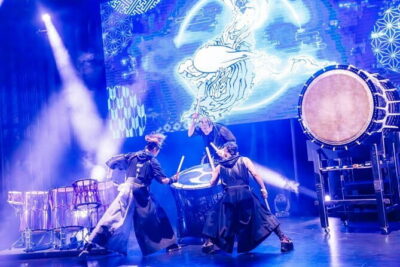
Osaka 2-Hour Genuine Kendo / Samurai Experience In Japan
Read our review →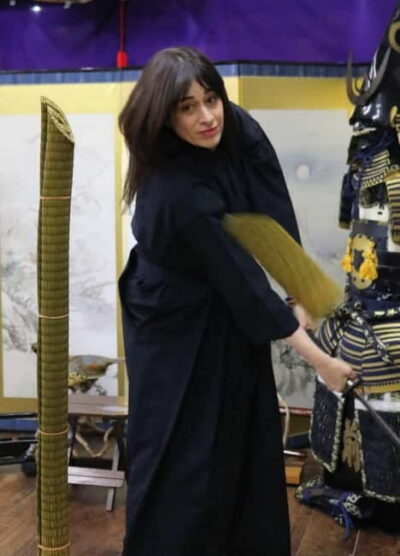
Learn Bushido – Trial Slashing with Samurai Sword
Read our review →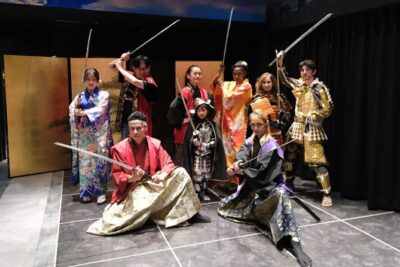
Samurai Show, Tea Ceremony, Japanese Traditional Activities
Read our review →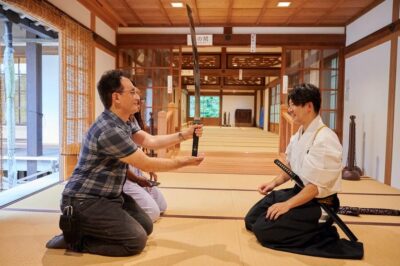
Private Samurai Experience – Train with Sword Master
Read our review →
Honor – Experience Samurai & traditional Culture to the fullest
Read our review →Browse the lists this tour appears in