
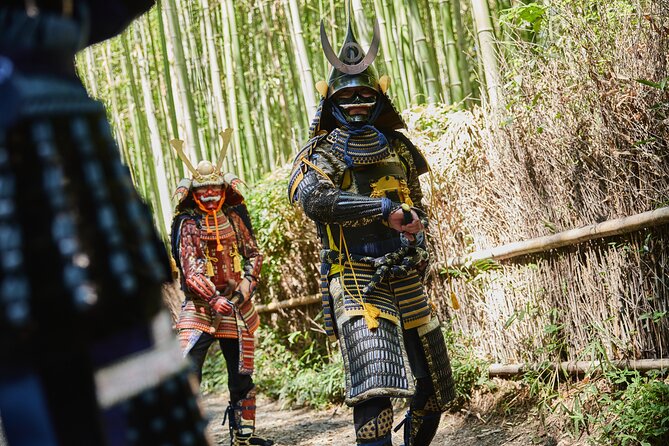
Reviewed · OSAKA SAMURAI EXPERIENCES
Honor – Experience Samurai & traditional Culture to the fullest
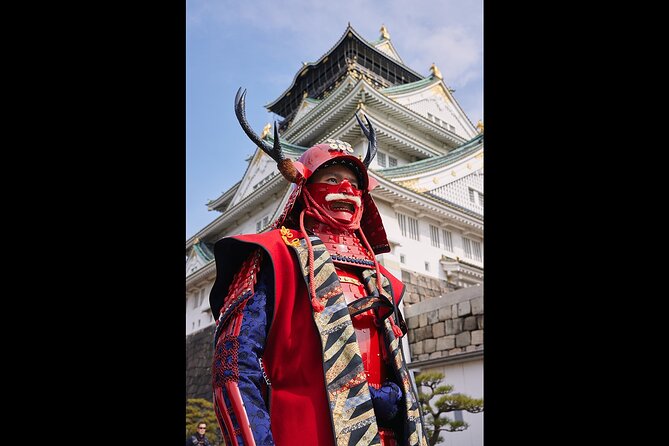
The most memorable part of this Osaka experience is not simply putting on armor for a studio photo. You walk around Osaka Castle Park dressed as a samurai, then pose as a warrior from the 1615 Osaka Summer Battle. Along the way, you practice calligraphy, learn Iaido sword movements, take tea with wagashi, and try supervised cutting with a Japanese sword.
I like the mix of quiet traditional arts and hands-on action. The calligraphy gives you a large piece of work to take home, while the tea ceremony slows the pace and explains Japanese manners through gestures rather than a lecture. I also like that professional photo files and prints are included, not treated as an afterthought.
The main drawback is price: at $181.19 per person, this is a serious splurge for roughly three hours. Armor can also feel hot and restrictive, the sword work requires care, and the castle walk may be difficult if you have back or heart problems.
Key points at a glance
- Walk through Osaka Castle Park in armor: This is more than an indoor dress-up session, with photographs taken around the castle grounds.
- Try several very different traditions: Calligraphy, matcha preparation, tea etiquette, Iaido, sword cutting, and armor all appear in one visit.
- Create a large calligraphy piece: You practice brush control before writing a character on an oversized sheet of paper.
- Work with trained instructors: A sword instructor with 10 years of experience handles the Japanese sword and gives safety instructions.
- Receive professional photographs: Digital files are sent to your designated email address, and printed photos are included.
- Plan for a private, carefully timed appointment: Your group takes part on its own, but arriving more than 30 minutes late can mean refused entry.
A samurai afternoon near Osaka Castle
SAMURAI HONOR places the experience near Osaka Castle, beginning at a meeting point in Joto Ward and finishing at the same location. The advertised duration is about three hours, though individual activities are often arranged in sections of roughly 30 minutes.
The appeal is the order of the day. You start with preparation and focus, move into calligraphy and tea, then handle sword movements and cutting before putting on armor for the outdoor photographs. It feels less like a single photo opportunity and more like a short introduction to several parts of samurai culture.
The experience is private, so only your own group takes part. That matters if you want time to ask questions or need patient help with the armor. It also means the $181.19 price is easier to justify for a small group that values personal instruction, but harder to justify if you only want one quick photograph.
More samurai and ninja experiences in Osaka:
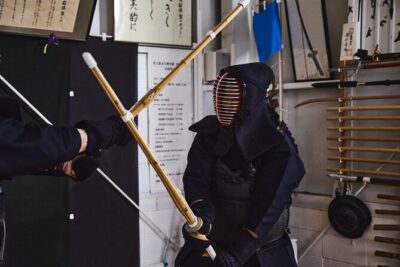
- Samurai Training Experience KENDO in Osaka
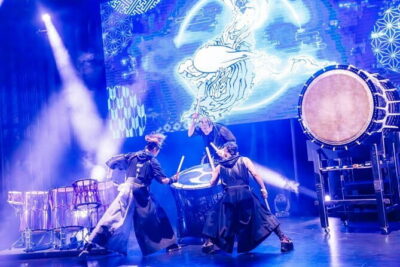
★ 5.0 · 515 reviews - OSAKA NIGHT FUSION Japanese Taiko Kabuki Samurai Dance Show
★ 4.8 · 155 reviews - Osaka: Samurai Training Experience KENDO in Osaka
★ 5.0 · 111 reviews
Calligraphy begins with control, not decoration
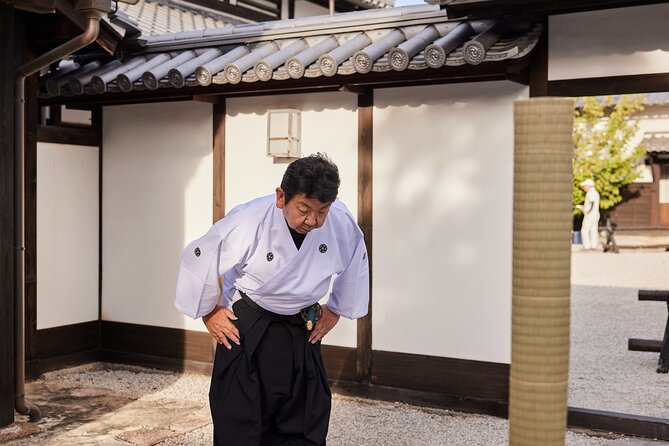
The first activity teaches you how to prepare for calligraphy. You learn how to hold the brush, use the tools, and control your movements before working on a character.
This is a useful start because Japanese calligraphy is not just a souvenir craft. Posture, pressure, spacing, and the rhythm of the brush all matter. The activity explains this through practice, so you have a better sense of why a single character can take time and care.
A memorable feature is the oversized calligraphy exercise. You may work with a very large brush on a sheet measuring about 150 by 150 centimeters. That changes the task completely. You are not making a tiny mark at a table. You are using your whole arm and body to create a bold character.
The activity also connects calligraphy with samurai practice. The program refers to writing words of resignation, meaning a final farewell prepared before death. That is a serious theme, and it gives the brushwork more historical and emotional weight than a simple name-writing session.
You can choose a kanji character, practice it, and create a large poster to take home. If calligraphy is your main interest, allow yourself to enjoy this part rather than rushing toward the sword lesson. Several people have singled it out as a favorite, and I can see why: it produces a personal souvenir and requires genuine participation.
Matcha tea teaches manners through small gestures
The tea ceremony offers a sharp change of mood. A tea master prepares and serves powdered green tea with traditional Japanese sweets, called wagashi.
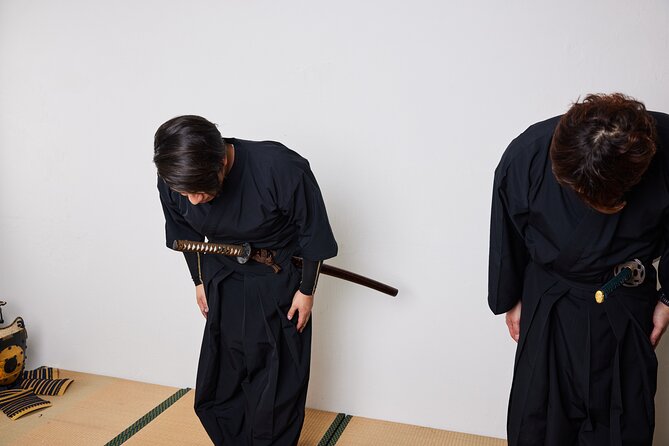
You are shown the etiquette and gestures involved in receiving tea. The value here is not simply tasting matcha. You learn how hospitality is expressed through careful movement, attention, and respect for the person in front of you.
This portion is described as relaxed, but it is still formal enough to show the discipline behind the ceremony. After the larger movements of calligraphy and sword practice, the quiet pace helps balance the afternoon.
The included snack is traditional matcha and wagashi, so you do not need to treat this as a full meal. If you have little interest in tea, it remains worthwhile as cultural context. If you already enjoy Japanese tea traditions, you may wish this section were longer.
Iaido brings the sword lesson into focus
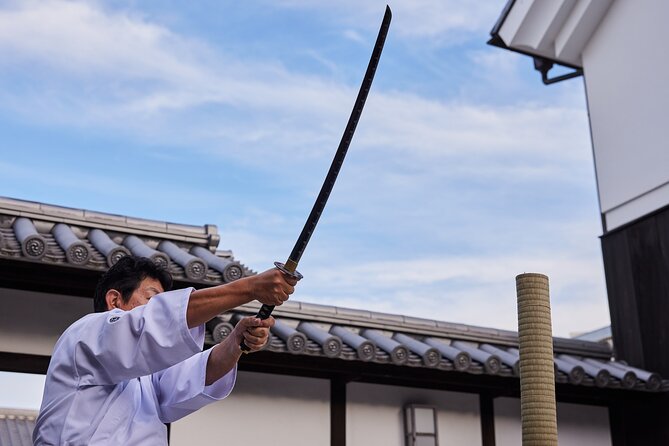
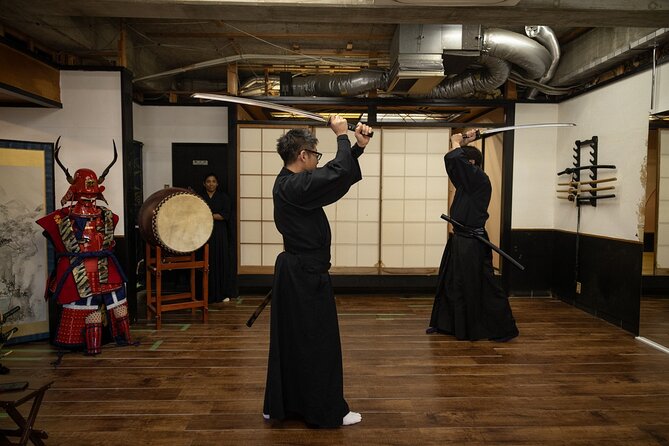
The sword portion begins with instruction in Iaido, a Japanese martial art connected with drawing and handling a sword. You practice movements under supervision instead of simply posing with a prop.
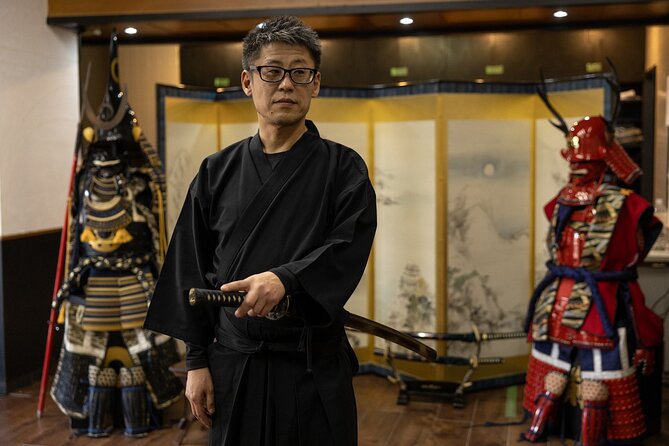
Safety is important here. An instructor with 10 years of swordsmanship experience handles the Japanese sword and explains what to do before the activity begins. You must not draw a sword without permission, and the staff can stop or adjust the activity if needed.
The instruction is part demonstration, part practice. You learn controlled movements rather than performing fast movie-style combat. That is a good thing. The exercise shows that Japanese swordsmanship depends on precision, posture, timing, and restraint.
A supervised trial-cutting session takes about 30 minutes. The activity uses a target such as bamboo, and the goal is to experience the cutting edge while following the instructor’s technique. You should not expect a full martial arts course in one visit. Think of it as a carefully managed introduction that lets you feel the weight and responsibility of the sword.
This is likely the most exciting section for children and teens, but the staff still need to judge suitability. The activity is not recommended for people with back problems or heart conditions, and you must sign a liability waiver.
Same city, a completely different kind of afternoon:
- Osaka Go Karting Tour with Funny Costume
★ 5.0 · 2,658 reviews - Osaka Castle: Museum and Tower Entry Ticket
★ 4.5 · 2,380 reviews - Osaka: Shinsekai Food Tour with 13-15 Dishes at 5 Eateries
★ 4.8 · 2,204 reviews - Osaka Food Tour: 13 Dishes at 5 Local Eateries
★ 5.0 · 2,149 reviews
Armor changes the scale of the experience
After the indoor activities, assistants help you put on hakama and samurai armor. You cannot put the outfit on by yourself, and you should use the restroom before changing.
The armor is a well-made replica, with authentic styles available according to your size and the choices on hand. Staff select the most suitable armor based on height, weight, and fit. Sizes are generally suitable for people up to 185 centimeters tall and 100 kilograms, but your preferred style may not be available.
Hakama and armor can become hot, especially after calligraphy practice and sword work. Wear light, comfortable clothing underneath. Arriving in a heavy outfit or a shirt that traps heat will make the last part less pleasant.
Putting on the armor is also physical. You will stand while assistants secure the layers and fittings, then walk in clothing that is less flexible than everyday wear. That is part of the fun, but it is worth considering if you have limited mobility.
The outfit gives the photo session more presence than a simple robe. Armor has weight, structure, and visual detail. You will need to adjust your stance and movement, and the staff can help you look more convincing in front of the camera.
Osaka Castle Park provides the best backdrop
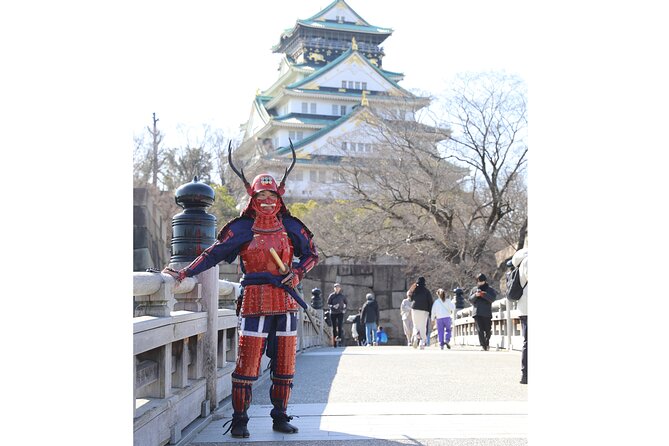
The outdoor portion takes place around Osaka Castle Park and Osaka Castle. You are photographed as a member of Toyotomi’s side during the Osaka Summer Battle of 1615, a period when the castle was at the center of conflict.
You do not simply stand inside a studio with a printed background. The walk through the grounds gives the photos a sense of place. Osaka Castle supplies the setting, while the armor creates the story.
This is one of the strongest differences between this activity and a standard costume photo session. You may also attract attention from other people around the castle, which can be amusing but may feel less private. Personal smartphone photography is allowed if you do not take selfies or photograph other participants. Fixed tripods and video recording are not allowed because they can get in the way.
The professional photographer captures the outdoor scenes and the activities. Digital files are sent to your designated email address, and printed photographs are included. A video upgrade is available for an additional fee if you want moving footage of the experience.
The outdoor photo session takes about 30 minutes. That is enough time for several poses, but not a full castle tour. The activity ends back at the meeting point, so you should plan your own visit to Osaka Castle separately if you want to see more of the site.
What the $181.19 price really covers
At $181.19 per person, this is not a budget attraction. You are paying for private instruction, staff assistance with the clothing, several separate cultural activities, professional photography, prints, digital files, matcha, wagashi, taxes, and gratuities.
The value depends on what you want from your Osaka visit. If your goal is a cheap costume rental, the price will feel high. If you want one organized appointment that combines calligraphy, tea, sword practice, armor, and outdoor photography, the cost is easier to understand.
The included photos matter. Professional images of your group in armor around Osaka Castle can be difficult to arrange on your own, especially while also handling the clothing and keeping your equipment out of the way. The large calligraphy work adds another tangible souvenir.
I would compare this experience with the cost of booking separate activities. Here, you get cultural instruction, a supervised martial arts session, and the photo service in one private appointment. The tradeoff is that none of the individual lessons can become a full course within three hours.
The recent booking level shows steady interest, but the strongest reason to reserve is the limited timing of the appointment. Arrive early enough to find the meeting point and settle in. If you are more than 30 minutes late, entry may be refused even if you contact the operator.
Language, group size, and practical limits
English is the default language. Italian, Spanish, French, Chinese, Thai, and Indonesian may be available by request, but staffing is limited and those languages cannot be guaranteed.
The private format gives you more direct help than a large group session. It is especially useful during armor fitting and sword instruction, when you may need repeated explanations. The program has used an interpreter when needed, including a guide named Camila in one session, while instructors such as Sakuma and Taguchi have led calligraphy and sword-related activities.
Treat those names as examples of the team rather than a promise that a particular person will lead your appointment. Ask in advance if a specific language or instructor matters to you.
The meeting point is at Japan, 536-0014 Osaka, Joto Ward, Shiginonishi, 2-chome 319, Excellence Takayama. Public transportation and parking are not included, and the activity does not provide private transport.
The experience is not stroller accessible and is not suitable for pets. It is also not recommended for people with heart conditions or back problems. These limits make sense given the standing, walking, armor, and sword work.
Who will enjoy this most
I would choose this for someone who wants to take part rather than watch. You should be happy to follow instructions, try unfamiliar movements, and spend time on details such as brush control and tea etiquette.
It suits couples, families with older children, and small private groups. A 12-year-old participant enjoyed the calligraphy and katana practice, but every child should be judged individually because the sword activity involves a real blade and strict safety rules.
It also works well for visitors who have already seen Osaka Castle and want a new way to experience its grounds. The castle is not just a backdrop here. It becomes part of the story you are acting out.
You may not enjoy it as much if you dislike dressing up, get uncomfortable in hot clothing, have mobility concerns, or want an in-depth history lesson. The program presents cultural practices through action, not through a long academic lecture.
How to get the most from the three hours
Wear light clothing that will not make you overheat under hakama and armor. Comfortable clothes also make it easier for the assistants to dress you.
Use the restroom before the outfit goes on. Once you are wearing the armor, taking a break is less convenient.
Arrive early and keep your schedule clear. The program has several timed parts, and arriving more than 30 minutes late can end the appointment.
Ask questions during calligraphy and tea. These sections are where you gain the most cultural context, while the sword and armor portions provide the more obvious excitement.
Do not handle or draw a sword unless the instructor tells you to. Follow the photographer’s instructions, and keep smartphone photos simple. You can take personal pictures, but do not photograph other participants, use a tripod, or record video without permission.
Cancellation is free if you cancel at least 24 hours before the start time. Cancellations or changes made later are not refunded or accepted.
Should you book SAMURAI HONOR?
Book it if you want a polished, private cultural activity with strong visual memories and several hands-on parts. The combination of a large calligraphy piece, matcha ceremony, supervised sword cutting, armor, and Osaka Castle photographs is unusual, and the professional files make the cost easier to defend.
Skip it if $181.19 feels too high for a short activity, or if you mainly want to see the castle itself. This is not a substitute for exploring Osaka Castle’s interior and grounds at your own pace.
For the right person, the best value is the range of experiences packed into one appointment. You leave with photos, a calligraphy keepsake, and a better feel for the discipline behind samurai arts, not just a costume picture.
FAQ
How long does the samurai experience last?
The experience lasts approximately three hours. Individual activities, including sword cutting, armor participation, and photography, are arranged in sections of about 30 minutes.
Where does the experience meet?
The meeting point is at Japan, 536-0014 Osaka, Joto Ward, Shiginonishi, 2-chome 319, Excellence Takayama. The activity finishes back at the meeting point.
Is the experience private?
Yes. Only your own group takes part in the private activity.
What is included in the price?
The price includes a samurai outfit with armor and hakama, English service, photography, digital files sent to your designated email address, professional prints, taxes, gratuities, matcha, and wagashi.
Is transportation included?
No. Public transportation, private transportation, and parking fees are not included.
Can I wear any size of armor?
Armor choices depend on your height, weight, and the available styles on the day. Sizes are generally suitable for people up to 185 centimeters tall and 100 kilograms, but your preferred armor may not be available.
Is the sword cutting safe?
An instructor with 10 years of swordsmanship experience handles the Japanese sword and provides instruction before the activity. You must not draw a sword without permission, and you must sign a liability waiver.
Can I take photos with my phone?
Yes, personal smartphone photography is permitted as long as you do not take selfies or photograph other participants. Fixed tripods and video recording are not allowed.
What happens if I need to cancel?
You can receive a full refund if you cancel at least 24 hours before the experience start time. Cancellations or changes made less than 24 hours before the start time are not accepted or refunded.
Just added in Osaka
- Urban Canvas: Osaka Street Art Bike Tour★ 5.0 · 10 reviews
- Anime Cosplay Photshoot-50 Digital Photos Provided★ 5.0 · 8 reviews
- TeamLab Botanical Garden Osaka Ticket★ 3.5 · 6 reviews
- Umeda Sky Building & Kuchu Teien Observatory Ticket in Osaka★ 4.5 · 3 reviews
- Immerse in Judo Martial Arts Class from Japan★ 5.0 · 4 reviews
- Cherry Blossom Buddha and Mt.Yoshino with Strawberry Picking Tour★ 4.5 · 5 reviews
- Discover Osaka’s Iconic Umeda Sky Observation★ 5.0 · 6 reviews
- Traditional Home cooking Experience in Osaka, Japan★ 5.0 · 14 reviews
Osaka Samurai Experiences, compared.
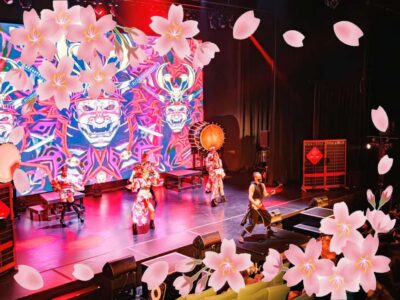
OSAKA NIGHT FUSION Japanese Taiko Kabuki Samurai Dance Show
Read our review →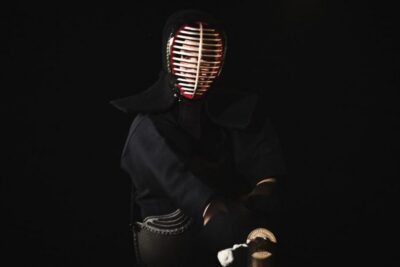
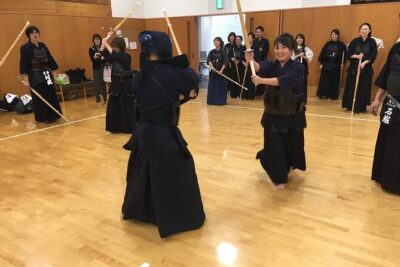
Osaka 2-Hour Genuine Kendo / Samurai Experience In Japan
Read our review →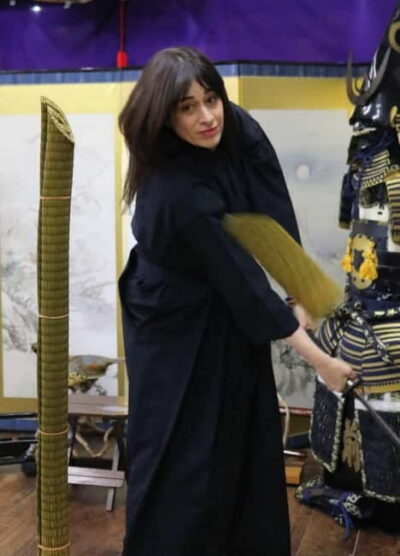
Learn Bushido – Trial Slashing with Samurai Sword
Read our review →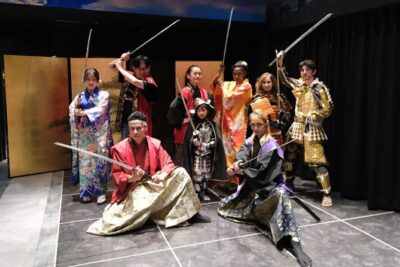
Samurai Show, Tea Ceremony, Japanese Traditional Activities
Read our review →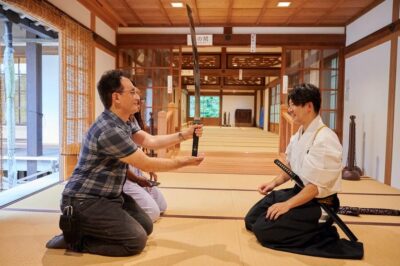
Private Samurai Experience – Train with Sword Master
Read our review →Browse the lists this tour appears in