
Reviewed · OSAKA COOKING CLASSES
Osaka Market Tour & Cooking Class with Local Expert Masato/Shohei
Osaka’s food culture makes more sense when you handle the ingredients yourself. This experience pairs a short visit to Karahori Shotengai market with a hands-on class led by Masato, Shohei, or another local chef. You learn techniques, cook three Japanese dishes, and sit down to eat what you made.
I like the chance to see everyday ingredients before they reach the kitchen, and I like the careful attention to allergies and dietary needs. The sushi menu is also unusual in a useful way: it includes tamagoyaki, Wagyu beef, lotus root, bamboo shoots, and shiitake mushrooms, but no raw fish.
The main consideration is time. Two and a half hours gives you a good introduction, but not a full tour of Osaka’s food scene. The market visit is only about 30 minutes, and the shared class can include up to 13 people, so the pace may vary.
Key points to know before booking
- Karahori market option: Add a guided 30-minute walk through a covered shopping street with vegetables, fresh food, and condiments.
- Three dishes from scratch: Learn practical Japanese methods, then eat the meal you prepared.
- Menu choice matters: Select sushi, Japanese curry rice, or character bento when booking. Sushi is the default if you do not choose.
- Raw-fish-free sushi: The sushi class uses tamagoyaki, Wagyu beef, and seasonal vegetables instead of raw fish.
- Dietary requests are possible: Lactose-free, gluten-free, vegetarian, and vegan meals can be arranged with advance notice.
- Simple meeting point: Begin and end near Matsuyamachi Station in Osaka’s Chuo Ward.
What this Osaka cooking class really offers
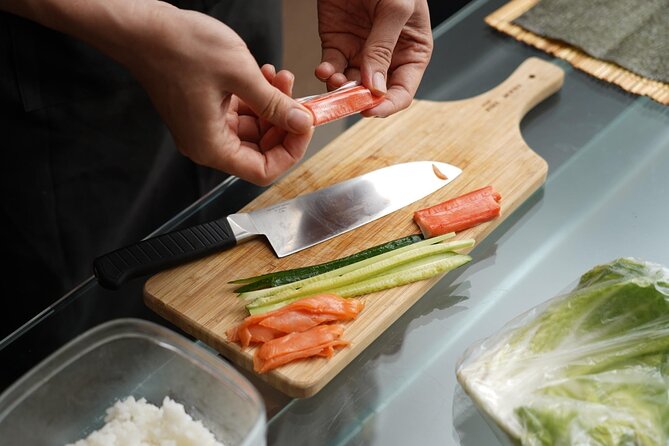
This is not just a cooking demonstration where you watch a chef work. You prepare the food yourself, with help from a local host who can explain ingredients, cooking methods, and the customs behind the dishes.
The class is shared, and the maximum group size is 13 people. That is large enough to give the session some social energy, but it is not a private lesson. If you want constant one-to-one instruction, you may need to be patient while the chef helps other people.
The tour lasts about two hours and 30 minutes. That is a sensible length for a food activity during a busy Osaka stay. You get enough time to shop or look around the market, cook several dishes, and sit down for your meal without giving up half a day.
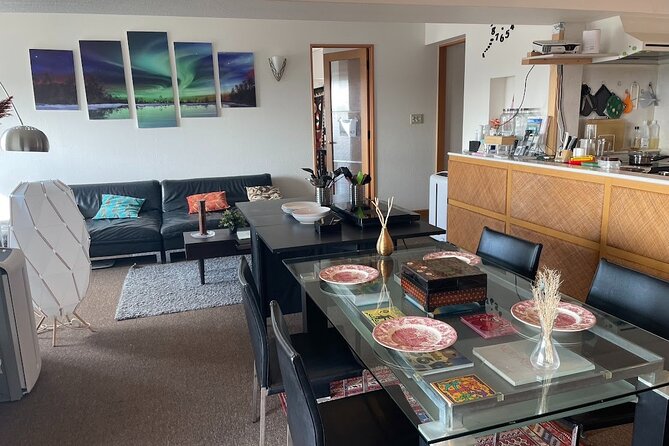
The setting begins near Matsuyamachi Station, at 2 Chome-6 Andojimachi, Chuo Ward. The activity ends back at the meeting point. Hotel pickup and drop-off are not included, so plan your route to the station before the start time.
More cooking classes in Osaka:
- Matcha Making Class in Osaka with Authentic Japanese Sweets Set
★ 5.0 · 509 reviews - Osaka Sushi Making Experience
★ 5.0 · 400 reviews - Osaka: Ramen and Gyoza Cooking Class in Dotonbori
★ 5.0 · 378 reviews
Starting at Matsuyamachi Station
Your meeting point near Matsuyamachi Station puts the activity in a practical part of central Osaka. Since the tour does not include hotel transportation, using the station as your anchor keeps the arrival simple.
You should allow enough time to find the exact meeting location. A mobile ticket is provided, and confirmation arrives when you book. The details do not indicate a private car transfer, so this is best treated as a public-transport activity from the beginning.
The host may be Masato, the chef named in the tour details, or Shohei, who has also hosted the class. If Masato is unavailable, another chef colleague takes over. This means the exact personality of the class can vary, but the format remains focused on cooking, food questions, and a home-style Japanese meal.
One useful feature is the pre-class contact about menu preferences and allergies. If you have a dietary restriction, tell the provider at booking rather than waiting until you arrive. The class can accommodate lactose-free, gluten-free, vegetarian, and vegan diets on request.
The 30-minute walk through Karahori Shotengai
If you select the market option, your host takes you to Karahori Shotengai, a covered shopping street near the cooking location. The tour lasts about 30 minutes, so expect a focused introduction rather than a long market expedition.
You can learn about vegetables, fresh food, condiments, and the ingredients used in Japanese home cooking. This short stop gives the later class some context. Instead of hearing a list of unfamiliar food names at the kitchen counter, you can see what local shopping looks like and ask why certain items are used.
I consider this part worth choosing if you enjoy food shopping or want more contact with daily Osaka life. A market is often more useful than a polished food display because it shows what people buy and cook at home.
The trade-off is that you do not have much time for individual shopping. Any purchases you make are not included in the price, and the tour does not cover them. Think of the market walk as an introduction guided by your chef, not as a dedicated shopping trip.
If your schedule is tight, the cooking class itself remains the core experience. If you want the ingredients and recipes to connect more clearly, choose the market option.
Picking your menu before the class
You should make a menu choice at the time of booking. The available themes include sushi, character bento boxes, and Japanese curry rice. If you do not state a preference, the default is the sushi class.
That default is worth understanding. This is not a raw-fish sushi lesson. The class uses tamagoyaki, or rolled Japanese omelet, along with Wagyu beef and seasonal vegetables such as lotus root, bamboo shoots, and shiitake mushrooms.
That selection gives you a useful look at Japanese cooking beyond the familiar idea of fish on rice. Tamagoyaki requires a different approach from a standard omelet, while lotus root, bamboo shoots, and shiitake bring different textures and flavors to the meal.
The class covers three authentic Japanese dishes from scratch. The exact menu can depend on your selection and the host, so you should ask questions when arranging dietary needs or cooking preferences.
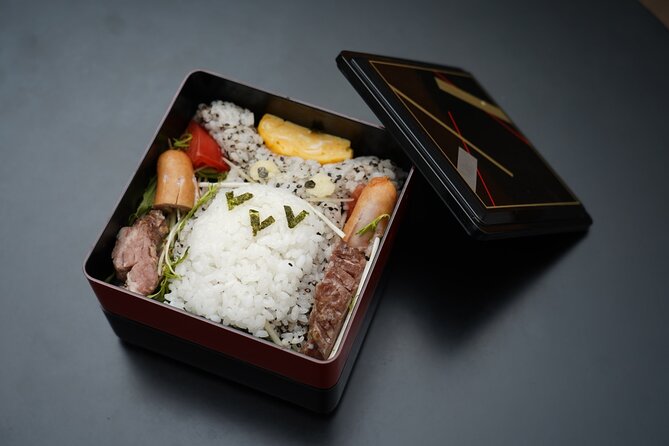
The character bento option may suit families or anyone who enjoys careful food presentation. Japanese curry rice is likely the most comforting choice for people who want a familiar, filling dish with Japanese methods behind it. Sushi makes a good default for many first-time visitors, especially if you want to practice shaping and arranging food without handling raw fish.
Same city, a completely different kind of afternoon:
- Osaka Go Karting Tour with Funny Costume
★ 5.0 · 2,658 reviews - Osaka Castle: Museum and Tower Entry Ticket
★ 4.5 · 2,380 reviews - Osaka: Shinsekai Food Tour with 13-15 Dishes at 5 Eateries
★ 4.8 · 2,204 reviews - Osaka Food Tour: 13 Dishes at 5 Local Eateries
★ 5.0 · 2,149 reviews
Cooking three dishes with a local chef
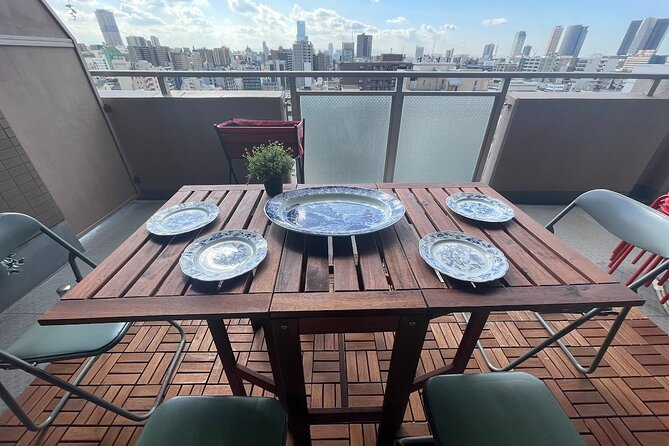
Once you return from the market, or begin the class directly if you did not choose that option, the focus shifts to preparation. Your chef guides you through the ingredients and techniques, and you work at your own pace.
The instruction is meant to be practical. You can ask why an ingredient is used, how a technique works, or how to repeat the recipe at home. This matters because a cooking class is most valuable when you leave with skills you can use, not just photos of a finished plate.
The class has been especially careful with allergies and food preferences. Shohei, for example, is described as taking allergy concerns seriously and contacting participants in advance. Masato has also been praised as a patient host who answers questions. Those details matter if food safety is a concern or if you are cooking with children.
You should still communicate clearly at booking. Dietary accommodation is available on request, but no cooking class can plan properly around a restriction it does not know about.
The shared format can be a plus for families, couples, and solo visitors who enjoy meeting people around a table. It can also mean that the chef divides attention among several cooking stations. I would choose this class for a friendly, active lesson, not for a highly technical chef-training session.
Sitting down to eat what you made
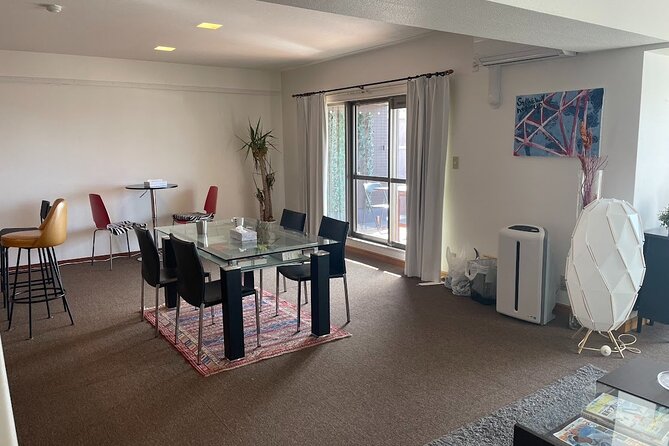
After the cooking, you sit down to enjoy the meal. The experience includes a home-cooked Japanese meal, and tea is served at the end.
That final meal is more than a reward. It lets you see how the separate dishes work together and gives you time to ask last questions. You can also judge the techniques you just practiced while the instructions are still fresh.
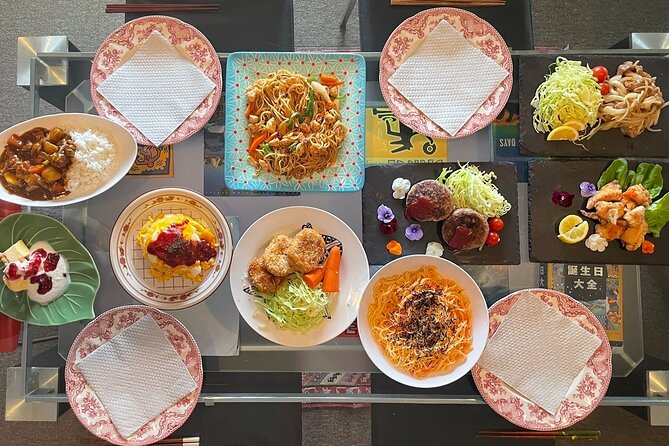
Several menu descriptions point to a generous spread. The sushi class includes a range of fillings and vegetables, while one class format has included three dishes and miso soup. Another family cooking session involved five different dishes, though you should not assume that every booking receives that exact menu.
The food is not presented as a restaurant tasting menu. The appeal is the act of making it, then sharing a simple meal in a local setting. If you prefer polished service and a formal dining room, this may feel casual. If you want a meal with a story behind it, the format works well.
Tea at the end gives the class a calm finish. It also keeps the experience from feeling like a rushed sequence of chopping, cooking, and leaving.
The guides: Masato, Shohei, and possible substitutes
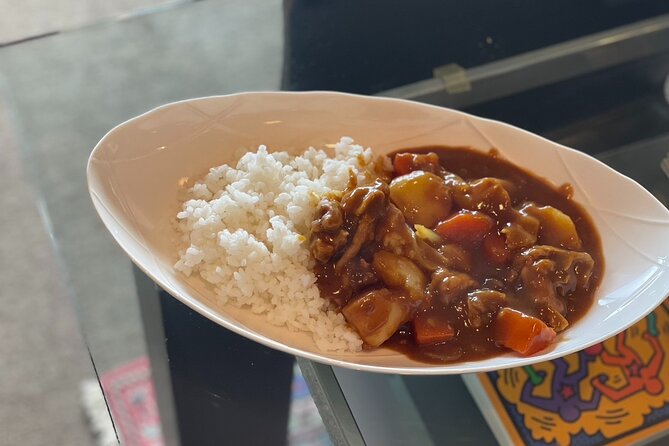
The class is associated with Masato, while Shohei is another host named in the experience details. Both are presented as chefs who teach rather than simply cook in front of you.
Masato is described as patient when answering questions. Shohei has been careful with allergy concerns and has contacted people before the class to confirm preferences. Those are the qualities I would value most in a short cooking lesson, since clear communication matters more than showy demonstrations.
If Masato cannot host on your date, an equally qualified chef colleague leads the class. The provider does not promise one specific chef for every departure, so book this for the structure and subject matter rather than for a guaranteed personal meeting with one individual.
One note about the supplied experiences is that other hosts, including Yoshiko and a chef known as Max, have led similar home-cooking sessions. That suggests the provider works with more than one local cook. The exact host can affect the tone, but the important practical point is that you should expect a local chef who can discuss the food and guide the class.
Is $120 a fair price?
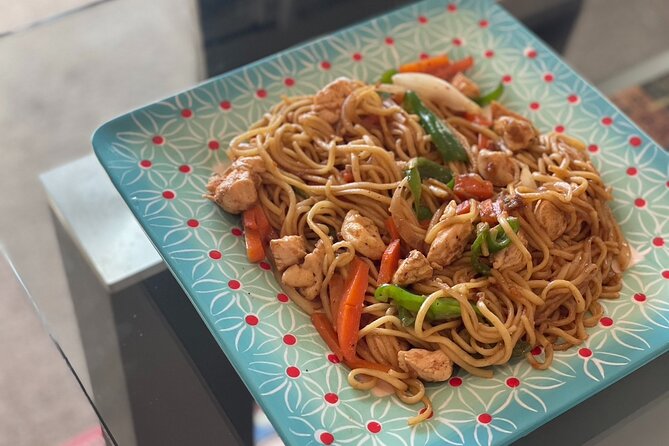
At $120 per person, this is not a budget meal. You are paying for roughly two and a half hours of instruction, ingredients, a cooked meal, tea, and the market visit if you choose that option.
The value improves if you treat the class as both lunch or dinner and a practical cultural activity. A restaurant meal might cost less, but it would not teach you how the dishes are made or give you recipes and techniques to take home.
The shared group size also keeps the cost below a private cooking lesson. At the same time, up to 13 people means you are not paying for an exclusive chef. I see the price as reasonable for visitors who want active participation and a local food connection, less so for people who only want to eat.
The best value comes from choosing a menu you care about and using the chef’s time well. Ask questions, take mental notes, and pay attention to ingredients you can find again after returning home.
Who will enjoy this most?
I would recommend this experience to food-focused visitors, families, couples, and solo visitors who enjoy learning by doing. It suits people who want more than a restaurant meal but do not want a full-day culinary course.
The class can also work well for teenagers. One family session with teenage daughters included several dishes and a local grocery stop, with the host preparing carefully for the group. The hands-on format gives younger participants a clear role rather than asking them to sit quietly through a lecture.
People with dietary restrictions may find this appealing because the provider accepts advance requests for several diets. Still, you need to provide those details before the class.
You may want to skip it if your priority is an extensive Osaka market tour, a private lesson, or raw-fish sushi. The market visit is short, the group is shared, and the sushi class specifically does not include raw fish.
Practical details that affect your day
The experience has free cancellation if you cancel at least 24 hours before the local start time. Changes or cancellations inside that window are not accepted for a refund, so keep your Osaka schedule reasonably firm.
The class is near public transportation and starts and ends at the same meeting point. There is no hotel pickup or drop-off, and individual market purchases are extra.
This experience is often booked about 65 days ahead. That does not guarantee that every date sells out, but it is a useful sign to plan early if you need a particular menu, host, or time.
Bring your booking confirmation on your phone. Since the class includes food preparation, tell the provider about allergies, dietary restrictions, and cooking preferences when you reserve.
Should you book this Osaka cooking class?
Book it if you want to make Japanese food rather than only order it. The strongest reasons are the hands-on format, the chance to connect market ingredients with finished dishes, and the careful handling of food restrictions.
Choose the Karahori market option if you want a little more local context. Pick your menu in advance, especially if sushi without raw fish, curry, or character bento appeals to you more than the default option.
Skip it if you want a long market tour, a private chef, or a low-cost meal. For everyone else, $120 buys a useful, social food lesson with enough time to cook, eat, and finish with tea.
FAQ
Where does the Osaka cooking class begin?
The activity begins near Matsuyamachi Station at 2 Chome-6 Andojimachi, Chuo Ward, Osaka, 542-0061, Japan.
Where does the experience end?
The activity ends back at the meeting point.
How long does the experience last?
The cooking class and related activities take about two hours and 30 minutes.
Is the Karahori Shotengai market visit included?
The market visit is included when you select the market tour option. It lasts about 30 minutes.
What dishes can I learn to make?
Menu choices include sushi, character bento boxes, and Japanese curry rice. You should state your preference when booking.
What happens if I do not select a menu?
The default class is a sushi-making experience.
Does the sushi class use raw fish?
No. The sushi class does not include raw fish. It uses ingredients such as tamagoyaki, Wagyu beef, lotus root, bamboo shoots, shiitake mushrooms, and other seasonal vegetables.
Can the class accommodate dietary restrictions?
Lactose-free, gluten-free, vegetarian, and vegan diets can be accommodated on request. You should provide allergy and dietary information when booking.
How many people can join the class?
The activity has a maximum of 13 participants and operates as a shared cooking class.
More Workshops in Osaka
- Sushi Making Osaka Roll and Authentic Japanese Sushi Class
★ 5.0 · 1,220 reviews - Osaka Cooking Class: Okonomiyaki &Japanese cuisines experience
★ 5.0 · 261 reviews - Osaka: Roll and Authentic Sushi Making Class in Dotonbori
★ 4.9 · 239 reviews - Ramen and Gyoza Cooking Class in Osaka
★ 5.0 · 202 reviews
More Market Visits in Osaka
- Kuromon Market Food Walking Tour in Osaka (6 stops, 6 tastes)
★ 5.0 · 550 reviews - Osaka: Kuromon Market Food Walking Tour (6 stops, 6 tastes)
★ 4.6 · 272 reviews - Kuromon Market Tour: All inclusive 6~8 Dishes & 3~4 samplings
★ 5.0 · 103 reviews - Osaka: Cooking Class & Sake Tasting with Local Market Visit
★ 4.8 · 31 reviews
Just added in Osaka
- Urban Canvas: Osaka Street Art Bike Tour★ 5.0 · 10 reviews
- Anime Cosplay Photshoot-50 Digital Photos Provided★ 5.0 · 8 reviews
- TeamLab Botanical Garden Osaka Ticket★ 3.5 · 6 reviews
- Umeda Sky Building & Kuchu Teien Observatory Ticket in Osaka★ 4.5 · 3 reviews
- Immerse in Judo Martial Arts Class from Japan★ 5.0 · 4 reviews
- Cherry Blossom Buddha and Mt.Yoshino with Strawberry Picking Tour★ 4.5 · 5 reviews
- Traditional Calligraphy Experience near Dotonbori★ 5.0 · 3 reviews
- Discover Osaka’s Iconic Umeda Sky Observation★ 5.0 · 6 reviews
Osaka Cooking Classes, compared.

Matcha Making Class in Osaka with Authentic Japanese Sweets Set
Read our review →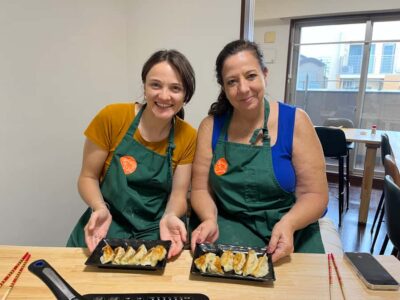
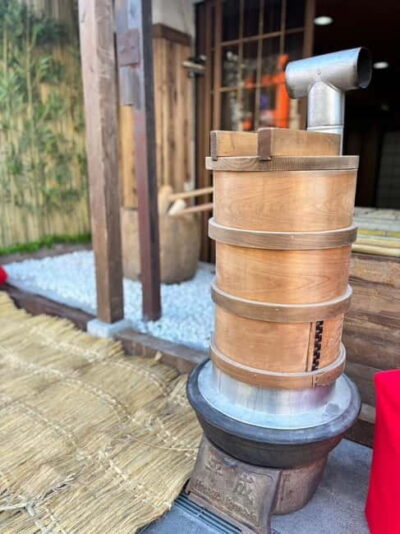
Traditional Mochi Pounding Experience with Tasting
Read our review →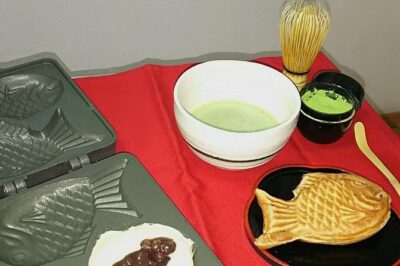
Osaka Cooking Class: Okonomiyaki &Japanese cuisines experience
Read our review →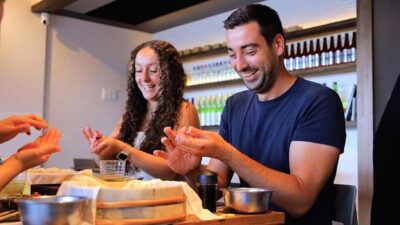
Roll and Authentic Sushi Making Class in Dotonbori
Read our review →

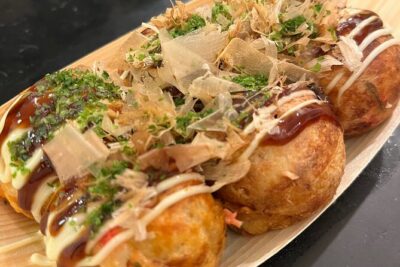
Osaka Sake Tasting & Takoyaki Cooking Experience
Read our review →Browse the lists this tour appears in