
Reviewed · KUROMON MARKET FOOD TOURS
Kuromon Market Tour: All inclusive 6~8 Dishes & 3~4 samplings
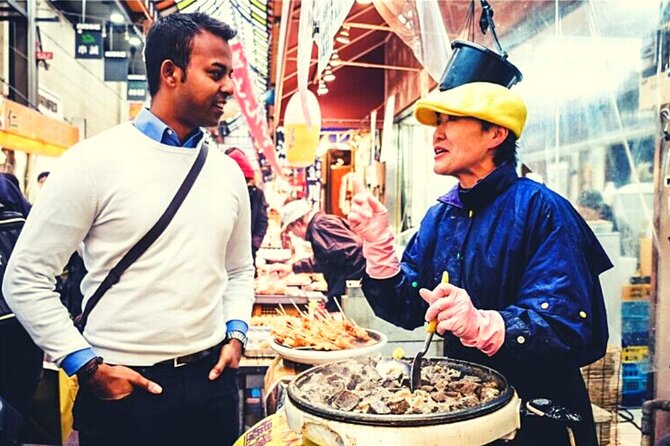
Kuromon Market is easiest to enjoy when someone helps you read it. This two-hour food walk takes you from Nippombashi Station into Osaka’s famous market for seafood, local dishes, sweets, and tea. The food list can include sushi, fish cakes, sea urchin, oysters, pufferfish, otoro tuna, sakura-mochi, and okonomiyaki.
I like two things right away: the small maximum of nine people, which makes it easier to ask questions, and the guides’ ties to individual vendors. Guides such as Anna, Hikaru, and Michael have helped people choose food, understand Japanese customs, and find stalls they might otherwise pass by.
The main drawback is simple: this is not a vegetarian or vegan tour. The pace also depends on market conditions, so a holiday, early closing, or a particularly crowded day may affect which stalls you visit.
Key points to know before you book
- Expect a full meal, not a few nibbles: The tour includes 6 to 8 selected dishes plus 3 to 4 additional samplings, with more than 10 food items possible.
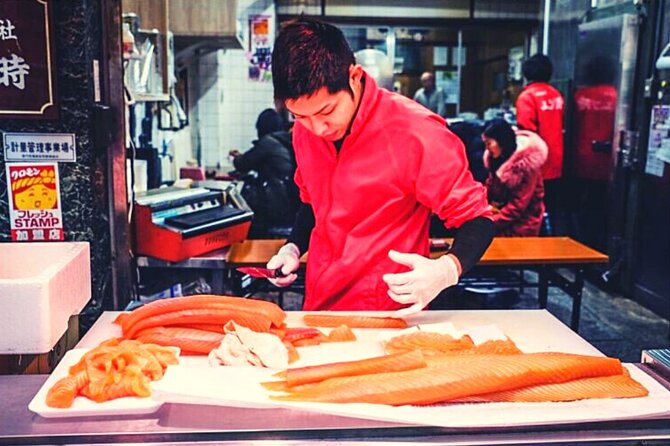
- Seafood is central: Fish, oysters, sea urchin, otoro tuna, fish cakes, and carefully prepared fugu may appear.
- Guides make ordering easier: You do not need to identify every Japanese dish or figure out where eating is allowed on your own.
- The group stays small: The maximum is nine people, and some departures may be smaller or even private.
- The start is fixed: Meet at Nippombashi Station at 2 pm, then return to the same meeting point after about two hours.
- Arrive hungry: The portions and number of tastings can add up to a filling lunch or early dinner.
Why Kuromon Market works best with a guide
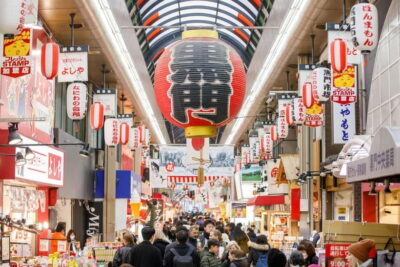
Kuromon Ichiba is a food market, but it is also a maze of choices. You will see fresh seafood, prepared foods, sweets, tea, and small family-run shops. The challenge is not finding something to eat. It is knowing what is worth trying, how much to order, and where you can stand or sit while eating.
A local guide gives the market a human scale. Instead of wandering from stall to stall and guessing at signs, you move with someone who can explain the ingredient, introduce you to sellers, and point out the difference between a food you recognize and one that is distinctly Osaka.
That help matters most with unfamiliar dishes. Fugu, sea urchin, fish cakes, and certain raw seafood can look less approachable when you are alone. With a guide explaining what you are eating and how it fits into Japanese food culture, you can make a more informed choice.
The guides also add practical local advice. Anna has been praised for her energy and for knowing many of the stallholders. Hikaru has a chef’s background and has adjusted tastings to suit group interests. Michael has helped people understand the market, offered food explanations, and suggested places to visit after the tour. Those names are not guaranteed for every departure, but they give you a sense of the host style to expect.
More Kuromon Market food walks:
- Kuromon Market Food Walking Tour in Osaka (6 stops, 6 tastes)
★ 5.0 · 550 reviews - Osaka: Kuromon Market Food Walking Tour (6 stops, 6 tastes)
★ 4.6 · 272 reviews - PRIVATE 6hr, Food tour from Osaka Castle, Kuromon, Dotonbori.
★ 5.0 · 68 reviews
Starting at Nippombashi Station at 2 pm
The meeting point is at Nippombashi Station, at 1 Chome-5 Nipponbashi in Osaka’s Chuo Ward. The activity begins at 2 pm and ends back at the same meeting point.
A midafternoon start has two practical advantages. You can have a light breakfast and avoid filling up before the tastings, and the tour can fit neatly into an afternoon of sightseeing around Namba and central Osaka. If you are making a day trip from Kyoto, the two-hour length also leaves room for other plans.
The fixed start time is something to take seriously. Market walks work best when everyone arrives promptly, since the guide is coordinating several tastings and a small group. Bring your mobile ticket and allow enough time to find the station meeting point.
The tour is near public transportation, and most people can take part. Service animals are allowed. The market itself can be crowded, with narrow areas around food stalls, so you should be comfortable walking and standing for the duration.
Six to eight dishes, plus extra tastings
The food plan is the heart of the experience. You receive 6 to 8 selected Osaka dishes and 3 to 4 additional samplings. The description also refers to more than 10 food items, which makes sense when you count a full dish alongside smaller tastes.
The exact menu can change. Market stalls open and close, ingredients vary, and the guide may adjust the route to match the day’s best options. That flexibility is useful, but it means you should not treat any single food list as guaranteed.
You might sample several types of seafood, a local savory dish such as okonomiyaki, a dessert, and Japanese tea. Past tastings have included fish cakes, sushi, oysters, sea urchin, fugu, otoro tuna, sakura-mochi, and other regional foods.
Here is how those categories help you decide if the tour fits:
- Fresh seafood: A strong choice if sushi and market seafood are high on your Osaka list. Otoro tuna, the fatty belly portion, has been a memorable tasting for some people because of its soft, buttery texture.
- Fugu: Pufferfish is one of the more unusual possibilities. It is prepared carefully, and having a guide explain the dish can make the experience less intimidating.
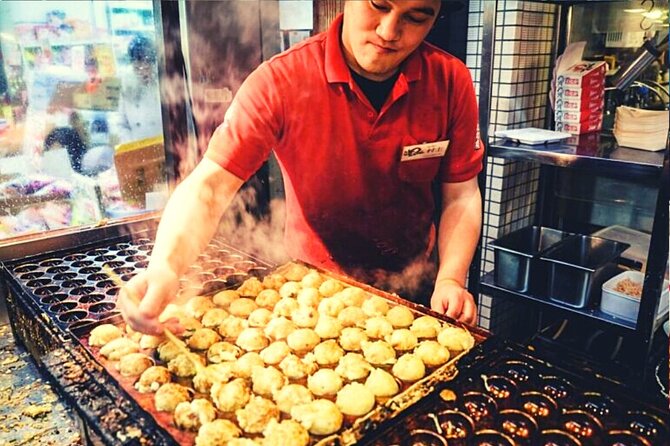
- Osaka specialties: Okonomiyaki and other local prepared foods show you the everyday side of the city’s food culture, not just premium seafood.
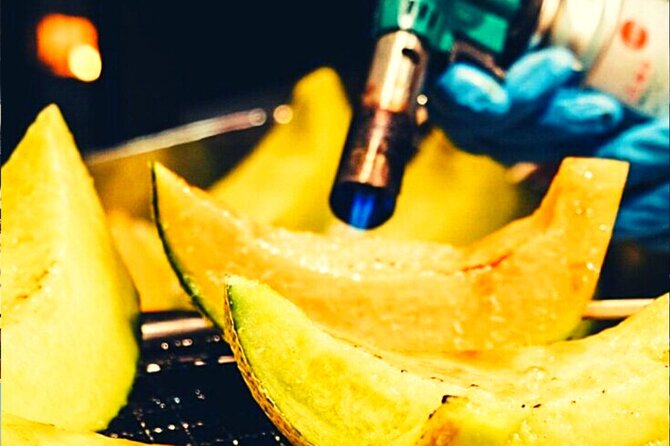
- Sweets and tea: These provide a welcome change after several savory samples. Sakura-mochi offers a traditional Japanese sweet option, while tea gives the group a quieter pause.
- Unexpected choices: Some departures have included whale or other unusual foods. These are not promised, so consider them possible additions rather than part of the standard menu.
The sheer volume is one of the tour’s strengths. It also creates the main food-related warning: do not eat a large meal beforehand. A light breakfast or small snack makes more sense, especially if you want to try every item.
The market’s family businesses and vendor relationships
You can walk through Kuromon Market without a guide, but it is harder to understand how to choose between stalls. This tour uses the guide’s personal relationships with vendors to create a more direct experience.
That does not mean every stop is a formal demonstration. The format is more practical. You walk, pause at a stall, learn what is available, taste something, and continue. The guide explains what you are eating and may help you meet the people selling it.
This is especially helpful for small family businesses. You gain context about ingredients, preparation, and local habits instead of simply buying a skewer because it looks good. Anna, Michael, Hikaru, and other hosts have been praised for answering questions about Japanese food, language, and customs during the walk.
A good guide can also help you avoid a common market problem: spending money on the first appealing item you see, then discovering a better choice two minutes later. The tour gives you a route and a filter. You still see plenty of the market, but you are not left to decode every sign on your own.
The market is also a working place, not only a sightseeing backdrop. Keep close to your group, follow the guide’s instructions around stalls, and be ready to keep moving when space is tight.
More market visits in Osaka:
- Osaka: Cooking Class & Sake Tasting with Local Market Visit
★ 4.8 · 31 reviews - Nara, Todaiji Temple & Kuroshio Market Day BUS Tour from Osaka
★ 3.5 · 18 reviews - Osaka: Food Tour Kuromon Market & Dotonbori with Guide
★ 4.5 · 15 reviews - Osaka Food Walking Tour with Market Visit
★ 4.5 · 14 reviews
Food beyond seafood
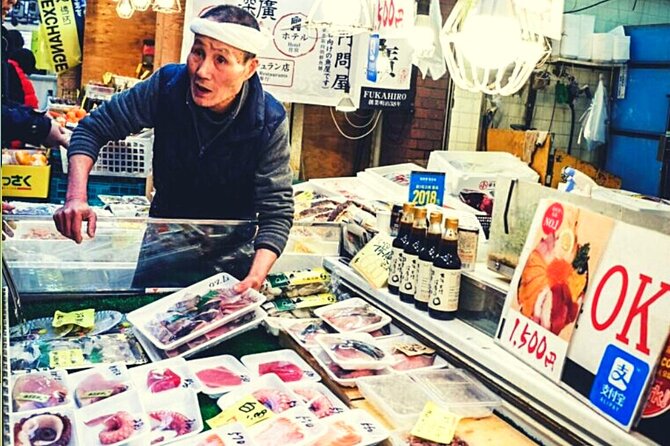
The seafood focus is clear, but the tour is not only a sushi crawl. The promise of okonomiyaki, dessert, tea, and other Osakan dishes gives the experience some range.
That variety makes the walk useful early in an Osaka visit. You get a quick introduction to flavors and food customs, then can decide what you want to seek out later. One guide has even been praised for helping people with dinner suggestions and other local recommendations after the tour.
The range also helps mixed groups. A seafood fan can look forward to oysters, tuna, or fugu, while someone less keen on raw fish may prefer cooked dishes, sweets, or tea. Still, the tour is not designed for people avoiding animal products. Vegetarians and vegans should choose another activity.
Families can fit the tour well, provided children are comfortable with new foods and a two-hour walking schedule. One guide was especially patient with a two-year-old who tried several items. Another adapted choices for children aged 9 to 14 and offered alternatives for picky eaters. That does not guarantee a child-specific menu, but it suggests the small-group format allows some flexibility.
How the two-hour pace feels
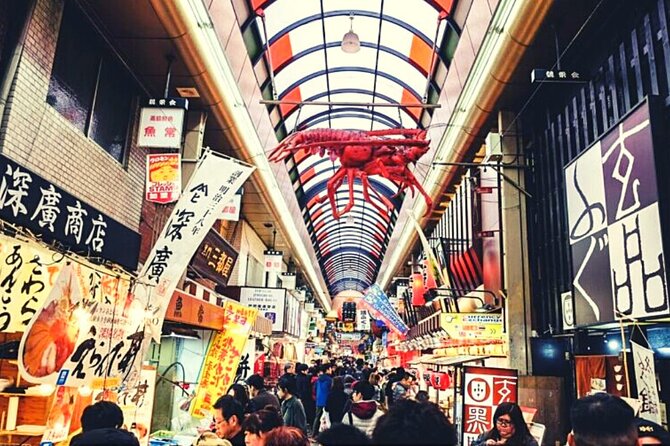
Two hours is enough time to sample a wide range without turning the experience into an all-day commitment. You will spend much of it walking between stalls, listening to explanations, eating, and waiting briefly while food is prepared or collected.
The pace is active rather than slow and formal. You should wear comfortable shoes and expect to stand. The tour ends where it began, so you can easily continue into Namba, Den-Den Town, or nearby shopping areas afterward.
Some guides have taken people toward Den-Den Town after the food walk or offered suggestions for what to do next. That may not be part of every scheduled route, so think of it as a possible bonus rather than a promised stop.
The market can change with the calendar. On a holiday during Golden Week, some stalls closed early, and the guide had to move the group along to reach planned stops. That is a useful reminder that a market tour cannot control every opening hour. The guide’s local contacts and route flexibility help, but they cannot make every stall operate normally.
Is $63.43 a fair price?
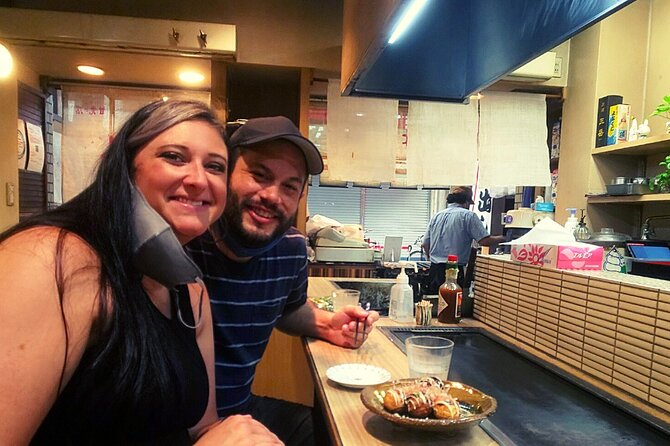
At $63.43 per person, this is not the cheapest way to eat in Kuromon Market. You could buy individual snacks for less if you already know the market and can order confidently.
The value comes from the combination of food, access, and guidance. You receive at least six dishes and three additional samplings, and the possible total is more than 10 food items. You also get a guide who helps with choices, explains ingredients, manages the route, and may introduce you to vendors.
The price makes the most sense if you are curious about Japanese food but do not want to gamble on unfamiliar stalls. It also suits you if seafood, fugu, and local specialties are a major reason for visiting Osaka.
It is less appealing if you prefer to eat at your own pace, want complete control over every purchase, or mainly want a cheap snack. The tour is designed as a substantial food experience, not a quick market orientation.
The average booking lead time is 69 days, which suggests you should reserve ahead if your Osaka dates are fixed. Free cancellation is available up to 24 hours before the start time. Cancellations or changes made less than 24 hours before the tour do not receive a refund, and the activity may be canceled if its minimum group size is not reached.
Who should choose this Kuromon Market tour?

I would choose this experience for a first visit to Osaka, especially if you want food to help you get oriented. The tour gives you a working introduction to local dishes, market manners, and the practical question of where to buy and eat.
It is also a good fit for:
- Seafood lovers who want more than standard sushi.
- First-time visitors who find Japanese food signs hard to read.
- Families who value a guide able to adjust choices.
- Small groups who want conversation and personal help.
- Food-focused visitors who like learning the story behind an ingredient.
- People planning to eat lightly before a fuller afternoon tasting.
I would skip it if you are vegetarian or vegan, have strict food restrictions that are not addressed in the description, or dislike seafood and unfamiliar dishes. You may also prefer independent eating if you want to stop whenever something catches your eye.
My verdict: book it if food is part of your Osaka plan
This Kuromon Market tour earns its price through volume and guidance. The strongest part is not simply eating ten or more items. It is having Anna, Hikaru, Michael, or another local host help you understand what you are seeing, choose confidently, and meet vendors connected to the market.
Book it if you want a filling, seafood-forward introduction to Osaka with a small group and plenty of tasting. Arrive hungry, keep your schedule flexible, and treat the exact menu as seasonal rather than fixed.
Do not book it for a quiet sit-down meal or a vegetarian food lesson. For everyone else, especially first-time visitors who want to make sense of Kuromon Market quickly, it is a practical and flavorful way to begin exploring Osaka.
FAQ
Where does the Kuromon Market tour begin?
It begins at Nippombashi Station, at 1 Chome-5 Nipponbashi in Osaka’s Chuo Ward.
What time does the tour start?
The tour starts at 2 pm.
How long does the experience last?
The activity lasts approximately two hours.
Where does the tour end?
It ends back at the meeting point at Nippombashi Station.
How much food is included?
You receive 6 to 8 selected dishes and 3 to 4 additional samplings. The experience may include more than 10 different food items in total.
What types of food might I try?
Possible foods include fresh seafood, sushi, oysters, sea urchin, otoro tuna, fugu, fish cakes, okonomiyaki, dessert, and Japanese tea. The exact choices can vary.
Is the tour suitable for vegetarians or vegans?
No. The tour is not suitable for vegetarians or vegans.
How large is the group?
The activity has a maximum of nine travelers.
Can I cancel for a full refund?
Yes, if you cancel at least 24 hours before the experience start time. Cancellations made less than 24 hours in advance are not refunded.
Just added in Osaka
- Urban Canvas: Osaka Street Art Bike Tour★ 5.0 · 10 reviews
- Anime Cosplay Photshoot-50 Digital Photos Provided★ 5.0 · 8 reviews
- TeamLab Botanical Garden Osaka Ticket★ 3.5 · 6 reviews
- Umeda Sky Building & Kuchu Teien Observatory Ticket in Osaka★ 4.5 · 3 reviews
- Immerse in Judo Martial Arts Class from Japan★ 5.0 · 4 reviews
- Cherry Blossom Buddha and Mt.Yoshino with Strawberry Picking Tour★ 4.5 · 5 reviews
- Traditional Home cooking Experience in Osaka, Japan★ 5.0 · 14 reviews
- Traditional Calligraphy Experience near Dotonbori★ 5.0 · 3 reviews
Kuromon Market Food Tours, compared.

Kuromon Market Food Walking Tour in Osaka (6 stops, 6 tastes)
Read our review →
Kuromon Market Food Walking Tour (6 stops, 6 tastes)
Read our review →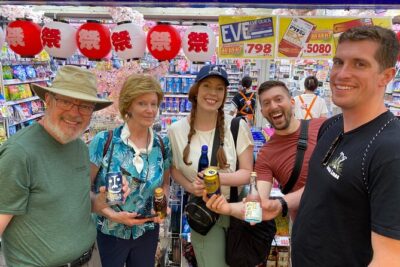
PRIVATE 6hr, Food tour from Osaka Castle, Kuromon, Dotonbori.
Read our review →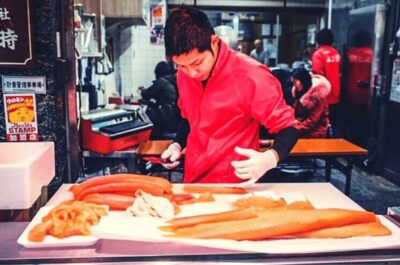
All Inclusive Kuromon Markets Tour: Flavors Of Osaka
Read our review →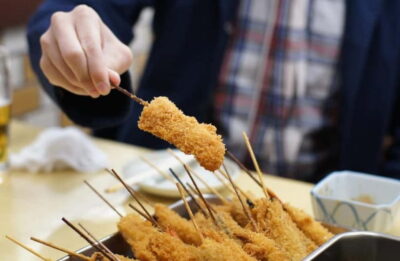
Kuromon Market 1.5-Hour Seafood & Street Food Tour
Read our review →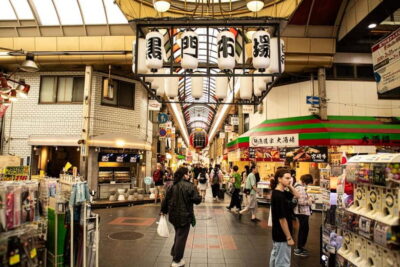
Kuromon Market Street Food Tour with Pro Local Guide
Read our review →
1.5 Hour Food Tour at the Kuromon Market in Osaka
Read our review →Browse the lists this tour appears in