
Reviewed · KUROMON MARKET FOOD TOURS
Osaka: Kuromon Market Street Food Tour with Pro Local Guide
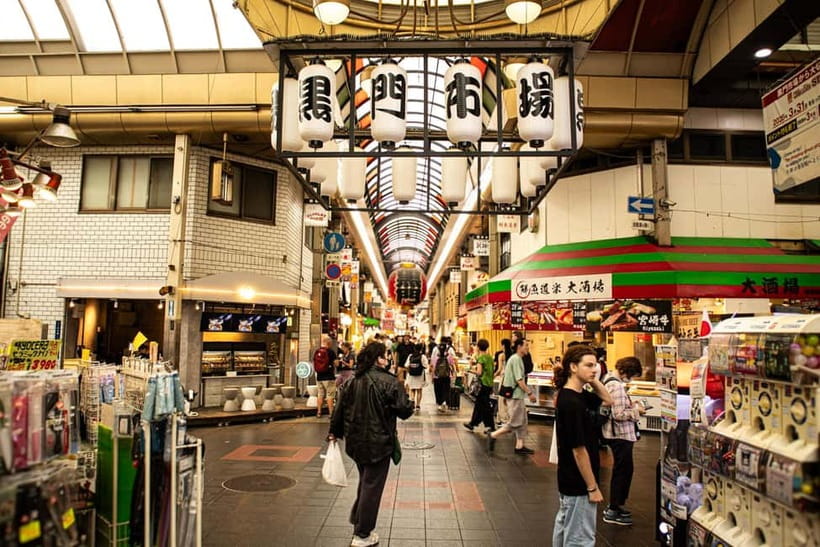
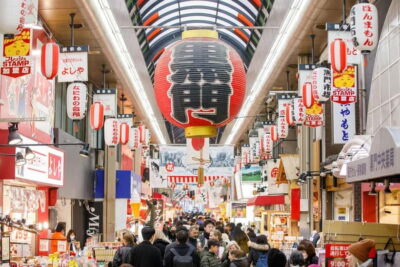
Kuromon Market is the star here, but the best part is the way the tour links food with everyday Osaka life. You’ll taste four or five local specialties, then walk through Sennichimae Doguyasuji Shotengai and Hozenji Yokocho with a guide who can explain what you’re seeing.
I like the small groups of no more than 10 and the chance to adjust the walk around your interests. I also like the practical local help, including souvenir advice and explanations of Japanese food manners. The main drawback is simple: at $51, the tour is good value only if you want guidance and several tastings, since extra food, drinks, and transport cost more.
Key points at a glance
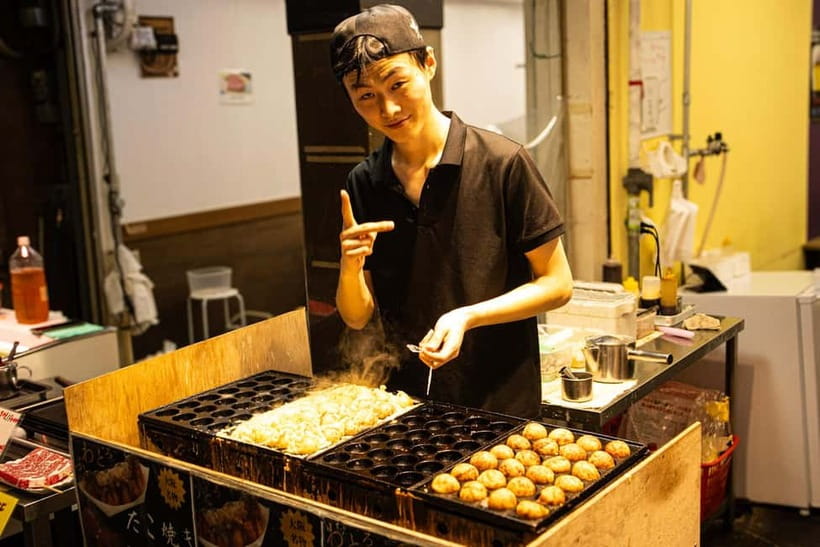
- Four to five Osaka tastings: Expect local foods such as grilled scallops, yakitori skewers, and takoyaki.
- Kuromon Market focus: The two-hour walk centers on Osaka’s famous food market, often called Osaka’s Kitchen.
- More than a food stop: You’ll also visit Doguyasuji kitchenware street and Hozenji Yokocho.
- Personal local guidance: Guides including Goku and Yuna can share food tips, history, etiquette, and souvenir ideas.
- Small-group format: A maximum of 10 people makes it easier to ask questions and adjust the experience.
- Plan for cash and comfortable shoes: You’ll be walking and may want to buy extra snacks or small goods.
Why Kuromon Market works so well for a first taste of Osaka
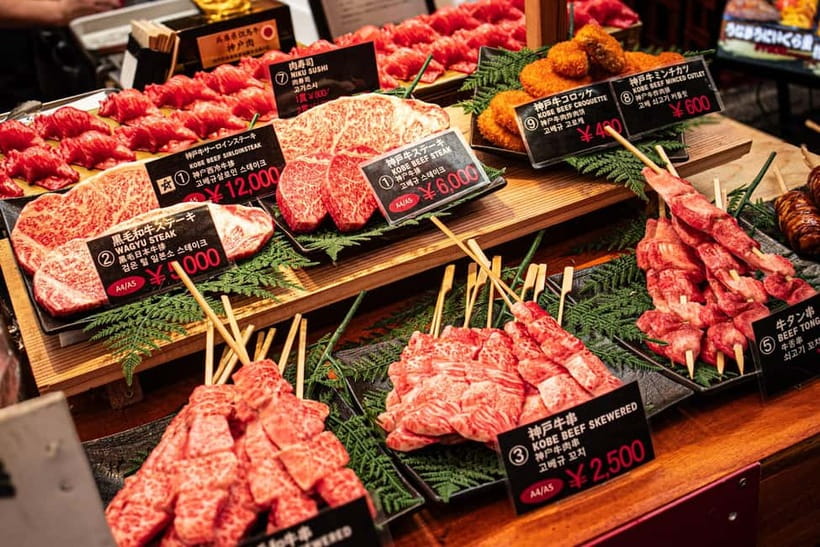
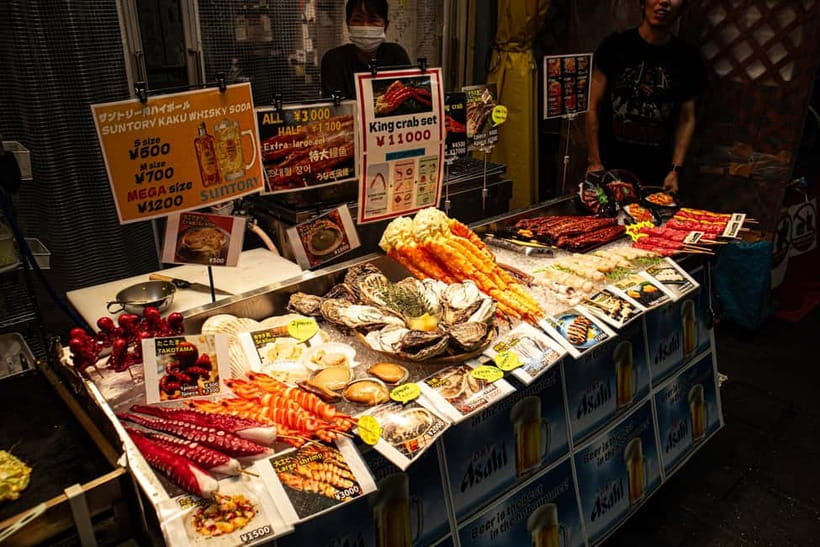
Osaka has a long-standing reputation as one of Japan’s best food cities, and Kuromon Market gives you a compact introduction to that reputation. The market is known as Osaka’s Kitchen because it serves both local shoppers and people looking for ready-to-eat bites.
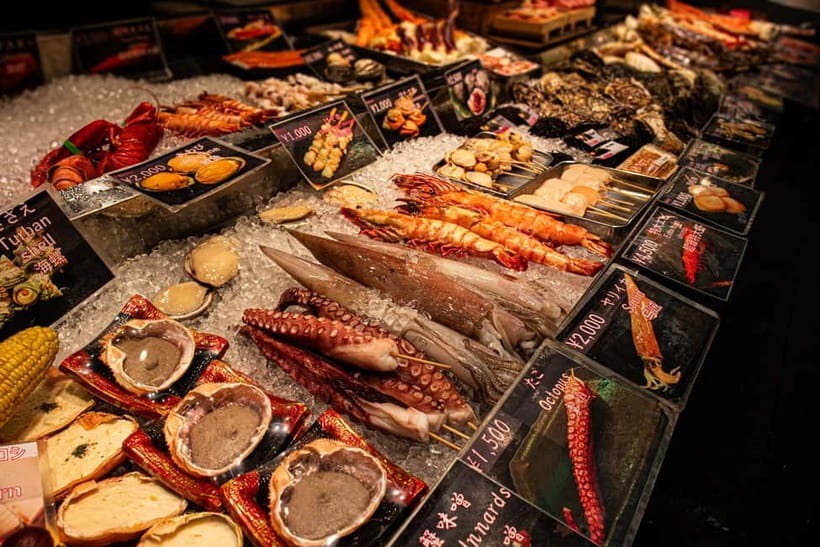
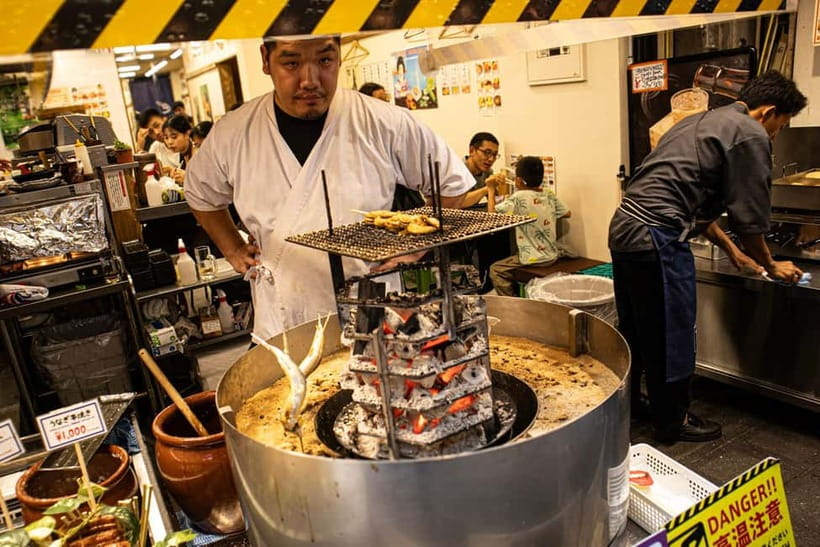
I like this setting for a first food outing because you are not confined to one restaurant. You move through stalls and vendors, see ingredients being prepared, and sample more than one style of Osaka food. The guide helps turn a busy market visit into something you can understand rather than simply a string of snacks.
The tastings are selected from local specialties. Specific examples include grilled scallops, yakitori skewers, and takoyaki. Four or five samples will not replace lunch for most people, particularly if you are hungry, but they give you enough variety to learn what you want to order later.
The tour is also useful if the food names and customs feel unfamiliar. Your guide can explain local food culture, Japanese etiquette, and the history of markets in Osaka. That context matters. A market is more rewarding when you know what is typical, what is seasonal, and how to approach a stall politely.
More Kuromon Market food walks:
- Kuromon Market Food Walking Tour in Osaka (6 stops, 6 tastes)
★ 5.0 · 550 reviews - Osaka: Kuromon Market Food Walking Tour (6 stops, 6 tastes)
★ 4.6 · 272 reviews - Kuromon Market Tour: All inclusive 6~8 Dishes & 3~4 samplings
★ 5.0 · 103 reviews
Two hours inside Osaka’s Kitchen
The listed market visit lasts two hours, and the pace is built around walking and tasting rather than sitting down for a long meal. You begin at one of the stated meeting points near the Picasso Nihonichi Building or the Sumitomo Mitsui Banking Corporation ATM, depending on the option you book.
From there, the guide leads you into Kuromon Ichiba Market. Expect the market to be the main event, with time divided between food samples, explanations, and short walks from one stop to the next. The precise food selection can vary, which is useful because it allows the guide to respond to the day’s options and your interests.
I would arrive ready to eat, but not stuffed. The included samples are part of the price, while additional food and drinks are not. If you see something else that catches your eye, bring cash and treat the tour as a starting point rather than an all-you-can-eat meal.
This is also a good reason to avoid scheduling the tour immediately after a large breakfast. You want enough appetite for four or five tastings, while still leaving room to buy one extra item if something looks especially appealing.
What the food tastings add to the price
The tour costs $51 per person. That is more than simply wandering through the market and purchasing one or two snacks, so the value depends on how much help you want.
You are paying for four or five food samples, a professional guide, local explanations, and a planned route through three Osaka areas. You also get the benefit of having someone explain food customs and point out items you might otherwise miss. For a first visit to Osaka, that guidance can save time and reduce the guesswork.
The price is less attractive if you already know the market well or prefer to choose every snack independently. You will also need to budget for extra food and drinks, and transportation to and from the meeting point is not included.
I see the strongest value for visitors with limited time, first-time visitors to Osaka, and anyone who wants food recommendations from a local rather than a generic list. The small group helps justify the cost because you can ask questions and request advice without being one voice in a large crowd.
Doguyasuji brings the tools behind Japanese food
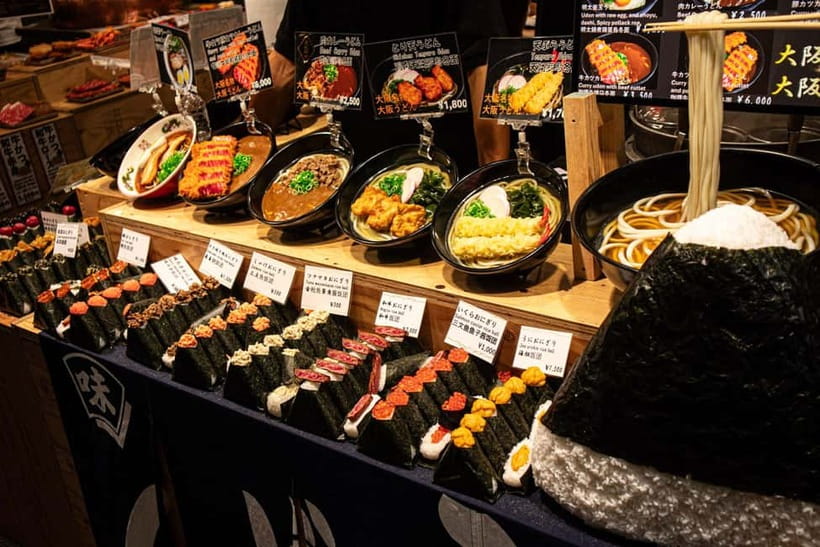
Sennichimae Doguyasuji Shotengai adds a different side of Osaka’s food culture. Instead of focusing on what goes on the plate, this street is associated with Japanese kitchenware and restaurant supplies.
That change of focus is useful. You get to see the tools, dishes, and equipment connected to the city’s cooking culture. It also gives you a chance to look for souvenirs beyond the usual magnets and packaged sweets. Your guide can offer practical ideas about what makes a useful purchase.
The tour does not include shopping, and you should not assume that every item is part of the experience. Think of this stop as an introduction to the area, with the option to return later if you want to browse or buy something.
If you enjoy food equipment, Japanese tableware, or cooking, this may be one of the most memorable parts of the walk. If your only goal is eating, it may feel like a short pause from the market. That is the tradeoff in a tour that tries to show more than one part of Osaka’s food identity.
More street food tours in Osaka:
- Osaka: Shinsekai Food Tour with 13-15 Dishes at 5 Eateries
★ 4.8 · 2,204 reviews - Osaka Food Tour: 13 Dishes at 5 Local Eateries
★ 5.0 · 2,149 reviews - Hungry Osaka Street Food Tour:15 Tastings & 3 Drinks with a Local
★ 5.0 · 1,727 reviews - Osaka Local Foodie Walking Tour in Dotonbori and Shinsekai
★ 5.0 · 985 reviews
Hozenji Yokocho adds a quieter historic lane
Hozenji Yokocho provides another change of mood. The narrow traditional alleyways offer a look at an older side of Osaka, away from the market stalls and kitchenware shops.
The tour uses this stop to connect food with the city’s past and everyday customs. Your guide can explain local history and etiquette while you walk through the area. The alley is not presented as a separate meal stop, so keep your expectations focused on atmosphere, stories, and the contrast with Kuromon Market.
I like this part of the route because it keeps the tour from becoming a simple list of tastings. Osaka’s food culture developed within neighborhoods, streets, and local habits. Seeing a traditional lane alongside a market gives you a broader sense of the city in only two hours.
Still, two hours is a tight window. You should expect brief visits rather than long independent exploration at each location. If you want extensive time in Doguyasuji or Hozenji Yokocho, plan to return on your own.
Guides Goku and Yuna shape the experience
The guide is central to the value of this tour. Goku has been praised for combining food recommendations with an easy personal connection, and Yuna is noted for having lived in Osaka for many years and knowing many of the market traders personally.
Those details matter because a local guide can do more than translate a menu. The guide can explain why certain foods matter, answer questions about etiquette, suggest souvenirs, and help you compare what you are tasting. The experience can also adjust to your likes, dislikes, and interests.
The listed languages include English, French, Spanish, Russian, and Japanese. The tour is conducted in English, while the other languages may be available on request. If language support is important to you, confirm it before booking.
The guide’s cultural background is another strength. You are not only walking from stall to stall. You can ask about Japanese culinary customs, market traditions, and the right way to approach food vendors. That kind of conversation is often what turns a short activity into useful knowledge for the rest of your trip.
Small groups make the food walk easier
The group size is capped at 10 people, with private options also available. I consider this a practical limit for a food market. A larger group would make it harder to hear the guide, stay together, and gather around small stalls.
With up to 10 people, you can ask about ingredients, ordering, etiquette, and souvenirs without holding up an enormous line of people. The guide can also pay closer attention to individual preferences. This is especially useful when your interests differ from those of the rest of the group.
Private and small-group formats may vary by booking option, so check what you are selecting. A private tour usually makes the most sense for families, couples with specific food interests, or anyone who wants a more flexible pace.
The group format does not make the market private. Kuromon Market remains a public place, and the experience takes place among other shoppers and diners. The benefit is better guidance, not exclusive access.
Dietary requests are possible, but allergies are a serious concern
Dietary requests can be accommodated, which is helpful if you avoid certain foods or follow a particular eating pattern. Tell the provider about your needs before the tour so the guide has a chance to plan appropriately.
There is an important limit: the activity is not suitable for people with food allergies. That warning should be taken seriously in a market setting, where ingredients and preparation areas may be difficult to separate completely.
If you have a preference rather than a medical allergy, the tour may be able to adapt the tasting selection. If you have a serious allergy, this is not the right activity to book based only on a general dietary request. Ask for clear confirmation before paying.
Practical details that affect your day
Wear comfortable shoes. You will spend two hours walking through a market and nearby streets, and the experience is not designed as a seated food tour.
Bring a camera if you want to record the market, kitchenware street, or traditional lanes. Also bring cash. Extra food and drinks are not included, and cash may be useful for purchases or snacks beyond the included tastings.
Transportation to and from the meeting point is not included. Check the exact meeting location attached to your booking because two starting options are listed, and the meeting point may vary by option.
The tour finishes at one of the same listed locations, the Picasso Nihonichi Building or the Sumitomo Mitsui Banking Corporation ATM. Leave a little time around the activity rather than scheduling a train connection immediately afterward.
Free cancellation is available up to 24 hours in advance for a full refund, and you can reserve now and pay later. Starting times depend on availability, so check the schedule before building the rest of your Osaka day around it.
Who should book this Osaka food tour
I would recommend it most strongly to first-time visitors who want a quick, guided introduction to Osaka’s food culture. It also suits people who enjoy learning through food but do not want to research every market stall before arriving.
Couples and small groups should appreciate the personal format. Families may like having a guide explain unfamiliar foods and local manners, though everyone should be comfortable walking for two hours.
The tour is also a good match for visitors who want practical advice for the rest of their trip. A guide can point you toward foods to try later, souvenir ideas, and local customs that are easy to miss when exploring alone.
I would be more cautious if you are traveling on a strict budget, have serious food allergies, or want a large meal included in the ticket. The $51 price covers the guided walk and four or five tastings, not unlimited eating. Independent food explorers may prefer to spend that money directly at the market.
Should you book it?
Book this tour if you want a guided first look at Kuromon Market, useful explanations of Osaka food culture, and a small group where you can ask real questions. The addition of Doguyasuji and Hozenji Yokocho gives the two-hour route more variety than a market-only tasting.
The strongest reason to choose it is the guide. Goku and Yuna bring different personal connections to Osaka, while the flexible approach can suit your food interests. Just arrive hungry, wear good shoes, carry cash, and check the language and dietary arrangements before booking.
FAQ
How long does the tour last?
The tour lasts two hours.
Where does the tour start?
There are two listed starting options: the Picasso Nihonichi Building and the Sumitomo Mitsui Banking Corporation ATM. The exact meeting point may depend on the option you book.
What food is included?
You receive four to five tastings of local dishes. Examples include grilled scallops, yakitori skewers, and takoyaki.
Is this a full meal?
No. The included tastings are not described as a full meal. Additional food and drinks are not included.
Which places does the tour visit?
The tour visits Kuromon Ichiba Market, Sennichimae Doguyasuji Shotengai, and Hozenji Yokocho.
How large is the group?
The small-group tour has a maximum of 10 people. Private groups are also available.
What languages are available?
English is the tour language. French, Spanish, Russian, and Japanese may also be available upon request.
Can the tour accommodate dietary requests?
Dietary requests can be accommodated. The activity is not suitable for people with food allergies.
What should I bring?
Bring comfortable shoes, a camera, and cash. Transportation to and from the meeting point, along with extra food and drinks, is not included.
More Market Visits in Osaka
- Osaka: Cooking Class & Sake Tasting with Local Market Visit
★ 4.8 · 31 reviews - Nara, Todaiji Temple & Kuroshio Market Day BUS Tour from Osaka
★ 3.5 · 18 reviews - Osaka: Food Tour Kuromon Market & Dotonbori with Guide
★ 4.5 · 15 reviews - Osaka Food Walking Tour with Market Visit
★ 4.5 · 14 reviews
More Food and Drink Tours in Osaka
- Hungry Osaka Street Food Tour: 15 Dishes & 3 Drinks
★ 4.9 · 694 reviews - Osaka: Guided Food Tour with 12 Dishes at 4 Local Eateries
★ 5.0 · 533 reviews - Absolute Osaka Food Tour
★ 5.0 · 309 reviews - Osaka: Traditional Mochi Pounding Experience with Tasting
★ 4.9 · 306 reviews
Just added in Osaka
- Urban Canvas: Osaka Street Art Bike Tour★ 5.0 · 10 reviews
- Anime Cosplay Photshoot-50 Digital Photos Provided★ 5.0 · 8 reviews
- TeamLab Botanical Garden Osaka Ticket★ 3.5 · 6 reviews
- Umeda Sky Building & Kuchu Teien Observatory Ticket in Osaka★ 4.5 · 3 reviews
- Immerse in Judo Martial Arts Class from Japan★ 5.0 · 4 reviews
- Cherry Blossom Buddha and Mt.Yoshino with Strawberry Picking Tour★ 4.5 · 5 reviews
- Traditional Home cooking Experience in Osaka, Japan★ 5.0 · 14 reviews
- Traditional Calligraphy Experience near Dotonbori★ 5.0 · 3 reviews
Kuromon Market Food Tours, compared.

Kuromon Market Food Walking Tour in Osaka (6 stops, 6 tastes)
Read our review →
Kuromon Market Food Walking Tour (6 stops, 6 tastes)
Read our review →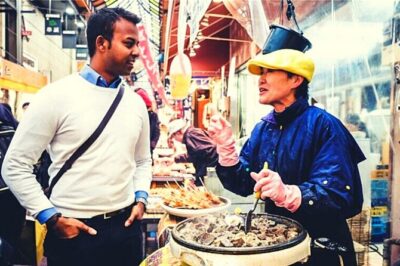
Kuromon Market Tour: All inclusive 6~8 Dishes & 3~4 samplings
Read our review →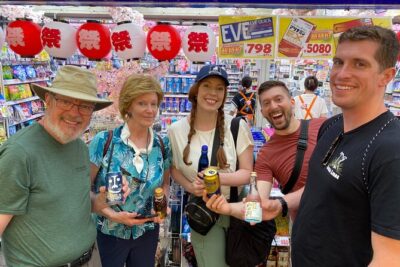
PRIVATE 6hr, Food tour from Osaka Castle, Kuromon, Dotonbori.
Read our review →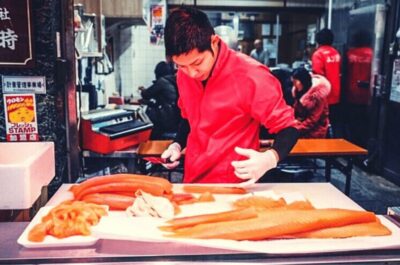
All Inclusive Kuromon Markets Tour: Flavors Of Osaka
Read our review →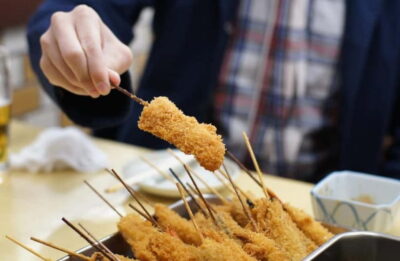
Kuromon Market 1.5-Hour Seafood & Street Food Tour
Read our review →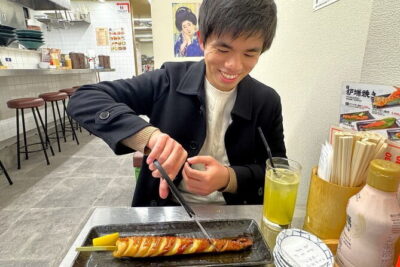
1.5 Hour Food Tour at the Kuromon Market in Osaka
Read our review →Browse the lists this tour appears in