
Reviewed · OSAKA SAMURAI EXPERIENCES
Osaka: Kendo Workshop Experience
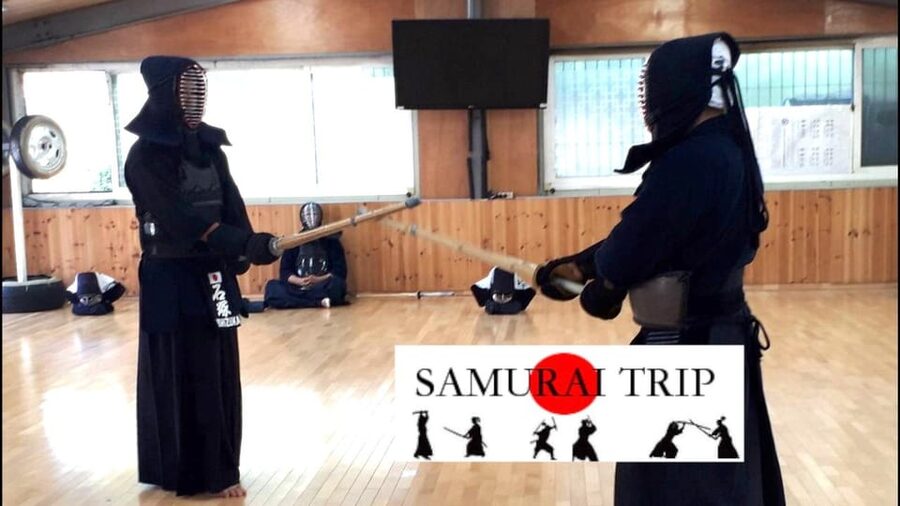
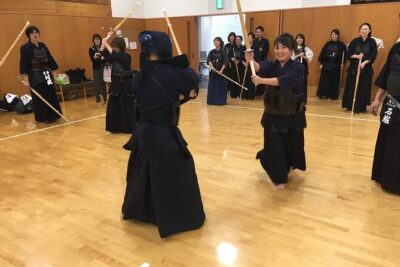
Kendo is not a costume photo opportunity with a plastic sword. At this Osaka workshop, you put on real protective gear, learn the formal movements, hear bamboo swords collide, and try controlled strikes under close instruction. The quiet dojo and sharp calls give the session a real sense of purpose.
I like the full step-by-step structure, from changing clothes and bowing to hitting practice and a match-style game. I also like the small-group teaching, which lets the instructor correct your stance and explain why manners matter as much as speed.
The main drawback is that this is a physical activity with repeated movement and protective gear. It is not suitable for children under nine, pregnant women, wheelchair users, or people with mobility impairments. The price is also higher than a simple cultural demonstration, though you receive instruction, equipment, and actual practice.
Key points to know before you book
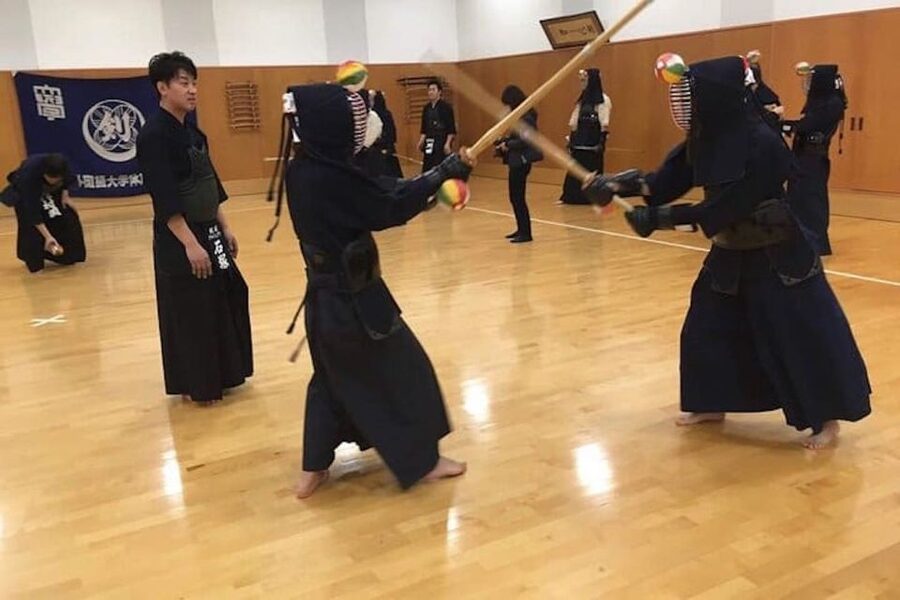
- You learn the complete basic sequence: changing clothes, etiquette, instruction, strikes, protective equipment, and a mini-match.
- The class is designed for a very small group: the standard information lists a maximum of two participants, so expect close attention.
- You practice against the instructor: this gives the lesson a more personal feel than simply swinging a bamboo sword at a target.
- The men face protector comes late in the session: you first learn the movement before adding the weight and formality of the equipment.
- National-level demonstrations are included: you can watch skilled instructors perform techniques at close range.
- The $116 price covers the working parts of the experience: professional instruction, armor, equipment, water, and a Japanese hand towel.
Why this Osaka kendo workshop feels different
Many martial arts activities aimed at international visitors focus on clothing and photographs. This one gives you a working introduction to kendo. You will still have a photograph at the end, but the main event is learning how to move, bow, call out, and strike with control.
Kendo means more than hitting first. The workshop presents it through ideas such as unifying your spirit, showing manners, and practicing for life. That does not mean you need a background in Japanese martial arts. The instructors teach the basic actions carefully, and the class is intended for beginners.
The setting matters. In a dojo, small movements carry weight. The sound of bamboo swords meeting, the instructor’s voice, and the formal pauses between activities create a different mood from a noisy sightseeing attraction. You get a brief look at how kendo is practiced as a discipline, not just how it appears in films.
The language support is English and Japanese. Yamasaki sensei has received especially strong praise for clear English, simple explanations, careful corrections, and a sense of humor. That combination matters when you are trying to remember foot placement, posture, grip, timing, and etiquette all at once.
More samurai and ninja experiences in Osaka:
- Samurai Training Experience KENDO in Osaka
★ 5.0 · 515 reviews - OSAKA NIGHT FUSION Japanese Taiko Kabuki Samurai Dance Show
★ 4.8 · 155 reviews - Osaka: Samurai Training Experience KENDO in Osaka
★ 5.0 · 111 reviews
Arriving at Shigino Kaikan
The meeting point is Shigino Kaikan, written as 鴫野会館. You arrange your own way there because hotel pickup and drop-off are not included. Check the starting time when booking, since the two-hour session has several possible start times.
The workshop is listed as a small-group activity limited to two participants. That is useful if you want individual attention or are booking with a companion. The general information also says the activity is basically for two people or more, so confirm the group setup if your plans involve a larger party.
Allow enough time to arrive without rushing. Kendo begins with order and preparation, and arriving late could make the first part of the class harder to follow. The experience provider is Park for us Co.,Ltd.
Changing clothes and learning dojo manners
The class begins with changing clothes and an introduction to the etiquette of kendo. This part can seem quiet compared with the later sword work, but it gives the whole session its shape.
You learn that the bow, the way you handle equipment, and the way you behave toward your training partner are not side details. They are part of the practice. The class presents kendo as a martial art with rules and respect, not as a free-form activity where you simply swing at another person.
I like this opening because it helps you understand the sounds and pauses that follow. Once you know why the class begins formally, the instruction feels less like theater and more like a real lesson. It also makes the later photographs more meaningful because you have learned the customs behind the outfit.
Basic instruction before the bamboo sword work
The instructor then explains the foundation of kendo. You learn how to hold and use the bamboo sword, how to position yourself, and how to make a proper strike. The lesson is built for people who have never tried kendo, so you do not need to know the Japanese terms in advance.
This early practice is where close instruction helps most. A beginner can easily focus on the sword and forget the feet, shoulders, or posture. An experienced instructor can watch those details and offer corrections before you add armor or try a match-style activity.
The class also includes a culture lesson at intervals. You hear about the history of kendo and its place as a martial art, not only its competitive rules. That balance is important. You are not simply learning how to hit a target. You are learning why form, control, and manners sit beside technique.
A few more Osaka half-days worth pricing up
- Sushi Making Osaka Roll and Authentic Japanese Sushi Class
★ 5.0 · 1,220 reviews - Matcha Making Class in Osaka with Authentic Japanese Sweets Set
★ 5.0 · 509 reviews - Osaka: Ramen and Gyoza Cooking Class in Dotonbori
★ 5.0 · 378 reviews - Osaka Cooking Class: Okonomiyaki &Japanese cuisines experience
★ 5.0 · 261 reviews
Striking with bamboo swords
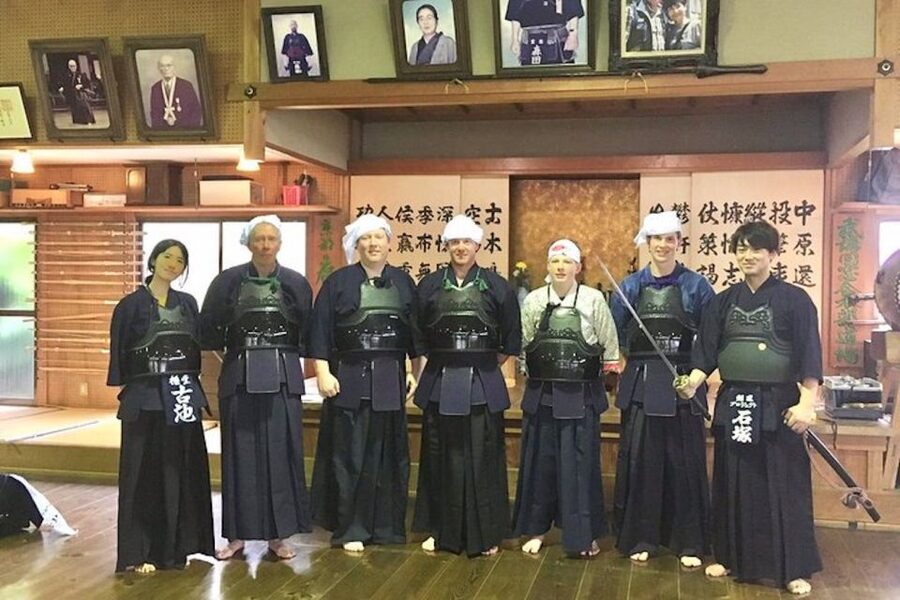
Once the basic movements are clear, you begin hitting practice with bamboo swords. The activity is supervised, and the instructors are experienced in teaching beginners. You can expect to repeat the movements rather than perform a single staged strike for a photograph.
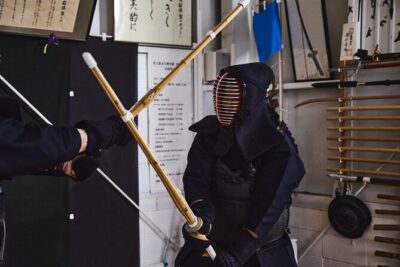
The physical sensation is part of the appeal. Bamboo has its own smell, the swords make a clear sound when they meet, and the instructor’s call gives the exercise energy. You get a direct sense of the timing and focus needed to make a clean movement.
The session is not presented as a fight. It is controlled training. That makes it accessible, but you still need to listen carefully and follow instructions. Alcohol and drugs are not allowed, and pets are not allowed at the activity.
Putting on the men and working with the instructor
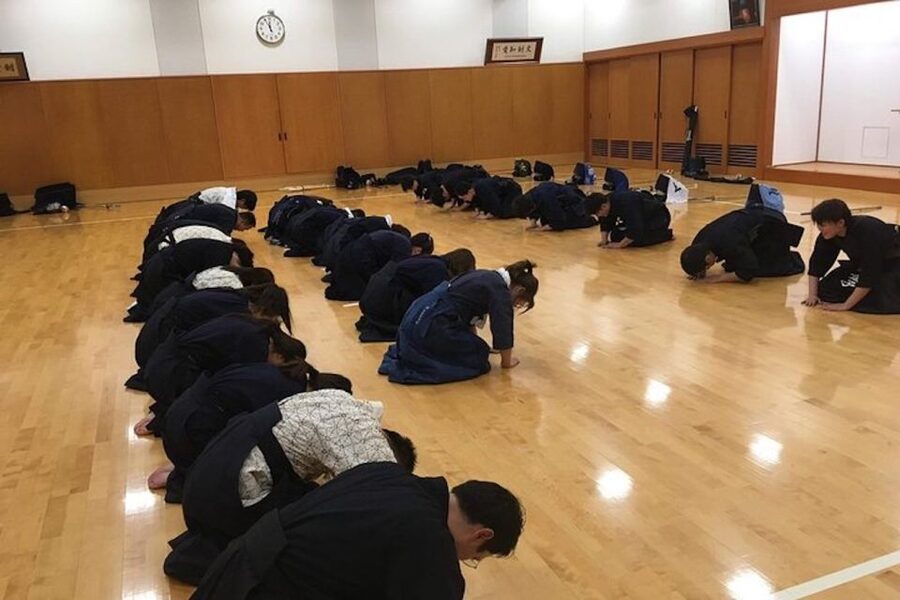
Later, you put on the men, the protective face equipment used in kendo. This is one of the moments that makes the class feel more like actual training. The gear changes your view, your balance, and the way you hear the room.
A special kendo towel is provided for use when putting on the men. You also get to keep the Japanese hand towel included with the experience. Mineral water is provided, which is useful during a physical two-hour session.
After putting on the face protector, you practice hitting the instructor again. This gives you a chance to use the earlier lessons with more equipment in place. It can also make you aware of how much harder it is to remain relaxed and precise once your movement and vision are slightly restricted.
The instructors keep the activity safe by controlling the pace and showing you how to proceed. Still, this is not a passive presentation. You will be asked to move, strike, and concentrate, so wear clothing that is suitable for changing and physical activity.
The mini-match and what to expect from it
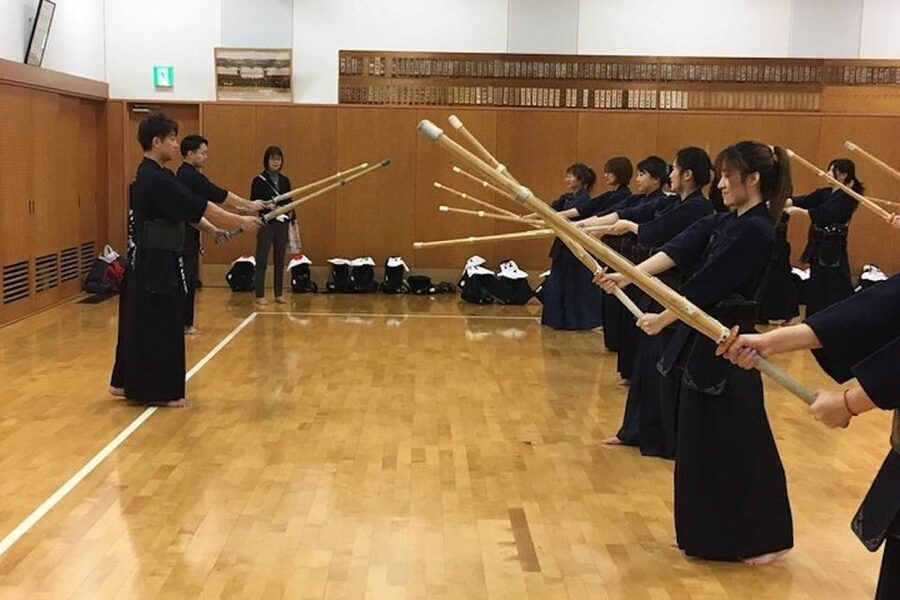
The final active section includes a match-style mini-game. You do not need competitive experience to take part. The class prepares you through the earlier practice, so the mini-match functions as a simple way to put the sequence together.
I would keep your expectations sensible. You are not becoming a trained kendoka in two hours, and this is not a full tournament. The value is in feeling how etiquette, movement, calls, distance, and timing come together when another person is in front of you.
For many beginners, this is likely the most memorable section. It gives the lesson a goal and lets you test what you have learned. It also explains why the earlier focus on posture and controlled striking matters.
Watching skilled instructors up close
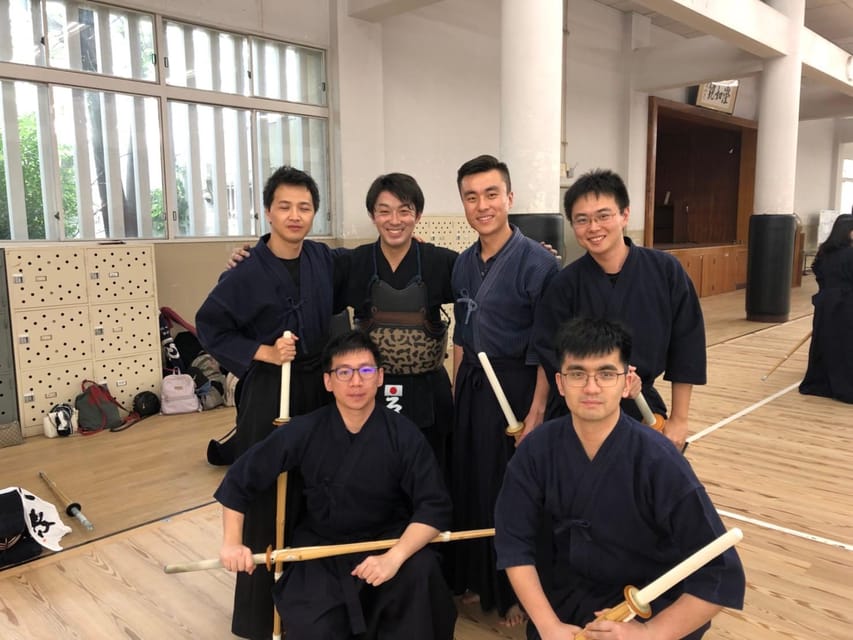
After your own practice, national-level instructors give demonstrations. This is a strong addition because it shows the gap between a beginner’s first lesson and high-level technique.
You can watch actual movements at close range instead of relying on a screen or a vague explanation. Speed, accuracy, posture, and timing become easier to understand when you see them performed by people who have trained for years.
The demonstration also gives you a chance to catch your breath. The session has a clear rhythm: learn, practice, watch, and then finish with formalities and photographs. That mix keeps the two hours from becoming a long block of repeated drills.
The final bow and photograph
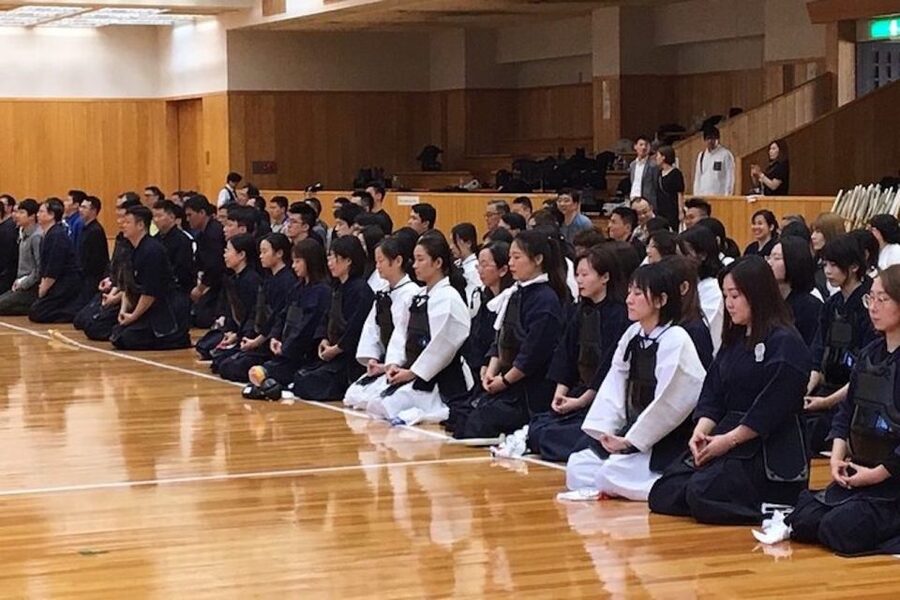
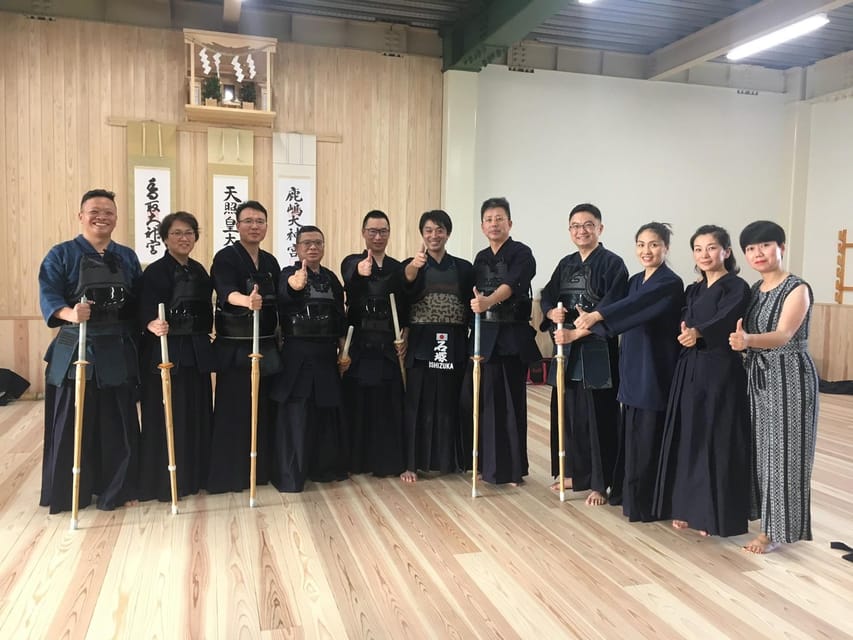
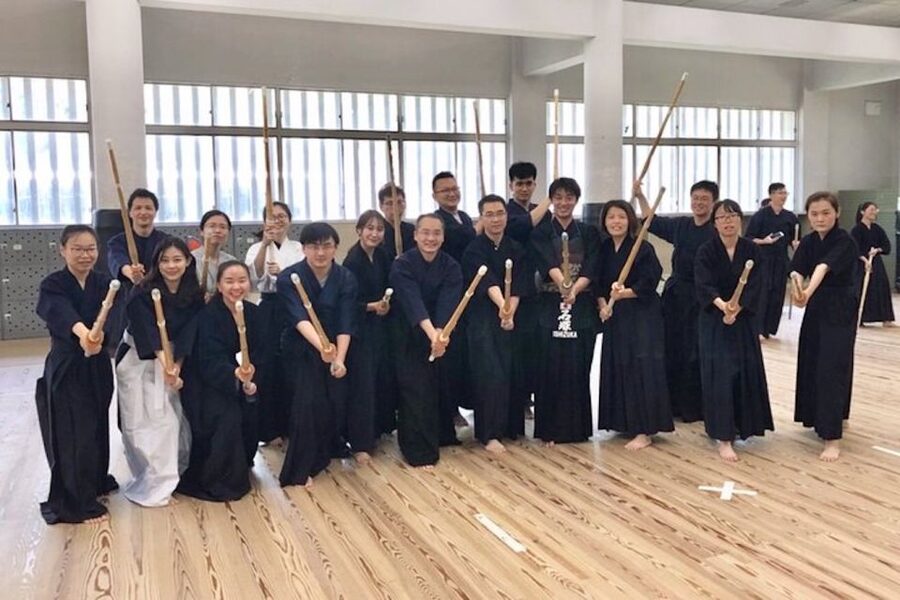
The experience ends with etiquette, photographs, and changing clothes. The photograph is not the sole reason to book, but it gives you a useful record of an unusual afternoon in Osaka.
Because you have already learned the sequence and worn the equipment, the picture represents more than dressing up. You have practiced the basic movements, worked with the instructor, and taken part in a mini-match. That context is what makes the final image worthwhile.
After changing, you are free to continue your evening. The activity suggests visiting an izakaya afterward, where a special Samurai meal may be available. Food is not included, so treat that as a separate plan rather than part of the workshop.
Is $116 a fair price?
At $116 per person, this is not a budget activity. You are paying more than you would for a short cultural talk or a quick photo stop. The price makes more sense if you want hands-on instruction rather than a performance.
The fee includes a professional guide or instructor, rental kendo armor and equipment, mineral water, and a Japanese hand towel. You also receive a two-hour lesson with basic instruction, supervised striking, practice with the men, a match-style game, and demonstrations by national-level instructors.
The small-group format improves the value. If only two people take part, the instructor can pay attention to individual posture and technique. That close correction is a major part of what you are buying.
I would book it for a special Osaka day, especially if you are interested in Japanese martial arts, disciplined physical activities, or experiences that connect practice with culture. I would skip it if your budget is tight or if you mainly want a costume photograph.
Who will enjoy this most?
This workshop suits adults and older children who can follow detailed instructions and handle light physical exertion. The stated minimum age is nine, but children need to be comfortable with formal instruction, protective equipment, and repeated movements.
It is a good choice for two friends, siblings, or a couple who want to do an activity together. A French participant described enjoying the session with a younger brother, and another small private group appreciated the instructor’s patient teaching and easy-to-follow advice.
It also suits people who have already tried martial arts. Beginners can learn the basics, while experienced participants may enjoy receiving corrections and seeing national-level technique at close range.
The activity is not suitable for pregnant women, wheelchair users, or people with mobility impairments. If any physical condition could affect your ability to move or wear the equipment, check before booking.
Practical tips for a smoother session
Wear something that makes changing easy and allows comfortable movement. The listing does not provide a detailed clothing rule, so avoid arriving in anything that would make physical activity awkward.
Do not treat the etiquette section as filler. Pay attention to the bowing, equipment handling, and instructor’s directions. Those details will help you feel less lost once the sword work begins.
Listen for corrections instead of trying to swing harder. Kendo is presented here as a practice of spirit, form, and lifelong learning. A controlled movement with good posture will serve you better than a forceful one that ignores the lesson.
Plan for the full two hours. Changing clothes, instruction, demonstrations, photographs, and changing back all belong to the experience. The activity does not include food, transportation, or hotel transfers.
Free cancellation is available up to 24 hours before the start for a full refund. You can also reserve now and pay later, which helps if your Osaka schedule is still changing.
Should you book this kendo experience?
Book it if you want to do more than look at samurai imagery. This workshop lets you learn the manners, movements, sounds, and controlled contact that give kendo its character. The small group, English support, expert demonstrations, and individual corrections make the $116 easier to justify.
Skip it if you want a relaxed, seated cultural activity or if physical limitations make the equipment and movement unsuitable. For everyone else, this is a focused and unusual way to spend two hours in Osaka, with enough real practice to leave you feeling that you took a first step into kendo rather than simply borrowed its costume.
FAQ
Where does the Osaka kendo workshop take place?
The meeting point is Shigino Kaikan, also written as 鴫野会館, in Osaka.
How long does the kendo experience last?
The experience lasts two hours. Starting times vary, so check availability when booking.
How many people can join?
It is described as a small-group activity limited to two participants. The information also says it is basically for two people or more, so confirm the arrangement if you are booking for a different group size.
Is instruction available in English?
Yes. The listed instruction languages are English and Japanese. Yamasaki sensei is specifically noted for speaking English clearly.
What is included in the price?
The price includes a professional guide or instructor, rental kendo armor and equipment, mineral water, and a free Japanese hand towel. A special kendo towel is also provided for use with the men face protector.
Is food included?
No. Food is not included. After the workshop, you can visit an izakaya separately, where a special Samurai meal may be available.
Who should not take part?
The activity is not suitable for children under nine, pregnant women, people with mobility impairments, or wheelchair users. Pets, alcohol, and drugs are not allowed.
Just added in Osaka
- Urban Canvas: Osaka Street Art Bike Tour★ 5.0 · 10 reviews
- Anime Cosplay Photshoot-50 Digital Photos Provided★ 5.0 · 8 reviews
- TeamLab Botanical Garden Osaka Ticket★ 3.5 · 6 reviews
- Umeda Sky Building & Kuchu Teien Observatory Ticket in Osaka★ 4.5 · 3 reviews
- Immerse in Judo Martial Arts Class from Japan★ 5.0 · 4 reviews
- Cherry Blossom Buddha and Mt.Yoshino with Strawberry Picking Tour★ 4.5 · 5 reviews
- Traditional Home cooking Experience in Osaka, Japan★ 5.0 · 14 reviews
- Traditional Calligraphy Experience near Dotonbori★ 5.0 · 3 reviews
Osaka Samurai Experiences, compared.
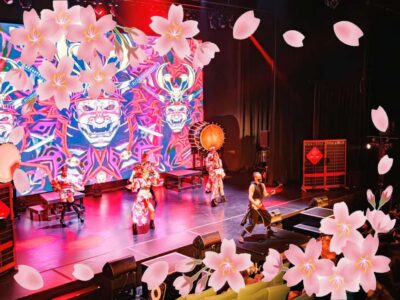
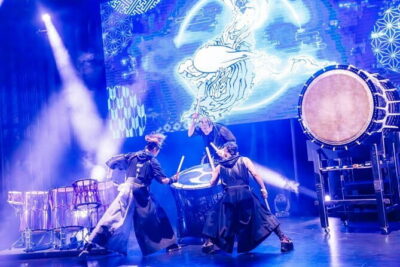
OSAKA NIGHT FUSION Japanese Taiko Kabuki Samurai Dance Show
Read our review →
Osaka 2-Hour Genuine Kendo / Samurai Experience In Japan
Read our review →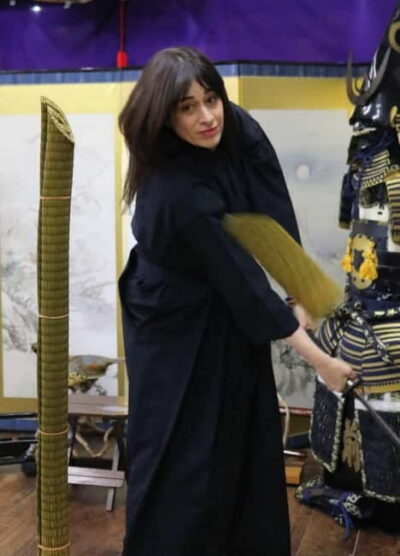
Learn Bushido – Trial Slashing with Samurai Sword
Read our review →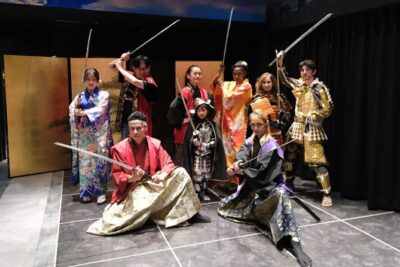
Samurai Show, Tea Ceremony, Japanese Traditional Activities
Read our review →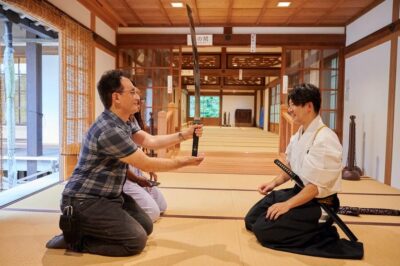
Private Samurai Experience – Train with Sword Master
Read our review →Browse the lists this tour appears in