
Reviewed · OSAKA COOKING CLASSES
Osaka: Gluten-Free Ramen and Gyoza Cooking Class
The clever part of this Osaka class is that you make both ramen noodles and gyoza wrappers from rice flour, two foods most visitors with gluten-free needs often struggle to find in Japan. Chef Yuki leads the three-hour session in her Japanese-style home, with plenty of hands-on work rather than a cooking demonstration from the sidelines.
I like the tiny group size, limited to four, and the chance to prepare two kinds of ramen: savory soy sauce and tangy tomato. I also like that the class ends with a proper meal of your own food, plus recipes and tips for cooking it again at home. The main consideration is location: you must make your own way to a residential area near Nukata Station, and anyone with a serious allergy should discuss kitchen precautions with Yuki before booking.
Key points at a glance
- Rice-flour noodles from scratch: Learn how to create gluten-free ramen noodles with a chewy texture.
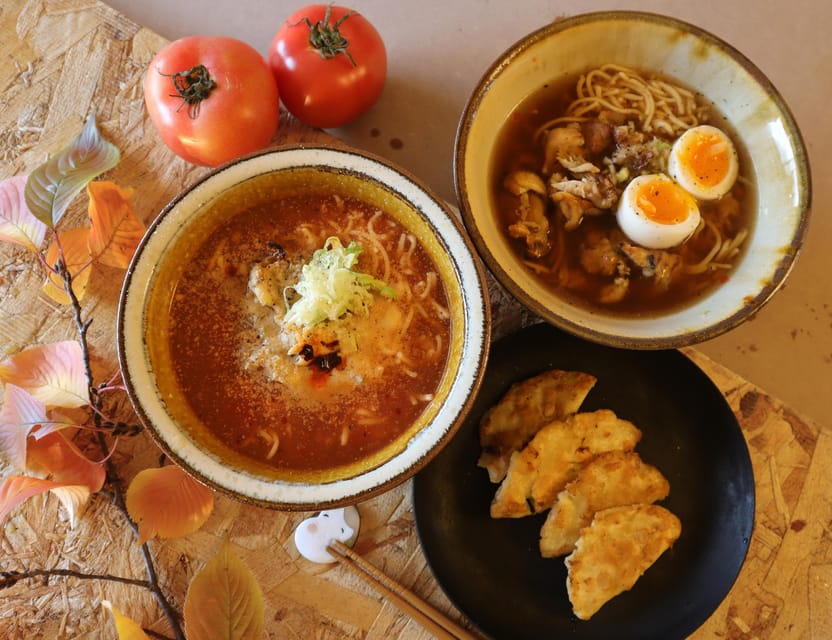
- Two distinct ramen styles: Prepare a classic soy sauce broth and a less common tomato ramen.
- Gyoza made by hand: Mix the filling, shape rice-flour wrappers, and pan-fry dumplings until crisp.
- A true small-group class: With no more than four participants, Yuki can give each person close help.
- Optional sake tasting: Try three 45-milliliter servings, including chilled Junmai, chilled Junmai Ginjo, and warm Junmai.
- Easy station access: The home is about a five-minute walk from Nukata Station in Osaka.
Why gluten-free cooking changes the Osaka food experience
Japan is a wonderful place to eat, but gluten-free dining can take extra planning. Soy sauce, ramen noodles, dumpling wrappers, and many prepared seasonings commonly involve wheat. This class tackles that problem at the source: you learn how to make the main components yourself instead of hoping a restaurant can adjust a finished dish.
That makes the class useful even if you are not strictly gluten-free. You see how rice flour behaves, how a broth gets its flavor, and why handmade wrappers need a different touch from standard wheat dough. If you cook at home, the recipes give you something practical to take beyond the holiday.
Yuki has more than ten years of professional culinary experience and teaches in English. She also provides guidance in Japanese, which helps keep the cooking process clear and relaxed. You do not need previous cooking experience, and the class is designed for beginners as well as confident home cooks.
For anyone with celiac disease or a severe allergy, do not treat the phrase gluten-free as a full guarantee of medical safety. Ask Yuki in advance about ingredients, shared equipment, and cross-contact procedures. The experience is designed around gluten-free recipes, but individual dietary needs can differ.
More ramen and gyoza classes in Osaka:
- Osaka: Five Must-See Highlights Walking Tour & Ramen Lunch
★ 4.7 · 411 reviews - Osaka: Ramen and Gyoza Cooking Class in Dotonbori
★ 5.0 · 378 reviews - Ramen and Gyoza Cooking Class in Osaka
★ 5.0 · 202 reviews
Arriving at Yuki’s home near Nukata Station
The meeting point is 4-19 Nukata-cho, Osaka, roughly five minutes on foot from Nukata Station. This is not a restaurant or a large cooking school. You will enter a residential-style building in a quiet neighborhood, marked by a welcoming sign at the entrance.
That setting is part of the appeal. You are not being moved through a formal tourist production. You are cooking in Yuki’s home, with the relaxed feel of being invited into someone’s kitchen. It also means the setting is intimate and domestic, so you should arrive in comfortable clothes suitable for cooking and follow the directions sent after booking.
Plan a little extra time for the walk. The venue is described as easy to find, but residential streets can feel less obvious than a shopfront on a main road. You will not receive transportation to the venue, so the class works best for anyone comfortable navigating Osaka’s rail system and a local neighborhood on foot.
Once everyone arrives, Yuki introduces the ingredients, tools, and basic Japanese cooking ideas behind the meal. This opening matters because the class is not simply a recipe exercise. You begin to understand how familiar Japanese dishes can be rebuilt without wheat while keeping their character.
Making chewy ramen noodles with rice flour
The first major task is the ramen noodle dough. You work with rice flour and learn the steps needed to produce noodles with a satisfying bite. That texture is the challenge: gluten normally helps wheat noodles stretch and hold together, so a gluten-free version needs a different method.
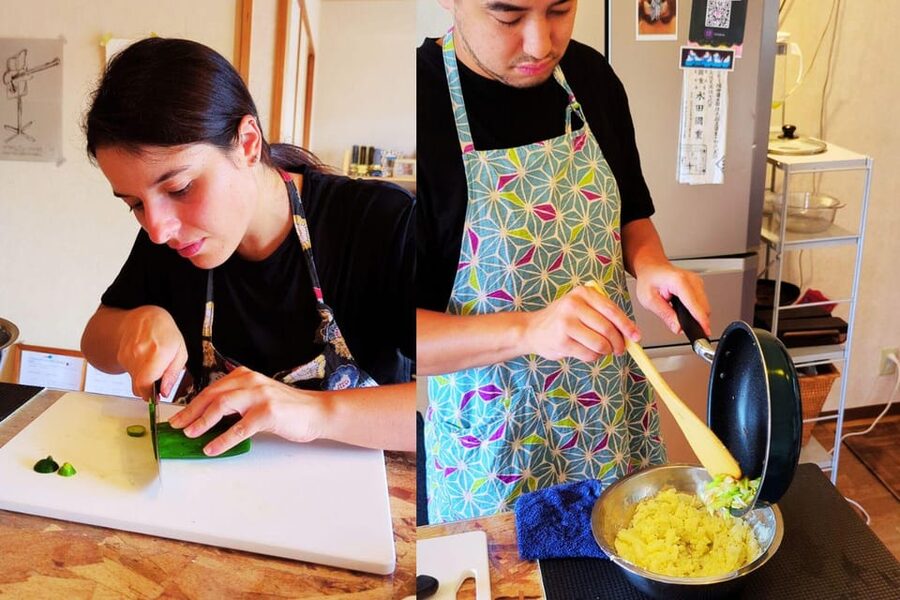
Expect this to be hands-on. You are not just watching Yuki mix a bowl and then receiving a finished portion. You take part in preparing the noodles, with the instructor showing you how to handle the mixture and work toward the right texture.
This is one of the strongest parts of the class for home cooks. Ramen is easy to order and much harder to recreate well. Learning the process gives you a skill that can be adapted later, even if your noodles at home are not identical on the first attempt. Yuki’s teaching style is patient and clear, which helps if your first batch feels less cooperative than expected.
The class is also paced as a meal, not as a technical examination. You have three hours for noodles, broths, gyoza, cooking, and eating. That leaves room for questions and conversation instead of forcing you to rush through each stage.
Soy sauce ramen and a tomato twist
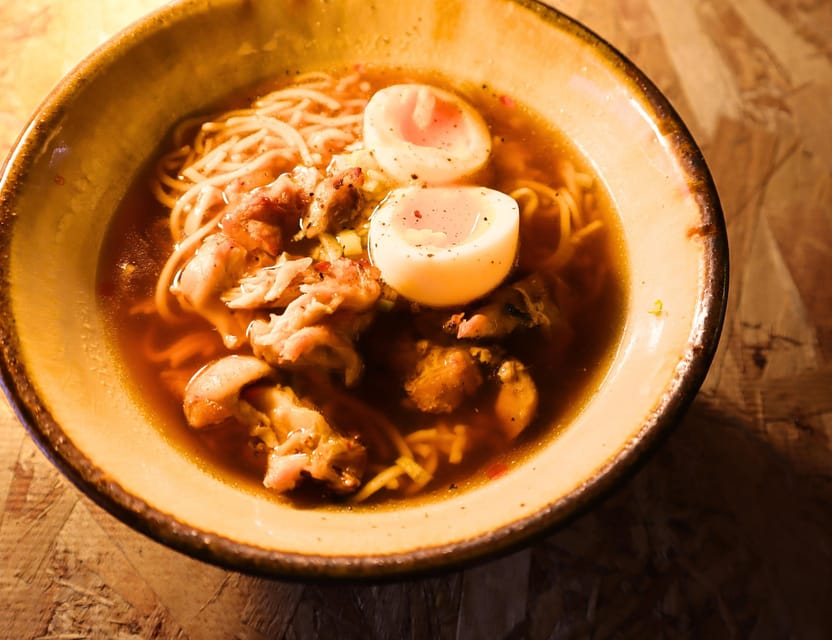
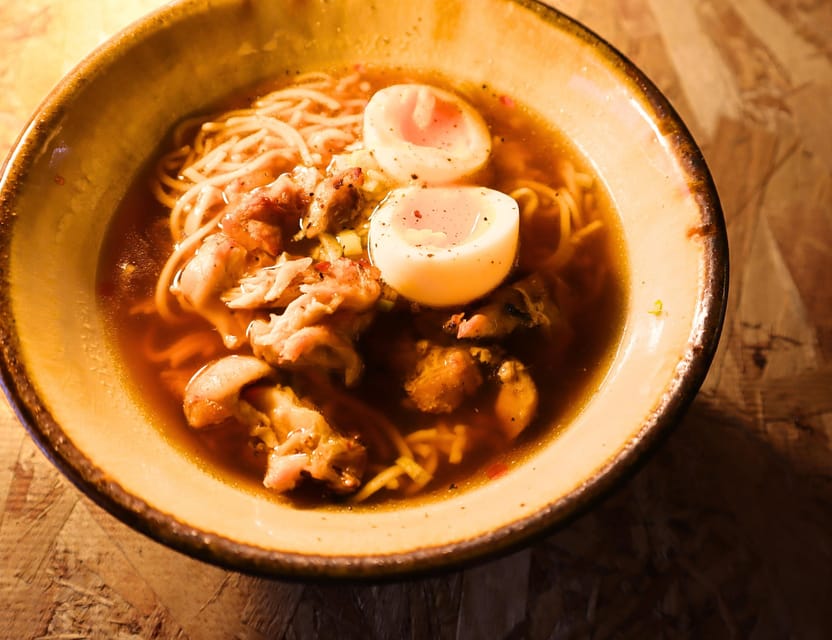
You then prepare a soy sauce ramen broth to go with the handmade noodles. This is the classic side of the meal, with a savory flavor profile that fits the familiar idea of Japanese ramen. Yuki explains the seasonings and methods used to build the broth, giving you context for the taste rather than handing you a bowl with no explanation.
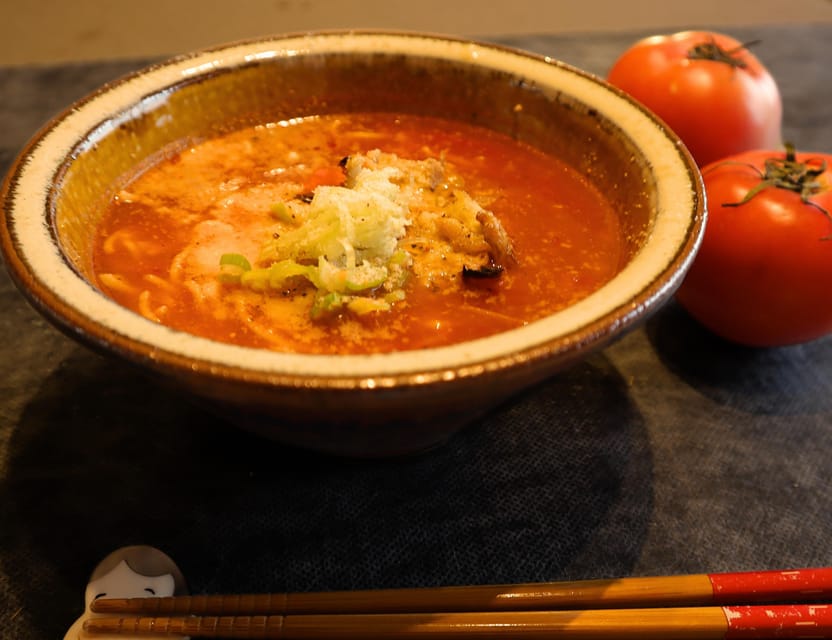
The second bowl is tomato ramen. It offers a tangy, fresher contrast to the soy-based version and is still an unusual sight in Japan. That contrast makes the class more interesting than a single-recipe lesson. You get to compare a traditional style with a creative variation that shows how Japanese cooking can adapt.
Making two broths also adds real value to the $103 price. You are not paying for one short recipe followed by a snack. You are learning two approaches to ramen, then combining them with noodles you made yourself. The amount you eat and the exact serving size are not specified, so you should think of the price as covering instruction, ingredients, and a full prepared meal rather than a restaurant-sized ramen feast.
The tomato ramen may appeal especially to anyone who wants something less familiar. It is also a useful reminder that Japanese food is not limited to one fixed set of flavors. Yuki uses the class to show tradition and experimentation side by side.
More cooking classes in Osaka:
- Matcha Making Class in Osaka with Authentic Japanese Sweets Set
★ 5.0 · 509 reviews - Osaka Sushi Making Experience
★ 5.0 · 400 reviews - Osaka: Traditional Mochi Pounding Experience with Tasting
★ 4.9 · 306 reviews - Osaka Cooking Class: Okonomiyaki &Japanese cuisines experience
★ 5.0 · 261 reviews
Folding rice-flour gyoza without the usual wheat wrapper
After the ramen work, you turn to gyoza. You prepare wrappers from rice flour, make a savory filling, and then learn to fold the dumplings. This is the part where patience helps. Gyoza folding looks simple once someone demonstrates it, but neat pleats take practice.
Yuki can show you how to hold the wrapper, place the filling, close the edges, and shape the dumpling. Because the group is capped at four, you should have a good chance to ask for help instead of silently struggling over a row of misshapen parcels. The class is meant to be friendly, not competitive.
The rice-flour wrapper is the key point for anyone avoiding gluten. It lets you enjoy the familiar gyoza format while learning a method you can try at home. You also gain a better sense of how much filling is practical and how firmly the wrapper must be sealed.
The final cooking stage is pan-frying. Yuki shows you how to achieve a crisp outside with a tender interior, the contrast that makes gyoza so satisfying. Timing matters here, since several things have to come together: the base needs browning, the dumpling needs to cook through, and the wrapper must remain intact.
Eating the meal you prepared
Once the cooking is finished, you sit down in the home’s dining area and eat the ramen and gyoza. This is more than a reward at the end. It gives you a chance to taste the result while the techniques are still fresh in your mind.
You can compare the soy sauce and tomato ramen, notice how the rice-flour noodles work with each broth, and judge the texture of your gyoza. If a dumpling folded a little unevenly, that becomes part of the fun rather than a problem. The meal lets you connect each flavor and texture to the work that produced it.
Yuki also talks you through the food and the role of sake in Japanese dining. If you choose the optional pairing, you receive three 45-milliliter servings: chilled Junmai, chilled Junmai Ginjo, and warm Junmai. The small pours are enough to compare styles without turning the cooking class into a drinking session.
The sake option is best for adults who enjoy tasting with food. It is not required for the class, and the base experience already includes the meal and cooking instruction. If you do not drink alcohol, you can focus fully on the food and conversation.
The value of three hours and $103
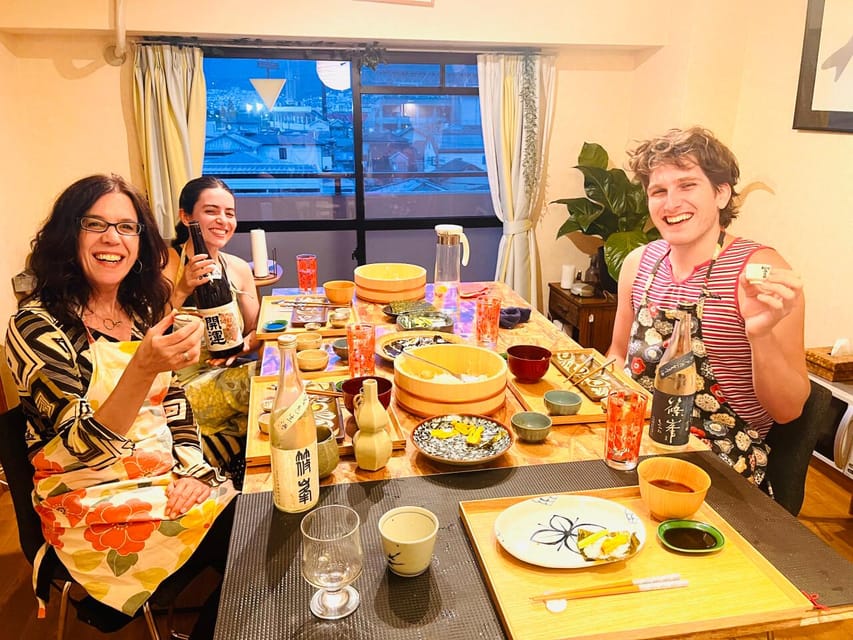
At $103 per person, this is not a budget meal. You can find cheaper food in Osaka, and a bowl of ramen alone costs much less. The price makes more sense when you count the instruction, ingredients, full meal, recipes, personal attention, and the rare gluten-free focus.
The group limit is important. In a class of four, Yuki can correct your dough, demonstrate a fold again, and answer questions without leaving you waiting behind a large crowd. A larger class might offer more social energy, but this setup is better for learning a technique you want to repeat at home.
You also get more than one central dish. The session covers ramen noodles, two broths, gyoza wrappers, filling, folding, and pan-frying. That is a substantial amount of cooking for three hours, especially since the experience remains approachable for beginners.
The value is strongest for three kinds of people: anyone who needs gluten-free Japanese food, anyone who enjoys practical cooking lessons, and anyone seeking a quieter cultural activity away from Osaka’s busy sightseeing areas. It is less suited to someone who wants a quick meal, a large social group, or a polished restaurant setting.
Cancellation is free up to 24 hours before the start, and you can reserve now and pay later. Availability and start times vary, so check those details when choosing your date.
What the teaching style is like
Yuki’s strongest role here is teacher. She has professional kitchen experience but presents the class in a patient, approachable way. You can expect explanations of both the practical steps and the Japanese flavors behind them.
The small setting encourages conversation. Several participants specifically enjoyed the combination of instruction and social time, and that balance is easy to understand from the format. You are working with your hands, then sitting down to eat, so the interaction feels natural rather than forced.
The class is also forgiving of different skill levels. You do not need to arrive knowing how to make dough, fold dumplings, or build ramen broth. If you already cook often, you may appreciate the chance to ask more detailed questions and take home methods that are difficult to learn from a standard restaurant meal.
One small limitation is that the experience depends heavily on Yuki’s teaching and the home setting. That is a strength for most people, but it is not the right choice if you prefer a large professional kitchen with multiple stations, extensive equipment, or a formal culinary-school structure.
Who should book this Osaka cooking class
I would put this class high on the list for visitors who have struggled to find safe or satisfying gluten-free Japanese food. You get to participate in making the meal and leave with recipes, which is far more useful than simply finding one suitable restaurant during your trip.
It also suits couples, solo visitors, and small groups of friends who want a calm three-hour activity. The limit of four people keeps the lesson personal, and the home setting gives you a closer look at everyday Japanese hospitality.
Families should check the booking details carefully, since the activity is not suitable for people over 95 years old. The supplied information does not give a minimum age, child policy, or specific allergy protocol, so ask before booking if those points affect your plans.
Bring a healthy appetite and wear clothes you can cook in. You will spend the session working with food, handling dough, shaping dumplings, and eating the results. The class is best approached as an active workshop, not a passive tasting.
Should you book it?
Book this class if you want to learn something you can use after Osaka, especially if gluten-free dining is a major concern. The strongest reasons are the rare rice-flour ramen and gyoza techniques, the chance to compare soy sauce and tomato ramen, and Yuki’s close instruction in a group of no more than four.
Skip it if you only want a cheap meal, dislike hands-on activities, or prefer a central restaurant atmosphere. At $103, the value comes from the teaching and the number of dishes you make, not from the food alone.
For most food-focused visitors, this is a thoughtful choice: practical, personal, and distinctly tied to Japanese cooking. Confirm your dietary needs with Yuki ahead of time, then arrive ready to work, eat, and learn.
FAQ
How long does the cooking class last?
The class lasts three hours.
Where is the class held?
It is held at 4-19 Nukata-cho, Osaka, in a Japanese-style residential home near Nukata Station.
How far is the venue from Nukata Station?
The venue is about a five-minute walk from Nukata Station.
What dishes will I make?
You will make gluten-free ramen noodles, soy sauce ramen, tomato ramen, gyoza wrappers, gyoza filling, and folded gyoza dumplings.
Is the food gluten-free?
The class focuses on gluten-free recipes made with rice flour. If you have celiac disease or a serious allergy, contact Yuki before booking to discuss your specific requirements and kitchen precautions.
Do I need cooking experience?
No. The class is suitable for beginners and experienced home cooks.
How many people can join?
The group is limited to four participants.
Is the class taught in English?
Yes. The instructor language is English, and Japanese guidance is also available.
Is sake included?
Sake is an optional pairing. It includes three 45-milliliter servings: chilled Junmai, chilled Junmai Ginjo, and warm Junmai.
What should I bring?
Wear comfortable clothes suitable for cooking and come ready to eat a meal of your homemade ramen and gyoza.
More Workshops in Osaka
- Sushi Making Osaka Roll and Authentic Japanese Sushi Class
★ 5.0 · 1,220 reviews - Osaka: Roll and Authentic Sushi Making Class in Dotonbori
★ 4.9 · 239 reviews - Osaka: Sushi Class in Dotonbori
★ 4.9 · 160 reviews - Three Types of Ramen Cooking Class in Osaka
★ 5.0 · 119 reviews
Just added in Osaka
- Urban Canvas: Osaka Street Art Bike Tour★ 5.0 · 10 reviews
- Anime Cosplay Photshoot-50 Digital Photos Provided★ 5.0 · 8 reviews
- TeamLab Botanical Garden Osaka Ticket★ 3.5 · 6 reviews
- Umeda Sky Building & Kuchu Teien Observatory Ticket in Osaka★ 4.5 · 3 reviews
- Immerse in Judo Martial Arts Class from Japan★ 5.0 · 4 reviews
- Cherry Blossom Buddha and Mt.Yoshino with Strawberry Picking Tour★ 4.5 · 5 reviews
- Traditional Calligraphy Experience near Dotonbori★ 5.0 · 3 reviews
- Discover Osaka’s Iconic Umeda Sky Observation★ 5.0 · 6 reviews
Osaka Cooking Classes, compared.

Matcha Making Class in Osaka with Authentic Japanese Sweets Set
Read our review →
Traditional Mochi Pounding Experience with Tasting
Read our review →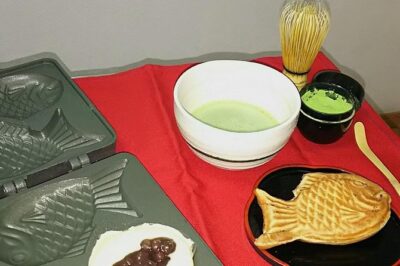
Osaka Cooking Class: Okonomiyaki &Japanese cuisines experience
Read our review →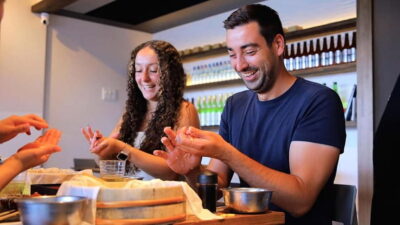
Roll and Authentic Sushi Making Class in Dotonbori
Read our review →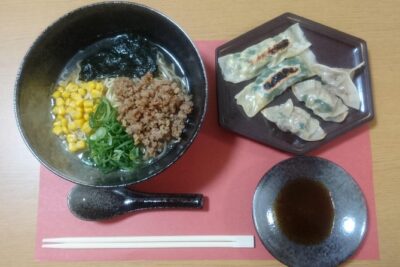
Osaka Sake Tasting & Takoyaki Cooking Experience
Read our review →Browse the lists this tour appears in