
Reviewed · OSAKA COOKING CLASSES
Beautiful Wagashi (Japanese Sweet) Making Class
Japanese wagashi looks almost too pretty to eat, but this Osaka class shows you how these delicate sweets come together. You make nerikiri from white bean paste and glutinous rice flour, color it in soft shades, and shape it into flowers before sitting down to enjoy the results.
I like the small group of up to eight, which gives you room to ask questions and receive hands-on help. I also like that Fumi provides clear English guidance and adds a matcha-making lesson with Japanese utensils. The main drawback is practical: the entrance at the Kitahorie meeting point can be a little hard to spot, so allow extra time to find it.
Key points to know before booking
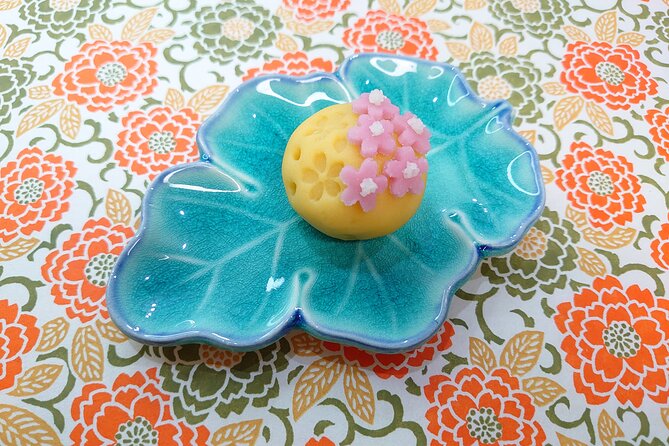
- Make two delicate nerikiri sweets from white bean paste and glutinous rice flour, then eat them in class or take them away.
- Work with Fumi in English, with clear instructions and personal help in a group capped at eight people.
- Learn the full process, from preparing the dough to coloring, shaping, and adding flower details.
- Prepare matcha with traditional Japanese tools, an extra touch that connects the sweets to tea ceremony customs.
- Take home recipes, so the class can continue in your own kitchen.
- Plan about one hour, plus a little extra time to locate the entrance at Banix Kitahorie.
Why making nerikiri is worth an hour in Osaka
Osaka is famous for street food, restaurants, and busy shopping areas. A wagashi class gives you a quieter way to understand Japanese food culture. Instead of simply buying a sweet from a shop, you handle the ingredients and learn why the finished piece takes patience and precision.
Nerikiri is a high-quality type of wagashi often served with matcha. Its main ingredients are simple: white bean paste and glutinous rice flour. The skill comes from getting the texture right, adding color carefully, and shaping the paste into a neat design.
That simplicity makes the class appealing to many kinds of people. You do not need to be an experienced baker. You also do not need to eat meat or dairy, since the sweets are suitable for vegans and vegetarians according to the activity details.
I especially like the contrast between the plain ingredients and the finished appearance. A ball of pale dough becomes a flower with carefully placed petals. You begin to see wagashi as a small piece of edible design, not just a sugary snack.
More wagashi and sweets workshops in Osaka:
- Matcha Making Class in Osaka with Authentic Japanese Sweets Set
★ 5.0 · 509 reviews - Osaka: Matcha Making Experience with Japanese Sweets
★ 5.0 · 146 reviews - Osaka: Japanese Traditional Sweets Making and Tea Ceremony
★ 4.7 · 118 reviews
Starting at Banix Kitahorie
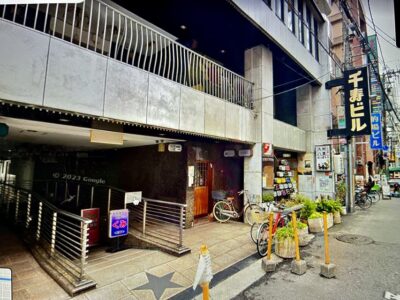
The class meets at Banix Kitahorie in Osaka’s Nishi Ward, at 3-chōme 6-2 Kitahorie, near public transportation. The listed location is in the Sisteme Gallery building, so you should check the meeting instructions and photos closely before setting out.
The entrance has caused some confusion, and updated pictures are available to help you identify it. My practical advice is simple: do not arrive at the last minute. A few spare minutes can make the difference between walking in calmly and searching the building while the class is getting started.
The location is useful for a short food activity because it does not consume a full morning or afternoon. You can fit the class around sightseeing, shopping, or a meal in Osaka. The activity ends back at the same meeting point, so there is no complicated transfer at the end.
Making the dough from simple ingredients
The class begins with the foundation of nerikiri. You learn to prepare the dough from white bean paste and glutinous rice flour, rather than receiving a finished piece to decorate.
This is an important part of the experience. The dough has to be workable enough to shape but firm enough to hold its form. By making it yourself, you gain a better sense of the care involved in traditional Japanese sweets.
The instructions are designed for beginners, and the small group means you can ask for help when needed. With no more than eight people, the teacher has a better chance of seeing what each person is doing. That matters when you are working with a soft mixture and trying to produce a clean shape.
You should not expect a long baking session with ovens, timers, or a complicated list of ingredients. This is a hands-on shaping class. The appeal lies in learning the technique and working slowly enough to produce something attractive.
Adding color and shaping the flowers
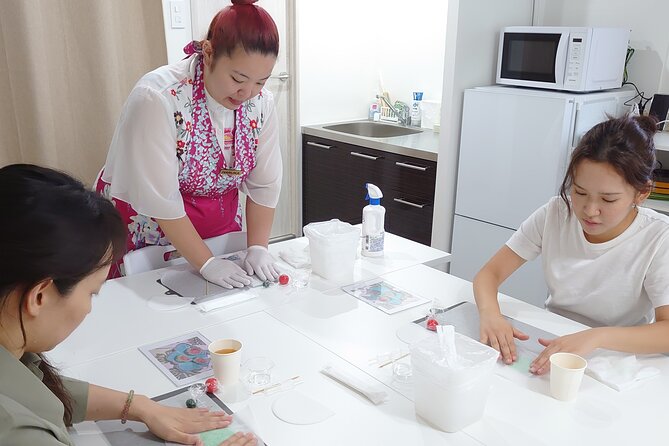
Once the dough is ready, you color it in delicate shades. This is where your sweets begin to take on their character. The activity lets you customize the colors, so your finished pieces do not have to look exactly the same as anyone else’s.
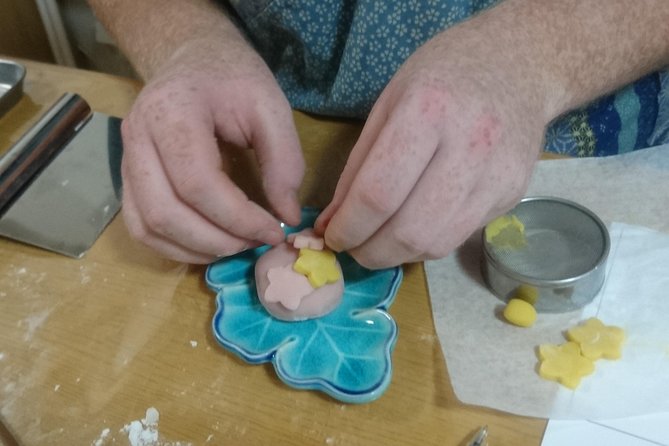
Next comes the flower work. You shape decorative flowers from the dough, then form the main pieces into balls and add the floral details. The process requires some skill, but the task is broken into clear stages rather than presented as one difficult challenge.
This is also the part where the class feels most rewarding. The final sweet may look like it came from a specialist shop, but you have built it with your own hands. It is small, precise, and easy to photograph.
Do not rush the decoration. A light touch is useful, and small differences in the petals are part of the fun. You are learning a traditional craft, not competing for a prize. If your flower is slightly uneven, it still remains edible and personal.
The class produces two lovely and delicious sweets, giving you enough time to practice while keeping the activity short. That is a good balance for a first introduction. You get a finished result without committing half a day to a cooking lesson.
More cooking classes in Osaka:
- Osaka Sushi Making Experience
★ 5.0 · 400 reviews - Osaka: Ramen and Gyoza Cooking Class in Dotonbori
★ 5.0 · 378 reviews - Osaka: Traditional Mochi Pounding Experience with Tasting
★ 4.9 · 306 reviews - Osaka Cooking Class: Okonomiyaki &Japanese cuisines experience
★ 5.0 · 261 reviews
A matcha break with Japanese utensils
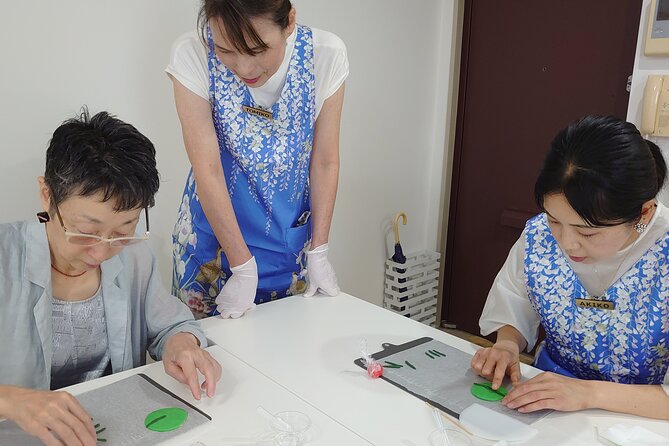
Matcha is a natural partner for wagashi. The class also includes the chance to prepare matcha using Japanese instruments, which adds another layer to the experience.
This is more than a bonus drink. Wagashi is closely linked with the tea ceremony, and nerikiri is commonly served alongside tea. Preparing matcha helps explain why these sweets are made with such care. The sweetness of the bean paste pairs with the strong, distinctive tea.
The matcha portion also gives you a pause after the shaping work. You can look at your finished sweets, take photographs, and appreciate the result before eating. If you prefer, you can take the sweets away instead.
The class does not appear to be a full tea ceremony, so you should book it for the wagashi lesson first. The matcha element adds context and atmosphere, but the central activity remains making the sweets.
Eating your handmade sweets
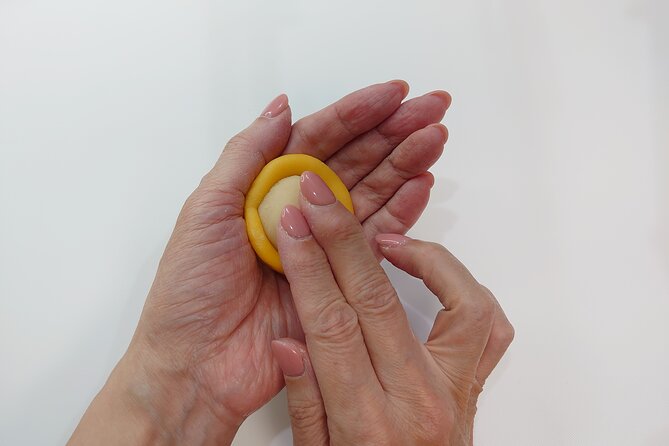
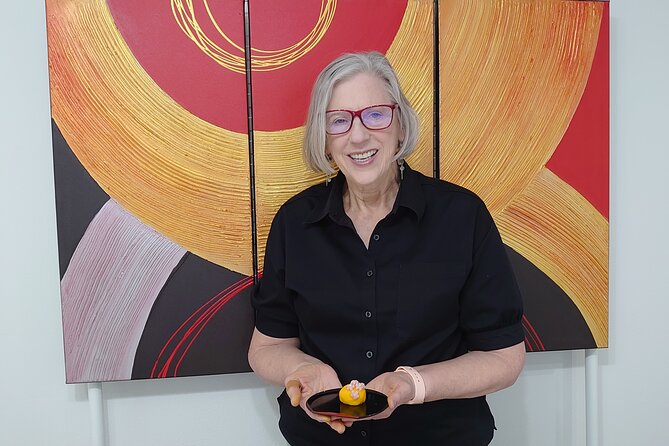
At the end, you can eat the wagashi at the class location or take it with you. I like having that choice. Eating it immediately lets you enjoy the complete activity, while taking it away may suit you if you want to photograph it later or save it for someone else.
Take your pictures before the first bite. The flowers are one of the most attractive parts of the class, and the sweets are designed to be appreciated visually as well as tasted.
The flavor profile is likely to be different from familiar Western pastries. White bean paste has a smooth, gentle sweetness, rather than the heavy taste of buttercream or chocolate. The class is a good fit if you enjoy trying traditional foods and want to understand Japanese sweets beyond packaged souvenirs.
You also leave with recipes. That makes the class more useful than a one-time tasting. The recipes give you a way to try the process at home, although reproducing the same neat flower shapes may take practice.
How much personal help can you expect?
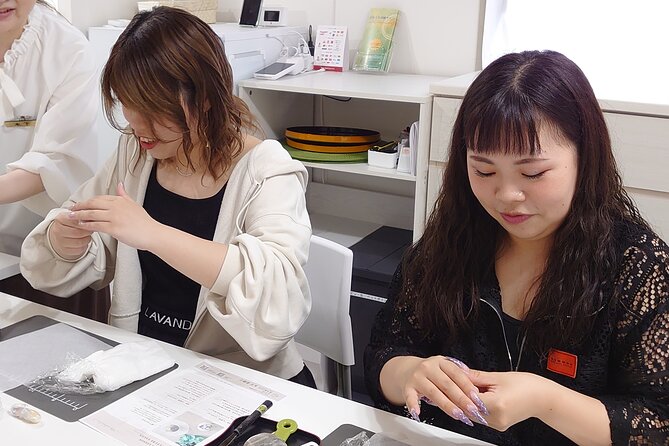
The maximum group size is eight people. That is small enough to support individual questions while still giving the class a social feel.
Fumi leads the session and provides English translations. Clear language matters here because the work involves several small steps: preparing the mixture, coloring the dough, forming balls, and adding the flower decoration.
The class has received a full five-star rating from five submitted reviews, with praise focused on organization, clear instruction, creativity, and the finished sweets. One particularly useful detail is that a solo participant had plenty of room to speak with the instructor and ask questions. That makes the experience suitable for people traveling alone, not just couples or families.
Children must be accompanied by an adult. The activity is not described as a children-only program, but the hands-on format may suit families with older children who can follow instructions and handle the dough carefully.
The value of the $45.53 price
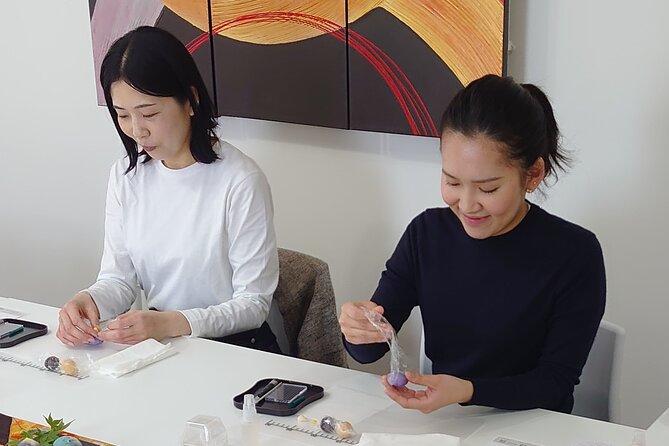
At $45.53 per person, this is not the cheapest sweet you can buy in Osaka. That comparison misses the point. You are paying for instruction, ingredients, a small group, the chance to make two sweets, matcha preparation, and recipes to use later.
The one-hour length also affects the value. You do not need to give up a major sightseeing block, and the class can fit neatly into a busy Osaka schedule. For a first taste of wagashi, the price is reasonable if you value an activity you can remember and repeat at home.
The class is less suited to you if you only want to sample Japanese sweets quickly. A shop visit will cost less and take less time. Choose this experience when the making matters as much as the eating.
The fact that it is booked an average of 24 days ahead suggests that you should not leave it until the last minute, especially if your Osaka dates are fixed. Confirmation arrives within 48 hours of booking, subject to availability, so plan ahead rather than trying to fit it in after you arrive.
Who will enjoy this class most?
This is a strong choice for food lovers, home bakers, and anyone who enjoys creative activities. You will get the most from it if you like learning a technique and then producing something with your own hands.
It also suits visitors who want a cultural activity that does not require advanced Japanese. Fumi’s English translations and the visual nature of the work make the steps easier to follow.
Vegetarians and vegans may appreciate the ingredient list, since the sweets are made with white bean paste and glutinous rice flour. If you have food allergies or dietary restrictions beyond this, the provided information does not specify how those needs are handled, so ask before booking.
Solo visitors can fit in comfortably, and couples or small families can share the experience without the scale of a large cooking school. The class is also a nice choice for a rainy day because the main activity takes place indoors, though the supplied details do not promise a particular building setup beyond the meeting location.
What to know before you go
Bring a phone or camera if you want pictures of the finished flowers. The sweets are made to look beautiful, and you may want a record before eating them.
Read the meeting instructions carefully. The entrance can be difficult to find, and the updated pictures are worth checking. Since the class lasts about an hour and the activity begins at a specific time, arriving early is better than cutting it close.
The class has free cancellation if you cancel at least 24 hours before the start time. A cancellation made less than 24 hours ahead is not refundable, and late changes are not accepted. The cut-off uses Osaka local time.
Should you book the wagashi class?
Book it if you want a short, personal food experience with a clear cultural connection. The best features are the small group, Fumi’s English guidance, the chance to make two nerikiri sweets from scratch, and the matcha preparation with Japanese utensils.
Skip it if you only want a quick snack or if you prefer a large, highly polished cooking production. This class is about careful handwork, not speed. For most visitors who enjoy food, craft, and a useful souvenir recipe, $45.53 buys more than a dessert. It buys a small lesson in how Japanese sweets are made and why they look so precise.
FAQ
How long does the wagashi-making class last?
The activity lasts approximately one hour.
Where does the class meet?
The meeting point is Banix Kitahorie, 3-chōme 6-2 Kitahorie, Sisteme Gallery, in Osaka’s Nishi Ward, postal code 550-0014.
Where does the activity end?
The class ends back at the meeting point.
How many people can join the class?
The maximum group size is eight people.
Who leads the class?
Fumi leads the experience and provides English translations.
What kind of wagashi will I make?
You will make nerikiri, a high-quality wagashi commonly used with the tea ceremony.
Can I take the sweets away?
Yes. You can eat the sweets at the class or take them away.
Will I receive recipes?
Yes. Recipes for Japanese sweets are provided so you can make them at home.
Is cancellation free?
Yes, if you cancel at least 24 hours before the experience start time. Cancellations made less than 24 hours before the start time are not refundable.
More Workshops in Osaka
- Sushi Making Osaka Roll and Authentic Japanese Sushi Class
★ 5.0 · 1,220 reviews - Osaka: Roll and Authentic Sushi Making Class in Dotonbori
★ 4.9 · 239 reviews - Ramen and Gyoza Cooking Class in Osaka
★ 5.0 · 202 reviews - Osaka: Sushi Class in Dotonbori
★ 4.9 · 160 reviews
Just added in Osaka
- Urban Canvas: Osaka Street Art Bike Tour★ 5.0 · 10 reviews
- Anime Cosplay Photshoot-50 Digital Photos Provided★ 5.0 · 8 reviews
- TeamLab Botanical Garden Osaka Ticket★ 3.5 · 6 reviews
- Umeda Sky Building & Kuchu Teien Observatory Ticket in Osaka★ 4.5 · 3 reviews
- Immerse in Judo Martial Arts Class from Japan★ 5.0 · 4 reviews
- Cherry Blossom Buddha and Mt.Yoshino with Strawberry Picking Tour★ 4.5 · 5 reviews
- Traditional Home cooking Experience in Osaka, Japan★ 5.0 · 14 reviews
- Traditional Calligraphy Experience near Dotonbori★ 5.0 · 3 reviews
Osaka Cooking Classes, compared.

Matcha Making Class in Osaka with Authentic Japanese Sweets Set
Read our review →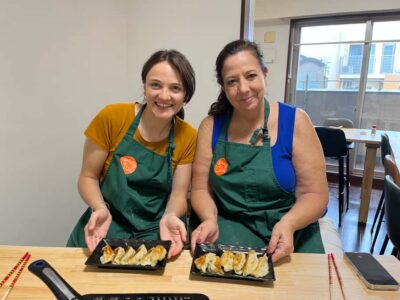
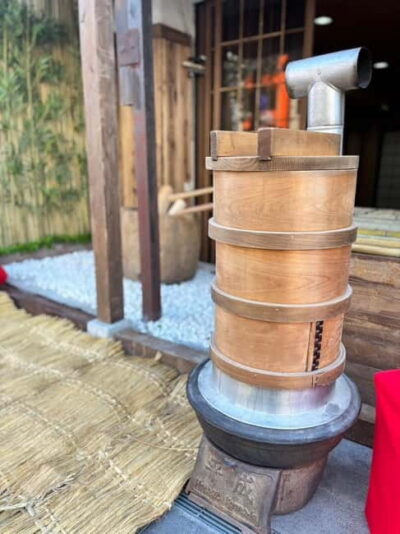
Traditional Mochi Pounding Experience with Tasting
Read our review →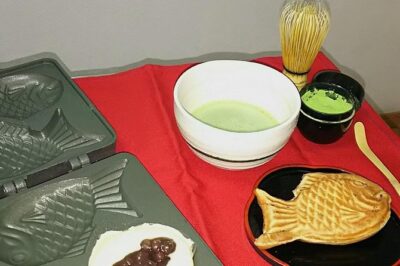
Osaka Cooking Class: Okonomiyaki &Japanese cuisines experience
Read our review →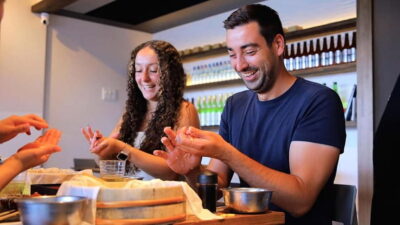
Roll and Authentic Sushi Making Class in Dotonbori
Read our review →
Osaka Sake Tasting & Takoyaki Cooking Experience
Read our review →Browse the lists this tour appears in