
Reviewed · OSAKA COOKING CLASSES
Authentic SUSHI Course Cooking Class
The best part of this Osaka class is that you do not simply watch someone shape sushi. You season your own rice, make nine nigiri, two gunkan-maki, and one rolled sushi, then sit down to eat the meal you prepared. Fumi and her assistant keep the lesson friendly and hands-on.
I like the full menu, which goes well beyond sushi: you also make dashi, tofu miso soup, tamagoyaki, and chicken yakitori. I also like the small-group setup, listed as up to eight people in the booking details, though another description gives a maximum of 14. The main consideration is the price, about $99.08 per person, and the recipes provided afterward may not cover every step in much detail.
Key points at a glance
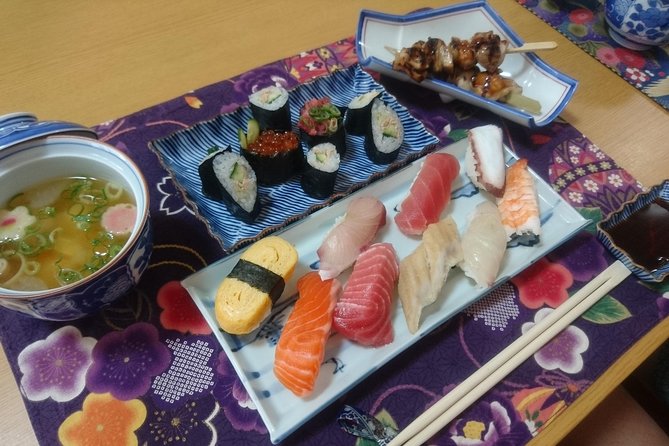
- Make a full Japanese meal: Prepare sushi, miso soup, tamagoyaki, and yakitori instead of focusing on one dish.
- Shape several sushi styles: The menu includes nine nigiri, two gunkan-maki, and one rolled sushi.
- Learn from Fumi: The instructor explains technique and adds cultural notes about ingredients such as bonito and umami.
- Eat what you prepare: The class ends with a proper sit-down meal and a seasonal dessert.
- Plan around the evening schedule: The meeting details list a 5:30 pm start and a total duration of about two and a half hours.
- Expect a personal lesson: The stated group limit is small, but confirm the final size because the supplied information gives two different maximums.
What this Osaka sushi class really teaches
Many sushi classes stop after a quick roll or two. This one is built more like a compact Japanese cooking course. You work through the meal from its basic elements, then put everything on the table at the end.
That matters because sushi is not just raw fish placed on rice. The rice needs seasoning and the right texture. The soup depends on dashi and miso. The omelet takes practice with a rectangular pan. Even yakitori involves seasoning, skewering, and cooking the chicken properly.
You will not leave as a sushi chef after two and a half hours, but you can leave with useful skills. One participant was able to recreate the meal at home afterward, which is a good sign for anyone who wants more than a one-night activity.
The class is also a good way to understand how several familiar Japanese foods fit together. Sushi gets the attention, but the dashi, tamagoyaki, and yakitori give the lesson more range and make the final meal feel complete.
More sushi making classes in Osaka:
- Sushi Making Osaka Roll and Authentic Japanese Sushi Class
★ 5.0 · 1,220 reviews - Osaka Sushi Making Experience
★ 5.0 · 400 reviews - Osaka: Roll and Authentic Sushi Making Class in Dotonbori
★ 4.9 · 239 reviews
Starting with sushi rice and an apron
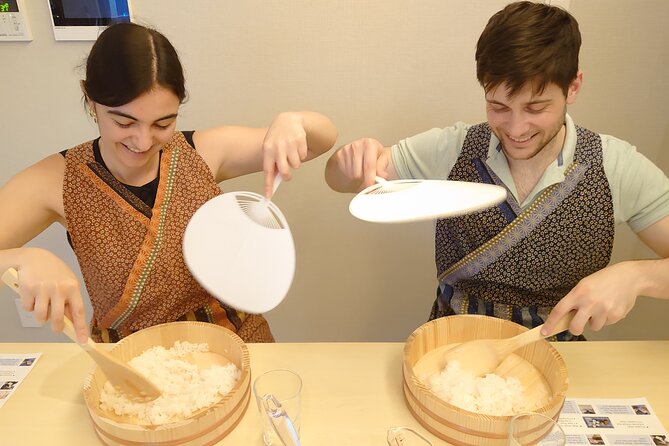
The session begins with an apron and your own wooden tub and paddle. Each person makes sushi rice separately, rather than watching one large batch being prepared for the whole group.
This is a smart way to start. Rice is the foundation of the meal, and handling it yourself gives you a better feel for the seasoning and texture. You also have a chance to ask questions before the more delicate shaping begins.
The wooden tub and paddle make the activity feel traditional without turning it into a museum demonstration. You are using the tools as part of the work. For a first sushi lesson, this hands-on start is more useful than a long lecture.
The pace is likely to be active from the beginning. You are not only eating ingredients laid out for you. You are measuring, mixing, shaping, and preparing food at each stage.
Tamagoyaki teaches patience
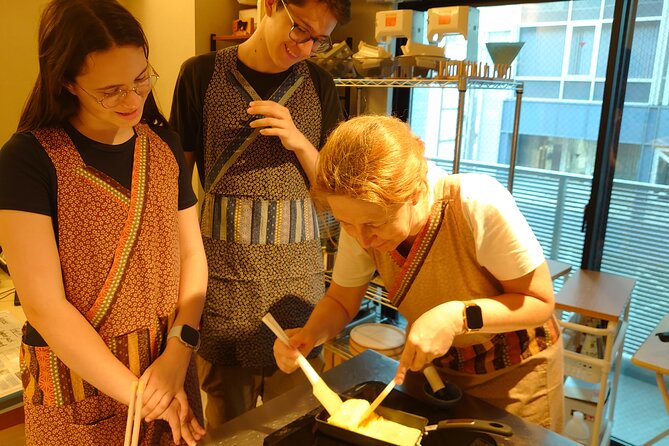
Next comes the rolled egg for egg sushi, known as tamagoyaki. You use a small rectangular frying pan, which helps create the familiar layered shape.
This is one of the more interesting parts of the class because the pan is different from the round skillet found in many home kitchens. Making the omelet layer by layer calls for attention and a steady hand. It also shows you why restaurant-style tamagoyaki can look so neat.
The egg becomes part of the sushi meal, but the lesson is useful beyond this class. You get to see how a simple ingredient becomes a carefully shaped Japanese dish through repeated folding and rolling.
Do not expect your first omelet to look perfect. That is part of the value. Fumi’s teaching style is described as patient and encouraging, and the class is designed to help you succeed rather than simply demonstrate a finished product.
Dashi and miso soup from the base up
The soup portion begins with traditional Japanese dashi. You then use it to make tofu miso soup with vegetables cut into decorative shapes.
This step adds real cooking context. Dashi is a basic building block in Japanese food, and the lesson introduces the savory taste often described as umami. The class also covers bonito, giving you a little background on ingredients that may otherwise seem mysterious when you encounter them on a menu.
The shaped vegetables add a playful touch, especially for families. They also make the finished bowl look more special without requiring a complicated recipe.
I like that the soup is made from scratch rather than treated as a side dish from a packet. It gives you a better sense of how the meal is assembled. If you enjoy Japanese food but have never made miso soup at home, this may be the most useful part of the evening.
More cooking classes in Osaka:
- Matcha Making Class in Osaka with Authentic Japanese Sweets Set
★ 5.0 · 509 reviews - Osaka: Ramen and Gyoza Cooking Class in Dotonbori
★ 5.0 · 378 reviews - Osaka: Traditional Mochi Pounding Experience with Tasting
★ 4.9 · 306 reviews - Osaka Cooking Class: Okonomiyaki &Japanese cuisines experience
★ 5.0 · 261 reviews
Three sushi styles, not just one roll
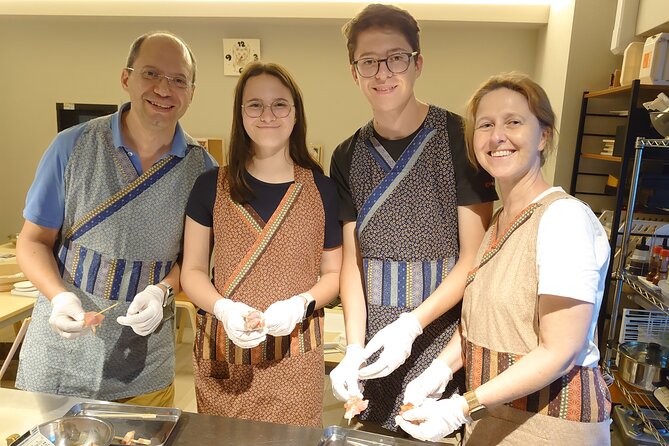
The central section covers three kinds of sushi:
- Nine pieces of nigiri sushi
- Two gunkan-maki
- One rolled sushi
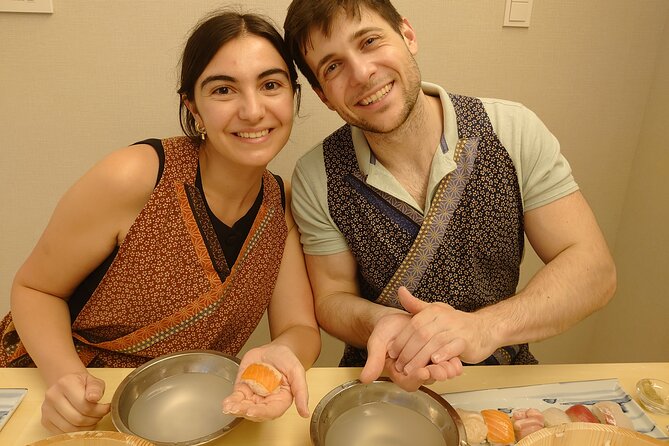
Nigiri gives you practice shaping rice and placing the topping neatly. Gunkan-maki has a different form, with seaweed wrapped around the rice to hold its filling. The rolled sushi brings another skill, since you need to spread and roll the ingredients evenly.
The quantity is generous for a lesson. You are making enough to understand repetition, not just forming one sample and moving on. That repetition is important because sushi shaping can feel awkward at first. By the ninth piece, you should have a better sense of pressure and proportion.
The ingredients are included, so you do not need to shop or bring supplies. You may also get useful pointers about working with your hands, seasoning the rice, and presenting the pieces. The class focuses on practical technique rather than turning the evening into a formal culinary exam.
A small group helps here. Fumi can watch how you shape the rice and correct small problems before they become habits. The published details conflict slightly on the maximum, with one place saying 14 and the additional information saying eight. Either way, confirm the expected size when booking if close instruction is important to you.
Yakitori adds heat and variety
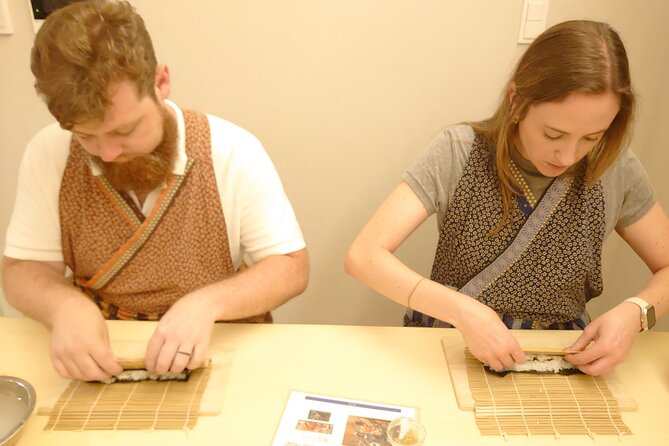
The class also includes chicken yakitori. You season or marinate the chicken, place it on skewers, and cook it as part of the meal.
This is a welcome change from the careful, cool work of sushi. You get to prepare something hearty and familiar, while learning how a common Japanese street and izakaya food is put together.
The menu description uses chicken yakitori, while one individual account referred to chicken satay and another to teppanyaki chicken. The consistent point is chicken prepared on skewers or a hot cooking surface. If the exact seasoning or cooking method matters to you, ask the instructor at the start.
Adding yakitori also makes the final meal more filling. Several dishes together turn the class into dinner rather than a tasting session.
Sit down for the meal you made
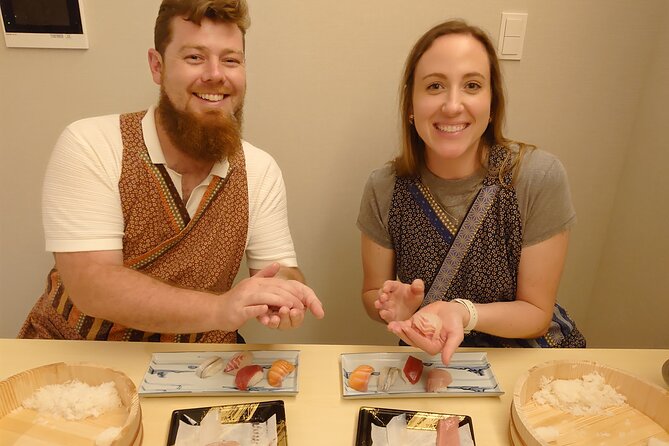
At the end, you arrange the food with chopsticks and say itadakimasu before eating. This closing moment gives the class a natural shape: prepare, cook, plate, and share the meal.
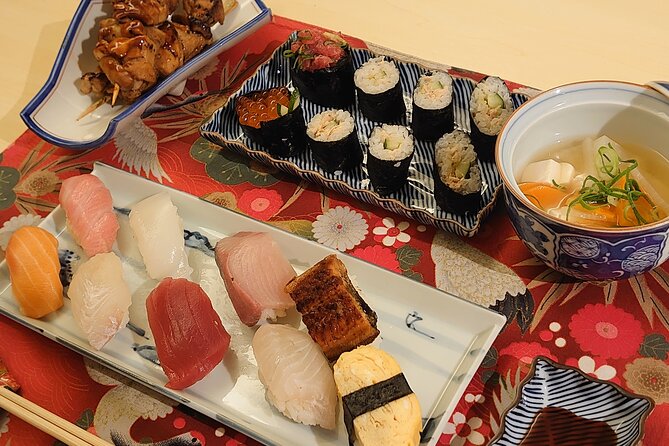
The finished spread includes your sushi, miso soup, and chicken, along with the other items prepared during the lesson. A seasonal dessert is included afterward, and some participants have enjoyed the sweets enough to take them along for later.
This is where the class earns much of its appeal. You get the satisfaction of seeing all the separate tasks come together. The meal is also likely to be substantial, especially with nine nigiri, gunkan-maki, a roll, soup, chicken, and dessert.
The food is not merely a reward at the end. Eating it helps you judge your own technique. You can see how the rice holds together, how the flavors work with the soup, and how presentation changes the experience.
Fumi’s teaching style and the class atmosphere
Fumi is the main name associated with this course, and the available details also refer to an assistant. The strongest praise centers on her patience, humor, careful attention, and ability to involve everyone.
That is useful if you are nervous about joining alone. One solo participant found the setting comfortable and personal, even ending up as the only person in the class. A private-feeling lesson may be possible if attendance is light, but it should not be treated as guaranteed.
Families with teenagers also fit the format well. The work is varied enough to keep younger cooks involved, and everyone has a job at the table. Children must be accompanied by an adult.
The teaching includes some cultural background, not just instructions. You may learn why dashi matters, what umami means, and how dishes such as miso soup and yakitori fit into Japanese cooking. That extra context makes the recipes easier to remember.
One fair weakness is the written recipe material. It has been described as somewhat light, with some steps not fully explained. If you want to reproduce the meal at home, take notes during the class and ask questions while each dish is being made.
Timing, meeting point, and group size
The meeting point is Banix in Kitahorie, Osaka, at 3-chome 62 Shisutemagallery, postal code 550-0014. The activity ends at the same location.
The booking information lists the class near public transportation, which is helpful for an evening plan. The specific meeting details give a 5:30 pm start and an approximate duration of two hours and 30 minutes. The wider description refers to a choice of lunch or dinner time, so confirm your selected session before making dinner or train plans.
A 5:30 pm start works well if you want a meal after sightseeing without ending too late. Allow extra time to find the exact entrance in Kitahorie, especially since the address includes a building name that may not be obvious from the street.
The experience is offered by Sakura Cook and uses a mobile ticket. Confirmation is sent within 48 hours of booking, subject to availability.
Is $99.08 a fair price?
At about $99.08 per person, this is not a cheap meal. It is also not priced like a simple demonstration. The fee covers instruction, all ingredients, the cooking activity, the meal you prepare, and seasonal sweets.
I see the value in the menu. You are learning several techniques in one sitting and eating a full meal afterward. A sushi-only class at a lower price might be better for someone who wants a quick introduction, but this course gives you more dishes and more chances to practice.
The value also depends on your interest in cooking. If you only want to eat excellent sushi, a restaurant will be simpler. If you want to understand how sushi rice, dashi, tamagoyaki, soup, and yakitori are made, the class gives you an evening of instruction and dinner in one.
The most important practical question is group size. The experience is described as a small group, with a maximum of 14 in one section and eight in another. Ask for the expected number if that detail affects your decision.
Who should book this experience?
I would choose this class for a first visit to Osaka when you want an activity that teaches something and feeds you well. It suits couples, families with older children, solo participants, and anyone who likes to work with their hands.
It is especially good for you if:
- You want to make several types of sushi, not only a simple roll.
- You are curious about dashi, miso soup, and umami.
- You prefer a guided lesson to a restaurant meal.
- You want recipes and skills you can try at home.
- You enjoy a relaxed evening activity with a finished meal.
It may not suit you if you dislike seafood or raw ingredients, though the menu also includes cooked egg, soup, vegetables, tofu, and chicken. State dietary requirements when booking so the provider can advise you.
The class is also less suitable if your Osaka schedule is uncertain. The cancellation rule allows a full refund when you cancel at least 24 hours before the start time, but changes or cancellations inside that window are not accepted.
Should you book the Sakura Cook sushi class?
Book it if you want more than a photo of a sushi plate. You will prepare the rice, shape several sushi styles, make soup from dashi, cook tamagoyaki, skewer chicken, and sit down to a meal built by your own hands.
The strongest reason to choose it is the teaching. Fumi and her assistant appear to make the lesson personal, patient, and easy to follow, even for solo participants. The full menu also gives the $99.08 price a reasonable basis.
Before paying, confirm the class time, the final group size, and how dietary needs can be handled. If those details work for you, this is a practical and enjoyable way to spend an evening in Osaka, with skills that can follow you home.
FAQ
Where does the sushi cooking class meet?
It meets at Banix in Kitahorie, Osaka, at 3-chōme 62 Shisutemagallery, postal code 550-0014.
Where does the activity end?
The class ends back at the meeting point.
What time does the class start?
The specific meeting details list a 5:30 pm start time. The broader description refers to lunch or dinner options, so confirm your selected session when booking.
How long does the class last?
The class lasts approximately two hours and 30 minutes.
How much does the experience cost?
The listed price is $99.08 per person.
What sushi will I make?
You will make nine nigiri sushi, two gunkan-maki, and one rolled sushi.
Does the class include other Japanese dishes?
Yes. You also make sushi rice, tamagoyaki, dashi, tofu miso soup with shaped vegetables, and chicken yakitori.
Are ingredients included?
Yes. All ingredients for the activity are included, along with seasonal sweets served afterward.
How many people can join the class?
The additional booking information gives a maximum of eight participants. Another description states a maximum of 14, so confirm the final group size when booking.
Can I cancel for a full refund?
Yes, if you cancel at least 24 hours before the experience start time. Cancellations or changes made less than 24 hours before the start are not accepted for a refund.
Is the class suitable for children?
Children may join, but they must be accompanied by an adult.
Can I tell the provider about dietary requirements?
Yes. You should advise Sakura Cook of any specific dietary requirements when booking.
More Workshops in Osaka
- Ramen and Gyoza Cooking Class in Osaka
★ 5.0 · 202 reviews - Osaka: Sushi Class in Dotonbori
★ 4.9 · 160 reviews - Three Types of Ramen Cooking Class in Osaka
★ 5.0 · 119 reviews - Osaka: Cooking Class Ramen & Gyoza Course in Nanba
★ 4.9 · 86 reviews
Just added in Osaka
- Urban Canvas: Osaka Street Art Bike Tour★ 5.0 · 10 reviews
- Anime Cosplay Photshoot-50 Digital Photos Provided★ 5.0 · 8 reviews
- TeamLab Botanical Garden Osaka Ticket★ 3.5 · 6 reviews
- Cherry Blossom Buddha and Mt.Yoshino with Strawberry Picking Tour★ 4.5 · 5 reviews
- Umeda Sky Building & Kuchu Teien Observatory Ticket in Osaka★ 4.5 · 3 reviews
- Immerse in Judo Martial Arts Class from Japan★ 5.0 · 4 reviews
- Traditional Home cooking Experience in Osaka, Japan★ 5.0 · 14 reviews
- Traditional Calligraphy Experience near Dotonbori★ 5.0 · 3 reviews
Osaka Cooking Classes, compared.

Matcha Making Class in Osaka with Authentic Japanese Sweets Set
Read our review →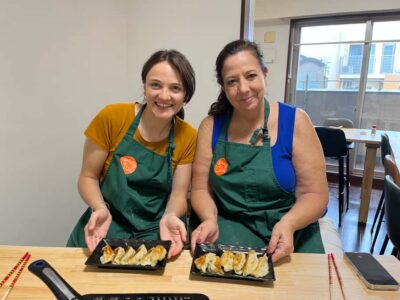
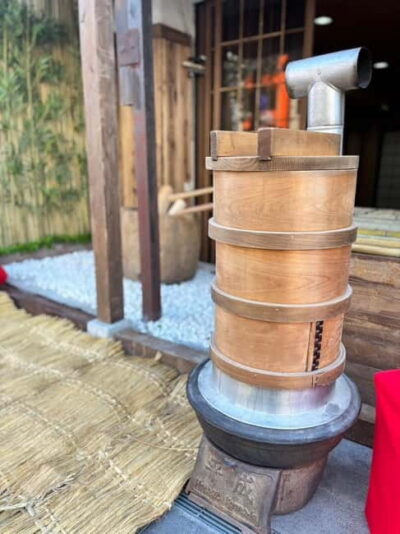
Traditional Mochi Pounding Experience with Tasting
Read our review →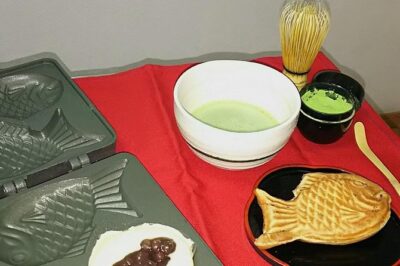
Osaka Cooking Class: Okonomiyaki &Japanese cuisines experience
Read our review →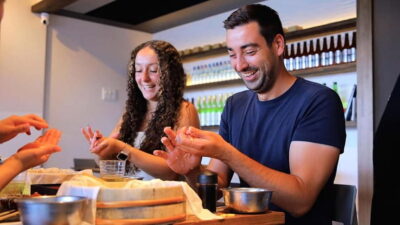
Roll and Authentic Sushi Making Class in Dotonbori
Read our review →
Osaka Sake Tasting & Takoyaki Cooking Experience
Read our review →Browse the lists this tour appears in