
Reviewed · OSAKA COOKING CLASSES
【Private】Sushi Making Osaka! Omakase Cooking Class in Japan!
Osaka’s sushi class puts the fun part first: you learn to shape nigiri and maki sushi, then eat what you make. The 90-minute session also explains how sushi developed, so you get more than a quick kitchen demonstration.
I like the private format for up to 10 people and the clear English instruction. I also like the choice of standard, gluten-free, vegan, vegetarian, halal, or allergy-friendly menus, though you must request changes when booking. The main drawback is the price: $848.74 per group is good value for a full group, but steep for one or two people.
Key points at a glance
- Two classic sushi styles: Learn hand-shaped nigiri and rolled maki sushi in one short class.
- A practical 90-minute plan: The first half covers sushi history and making, while the second half is for eating your creations.
- Private group pricing: The booking covers up to 10 people, making the cost easier to justify for families or friends.
- English-speaking instruction: Staff including Momoka, Momo, and Hiro have led lively, patient sessions.
- Menu changes require advance notice: Standard, gluten-free, vegan, vegetarian, halal, and some allergy-friendly options are available.
- Central Osaka setting: The class takes place at 1-chome-16-20 Higashinsaibashi, with sightseeing options nearby after class.
Making nigiri and maki in Osaka
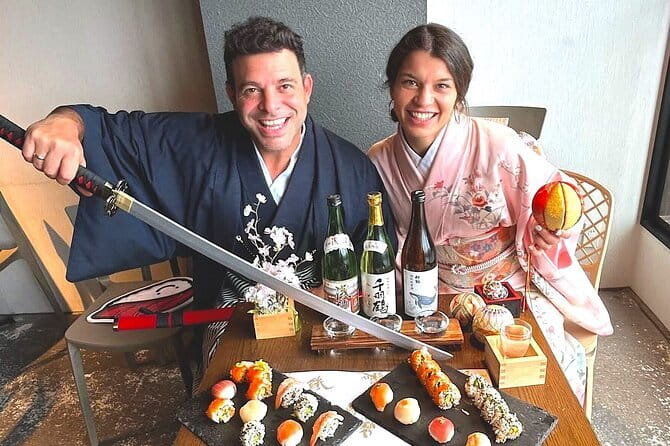
Sushi can look simple on the plate. The rice, fish, and seaweed appear neatly arranged, but small details matter. How much rice you use, how firmly you shape it, and how tightly you roll the seaweed all affect the result.
This class lets you try two forms instead of focusing on just one. Nigiri is the familiar piece of rice topped with an ingredient. It is one of Japan’s most recognized sushi styles and is described here as the original form of sushi. Maki is rolled sushi, with ingredients enclosed by rice and seaweed.
That contrast makes the lesson useful. Nigiri teaches control and touch. Maki gives you a more forgiving way to assemble sushi and produces a satisfying finished roll. You can compare the techniques as you work, rather than simply watching an instructor prepare lunch.
I would not book this expecting professional chef training. In 90 minutes, you get an introduction, guided practice, and a meal. That is enough for a memorable Osaka activity, but not enough to cover knife skills, fish preparation, rice science, or the full range of Japanese sushi traditions.
More sushi making classes in Osaka:
- Sushi Making Osaka Roll and Authentic Japanese Sushi Class
★ 5.0 · 1,220 reviews - Osaka Sushi Making Experience
★ 5.0 · 400 reviews - Osaka: Roll and Authentic Sushi Making Class in Dotonbori
★ 4.9 · 239 reviews
What happens during the 90-minute class
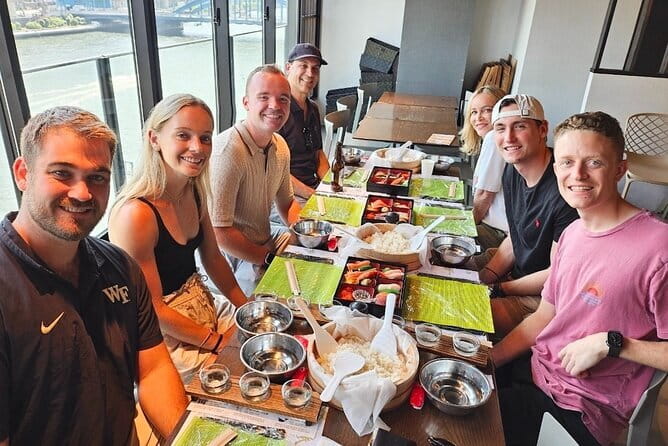
The class follows a straightforward schedule. The first half introduces sushi history and gives you time to practice making it. The second half is set aside for eating what you have prepared.
That order is sensible. You learn the basic idea before handling the ingredients, then get to work while the instructions are fresh. You can make as many pieces as you like within the class format, according to the supplied description. The food you prepare becomes the meal, so the activity does not end with a demonstration and a small sample.
The history section adds useful context. Sushi is not just a popular Japanese dish exported around the world. It is also a recognizable part of Japanese food culture. Learning how nigiri and maki fit into that tradition gives the hands-on portion more meaning.
The exact ingredients and piece count are not specified, so I would avoid booking this with a fixed expectation about the menu. The important promise is the technique: you learn two sushi styles, make your own pieces, and eat them during the class.
Nigiri first, then the roll
Nigiri is likely to be the more delicate part of the class. You shape rice into a compact form and pair it with a topping. The goal is not simply to squeeze rice into a lump. You need enough pressure to hold it together without making it dense.
For a first-time cook, this is a good lesson in restraint. Sushi rice should remain pleasant to eat, not become a hard block. An English-speaking instructor can correct your hand position and show you how much rice to use.
Maki sushi offers a different challenge. You place ingredients with the rice, then roll the seaweed into a cylinder. The finished result can look impressive even when your first roll is not perfectly tight.
I like that the class includes both styles. If you are nervous about your first attempt, maki gives you a practical way to keep going. If you want a more classic sushi skill, nigiri asks for closer attention to shape and balance.
The class is designed for beginners rather than people who already make sushi at home. The staff are described as patient, enthusiastic, and clear in English. Past sessions have included instruction from Momoka, Momo, and Hiro, with Momoka specifically praised for a funny, patient approach and strong presentation.
The instructors make the difference
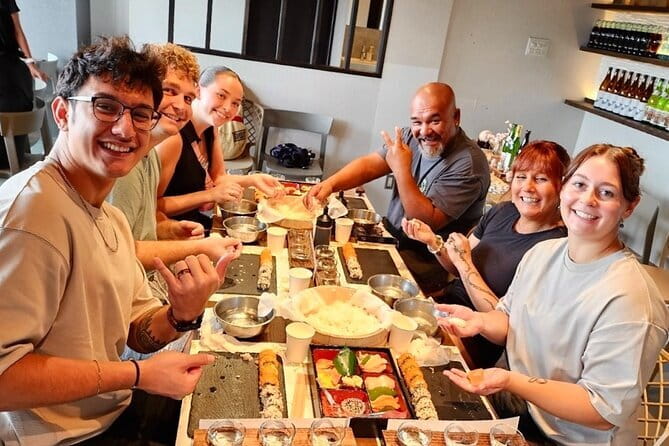
A cooking class rises or falls on the instructor. Sushi can be taught in a stiff, technical way, or it can be made approachable. Here, the staff aim for a social and entertaining class while still explaining the food.
English is an important practical advantage. You are not left to copy hand movements without understanding what you are doing. The instructors present the history and techniques in clear English, which helps you ask questions and avoid simple mistakes.
Momoka has been described as funny and patient. Momo and Hiro have also hosted sessions with enthusiasm and helpful guidance. Those details matter because beginners often need encouragement more than a long lecture.
The class’s stated aim is to share Japanese culture through food. That does not make the session a formal cultural seminar, but it gives the lesson a useful focus. You learn why sushi matters in Japan while working with the food yourself.
I would still keep expectations realistic. Instructor availability can change, and the supplied details do not promise that a particular person will lead your session. If meeting a named instructor matters to you, ask before booking rather than assuming.
More cooking classes in Osaka:
- Matcha Making Class in Osaka with Authentic Japanese Sweets Set
★ 5.0 · 509 reviews - Osaka: Ramen and Gyoza Cooking Class in Dotonbori
★ 5.0 · 378 reviews - Osaka: Traditional Mochi Pounding Experience with Tasting
★ 4.9 · 306 reviews - Osaka Cooking Class: Okonomiyaki &Japanese cuisines experience
★ 5.0 · 261 reviews
A private activity with an unusually high group price
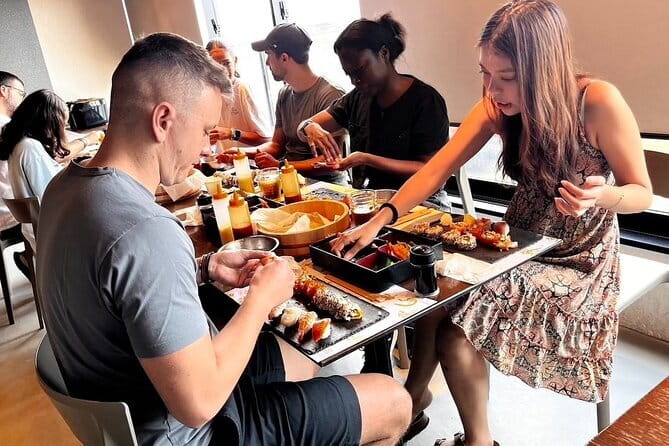
The cost is $848.74 per group, with up to 10 people included. That changes the value calculation completely.
For a group of 10, the price works out to about $84.87 per person. For five people, it is about $169.75 each. For two people, it is about $424.37 each. A family, wedding party, or group of friends can make sensible use of the flat rate. A couple may find it difficult to justify for a 90-minute class.
The private format gives you control over the group. Only your party participates, according to the activity details. You do not need to worry about strangers moving at a different pace or a child becoming shy in front of a large class.
There is one point to clarify before you book. Some session descriptions and comments refer to meeting other people, while the current activity details describe a private booking. I would treat the private format as the controlling expectation and confirm directly if the social element matters to you.
The cost includes the cooking ingredients and the meal, as well as the English-speaking instructor. Hotel pickup and drop-off are not included. You will need to reach the meeting point yourself.
Choosing the right menu
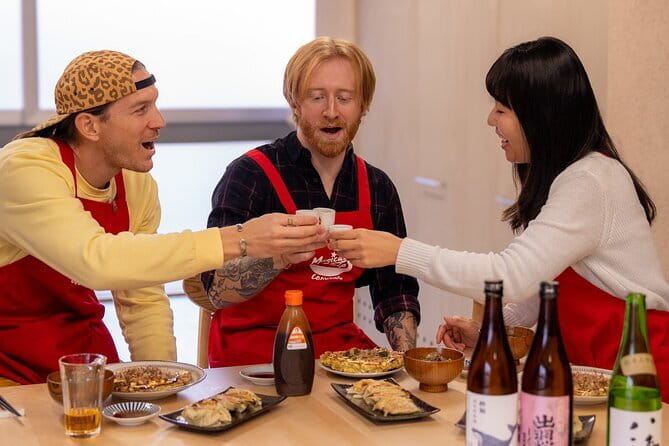
The standard menu is available, and the class also offers gluten-free, vegan, vegetarian, halal, and certain allergy-friendly choices. This is useful for a mixed group, especially when one person cannot eat the standard menu.
You must request a menu change when making the reservation. The staff cannot respond to changes made on the day, and they do not accept specific ingredient requests beyond the stated menu categories.
The allergy option comes with important limits. The stated exclusions for that option include meat, nuts, fruits, and dairy. The information does not promise a fully allergen-free kitchen or explain cross-contact procedures. If you have a serious allergy, confirm the details before paying.
I would also avoid assuming that every menu includes the same ingredients or appearance. A vegan or vegetarian sushi lesson will use different fillings from the standard class. That is not a weakness, but it is worth knowing if your group wants to compare identical plates.
Higashinsaibashi gives you an easy Osaka follow-up
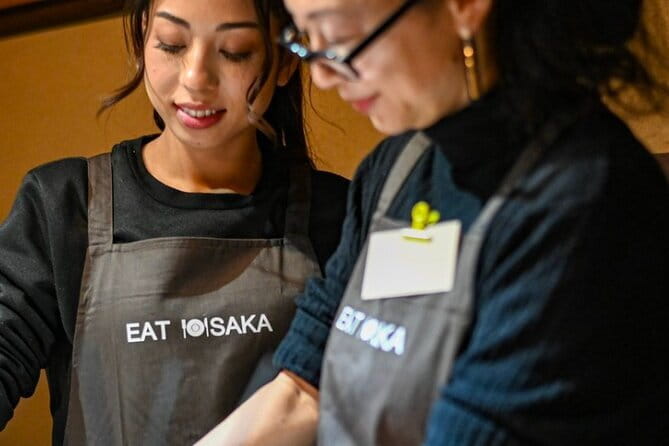
The meeting point is 1-chome-16-20 Higashinsaibashi, in Chuo Ward, Osaka. The class is near public transportation and sits in a central part of the city.
That location helps you build the activity into a sightseeing day. You can attend the class, eat your prepared sushi, and then continue to historic sites or other central Osaka sights. Since the activity lasts about an hour and a half, it does not take over the day.
The class ends where it begins. There is no hotel transfer, so plan enough time to reach the address and find the meeting point. A mobile ticket is provided, which keeps the booking simple once you are on the move.
The provider name includes Tokyo, even though this activity takes place in Osaka. That is worth checking when you confirm the reservation. Make sure your booking shows the Osaka address and not a similarly named class in another city.
Who will enjoy this class most
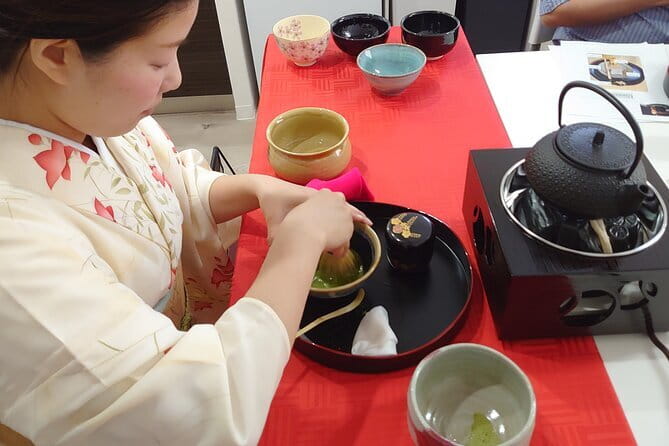
I would recommend this for first-time sushi makers who want a food activity with a clear result. You do not need prior cooking experience, and the class combines a short cultural explanation with hands-on work.
Families may find the format especially useful. The private booking allows children and adults to participate together without worrying about keeping pace with an unrelated group. The food is also the main reward at the end, which gives the activity a natural finish.
It suits couples and small groups too, but the flat price is harder to defend unless you value privacy highly or can share the cost with several people. Solo visitors should look carefully at the group pricing before booking.
This is also a good fit for people who want a break from museums and temples. You still learn about Japanese culture, but you do so with your hands busy and a meal ahead of you.
You may want a different activity if you are looking for a long chef-led course, a market visit, a sake pairing, or detailed instruction on buying and preparing raw fish. None of those features is promised here.
Practical booking advice
The activity averages booking about 36 days in advance. That is a useful signal for planning, especially if your Osaka dates are fixed. I would reserve early for a private group, then pay close attention to the meeting address and menu selection.
Free cancellation is available if you cancel at least 24 hours before the local start time. Changes made inside that 24-hour window are not accepted, and the payment is not refunded for a late cancellation.
The activity requires a minimum number of participants. If the provider cancels because that minimum is not met, you will be offered another date or activity, or receive a full refund.
Service animals are allowed, and the meeting point is near public transportation. The supplied details do not explain the room layout or general accessibility, so ask ahead if you need specific facilities.
Is the sushi class worth booking?
I would book this class for a group that wants a private, cheerful introduction to Japanese food culture. The strongest reasons are the two sushi styles, clear English instruction, flexible menu categories, and the chance to eat what you make.
The price is the deciding factor. A full group of 10 gets fairer value from the flat rate. A small group should compare the cost with other Osaka cooking classes before committing.
Book it if you want a short, social activity with a meal and a little sushi history. Skip it if you need advanced culinary training or if the per-person cost for your group feels high. Also confirm the Osaka address, instructor availability, and dietary needs before your cancellation window closes.
FAQ
Where does the sushi class take place?
The meeting point is Sushi Making Osaka at 1-chome-16-20 Higashinsaibashi, Chuo Ward, Osaka, 542-0083, Japan.
How long does the activity last?
The class lasts approximately 90 minutes.
What types of sushi will I learn to make?
You will learn to make nigiri sushi and maki sushi, also called roll sushi.
Is the class private?
Yes. It is a private activity, and only your group participates. The price covers a group of up to 10 people.
Is the instruction available in English?
Yes. An English-speaking instructor leads the class.
Can I request a special menu?
Yes. Standard, gluten-free, vegan, vegetarian, halal, and some allergy-friendly menus are available. You must request a menu change when booking, since same-day changes are not accepted.
Can I cancel for a full refund?
Yes, if you cancel at least 24 hours before the experience start time. Cancellations made less than 24 hours in advance are not refunded.
More Workshops in Osaka
- Ramen and Gyoza Cooking Class in Osaka
★ 5.0 · 202 reviews - Osaka: Sushi Class in Dotonbori
★ 4.9 · 160 reviews - Three Types of Ramen Cooking Class in Osaka
★ 5.0 · 119 reviews - Osaka: Cooking Class Ramen & Gyoza Course in Nanba
★ 4.9 · 86 reviews
Just added in Osaka
- Urban Canvas: Osaka Street Art Bike Tour★ 5.0 · 10 reviews
- Anime Cosplay Photshoot-50 Digital Photos Provided★ 5.0 · 8 reviews
- TeamLab Botanical Garden Osaka Ticket★ 3.5 · 6 reviews
- Umeda Sky Building & Kuchu Teien Observatory Ticket in Osaka★ 4.5 · 3 reviews
- Immerse in Judo Martial Arts Class from Japan★ 5.0 · 4 reviews
- Cherry Blossom Buddha and Mt.Yoshino with Strawberry Picking Tour★ 4.5 · 5 reviews
- Traditional Home cooking Experience in Osaka, Japan★ 5.0 · 14 reviews
- Traditional Calligraphy Experience near Dotonbori★ 5.0 · 3 reviews
Osaka Cooking Classes, compared.
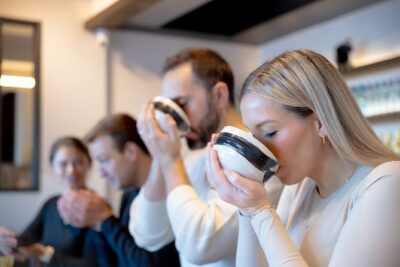
Matcha Making Class in Osaka with Authentic Japanese Sweets Set
Read our review →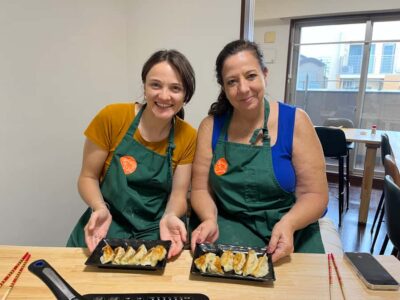
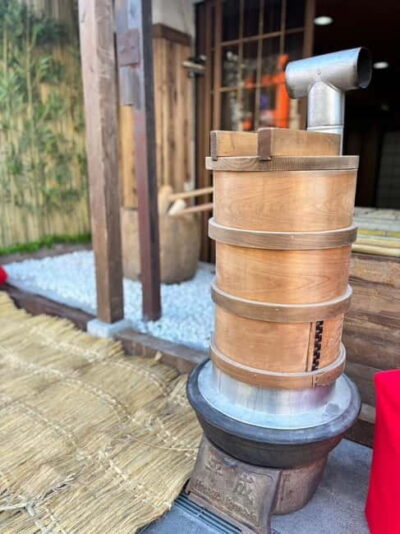
Traditional Mochi Pounding Experience with Tasting
Read our review →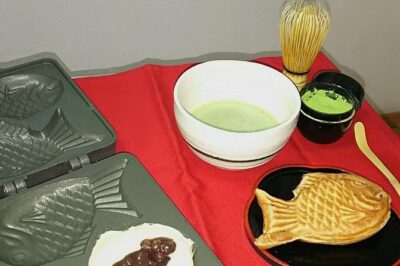
Osaka Cooking Class: Okonomiyaki &Japanese cuisines experience
Read our review →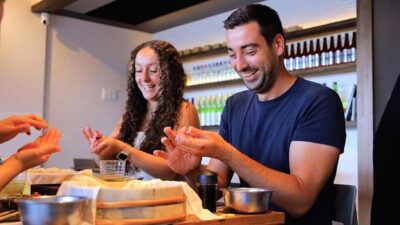
Roll and Authentic Sushi Making Class in Dotonbori
Read our review →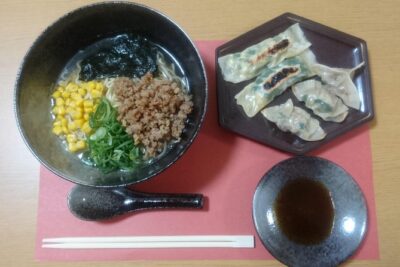
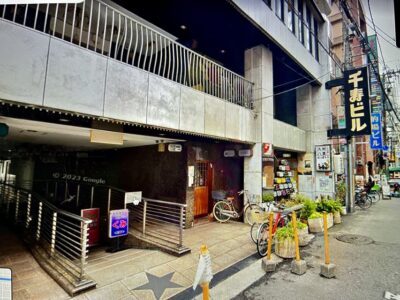
Osaka Sake Tasting & Takoyaki Cooking Experience
Read our review →Browse the lists this tour appears in