
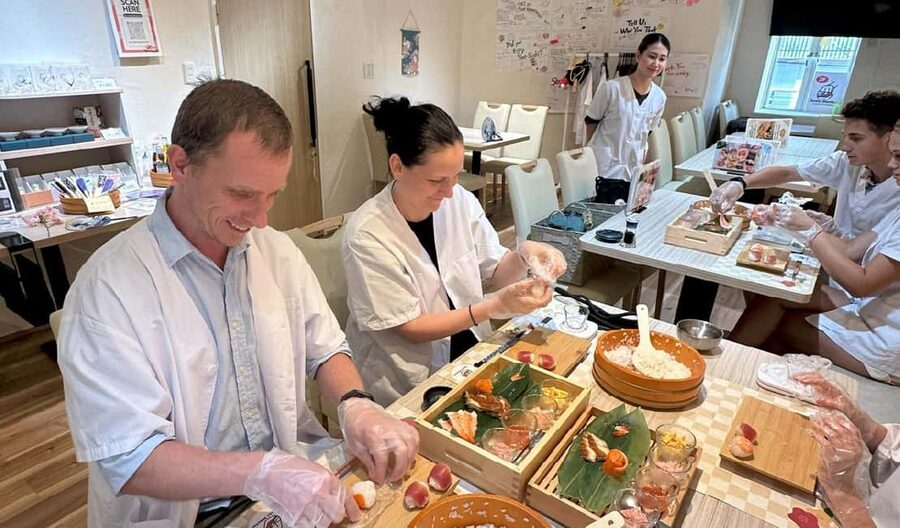
Reviewed · OSAKA SUSHI MAKING CLASSES
Osaka: Sushi Making in Spacious Studio (SAME-DAY OK!)
The best part of this Osaka activity is that you do not just watch a chef work. You prepare and shape your own sushi, then sit down and eat the results. Naho, Aki, Matsuri, Tsuki, and Seina are among the instructors praised for clear English, patience, and a friendly teaching style.
I like the personal guidance and the useful lesson on sushi rice, since rice is the heart of good sushi. I also like the practical extras: you receive a Sushi Master Certificate and a small Japanese souvenir. The main consideration is that this is a short introductory class, not professional chef training, and drinks cost extra.
Key points at a glance
- Three minutes from Namba Station: The central location makes this an easy addition to an Osaka sightseeing day.
- You make 8 or 10 pieces: The standard course includes 8 pieces, while the premium course includes 10.
- English instruction: The lesson is led in English or Japanese, with several instructors praised for patient explanations.
- Food is prepared for you to finish: Rice, fish, egg, and seaweed may already be prepared, so the class stays focused and manageable.
- Vegetarian substitutions are available: Send a message ahead of time so fish toppings can be replaced with vegetables.
- A certificate and gift are included: You leave with something more lasting than a full stomach.
Making sushi in a bright Namba studio
This class takes place in a spacious studio on the second floor of an orange-colored narrow building. The meeting point is only about three minutes from Namba Station, which matters in Osaka, where a short walk can save you from a long cross-town trip.
You need to search for Sushi Master Namba on Google Maps. The map may be slightly off, so look for the orange building and the second-floor classroom rather than relying on the pin alone. If you have trouble, call 0664848070.
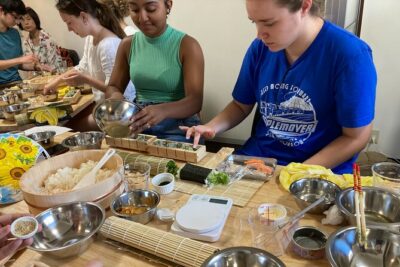
The setting is simple and practical. It is a classroom rather than a traditional sushi counter, so do not expect a formal restaurant performance or an intimate chef’s counter. That is also part of the appeal. You have room to work, ask questions, and make mistakes without feeling rushed.
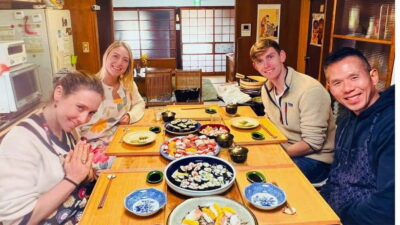
The class suits solo visitors, couples, families, and small groups. One solo participant found it easy to feel comfortable, while families appreciated the clear tutorials and approachable staff. The atmosphere seems designed to take the pressure out of a food activity.
More sushi making classes in Osaka:
- Sushi Making Osaka Roll and Authentic Japanese Sushi Class
★ 5.0 · 1,220 reviews - Osaka Sushi Making Experience
★ 5.0 · 400 reviews - Osaka: Roll and Authentic Sushi Making Class in Dotonbori
★ 4.9 · 239 reviews
A short introduction to Japanese food culture
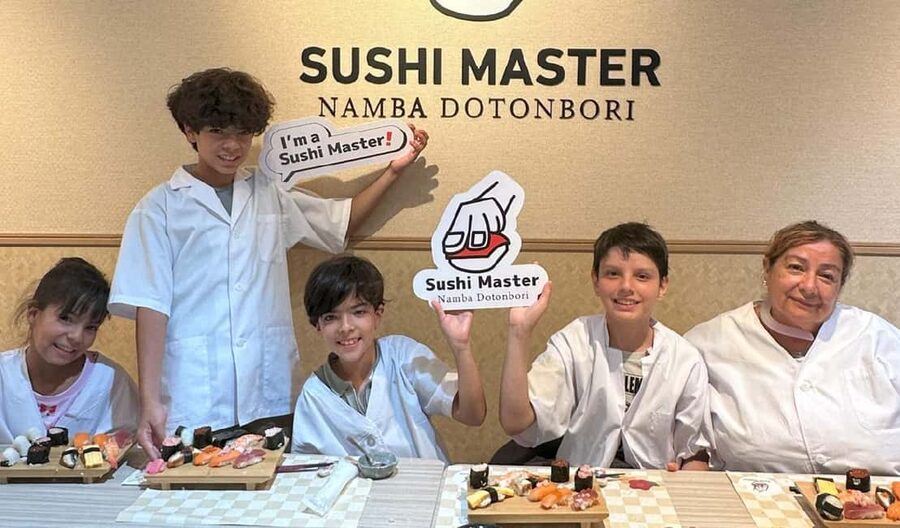
The class begins with a welcome and an introduction to Japanese food culture. You may also watch an informative video before moving on to the hands-on work.
This opening gives the activity useful context. Sushi is not just fish placed on rice, and the lesson helps explain why the rice, seasoning, toppings, and presentation all matter. You learn the basics rather than simply copying hand movements.
The instructors work in English and Japanese. English ability is one of the strongest points of this experience. Naho, Aki, Matsuri, Tsuki, and Seina are all specifically praised for explaining the process clearly and keeping the mood relaxed.
That makes a difference if you have never made sushi. The techniques can look simple, but rice sticks to your hands, seaweed can fold the wrong way, and too much filling can make a piece fall apart. A patient instructor turns those small problems into part of the fun.
Sushi rice is the real lesson
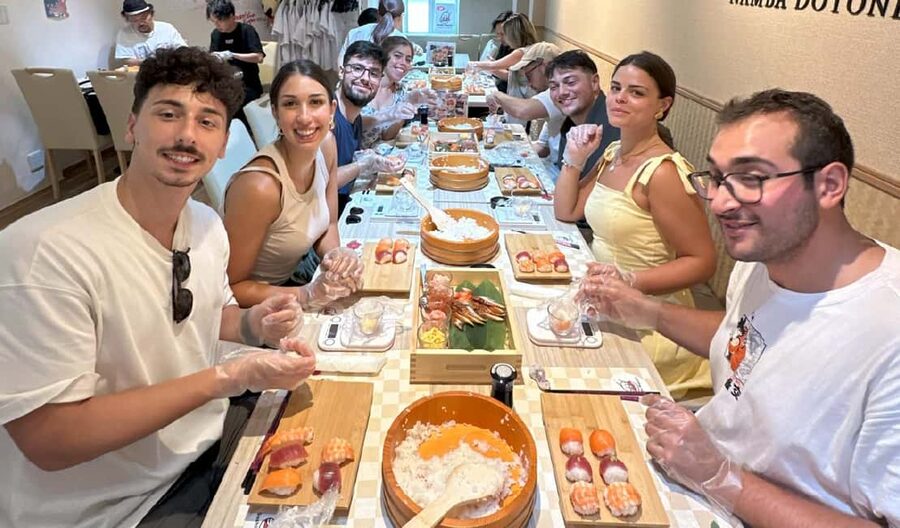
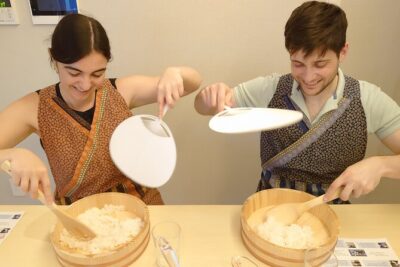
The class places useful attention on sushi rice. This is a smart choice because rice often determines whether homemade sushi feels like sushi or simply like a loose rice snack.
You learn how the rice should be handled before assembling the pieces. The available information does not give a full technical recipe, so you should not expect a detailed cooking lesson from uncooked rice onward. In practice, the rice is prepared in advance, allowing you to focus on cooling, handling, shaping, and combining it with the toppings.
That setup keeps the 90-minute schedule realistic. You get to learn the important hand skills without spending most of the class waiting for rice to cook.
You should still expect sticky fingers and a few imperfect pieces. That is normal. The instructor can show you how to form the rice and keep the toppings in place, but your first nigiri will probably look more homemade than restaurant-perfect. The class is about learning the method and enjoying the result, not producing identical pieces.
Nigiri, gunkan, rolls, and temari sushi
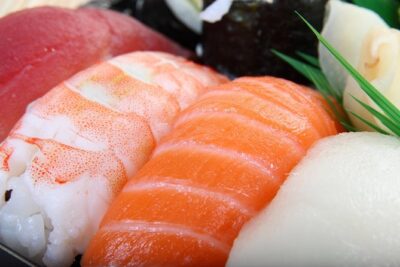
The exact selection can vary, but the class covers familiar beginner styles. You may make nigiri, gunkan, rolls, or temari sushi. Nigiri gives you the classic combination of rice and topping, while gunkan uses a seaweed wrapper to hold ingredients in place.
Temari sushi is especially appealing if you enjoy neat, round shapes and colorful presentation. It also offers a different way to think about sushi beyond the standard long roll.
The ingredients may already be portioned and prepared. One detailed account noted that the fish, egg, seaweed, and rice were ready for the participants to work with. That means you spend less time on kitchen preparation and more time assembling the food.
This is a benefit for families and first-timers. You can concentrate on technique instead of worrying about knives, raw ingredients, or a complicated kitchen setup. The tradeoff is that the class does not appear to cover every stage of sushi production.
The standard course provides 8 pieces, while the premium course provides 10. That is a useful amount for a light meal or a substantial snack, especially when paired with a drink. Several people found the portions satisfying, but you should not book this expecting a large Osaka dinner.
Same city, a completely different kind of afternoon:
- Osaka Go Karting Tour with Funny Costume
★ 5.0 · 2,658 reviews - Osaka Castle: Museum and Tower Entry Ticket
★ 4.5 · 2,380 reviews - Osaka: Shinsekai Food Tour with 13-15 Dishes at 5 Eateries
★ 4.8 · 2,204 reviews - Osaka Food Tour: 13 Dishes at 5 Local Eateries
★ 5.0 · 2,149 reviews
Eating what you made
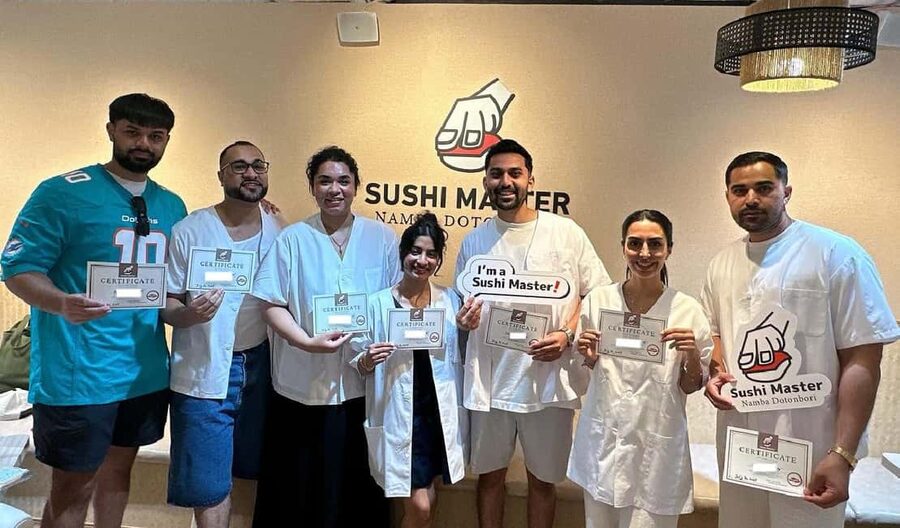
After the preparation, you eat your sushi in the studio. This is the moment that makes the class feel worthwhile. A piece that looks a little uneven can still taste excellent when you made it yourself.
The ingredient quality receives steady praise, and the food is described as fresh and delicious. Since the fish, egg, seaweed, and other ingredients are selected for the class, you are not shopping for supplies or guessing what works together.
Drinks are not included, but you can order soft drinks or alcohol during the class. Selected sake is available as part of the experience, according to the activity details, though the listing also makes clear that drinks cost extra. Check the current drink choices and prices if that matters to your budget.
You cannot bring outside food or drinks, and smoking is not allowed. Those rules are easy to follow, but they are worth knowing if you are planning the class around a packed food tour.
What makes the instructors important
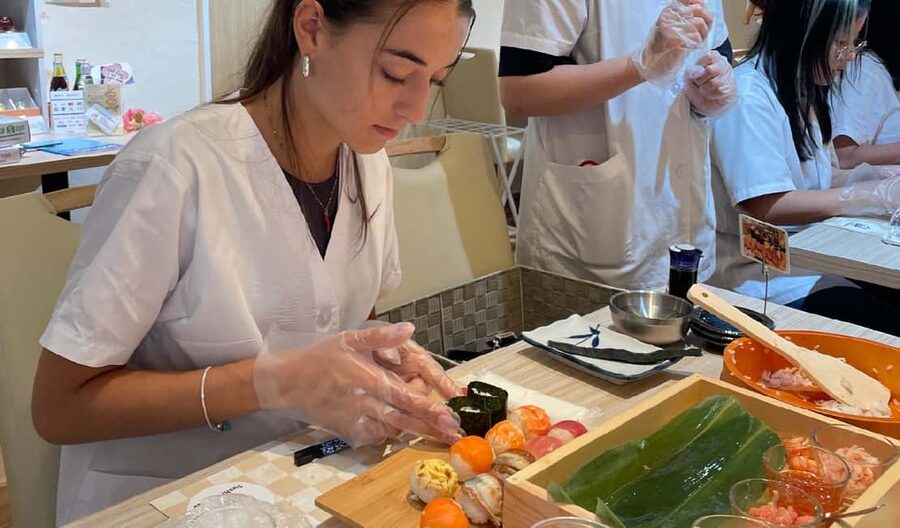
The instructor is the difference between a pleasant food workshop and a confusing one. This class gets strong marks for its teaching style, with repeated praise for kindness, patience, clear English, and personal attention.
Naho is frequently singled out for taking time to explain each part of the process and helping people have fun. Aki is described as easy to understand and well informed about sushi. Matsuri and Naho are also praised for their enthusiasm and clear explanations. Tsuki and Seina receive similar comments for friendliness and patience.
You can ask questions during the class rather than simply follow a silent demonstration. That makes the experience useful for curious food lovers who want to understand the basics, not just collect a few photographs.
The staff may also take photos for you during the activity. This is a thoughtful touch if you are traveling alone or do not want to interrupt the class to manage your phone. It is not the main reason to book, but it helps preserve the memory without making you responsible for documenting every step.
A certificate, souvenir, and a little ceremony
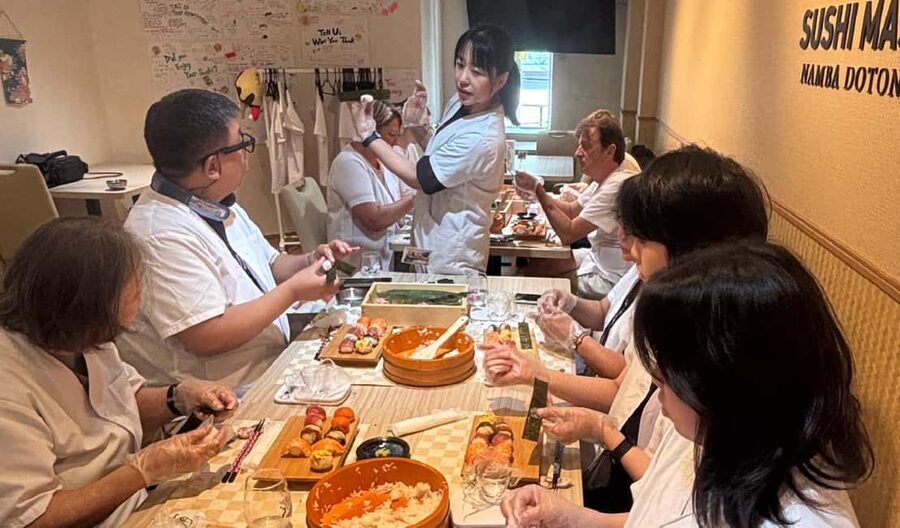
At the end, you receive a Sushi Master Certificate and a small Japanese souvenir. The certificate is playful rather than a professional qualification, but it gives the activity a satisfying finish.
The gift is described as cute and thoughtful. For families, children, and solo visitors, these small touches help the class feel like an event instead of a meal with instructions.
You also leave with a skill you can try at home. You will not be ready to run a sushi bar after 90 minutes, but you should understand the basic process of handling sushi rice and forming several common styles. That is a better souvenir than another generic photograph.
Is $25 good value?
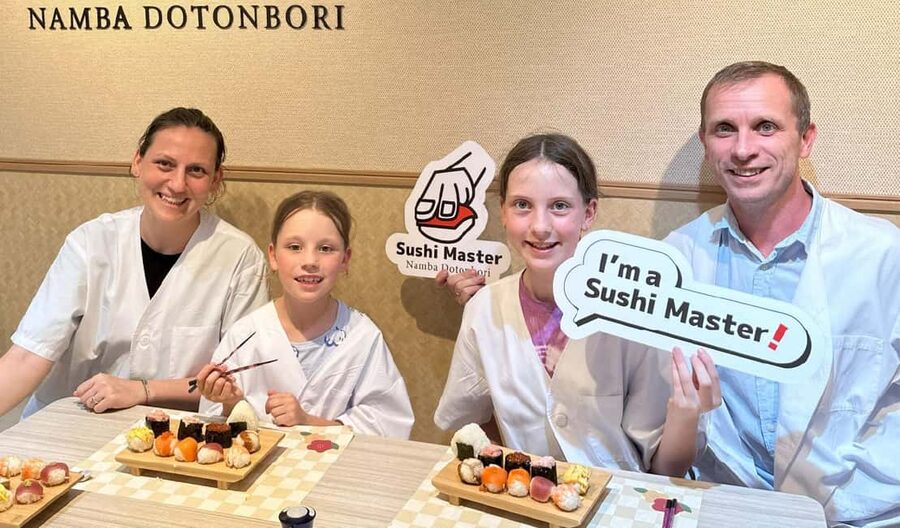
At $25 per person, this is a strong-value activity in central Osaka. The price covers the class, sushi ingredients, the sushi you make and eat, the certificate, and the small souvenir. You are also paying for an English-speaking instructor and a convenient Namba location.
The value is best if you want a hands-on activity rather than another restaurant meal. You receive instruction, food, and a cultural introduction in one short session. A standard 8-piece course is enough to make the experience feel substantial without taking half a day.
The price does not include drinks or hotel pickup and drop-off. Those exclusions are reasonable for a central class, but they can affect the final cost if you add sake or other beverages.
I would compare this with the price of a separate sushi meal in Namba. Here, you get to make the food and eat it, plus take home a certificate and gift. That combination makes the fee easy to justify for first-time visitors and families.
Who should book this class?
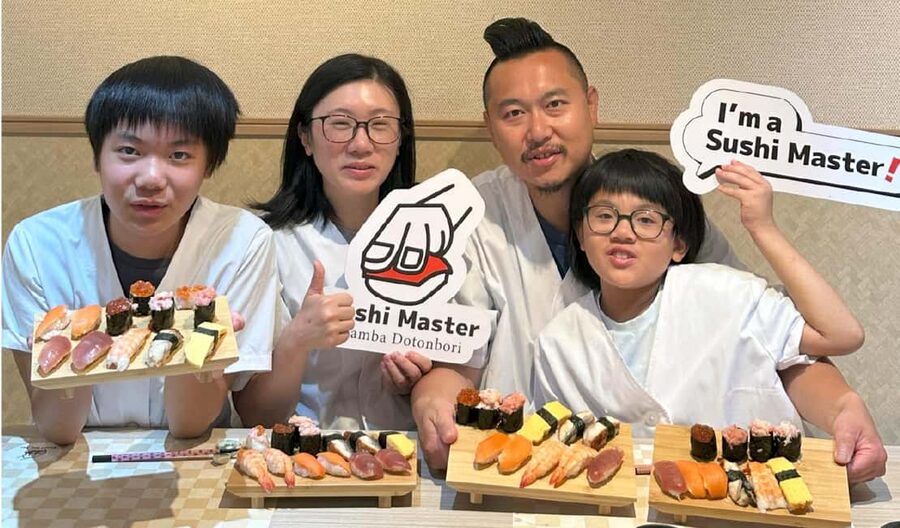
This is a good pick if you want a manageable introduction to Japanese food culture. You do not need prior cooking experience, and the instruction is designed for beginners.
Families should find the hands-on format engaging, especially if children enjoy making food. Couples can treat it as a light activity before dinner, while solo visitors can join without needing a companion to make the class worthwhile.
It also suits anyone who wants a break from temples, shopping, and crowded streets. The 90-minute length fits neatly into an Osaka itinerary, and the location near Namba makes it easy to combine with other plans.
Vegetarians can join, but you must contact the provider in advance. Fish toppings can be replaced with vegetable-based ingredients. If you have allergies, tell the provider ahead of time rather than waiting until you arrive.
This may not suit you if you want advanced sushi training, a full cooking lesson from raw ingredients, or a quiet luxury dining experience. It is an upbeat beginner class in a classroom, with prepared components and a focus on assembly.
Planning your visit
The activity offers same-day booking when space is available, and you can reserve now and pay later. Free cancellation is available up to 24 hours before the scheduled start for a full refund.
Starting times vary, so check availability for the day you want. Arrive with enough time to find the orange building, since the map pin may be slightly misaligned.
Wear something comfortable for a hands-on food class. The provided information does not specify a dress code, but you should expect to handle rice and ingredients directly. Do not bring outside food or drinks.
Because the class is close to Namba Station, it works well before or after shopping, sightseeing, or an evening meal. If you choose the premium 10-piece option and add a drink, it can function as a light lunch, but most people may still want a later meal.
Should you book Sushi Master Namba?
Book it if you want to make and eat sushi in English without giving up a full day. The location, modest price, friendly instruction, and included certificate make this one of the easier Osaka activities to fit into a busy schedule.
I especially recommend it for first-timers, families, solo visitors, and anyone who wants a food experience with a personal touch. Choose it with realistic expectations: you will learn the basics, use prepared ingredients, and make 8 or 10 pieces rather than train as a sushi chef.
If that sounds right, this is a practical and cheerful way to spend 90 minutes in Namba. You leave with food in your stomach, a few new skills, a certificate, and a small reminder of your time in Osaka.
FAQ
How long does the sushi-making class last?
The class lasts 90 minutes.
How many sushi pieces do I make?
The standard course includes 8 pieces, and the premium course includes 10 pieces.
Is the class taught in English?
Yes. Instruction is available in English and Japanese, and the English-speaking instructors guide you through the process.
Are vegetarian options available?
Yes. Fish toppings can be replaced with vegetable-based ingredients. You should contact the provider in advance if anyone in your group is vegetarian.
Are drinks included?
No. Soft drinks and alcohol can be ordered during the class, but they cost extra.
Where does the class meet?
The class is on the second floor of an orange-colored narrow building, about three minutes from Namba Station. Search for Sushi Master Namba on Google Maps, and call 0664848070 if you have trouble finding it.
Just added in Osaka
- Urban Canvas: Osaka Street Art Bike Tour★ 5.0 · 10 reviews
- Anime Cosplay Photshoot-50 Digital Photos Provided★ 5.0 · 8 reviews
- TeamLab Botanical Garden Osaka Ticket★ 3.5 · 6 reviews
- Umeda Sky Building & Kuchu Teien Observatory Ticket in Osaka★ 4.5 · 3 reviews
- Immerse in Judo Martial Arts Class from Japan★ 5.0 · 4 reviews
- Cherry Blossom Buddha and Mt.Yoshino with Strawberry Picking Tour★ 4.5 · 5 reviews
- Traditional Home cooking Experience in Osaka, Japan★ 5.0 · 14 reviews
- Traditional Calligraphy Experience near Dotonbori★ 5.0 · 3 reviews
Osaka Sushi Making Classes, compared.
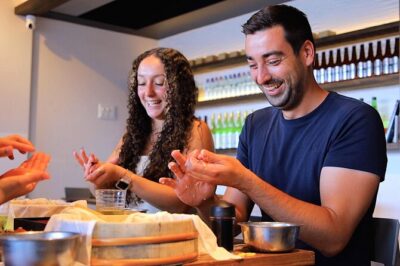
Sushi Making Osaka Roll and Authentic Japanese Sushi Class
Read our review →
Roll and Authentic Sushi Making Class in Dotonbori
Read our review →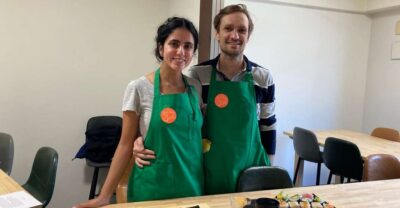
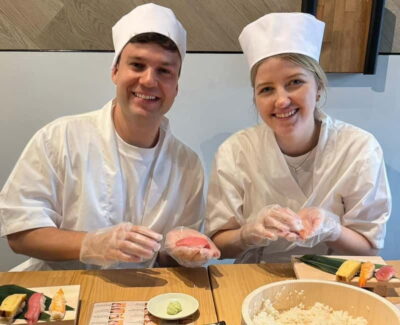
Osaka Sushi Miso soup Adventure: A Journey of Exotic Flavors
Read our review →Browse the lists this tour appears in