
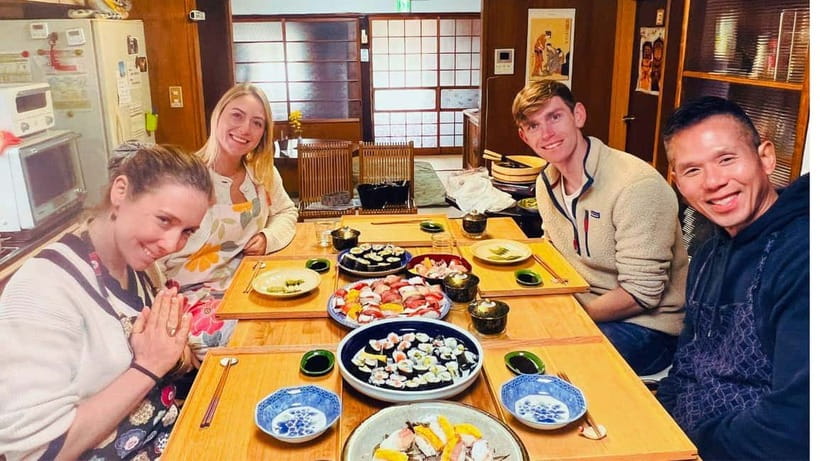
Reviewed · OSAKA SUSHI MAKING CLASSES
Osaka Sushi Miso soup Adventure: A Journey of Exotic Flavors
The most useful part of this Osaka cooking class is that you do not just shape sushi for one meal. With Chef Yuki, you learn marinated tuna and kelp-cured salmon, two techniques that help fish keep for three to four days. You also prepare nigiri, hosomaki, tamagoyaki, dashi broth, and miso soup from scratch.
I like the small groups of up to six, which give you room to ask questions and get help with your knife work, rice, and rolling technique. I also like that Yuki teaches in English and shares practical tips for cooking Japanese food outside Japan. The main drawback is the location: Nukata is about 30 minutes from Namba, so this is not a quick city-center stop.
Key points
- Three hours of hands-on cooking: You prepare and eat several Japanese dishes instead of watching a demonstration.
- Chef Yuki’s traditional training: Her instruction comes from a sushi master with more than 40 years of experience.
- Useful fish-preserving methods: Tuna zuke and kombu-jime salmon suit home cooks who cannot buy sushi fish every day.
- A very small class: Six people is the limit, and some sessions have only one to four participants.
- A local Osaka setting: The class is at 4-19 Nukata-cho, about five minutes from Nukata Station.
- Recipes for later: Yuki sends recipes afterward, making this more useful than a meal you simply remember.
What You Actually Make in Three Hours
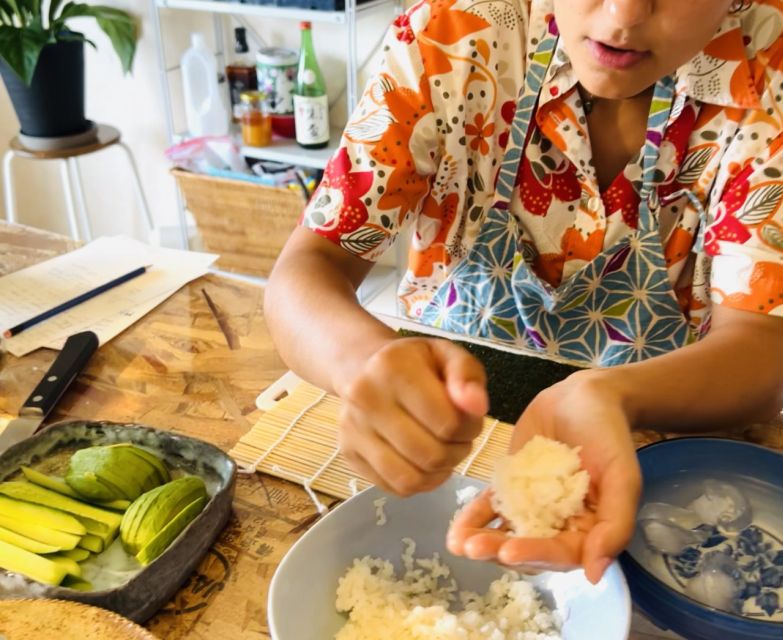
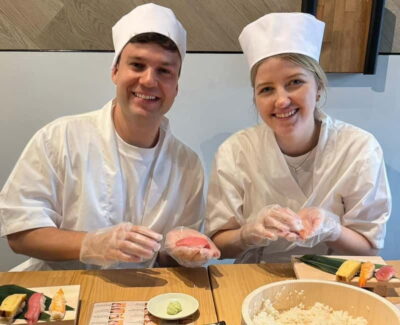
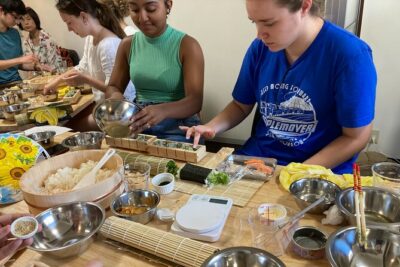
This is a practical cooking class, not a quick sushi-shaped photo opportunity. Over about three hours, you work through the building blocks of a Japanese meal and then sit down to eat what you have made.
The menu includes nigiri sushi, hosomaki, marinated tuna, kelp-cured salmon, tamagoyaki, and miso soup. You may also work with dashi broth, wasabi preparation, and properly seasoned sushi rice. The exact order can vary, but the class covers both sushi technique and the supporting dishes that make a Japanese meal feel complete.
I especially like the balance between familiar items and less obvious skills. Most people recognize maki rolls and miso soup. Fewer home cooks know how to prepare tuna zuke or kombu-jime salmon, yet these are some of the most useful lessons for making sushi outside Japan.
You are not handed a finished tray and asked to admire it. You handle the ingredients, follow each step, and eat the results at the end. That makes the class suitable for beginners, while still giving cooks with some experience new details to take home.
More sushi making classes in Osaka:
- Sushi Making Osaka Roll and Authentic Japanese Sushi Class
★ 5.0 · 1,220 reviews - Osaka Sushi Making Experience
★ 5.0 · 400 reviews - Osaka: Roll and Authentic Sushi Making Class in Dotonbori
★ 4.9 · 239 reviews
Starting with Rice, Dashi, and Japanese Basics
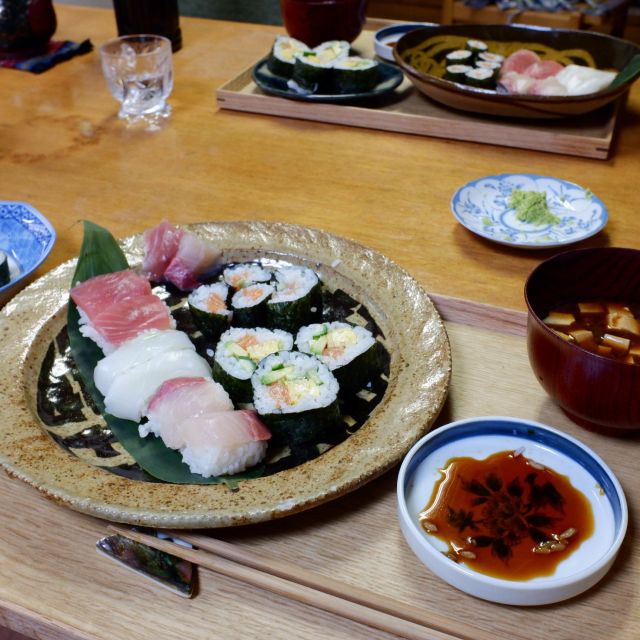
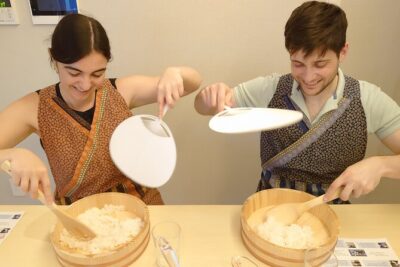
Good sushi begins long before the fish reaches the rice. Yuki explains how to select and prepare the rice, including the importance of treating it properly in a traditional pot. The rice must have the right texture and seasoning, or even good fish will not make satisfying sushi.
This is one of the most valuable parts of the class for anyone who has tried making sushi at home and ended up with sticky, loose, or bland rice. You learn that the rice is not just a filler. It needs care, seasoning, and the right handling before it can support nigiri or hold together in a roll.
The class also introduces dashi broth, the savory base used in many Japanese dishes. You use it in the cooking process and then prepare miso soup from scratch. That gives you a better feel for the quiet flavors behind Japanese home cooking, rather than focusing only on the colorful sushi pieces.
Yuki also covers basics such as wasabi paste. These small lessons matter because they help you understand how Japanese food is assembled. You are learning a method, not only copying a recipe.
Tuna Zuke and Kombu-Jime Salmon
The class’s most practical lesson is the treatment of the fish. Tuna zuke means tuna marinated in a traditional soy-based mixture. The seasoning adds flavor while giving the fish a useful preparation method for home cooking.
Kombu-jime salmon uses kelp to cure and season the fish. This old technique brings a more concentrated flavor and can help the fish keep its freshness for three to four days. That does not turn sushi into a carefree long-term storage food, but it does make planning easier when fresh fish is not available every day.
These methods are especially useful outside Japan. You may not live near a fish market with sushi-grade options each morning. Learning how to marinate or cure fish gives you more flexibility, although you still need to follow safe food-handling practices and use suitable fish.
I like that Yuki presents these dishes as part of daily life, not as restaurant tricks. You can prepare the fish, make rice, and serve sushi over several days. That practical focus adds real value to the $96 price.
Nigiri, Hosomaki, and the Work of Your Hands
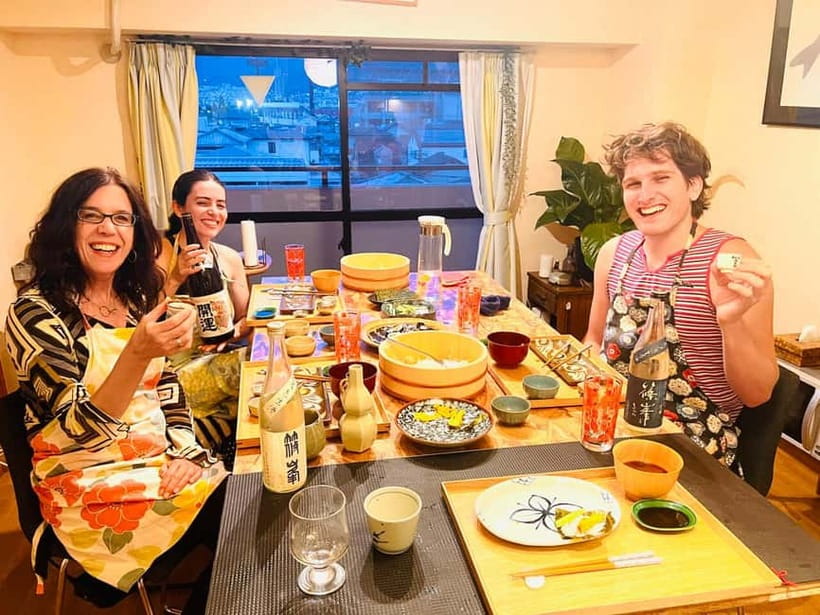
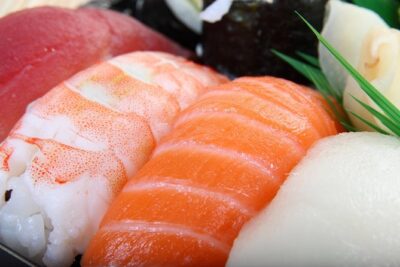
Nigiri is the classic hand-formed sushi: a small portion of seasoned rice topped with fish. It looks simple, but the balance between rice, topping, and shape takes practice. Yuki guides you through the process so you can understand how much rice to use and how to form it without crushing it.
Hosomaki, the thin roll, brings a different challenge. You work with a seaweed sheet, rice, and a single main filling. The roll needs to be compact and even, and you must learn how much filling is enough. Too much makes the roll difficult to close, while too little leaves it disappointing.
Making both styles in one class is useful because the techniques are different. Nigiri teaches control with your hands. Hosomaki teaches proportion, rolling, and clean cutting. You also get a better sense of why restaurant sushi looks so neat.
Do not expect every piece to look professional on your first attempt. That is part of the point. Yuki is there to show you where the rice or filling went wrong and how to improve the next piece. The experience is hands-on from start to finish, which also makes it a good activity for couples, families, and friends who want to cook together.
Same city, a completely different kind of afternoon:
- Osaka Go Karting Tour with Funny Costume
★ 5.0 · 2,658 reviews - Osaka Castle: Museum and Tower Entry Ticket
★ 4.5 · 2,380 reviews - Osaka: Shinsekai Food Tour with 13-15 Dishes at 5 Eateries
★ 4.8 · 2,204 reviews - Osaka Food Tour: 13 Dishes at 5 Local Eateries
★ 5.0 · 2,149 reviews
Tamagoyaki and Miso Soup Complete the Meal
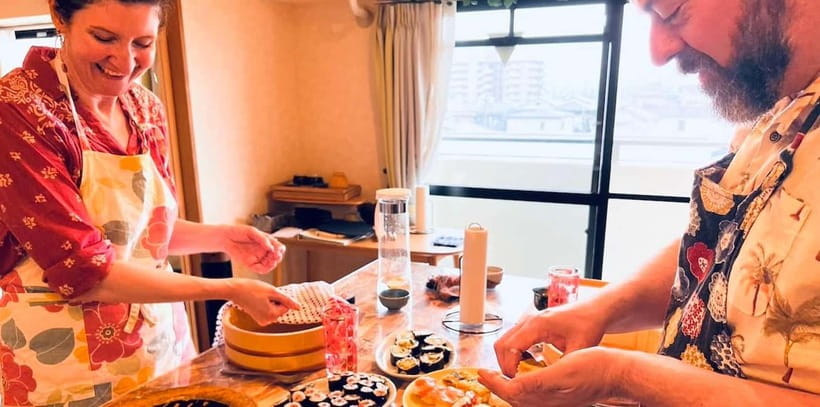
Tamagoyaki is a Japanese rolled omelet cooked in a square pan. It is often served with sushi, and the layered shape makes it more technical than an ordinary omelet. You build the roll in stages, adding cooked egg to the pan and rolling it into a compact block.
This is a fun contrast to sushi. The rice and fish demand careful handling, while tamagoyaki requires timing and control at the stove. You get a dish that looks polished when finished, but the process is easy enough to understand during a short class.
Miso soup gives the meal a warm, savory finish. Because you prepare the broth and soup yourself, you see how much flavor comes from the base ingredients rather than from a packet. It is a simple dish, but learning it in Japan makes it more memorable and more likely to become part of your regular cooking.
At the end, you eat the different dishes together. That shared meal helps you see how sushi, omelet, soup, and broth fit into a wider Japanese table.
Learning with Chef Yuki in a Small Group
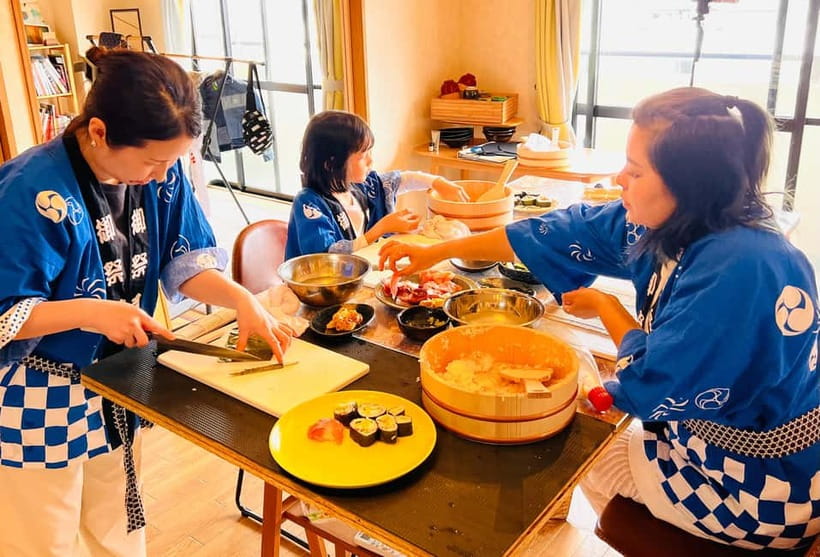
Yuki has more than a decade of culinary experience and was trained by a sushi master with over 40 years of experience. Her teaching is aimed at giving you clear, usable instruction rather than showing off complicated restaurant work.
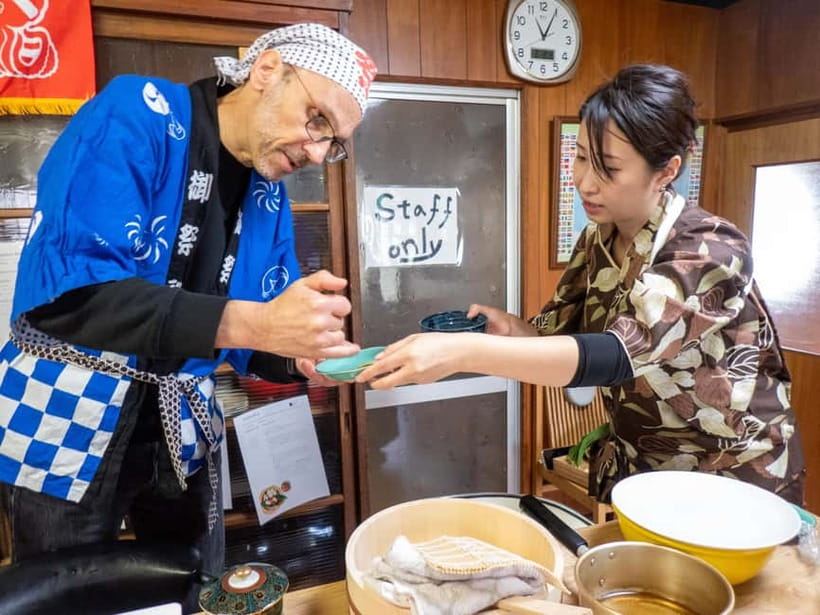
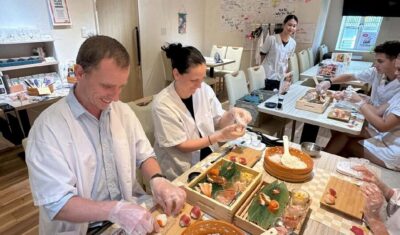
The group limit is six people, and some sessions are much smaller. A small class changes the feel of the experience. You have more time to ask about rice, substitutions, seasoning, or fish preparation. You also get more direct help when your roll starts to split or your omelet needs rescuing.
The personal setting is part of the appeal. The cooking class takes place in Yuki’s home or apartment setting, giving the experience a local feel rather than the atmosphere of a large cooking school. You may hear about her life, Japanese food, and Osaka while working through the recipes.
Families should ask about bringing a baby in advance. This has been accommodated in previous sessions, but it is best to confirm before booking. Vegetarians should also tell Yuki ahead of time. A vegetarian participant was accommodated, but advance notice gives her time to prepare properly.
English is the listed teaching language. That is important for a technique-based class, since instructions about rice texture, knife work, and rolling need to be clear.
Getting to Nukata from Namba
The class is held at 4-19 Nukata-cho, in a white building near Nukata Station. From Osaka Namba Station, take the Kintetsu Nara Line toward Kintetsu Nara. The train ride takes about 30 minutes and costs about ¥430, followed by a walk of roughly five minutes.
The meeting directions tell you to head northeast along Route 308 and look for the white building. Arrive 10 minutes early. The class is easy enough to reach, but you should allow time to find the address rather than stepping off the train at the last second.
A useful detail is that Yuki has met participants near the station or at a nearby convenience store in some sessions. The stated meeting point is the cooking class itself, so confirm the exact arrangement before you go. Do not assume station pickup is automatic.
The trip away from central Osaka is both a drawback and a benefit. You lose some sightseeing time and need to pay for the train, but you also leave the main tourist routes and spend time in a more residential setting. If your Osaka schedule is packed with Dotonbori, Osaka Castle, and the Umeda area, place this class on a day when you can travel at an easy pace.
Is $96 a Fair Price?
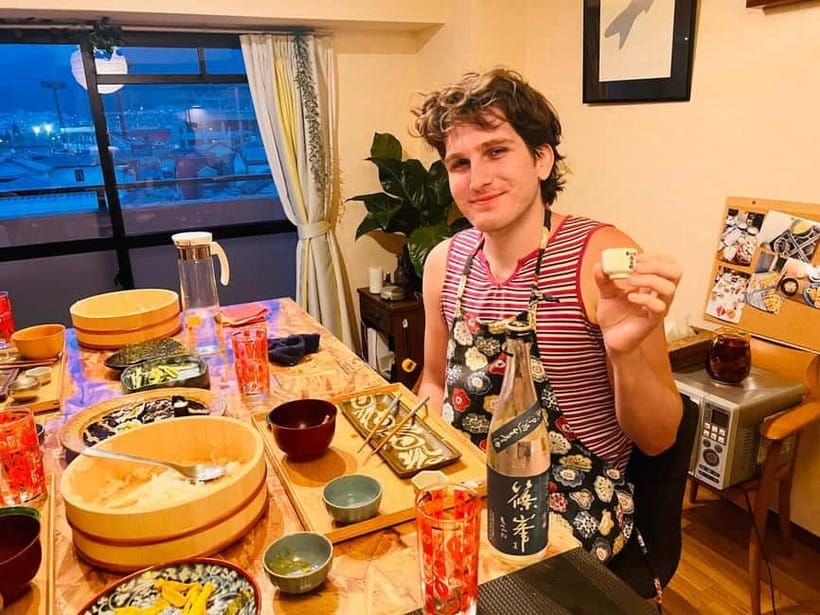
At $96 per person, this is not the cheapest way to eat sushi in Osaka. You can buy an excellent meal for less, especially if your goal is simply to sample fish and rice.
The value is in the instruction and the range of dishes. In three hours, you learn several sushi styles, fish preparation, dashi, miso soup, tamagoyaki, and rice handling. Fresh ingredients and traditional seasonings are included, along with instruction in English. You also leave with recipes and techniques you can use at home.
That makes the price easier to justify for people who cook. If you expect a restaurant-style tasting menu with no effort, the class may feel expensive. If you want to learn enough to host a sushi meal later, the cost includes a skill you can use long after your Osaka visit.
The small group matters here. A class limited to six gives you more direct help than a large demonstration. I would compare it with the price of a meal plus a private cooking lesson, rather than with the cost of lunch alone.
Who Will Enjoy This Class Most?
This is a strong choice for sushi fans who want to understand how the food is made. It is also a good fit for beginners because Yuki takes you through each stage and does not assume you already know how to handle sushi rice or a bamboo rolling mat.
Home cooks will get the most lasting value from the fish-curing methods, dashi, miso soup, and recipes sent afterward. Couples and small groups should appreciate the relaxed, personal format. Families with a baby may be able to join, but should arrange this with Yuki before booking.
Vegetarians can ask for adjustments in advance. The class is built around sushi and fish, so you should not book without discussing your needs first.
I would be less likely to choose it if you have only one short day in Osaka or strongly prefer a central location. Nukata is simple to reach, but it is still a train ride from Namba. Also, this is a cooking activity, so you need to enjoy participating. It is not a passive food tour.
Booking, Timing, and Cancellation
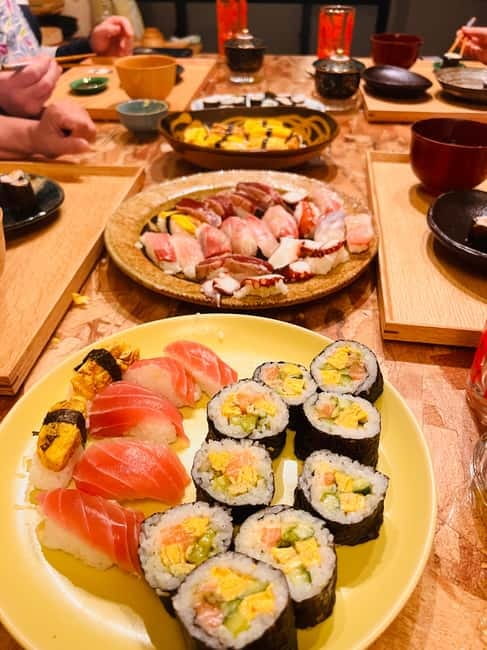
The activity lasts three hours, with starting times shown when you check availability. The group size is limited to six, so check the date before building your Osaka plans around it.
You can reserve now and pay later, which helps if your schedule is still changing. Cancellation is free up to 24 hours in advance for a full refund. Arrive 10 minutes early, and contact Yuki if you need help finding the white building.
The practical details are straightforward, but the station and address information matter. Write down 4-19 Nukata-cho and allow time for the five-minute walk. If Yuki has arranged to meet you at the station, confirm that before the class day.
Should You Book Chef Yuki’s Sushi Class?
Book this class if you want more than a sushi meal. You will make several dishes, learn methods that work in a home kitchen, and spend time with a chef who teaches in a small English-language group.
The strongest reasons to go are the practical tuna zuke and kombu-jime salmon lessons, the careful work with rice and dashi, and the personal setting. The main tradeoff is the trip to Nukata and the $96 cost.
For a first visit to Osaka, I would schedule it when you can spare a relaxed half day. If you enjoy cooking, want recipes to recreate at home, and like meeting a local host, this is a worthwhile use of your time. If you only want to eat sushi in the city center, choose a restaurant instead.
FAQ
Where does the sushi class take place?
The class takes place at 4-19 Nukata-cho, Osaka. The meeting point is a white building near Nukata Station, about a five-minute walk from the station.
How do I get there from Namba?
Take the Kintetsu Nara Line from Osaka Namba Station toward Kintetsu Nara. Get off at Nukata Station. The ride takes about 30 minutes and costs about ¥430, followed by a walk of around five minutes.
How long does the activity last?
The cooking class lasts three hours.
What language is the class taught in?
The instructor teaches in English.
How many people can join?
The group is limited to six participants. Some sessions may have fewer people.
What dishes will I prepare?
You will prepare nigiri sushi, hosomaki, tuna zuke, kombu-jime salmon, tamagoyaki, and miso soup. The class also covers sushi rice, dashi broth, and wasabi preparation.
Are ingredients included?
Fresh ingredients and traditional seasonings are included.
Can I cancel for a refund?
Yes. You can cancel up to 24 hours in advance for a full refund. You can also reserve now and pay later.
Just added in Osaka
- Urban Canvas: Osaka Street Art Bike Tour★ 5.0 · 10 reviews
- Anime Cosplay Photshoot-50 Digital Photos Provided★ 5.0 · 8 reviews
- TeamLab Botanical Garden Osaka Ticket★ 3.5 · 6 reviews
- Umeda Sky Building & Kuchu Teien Observatory Ticket in Osaka★ 4.5 · 3 reviews
- Immerse in Judo Martial Arts Class from Japan★ 5.0 · 4 reviews
- Cherry Blossom Buddha and Mt.Yoshino with Strawberry Picking Tour★ 4.5 · 5 reviews
- Discover Osaka’s Iconic Umeda Sky Observation★ 5.0 · 6 reviews
- Traditional Home cooking Experience in Osaka, Japan★ 5.0 · 14 reviews
Osaka Sushi Making Classes, compared.
Sushi Making Osaka Roll and Authentic Japanese Sushi Class
Read our review →
Roll and Authentic Sushi Making Class in Dotonbori
Read our review →
Browse the lists this tour appears in