
Reviewed · DOTONBORI TOURS
Osaka Dotonbori: Sushi Making Experience
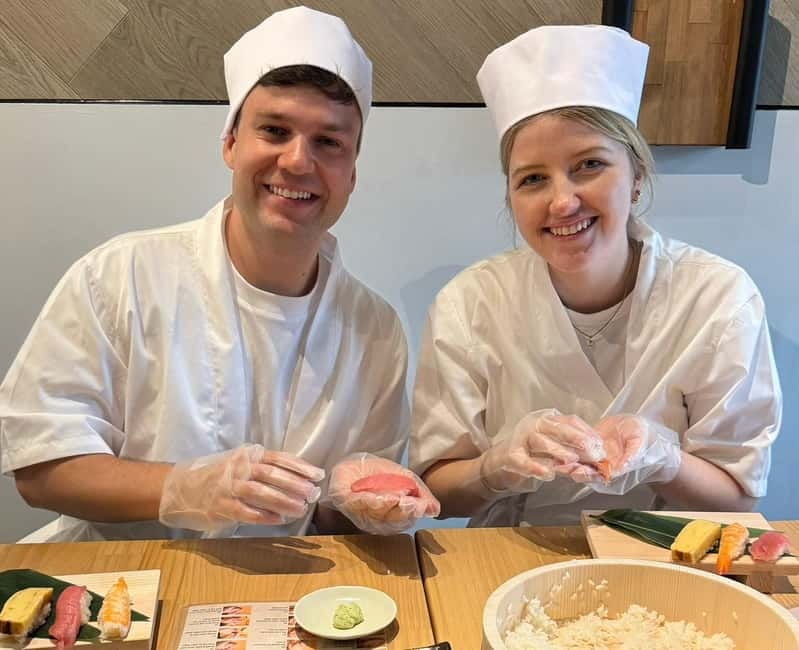
Osaka’s Dotonbori is famous for eating, but this class lets you do more than point at a restaurant menu. You make 12 pieces of sushi yourself, from seasoning the rice to shaping the finished nigiri, then sit down to eat your work with Japanese sake. I like the clear, hands-on format, and I like that the class adds playful touches such as sushi cosplay, photos, a small gift, and a certificate.
The instructors, including Mako, Mika, Saki, Yumiko, and others on the team, are praised for friendly English instruction and easy demonstrations. Vegan and Halal sushi are available, which makes the class useful for mixed groups. My main caution is simple: one recent rating found the seafood good but not exceptionally fresh, and the location can be tricky to find, so allow time to get there.
Key points
- Make 12 pieces from scratch: You season sushi rice, shape it, add toppings, and form each piece by hand.
- English instruction: The class explains sushi terms, ingredients, technique, and some Japanese culture in English.
- Sake and sushi together: You can enjoy Japanese sake alongside the sushi you prepare.
- Cosplay and photos included: The playful costume session gives you a fun souvenir beyond the meal.
- Accessible for different diets: Vegan and Halal sushi are available, and one participant received gluten-free soy sauce.
- A certificate to take home: You receive certification as a sushi master after the lesson.
What the Dotonbori sushi class is really like
This is a 90-minute food activity in the heart of Osaka’s Dotonbori area. It is aimed at beginners, not professional cooks, and the teaching follows a sensible order. You learn one small task, watch a demonstration, and then try it yourself.
The mood is relaxed and social. The instructors use humor, conversation, and simple English to keep the pace comfortable. Families, couples, friends, solo diners, and teenagers can all take part. A family with a 15-year-old found the class worked well for everyone, which says something about the activity’s broad appeal.
You should not expect a formal culinary school lesson. The emphasis is on making sushi correctly enough to enjoy, learning basic Japanese food customs, and having a cheerful hour and a half in Dotonbori. That is a good match for most visitors. You get a real activity without giving up half a day.
More Dotonbori walks and food stops:
- Osaka Local Foodie Walking Tour in Dotonbori and Shinsekai
★ 5.0 · 985 reviews - Osaka: Dotonbori District River Cruise with Drink Discount
★ 4.2 · 876 reviews - Ultimate Osaka Walking Tour: Castle, Dotonbori & Hidden Gems
★ 5.0 · 862 reviews
Step one: seasoning and shaping the sushi rice
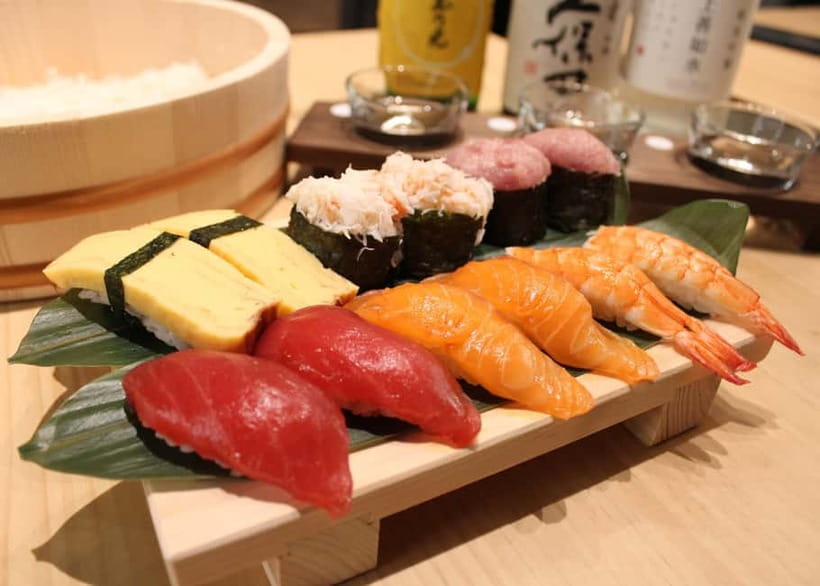
The class begins with shari, the seasoned rice used for sushi. You pour sushi vinegar over the rice and learn how it is mixed. This sounds basic, but it is the foundation of the finished dish. Rice that is too loose, too wet, or badly shaped will not hold together when you add the topping.
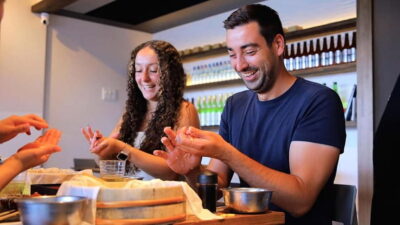
The instructor then demonstrates how to make a small rice ball. You shape it with your hands rather than pressing it into a mold. The process is broken into manageable movements, so first-time cooks can follow along without feeling rushed.
This is where the class earns its price better than a simple sushi tasting. You are not just told what sushi is. You handle the central ingredient and see how much control is needed to make a neat piece. The instructors also explain sushi vocabulary, ingredients, and basic technique as you work.
Do not expect every piece to look like it came from a Tokyo counter. The fun is in getting close. The teaching team has been praised for making the instructions easy to understand, though one participant wanted more correction while working. If you want close, individual coaching, tell the instructor when you need help rather than quietly repeating a mistake.
Step two: adding neta, wasabi, and the topping
Next comes neta, the sushi topping. You place wasabi on the topping, bring it together with the shaped rice, and prepare the piece for its final form. This gives you a small lesson in balance. Too much wasabi can overwhelm the fish, while too little may leave the piece flat.
The exact selection of toppings is not specified, so you should think of this as an introduction to sushi-making rather than a fixed premium tasting menu. Previous participants particularly enjoyed the Japanese omelette sushi. The class also accommodates vegan and Halal diets, but you should state your requirements when booking so the appropriate ingredients can be prepared.
A useful detail for anyone with food restrictions is that gluten-free soy sauce has been provided for a participant with a gluten allergy. That does not mean every allergy arrangement is automatic, so explain your needs clearly before the activity begins.
The food has received very strong marks overall, with repeated praise for its taste and ingredient quality. One recent four-star rating gave a more measured view, saying the seafood was good but not extremely fresh. That is worth keeping in mind if your main goal is a high-end raw fish meal. If your main goal is learning, eating your own work, and spending time with a friendly instructor, the class offers better value.
Step three: forming the finished sushi
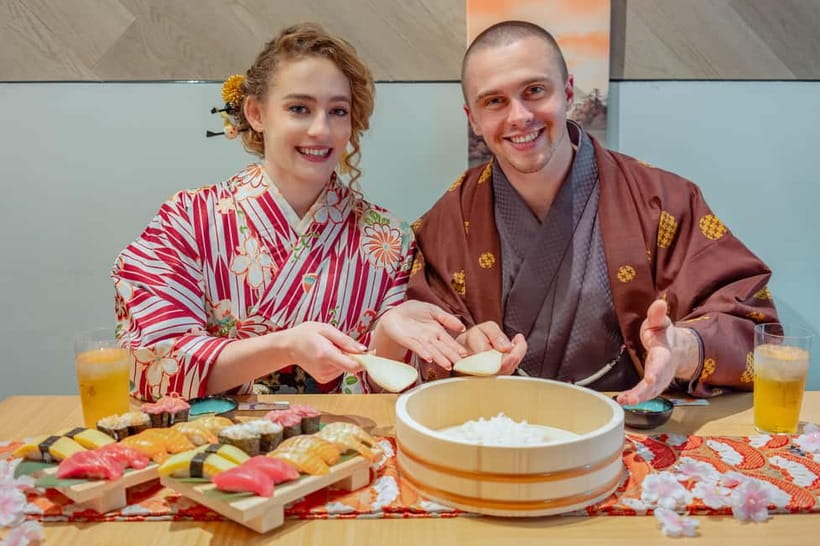
Once the rice and topping are ready, you use your fingers to shape the sushi. This is the part most people picture when they think of making nigiri, and it is also the part that takes the most coordination.
The instructors demonstrate the correct hand position and guide you through the movements. You should expect a few uneven pieces at first. That is normal, and the teaching style is designed to make beginners feel comfortable rather than judged.
I like the way this stage turns lunch into a small achievement. You can see the difference between the first piece and the last one, even within a short class. It also gives you a better idea of why trained sushi chefs work so quickly. The technique looks simple until you try to keep the rice together, align the topping, and make the piece look tidy.
Some sessions may feel almost private if there are no other bookings in your time slot. That can be a real advantage if you want more conversation and direct help. On a fuller session, you will have the energy of a group activity, but possibly less one-to-one attention. The class is still designed for beginners, and the instructor speaks English.
More sushi making classes in Osaka:
- Sushi Making Osaka Roll and Authentic Japanese Sushi Class
★ 5.0 · 1,220 reviews - Osaka Sushi Making Experience
★ 5.0 · 400 reviews - Osaka: Roll and Authentic Sushi Making Class in Dotonbori
★ 4.9 · 239 reviews - Osaka: Sushi Class in Dotonbori
★ 4.9 · 160 reviews
Twelve pieces to eat, not just admire
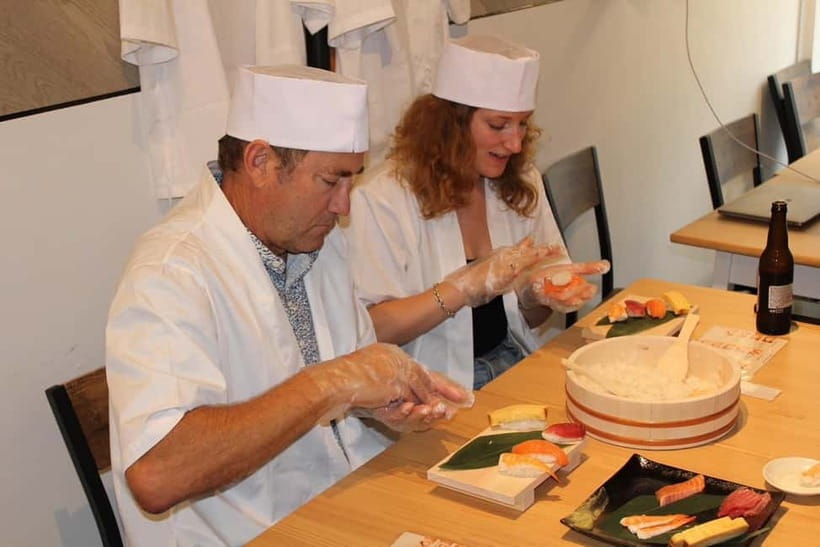
The finished result is 12 pieces of sushi. You eat what you make, which gives the activity a clear payoff. It is enough food for a light lunch or substantial snack, but you may want another meal later if you arrive very hungry.
I prefer this format to a demonstration where you watch a chef prepare food and then receive a small sample. Here, the food is tied to your own effort. A crooked piece still tastes good, and the meal becomes part of the memory of the class.
Japanese sake is also part of the advertised experience. It adds a useful bit of food culture, since sushi and sake are often discussed together in Japan. The activity information highlights sake, while the inclusions specifically list the ingredients, cosplay, and certificate, so you should confirm the exact sake arrangement when booking if that matters to you.
The sake component may not suit everyone. You can still enjoy the sushi-making even if you do not drink alcohol, but the available information does not spell out a nonalcoholic substitute. Families should also keep in mind that the activity is designed around food, instruction, and a sake experience rather than a children’s entertainment program.
Sushi cosplay, photos, and the certificate
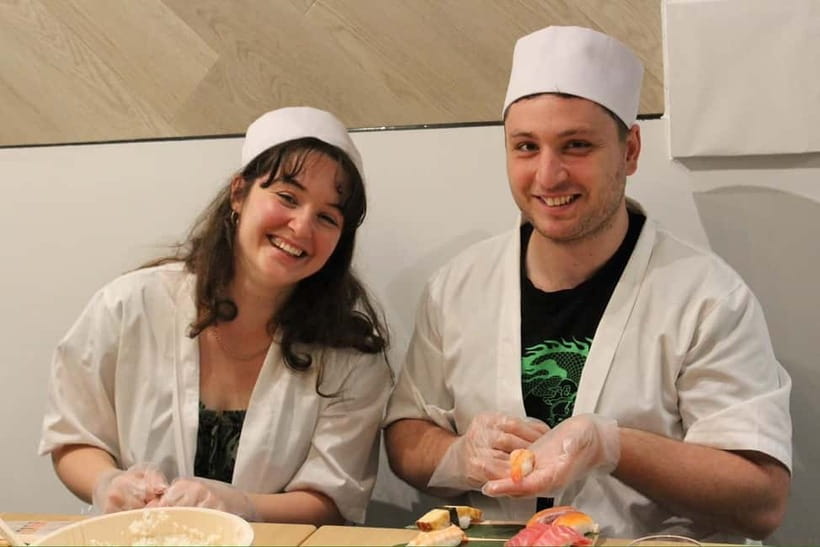
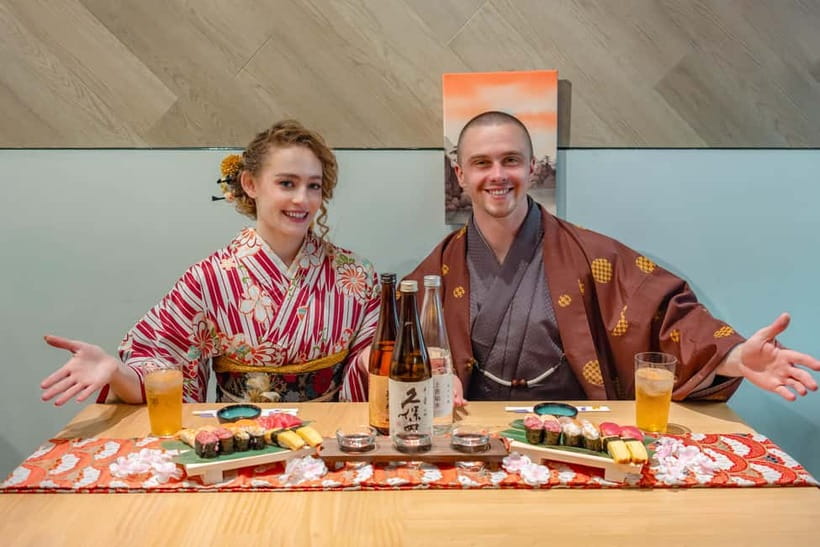
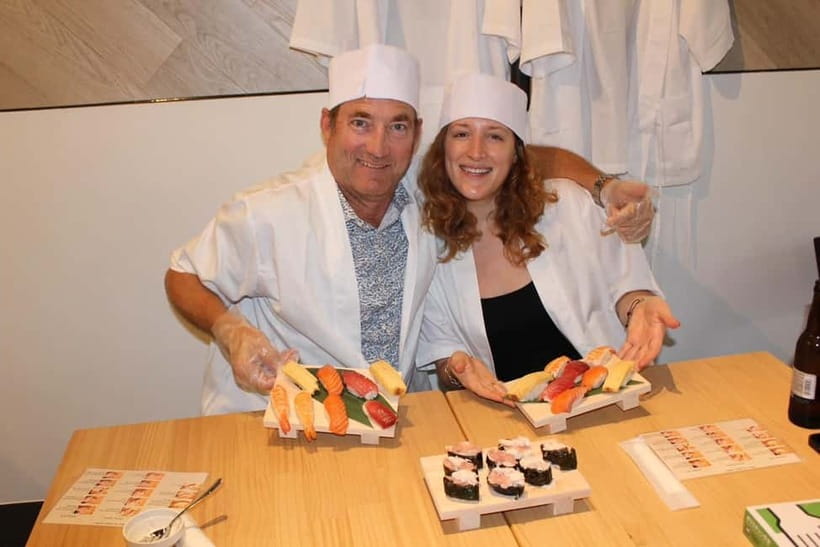
The class has a playful side that helps set it apart from a standard cooking lesson. You can take part in sushi cosplay and a photo session, then receive a special gift and certification as a sushi master.
The certificate is not a professional qualification, of course. Think of it as a cheerful souvenir and a good photo prop. It works especially well for families, friends, and couples who want a record of the afternoon beyond a few food pictures.
The cosplay may feel a little silly, but that is part of the point. Dotonbori is already an energetic place for food photos and bright signs. A sushi-themed picture fits the setting and gives you something to share that is more personal than another restaurant snapshot.
If you prefer a quiet, serious cooking lesson, these extras may seem unnecessary. If you want an easygoing activity with a bit of theater, they add value without taking over the main lesson.
The instructors make the difference
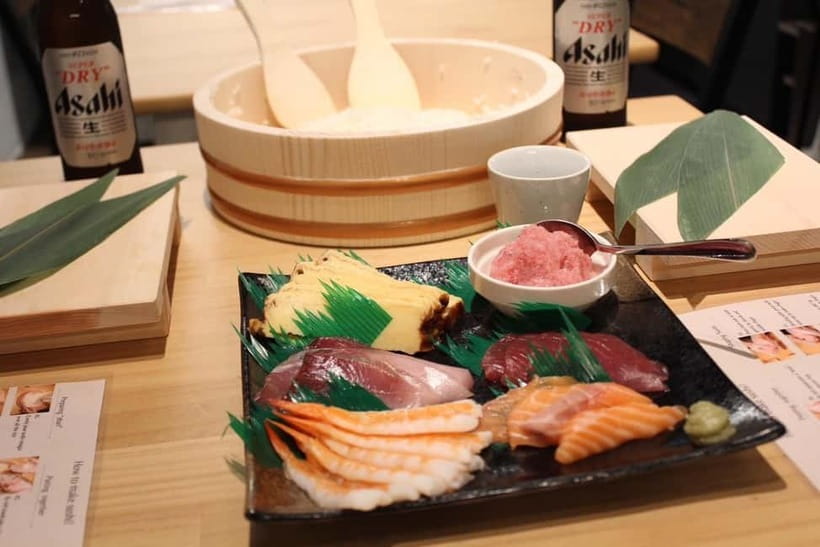
The strongest part of this experience is the teaching style. Names connected with recent sessions include Mako, Mika, Saki, Yumiko, Kosei, Toshiki, Anri, Yui, Makoto, and Maho. Your instructor may be different, but the team’s approach is consistent: friendly conversation, clear demonstrations, and plenty of encouragement.
Several instructors also add facts about sushi, Japan, and Osaka. One session included an explanation of where sushi names came from, how sushi was originally eaten, and who it was first aimed at. Another participant wished for more facts about sushi, so the amount of cultural background may depend on the instructor and group.
That variation is worth noting. This is not a scripted museum talk with the same detailed lecture every time. You will learn the basic process for making sushi, and you may also get extra information about local food and customs. If the cultural side interests you, ask questions. The instructors appear happy to talk.
The English is intended for an international audience. Participants from the United States, United Kingdom, Australia, Mexico, Thailand, Belgium, the Netherlands, Poland, and other countries found the instructions easy to follow. That matters in a hands-on class, since a misunderstood step can quickly lead to a rice-covered problem.
Is $45 good value for 90 minutes?
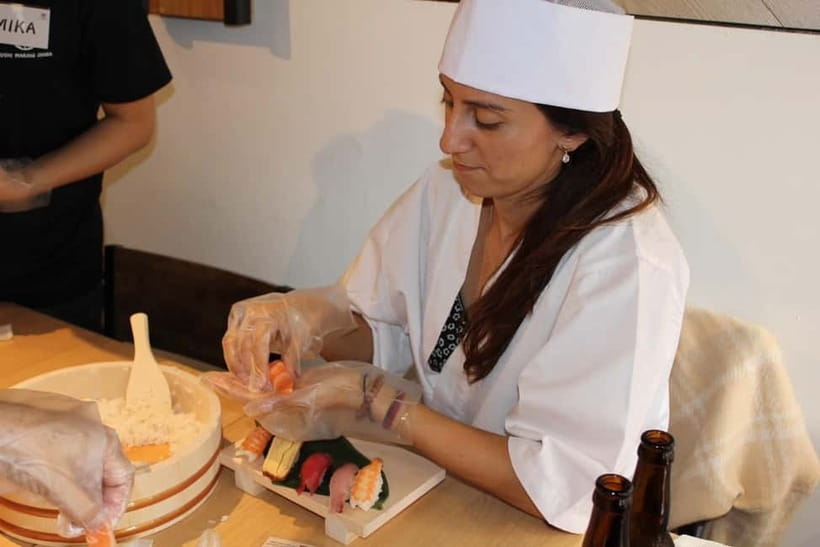
At $45 per person, the class is not the cheapest way to eat 12 pieces of sushi in Osaka. You can find less expensive meals, especially if all you want is food. The price makes more sense when you count the ingredients, instructor time, sake experience, costume activity, photos, gift, and certificate.
You are paying for participation, not just consumption. The class also fills 90 minutes in a central part of Osaka, which can be useful between sightseeing stops in Dotonbori. You leave with a meal, a new skill, photos, and a souvenir.
The value is best for you if you enjoy learning by doing. It is less compelling if you already make sushi at home or want a refined restaurant meal focused on rare fish and chef-level presentation.
The consistently high rating, 4.9 from 122 ratings, supports the idea that the class delivers its intended experience. Still, I would not book it for the raw seafood alone. The main strength is the combination of food, instruction, conversation, and fun extras.
Getting there and planning your time
The activity is in Dotonbori, one of Osaka’s main entertainment areas. That location is convenient, but the exact meeting point can be hard to navigate. Two separate comments noted that finding the place was a little difficult, and one specifically called for a better Google Maps location.
Give yourself extra time to locate the entrance. Dotonbori has crowded streets, signs, shops, and many nearby businesses, so arriving at the last moment is a poor plan. The activity allows you to skip a ticket line, but that does not solve the problem of finding the correct building or meeting point.
The class lasts 90 minutes, with starting times depending on availability. It works well as a daytime activity or an early part of an evening in Dotonbori. Avoid scheduling it so tightly against another reservation that a small navigation delay becomes stressful.
Free cancellation is available up to 24 hours before the activity for a full refund. You can also reserve and pay later, which helps if your Osaka schedule is still changing. The class is wheelchair accessible, but the available information does not provide detailed room or restroom measurements, so ask ahead if you need specific accessibility details.
Who should book this Osaka activity?
I would recommend it most strongly to:
- First-time sushi makers who want clear instruction
- Couples and friends looking for a shared food activity
- Families with older children or teenagers
- Visitors who want an experience, not only another restaurant meal
- People interested in Japanese food customs and sake
- Groups with vegan or Halal dietary needs
It is also a good rainy-day plan. You get a structured indoor activity, food, and a souvenir without needing to cross Osaka from one attraction to another.
I would be more cautious if you have severe food allergies, dislike raw seafood, or want a highly technical chef’s course. The class can adapt to some dietary needs, and one participant who disliked fish still enjoyed the sushi, but the exact ingredients and allergy arrangements should be confirmed in advance.
Should you book the Dotonbori sushi class?
Yes, if you want a friendly, practical introduction to sushi and like the idea of eating what you make. The 12-piece meal and hands-on instruction give the $45 price a fair case, while the sake, cosplay, photos, gift, and certificate make it more than a basic cooking demonstration.
Book it with realistic expectations. This is not a luxury sushi counter, and the seafood may not impress someone seeking the freshest fish in Japan. The meeting point may also take patience to find.
For most visitors spending time in Dotonbori, I see this as a smart 90-minute activity. It gives you a small lesson in Japanese food culture, a meal, some laughs, and a story to take home. Arrive early, mention dietary needs clearly, and ask questions during the shaping stage. You will get much more from the class if you treat it as a shared experience rather than simply a way to obtain lunch.
FAQ
How long does the Osaka Dotonbori sushi-making class last?
The activity lasts 90 minutes.
How much does the sushi-making experience cost?
The listed price is $45 per person.
How many pieces of sushi do I make?
You make 12 pieces of sushi using the provided ingredients.
Is the class taught in English?
Yes. English instruction is available.
Are vegan and Halal sushi options available?
Yes. Vegan and Halal sushi are available.
Is Japanese sake part of the experience?
Yes. The experience includes an opportunity to enjoy Japanese sake with the sushi. The activity details specifically advertise the sake experience, so confirm the exact serving arrangement when booking.
Is the activity wheelchair accessible?
Yes. The activity is listed as wheelchair accessible.
More Cooking Classes in Osaka
- Matcha Making Class in Osaka with Authentic Japanese Sweets Set
★ 5.0 · 509 reviews - Osaka: Ramen and Gyoza Cooking Class in Dotonbori
★ 5.0 · 378 reviews - Osaka: Traditional Mochi Pounding Experience with Tasting
★ 4.9 · 306 reviews - Osaka Cooking Class: Okonomiyaki &Japanese cuisines experience
★ 5.0 · 261 reviews
Just added in Osaka
- Urban Canvas: Osaka Street Art Bike Tour★ 5.0 · 10 reviews
- Anime Cosplay Photshoot-50 Digital Photos Provided★ 5.0 · 8 reviews
- TeamLab Botanical Garden Osaka Ticket★ 3.5 · 6 reviews
- Umeda Sky Building & Kuchu Teien Observatory Ticket in Osaka★ 4.5 · 3 reviews
- Immerse in Judo Martial Arts Class from Japan★ 5.0 · 4 reviews
- Cherry Blossom Buddha and Mt.Yoshino with Strawberry Picking Tour★ 4.5 · 5 reviews
- Traditional Home cooking Experience in Osaka, Japan★ 5.0 · 14 reviews
- Traditional Calligraphy Experience near Dotonbori★ 5.0 · 3 reviews
Dotonbori Tours, compared.
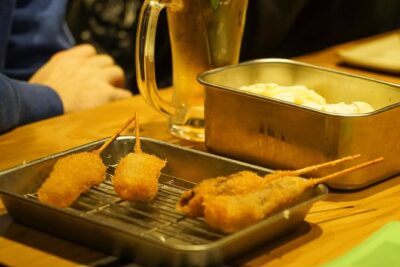
Osaka Local Foodie Walking Tour in Dotonbori and Shinsekai
Read our review →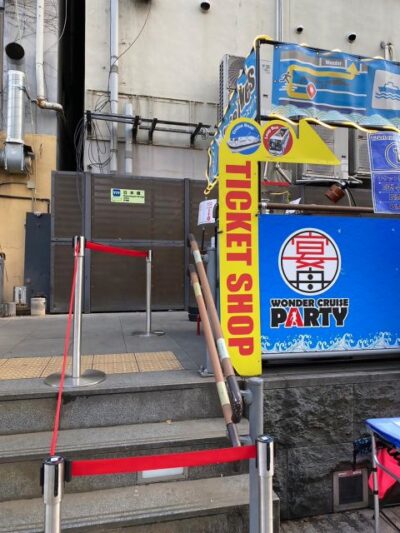
Dotonbori District River Cruise with Drink Discount
Read our review →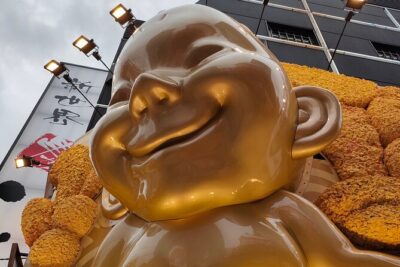
Ultimate Osaka Walking Tour: Castle, Dotonbori & Hidden Gems
Read our review →
Roll and Authentic Sushi Making Class in Dotonbori
Read our review →
Osaka Local Bar Crawl in Dotombori & Uranamba Area
Read our review →
Browse the lists this tour appears in