
Reviewed · DOTONBORI TOURS
Osaka: Roll and Authentic Sushi Making Class in Dotonbori
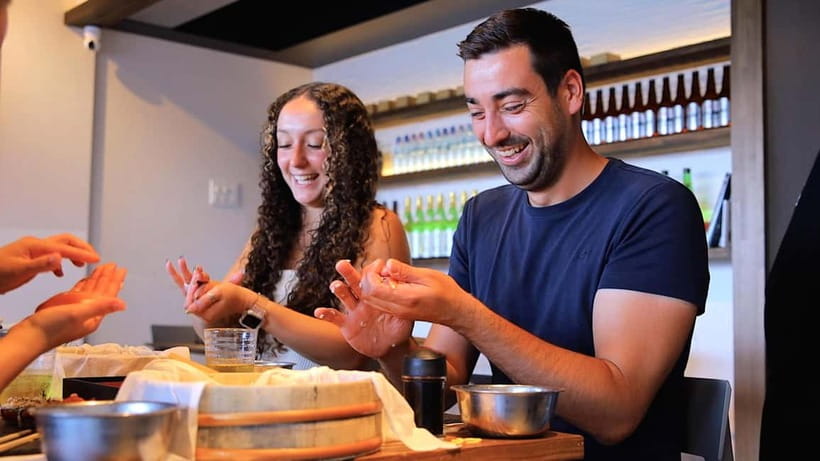
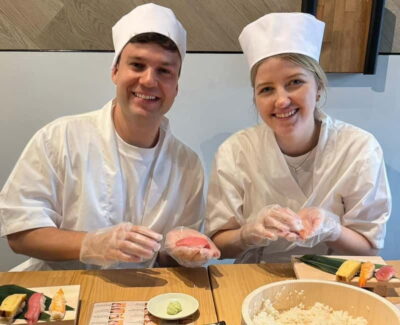
Osaka’s food culture makes more sense when you sit down and shape the food yourself. In this 100-minute sushi class, you learn the story behind sushi, roll maki, form nigiri, and eat the results in a room near Dotonbori and Shinsaibashi.
I like the lively English instruction, with teachers such as Shoki, Yui, Rika, Takara, and Fujiko keeping the lesson clear and playful. I also like the practical format: the ingredients are ready, but you still do the key work and leave with skills you can try at home.
The main drawback is time. Some people find the final eating period rushed, especially if they want neat sushi and a relaxed lunch. The class is good value, but it moves at a brisk pace.
Key Points
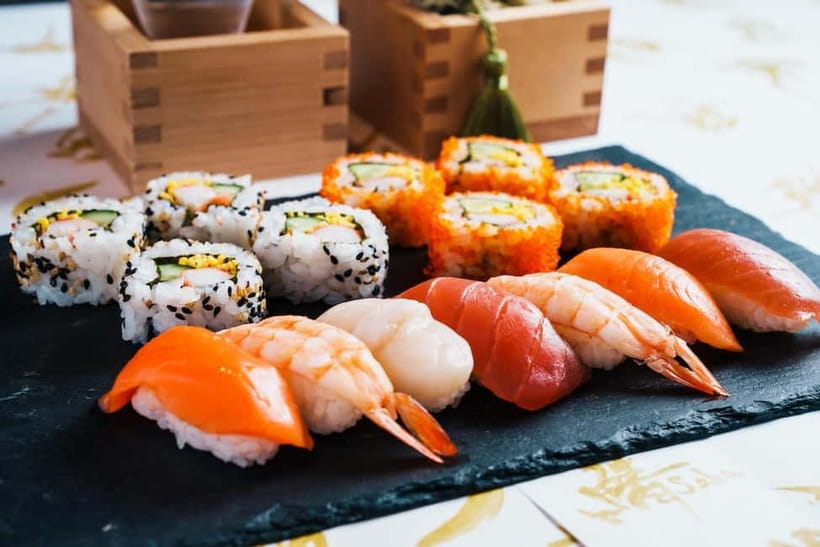
- Two sushi styles in one lesson: Make maki rolls and nigiri, rather than learning only one technique.
- A short sushi history quiz: The opening activity adds context without turning the class into a lecture.
- Friendly English instruction: Staff explain each step, answer questions, and keep conversation flowing.
- Around twelve pieces to make and eat: The class commonly includes about six maki and six nigiri pieces.
- Central Osaka location: Meet on the third floor of the Galleria Acca Building, about five minutes from Shinsaibashi Station.
- Dietary requests are possible: Vegan, vegetarian, gluten-free, halal, and allergy-friendly menus require notice at least three days ahead.
Why This Class Works in Osaka
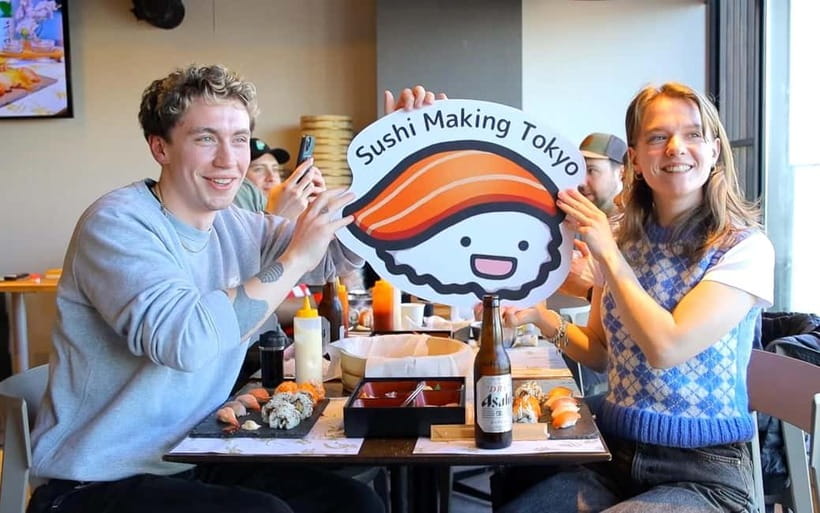
You can eat excellent sushi all over Osaka without lifting a knife. That is exactly why this class earns its place in a food-focused itinerary: it changes you from a diner into a participant.
The lesson is not aimed at professional cooks. The rice and ingredients are prepared before you arrive, so you spend your time learning the parts that matter most to a beginner: handling rice, placing fillings, rolling maki, and shaping nigiri.
I would not book this expecting a full Japanese cooking course. You are not preparing every ingredient from scratch. Instead, you get a focused introduction to two familiar sushi forms, with enough background to understand what you are making and enough hands-on work to feel involved.
The setting also helps. Dotonbori and Shinsaibashi put you in central Osaka, close to some of the city’s best-known food streets and shopping areas. You can schedule the class before an evening walk through Dotonbori or use it as a midday break from shopping.
More Dotonbori walks and food stops:
- Osaka Local Foodie Walking Tour in Dotonbori and Shinsekai
★ 5.0 · 985 reviews - Osaka: Dotonbori District River Cruise with Drink Discount
★ 4.2 · 876 reviews - Ultimate Osaka Walking Tour: Castle, Dotonbori & Hidden Gems
★ 5.0 · 862 reviews
Finding the Galleria Acca Building
The meeting point is on the third floor of the Galleria Acca Building, about five minutes on foot from Shinsaibashi Station. This is a useful location for a city day because you do not need a long ride to reach it, and Dotonbori is nearby.
Give yourself a little extra time to find the entrance. One class participant described the building entrance as easy to miss within its concrete architecture. That is not a major problem, but it is the sort of small Osaka detail that can make a five-minute walk feel longer if you arrive at the last minute.
The activity does not include hotel pickup or drop-off. You make your own way to the building, which keeps the price down and gives you freedom to pair the class with other plans.
The activity is listed as wheelchair accessible. At the same time, a practical note says the building has an elevator that does not reach the workshop floor. If step-free access is essential for you, contact the provider before booking and ask for the exact route.
The Opening Quiz and Sushi Story
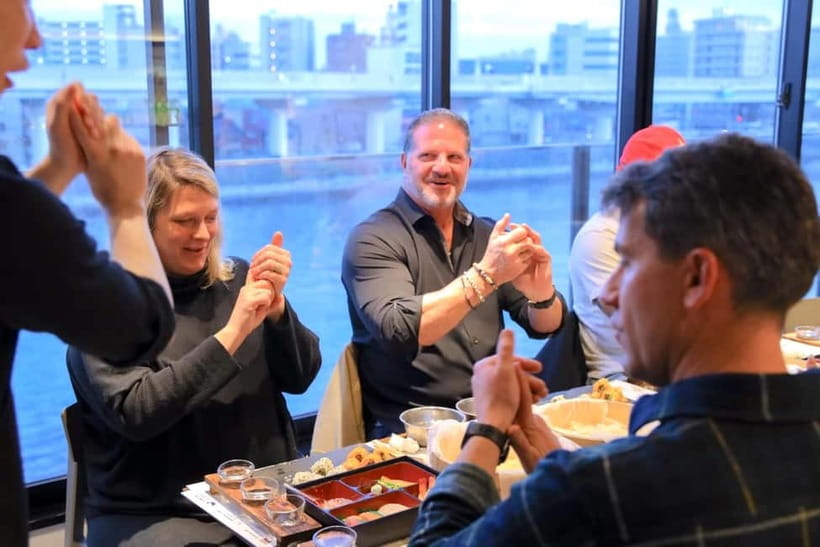
The class begins with an interactive introduction to sushi history. Rather than offering a long speech, the instructors use a light quiz and conversation to get the group involved.
This is a smart start. Sushi can look simple on the plate, but its forms and names are not always obvious to a first-time visitor. A little context helps you understand why you are making a roll in one way and nigiri in another.
The quiz also sets the tone. Instructors ask where people are from, talk about food and travel, and use jokes to bring solo participants and groups into the same conversation. The style is energetic, sometimes loud and playful, with Hoi Hoi Hoi used as part of the class spirit.
That atmosphere will suit you if you enjoy social activities. If you prefer a quiet demonstration with no group participation, the cheerful presentation may feel more animated than expected. The English instruction is designed to be easy to follow, and the teachers adjust their explanations for beginners.
Making Maki Rolls
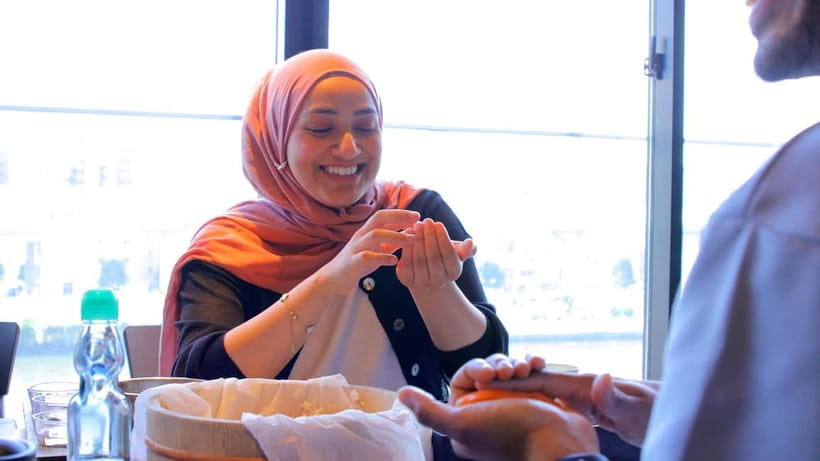
Maki is the rolled sushi most people picture first. You place ingredients on rice and nori, then use the rolling technique to form a compact cylinder before cutting it into pieces.
The instructors demonstrate the process in clear stages. Several classes have used video and live demonstrations, which gives you more than one way to see the technique. You can watch first, then copy the hand movements at your own station.
The preparation matters here. Since the basic ingredients are ready, you can focus on proportion and pressure. Too much filling makes a roll difficult to close. Too much force can compress the rice. The teacher’s job is to show you how to make a tidy roll without turning the task into a test.
You might not produce restaurant-perfect pieces on your first attempt, and that is part of the fun. The class is set up for success, not competition. Staff move around the room to help, and the instructions are intended for people with no previous sushi-making experience.
The amount is also practical. The activity commonly includes about six maki pieces, enough to give you repeated practice rather than a single demonstration. You get a chance to correct your technique as you go.
More sushi making classes in Osaka:
- Sushi Making Osaka Roll and Authentic Japanese Sushi Class
★ 5.0 · 1,220 reviews - Osaka Sushi Making Experience
★ 5.0 · 400 reviews - Osaka: Sushi Class in Dotonbori
★ 4.9 · 160 reviews - Osaka Dotonbori: Sushi Making Experience
★ 4.9 · 122 reviews
Shaping Nigiri by Hand
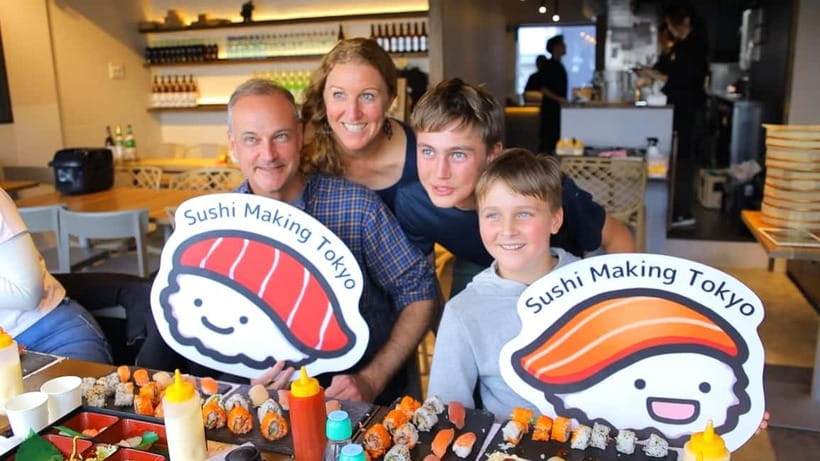
The second technique is nigiri, the small piece of rice topped with an ingredient. It requires a different touch from maki. You need to shape the rice without crushing it, then place the topping so the piece holds together.
This is where the lesson feels more distinctly Japanese than a simple roll-making session. You learn that sushi is not only about filling and wrapping. The shape, balance, and handling of the rice matter too.
The instructors make the process approachable with demonstrations and repeated reminders. One useful class message is to be kind to your sushi, a cheerful way of telling you not to squeeze the rice too hard.
You generally make about six nigiri pieces. Together with the maki, that gives you a substantial portion to eat at the end. For many people, this functions as a light lunch or a filling snack, not just a taste.
The timing is worth noting. A few people find that the preparation takes longer than expected, leaving too little time to eat calmly. You should listen closely at the beginning, keep your station organized, and avoid spending too long trying to perfect one piece.
What You Actually Eat
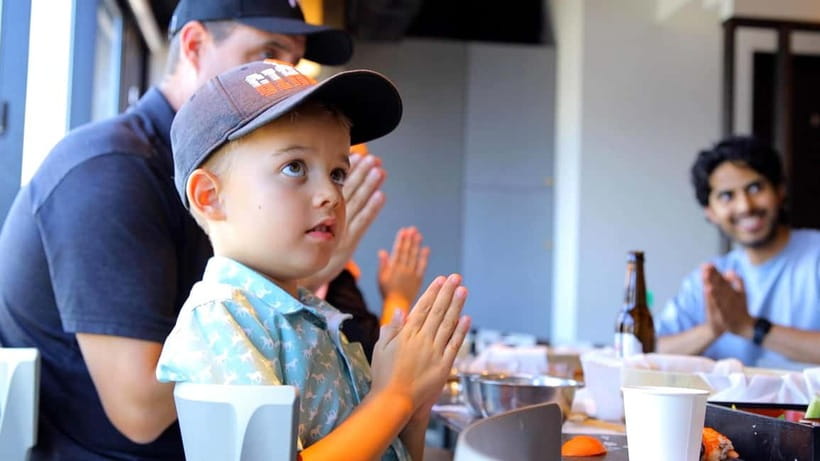
The ingredients are included in the $45 price, and the food you make is yours to eat. That simple point gives the class good value. You are paying for instruction, a prepared meal, and a cultural activity in central Osaka.
The selection is described as generous, with maki and nigiri forming the main menu. The supplied details do not provide a fixed list of fish or fillings, so do not book expecting a particular ingredient unless the provider confirms it.
Dietary planning is one of the stronger practical features. Vegan, vegetarian, gluten-free, halal, and allergy-related menu changes can be arranged. Meat, nuts, fruits, and dairy are not used, but you must contact the provider when booking, at least three days in advance.
The class cannot change ingredients on the day, and it does not accept individual ingredient specifications. That means you should be clear about a genuine dietary need early, rather than hoping to adjust your plate once the lesson starts.
For halal diners, advance communication matters. A class participant was given halal ingredients after requesting them, but the general rule remains the same: ask ahead and do not rely on a last-minute change.
The Instructors Make the Difference
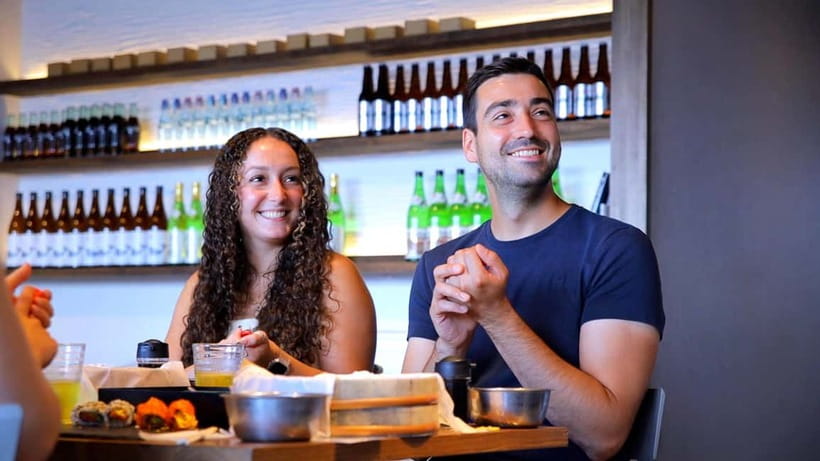
The food is important, but the teachers shape the mood. Staff members named in class experiences include Shoki, Rika, Yui, Yuvi, Takara, Fujiko, Fuko, Miho, Reika, Fuji, and Serai.
You may not have one particular instructor, but the teaching style is consistent in the details that matter. The staff use English, offer step-by-step help, answer questions, and keep the group talking. Several instructors also share local suggestions for places to eat and visit in Osaka.
Shoki has been especially associated with the playful sushi history introduction and the be kind to your sushi reminder. Takara is known for helping participants produce attractive pieces. Yui, Reika, Fujiko, and the other instructors are described as patient, upbeat, and clear.
That social approach makes the class a good choice for solo visitors. You are not left working alone at a table. The opening questions and shared demonstrations give you an easy way to talk with people from other countries.
Couples and families can enjoy it too. Children or adults who are not confident cooks can follow the demonstrations without needing advanced kitchen skills. The class is more about careful hands and attention than culinary talent.
Is $45 a Fair Price?
At $45 per person, this is not the cheapest way to eat sushi in Osaka. A restaurant meal may cost less, especially if you choose a simple lunch. But the comparison is not quite fair because this price includes a 100-minute lesson, an English-speaking instructor, all ingredients, and the meal you prepare.
The value is strongest if you want an activity rather than only food. You get a social introduction to sushi, hands-on practice with two techniques, and a central location that fits easily into a day around Shinsaibashi and Dotonbori.
It is also a reasonable choice for a rainy afternoon or a break from sightseeing. You are indoors, the duration is short enough to fit around other plans, and the booking can be made without arranging transportation.
The value is weaker if you already make sushi often or want a serious chef-training session. You are learning an accessible home-style method, not working through every stage of traditional sushi preparation.
Timing, Pace, and Group Feel
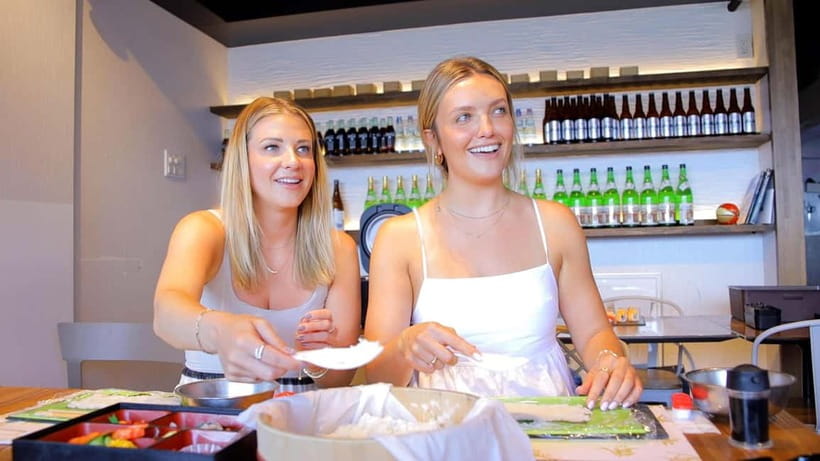
The activity lasts 100 minutes. That sounds generous, but the class includes introductions, the sushi quiz, demonstrations, two preparation methods, and eating time.
The pace can feel quick during the final stages. A useful approach is to pay close attention during the first demonstration and begin each piece promptly. Do not wait until the end to assemble everything.
The classes are often described as small and intimate, though the exact group size is not provided. That gives you a better chance to receive personal help than you would in a large demonstration kitchen.
The friendly energy is a major part of the format. You may laugh, answer questions, and join the class’s playful calls. I would choose this for a relaxed social mood, not for silent concentration.
Who Should Book This Sushi Class?
I would recommend it most strongly to:
- First-time sushi makers who want clear guidance
- Couples looking for a shared activity in central Osaka
- Families with older children who can follow food-safety instructions
- Solo visitors who enjoy meeting people through a class
- Food lovers who want more context than a restaurant meal provides
- Diners with vegan, vegetarian, gluten-free, halal, or allergy needs who can plan ahead
It is less suitable for anyone who wants a fully scratch-made cooking course. It may also disappoint you if you need a very relaxed meal with plenty of time at the end.
Bring your attention, not special equipment. The class supplies the cooking materials and ingredients. Your main job is to follow the demonstrations and handle the sushi gently.
Booking and Cancellation Basics
You can reserve now and pay later, which helps if your Osaka schedule is still changing. Free cancellation is available up to 24 hours before the activity for a full refund.
The meeting point is easy to pair with a day in Shinsaibashi or Dotonbori, but hotel transport is not included. For dietary changes, contact the provider at least three days ahead. Same-day requests cannot be handled.
The listed rating is 4.9 from 239 reviews, and the most consistent strengths are clear instruction, upbeat staff, clean surroundings, tasty food, and the chance to eat everything you make. The recurring weakness is also clear: the lesson can feel rushed at the end.
Should You Book It?
Yes, if you want a friendly, hands-on Osaka activity that teaches two sushi techniques without requiring cooking experience. The $45 price makes sense when you count the ingredients, meal, instruction, and central location.
I would book it early in your Osaka schedule so you can use the staff’s food suggestions later in the trip. Ask about dietary arrangements before paying, and allow a few extra minutes to locate the building.
Skip it if you want a quiet meal, a long relaxed lunch, or advanced sushi training. For everyone else, this is a useful way to turn Osaka’s famous food culture into something you can actually make with your own hands.
FAQ
How long does the sushi-making class last?
The class lasts 100 minutes.
How much does the activity cost?
The listed price is $45 per person.
Where does the class meet?
It meets on the third floor of the Galleria Acca Building, about five minutes from Shinsaibashi Station.
Is the class close to Dotonbori?
Yes. The class is in central Osaka near Dotonbori and Shinsaibashi.
Is English instruction available?
Yes. The instructor language is English, and English-speaking local staff lead the class.
What types of sushi do I make?
You make two styles: maki rolls and authentic Japanese nigiri sushi.
How much sushi do I make?
The class commonly includes about six maki pieces and six nigiri pieces.
Are ingredients and instruction included?
Yes. The cooking class, ingredients, and instructor are included.
Can I request a special menu?
Yes. Vegan, vegetarian, gluten-free, halal, and allergy-related menu changes are available with advance notice. Requests must be made at least three days ahead, and individual ingredient specifications are not accepted.
Can I cancel for a refund?
You can cancel up to 24 hours in advance for a full refund. Reserve now and pay later is also available.
More Workshops in Osaka
- Ramen and Gyoza Cooking Class in Osaka
★ 5.0 · 202 reviews - Three Types of Ramen Cooking Class in Osaka
★ 5.0 · 119 reviews - Osaka: Cooking Class Ramen & Gyoza Course in Nanba
★ 4.9 · 86 reviews - Osaka Cooking Class and Sake Tasting with Local Supermarket Visit
★ 5.0 · 79 reviews
More Cooking Classes in Osaka
- Matcha Making Class in Osaka with Authentic Japanese Sweets Set
★ 5.0 · 509 reviews - Osaka: Ramen and Gyoza Cooking Class in Dotonbori
★ 5.0 · 378 reviews - Osaka: Traditional Mochi Pounding Experience with Tasting
★ 4.9 · 306 reviews - Osaka Cooking Class: Okonomiyaki &Japanese cuisines experience
★ 5.0 · 261 reviews
Just added in Osaka
- Urban Canvas: Osaka Street Art Bike Tour★ 5.0 · 10 reviews
- Anime Cosplay Photshoot-50 Digital Photos Provided★ 5.0 · 8 reviews
- TeamLab Botanical Garden Osaka Ticket★ 3.5 · 6 reviews
- Umeda Sky Building & Kuchu Teien Observatory Ticket in Osaka★ 4.5 · 3 reviews
- Immerse in Judo Martial Arts Class from Japan★ 5.0 · 4 reviews
- Cherry Blossom Buddha and Mt.Yoshino with Strawberry Picking Tour★ 4.5 · 5 reviews
- Traditional Home cooking Experience in Osaka, Japan★ 5.0 · 14 reviews
- Traditional Calligraphy Experience near Dotonbori★ 5.0 · 3 reviews
Dotonbori Tours, compared.
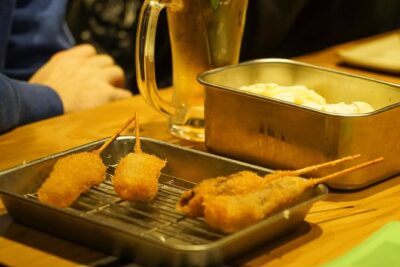
Osaka Local Foodie Walking Tour in Dotonbori and Shinsekai
Read our review →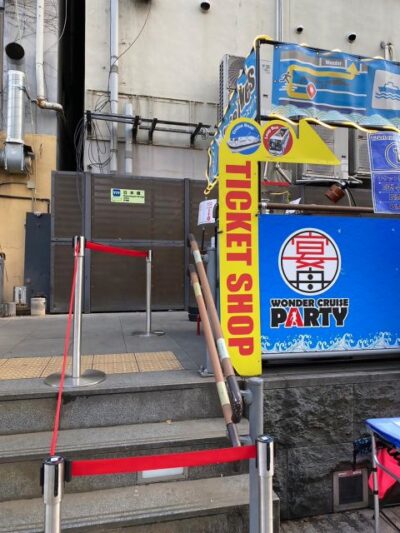
Dotonbori District River Cruise with Drink Discount
Read our review →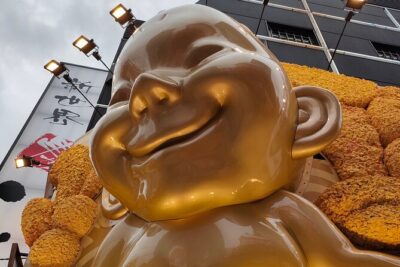
Ultimate Osaka Walking Tour: Castle, Dotonbori & Hidden Gems
Read our review →
Osaka Local Bar Crawl in Dotombori & Uranamba Area
Read our review →
Browse the lists this tour appears in