
Reviewed · OSAKA COOKING CLASSES
Cooking Class for Ramen and Gyoza in a Quiet Old Osaka House
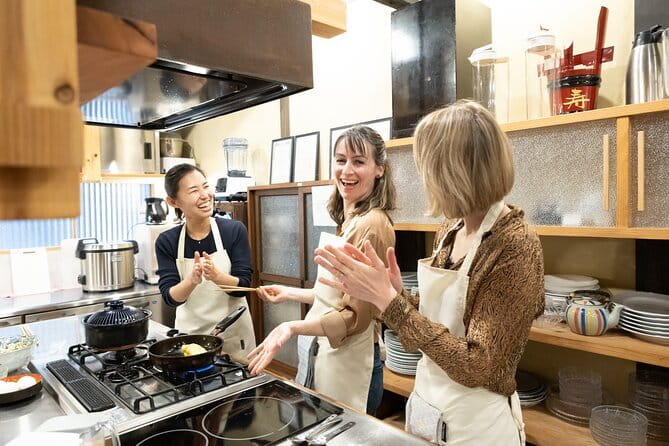
Making ramen and gyoza in a renovated 90-year-old Osaka house gives you more than a meal. You learn how ordinary Japanese home cooking comes together, from common condiments to handmade wrappers, then sit down and eat what you prepared. Ayumi, a local instructor and certified dietary education instructor, leads the class in English.
I like the small maximum of six people, which leaves room for questions and friendly conversation. I also like that the menu teaches two useful dishes: soy-sauce ramen with pork toppings and gyoza filled with meat and vegetables. The main consideration is price. At $93.44 per person, this costs more than a quick Osaka lunch, so the value comes from the instruction, the setting, and the recipes you can use at home.
Key Points to Know Before Booking
- Cook in a 90-year-old Osaka house: The kitchen studio has been renovated but keeps the atmosphere of an older Japanese home.
- Learn two practical dishes: You make ramen in a soy-sauce broth and gyoza with homemade wrappers.
- Ayumi teaches in English: She grew up with Japanese home cooking and has more than five years of teaching experience.
- Small groups matter: Shared classes have a maximum of six participants, with private classes available by direct arrangement.
- The meal is included: Your finished ramen and gyoza become lunch during the class.
- Plan ahead: The class is often booked about 38 days in advance, and you should report allergies or food restrictions when booking.
From Tanimachi to the Cooking Table
The class begins at 10:30 am at 6 Chome-13 Tanimachi in Osaka’s Chuo Ward. The meeting point is near public transportation, but private transportation is not included, so you need to make your own way there.
The address places you in central Osaka, though the appeal here is not a sightseeing stop or a long list of attractions. You are coming for a quieter, more local-feeling part of the city. Allow enough time to find the house without rushing. A cooking class is much more enjoyable when you arrive ready to wash your hands, meet the instructor, and start cooking.
The activity lasts about 2 hours and 45 minutes. That is a useful length for this menu. You are not simply shown a finished dish and handed a recipe. You have time to learn about ingredients, work with the food, cook it, and eat lunch together.
The activity ends back at the meeting point. Since the class starts in the morning and includes lunch, it can fit nicely into a day of exploring Osaka afterward.
More ramen and gyoza classes in Osaka:
- Osaka: Five Must-See Highlights Walking Tour & Ramen Lunch
★ 4.7 · 411 reviews - Osaka: Ramen and Gyoza Cooking Class in Dotonbori
★ 5.0 · 378 reviews - Ramen and Gyoza Cooking Class in Osaka
★ 5.0 · 202 reviews
Meeting Ayumi and Learning the Japanese Pantry
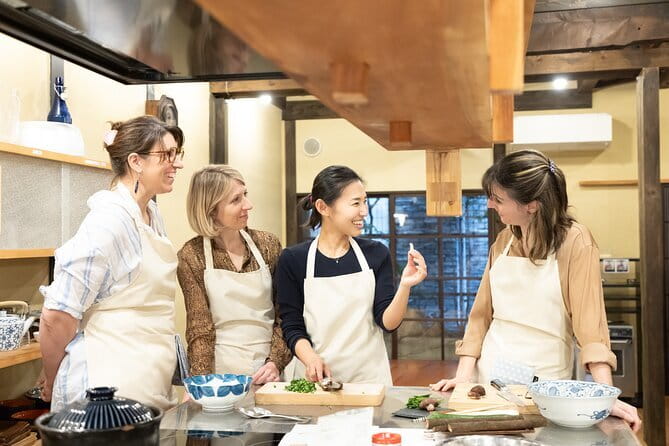
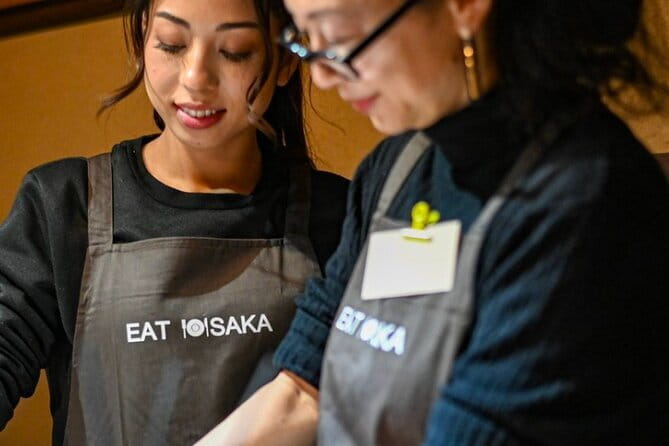
Ayumi is a local who grew up eating Japanese home cooking every day. She is also a certified dietary education instructor and has more than five years of experience teaching cooking classes at home and at school.
The class is offered in English. That matters here because cooking depends on small instructions: how to handle a wrapper, when to add an ingredient, and how to tell when food is ready. You are not left to guess your way through the meal.
The opening part of the class introduces ingredients and condiments common in Japanese kitchens. This is one of the more useful parts for a first-time visitor. Japanese food can look simple on the plate, but the flavor often comes from a few sauces, seasonings, and cooking steps working together.
You also get a chance to exchange food customs with the other participants. That social element is built into the class, but it does not replace the cooking. You are there to work with the ingredients, not just watch Ayumi prepare lunch.
The personal tone is part of the appeal. Ayumi’s teaching style has been described as warm, friendly, and organized, and one participant left feeling ready to make the dishes for friends at home. That is a good sign for anyone who wants a class with clear instruction rather than a formal demonstration.
Making Ramen With Soy Sauce and Pork
The ramen is served in a soy-sauce-based soup with pork toppings. The class gives you a chance to understand how a familiar Japanese dish is built, rather than treating ramen as something that only comes from a restaurant kitchen.
You begin with the ingredients and cooking methods, then prepare the dish under instruction. The information provided does not give a full minute-by-minute recipe, so you should not expect a professional chef’s technical masterclass. Instead, the focus is on learning a home-style method you can remember and repeat.
That makes the ramen useful for two kinds of people. If you are new to Japanese cooking, you get a guided introduction to familiar flavors. If you already cook, you may pick up ideas about how Japanese households use condiments and combine simple ingredients.
The pork topping gives the bowl a more complete meal feel, and the class includes the ramen as your lunch. You are not paying for a lesson and then needing to find another meal immediately afterward.
Keep your expectations in the right place. This is not presented as a regional ramen tour or a study of specialized noodle shops. It is a hands-on home cooking class, with ramen as one of two dishes you make and eat.
Folding Gyoza With Homemade Wrappers
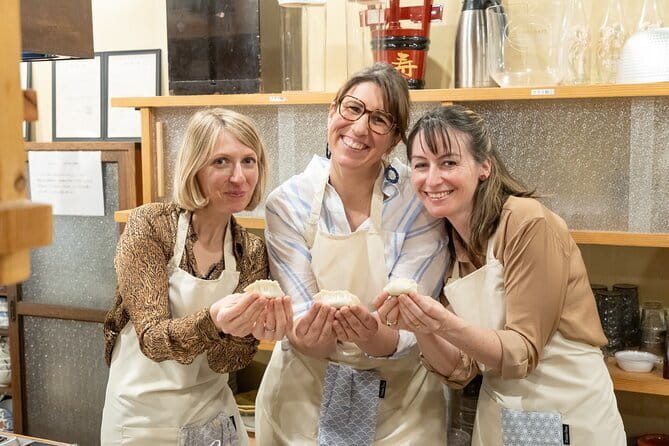
The gyoza portion is likely to be the most hands-on part of the class. You prepare homemade wrappers and fill them with pork or beef and vegetables. Making the wrapper yourself gives you a better feel for the dish than using ready-made skins.
Gyoza can look easy until you try to fill and close them neatly. The class gives you direct guidance while you work, so you can learn the basic process without turning lunch into a frustrating kitchen experiment.
The filling is practical too. Meat and vegetables make gyoza flexible enough to repeat at home, and the method can be adjusted later to suit your own kitchen. You are learning a dish that works well for sharing, which helps explain why one participant planned to use the recipes for friends.
The class does not promise restaurant-style decoration or advanced knife work, and that is fine. The value is in learning a repeatable home recipe and understanding the steps well enough to make it again.
Once the gyoza is prepared, you eat it with the ramen. Cooking both dishes in one session gives you a fuller look at a Japanese meal than a single-dish lesson would.
More cooking classes in Osaka:
- Matcha Making Class in Osaka with Authentic Japanese Sweets Set
★ 5.0 · 509 reviews - Osaka Sushi Making Experience
★ 5.0 · 400 reviews - Osaka: Traditional Mochi Pounding Experience with Tasting
★ 4.9 · 306 reviews - Osaka Cooking Class: Okonomiyaki &Japanese cuisines experience
★ 5.0 · 261 reviews
Why the Old House Changes the Mood
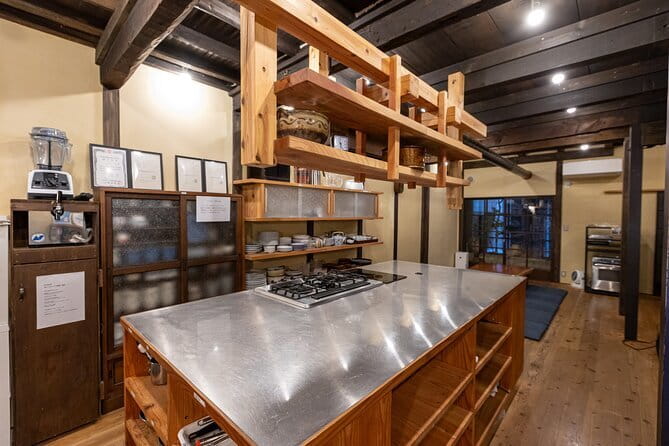
The cooking studio is a renovated 90-year-old house. Its age is not just a line in the description. It gives the class a setting with more character than a modern commercial kitchen or hotel meeting room.
You still get a functioning kitchen studio, but the older building creates a calmer backdrop for the lesson. The class is designed as a shared meal and conversation, so the house suits the pace. You can focus on cooking and exchanging food traditions instead of moving through a crowded schedule.
I would choose this class partly for that setting. Osaka has plenty of energetic food stops, but not every meal needs to happen in a busy restaurant. Spending part of the day in a quiet older house gives you a different view of the city.
The setting may matter less if you only want the fastest possible route to a bowl of ramen. In that case, a restaurant is cheaper and more efficient. This activity is for you if the place, the instruction, and the process are part of what you want to remember.
A Small Group With Room to Ask Questions
The shared class has a maximum of six participants. That is a strong point for a cooking lesson. A large group can make you wait for equipment or miss the explanation while standing behind other people. Six keeps the class more manageable.
A small group also helps with the social side. You will be cooking and eating with people from different food cultures, and the class encourages conversation about customs and home meals. The experience can feel more like being invited into a kitchen than attending a stage-style demonstration.
Private classes are available by contacting the provider directly. This may suit couples, families, or small groups who want the kitchen to themselves. Children under six must be booked into a private class, so families should not assume that very young children can join the shared session.
The private option may also be worth asking about if you have complicated dietary needs. The provider asks you to report allergies and restrictions at booking and will try to accommodate them, but you should not wait until the day of the class.
What the $93.44 Price Buys You

The price is $93.44 per person. Compared with the cost of eating ramen and gyoza in Osaka, that is clearly a premium. You can find a simple meal for far less, so the price only makes sense if you want the complete activity.
Your fee covers the instruction, the ingredients, the cooking session, and lunch. You also receive Japanese-made chopsticks in holders decorated with origami and other cute details. That small gift adds a useful souvenir rather than another disposable memento.
The real value is the chance to repeat the meal later. You leave with practical experience making ramen and gyoza, plus recipes you can use for friends and family. The class is a better buy for someone who enjoys cooking or wants a food memory tied to a real skill.
It is less suitable if you are mainly looking for a cheap lunch. You also need to pay for your own transportation to the meeting point. There is no private transfer included, although the location is near public transportation.
Timing, Booking, and Food Restrictions
This class is often booked about 38 days in advance. That does not mean every date will sell out, but it does suggest you should reserve early if your Osaka schedule is fixed. Confirmation is sent within 48 hours of booking, subject to availability.
The start time is 10:30 am. You should treat that time seriously because a cooking class cannot easily absorb late arrivals without affecting the group. The full session lasts roughly 2 hours and 45 minutes, including lunch.
Tell the provider about allergies or food restrictions when you book. The class includes pork, and the gyoza may use pork or beef, so dietary needs need to be discussed before the day of the activity. The provider will try to accommodate restrictions, but the supplied information does not promise every substitution.
Cancellation is free up to 24 hours before the local start time. If you cancel less than 24 hours ahead, you will not receive a refund, and changes made inside that period are not accepted. That policy is worth remembering when planning around changing Osaka weather or a packed sightseeing day.
Who Will Enjoy This Class Most
I would recommend this class to you if you want to understand Japanese food by making it yourself. It suits couples, solo participants, families with older children, and small groups of friends who like a relaxed kitchen setting.
It is especially useful for first-time visitors who want more contact with local home cooking than a restaurant meal provides. You learn what ingredients and condiments do, then see how they come together in two dishes you can repeat.
The class also works well for people who enjoy meeting others. The maximum of six keeps the group personal, and the format includes conversation about food customs as you cook and eat.
You may want to skip it if your Osaka plan is tightly packed, if you dislike group activities, or if you only want a quick meal. The 2-hour-45-minute schedule is the point, not a flaw, but it takes a real part of your day.
Should You Book the Ramen and Gyoza Class?
Book it if you want a hands-on food lesson in a real old Osaka house, not just another restaurant meal. Ayumi’s English instruction, small group size, homemade gyoza wrappers, and two-dish menu give the class a clear purpose.
At $93.44, it is not a bargain lunch. It is a cooking experience with food, teaching, conversation, and a useful souvenir included. Tell the provider about dietary needs early, reserve well ahead if your dates are fixed, and leave enough time to reach Tanimachi for the 10:30 am start.
If you want to return home able to make ramen and gyoza for friends, this is a sensible choice. If you are counting every yen or have no interest in cooking, spend the money on several Osaka meals instead.
FAQ
Where does the cooking class meet?
The class begins at 6 Chome-13 Tanimachi, Chuo Ward, Osaka, 542-0012, Japan. It is near public transportation, and the activity ends back at the meeting point.
What time does the class start?
The class starts at 10:30 am.
How long does the cooking class last?
The activity lasts approximately 2 hours and 45 minutes.
What food will I make?
You will make ramen in a soy-sauce-based soup with pork toppings, along with gyoza made from homemade wrappers and a pork or beef and vegetable filling.
Is the class taught in English?
Yes. The cooking class is offered in English, and Ayumi is the instructor.
Can children under six join the shared class?
Children under six must be booked into a private class. Private classes are available by contacting the provider directly.
Can I cancel for a full refund?
You can cancel for a full refund up to 24 hours before the experience start time. Cancellations and changes made less than 24 hours ahead are not accepted for a refund.
More Workshops in Osaka
- Sushi Making Osaka Roll and Authentic Japanese Sushi Class
★ 5.0 · 1,220 reviews - Osaka: Roll and Authentic Sushi Making Class in Dotonbori
★ 4.9 · 239 reviews - Osaka: Sushi Class in Dotonbori
★ 4.9 · 160 reviews - Three Types of Ramen Cooking Class in Osaka
★ 5.0 · 119 reviews
Just added in Osaka
- Urban Canvas: Osaka Street Art Bike Tour★ 5.0 · 10 reviews
- Anime Cosplay Photshoot-50 Digital Photos Provided★ 5.0 · 8 reviews
- TeamLab Botanical Garden Osaka Ticket★ 3.5 · 6 reviews
- Umeda Sky Building & Kuchu Teien Observatory Ticket in Osaka★ 4.5 · 3 reviews
- Immerse in Judo Martial Arts Class from Japan★ 5.0 · 4 reviews
- Cherry Blossom Buddha and Mt.Yoshino with Strawberry Picking Tour★ 4.5 · 5 reviews
- Traditional Home cooking Experience in Osaka, Japan★ 5.0 · 14 reviews
- Traditional Calligraphy Experience near Dotonbori★ 5.0 · 3 reviews
Osaka Cooking Classes, compared.

Matcha Making Class in Osaka with Authentic Japanese Sweets Set
Read our review →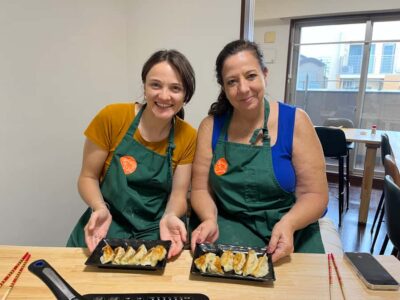
Traditional Mochi Pounding Experience with Tasting
Read our review →
Osaka Cooking Class: Okonomiyaki &Japanese cuisines experience
Read our review →
Roll and Authentic Sushi Making Class in Dotonbori
Read our review →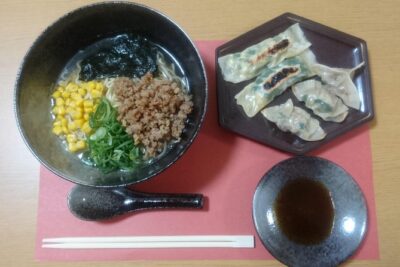


Osaka Sake Tasting & Takoyaki Cooking Experience
Read our review →Browse the lists this tour appears in