
Reviewed · OSAKA ZEN AND MEDITATION
ZEN therapy | Shiatsu-style massage, EnergyTherapy & Japanese Tea
The unusual part of this Osaka treatment is the blend of shiatsu-style bodywork, energy therapy, and Zen customs. You change into a samue, a work robe associated with Zen monks, then receive hands-on treatment before sitting down for matcha and a Japanese sweet.
I like the calm rhythm: the robe helps mark a clear break from sightseeing, and the tea ritual gives the hour a proper ending rather than sending you straight back onto a busy street. At $57.23 for the advertised session, the private setting also gives you more personal attention than a large spa.
The main consideration is simple: energy therapy is a belief-based practice, not a substitute for medical care. The treatment may appeal most if you are open to qi or Ki work and want relaxation, while readers seeking a conventional massage should confirm exactly what style and duration they are booking.
Key points at a glance
- Samue robe included: You change into a Zen-style work robe before treatment, with the option to purchase one as a souvenir.
- Two-part body treatment: The session combines shiatsu-style massage with Japanese energy therapy focused on qi or Ki.
- Matcha closes the visit: A Japanese tea ritual and tea sweet follow the bodywork.
- Private appointment: Only your group takes part, with a therapist in a private room.
- Several lengths offered: Options are listed at 30, 60, 90, and 120 minutes, although the main booking details describe an approximately one-hour visit.
- Written follow-up: Your therapist provides a report on your energy status and advice for the future.
What happens inside MAITRII in Osaka
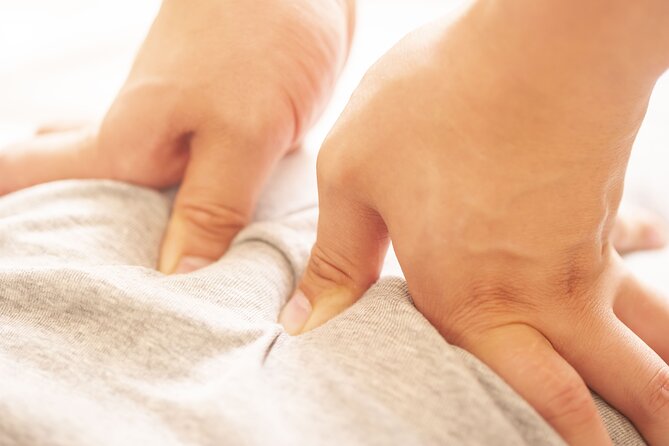
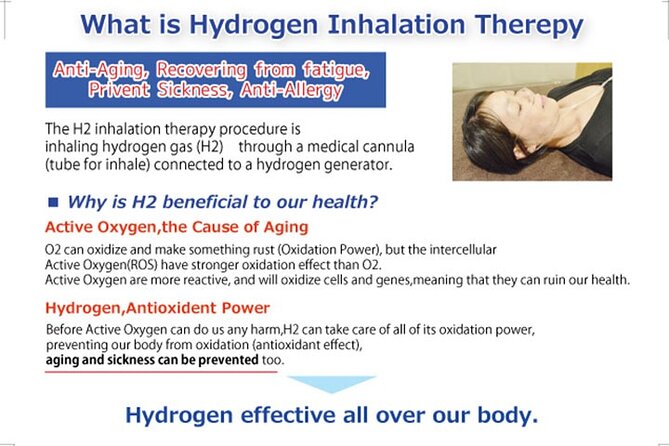
You meet at MAITRII, H2 Inhalation Therapy & Relaxation, on the eighth floor of the Shin-Osaka Dainichi Building in Nishinakajima, Yodogawa Ward. The address is 5-chome 6-16, Nishinakajima, Osaka 532-0011, and the location is near public transportation.
This is not a street-side temple visit or a group wellness class. It is a private appointment at a specialist therapy business. That matters if you prefer quiet and one-to-one attention, but it also means the setting is more clinical and appointment-based than a traditional tea house.
The activity ends at the same place where it begins. There is no private transportation, so you arrange your own way to the building and back into Osaka. Allow enough time to find the correct entrance and floor, especially if you are coming directly from a train connection.
Confirmation is sent within 48 hours of booking, subject to availability. Since the treatment is private, you should avoid leaving this booking until the last minute if your Osaka schedule is tight. The average booking lead time is 19 days, which suggests that planning ahead is sensible.
More zen and meditation sessions in Osaka:
- Learning Zen of Japanese Calligraphy in kimono near Osaka Castle
★ 4.5 · 53 reviews - Learn Zen in a class of making Matcha tea near Osaka Castle
★ 4.8 · 17 reviews - Osaka: Japanese Zen Massage and Facial at the Temple/180-min
★ 4.8 · 10 reviews
Changing into a samue sets the tone
The first step is changing into a samue, a comfortable Zen Buddhist work robe. Samue were traditionally worn by Zen monks while working, and here the robe is part of the treatment rather than a costume photo opportunity.
I like this detail because it gives the session a clear beginning. You put away your regular clothes and, for a short while, step out of the usual sightseeing routine. The robe is also practical for bodywork, since it allows you to receive treatment without remaining in ordinary street clothes.
You can reportedly buy a samue afterward. The robe is intended for relaxing at home, taking a walk, or wearing during zazen at a Japanese temple. If you like useful souvenirs rather than decorative objects, this is one of the more practical choices available in Osaka. Just confirm purchase details and sizing at the appointment, since the supplied information does not state a price or available sizes.
Shiatsu-style massage meets qi-based energy work
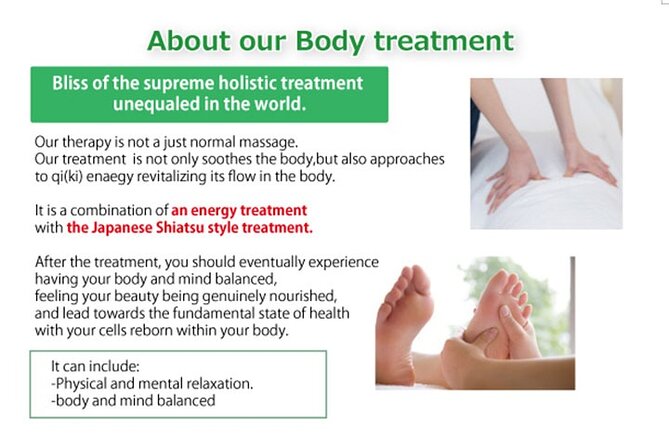
The central treatment combines bodywork with Japanese energy therapy. The therapist uses a shiatsu-style approach to relax the body and work with areas described in Oriental medicine as carrying qi, Ki, or life energy.
The treatment is presented as a way to adjust energy circulation and support the body’s natural healing ability. The provider also connects it with fatigue recovery, relaxation, beauty, disease prevention, and mental clarity. Those are wellness claims, not guarantees, so I would treat them as the philosophy behind the session rather than promised medical results.
The hands-on element is likely the most familiar part for many people. If you enjoy pressure-based massage, the shiatsu-style work gives you a physical focus. The energy component adds a quieter, less measurable layer. You may notice the therapist working slowly and deliberately, but the exact pressure, techniques, and sequence are not described in detail.
That lack of detail is worth noting. If you have pain, an injury, a medical condition, or a strong preference about pressure, tell the therapist before treatment begins. The information says most people can participate, but it does not provide a detailed medical screening policy.
The provider describes the treatment as removing unwanted energy associated with toxins and stress, then recharging the body with needed bioenergy. You may find that language meaningful, especially if you already practice Reiki, qi work, or other energy-based traditions. If you do not, you can still approach the visit as a relaxation treatment with a distinctive Japanese framework.
Crystals under the treatment bed
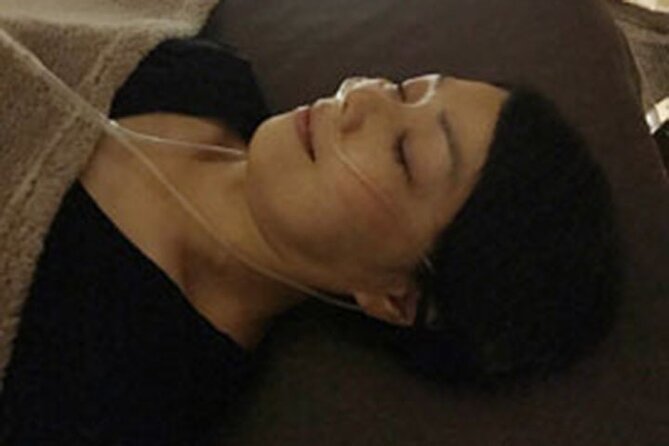
High-quality artificial quartz is placed under the bed to help condition the therapy room and amplify what the provider calls good energy. The crystals are described as being made with Japanese technology and taking several years to complete.
This is an unusual feature, but it is also one you should understand clearly. The quartz is part of the provider’s energy-therapy system, not a proven medical device. I would not book this treatment because you expect crystals to treat an illness. I would book it because you are curious about the setting and comfortable with a spiritual wellness practice.
The provider specifically favors artificial quartz with orderly crystal structure over natural quartz with irregular formations. That technical explanation is part of the treatment’s identity, though you are unlikely to assess the difference during a one-hour visit. For you, the practical value is the calm room, the focused appointment, and the chance to try a Japanese wellness practice that is not a standard massage.
More massage and spa sessions in Osaka:
- Osaka Temple Head Spa &Matcha Facial – Refresh & Glow〈90min〉
★ 5.0 · 24 reviews - Osaka: Tennen Onsen Naniwa-no-Yu, the famous hot spring spa
★ 4.7 · 19 reviews - Osaka Temple :Warm Bamboo Oil Massage – Deep Restore〈90min〉
★ 5.0 · 14 reviews - Osaka:Bamboo Healing Massage at the Temple <90-min>
★ 5.0 · 9 reviews
Matcha and a tea sweet close the hour
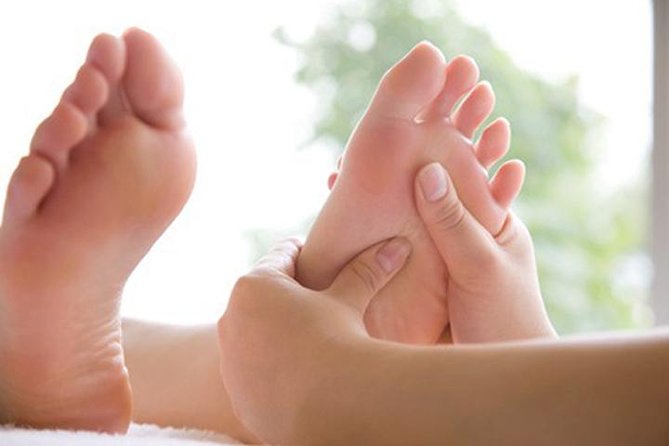
After the body treatment, you sit down for matcha and a Japanese tea sweet. This is described as a small tea ritual, connected to the idea that sado, the way of tea, has roots in Zen.
I like that the tea comes after the treatment. It gives you a few minutes to return to ordinary conversation and take stock of how you feel before heading back into Osaka. A cup of matcha is not a full tea ceremony, and you should not book this expecting a formal demonstration of tea utensils, etiquette, or history. It is a simple closing ritual.
The tea also helps distinguish this visit from a standard massage appointment. The goal is not only to work on the body, but to link body, attention, and quiet. That may sound modest, yet it can make the session feel more complete than a treatment that ends with a quick goodbye at reception.
The treatment report adds a personal follow-up
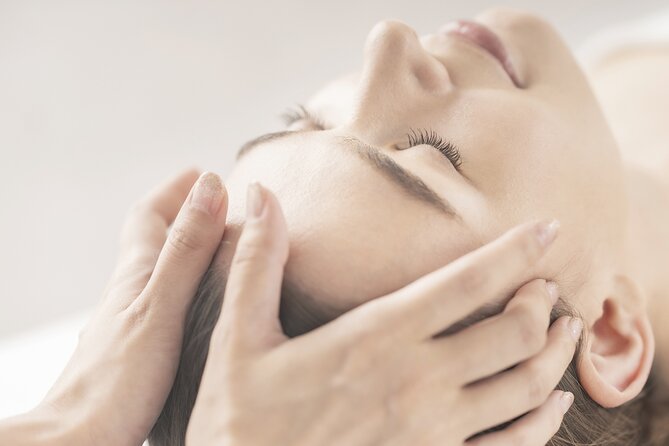
Your therapist provides a report describing your energy status and offering advice for the future. The supplied information does not explain the report’s format or how detailed it will be, so think of it as a personal wellness note rather than a medical diagnosis.
This could be useful if you want to remember what the therapist focused on or continue a relaxation routine after leaving. It may be less useful if you prefer a strictly physical massage and do not place much value on energy readings.
The report also reinforces the private nature of the appointment. Your session is not a general spa treatment delivered on an assembly line. The therapist is expected to pay attention to your individual condition and explain what they observed through the provider’s energy-therapy approach.
Choosing between 30, 60, 90, and 120 minutes
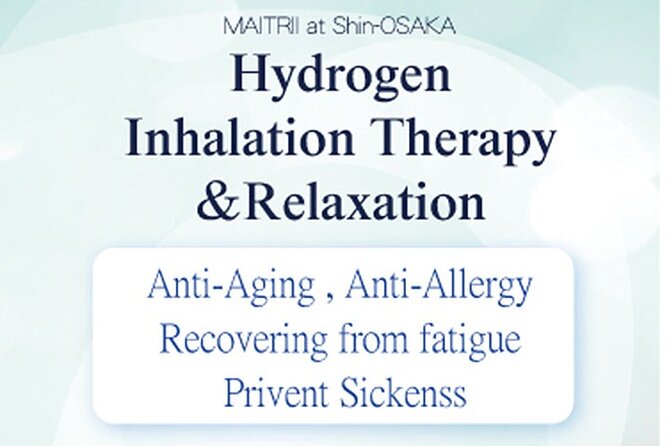
Four treatment lengths are listed:
- 30 minutes for a shorter essential treatment
- 60 minutes for a standard refresh
- 90 minutes as a premium option
- 120 minutes as the luxury option
The wording attached to these choices is poorly translated, so I would not rely on the labels alone. The main product information describes a one-hour activity and lists the price at $57.23 per person. Before paying, confirm which duration your selected option includes and whether matcha and the treatment report are included in every version.
For most people, 60 minutes is the sensible starting point. It gives you enough time for changing, bodywork, energy therapy, tea, and the report without turning the visit into a major part of your day. The 30-minute option may suit you if you have a packed schedule, but the treatment could feel brief once changing and the closing tea are included.
The 90-minute and 120-minute choices make more sense if you have several specific areas of concern. The information recommends the premium or luxury options if you feel that certain parts of your body need more work. Those longer appointments should be confirmed carefully, since the advertised overall duration and the list of treatment lengths do not match perfectly.
Is $57.23 a fair price?
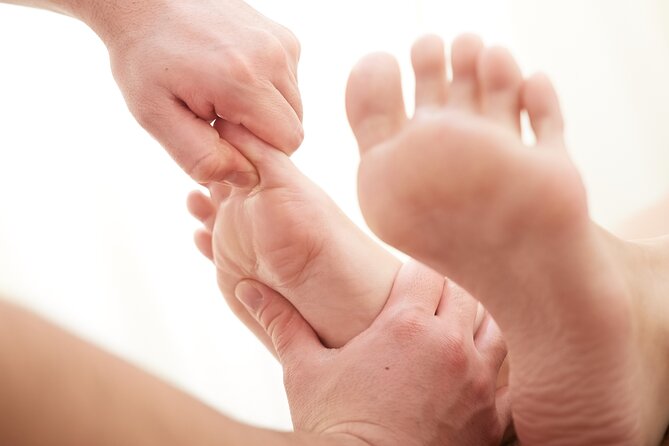
At $57.23 per person, the value depends on what you want from the appointment. You are not paying only for a massage. The price covers the private setting, samue use, shiatsu-style bodywork, energy therapy, matcha with a tea sweet, and a written treatment report.
That is a reasonable package if you want a one-hour wellness activity with a clear Japanese theme. It is less compelling if all you want is a conventional massage at the lowest possible cost. In that case, the tea ritual, robe, energy work, and report may not add much value for you.
The price also needs to be read alongside the private format. Only your group participates, so you are not sharing the room with strangers or following a fixed class schedule. I consider that a meaningful benefit for couples, friends, or solo visitors who want quiet.
The strongest practical value is for someone arriving in Osaka tired from long flights, full days of walking, or a demanding itinerary. One person described arriving with a very tired body and leaving relaxed and rejuvenated. Another chose the longest course and felt the added time was worthwhile, even while noting that the energy work may appeal most if you are open to it.
Those impressions do not prove a health benefit, but they point to the experience’s likely strength: relaxation and a sense of personal attention.
Who should book this Osaka treatment?
I would recommend it to you if you enjoy trying local wellness customs and do not need every part of an activity to fit a conventional medical model. The combination of samue, matcha, Zen ideas, shiatsu-style massage, and energy work gives you a distinct cultural angle without requiring a full-day excursion.
It also suits you if you want a private appointment close to public transportation. The one-hour format can fit between sightseeing plans, provided you include time to reach the building and change clothes.
This is not the best choice for you if you need a licensed medical treatment, a diagnosis, or a clearly described therapeutic massage for a known injury. The supplied information calls the treatment holistic and energy-based, but it does not list medical credentials, specific contraindications, or detailed massage techniques.
You should also be comfortable with the possibility that the experience feels spiritual or interpretive. The therapist may discuss your energy status and future advice in terms of qi, Ki, toxins, and bioenergy. You can listen with an open mind without treating those ideas as medical facts.
Booking details that affect your day
Free cancellation is available if you cancel at least 24 hours before the local start time. Cancellations made less than 24 hours before the appointment are not refunded, and changes inside that window are not accepted.
The activity is private, and most people can participate. No separate accessibility details are provided, so contact the provider before booking if you have mobility needs or require a particular treatment arrangement.
The provider is 水素セラピーMAITRII. The business name also refers to hydrogen therapy, but the activity described here centers on shiatsu-style massage, energy therapy, samue clothing, matcha, and a treatment report. Confirm that you have selected the correct service when making your reservation.
Should you book Zen Therapy in Osaka?
Book it if you want a compact, private wellness session with Japanese touches and you are curious about energy-based practice. The samue robe, matcha ending, and written report give the appointment more character than a basic massage, while the $57.23 price is fair for the package and private format.
Skip it if you want evidence-based medical care or a conventional massage with detailed pressure and technique information. For the best fit, choose the 60-minute option as a first visit, ask what is included before payment, and consider the longer choices only if you specifically want extra work on particular areas.
FAQ
Where does Zen Therapy take place?
It takes place at MAITRII, H2 Inhalation Therapy & Relaxation, on the eighth floor of the Shin-Osaka Dainichi Building in Nishinakajima, Yodogawa Ward, Osaka.
How long does the activity last?
The main activity is described as approximately one hour. Separate options are listed for 30, 60, 90, and 120 minutes, so confirm the duration of your selected option when booking.
What is included in the treatment?
The experience includes a full-body qi balancing massage, shiatsu-style massage using energy therapy, and a Japanese Zen tea ritual with matcha and a tea sweet.
Do I need to arrange transportation?
Yes. Private transportation is not included. You make your own way to MAITRII, and the activity ends back at the meeting point.
Is the activity private?
Yes. Only your group participates in the appointment, with a therapist in a private room.
Can I cancel for a full refund?
You can cancel for a full refund if you do so at least 24 hours before the local start time. Cancellations made less than 24 hours before the start are not refunded.
Can I buy a samue robe?
Yes. A samue can be purchased as a souvenir, though the available sizes and price are not provided in the activity details.
Just added in Osaka
- Urban Canvas: Osaka Street Art Bike Tour★ 5.0 · 10 reviews
- Anime Cosplay Photshoot-50 Digital Photos Provided★ 5.0 · 8 reviews
- TeamLab Botanical Garden Osaka Ticket★ 3.5 · 6 reviews
- Umeda Sky Building & Kuchu Teien Observatory Ticket in Osaka★ 4.5 · 3 reviews
- Immerse in Judo Martial Arts Class from Japan★ 5.0 · 4 reviews
- Cherry Blossom Buddha and Mt.Yoshino with Strawberry Picking Tour★ 4.5 · 5 reviews
- Discover Osaka’s Iconic Umeda Sky Observation★ 5.0 · 6 reviews
- Traditional Home cooking Experience in Osaka, Japan★ 5.0 · 14 reviews
Osaka Zen and Meditation, compared.
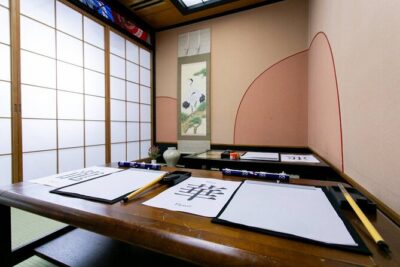
Learning Zen of Japanese Calligraphy in kimono near Osaka Castle
Read our review →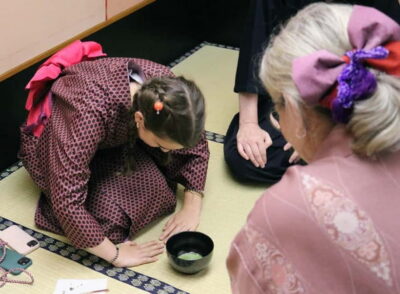
Learn Zen in a class of making Matcha tea near Osaka Castle
Read our review →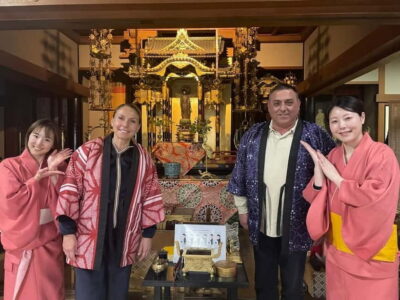
Japanese Zen Massage and Facial at the Temple/180-min
Read our review →Osaka Temple: 1-Hour Evening Zen Chill Experience
Read our review →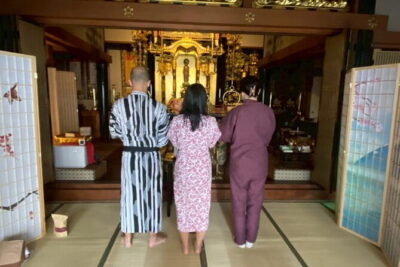
Browse the lists this tour appears in