
Reviewed · OSAKA ZEN AND MEDITATION
Osaka: Japanese Zen Massage and Facial at the Temple/180-min
At a historic Osaka temple, this experience blends hands-on body care with Japanese ritual. You change into a yukata, offer incense, sit for a short meditation, and then settle in for warm bamboo massage, scalp work, and a matcha facial.
I like the thoughtful mix of cultural moments and proper spa time, rather than a quick massage dressed up with a temple backdrop. I also like the small group size, limited to three people, plus the complimentary smartphone photos that give you a simple keepsake.
The main caution is consistency. Most ratings are glowing, but one person found the massage average and felt the therapist lacked skill. The tea ceremony may also be shared with other participants, so this is not automatically a fully private retreat.
Key points to know before booking
- Warm bamboo and oil massage: A bamboo stick is used for fascia release and muscle relief alongside hand massage.
- Three-hour temple setting: The visit combines massage, foot care, meditation, incense, tea, and facial treatment.
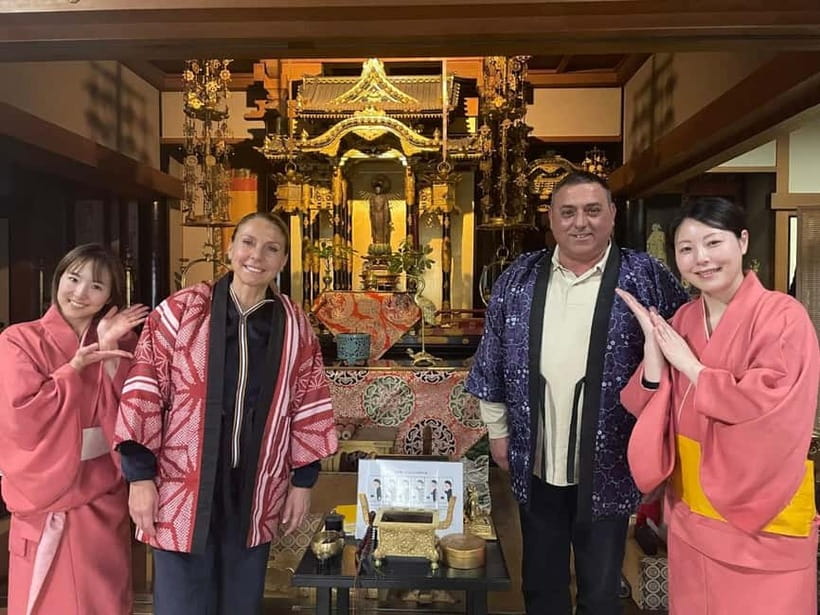
- Yukata and photographs: You change into traditional clothing and receive complimentary smartphone photos.
- Small group format: The activity is limited to three participants, though the tea ceremony can be shared.
- Matcha-focused facial care: The facial treatment is paired with a head spa and scalp massage.
- Best for a post-sightseeing reset: It suits you after several active days in Osaka, provided you are not pregnant.
A temple visit that begins before the massage
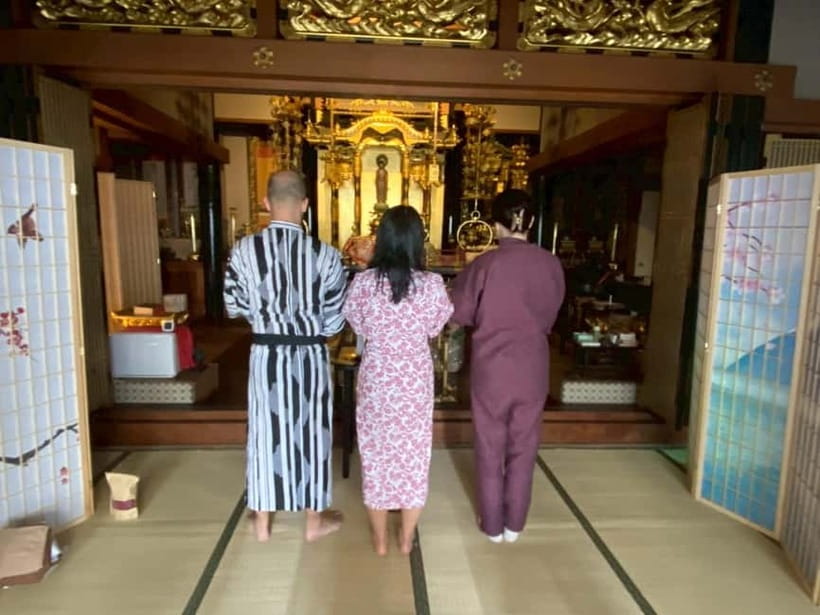
The appeal here is not simply lying down for three hours. You first enter a temple setting, change into a yukata, and receive a welcome drink. That small change of clothing helps mark a break from ordinary sightseeing. You are no longer rushing between train stations and restaurant reservations.
The temple portion includes an introduction to its history and to Japanese worship culture. You also take part in an incense offering. This gives the visit some context, so the rituals do not feel like random decorations placed around a spa appointment.
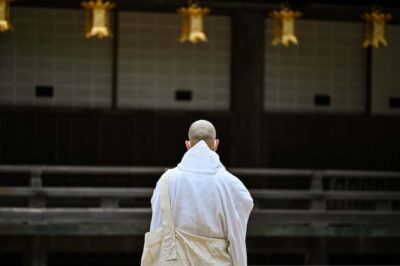
You then meditate with a bell and kneaded incense. The supplied details do not set a precise meditation length, so expect a short guided pause rather than a full meditation retreat. I like this opening because it gives your body and mind a chance to slow down before the treatment begins.
The setting matters. A massage in an ordinary hotel room can be pleasant, but the temple setting gives the appointment a clear sense of place. At the same time, you should book this for the calm and care, not for a long temple tour. The cultural portion is one part of a larger wellness program.
More temple tours in Osaka:
- Osaka: Minoh, Katsuoji Temple, & Minoh Falls Full-day Tour
★ 4.9 · 172 reviews - Osaka Temple Cool Foot Bath & Matcha Experience〈45min〉
★ 4.9 · 82 reviews - Osaka: Mind & Spirit Balance Temple Reiki Healing
★ 5.0 · 41 reviews
Foot bath and scrub massage ease you into the treatment
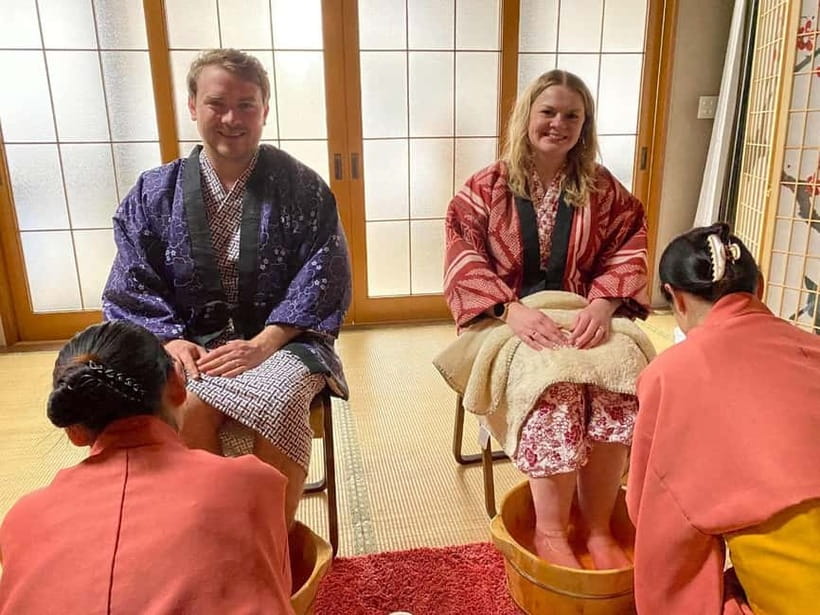
The first hands-on treatment is a foot bath with a scrub massage. This is a practical start after a day of walking around Osaka. Warm water can help you shift gears, while the scrub adds a little physical care before the full-body work.
The foot bath is also a gentle way to begin if you are unsure how much pressure you want. You can get comfortable, settle into the atmosphere, and prepare for the oil massage without being rushed straight into firmer work.
Do not mistake this for a separate luxury foot spa that takes up most of the appointment. It is an opening treatment within a packed three-hour schedule. The main body work comes afterward, so the foot bath works best as a transition rather than the central attraction.
Warm bamboo massage gives this treatment its character
The most distinctive treatment here is the combination of hand oil massage and warm bamboo fascia release. A bamboo stick is used along with the therapist’s hands to address muscle tension and circulation. The warmth of the bamboo adds a different feel from a standard oil massage.
The experience is designed to relieve deep muscle tension. That may appeal to you after long walks, shopping, or several days of sightseeing. The bamboo tool can also make the treatment feel more focused than a gentle relaxation massage, although the exact pressure will depend on the therapist.
I would tell you to speak up about pressure and comfort. The supplied information does not promise a particular massage style or intensity, and one low rating specifically raised concerns about therapist skill. Most of the published ratings are highly positive, including several comments about an excellent massage, but expectations should stay sensible.
This is the one part of the experience where personal fit matters most. If you prefer a soft, soothing massage, ask for lighter pressure. If you want muscle work, explain that clearly. The bamboo technique is a feature, not a guarantee of a certain result for every body.
Matcha facial and head spa add a quiet finish
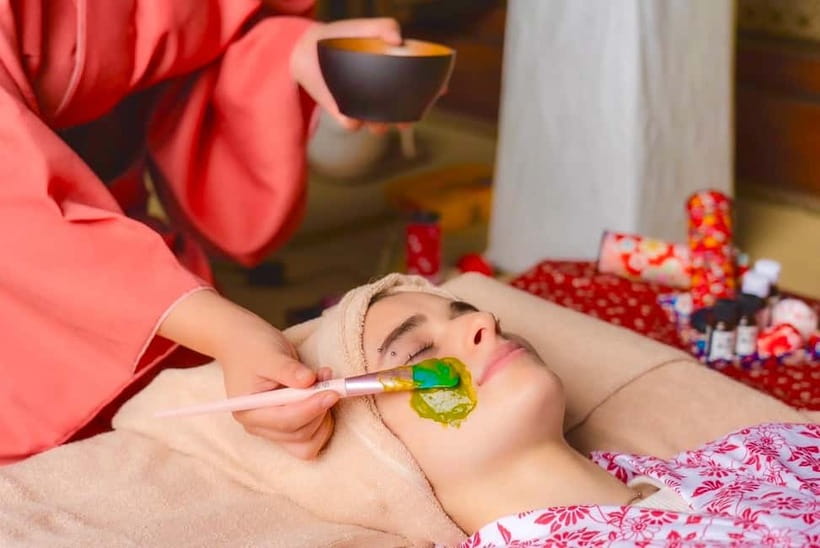
After the body treatment, you receive a matcha facial and head spa. Matcha connects the beauty treatment to the wider Japanese theme without making the experience feel like a formal beauty lesson. The head spa includes scalp massage, which many people find especially relaxing after travel.
The facial massage drew particular praise in the available ratings. That makes sense: facial work and scalp massage provide a pleasant contrast after full-body treatment. Instead of concentrating only on sore legs or shoulders, the program gives attention to your face, scalp, and head.
The facial is also useful for anyone who wants a slower finish. A vigorous massage can leave you feeling worked over. The facial and head spa shift the tone toward rest and quiet before the tea ceremony.
You should not expect a detailed menu of cosmetic options. The included treatment is specifically a matcha facial, and no skin analysis or choice of products is listed. If you have sensitive skin or concerns about facial products, ask before treatment begins.
More zen and meditation sessions in Osaka:
- Learning Zen of Japanese Calligraphy in kimono near Osaka Castle
★ 4.5 · 53 reviews - Learn Zen in a class of making Matcha tea near Osaka Castle
★ 4.8 · 17 reviews - Osaka Temple: 1-Hour Evening Zen Chill Experience
★ 4.9 · 10 reviews - Osaka:Zen Tea Ceremony and Foot Bath Experience<45min>
★ 5.0 · 7 reviews
Tea, sweets, and Japanese ritual complete the visit
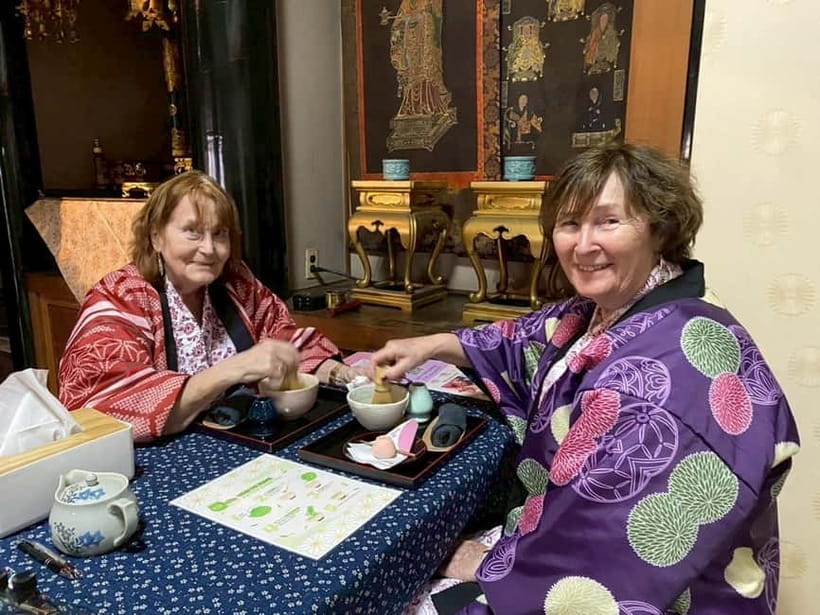
The tea ceremony is the cultural centerpiece after the body care. You receive tea with original Japanese sweets, giving the experience a proper closing ritual instead of sending you straight back onto the street after the massage.
This part is not guaranteed to be private. The treatments are individual, but the tea ceremony may be shared with other participants. That distinction is important if you are booking for a couple, marking a special occasion, or hoping for a completely secluded afternoon.
For many people, sharing the tea portion will not be a problem. It can make the setting feel more social and lets the cultural element remain part of a small-group experience. If privacy matters to you, contact the provider before booking and ask about a fully private arrangement.
The tea ceremony is also where the program feels most complete. You have moved from welcome drink to incense, from massage to facial care, and then to tea and sweets. The sequence gives the afternoon a beginning, middle, and end rather than a collection of unrelated services.
The yukata photographs are a useful keepsake
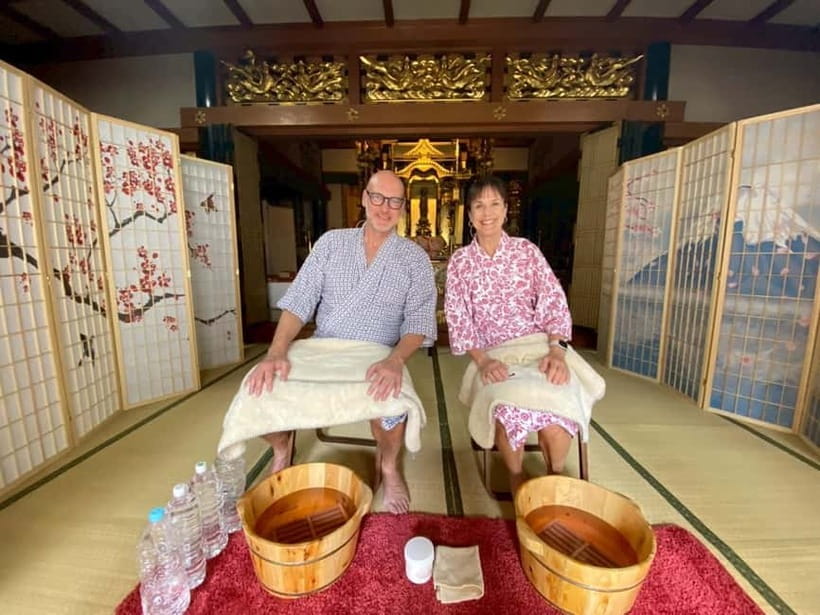
You change into a yukata at the beginning, and complimentary smartphone photos are taken during your time at the temple. These are not professional portrait sessions, and the details do not promise a particular number of photographs. Think of them as a simple record of the experience.
I like this inclusion because the clothing and temple setting are a natural match. Many spa treatments disappear from memory once you leave. A few phone photos help preserve the cultural side of the visit without asking you to pay for an extra photo package.
The yukata also adds a sense of occasion. You are not merely arriving in street clothes for a massage and leaving in the same state. The change helps separate the activity from a standard spa appointment.
If photographs are important to you, follow the provider’s instructions and allow enough time for changing. The activity already includes several parts, so the photo element should be treated as a pleasant extra rather than the main event.
Three hours and a group of three make the format manageable
The full appointment lasts 180 minutes. That is long enough for the welcome, temple customs, foot bath, body massage, facial, head spa, tea, and photographs without making this a rushed express treatment.
The small group limit is three participants. This is a useful middle ground. You receive individual treatments, but the overall experience is not necessarily a completely private booking. A small group also helps keep the temple visit personal without promising the silence of a private spa suite.
Plan this as a major half-day activity. You will have less time for sightseeing around it, but that is part of the value. After several days of Osaka’s streets, shops, food, and transport, three hours of structured rest can be more useful than squeezing in one more attraction.
The activity is not suitable for pregnant women. That restriction is stated clearly, and you should take it seriously. If you have another medical concern, the supplied information does not give specific guidance, so ask the provider before reserving.
Finding the meeting point requires care
The meeting instructions include an important warning. When using Google Maps, enter Japanese Massage -the one&only- rather than the temple’s name. Searching only for the temple may send you to the back entrance, where you can get lost.
If the massage listing does not appear clearly, search for the restaurant Tossa de coracao. The provider is right next to it. This is the kind of small navigation tip that can save you from arriving flustered just before a quiet activity.
Give yourself enough time to find the correct entrance. The exact starting times depend on availability, and no transport service is included in the information provided. You are responsible for reaching the meeting point, so do not treat the temple name alone as sufficient directions.
Is $258 a fair price for three hours?
At $258 per person, this is not a budget massage. The price makes more sense when you count the full package: welcome drink, yukata, temple visit, incense offering, meditation, foot bath, full-body oil massage, bamboo fascia release, matcha facial, head spa, tea ceremony, sweets, and smartphone photos.
You are paying for an experience with several connected parts, not only for massage time. That makes it more suitable for a special afternoon, a honeymoon-style outing, or a recovery day during a longer Japan trip. If you only want an inexpensive shoulder massage, this is the wrong purchase.
Value also depends on how much you care about the setting. The temple context and Japanese rituals are central to the price. If you would skip the incense, tea, yukata, and cultural explanation, you may not feel you are getting full value from the package.
The price also asks you to accept some uncertainty around the massage. The overall rating is 4.8 from 10 ratings, with several top marks for relaxation, facial massage, hospitality, and the peaceful setting. One person gave a low rating because the therapist seemed inexperienced. That is a small sample, but it is still a fair warning not to book solely for a guaranteed world-class massage.
Who will enjoy this experience most?
I would recommend it to you if you want wellness with a clear Japanese cultural setting. It is particularly well suited to couples, solo visitors who want a calm planned activity, and anyone needing a reset after several busy sightseeing days.
It also works well for someone trying a spa treatment in Japan for the first time. The program gives you structure, from changing into a yukata to ending with tea and sweets. You do not need to design your own spa day or decide which separate services to add.
You may want to skip it if you dislike group elements, want complete privacy, or are highly particular about massage technique. The tea ceremony can be shared, and the body treatment may not satisfy someone seeking a specialist therapeutic massage.
The format is also not right for pregnant women. For everyone else, the key question is simple: do you want a quiet cultural wellness afternoon, or do you want a straightforward massage at the lowest possible price?
Should you book the Osaka temple massage?
Book it if you value the whole three-hour sequence: temple customs, warm bamboo massage, matcha facial, head spa, tea, yukata, and photographs. The strongest appeal is the way these pieces fit together. You get genuine rest, but you also get a small introduction to Japanese ritual and presentation.
Before booking, save the correct meeting-point name and decide how much privacy you need. If you want a completely private tea ceremony, contact the provider first. If you mainly want a technically perfect massage, keep the one mixed treatment assessment in mind and choose with reasonable expectations.
For a calm afternoon after a demanding Osaka itinerary, this is a thoughtful choice. It is expensive, but the price is easier to justify when you want a memorable cultural occasion rather than a basic spa service.
FAQ
How long does the experience last?
The experience lasts three hours, or 180 minutes.
What is included in the massage?
You receive a full-body oil massage with warm bamboo and hand massage. The bamboo is used for fascia release, muscle relief, and improved circulation.
Does the activity include a facial?
Yes. The program includes a matcha facial treatment, along with a head spa and scalp massage.
Is a tea ceremony included?
Yes. You take part in a traditional tea ceremony with original Japanese sweets.
Is the experience private?
The individual treatments are provided separately, but the tea ceremony may be shared with other participants. You can contact the provider to ask about a completely private experience.
How many people can join the activity?
It is a small-group activity limited to three participants.
What should I enter into Google Maps?
Enter Japanese Massage -the one&only-. Searching only for the temple’s name may take you to the back entrance. You can also search for the restaurant Tossa de coracao, which is next to the meeting point.
Can pregnant women take part?
No. Pregnant women are listed as not suitable for this activity.
More Massage and Spa Sessions in Osaka
- Osaka Temple Head Spa &Matcha Facial – Refresh & Glow〈90min〉
★ 5.0 · 24 reviews - Osaka: Tennen Onsen Naniwa-no-Yu, the famous hot spring spa
★ 4.7 · 19 reviews - Osaka Temple :Warm Bamboo Oil Massage – Deep Restore〈90min〉
★ 5.0 · 14 reviews - Osaka:Bamboo Healing Massage at the Temple <90-min>
★ 5.0 · 9 reviews
Just added in Osaka
- Urban Canvas: Osaka Street Art Bike Tour★ 5.0 · 10 reviews
- Anime Cosplay Photshoot-50 Digital Photos Provided★ 5.0 · 8 reviews
- TeamLab Botanical Garden Osaka Ticket★ 3.5 · 6 reviews
- Cherry Blossom Buddha and Mt.Yoshino with Strawberry Picking Tour★ 4.5 · 5 reviews
- Umeda Sky Building & Kuchu Teien Observatory Ticket in Osaka★ 4.5 · 3 reviews
- Immerse in Judo Martial Arts Class from Japan★ 5.0 · 4 reviews
- Traditional Home cooking Experience in Osaka, Japan★ 5.0 · 14 reviews
- Traditional Calligraphy Experience near Dotonbori★ 5.0 · 3 reviews
Osaka Zen and Meditation, compared.
Learning Zen of Japanese Calligraphy in kimono near Osaka Castle
Read our review →
Learn Zen in a class of making Matcha tea near Osaka Castle
Read our review →Osaka Temple: 1-Hour Evening Zen Chill Experience
Read our review →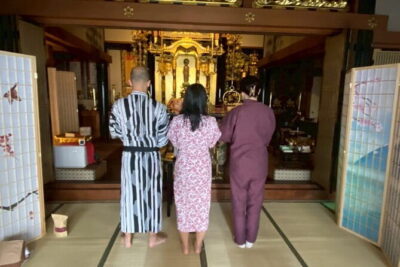
ZEN therapy | Shiatsu-style massage, EnergyTherapy & Japanese Tea
Read our review →Browse the lists this tour appears in