
Reviewed · OSAKA ZEN AND MEDITATION
Osaka Temple: 1-Hour Evening Zen Chill Experience
The most memorable part of this Osaka evening is the change of pace. Lantern light, incense, Japanese music, and two short zazen meditation sessions give you room to slow down, while the instructor explains what you are doing instead of asking you to copy mysterious gestures. I especially like the kneaded-incense meditation and the chilled matcha served with matcha ice cream.
I also like the small-group limit of three, which makes this feel personal rather than staged. The main drawback is the timing: the activity is advertised as 75 minutes, while the practical information says the experience itself lasts 60 minutes. Plan for up to 75 minutes, and use the exact meeting instructions because the temple name can lead you to the wrong entrance.
Key points to know before booking
- Kneaded incense adds a rare sensory element: You use a special incense mixture during a guided meditation designed to refresh your mind and body.
- Two 10-minute zazen sessions keep the practice approachable: You receive explanations of posture, breathing, meaning, and origins before sitting.
- The tea portion is more than a drink break: Chilled matcha, matcha ice cream, and original Japanese sweets connect taste with the spirit of tea ceremony.
- Three people is the maximum group size: You can expect a quiet setting and more direct attention from the instructor.
- A simple yukata and phone photo are included: This gives you a modest cultural keepsake without requiring a full costume rental.
- The meeting point needs care: Search Google Maps for Japanese Massage -the one&only- or the restaurant Tossa de coracao, not only the temple name.
A lantern-lit introduction to Zen in Osaka
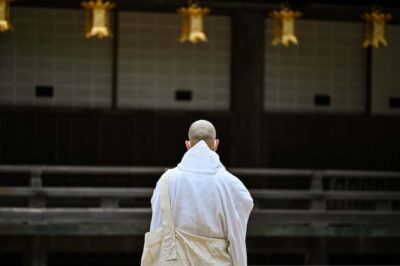
This is a compact cultural experience for anyone who wants more than a quick temple photo but less than a full day of formal religious study. You enter a quiet Buddhist temple at dusk, take part in worship and incense offering, sit in meditation, and finish with matcha and sweets.
That order matters. The session moves from ritual, to scent, to stillness, and finally to taste. You are not simply watching a ceremony. You are given a clear role in each step, with explanations of the history and meaning behind the actions.
The setting is especially suited to the evening. Lantern light and Japanese music create a gentle atmosphere, while the small group keeps the room from feeling crowded. If you have spent the day in central Osaka, this offers a useful pause before dinner or an evening walk.
The tone is calm and intimate, not grand or theatrical. You should book it for a short encounter with Zen practice, not for an extensive temple tour or a long period of silent meditation.
More temple tours in Osaka:
- Osaka: Minoh, Katsuoji Temple, & Minoh Falls Full-day Tour
★ 4.9 · 172 reviews - Osaka Temple Cool Foot Bath & Matcha Experience〈45min〉
★ 4.9 · 82 reviews - Osaka: Mind & Spirit Balance Temple Reiki Healing
★ 5.0 · 41 reviews
Finding the right entrance
The meeting instructions deserve more attention than usual. When you set your map location, enter Japanese Massage -the one&only-. Searching only for the temple name may send you to the back entrance, where you can become confused.
If that search does not help, look for the restaurant Tossa de coracao. The meeting point is right next to it. I would save both names before leaving your hotel and arrive with enough time to sort out the entrance.
This is not a transportation tour, and no transfer is included. The supplied information gives the meeting landmarks but does not specify a station, walking time, or parking arrangement. That makes a map check part of your preparation, especially if you are arriving after dark.
Wear comfortable clothes. You will be given a simple yukata for the experience, but the supplied information does not say that a full formal dressing service is provided. Think of it as an easy cultural touch and a photo opportunity, not a long costume session.
The opening worship and incense offering
The first stage introduces a sacred Buddhist ritual of worship and incense offering. You receive an explanation of what the ritual means and why incense is used, then take part rather than merely watch from the side.
For a first visit to a Buddhist temple, this explanation is valuable. Rituals can look simple from the outside, yet small actions often carry religious meaning. Here, the instructor helps you understand the purpose behind the offering, giving you a better sense of respect and place.
The incense also sets the mood for the rest of the session. Its scent is not just decoration. It becomes part of the shift from a busy sightseeing day to a quieter frame of mind.
You should not expect a long temple history talk or a tour of many buildings. The focus stays on the ritual itself and on your participation. That narrow focus is a strength if you want a hands-on introduction, though it may feel limited if your main goal is architecture or local history.
Kneaded incense and a reset for the senses
Next comes a special meditation using kneaded incense. This is one of the more unusual details of the experience, since many introductory meditation sessions rely only on silence, a cushion, or a bell.
The instructor invites you to use the scent as part of a mental reset. The stated aim is to clear and refresh your mind and body, and the practice gives you something gentle to notice while you settle down.
I like this part because it makes meditation more approachable. If your attention tends to wander, a scent gives your mind a simple point of focus. You are not asked to perform or achieve a special state. You are guided through a sensory exercise before moving into seated meditation.
The exact steps are not specified in the activity details, so you should expect instruction on the practice rather than an advanced incense-making workshop. The value is in the combination of scent and quiet attention.
More zen and meditation sessions in Osaka:
- Learning Zen of Japanese Calligraphy in kimono near Osaka Castle
★ 4.5 · 53 reviews - Learn Zen in a class of making Matcha tea near Osaka Castle
★ 4.8 · 17 reviews - Osaka: Japanese Zen Massage and Facial at the Temple/180-min
★ 4.8 · 10 reviews - Osaka:Zen Tea Ceremony and Foot Bath Experience<45min>
★ 5.0 · 7 reviews
Two 10-minute zazen sessions
The core of the visit is two zazen sessions, each lasting 10 minutes. That is a sensible length for beginners. Twenty minutes of seated meditation can feel meaningful, while two separate sessions are less daunting than one long sit.
Before or around the sessions, the instructor explains the origins and meaning of zazen, along with basic posture and breathing techniques. This context helps you understand why you are sitting in a particular way instead of treating the exercise as generic relaxation.
You will need to pay attention to your body. Seated meditation can be harder than it looks, especially if you are not used to sitting still. The short sessions help, and the guidance gives you practical points to work with.
The activity is offered in Japanese and English. That matters here because posture and breathing are easier to follow when the instructions are clear. The listing does not specify whether chairs or alternate seating are available, so ask the instructor if you need a different arrangement.
Between the two sessions, you may find that your mind feels less scattered. The experience is not presented as medical treatment, and you should not book it expecting a guaranteed transformation. Its benefit is simpler: a quiet setting, a short break from screens and schedules, and a chance to practice a traditional form of sitting meditation with help.
Matcha, ice cream, and the closing tea experience
The final stage shifts from stillness to taste. You receive chilled matcha, matcha ice cream, and original Japanese sweets while learning about the history and spirit of the tea ceremony.
This is not a full formal tea ceremony with every traditional movement and utensil. It is a refined tea experience that gives you a taste of the tradition in a relaxed format. The chilled matcha is a useful choice for an evening activity because it feels light and refreshing rather than heavy.
The matcha ice cream adds a familiar texture to a less familiar flavor. If you already enjoy green tea, you will likely appreciate the connection between the drink and dessert. If matcha tastes bitter to you, the ice cream and sweets provide a softer introduction.
The tea portion also works well as the ending. After incense and meditation, you have time to reflect while eating and talking. The transition keeps the event from becoming too austere.
One small detail worth noting is the temple stamp. The experience includes an original Japanese sweet, and the temple stamp has also been singled out as a memorable touch. The supplied details do not confirm that a stamp is included as a take-home item, so ask on site if collecting temple stamps matters to you.
The yukata photo without a full costume production
A simple yukata is included, and you can have your photo taken with your own smartphone. This is a practical souvenir because you do not need to arrange a separate photographer or pay for a formal portrait package.
The word simple is important. You should expect a straightforward yukata experience rather than a full kimono transformation with elaborate hair, makeup, or professional photography. The appeal is the setting: temple surroundings, evening light, and a traditional garment create a personal record of the visit.
Because your smartphone is used, check your battery before arriving. The information does not state whether the provider supplies a phone, camera, or printed photographs. Bring your own device if you want the photo.
This part will suit couples, solo visitors, and friends who want one relaxed cultural image without giving up most of an afternoon. If you dislike dressing up or posing, you can treat it as optional in spirit, even though the yukata is part of the included experience.
Why the small group makes a difference
The maximum group size is three participants. That is a major reason the $64 price can make sense. You are paying for a guided, personal session rather than a large public demonstration.
A small group gives the instructor room to explain the ritual, correct posture, answer questions, and keep the meditation quiet. It also helps the tea portion feel intimate. If you happen to be the only booking, the setting can feel close to private.
There is one practical limitation. Reservations for three or more people require contact by email, so a larger family or friend group cannot simply assume that a standard booking will cover everyone. The published group limit is three, and the activity details do not promise a larger format.
The instructor speaks Japanese and English. The provider is listed as japanese massage 唯一無二, the one&only. No instructor names are supplied, so I would not plan around a particular teacher.
Is $64 a fair price?
At $64 per person, this is not the cheapest way to taste matcha or sit in a temple. You are paying for several linked elements: guided worship, incense, two meditation sessions, tea and sweets, a yukata, a smartphone photo, and a very small group.
The value is strongest if you want an organized cultural activity with explanation. Buying a matcha dessert on your own costs far less, and visiting a temple may cost little or nothing. What you cannot easily reproduce on your own is the sequence, the English guidance, the incense meditation, and the chance to ask questions in a quiet setting.
The price is also easier to justify for someone with limited time in Osaka. In about an hour, you receive ritual, meditation, food, and a small dress-up element without traveling between several locations.
Still, you should compare it with your interests. If you are mainly seeking a serious Zen retreat, this is too short. If you only want a temple visit, you may find the price high. If you want a gentle first introduction and a calm evening activity, the combination is more convincing.
The advertised duration is 75 minutes, but the practical information says the experience time is 60 minutes. I would allow the full 75 minutes, including arrival, dressing, transitions, and the closing tea. That gives you breathing room and prevents a tight dinner reservation from spoiling the mood.
Who will enjoy this most
I would recommend this to first-time visitors who want a clear introduction to Japanese Buddhist practice. You do not need prior meditation experience, and the two 10-minute sessions keep the commitment manageable.
It also suits people who have spent several days sightseeing and want a quieter activity. The lanterns, incense, music, and tea provide a strong contrast to a packed Osaka schedule.
Couples and solo visitors should find the three-person limit appealing. The yukata photo gives couples a shared keepsake, while solo visitors can still receive a photo with their own phone.
This is less suitable if you need a long temple tour, extensive architectural commentary, or a formal tea ceremony. It may also disappoint anyone looking for a large cultural performance or a full kimono package.
The best time appears to be late afternoon or evening, when the lantern-lit setting matches the tone of the program. One practical note from the experience details suggests going in the afternoon, so you have more margin for finding the entrance and settling in before the darker evening hours.
Booking, cancellation, and final advice
You can cancel up to 24 hours in advance for a full refund, and the reserve-now, pay-later option keeps your plans flexible. Those policies are useful if your Osaka schedule may change, but they do not remove the need to check the meeting point carefully.
Book this experience if you want a small, guided introduction to Zen, especially one that combines scent, seated meditation, matcha, sweets, and a simple yukata photo. The strongest features are its personal scale, the unusual kneaded incense, and the calm progression from ritual to tea.
Skip it if you want a major temple complex, a full-day religious program, or a formal tea ceremony with elaborate procedure. For most people, the best way to judge the value is to ask one question: do you want a quiet cultural pause with clear instruction, or simply a place to take photos? If it is the first, this compact Osaka experience is a sensible choice.
FAQ
Where does the Osaka Temple Zen experience take place?
It takes place at a quiet Buddhist temple in Osaka, on Honshu, Japan.
How long does the experience last?
The activity is advertised as 75 minutes, while the practical information says the experience time is 60 minutes. Allow up to 75 minutes.
What meditation is included?
You take part in a special meditation using kneaded incense and two zazen sessions lasting 10 minutes each.
Is the activity offered in English?
Yes. The instructor languages are Japanese and English.
How many people can join?
The group is limited to three participants.
What food and drink are included?
The experience includes chilled matcha, matcha ice cream, and original Japanese sweets.
Is a yukata included?
Yes. A simple yukata is included, along with a photo taken using your smartphone.
What should you bring?
Bring comfortable clothes. For the meeting point, search Google Maps for Japanese Massage -the one&only- or the nearby restaurant Tossa de coracao, since using only the temple name may lead you to the back entrance.
More 1-Hour Experiences in Osaka
- 1 Hour Private Photoshoot in Osaka
★ 5.0 · 8 reviews
More Night Tours in Osaka
- Osaka After Dark: Small-Group Night Food Tour (Max 6)
★ 4.5 · 245 reviews - OSAKA NIGHT FUSION Japanese Taiko Kabuki Samurai Dance Show
★ 4.8 · 155 reviews - Osaka: Bar-Hopping Night Tour in Namba
★ 4.7 · 117 reviews - Osaka: Dark Side of Osaka Night Walking Tour
★ 4.9 · 89 reviews
Just added in Osaka
- Urban Canvas: Osaka Street Art Bike Tour★ 5.0 · 10 reviews
- Anime Cosplay Photshoot-50 Digital Photos Provided★ 5.0 · 8 reviews
- TeamLab Botanical Garden Osaka Ticket★ 3.5 · 6 reviews
- Umeda Sky Building & Kuchu Teien Observatory Ticket in Osaka★ 4.5 · 3 reviews
- Immerse in Judo Martial Arts Class from Japan★ 5.0 · 4 reviews
- Cherry Blossom Buddha and Mt.Yoshino with Strawberry Picking Tour★ 4.5 · 5 reviews
- Traditional Calligraphy Experience near Dotonbori★ 5.0 · 3 reviews
- Discover Osaka’s Iconic Umeda Sky Observation★ 5.0 · 6 reviews
Osaka Zen and Meditation, compared.
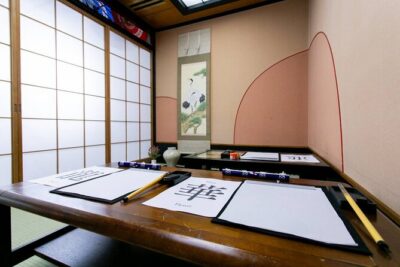
Learning Zen of Japanese Calligraphy in kimono near Osaka Castle
Read our review →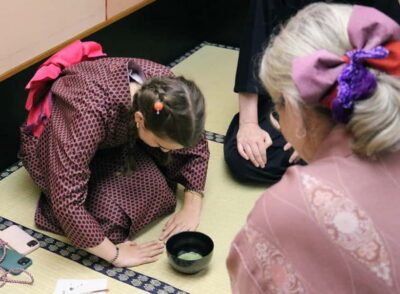
Learn Zen in a class of making Matcha tea near Osaka Castle
Read our review →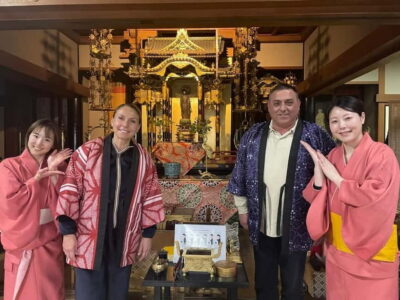
Japanese Zen Massage and Facial at the Temple/180-min
Read our review →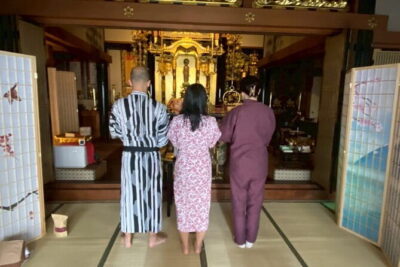

ZEN therapy | Shiatsu-style massage, EnergyTherapy & Japanese Tea
Read our review →Browse the lists this tour appears in