
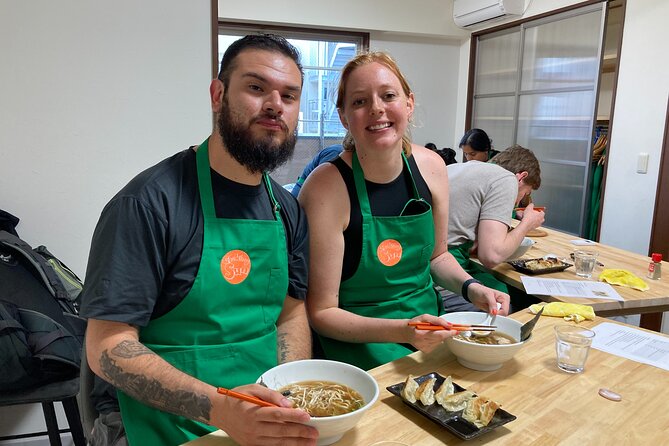
Reviewed · DOTONBORI TOURS
Ramen and Gyoza Cooking Class in Osaka Dotonbori
Osaka’s best food lesson may begin with a ball of dough. In this small class near Dotonbori, you knead ramen noodles by hand, prepare the soup from scratch, shape gyoza, and then sit down to eat what you made. It is a useful way to understand the care behind two everyday Japanese dishes.
I like the hands-on pace and the fact that you get recipes to take home. I also like the personal scale: with no more than eight people, instructors can help with folding, seasoning, and dietary needs. The main drawback is timing. The class starts at 1:30 pm and finishes around 3:30 pm, so you may want a small lunch first.
The other consideration is location. The cooking room is in an apartment building on the eighth floor, and the building entrance can be easy to miss. Put the full address into your map rather than searching only for Cooking SunJapan, then take the elevator to room 807.
Key points to know before booking

- Handmade ramen noodles: You knead the dough yourself instead of simply assembling a prepared bowl.
- Broth made in class: The ramen soup uses fish and chicken elements, with explanations of ingredients such as fish flakes, soy sauce, and miso.
- Gyoza from filling to fold: You chop and season the filling, then fold it into ready-made wrappers.
- Small group setting: The maximum group size is eight, which leaves room for help and questions.
- Dietary choices available: Vegetarian, pescatarian, and no-fish options can be requested when booking, but gluten-free cooking is not available.
- A practical Osaka location: The class begins and ends near Dotonbori, making it easy to pair with sightseeing and an evening meal.
What you actually cook in three hours
This is not a demonstration where you watch a chef do all the work. You take part in the main jobs, with the instructors showing each stage and then letting you try it. That distinction matters if you want to return home with skills rather than only a few food photos.
The class covers two dishes commonly ordered together in Japan: ramen and gyoza. Ramen has become a worldwide favorite, but making the noodles and soup gives you a better sense of how much work can hide behind a quick restaurant meal. Gyoza adds a second set of techniques, from chopping the filling to creating a neat pleat in the wrapper.
The class is designed for beginners. Children and teenagers have enjoyed it, and the instructors keep the steps moving without rushing people who need another explanation. If you already cook regularly, you will still find useful detail in the discussion of seasonings and substitutions.
More Dotonbori walks and food stops:
- Osaka Local Foodie Walking Tour in Dotonbori and Shinsekai
★ 5.0 · 985 reviews - Osaka: Dotonbori District River Cruise with Drink Discount
★ 4.2 · 876 reviews - Ultimate Osaka Walking Tour: Castle, Dotonbori & Hidden Gems
★ 5.0 · 862 reviews
Kneading ramen noodles by hand
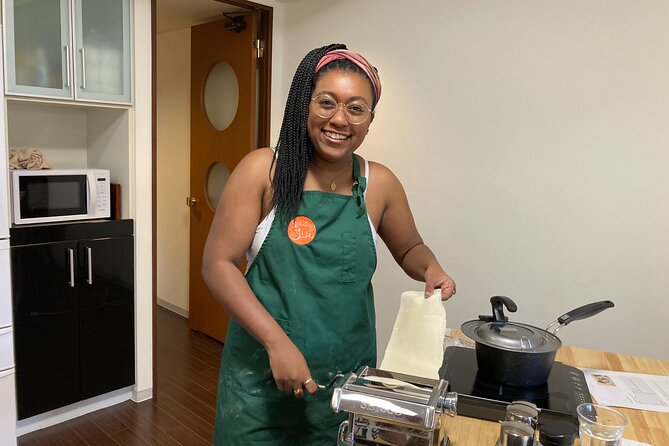
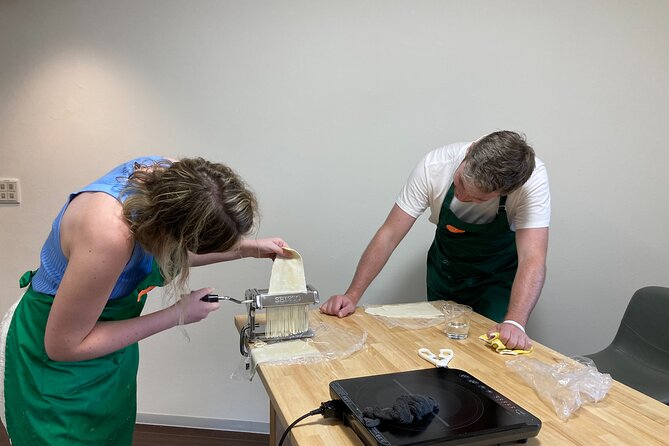
The most distinctive part of the class is making the noodles from scratch. You work the dough by hand, which is more physical and time-consuming than opening a packet, but also more satisfying. It gives you a direct feel for texture and helps explain why homemade noodles do not behave exactly like dried or instant ramen.
The instructors explain the process step by step and help correct mistakes. That support is useful because noodles can be surprisingly particular. The class is not only about following a recipe. You learn why a stage matters and how the finished texture is affected.
You should expect this section to take real effort. One practical note is that the cooking is substantial, but the meal is not served until the work is finished. If you arrive hungry, have a light meal beforehand. The class generally finishes around 3:30 pm, so an early lunch is sensible.
Building a ramen broth with Japanese ingredients
The broth gives the lesson its strongest food context. The class uses fish and chicken elements, and the instructors explain common Japanese pantry ingredients rather than treating them as mysterious additions. You may learn about different fish flakes, types of soy sauce, and varieties of miso, including why one choice changes the taste of the soup.
This explanation is valuable for home cooks. Japanese recipes can be difficult to repeat if you do not know what each ingredient contributes. The instructors also discuss ingredients that may be easier to find in other countries, helping you think about practical substitutions after your trip.
If you do not usually enjoy fish, be aware that fish-based elements are part of the standard flavor profile. A no-fish option can be requested in advance, as can vegetarian or pescatarian preparations. Do not wait until you arrive to mention this need. The booking information specifically asks you to leave a note.
Gluten-free cooking is not available. That is the clearest reason for some people to choose another activity. The class includes ramen noodles and gyoza, both of which make gluten a central concern, so this is not a suitable choice if you have gluten intolerance.
Filling and folding the gyoza
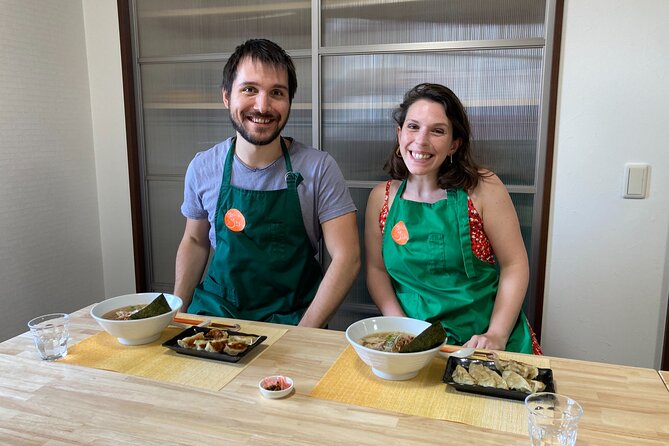
The gyoza portion is more social and tactile. You chop the ingredients for the filling, season it, and then place it into prepared wrappers. The wrappers are supplied, so the class focuses on the filling and the folding technique rather than making every component from flour.
Folding gyoza looks simple until you try to make several pieces that close evenly. The instructors show the hand movement, then give you time to practice. A few imperfect dumplings are part of the fun, and the cooking team is patient when your first attempts look less tidy than the examples.
The filling can be adjusted to suit different tastes and approved dietary needs. This gives you more control than a fixed menu. You can also see how small changes in seasoning affect a dish that is familiar but not always easy to reproduce at home.
The finished gyoza is cooked as part of the class meal. You get to compare the texture of your own dumplings with the folding choices you made. That immediate result makes the technique easier to remember.
More ramen and gyoza classes in Osaka:
- Osaka: Five Must-See Highlights Walking Tour & Ramen Lunch
★ 4.7 · 411 reviews - Osaka: Ramen and Gyoza Cooking Class in Dotonbori
★ 5.0 · 378 reviews - Ramen and Gyoza Cooking Class in Osaka
★ 5.0 · 202 reviews - Walking Tour of Osaka’s 5 Must-See Sights, with Ramen for Lunch
★ 5.0 · 158 reviews
Eating your own ramen and gyoza
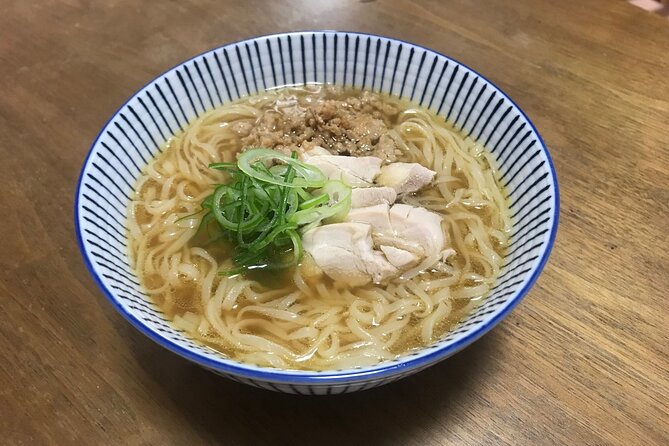
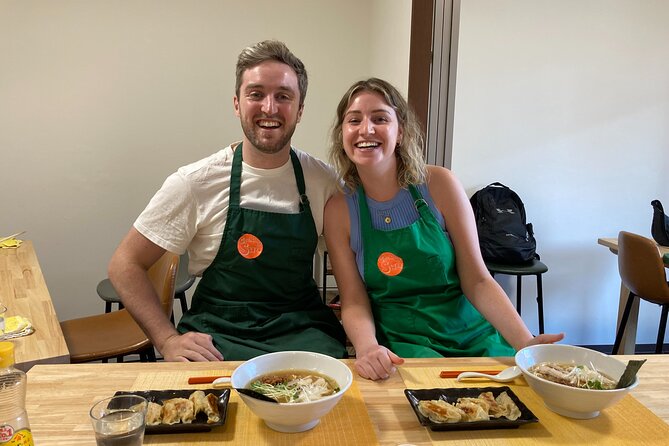
Once the cooking is done, you sit down to eat the ramen and gyoza. The meal is the reward, but it also completes the lesson: you can judge the broth, noodles, toppings, and dumplings while the instructions are still fresh in your mind.
You choose or adjust ramen toppings according to taste, within the ingredients offered in class. This is a good feature for families and mixed groups, since not everyone likes the same amount of seasoning or the same toppings.
The food is substantial enough to function as an early dinner for many people. Still, the class does not begin with a meal, and the finishing time can vary slightly with the group. I would not schedule a tightly timed evening reservation immediately afterward.
The instructors and class atmosphere
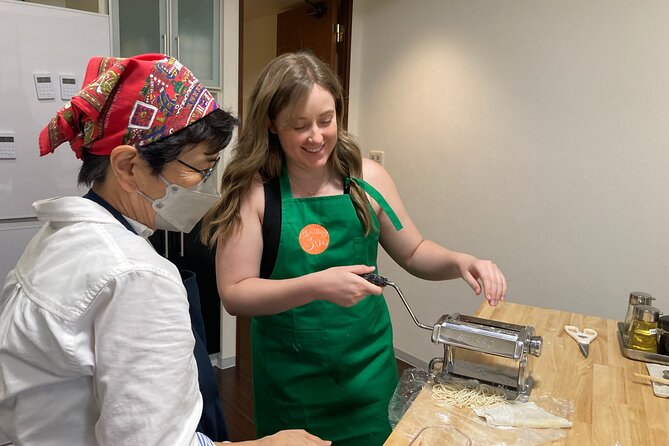
The English-speaking instructors are a major part of the experience. Miki and Jun are named by several participants, while Kassa and Marina are also praised as friendly, patient teachers. Staffing can vary, but the consistent pattern is clear: the class relies on step-by-step guidance rather than assuming you already know Japanese cooking methods.
The instructors explain both what to do and why to do it. That may include the reason for a certain mixing order, the difference between seasonings, or the best way to handle the dough. For a visitor, this is more useful than a quick recipe card with no context.
The group limit is eight. That does not guarantee a private class, but it does make the setting more personal than a large demonstration. Some bookings may be made up of only one family or a small party, while other sessions include several groups.
Families with older children and teenagers should find the format approachable. A 12-year-old and teenagers have taken part successfully, and the practical work gives young participants something to do throughout the session. Younger children may need help with chopping, kneading, and folding, but the supplied information does not specify a minimum age.
Finding Cooking SunJapan in Dotonbori
The meeting point is Cooking SunJapan at 2-chōme 9-14, Shimanouchi, Chuo Ward, Osaka 542-0082, room 807. The activity begins at 1:30 pm and ends back at the same meeting point.
The location is near public transportation and close to the Dotonbori area, which is convenient for a food-focused day in Osaka. You can combine the class with sightseeing before or after, but allow time to identify the correct building.
The apartment setting is part of the practical character of the class. It is not a show kitchen in a grand venue. The cooking room has been described as clean, modern, and well equipped, but the entrance may not have an obvious cooking-school sign.
Use the full street address in your map. Searching only for the business name can send you to the wrong place. Once inside the building, take the elevator to the eighth floor and look for room 807. This small bit of preparation can save you a rushed start.
Is the $71.35 price good value?
At $71.35 per person, the class is not the cheapest way to eat ramen and gyoza in Osaka. A restaurant meal will cost less, and Dotonbori offers plenty of quick food choices.
The value comes from the instruction and the amount of participation. Your fee covers ingredients, utensils, the hands-on lesson, an English-speaking instructor, recipes to take home, and all taxes and fees. You are paying for roughly three hours of cooking, not just a plate of food.
I think the price makes sense if you want a repeatable skill. The recipe handouts and ingredient explanations give you a better chance of making the dishes at home, although availability of Japanese ingredients will vary by country. If you mainly want lunch, spend the money at a ramen shop instead.
The small group size also helps justify the cost. Instructors can watch your noodle work, help with gyoza folds, and adjust explanations for children or people with food concerns. That personal attention is harder to get in a large cooking school.
Who will enjoy this class most?
I would recommend it first to people who like to cook, eat, or both. You do not need advanced kitchen skills, but you should be willing to chop, knead, mix, fold, and wait for the meal to come together.
It is particularly well suited to:
- Families with teenagers
- Couples seeking a shared afternoon activity
- First-time visitors who want food context beyond restaurant dining
- Home cooks looking for Japanese recipes to repeat
- People who enjoy small classes and direct help
It is less suitable if you need gluten-free food, dislike hands-on preparation, or want a quick meal. It may also disappoint you if you expect to make every component entirely from scratch, since the gyoza wrappers are premade.
The class is also a good choice for people who are unsure about Japanese ingredients. Explanations of fish flakes, miso, soy sauce, and substitutions can make future shopping less intimidating. You leave with more than a list of ingredients because you have seen how they work in the dish.
Booking, dietary notes, and cancellation
Confirmation is provided when you book, and mobile tickets are accepted. The activity has free cancellation if you cancel at least 24 hours before the 1:30 pm start time. Cancellations or changes made within 24 hours are not accepted for a refund.
Leave dietary requests when you book. Vegetarian, pescatarian, and no-fish options are available, but gluten-free preparation is not. Food and drinks outside the included meal are not covered, so plan your own lunch or refreshments around the afternoon schedule.
Should you book the ramen and gyoza class?
Book this class if you want to spend an afternoon doing something rather than simply ordering another meal. The handmade noodles, fish and chicken broth, gyoza folding, ingredient lessons, and take-home recipes make it a useful introduction to Japanese home cooking.
I would especially choose it for a family, a couple, or a small group that values patient instruction. The strongest reasons to skip it are the gluten restriction, the apartment-building meeting point, and the need to eat a light lunch before the class.
For most food-focused visitors, the combination of a central Osaka location, a maximum of eight people, and a full meal at the end offers solid value. Enter the complete address into your map, request dietary adjustments ahead of time, and arrive ready to work for your ramen.
FAQ
Where does the cooking class take place?
The class takes place at Cooking SunJapan, 2-chōme 9-14, Shimanouchi, Chuo Ward, Osaka 542-0082, room 807. It is near public transportation and close to Dotonbori.
What time does the class start?
The listed start time is 1:30 pm.
How long does the experience last?
The class lasts approximately three hours and ends back at the meeting point.
What dishes will I make?
You will make ramen and gyoza. The ramen noodles and soup are made from scratch, while the gyoza filling is prepared in class and folded into wrappers.
Is the class taught in English?
Yes. An English-speaking instructor is included.
Can I request a vegetarian or pescatarian option?
Yes. You can request vegetarian, pescatarian, or no-fish options by leaving a note when booking.
Is a gluten-free option available?
No. Gluten-free preparation is not available, and the activity is not recommended for people with gluten intolerance.
How many people can join the class?
The maximum group size is eight people.
What happens if I need to cancel?
You can receive a full refund if you cancel at least 24 hours before the experience start time. Cancellations or changes made less than 24 hours before the start time are not accepted for a refund.
More Workshops in Osaka
- Sushi Making Osaka Roll and Authentic Japanese Sushi Class
★ 5.0 · 1,220 reviews - Osaka: Roll and Authentic Sushi Making Class in Dotonbori
★ 4.9 · 239 reviews - Osaka: Sushi Class in Dotonbori
★ 4.9 · 160 reviews - Three Types of Ramen Cooking Class in Osaka
★ 5.0 · 119 reviews
More Cooking Classes in Osaka
- Matcha Making Class in Osaka with Authentic Japanese Sweets Set
★ 5.0 · 509 reviews - Osaka Sushi Making Experience
★ 5.0 · 400 reviews - Osaka: Traditional Mochi Pounding Experience with Tasting
★ 4.9 · 306 reviews - Osaka Cooking Class: Okonomiyaki &Japanese cuisines experience
★ 5.0 · 261 reviews
Just added in Osaka
- Urban Canvas: Osaka Street Art Bike Tour★ 5.0 · 10 reviews
- Anime Cosplay Photshoot-50 Digital Photos Provided★ 5.0 · 8 reviews
- TeamLab Botanical Garden Osaka Ticket★ 3.5 · 6 reviews
- Umeda Sky Building & Kuchu Teien Observatory Ticket in Osaka★ 4.5 · 3 reviews
- Immerse in Judo Martial Arts Class from Japan★ 5.0 · 4 reviews
- Cherry Blossom Buddha and Mt.Yoshino with Strawberry Picking Tour★ 4.5 · 5 reviews
- Traditional Home cooking Experience in Osaka, Japan★ 5.0 · 14 reviews
- Traditional Calligraphy Experience near Dotonbori★ 5.0 · 3 reviews
Dotonbori Tours, compared.
Osaka Local Foodie Walking Tour in Dotonbori and Shinsekai
Read our review →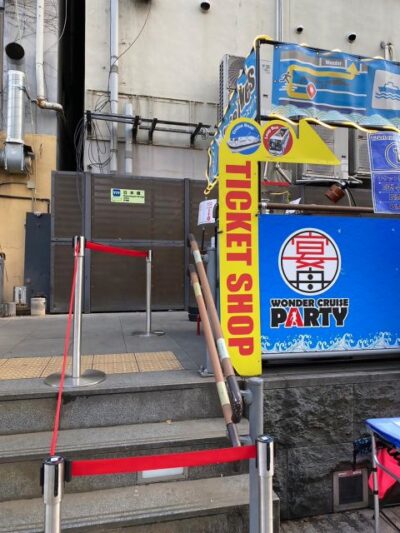
Dotonbori District River Cruise with Drink Discount
Read our review →
Ultimate Osaka Walking Tour: Castle, Dotonbori & Hidden Gems
Read our review →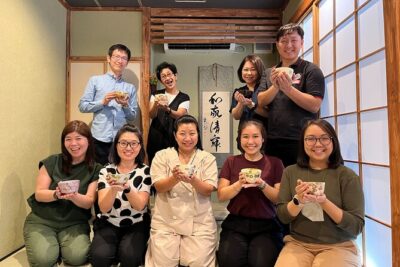
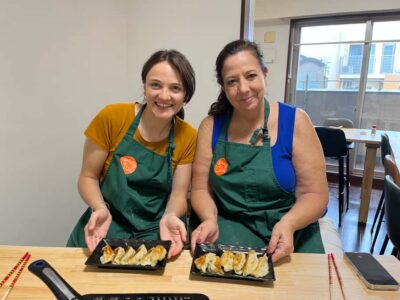
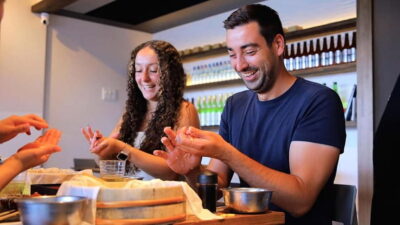
Roll and Authentic Sushi Making Class in Dotonbori
Read our review →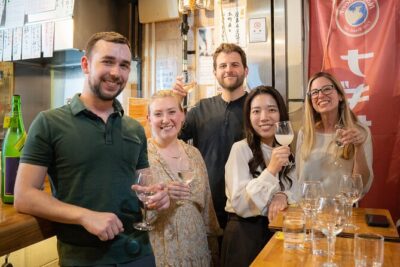
Osaka Local Bar Crawl in Dotombori & Uranamba Area
Read our review →
Browse the lists this tour appears in