
Reviewed · OSAKA TEA CEREMONIES
Osaka: Tea Ceremony and Matcha Tea Bowl Making Workshop
The most memorable part of this Osaka workshop is the pairing of two crafts: first, you prepare matcha in the careful Japanese tea tradition, then you shape a bowl meant for that very drink. The setting is Ikuno Ward, away from Osaka’s biggest sights, with an English-speaking tea master and Anna, a ceramist trained in Osaka and Barcelona.
I like the private-group format, which gives you room to ask questions and work at your own pace. I also like that you take part in the tea ceremony rather than simply watching it, then leave with a bowl you made yourself and a small dish for serving sweets.
The main drawback is the wait. Your bowl is sent to your address after about two months, and shipping costs are extra. The two-hour session also moves quickly, so this suits you best if you want an introduction to pottery, not a full ceramics course.
Key Points Before You Book
- Two crafts in one session: Learn tea ceremony customs and make a matcha bowl in the same two-hour workshop.
- Personal instruction: Work with an English-speaking tea master and Anna, a ceramist who studied in Osaka and Barcelona.
- A useful keepsake: Your bowl is fired and shipped after two months, while a small dish is included as a gift.
- A quiet change of pace: Tea, sweets, and pottery give you a slower, more focused break from sightseeing.
- Easy station meeting point: Meet at the north exit of JR Teradacho Station with staff holding a Ceramics Tocoton sign.
- Important limitation: Children under 13 and wheelchair users cannot take part, and late arrival beyond 15 minutes counts as a no-show.
Why This Osaka Workshop Works So Well
Many Osaka activities ask you to look, taste, or take a short lesson. This one asks you to make something. You learn how matcha is prepared, eat the small sweet served with it, and then use your hands to shape the bowl that belongs to the ritual.
That combination gives the session a clear rhythm. The tea ceremony slows you down first. The pottery section is more active and playful. I like this balance because the two parts explain each other: you see why the bowl matters, then you make one with its purpose in mind.
The experience is also private, which matters for a hands-on activity. You can ask about the tea customs, check your pottery technique, and get help without trying to keep up with a large class. The available information does not specify the maximum number of people, so I would still confirm the exact group size when booking if that affects your decision.
The workshop takes place in Ikuno Ward, not at one of Osaka’s famous central attractions. That is part of its appeal. You are meeting at a local train station and spending time in an Osaka neighborhood rather than moving from one major sight to another. After the class, you can explore the area on your own.
More tea ceremonies in Osaka:
- Osaka: Tea Ceremony Experience
★ 4.9 · 1,426 reviews - Tea Ceremony Experience in Osaka Doutonbori
★ 5.0 · 754 reviews - Matcha Making Class in Osaka with Authentic Japanese Sweets Set
★ 5.0 · 509 reviews
Meeting at JR Teradacho Station
Your meeting point is the north exit of JR Teradacho Station. Look for a staff member holding a signboard marked Ceramics Tocoton. This detail is worth taking seriously because station exits can be confusing, especially if you are watching the clock and trying to find the right person.
Plan to arrive early enough to find the north exit without rushing. If you expect to be more than 15 minutes late, contact the provider. Arriving more than 15 minutes late is treated as a no-show, so this is not an activity to squeeze between two tight appointments.
The station meeting point also makes the experience practical for a sightseeing day. You do not need to locate an unfamiliar studio by yourself. Once you meet the staff, the workshop can begin with less fuss.
Learning the Tea Ceremony With Matcha and Sweets
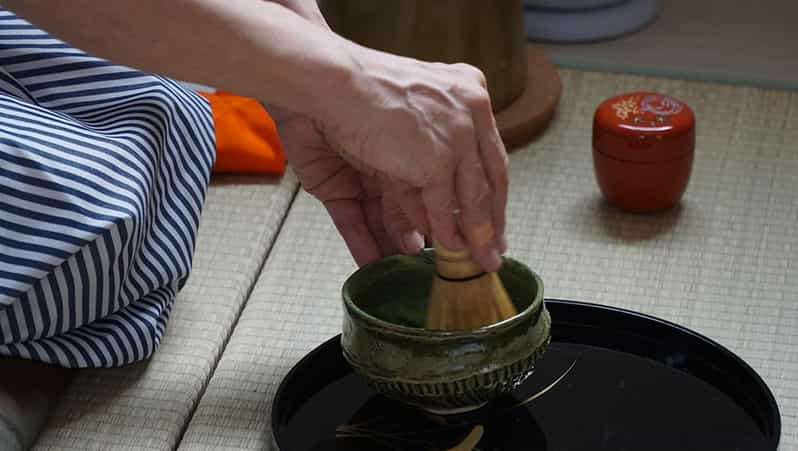
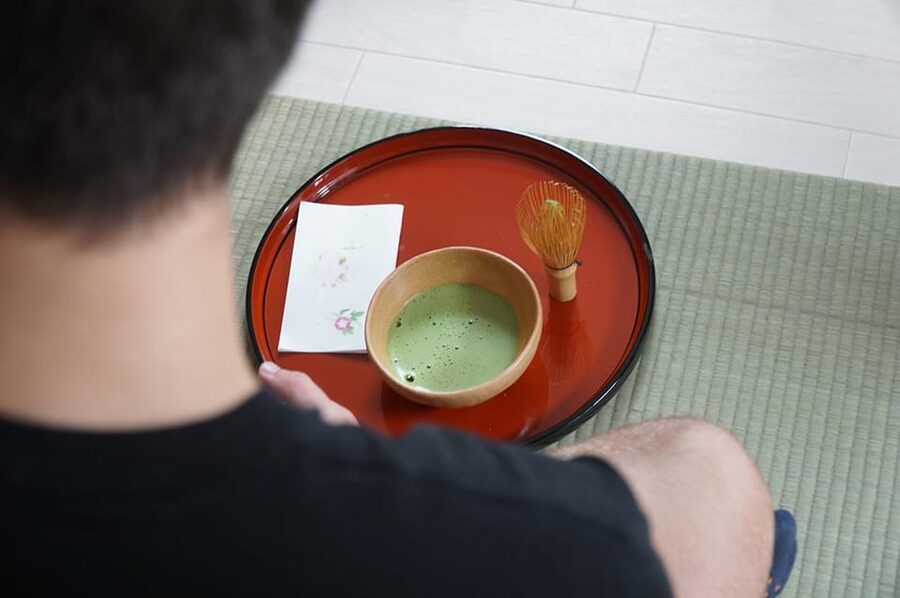
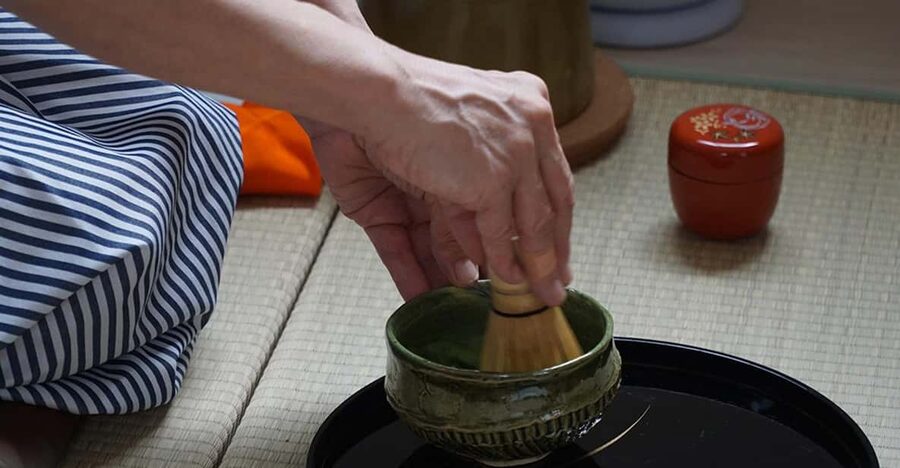
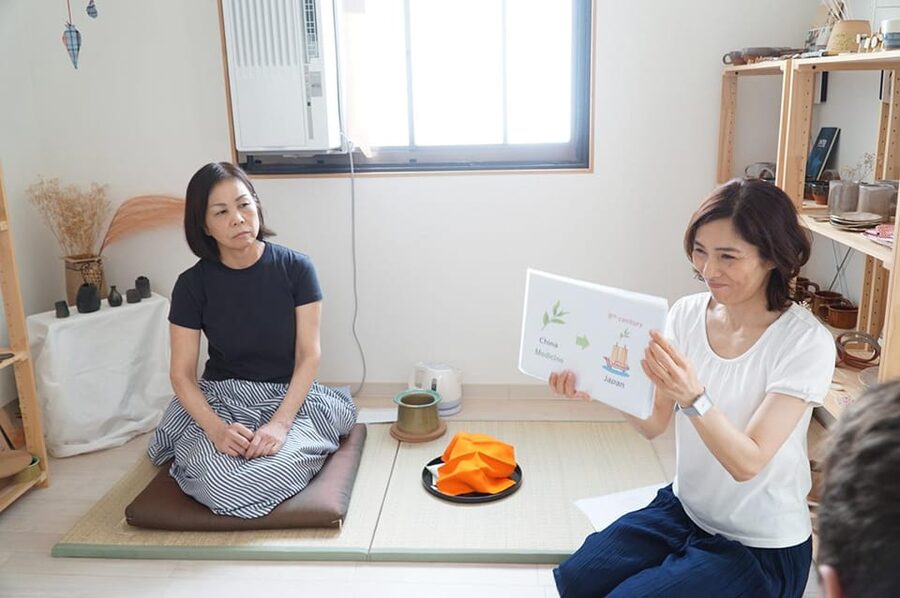
The first part introduces you to the traditional Japanese tea ceremony. A tea ceremony master guides you through preparing matcha, then you drink the tea with Japanese sweets.
Do not expect a long formal ceremony that asks you to memorize every movement. This is a two-hour workshop with a teaching focus. You learn the basics and take part in the process, which gives you a better sense of the care behind each step.
Matcha preparation is simple in its ingredients but deliberate in its movements. You will see how the tea is handled and prepared, then follow the guidance of the tea master. The sweets are not just an extra snack. They are part of the way matcha is enjoyed, with sweetness balancing the tea’s strong, grassy taste.
I especially like this opening because it gives the pottery a purpose. You are not making a random cup. You have just used a matcha bowl and learned something about how its shape fits the ritual. That context can change how you look at the bowl you later create.
The tea section also provides the calmer half of the workshop. One recent participant described the atmosphere as peaceful and relaxing, with a chance to slow down and focus. That is useful to know if your Osaka schedule has been packed with shopping, train rides, and crowded sights.
The tea master’s name is not provided in the activity details, but the session is offered in English. You should be able to follow the explanation and ask questions without needing a Japanese-speaking companion.
Shaping Your Bowl With Anna
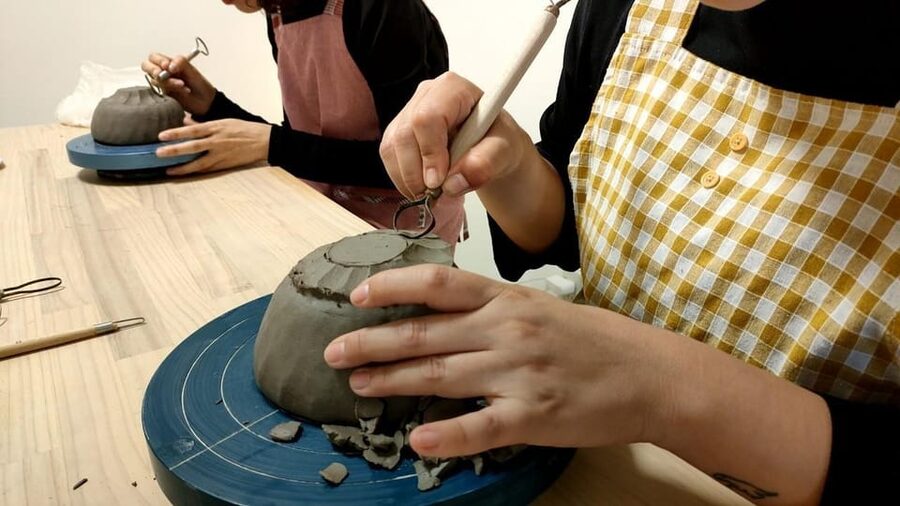
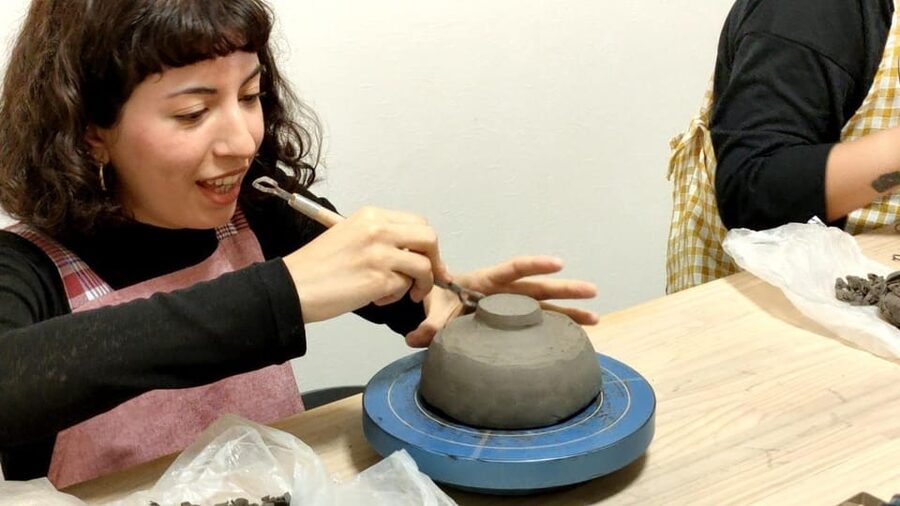
After the tea portion, you make a matcha tea bowl with Anna. She studied pottery in Osaka and Barcelona, bringing training in both Japanese and European settings to the lesson.
You shape and decorate the bowl using traditional Japanese pottery techniques. The information provided does not specify the exact clay method, tools, glaze colors, or firing style, so do not book this expecting a detailed technical syllabus. Think of it as a guided introduction in which Anna helps you form and decorate a personal bowl.
This is where the activity becomes more tactile. You are no longer only learning how another person performs a craft. You are making decisions about the form and decoration of your own piece. Anna’s role is important because beginners need encouragement as much as instruction. One participant specifically praised her for being helpful and encouraging throughout the process.
You should also keep your expectations realistic. A bowl made in a short workshop will not have the same finish as one made by a professional potter. That is not a problem if you see it as a personal object. Small irregularities are part of its story, and they can make the bowl feel more connected to your time in Osaka.
The pottery stage is likely to appeal most to people who enjoy doing rather than simply observing. It is also a good choice if you want a souvenir with a personal connection. You are not selecting a finished bowl from a shop. You are creating one during your visit.
A few more Osaka half-days worth pricing up
- Sushi Making Osaka Roll and Authentic Japanese Sushi Class
★ 5.0 · 1,220 reviews - Osaka: Ramen and Gyoza Cooking Class in Dotonbori
★ 5.0 · 378 reviews - Osaka Cooking Class: Okonomiyaki &Japanese cuisines experience
★ 5.0 · 261 reviews - Osaka: Roll and Authentic Sushi Making Class in Dotonbori
★ 4.9 · 239 reviews
The Two-Month Wait for Your Bowl
Your bowl is not ready to carry home at the end of the class. It is sent to the address you provide after about two months. Shipping is not included in the $134 price.
That delay is normal for a fired pottery piece, but it affects how you should plan. Make sure the address you provide will still be valid when the bowl is shipped. If you will be moving between hotels or leaving Japan soon, clarify the delivery arrangements before you book.
The waiting period can be part of the fun. Your Osaka souvenir arrives later, when the trip is no longer fresh in the daily rush. Still, shipping costs can change the total price, so include them when comparing this workshop with other pottery activities.
The small dish is an immediate gift. You can use it to serve sweets with tea, so you do not leave empty-handed while waiting for the larger bowl. The dish also extends the lesson into your home: matcha and sweets become something you can enjoy with a little reminder of the workshop.
Is $134 a Fair Price?
At $134 per person, this is not a cheap drop-in activity. The value comes from the private format, the two different instructors, the tea and sweets, the pottery instruction, and the fired bowl sent to you later.
If you only want to taste matcha, you can find less expensive options. If you only want to make pottery, a basic studio class may cost less as well. This experience earns its price by combining both activities and giving you a more complete introduction to the relationship between tea and ceramics.
The two-hour length is another factor. You receive a focused experience without giving up most of your sightseeing day. The tradeoff is that neither section can be extremely long. You will get the essentials of tea ceremony and a beginner-friendly pottery session, not an advanced course in either subject.
For me, the value is strongest if you care about Japanese craft and want direct instruction in English. It is weaker if your main goal is a large meal, an extensive cultural lecture, or a finished bowl that you can pack immediately.
Who Will Enjoy This Most
I would recommend this to adults and older teenagers who like cultural activities with a practical side. It suits couples, friends, and solo visitors who prefer a private session over a large class.
It is especially good for you if:
- You enjoy making souvenirs instead of only buying them.
- You want to learn about tea ceremony customs in a relaxed setting.
- You appreciate pottery, design, or Japanese craft.
- You have enough time in your itinerary to wait for a bowl to be shipped.
- You want an English-speaking activity with personal guidance.
- You are happy to visit a local Osaka ward rather than stay near the city’s main sights.
Children under 13 cannot take part. Wheelchair users are also not eligible, so check the suitability carefully before booking. The supplied information does not provide further details about physical access, seating, or the pottery workspace.
What to Know About the Pace and Atmosphere
The experience has a thoughtful pace, but it is still only two hours. The tea ceremony creates a quiet start, while the pottery section asks for concentration and hand work. You will need to stay engaged rather than drift in and out of the lesson.
The peaceful mood is one of the strongest reasons to choose it. A participant described the tea portion as calming and mindful, and that matches the structure of the activity. You prepare, taste, shape, and decorate. There is no long list of stops to rush through.
At the same time, the session is not presented as a silent retreat. You are there to learn and make something, so questions and conversation are part of the experience. Anna’s encouragement is useful for beginners who worry that their bowl will not look perfect.
This balance makes the workshop a good break during a busy Osaka visit. You get a cultural activity that is active enough to hold your attention but calm enough to feel different from ordinary sightseeing.
Booking Flexibility and Practical Rules
You can cancel up to 24 hours before the activity for a full refund. You can also reserve now and pay later, which helps if your Osaka schedule is still changing.
The activity is offered in English and uses a private-group format. Smoking, alcohol, and drugs are not allowed. These rules are straightforward, but the late-arrival policy deserves extra attention because missing the start can mean losing the whole session.
Wear something you can work comfortably in, although no specific clothing requirement is provided. Since pottery is involved, you should be prepared to use your hands and take care around your belongings. The activity details do not state whether aprons or other protective equipment are supplied, so ask the provider if that matters to you.
What You Can Do After the Workshop
The class ends with the option to explore Ikuno Ward. No fixed post-workshop route is included, so you are free to continue at your own pace.
I like this open ending. You can treat the workshop as a short cultural stop before another Osaka plan, or spend more time seeing the local area around Teradacho. Just remember that any food, shopping, or sightseeing after the class is separate from the activity.
Because your bowl will not be ready that day, the small dish is the practical gift you can use right away. The larger piece becomes a delayed souvenir, with shipping handled after the workshop and paid separately.
Should You Book the Matcha and Pottery Workshop?
Book it if you want more than a quick photo or a standard tasting. The strongest feature is the connection between the tea ceremony and the bowl-making. You first learn how matcha is prepared, then create an object designed for that tradition.
I would skip it if you have less than two hours to spare, cannot receive a package after two months, or want to carry your finished pottery home immediately. The $134 price also makes more sense when you value private instruction and the two-part format.
For the right person, this is a memorable Osaka activity: calm, hands-on, and personal. The five-star feedback points to the same strengths I would use when making the choice: helpful instruction, a peaceful tea session, and the pleasure of creating something of your own.
FAQ
Where does the workshop meet?
Meet at the north exit of JR Teradacho Station in Osaka. Look for staff holding a signboard marked Ceramics Tocoton.
How long does the activity last?
The workshop lasts two hours.
Is the workshop offered in English?
Yes. The instructor language is English.
What is included in the experience?
Matcha tea and Japanese sweets are included. You also receive a small dish as a gift.
When will I receive the tea bowl?
The bowl is sent to the address you provide after about two months.
Is shipping for the bowl included?
No. Shipping costs are not included in the price.
Who cannot take part?
Children under 13 and wheelchair users cannot take part in this activity. Smoking, alcohol, and drugs are also not allowed.
Just added in Osaka
- Urban Canvas: Osaka Street Art Bike Tour★ 5.0 · 10 reviews
- Anime Cosplay Photshoot-50 Digital Photos Provided★ 5.0 · 8 reviews
- TeamLab Botanical Garden Osaka Ticket★ 3.5 · 6 reviews
- Umeda Sky Building & Kuchu Teien Observatory Ticket in Osaka★ 4.5 · 3 reviews
- Immerse in Judo Martial Arts Class from Japan★ 5.0 · 4 reviews
- Cherry Blossom Buddha and Mt.Yoshino with Strawberry Picking Tour★ 4.5 · 5 reviews
- Traditional Home cooking Experience in Osaka, Japan★ 5.0 · 14 reviews
- Traditional Calligraphy Experience near Dotonbori★ 5.0 · 3 reviews
Osaka Tea Ceremonies, compared.

Matcha Making Class in Osaka with Authentic Japanese Sweets Set
Read our review →
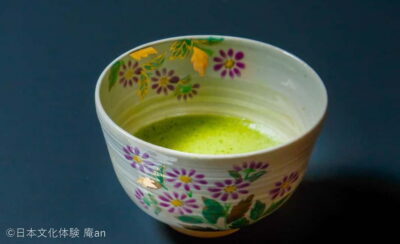
Japanese Traditional Sweets Making and Tea Ceremony
Read our review →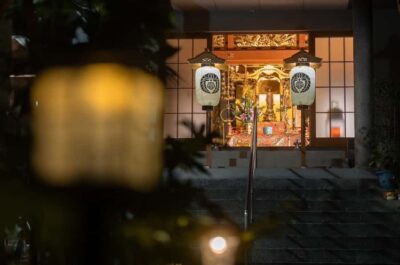
Osaka Temple Cool Foot Bath & Matcha Experience〈45min〉
Read our review →
Samurai Show, Tea Ceremony, Japanese Traditional Activities
Read our review →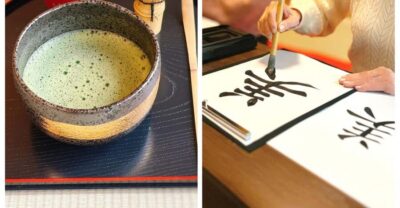
Browse the lists this tour appears in