
Reviewed · WORKSHOPS
Osaka Small Group Sashiko Japanese Craftmanship Workshop
Sashiko turns simple running stitches into neat geometric designs, and this Osaka workshop lets you learn the craft while hearing why the patterns matter. I like the small maximum of eight people, which gives Jun room to guide each person, and I like that your finished piece is a useful handmade keepsake rather than just a demonstration.
The session is also a good pick if you want more than a craft lesson. You’ll get cultural context, all tools and materials, and time to work at your own pace in a relaxed setting. The main consideration is travel: transportation to the workshop is not included, and the address in Joto Ward is outside the most central sightseeing areas.
Key points to know before booking
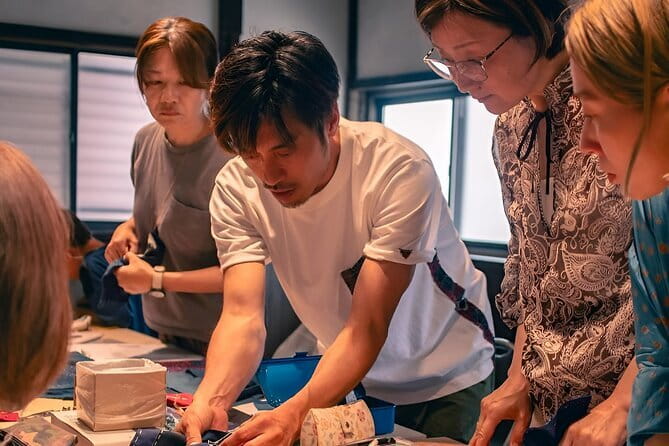
- A two-hour hands-on lesson: The session covers Sashiko’s history, basic stitches, guided practice, and a completed project.
- Jun teaches in English: You receive direct instruction from an experienced craft instructor throughout the workshop.
- A very small group: The maximum is eight people, helpful when you need advice on stitch size, spacing, or technique.
- Your materials are included: Fabric, needles, thread, and other Sashiko tools are supplied.
- A calm cultural activity: The workshop suits beginners and experienced crafters, with history and pattern symbolism folded into the practical lesson.
- Shopping next door: The small JunAle corner offers original goods, sewing kits, hand-dyed threads, and clothing, with discounts for cash payments.
Why Sashiko makes a fine Osaka souvenir
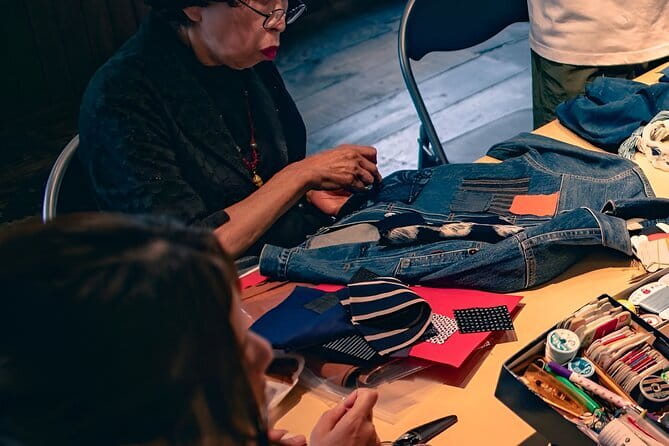
Sashiko means little stabs in Japanese, a plain name for a patient and attractive form of stitching. The craft began during the Edo period, from 1603 to 1868, as a practical way to reinforce clothing and add warmth. Over time, those repeated stitches became decorative patterns as well as useful repairs.
That background changes how you look at the finished piece. You are not simply placing thread through cloth. You are practicing a craft born from making clothing last longer and using materials carefully. The regular rows and repeated shapes reward patience, not speed.
I like this kind of activity for an Osaka itinerary because it gives you a quiet change of pace. The city offers plenty of food, shopping, and busy streets. Here, you spend two hours seated with fabric, thread, and a clear task. It is a good way to give your mind a rest without giving up the feeling that you are learning something specific to Japan.
The workshop also explains the meaning and symbolism connected with Sashiko patterns. The supplied details do not identify every pattern you will use, so you should not expect a full survey of Japanese textile design. Still, the link between the stitches and the craft’s past gives the activity more weight than a basic make-and-take class.
A few more Osaka half-days worth pricing up
- Sushi Making Osaka Roll and Authentic Japanese Sushi Class
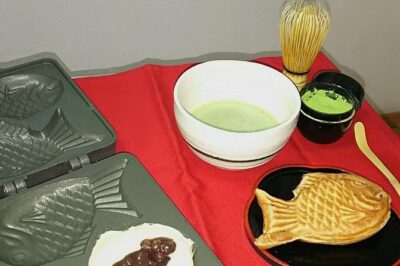
★ 5.0 · 1,220 reviews - Matcha Making Class in Osaka with Authentic Japanese Sweets Set
★ 5.0 · 509 reviews - Osaka: Ramen and Gyoza Cooking Class in Dotonbori
★ 5.0 · 378 reviews
Arriving in Joto Ward
The meeting point is 1-chōme-4-18 Shigita, Joto Ward, Osaka, 536-0015, Japan. The venue is near public transportation, but transportation itself is not part of the booking. You’ll need to plan your own route and allow enough time to arrive before the workshop begins.
That location matters when you compare this with activities in central Osaka. A two-hour class can look easy to fit into a busy day, but the journey to and from Shigita adds time. I would place it beside other plans in the same general part of the city, rather than booking it between two tightly timed attractions.
You receive confirmation at booking, and the activity ends at the same meeting point. There is no separate drop-off or onward transfer. Since the group is capped at eight people, arriving promptly is especially sensible. A small class works best when everyone gets settled at the start.
The provider also notes that good weather is required for the activity. That may seem unusual for a workshop, since the stitching takes place indoors, but it is part of the booking terms. If poor weather causes cancellation, you are offered another date or a full refund.
The opening lesson: Edo-period roots and practical stitching
The class begins with an introduction to Sashiko. Jun explains how the craft developed as a method for reinforcing and insulating clothing before it became widely appreciated as an art form.
This short history is useful because it gives you a reason for the style of the stitches. Sashiko is built around order, repetition, and strength. Once you know that, the geometric patterns make more sense. They are not random decoration placed on top of fabric. They grew from a practical need to mend and support cloth.
You’ll also hear about the symbolism connected with different patterns. The provided information does not specify which individual designs appear in your lesson, so the exact examples may vary. The important point is that the session connects technique with meaning, rather than treating the craft as a purely mechanical exercise.
The introduction should suit a first-time maker. You do not need prior sewing experience, and the class is also appropriate if you already enjoy crafts and want to add a Japanese technique to your skills. The pace is intended to be educational and relaxed rather than competitive.
Learning the basic Sashiko stitches
After the introduction, Jun demonstrates the basic stitches. You then work with fabric, needle, thread, and the other supplied tools. The focus is on creating clean, precise lines and geometric forms.
This is where the small group becomes important. With no more than eight people, Jun can watch how you hold the fabric, check your stitch spacing, and help when a line begins to wander. Sashiko looks simple at first, but repeated stitches reveal small errors quickly. A little guidance early on can prevent frustration later.
The workshop is designed for beginners, so you should not worry about arriving with a perfect technique. At the same time, experienced crafters have room to pay attention to neatness and rhythm. You can treat the session as an introduction or as a chance to refine your handwork.
The experience may appeal most to people who enjoy slow, focused activities. If you want constant movement or a long list of sights, two hours of stitching may feel quiet. If you like making something with your hands, the calm pace is part of the value.
Same city, a completely different kind of afternoon:
- Osaka Go Karting Tour with Funny Costume
★ 5.0 · 2,658 reviews - Osaka Castle: Museum and Tower Entry Ticket
★ 4.5 · 2,380 reviews - Osaka: Shinsekai Food Tour with 13-15 Dishes at 5 Eateries
★ 4.8 · 2,204 reviews - Osaka Food Tour: 13 Dishes at 5 Local Eateries
★ 5.0 · 2,149 reviews
Making a finished item to take home
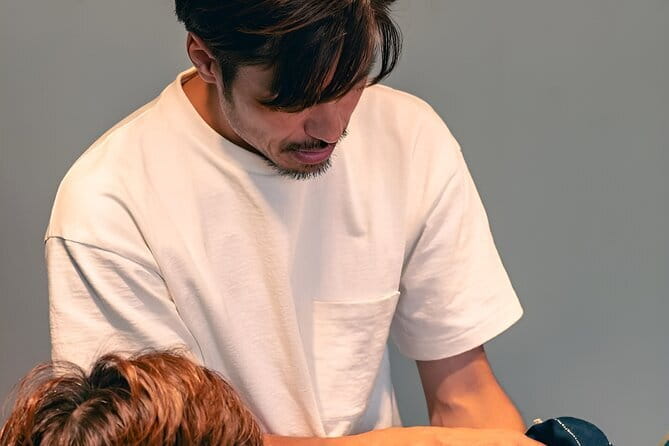
The practical goal is a completed Sashiko project, such as a coaster. You receive the materials and tools during the workshop, then follow the instruction through the process of creating your own item.
A small object is a smart format for a short class. You have a realistic chance of finishing something within two hours, and the result is easy to pack. It also gives the lesson a clear shape: introduction, demonstration, practice, and a finished piece.
Do not judge the value only by the size of the object. The useful souvenir is the connection between the item and the time you spent making it. A coaster with your own uneven stitches may carry more meaning than a factory-made textile bought from a shop. You also leave with a basic technique you can continue practicing.
The exact final design and result will depend on your pace and experience. Sashiko rewards regular stitching, but a first project does not need to look perfect. The point is to learn how the craft works and to complete something by hand.
JunAle goods, threads, and clothing after class
Next to the workshop area, there is a small shopping corner with JunAle original goods, sewing kits, hand-dyed threads, and clothing. This gives you a chance to keep exploring the craft after the formal lesson ends.
The shopping area is not included as a separate tour stop, and you do not need to buy anything. Still, it may be useful if the class leaves you wanting more materials. A sewing kit or additional thread can help you continue practicing at home, while the clothing and original goods offer a wider look at how Sashiko-related design can appear beyond the practice project.
Cash payments receive discounts in the shopping corner. If you think you may buy something, carry cash and ask about the current discount before paying. The supplied information does not state the discount amount or which products qualify, so treat the offer as a possible saving rather than a guaranteed percentage.
This part also adds a personal touch to the visit. You are not simply attending a generic craft demonstration and leaving. You can see more of the instructor’s design work and decide if you want to take home materials for another project.
What the $68.29 price includes

At $68.29 per person, the workshop is not the cheapest way to spend two hours in Osaka. Its value comes from the combination of instruction, materials, a finished object, and cultural explanation.
You are not paying only for table space and a needle. The price includes fabric, thread, needles, and Sashiko-specific tools, so you do not need to assemble a supply kit before arriving. It also includes English-language guidance from an experienced instructor and a project to take home.
For a casual souvenir shopper, the price may feel high compared with buying a ready-made coaster or textile. For someone who wants to learn a real technique, it is easier to justify. You get direct help, time to practice, and an understanding of why the craft developed as it did.
The small group improves the value. A class capped at eight should offer more personal attention than a large demonstration, although the exact amount of one-on-one help can vary with the group. Group discounts are available, which makes this more appealing for friends or family booking together.
I would compare the cost with what you want from the activity. If your goal is simply to own a Japanese textile, shop for one. If your goal is to spend a quiet afternoon learning, making, and asking questions, this workshop offers a fairer comparison.
Who will enjoy this workshop most
This is a strong match for:
- Beginners who want an approachable introduction to Japanese stitching.
- Experienced crafters who enjoy learning traditional techniques.
- Couples, friends, and families looking for a quieter Osaka activity.
- Visitors who prefer a handmade souvenir to a mass-produced purchase.
- Anyone interested in the history and symbolism behind everyday crafts.
- Small groups who can make use of the available group discount.
You should think twice if you dislike seated, repetitive work or want an activity packed with sightseeing. The workshop centers on fabric and stitching, not on visiting several Osaka attractions. It also requires you to arrange your own transportation to Shigita.
The class is conducted in English, which removes a major barrier for English-speaking participants. The activity notes that most people can participate, but no detailed accessibility information is provided. If you have specific mobility, vision, or hand-use needs, contact the provider before booking rather than relying on general participation guidance.
Timing, booking, and cancellation details
The activity lasts about two hours and ends where it begins. It is typically booked 28 days ahead, so I would reserve early if your Osaka dates are fixed, especially if you want a particular day or are booking with a group.
You can cancel for a full refund up to 24 hours before the start time. Cancellations or changes made less than 24 hours before the start time are not refunded or accepted. Cutoff times use local Osaka time, so check the clock carefully if you are changing plans from another time zone.
The provider is Pinpoint Traveler, Inc. Confirmation arrives when you book, and a mobile ticket is available. Those details make the practical side simple, but they do not replace planning the route to the meeting point.
My verdict on the two-hour Sashiko experience
I would book this if you want a personal, hands-on cultural activity and like the idea of taking home something made during your trip. The best features are the small group, Jun’s direct instruction, the link between stitching and Japanese history, and the chance to continue browsing JunAle materials after class.
The main drawbacks are the price compared with buying a finished item, the need to arrange transportation to Joto Ward, and the quiet, repetitive nature of the work. For the right person, those are minor concerns. For someone chasing Osaka’s headline sights, the class may not be the best use of two hours.
Book it if you value process as much as the finished souvenir. Skip it if you want a fast, sightseeing-heavy activity or have no interest in sewing. For beginners, couples, craft fans, and curious visitors who want a calm break from the city, this is a thoughtful choice.
FAQ
How long does the Sashiko workshop last?
The workshop lasts approximately two hours.
Where does the activity begin and end?
It begins at 1-chōme-4-18 Shigita, Joto Ward, Osaka, 536-0015, Japan, and ends back at the same meeting point.
Is transportation to the workshop included?
No. You are responsible for arranging and paying for your own transportation to the venue.
Is the workshop taught in English?
Yes. English is offered as a guide language.
What is included in the price?
The price includes fabric, needles, thread, other Sashiko tools, instruction from an experienced instructor, a completed Sashiko project, and cultural information about the craft and its patterns.
How many people can join the workshop?
The activity has a maximum of eight participants.
Can I cancel for a refund?
Yes. You can receive a full refund if you cancel at least 24 hours before the experience start time. Cancellations or changes made less than 24 hours before the start time are not accepted or refunded. If poor weather causes the activity to be canceled, you are offered another date or a full refund.
Just added in Osaka
- Urban Canvas: Osaka Street Art Bike Tour★ 5.0 · 10 reviews
- Anime Cosplay Photshoot-50 Digital Photos Provided★ 5.0 · 8 reviews
- TeamLab Botanical Garden Osaka Ticket★ 3.5 · 6 reviews
- Umeda Sky Building & Kuchu Teien Observatory Ticket in Osaka★ 4.5 · 3 reviews
- Immerse in Judo Martial Arts Class from Japan★ 5.0 · 4 reviews
- Cherry Blossom Buddha and Mt.Yoshino with Strawberry Picking Tour★ 4.5 · 5 reviews
- Traditional Home cooking Experience in Osaka, Japan★ 5.0 · 14 reviews
- Traditional Calligraphy Experience near Dotonbori★ 5.0 · 3 reviews
Workshops, compared.
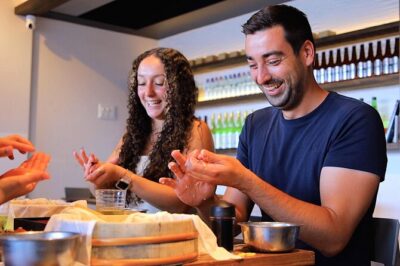
Sushi Making Osaka Roll and Authentic Japanese Sushi Class
Read our review →
Matcha Making Class in Osaka with Authentic Japanese Sweets Set
Read our review →
Osaka Cooking Class: Okonomiyaki &Japanese cuisines experience
Read our review →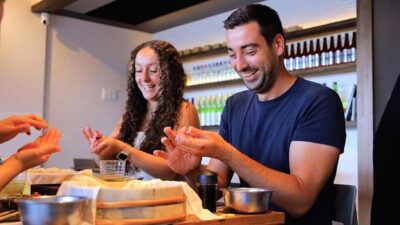
Roll and Authentic Sushi Making Class in Dotonbori
Read our review →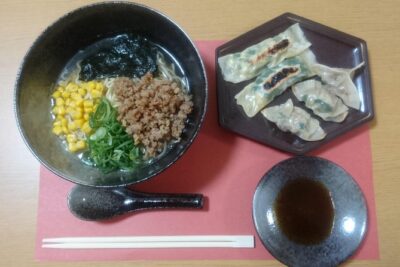

Browse the lists this tour appears in