
Reviewed · WORKSHOPS
Osaka: Private Ceramic Painting Workshop
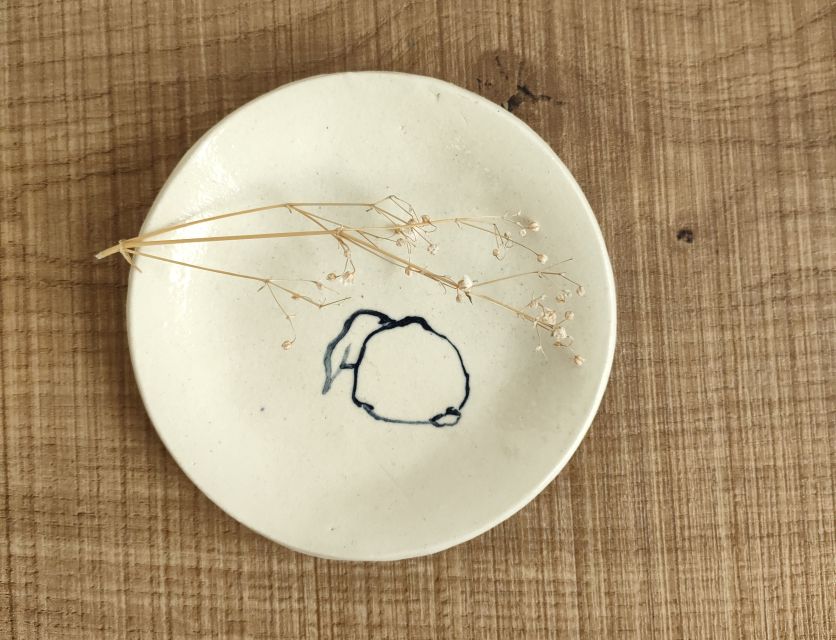
Osaka’s best souvenirs are often the ones you make yourself. At Ceramics Tocoton, you paint a ceramic dish in a century-old house in the city’s southern neighborhoods, far from the usual sightseeing circuit. Anna leads the class, with help from Ryo when needed, and instruction is available in English, Spanish, Catalan, or Japanese.
I like two things right away: the class is private, so you get room to work at your own pace, and the walk from JR Teradacho Station takes you through a quieter Showa-era part of Osaka. I also like the useful gifts: a small handmade dish and a sakura-shaped chopstick holder that you can take home that day.
The main drawback is practical rather than artistic. Your painted dish must be fired and shipped to your home, which takes about a month and a half, and shipping costs are not included in the $61 price. If you are leaving Japan soon, plan for that extra charge and a little patience.
Key points to know before booking
- A private two-hour class: You paint without a larger public group taking over the room or setting the pace.
- A real south Osaka neighborhood: The meeting point at JR Teradacho Station leads into a non-touristy area with Showa-era streets.
- Your own Japanese design: Paint Mount Fuji, sushi, cherry blossoms, another cultural image, or a word in kanji.
- Materials with a local connection: Your main dish is made with clay from the Shigaraki area.
- Language choice matters: This is the only listed ceramics activity offered in both Spanish and Catalan, as well as English and Japanese.
- The finished dish arrives later: Firing and delivery take about six weeks, with postage paid separately.
Starting at JR Teradacho Station
Your meeting point is the north exit of JR Teradacho Station. Look for a guide carrying a sign marked Ceramics Tocoton. This is a useful arrangement because you do not have to hunt for a small studio in an unfamiliar neighborhood.
The walk from the station is part of the appeal. It takes you through south Osaka rather than toward the city’s headline sights. The area is described as a Showa-era Osaka, a side of the city that can easily be missed if you stay around Dotonbori, Osaka Castle, or the main shopping streets.
Ryo has handled the station pickup, and the walk gives you time to talk before the painting begins. That small transition matters. You move from the fast pace of a rail station into a residential setting, with a chance to ask about Japanese culture and daily life along the way.
You should arrive on time. If you expect to be more than 15 minutes late, contact the workshop. More than 15 minutes late is treated as a no-show, so this is not the activity to schedule immediately after a distant attraction with a tight connection.
A few more Osaka half-days worth pricing up
- Sushi Making Osaka Roll and Authentic Japanese Sushi Class
★ 5.0 · 1,220 reviews - Matcha Making Class in Osaka with Authentic Japanese Sweets Set
★ 5.0 · 509 reviews - Osaka: Ramen and Gyoza Cooking Class in Dotonbori
★ 5.0 · 378 reviews
Entering a century-old Osaka house
The workshop takes place in a century-old house in a southern part of Osaka. The setting gives the class a sense of place that a modern craft studio might not provide. You are not simply sitting at a table in a commercial district. You are working in an older home in a neighborhood that sees fewer international visitors.
Anna welcomes you and guides the painting session. The instruction is friendly and hands-on, but the class still leaves space for your own ideas. You do not need to arrive as an artist. Interest matters more than polished technique, and help is available if you have trouble with a design or brushwork.
The private format is especially useful here. You can ask questions about patterns, Japanese symbols, or the meaning of a kanji character without worrying about holding up a larger group. You can also spend more time refining your picture if you need it.
The setting may be less convenient than a studio beside a major station. You will need to meet at Teradacho and walk through a local neighborhood, rather than step straight from a central tourist stop into the activity. For many people, that is a fair trade. The quieter surroundings are part of what makes this class different.
Painting a dish with Japanese images
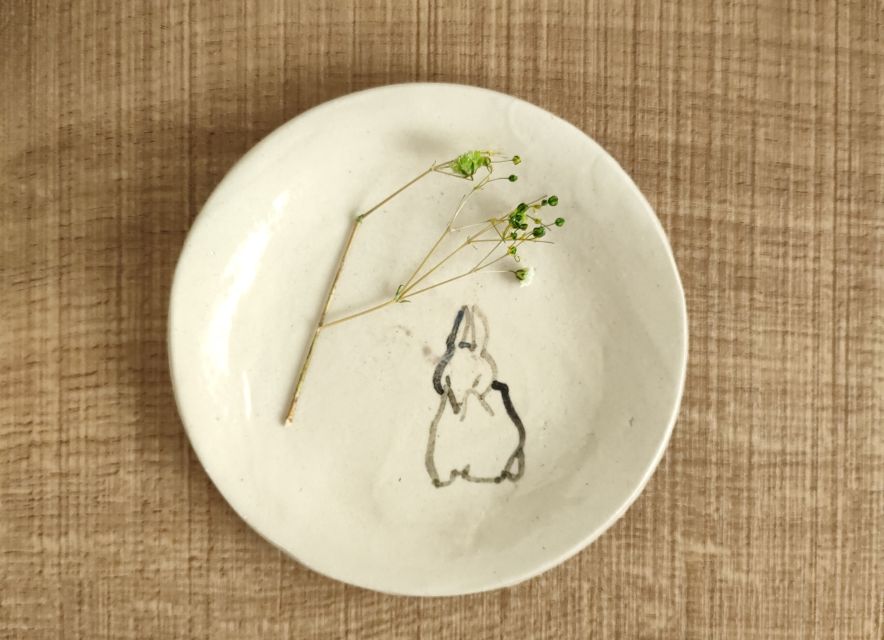
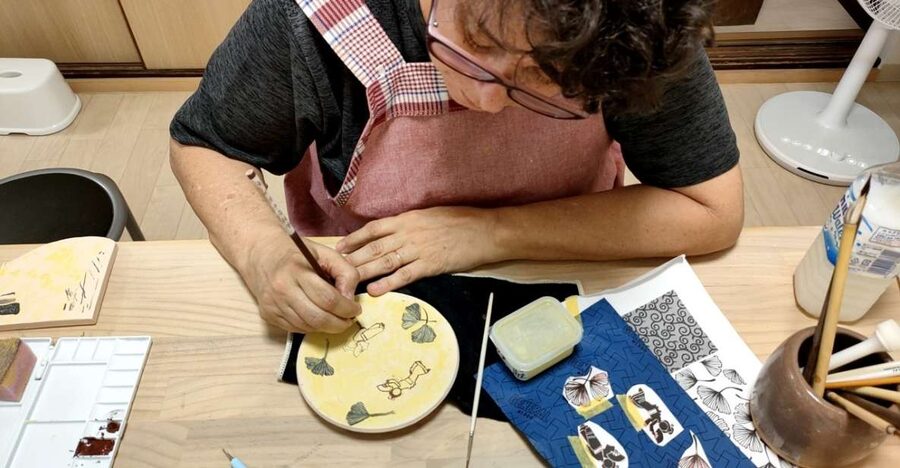
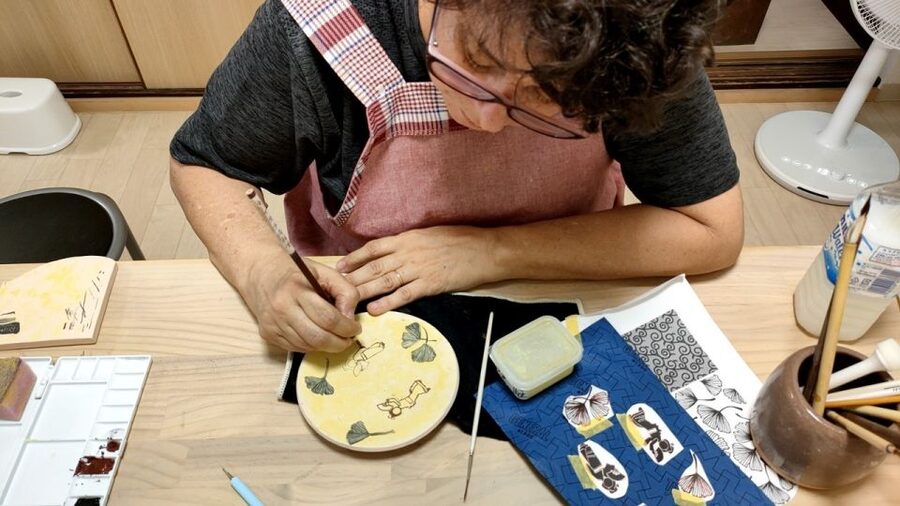
The main project is a ceramic dish painted with a brush. Your dish is made from clay from the Shigaraki area, one of Japan’s known pottery regions. The activity is not a full pottery-throwing lesson. You work with an already prepared ceramic surface and focus on painting and design.
You can choose from traditional patterns or familiar images connected with Japan. Possible subjects include:
- Mount Fuji
- Sushi
- A sakura tree
- Other Japanese cultural images
- A desired word written in kanji
That range makes the class suitable for different kinds of makers. You might want a neat, traditional design, or you might prefer a personal souvenir tied to your trip. If you want kanji, take care when selecting the word and ask the instructor for help. A character chosen for its shape alone may not express what you intend.
The class allows plenty of room for creativity. You are not handed one fixed pattern and told to copy it. At the same time, you are not left alone with a brush and a blank dish. Anna can guide you through the painting, help when you are unsure, and explain patterns as you work.
This balance is important. A craft class can go wrong in two ways: too much instruction makes your piece feel like a school exercise, while too little leaves you wondering what to do. Here, the stated format gives you a design framework and personal support while preserving your own choices.
Talking about Japanese culture while you work
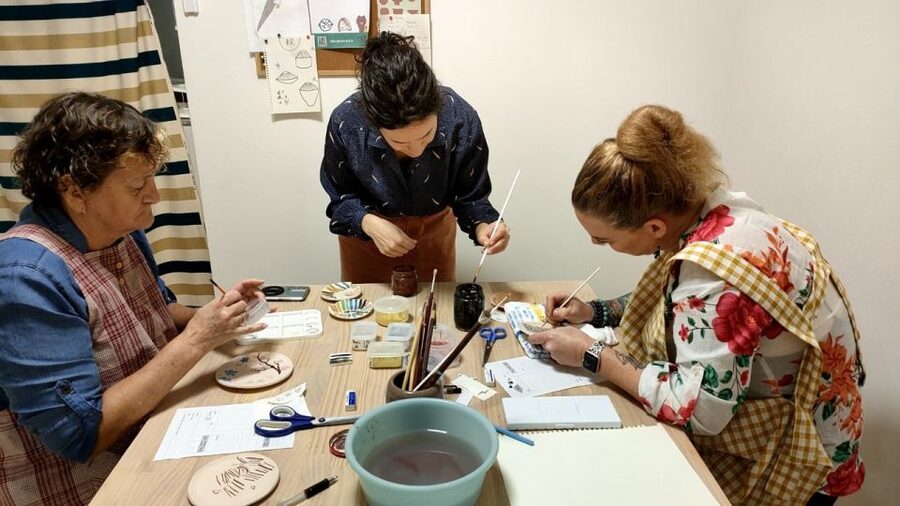
The conversation is a major part of the class. Painting gives you something to do with your hands while you talk about Japan, Osaka, and the designs in front of you. This makes the cultural side feel natural rather than like a formal lecture.
Anna studied in Osaka and teaches the workshop with a focus on both ceramics and local culture. Instruction is available in English, Catalan, Spanish, and Japanese. If you speak Spanish or Catalan, this class has a special advantage: it is the only ceramics activity in the supplied options offered in those languages.
The language choice can change the whole feel of a craft session. You may be able to ask more precise questions, understand the explanation of a pattern, or discuss your own design without searching for words. English speakers also have a clear option, and Japanese is available for those who want to practice.
Several details make the visit feel personal. Tea may be served at the end, and the conversation can continue after the painting is finished. The hosts have been described as welcoming and home-like, but the important practical point is that you should expect a social class, not just a silent make-and-take activity.
Same city, a completely different kind of afternoon:
- Osaka Go Karting Tour with Funny Costume
★ 5.0 · 2,658 reviews - Osaka Castle: Museum and Tower Entry Ticket
★ 4.5 · 2,380 reviews - Osaka: Shinsekai Food Tour with 13-15 Dishes at 5 Eateries
★ 4.8 · 2,204 reviews - Osaka Food Tour: 13 Dishes at 5 Local Eateries
★ 5.0 · 2,149 reviews
The gifts you take home that day
The $61 price includes more than the main dish. You receive a small handmade dish with a traditional Japanese pattern and a sakura-shaped chopstick holder. These are gifts for your use, and you can take them with you when you leave the studio.
That is a nice value point. Your own painted dish is the centerpiece, but it will not be in your luggage during the rest of your Japan trip. The smaller pieces give you something tangible to carry away immediately.
The gifts also make sense for daily use. A small dish can hold a snack or a few small items, while a chopstick rest fits naturally into a Japanese dining setting. The sakura shape adds a clear seasonal touch without taking up much room in your suitcase.
There is also a small gallery upstairs where you may be able to buy additional Japanese ceramics made by Anna. The information does not specify prices or stock, so treat this as an optional extra rather than part of the paid class. If you like Anna’s style, it can be a chance to purchase another piece, but you should not assume that shopping is included.
Waiting for the kiln and delivery
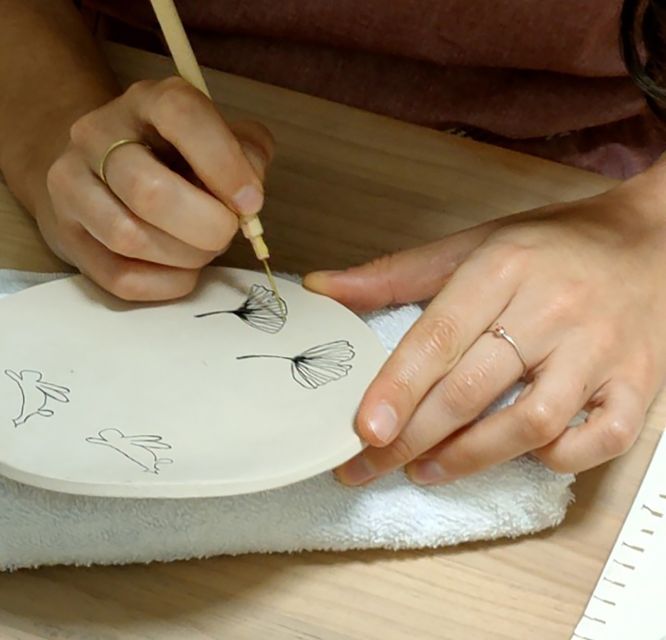
Your painted dish does not go home with you. It must be fired first, then shipped to your home. The expected wait is about one month and a half, and shipping is not included in the class price.
This delay is normal for a finished ceramic piece, but it changes how you should think about the souvenir. You are paying for an object that arrives later, not a completed item you can pack immediately. Keep your address details accurate and ask the workshop about the shipping fee before you commit if your budget is tight.
There is a small emotional benefit to the wait. The dish becomes a post-trip reminder rather than something that disappears into your luggage on the final day. Still, if you are moving between hotels, traveling without a fixed home address, or leaving Japan for an extended trip, delivery planning deserves attention.
The workshop makes the timing clear, which is helpful. You should not book this expecting next-day collection or same-week delivery.
Is $61 a fair price?
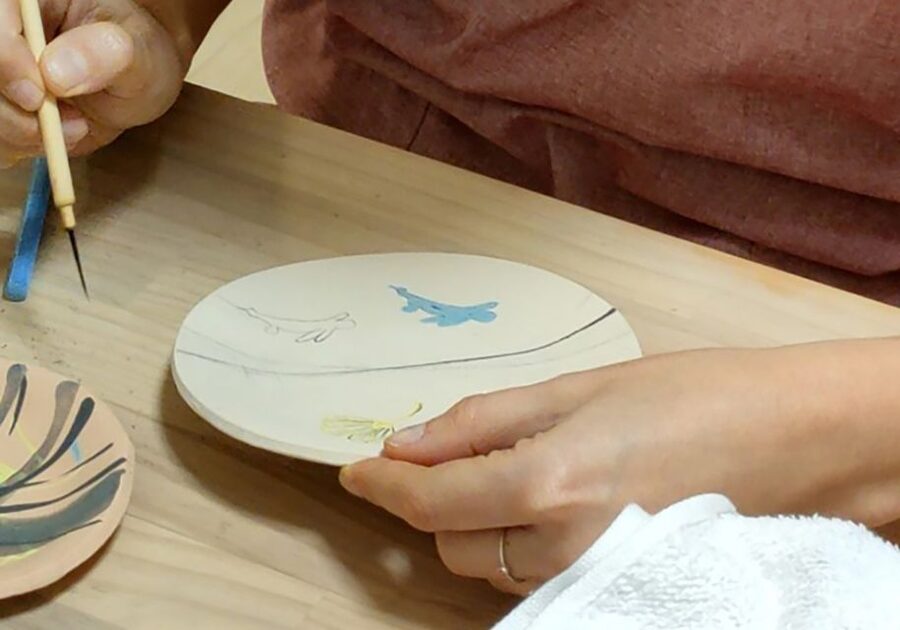
At $61 per person, this is not the cheapest souvenir activity in Osaka. It includes two hours of private instruction, materials, station pickup, the clay dish, and two handmade gifts. It also includes access to a local setting and language support that may be hard to find in a standard group class.
The value improves if you care about personal attention. A private group means you are not paying for a crowded demonstration where your painting time is limited. You can ask questions, take extra time to finish, and receive help with your chosen design.
The price may feel less attractive if your main goal is simply to buy a finished Japanese dish. Osaka has shops and galleries where you can purchase ceramics without waiting six weeks or paying postage. This class is for making, conversation, and a connection to the neighborhood, not just for obtaining tableware.
You should also add shipping to your mental budget. Since the fee is not included, the final cost will be higher than $61. The exact amount is not provided, so ask before booking if you need to keep the total strictly within a set amount.
Who will get the most from this class?
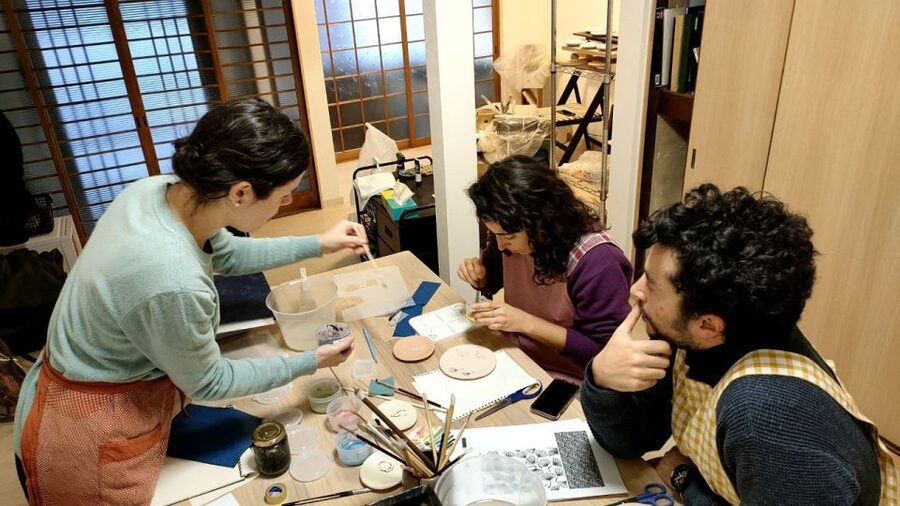
I would recommend this workshop to couples, families with older children, friends, and solo visitors who enjoy making something with their hands. It is particularly well suited to people who want a quieter Osaka activity and a chance to talk with a local instructor.
Spanish and Catalan speakers have a strong reason to consider it, since those languages are specifically available here. English speakers are also covered, and Japanese instruction adds another choice for those who want it.
Children under five are not suitable for the activity. The painting itself may appeal to older children, but the private format is likely best for anyone who can focus on a two-hour class and handle a brush carefully.
You do not need formal art training. If you are worried that your dish will not look professional, remember that the class is built around personal creativity and guidance. A simple design can make a better souvenir than an ambitious one that leaves you frustrated.
How to plan the rest of your day
Allow enough time to reach JR Teradacho Station and find the north exit. Since the guide meets you there, do not go directly to the house unless you have been given different instructions.
The class lasts two hours, but you should not schedule a major attraction with an exact start time immediately afterward. Painting can take longer if you want to finish carefully, and the conversation or tea at the end may extend your visit slightly.
The south Osaka setting makes this a good choice on a day when you want to see a less familiar part of the city. It is less suitable if you are trying to pack several central Osaka sights into one tight morning. The activity has value partly because it slows you down.
Wear something you can work comfortably in, though no special clothing requirement is provided. Your guide supplies the materials, including the clay dish and ceramic paints. The activity is about painting, not shaping wet clay, so you do not need to prepare for a pottery wheel session.
Should you book Ceramics Tocoton?
Book it if you want a private, creative souvenir and enjoy conversation more than a quick photo stop. The century-old house, local neighborhood walk, four language options, and handmade gifts give the two hours a clear sense of place.
Skip it if you need a souvenir in hand before leaving Japan, dislike paying a separate delivery fee, or want a pottery-wheel class rather than ceramic painting. For everyone else, the $61 price is reasonable for private instruction, materials, pickup, and the extra gifts.
I would especially choose it for a return visit to Osaka, a rainy-day plan, or a trip where you want to see beyond the main sights. Just arrive on time, confirm the shipping cost, and choose a design you will still enjoy when the finished dish arrives about six weeks later.
FAQ
Where do I meet the instructor?
Meet at the north exit of JR Teradacho Station. Look for a guide carrying a sign with the name Ceramics Tocoton.
How long does the workshop last?
The workshop lasts two hours.
What languages are available?
Instruction is available in English, Catalan, Spanish, and Japanese.
Is the class private?
Yes. The activity is for a private group.
What will I paint?
You will paint a ceramic dish with a brush. You can choose Japanese-related designs such as Mount Fuji, sushi, or a sakura tree, or write a desired word in kanji.
Can I take my finished dish home that day?
No. Your painted dish must be fired and shipped to your home. Delivery takes about one month and a half, and shipping costs are not included.
What is included in the price?
The price includes the instructor, materials, the clay dish, pickup from Teradacho Station, a small handmade dish with a traditional Japanese pattern, and a sakura-shaped chopstick holder.
Are young children allowed to join?
Children under five are not suitable for this activity.
Just added in Osaka
- Urban Canvas: Osaka Street Art Bike Tour★ 5.0 · 10 reviews
- Anime Cosplay Photshoot-50 Digital Photos Provided★ 5.0 · 8 reviews
- TeamLab Botanical Garden Osaka Ticket★ 3.5 · 6 reviews
- Umeda Sky Building & Kuchu Teien Observatory Ticket in Osaka★ 4.5 · 3 reviews
- Immerse in Judo Martial Arts Class from Japan★ 5.0 · 4 reviews
- Cherry Blossom Buddha and Mt.Yoshino with Strawberry Picking Tour★ 4.5 · 5 reviews
- Traditional Home cooking Experience in Osaka, Japan★ 5.0 · 14 reviews
- Traditional Calligraphy Experience near Dotonbori★ 5.0 · 3 reviews
Workshops, compared.
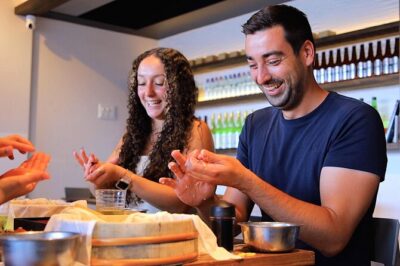
Sushi Making Osaka Roll and Authentic Japanese Sushi Class
Read our review →
Matcha Making Class in Osaka with Authentic Japanese Sweets Set
Read our review →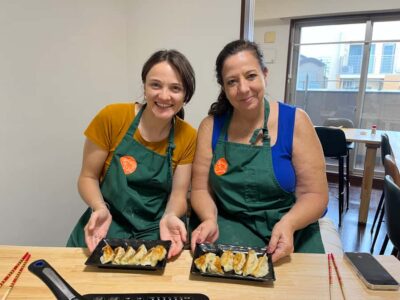
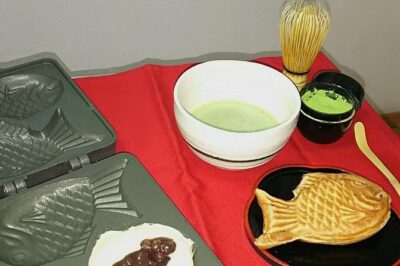
Osaka Cooking Class: Okonomiyaki &Japanese cuisines experience
Read our review →
Roll and Authentic Sushi Making Class in Dotonbori
Read our review →
Browse the lists this tour appears in