
Reviewed · OSAKA RAMEN AND GYOZA CLASSES
Okonomiyaki or Ramen&Gyoza Class with Local Shop Tour
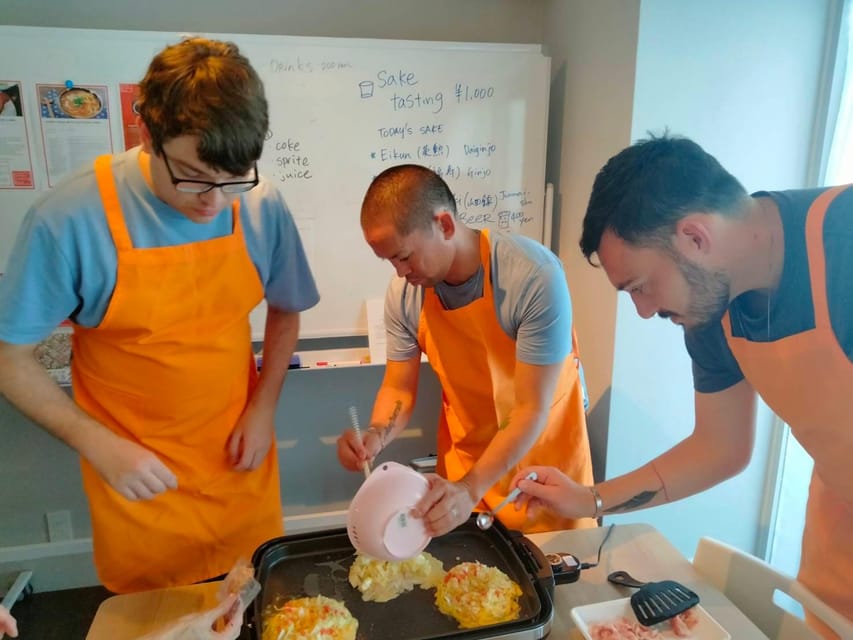
Osaka Cooking Base turns a familiar food outing into a useful lesson. You meet at the large main gate of Osaka Tenmangu Shrine, browse a few nearby shops, then cook Okonomiyaki and Yakisoba or Takoyaki with clear, hands-on guidance. I like the local ingredient tour, and I like that the recipes are practical enough to repeat at home.
The main thing to watch is the wording around the menu. The experience title mentions ramen and gyoza, and the wider description mentions Katsu Curry and Bento boxes, but the detailed class plan centers on Okonomiyaki, Yakisoba, and Takoyaki. Confirm your chosen menu before booking. The session lasts about 2.5 hours, not a full day of cooking.
Key Points
- Start at Osaka Tenmangu Shrine: Meet at the large front gate, not the smaller rear entrance.
- Visit local shops first: Learn about Osaka ingredients and try selected products with translation help.
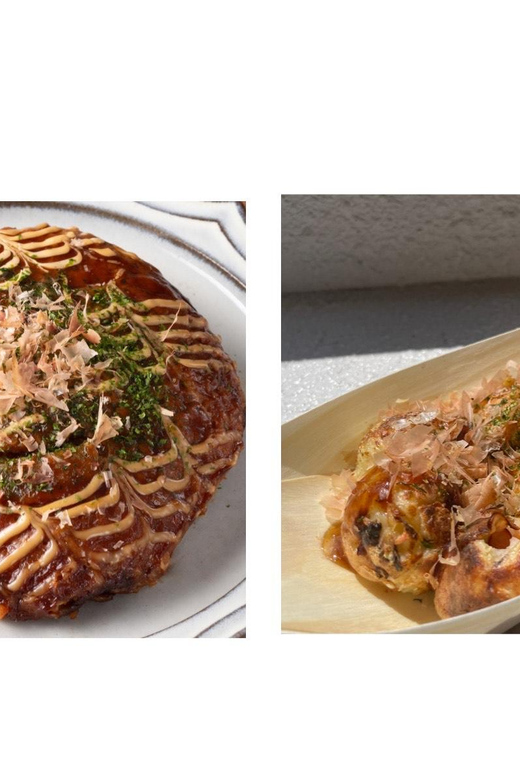
- Choose a cooking menu: Prepare Okonomiyaki and Yakisoba, or Takoyaki, depending on the option you reserve.
- Small group setting: The class is limited to eight people, with English instruction.
- Useful home cooking skills: The focus is on methods and recipes you can repeat in your own kitchen.
- A social cultural lesson: Time is built in for questions about Japanese food, Osaka, Kyoto, Nara, and daily life.
Osaka Food Begins at Tenmangu Shrine
The meeting point is Osaka Tenmangu Shrine, a useful place to begin because it gives the class a cultural setting before the food work starts. Look for the large main gate at the front of the shrine. The small back gate is specifically not the meeting point, so check your route carefully before you arrive.
From there, the class moves into the neighborhood rather than keeping you inside a cooking studio from the first minute. That choice matters. You get a little context for the ingredients before handling them, and you see the sort of local shopping that supports everyday Japanese meals.
The class is guided in English, with translation assistance during the shop visits. That is especially useful when a product has a Japanese name, a regional connection, or a cooking use that is hard to explain with a quick label translation.
More okonomiyaki classes in Osaka:
- Osaka Cooking Class: Okonomiyaki &Japanese cuisines experience
★ 5.0 · 261 reviews - Cooking Ramen&Gyoza/KatsuCurry/Bento/Okonomiyaki+Store Tour@Osaka
★ 5.0 · 138 reviews - Osaka Okonomiyaki Cooking Experience!
★ 5.0 · 79 reviews
A Short Shop Tour With Local Context
The shop portion covers a few local stores. It is not presented as a long market expedition, and you should not book it expecting hours of browsing. Instead, think of it as a focused introduction to products used in Osaka cooking.
Yumi has explained specific products from the Osaka region and shown how they appear in local shops. That regional angle gives the outing more purpose than simply buying ingredients for a recipe. You can ask what a product is, how it is used, and why it belongs in the dish you are about to prepare.
Some products may be available to taste. This gives you a quick sense of flavor before the cooking begins, though the exact items can vary. The shop walk also gives you a chance to ask about food around Osaka, Kyoto, and Nara, a subject that guides such as Yuki have discussed during the class.
I like this part because it connects the finished meal to ordinary shopping. You are not just handed a bowl of ingredients with no explanation. You see that Japanese cooking often depends on a few familiar products used in a very particular way.
Pick Between Okonomiyaki, Yakisoba, and Takoyaki
The detailed plan offers two main choices:
- Okonomiyaki and Yakisoba
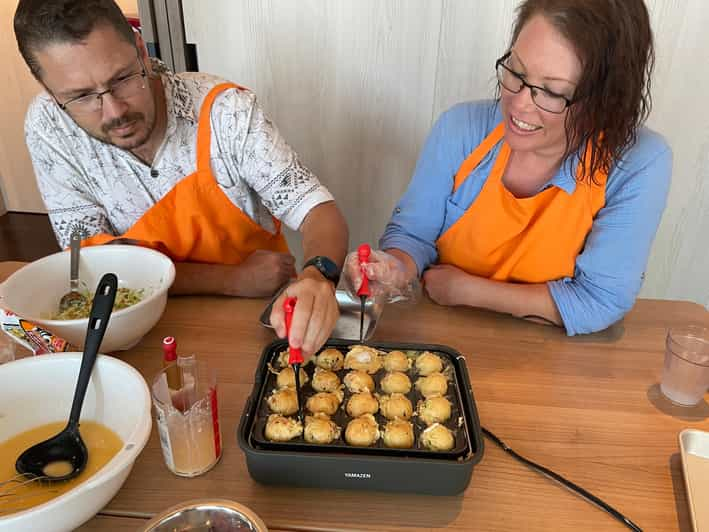
- Takoyaki
Okonomiyaki is the more substantial option. It is a savory Japanese pancake, and the class teaches you how to combine and cook the ingredients rather than simply watching an instructor do it. Yakisoba adds a noodle dish to the meal, giving you two related Osaka favorites to prepare.
Takoyaki follows a different cooking rhythm. These small round snacks require attention as they cook, and the hands-on process is part of the fun. The supplied information does not specify every ingredient or technique, so you should confirm the precise menu and any dietary questions before booking.
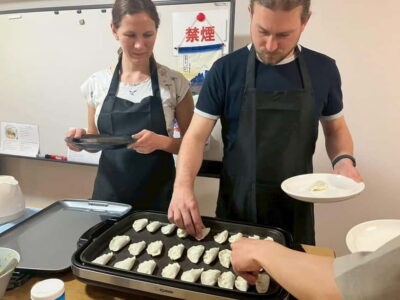
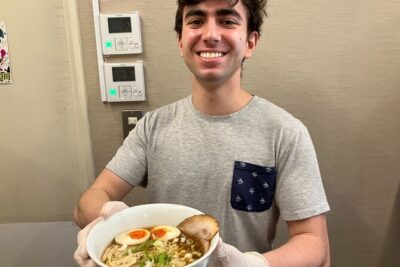
The description also refers to ramen, gyoza, Katsu Curry, and Bento boxes. Those dishes may relate to the broader Osaka Cooking Base program, but they are not the clearest match for this particular class. If you are choosing this experience mainly for ramen or gyoza, ask the provider to confirm that those dishes are included on your date.
Step by Step, Without a Restaurant Shortcut
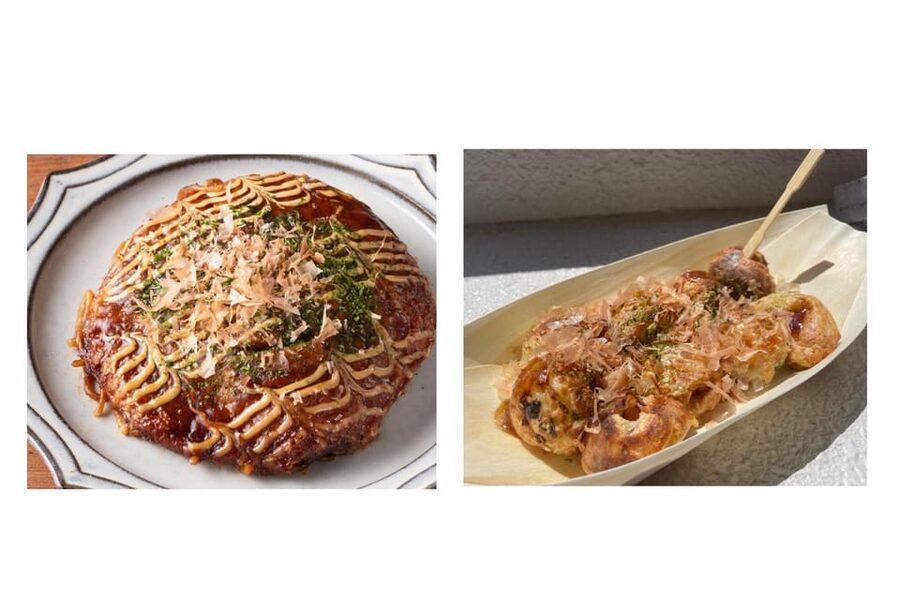
The class is built around doing the work yourself. You receive guidance at each stage, with the instructor explaining both the method and the cooking tradition behind it.
That approach is useful for home cooks because the lesson is not only about tasting the final plate. You learn how the dish comes together, how the ingredients are handled, and what to watch as the food cooks. The stated goal is simple: give you enough confidence to recreate the meal at home.
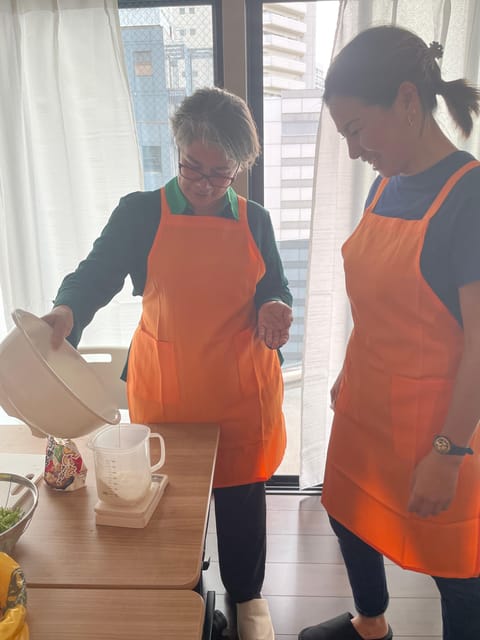
I would expect the cooking pace to feel relaxed rather than rushed, especially with a maximum of eight participants. The group size also leaves more room for questions than a large demonstration class. If only a few people book, the experience can become quite conversational. One session with Rie and Tomo had just two participants, which allowed plenty of time to discuss seasonings and sauces.
The exact amount of individual cooking time can depend on the group. With eight people, you may share tasks and equipment. Still, the small-group limit is a good sign for anyone who wants more than a quick show-and-tell.
More ramen and gyoza classes in Osaka:
- Osaka: Five Must-See Highlights Walking Tour & Ramen Lunch
★ 4.7 · 411 reviews - Osaka: Ramen and Gyoza Cooking Class in Dotonbori
★ 5.0 · 378 reviews - Ramen and Gyoza Cooking Class in Osaka
★ 5.0 · 202 reviews - Walking Tour of Osaka’s 5 Must-See Sights, with Ramen for Lunch
★ 5.0 · 158 reviews
The Guides Add More Than Cooking Tips
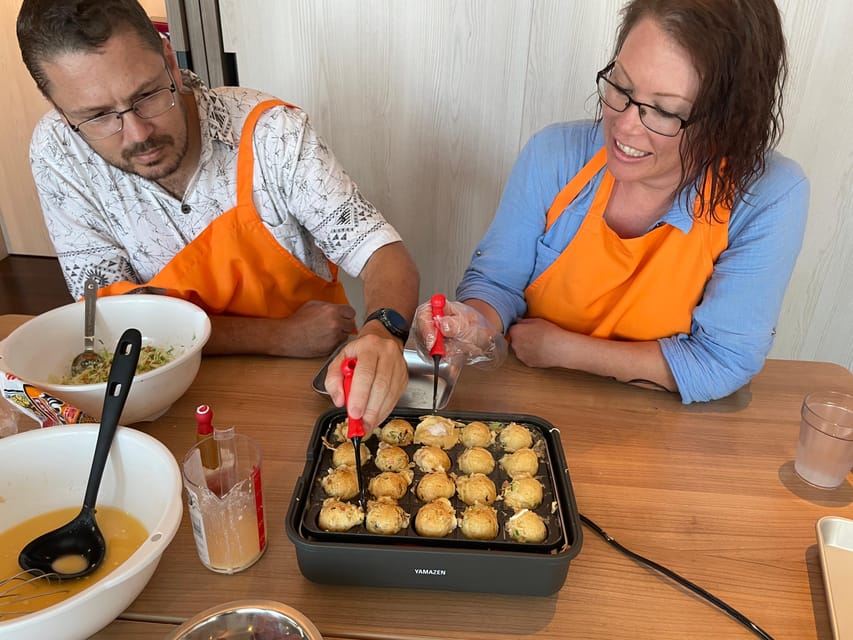
The class has been led by guides including Yuki, Yumi, Rie, and Tomo. Guide assignments can change, so you should not assume a particular person will lead your session unless the provider confirms it.
The strongest part of the teaching is the mix of food instruction and open conversation. Yuki has shared tips about making Okonomiyaki while also answering questions about food around Osaka, Kyoto, and Nara. Yumi has focused on regional products and the shops where you can find them.
That exchange makes the class useful for more than one meal. You can ask about sauces, local dishes, Japanese customs, and places to eat. The activity is designed for all ages, from children to seniors, which suggests a friendly teaching style rather than a technical cooking exam.
English is the listed language. Translation help is also provided during the local shopping section, so you are not left guessing what a product means or how it is used.
What the $83 Price Buys You
At $83 per person, this is not the cheapest way to eat Okonomiyaki in Osaka. A restaurant meal will cost less, and you will not need to spend 2.5 hours preparing it.
The value comes from combining several services in one small-group experience. You get a local shop tour, food to prepare and eat, English instruction, cultural explanation, and a practical recipe lesson. You also avoid the guesswork that comes with trying to identify unfamiliar ingredients on your own.
For me, the price makes the most sense if you want an activity rather than just lunch. It is a good use of time for a first visit to Osaka, for families seeking something hands-on, or for anyone who plans to cook Japanese food after returning home.
The value is weaker if you already know how to make these dishes or if your main goal is a broad food tour. The shop visit covers only a few stores, and the cooking menu is focused. You are paying for personal instruction and conversation, not a long tasting route.
The reserve-now, pay-later option can help if you are still arranging your Osaka schedule. You can cancel up to 24 hours in advance for a full refund, according to the stated policy. Book at least 24 hours ahead because same-day reservations are not the plan for this class.
Who Will Get the Most From This Class?
I would recommend it to families because the cooking is hands-on, the lesson is designed for all ages, and the food is familiar enough to appeal to children and adults. The small group also makes it easier to ask questions without holding up a large crowd.
It suits first-time visitors who want a gentle introduction to Osaka food culture. Starting at a shrine, visiting local shops, and then cooking a regional favorite gives you a useful sequence: place, ingredients, method, meal.
It is also a good match for home cooks. The recipes are meant to be repeated, and Okonomiyaki and Yakisoba are more approachable for many home kitchens than elaborate multi-course Japanese dishes.
I would be more cautious if you need a confirmed ramen and gyoza class, have strict dietary requirements, or want a professional-level cooking course. The supplied information does not give a detailed allergy policy, ingredient list, or guarantee that ramen and gyoza are part of this specific menu.
A Few Practical Points Before You Go
Allow about 2.5 hours for the actual experience. The listing gives the validity as one day, but that refers to the date and available starting times, not to a full-day activity.
Arrive at the large main gate of Osaka Tenmangu Shrine. The reminder about the entrance is important because going to the smaller back gate could leave you searching in the wrong place.
The class is limited to eight participants and conducted in English. That makes it easier to follow instructions and take part in conversation, but you should still tell the provider about any language, food, or mobility concerns before booking if those details affect your plans.
The experience has a 4.9 rating from nine verified bookings. The most consistent strengths are clear communication, a welcoming host, tasty food, cultural explanation, and recipes that feel manageable at home. That pattern fits the structure of the class: it is friendly, practical, and more personal than a large tourist demonstration.
Should You Book Osaka Cooking Base?
Book this class if you want to do more than eat Osaka specialties. The shop visit gives you food context, the small group keeps the lesson personal, and the cooking format helps you carry the experience back to your own kitchen.
Before paying, confirm your menu. The clearest choice is Okonomiyaki and Yakisoba or Takoyaki, while the title and wider description also mention ramen, gyoza, Katsu Curry, and Bento boxes. If you want one specific dish, get that detail settled first.
For most visitors, the best reason to book is the combination of local shopping, cooking, and open conversation with an English-speaking guide. It is a practical Osaka activity with enough cultural detail to make the meal mean more than a plate at a restaurant.
FAQ
Where does the class meet?
You meet in front of the large main gate of Osaka Tenmangu Shrine. Do not go to the smaller back gate.
How long does the experience last?
The cooking and cultural experience lasts about 2.5 hours. The activity is listed as valid for one day, with starting times depending on availability.
What food can I cook?
The detailed class options are Okonomiyaki and Yakisoba, or Takoyaki. The wider description also mentions ramen, gyoza, Katsu Curry, and Bento boxes, so confirm the exact menu before booking if you want one of those dishes.
Is the class taught in English?
Yes. English is the listed instruction language, and translation assistance is provided during the local shop visits.
How many people can join?
The class is limited to eight participants, making it a small-group activity.
Is food included?
Yes. Food for the selected cooking option is included, either Okonomiyaki and Yakisoba or Takoyaki.
Does the experience include a shop tour?
Yes. You visit a few local shops and learn about Japanese ingredients and their cultural meaning.
Is the class suitable for children and older adults?
The activity is designed for all ages, including young children and seniors.
How much does the experience cost?
The listed price is $83 per person.
Can I cancel for a refund?
You can cancel up to 24 hours in advance for a full refund. You can also reserve now and pay later, according to the stated booking terms.
More Workshops in Osaka
- Sushi Making Osaka Roll and Authentic Japanese Sushi Class
★ 5.0 · 1,220 reviews - Matcha Making Class in Osaka with Authentic Japanese Sweets Set
★ 5.0 · 509 reviews - Osaka: Roll and Authentic Sushi Making Class in Dotonbori
★ 4.9 · 239 reviews - Osaka: Sushi Class in Dotonbori
★ 4.9 · 160 reviews
Just added in Osaka
- Urban Canvas: Osaka Street Art Bike Tour★ 5.0 · 10 reviews
- Anime Cosplay Photshoot-50 Digital Photos Provided★ 5.0 · 8 reviews
- TeamLab Botanical Garden Osaka Ticket★ 3.5 · 6 reviews
- Umeda Sky Building & Kuchu Teien Observatory Ticket in Osaka★ 4.5 · 3 reviews
- Immerse in Judo Martial Arts Class from Japan★ 5.0 · 4 reviews
- Cherry Blossom Buddha and Mt.Yoshino with Strawberry Picking Tour★ 4.5 · 5 reviews
- Traditional Home cooking Experience in Osaka, Japan★ 5.0 · 14 reviews
- Traditional Calligraphy Experience near Dotonbori★ 5.0 · 3 reviews
Osaka Ramen and Gyoza Classes, compared.

Five Must-See Highlights Walking Tour & Ramen Lunch
Read our review →

Walking Tour of Osaka’s 5 Must-See Sights, with Ramen for Lunch
Read our review →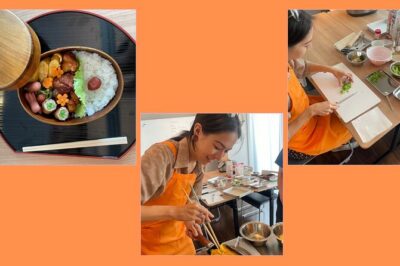
Cooking Ramen&Gyoza/KatsuCurry/Bento/Okonomiyaki+Store Tour@Osaka
Read our review →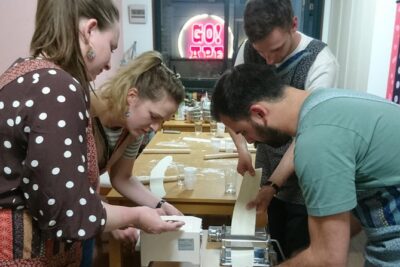
Browse the lists this tour appears in