
Reviewed · OSAKA SAMURAI EXPERIENCES
Experience Samurai and traditional Culture to the fullest
The sharpest part of this experience is not the armor photo. It is the chance to move from quiet brushwork and tea ceremony manners to the serious handling of a samurai sword, all in one private three-hour session. You learn how to hold the brush, follow Kanji stroke order, serve powdered green tea, and carry a katana with care before dressing as a warrior.
I especially like the mix of calm and action. Calligraphy and tea show the controlled side of traditional Japanese culture, while sword practice gives the afternoon some edge. I also like that a photographer records the activities and sends the images to your email. The main consideration is the price: at $168 per person, this is not a quick costume photo stop. You pay for a long, guided cultural session, and it makes the most sense if you want to take part rather than simply pose.
Key points to know before booking
- A private three-hour experience lets you ask questions and work through each activity without being folded into a large public class.
- Calligraphy and tea come before the sword work, giving the session a useful contrast between quiet discipline and physical technique.
- You try samurai sword trial cutting under the direction of a certified professional instructor.
- Armor photos are taken with Osaka Castle in the background, creating the strongest souvenir of the day.
- English is the default language, with Spanish, Italian, French, Chinese, Thai, and Indonesian support possible if staff are available.
- You must arrive 30 minutes early, wear a T-shirt, and be at least 10 years old.
Starting with a kimono and the manners of Japan
Your first task is changing into a kimono. That opening matters because the clothing shifts the mood from ordinary sightseeing to a formal cultural lesson. The session presents the kimono as a symbol of Japan, then connects it with courtesy, graceful movement, manners, and hospitality.
You are not simply putting on a costume and waiting for a camera. The early activities focus on how you prepare yourself, how you use your hands, and how you show respect. The idea of Zen is introduced through calligraphy and tea, with attention to concentration and controlled gestures.
Expect the staff to help you through the process. Feedback from the experience points to patient instruction, especially when people are learning unfamiliar brush and katana techniques. That is useful if you have never handled Japanese calligraphy tools or a sword before.
The clothing can also affect comfort. You should wear a T-shirt underneath, as specifically requested, and arrive early enough to change without rushing. There is no hotel or train-station pickup, so you must make your own way to Excellence Takayama 1F, 2-3-19 Shiginonishi, Joto-ku, Osaka-shi.
More samurai and ninja experiences in Osaka:
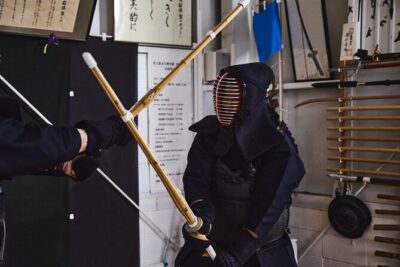
- Samurai Training Experience KENDO in Osaka
★ 5.0 · 515 reviews - OSAKA NIGHT FUSION Japanese Taiko Kabuki Samurai Dance Show
★ 4.8 · 155 reviews - Osaka: Samurai Training Experience KENDO in Osaka
★ 5.0 · 111 reviews
Calligraphy: learning the brush before choosing your Kanji
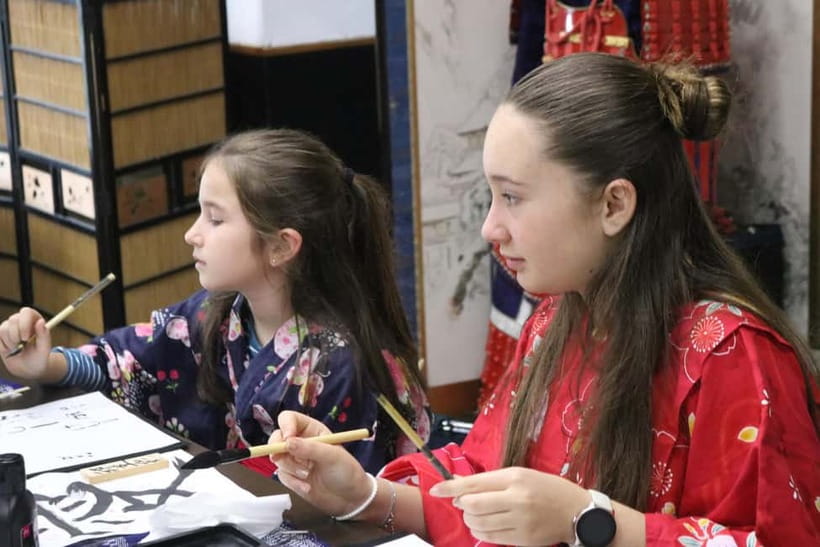
The calligraphy section lasts about 20 minutes. You first learn how to prepare the brush, use the tools, and hold everything correctly. Then you practice three basic brush movements: tome, the stopping stroke; hane, the hooked stroke; and harai, the sweeping stroke.
These small movements are a good reminder that Japanese calligraphy is not ordinary handwriting. Each mark has direction, pressure, and timing. You practice the stroke order of a Kanji character, then work toward writing the character cleanly.
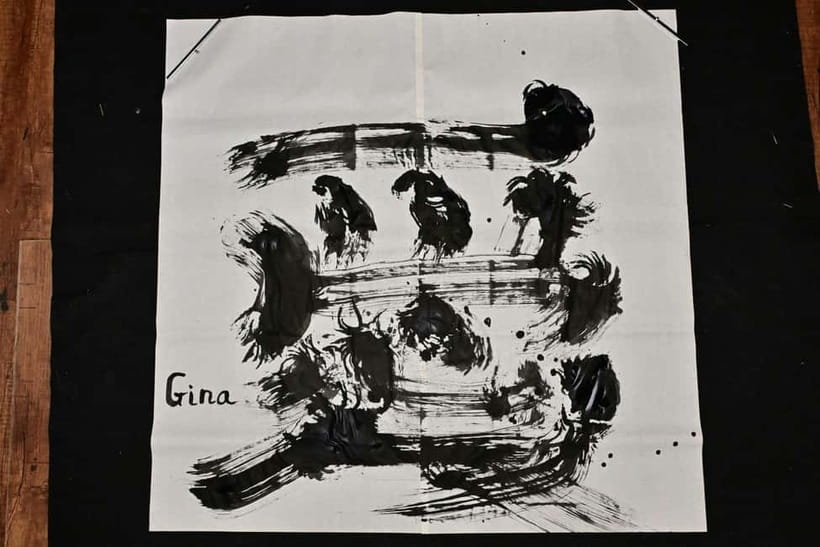
You choose the character yourself from the available instruction. That gives the activity a personal angle, though the supplied details do not say which characters are offered or how much translation help you receive. If a certain Kanji matters to you, ask the instructor about its meaning and correct use.
I like this part because it slows the experience down. The sword session may be the headline attraction, but calligraphy gives you a quiet skill to take home. It also prepares you for the next section, where your chosen character becomes part of the samurai theme.
Samurai calligraphy and the meaning of final words
The samurai calligraphy segment lasts around 10 minutes. You write the Kanji you selected again, this time with attention to the idea of resignation, described here as the final words a person writes before death.
That subject is tied to Bushido and the samurai concern with honor, duty, and accepting danger. It is a serious theme, not a light decorative craft. The activity appears designed to show how writing could express a person’s last thoughts or resolve.
For some people, this will be the most unusual part of the session. For others, the death-centered framing may feel heavier than expected, especially if they booked mainly for photographs and sword handling. I would treat it as a brief historical and cultural exercise rather than a theatrical attempt to recreate death.
You also get a second chance to improve your brushwork. Since the session moves quickly, do not worry about producing museum-quality calligraphy. The value is in learning the gestures, understanding the symbolism, and leaving with something connected to your own choice of character.
Tea ceremony and the discipline of hospitality
The tea ceremony takes about 30 minutes. A tea master prepares and serves powdered green tea, while you learn the etiquette, manners, gestures, and hospitality connected with the ceremony.
This is a useful counterpoint to the samurai image. Samurai culture is often reduced to swords and battles, but this activity places attention on restraint and respect. You learn that formality is communicated through small movements, not loud performance.
The tea ceremony also gives you time to settle into the clothing and the pace of the class. After changing, brushing, and discussing final words, the calm rhythm of tea can make the session feel more like a cultural lesson than a costume attraction.
The supplied information connects this section with honor in Bushido. That connection helps explain the order of the experience: you are taught to control your posture and behavior before being trusted with a weapon. The tea portion is not likely to satisfy someone seeking a full traditional tea school lesson, since it occupies about half an hour, but it offers a focused introduction.
Same city, a completely different kind of afternoon:
- Osaka Go Karting Tour with Funny Costume
★ 5.0 · 2,658 reviews - Osaka Castle: Museum and Tower Entry Ticket
★ 4.5 · 2,380 reviews - Osaka: Shinsekai Food Tour with 13-15 Dishes at 5 Eateries
★ 4.8 · 2,204 reviews - Osaka Food Tour: 13 Dishes at 5 Local Eateries
★ 5.0 · 2,149 reviews
Learning to handle a real samurai sword
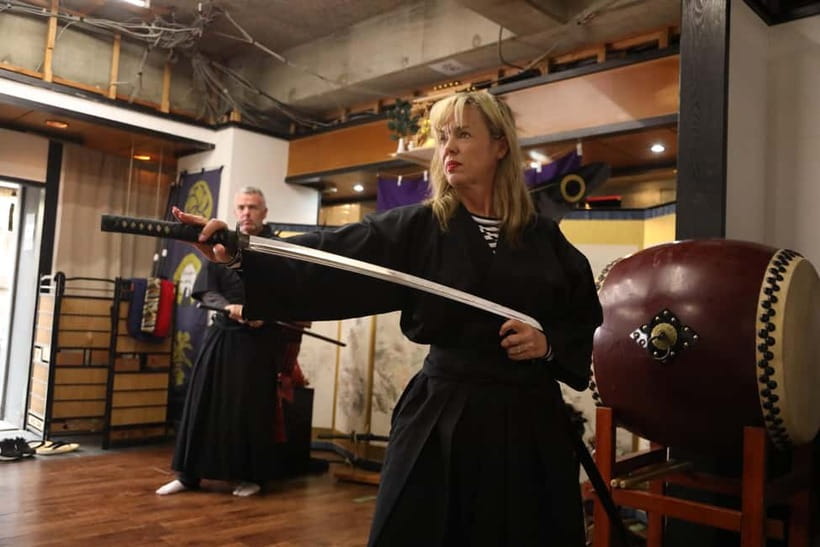
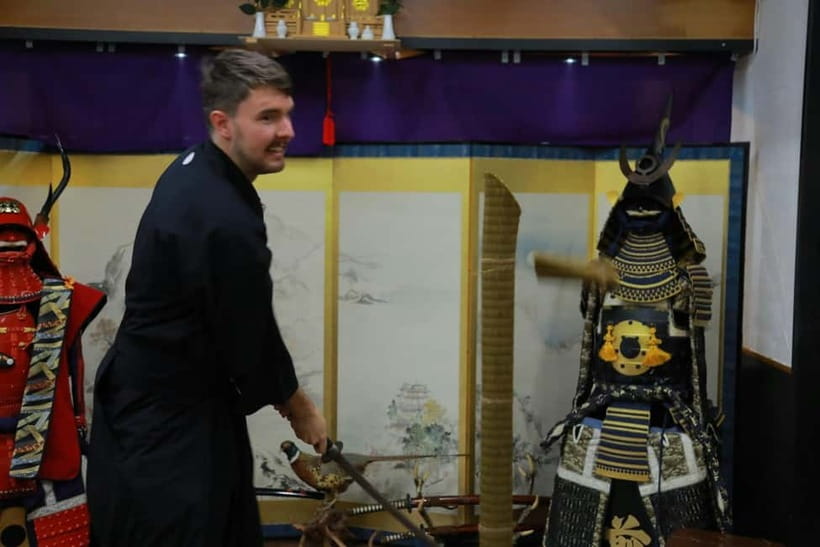
The sword trial-cutting section lasts around 30 minutes. You learn how to use a samurai sword and are allowed to wear a serious sword while practicing. The instructor also stresses self-respect and the responsibility that comes with carrying a deadly weapon.
That wording tells you how to approach the activity. This is not a toy-sword photo session. You should listen closely, follow each instruction, and avoid treating the katana as a prop. A certified professional instructor leads the lesson, which is important for both safety and technique.
You then try your hand at slashing in the trial-cutting portion. The material describes the katana as having one of the world’s finest cutting edges, but it does not specify the cutting medium or the exact number of attempts. Do not assume you will spend the whole 30 minutes repeatedly cutting targets.
The strongest practical value here is instruction. Staff are expected to be patient with beginners, and one guest specifically praised the time taken to explain katana technique. That matters because a sword feels different from the image created by films. Grip, posture, timing, and control all need attention.
If your main goal is action, this is probably the part you will remember most. If you dislike weapons or feel uneasy around sharp blades, the experience may not suit you, even though the instructor guides the session.
Wearing armor for the Battle of Osaka
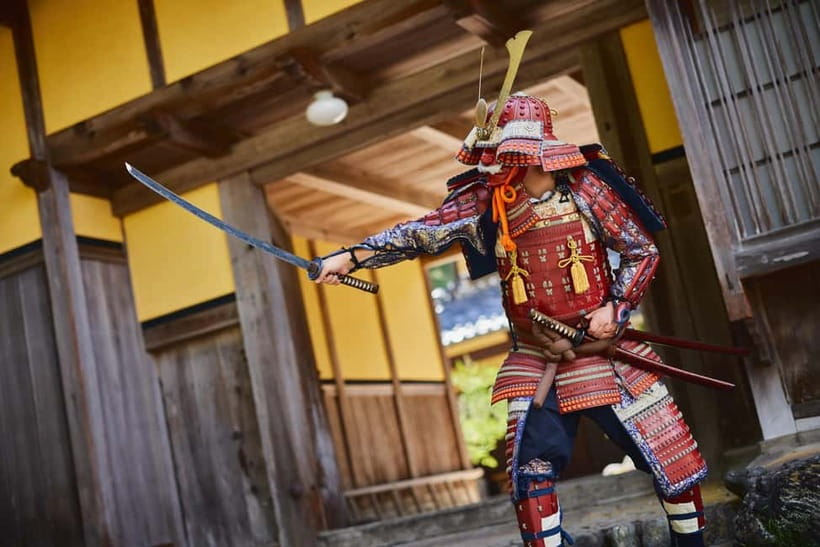
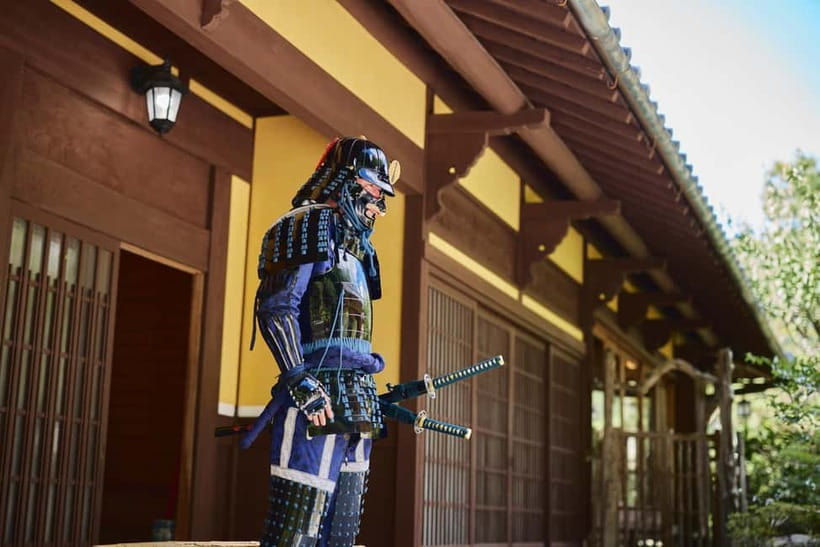
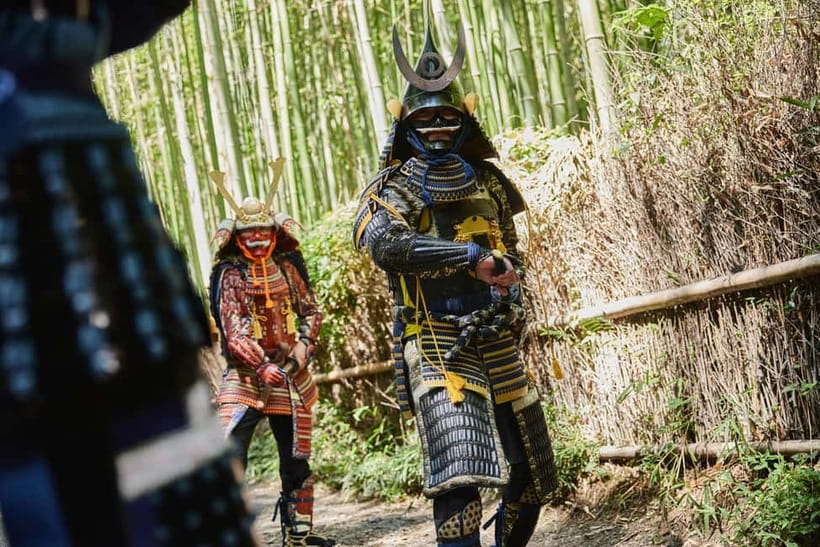
After the cultural lessons and sword work, you put on samurai armor. This section lasts about 30 minutes and frames you as a soldier in the Battle of Osaka, specifically the 1615 Osaka Summer Battle.
You take the role of a member of the Toyotomi side and pose as a leading soldier. The historical setup gives the photographs a clearer story than a generic warrior costume. You are not just standing in armor. You are being placed in a specific moment connected with Osaka’s samurai past.
The listed details say the armor is worn indoors, while the photography is taken on the grounds of Osaka Castle. The exact photo location and walking distance are not specified, so allow flexibility in your expectations. You should also understand that these are posed images, not a live battle reenactment.
The armor is likely to feel substantial, and the clothing layers may make the session warm or cumbersome. That is another reason to follow the T-shirt advice and arrive early. The experience does not list transportation between the activity site and Osaka Castle, so confirm the meeting and photo arrangements when booking if the castle backdrop is your top priority.
Professional photos that give the experience lasting value
Photography runs through the final stage and covers the activities. The finished data is sent to your designated email address. A photographer documenting more than just the final pose adds value because you can receive images of calligraphy, tea, sword practice, and armor.
The Osaka Castle background is the clear prize. It ties the costume to the place rather than leaving you with a studio portrait that could have been taken anywhere in Japan. The photo concept also draws on the history of samurai warfare and power, with you posed as a soldier in the Osaka Summer Battle.
Do not expect a film production unless you pay for the separate movie-shooting option. Standard photography is included, but the paid movie option is not. The provided details do not specify the number of photographs, editing style, delivery time, or camera equipment, so ask if those points matter to you.
The photo service was a major reason people rated the experience highly, along with the friendly staff and the chance to wear armor. For $168, those images help justify the cost, especially if you value a personal souvenir rather than a standard souvenir-shop purchase.
The optional seppuku activity
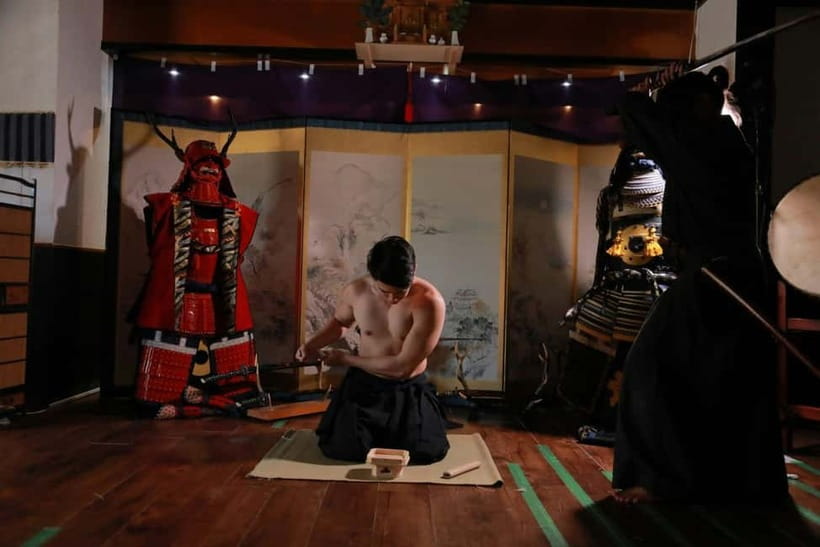
There is an optional 30-minute seppuku, or harakiri, activity. It explores the samurai idea of being prepared to die for a lord, acting for righteousness, and seeking a beautiful death when battle was not possible.
This subject needs careful handling. It is a historical and theatrical interpretation of samurai ideals, not a physical act. The description presents it as a lesson about Bushido and the way samurai thought about honor, duty, and death.
You should choose this only if you are comfortable with serious themes. It is not part of the core activities listed as included, and it should not be treated as essential to getting value from the experience. Calligraphy, tea, sword handling, armor, and photos already fill the main session.
Is $168 a fair price?
At $168 per person, the cost is high for a three-hour activity, but the comparison is not simply with a 20-minute dress-up photo. Your price covers kimono clothing, armor, instruction in calligraphy, samurai calligraphy, tea ceremony, sword trial cutting, professional photography, taxes, and tips.
The private-group format is important. You are not paying only for access to costumes. You are paying for individual attention across several skills, with a certified instructor and English-speaking staff. The value rises if you want to ask questions, take your time with the brush, or need help understanding sword technique.
The value drops if your only goal is an armor photograph. In that case, a shorter costume session could cost less and take less of your day. This experience is best for someone who wants several connected activities and a finished set of personal images.
The price also includes no transportation, hotel pickup, or station pickup. Set aside time and money for getting to the address yourself. You can cancel up to 24 hours before the activity for a full refund, and the reserve-now, pay-later option gives you some planning flexibility.
Who will enjoy this experience most?
I would recommend it to adults, older children, couples, families with children aged 10 or more, and anyone with a strong interest in Japanese culture. The private format works well for people who want a personal lesson rather than a large group show.
It suits you especially well if you enjoy:
- Hands-on cultural activities
- Historical costume and photography
- Calligraphy and traditional arts
- Samurai history and sword technique
- Asking questions during instruction
- Taking home photographs and a personal Kanji exercise
It is less suitable if you want a quiet tea ceremony without martial themes, if you dislike sharp weapons, or if you want a short photo stop. Children under 10 are not permitted, and the experience is not suitable for babies or people over 95. Pets, baby strollers, alcohol, and drugs are not allowed.
English is the default interpretation language. Spanish, Italian, French, Chinese, Thai, and Indonesian may be available, but staff schedules are limited, so ask before reserving rather than assuming a particular language will be provided.
Finding the meeting point near Osaka
The address is Excellence Takayama 1F, 2-3-19 Shiginonishi, Joto-ku, Osaka-shi, Osaka 536-0014. Use the supplied map before leaving, since no pickup service is provided.
The meeting landmark is a wooden sign reading Honor of the Samurai. Look for activity pamphlets on a rack in front of the store. Kimonos and hakama hanging out to dry may also help you identify the location.
Arrive 30 minutes before your booked time. That early arrival is required for instructions and changing clothes, so do not plan to reach the door at the exact start time. Bring a T-shirt, and keep the rest of your clothing practical for changing.
Should you book it?
Book this if you want a serious, hands-on introduction to several sides of samurai culture, not just a costume photo. The combination of calligraphy, tea, sword handling, armor, and Osaka Castle photographs gives the afternoon a clear beginning, middle, and finish.
I would be more cautious if $168 feels steep, if you have limited time in Osaka, or if you are uncomfortable with the themes of weapons and death. For the right person, the private instruction and professional photographs make the price reasonable. For a quick photo souvenir, it is more than you need.
FAQ
How long does the samurai experience last?
The main experience lasts three hours. You should also arrive 30 minutes early for instructions and changing clothes.
Where does the experience take place?
The meeting address is Excellence Takayama 1F, 2-3-19 Shiginonishi, Joto-ku, Osaka-shi, Osaka 536-0014.
Is Osaka Castle included in the experience?
The experience includes photographs taken on the grounds of Osaka Castle with you wearing samurai armor. Transportation to and from the activity is not included.
What language is used during the activity?
English is the default language for interpreters. Spanish, Italian, French, Chinese, Thai, and Indonesian may be available if staff are scheduled, but you must ask before booking.
What activities are included?
Included activities are kimono clothing, calligraphy practice, samurai calligraphy, tea ceremony, samurai sword trial cutting, armor use, and photography. Taxes, tips, and a certified professional instructor are also included.
Is sword cutting included?
Yes. The activity includes instruction in samurai sword handling and trial cutting with a samurai sword.
What should I bring?
Bring a T-shirt to wear under the traditional clothing.
Are children allowed?
Children under 10 are not suitable for this experience. Babies under one year old are also not suitable.
Is transportation provided?
No. Pickup and drop-off at a train station or hotel, as well as other transportation, are not included.
Can I cancel the booking?
You can cancel up to 24 hours in advance for a full refund. A reserve-now, pay-later option is also available.
Just added in Osaka
- Urban Canvas: Osaka Street Art Bike Tour★ 5.0 · 10 reviews
- Anime Cosplay Photshoot-50 Digital Photos Provided★ 5.0 · 8 reviews
- TeamLab Botanical Garden Osaka Ticket★ 3.5 · 6 reviews
- Cherry Blossom Buddha and Mt.Yoshino with Strawberry Picking Tour★ 4.5 · 5 reviews
- Umeda Sky Building & Kuchu Teien Observatory Ticket in Osaka★ 4.5 · 3 reviews
- Immerse in Judo Martial Arts Class from Japan★ 5.0 · 4 reviews
- Traditional Home cooking Experience in Osaka, Japan★ 5.0 · 14 reviews
- Traditional Calligraphy Experience near Dotonbori★ 5.0 · 3 reviews
Osaka Samurai Experiences, compared.
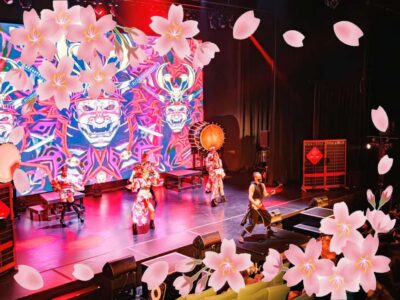
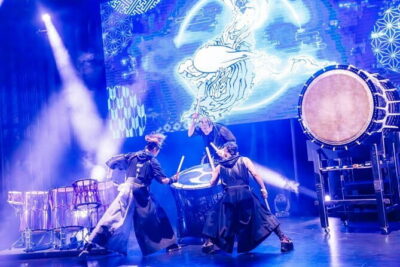
OSAKA NIGHT FUSION Japanese Taiko Kabuki Samurai Dance Show
Read our review →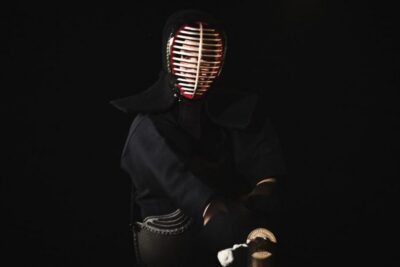
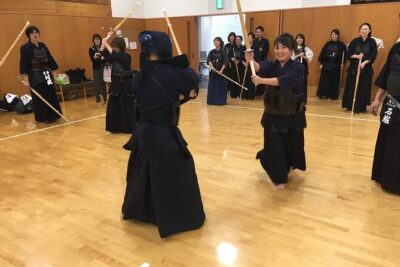
Osaka 2-Hour Genuine Kendo / Samurai Experience In Japan
Read our review →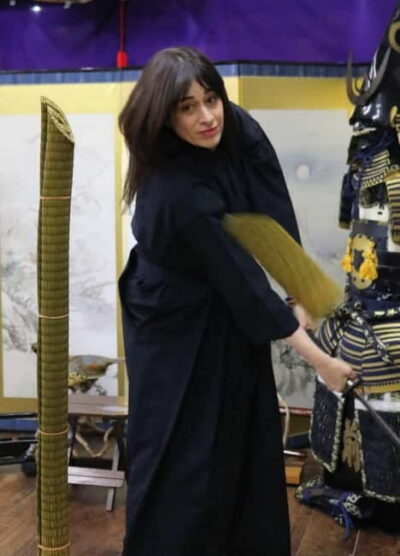
Learn Bushido – Trial Slashing with Samurai Sword
Read our review →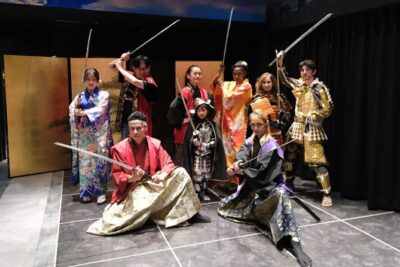
Samurai Show, Tea Ceremony, Japanese Traditional Activities
Read our review →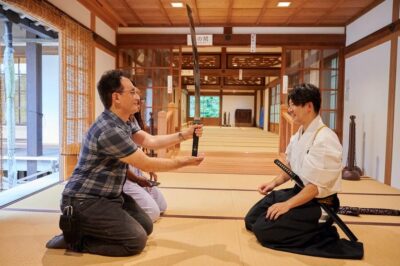
Private Samurai Experience – Train with Sword Master
Read our review →Browse the lists this tour appears in