
Reviewed · OSAKA COOKING CLASSES
Experience Cooking Takoyaki in its Birthplace, Osaka
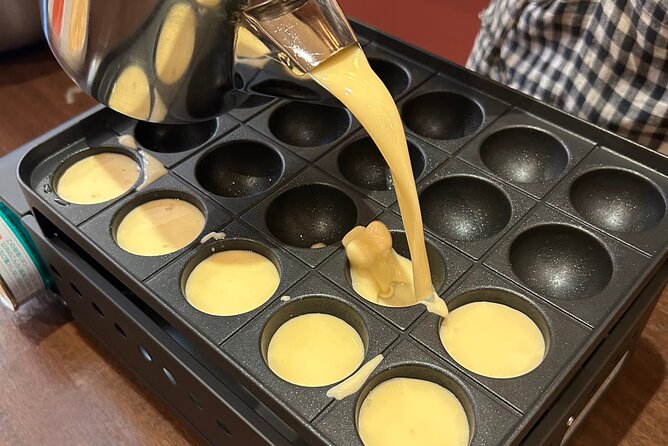
Osaka’s signature street food becomes more interesting when you make it yourself. At 369 Kitchen Studio, you learn to pour the batter, add fillings, and turn each takoyaki ball with a pick until the outside firms up and the center stays soft. The class is led by hosts including Zen, Lisa, Masa, and Risa, depending on the session.
I like the friendly, hands-on format, and I like that octopus is not your only choice. You can try cheese or crab sticks, and one class also accommodated a vegetarian participant. The chance to drink Ramune, the Japanese soda with a glass marble in the bottle, adds a fun local touch.
The main consideration is that this is a small cooking class, not a broad Osaka food tour. You spend about two hours in one studio, so book it for the activity itself and the chance to meet your hosts, not for sightseeing or a long list of dishes.
Key points to know before booking
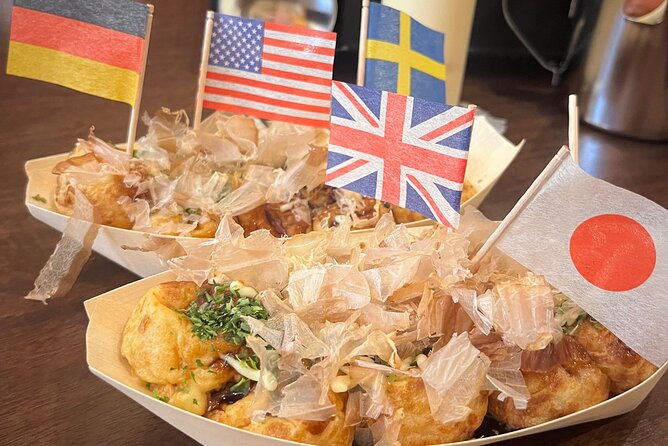
- You make the takoyaki yourself: Learn the full process, including rotating the balls on a traditional takoyaki machine.
- The center stays soft: With the right technique, the takoyaki cooks in about 20 minutes, crisp outside and tender inside.
- You can change the filling: Octopus, cheese, and crab sticks are available, so the class works for more than committed seafood eaters.
- Ramune is included: Try the old-fashioned Japanese carbonated drink with its glass ball stopper.
- The group is capped at 12 people: This keeps the class more personal than a large food demonstration.
- It begins and ends at one Osaka studio: The meeting point is in Sonezakishinchi, near public transportation.
Why making takoyaki is better than simply buying it
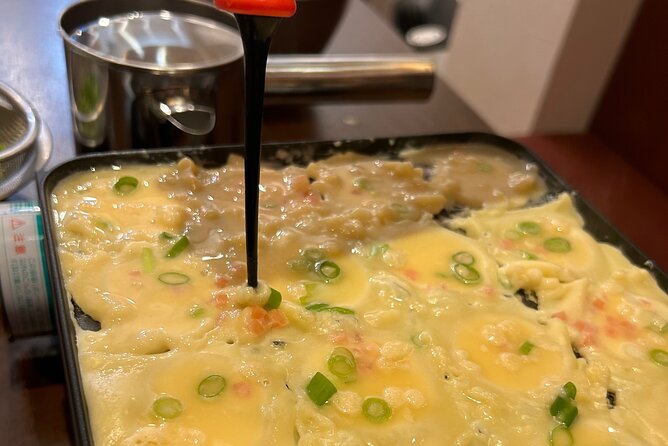
You can find takoyaki all over Osaka, often served hot from a street stall or casual restaurant. Buying a tray is quick and tasty, but making the dish gives you a better sense of how Osaka families enjoy it at home.
Takoyaki is a social food. People gather around the machine, add ingredients, watch the batter set, and turn the little balls together. The cooking is part of the meal. You are not just waiting for food to arrive.
That makes this class a good fit if you want a local activity with conversation built in. The hosts explain Osaka food culture while you cook, and the format leaves room to ask questions about the city, Japanese food, and the cooking method.
I also like that beginners are not expected to know what they are doing. The hosts demonstrate the process and give practical tips for turning the balls. Several sessions were praised for patient instruction, which matters here because the flipping technique takes a little coordination.
More takoyaki classes in Osaka:
- Osaka Sake Tasting with Takoyaki Cooking
★ 5.0 · 156 reviews - Osaka Sake Tasting & Takoyaki Cooking Experience
★ 5.0 · 149 reviews - Osaka : Cooking Class Okonomiyaki & Takoyaki course in Nanba
★ 4.9 · 25 reviews
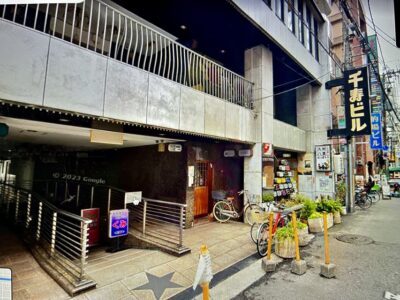
Finding 369 Kitchen Studio in Sonezakishinchi
The meeting point is at:
2-chome-1-13 Tatsumi Housing Umeda Building, Sonezakishinchi, Kita Ward, Osaka, 530-0002
The activity begins and ends at this same location. It is near public transportation, but the address is specific enough that you should allow time to find the building. Detailed directions with photos have been provided for some sessions, which can help when you are navigating an unfamiliar Osaka neighborhood.
This is not a hotel pickup or a walking tour. You need to make your own way to the studio and return to your plans afterward. Since the class lasts about two hours, it can fit neatly into a morning or afternoon, provided you leave enough time for transportation and finding the entrance.
The group maximum is 12 people. That is large enough to create a social cooking party, but small enough for the hosts to watch your technique and help when your takoyaki needs turning.
The first stage: learning the Osaka method
The class begins with an explanation of takoyaki and the special machine used to cook it. The machine is familiar in Osaka homes, and it has round wells that hold the batter as it cooks.
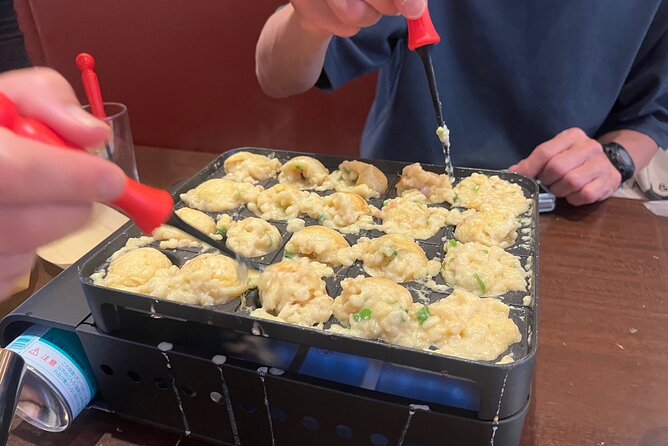
You learn the basic sequence: fill the wells, add ingredients, wait for the batter to firm up, and rotate each piece with a toothpick or pick. The goal is a round ball with a lightly crisp outside and a soft interior.
This is where the class earns its value. If you simply buy takoyaki, you taste the finished dish but do not learn the small adjustments that make it work. In the studio, you get direct guidance as the batter changes from liquid to something you can turn.
You should expect a little trial and error. The balls may not look perfect on your first attempt, but that is part of the fun. The hosts have experience helping first-time cooks, and the teaching style is described as patient and clear.
Choosing fillings beyond octopus
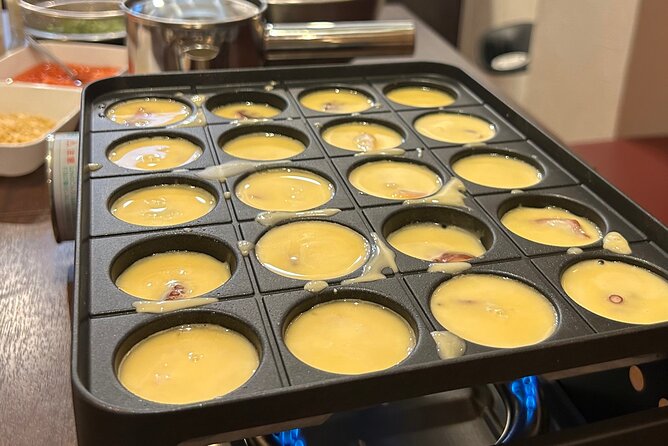
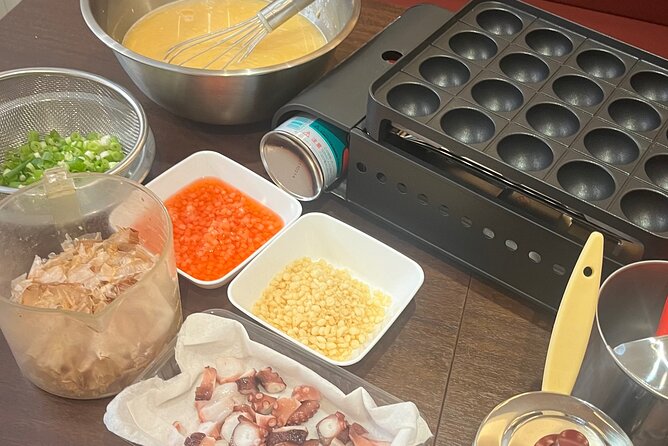
Traditional takoyaki usually includes octopus, but this class does not treat that as a rule. You can make different versions with the fillings provided, including cheese and crab sticks.
That flexibility is useful for families and mixed groups. One person can try the classic octopus filling while another chooses cheese. Children can take part without being limited to a strong seafood flavor, and people who avoid octopus have another way to enjoy the dish.
A vegetarian option was accommodated in one session, but you should still explain your dietary needs when booking or before the class. The information provided confirms flexibility with ingredients, but it does not promise a complete vegetarian menu or address allergies.
The filling choices also make the cooking more playful. You can compare how the different ingredients taste inside the same batter and notice how cheese changes the texture as it melts. Since the class encourages original combinations, it feels more like a shared cooking party than a strict demonstration.
More cooking classes in Osaka:
- Matcha Making Class in Osaka with Authentic Japanese Sweets Set
★ 5.0 · 509 reviews - Osaka Sushi Making Experience
★ 5.0 · 400 reviews - Osaka: Ramen and Gyoza Cooking Class in Dotonbori
★ 5.0 · 378 reviews - Osaka: Traditional Mochi Pounding Experience with Tasting
★ 4.9 · 306 reviews
The 20-minute cooking process
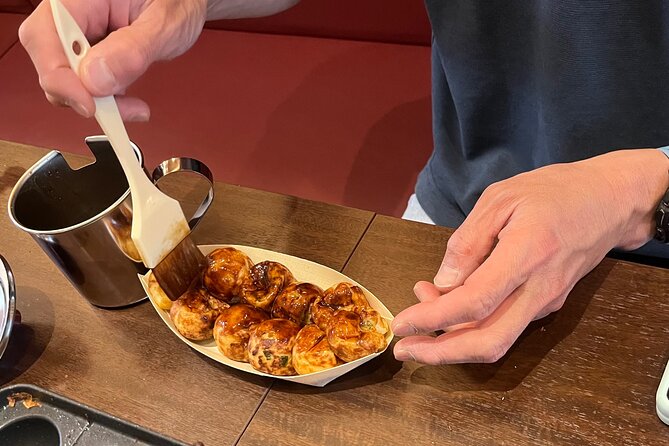
Once the batter and fillings are in place, the takoyaki cooks for about 20 minutes. You rotate the pieces as they set, using the special machine and a pick.
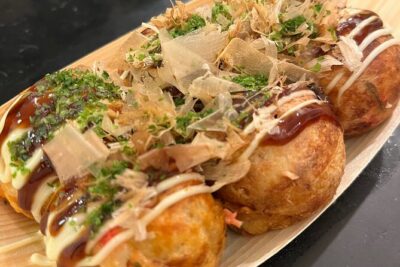
The outside should become crisp while the inside remains soft. That contrast is the main appeal of good takoyaki, and it is also the part you cannot fully appreciate until you have watched the balls cook in front of you.
The hosts offer tips as you work. Pay attention to when they tell you to turn the pieces, how far to rotate them, and how to use the pick without breaking the batter. Those small details are what let you recreate the dish later.
This is an active class, but it is not physically demanding. You stand or work around the cooking machine, rotate the food, and eat what you make. The pace should suit beginners, though anyone expecting a completely passive food tasting may prefer a restaurant visit instead.
Eating the takoyaki while it is hot
The best moment comes when the takoyaki is ready and you can eat it fresh from the machine. The contrast between the crisp outer layer and soft center is strongest when the pieces are hot.
Takoyaki is commonly eaten with a toothpick. You will want to take care with the temperature, especially with the soft center. The class description emphasizes that even small children can enjoy the activity safely, but hot food still calls for sensible caution.
The meal is simple, yet satisfying. You have cooked the food yourself, selected the fillings, and seen the texture develop. That gives the final tasting more meaning than a quick snack bought from a counter.
You also have the chance to compare your technique with the other people in the class. A slightly uneven ball is still edible, and often just as tasty. The point is to learn the method and enjoy the shared process, not to produce restaurant-perfect shapes on the first try.
Ramune adds a small piece of Japanese food culture
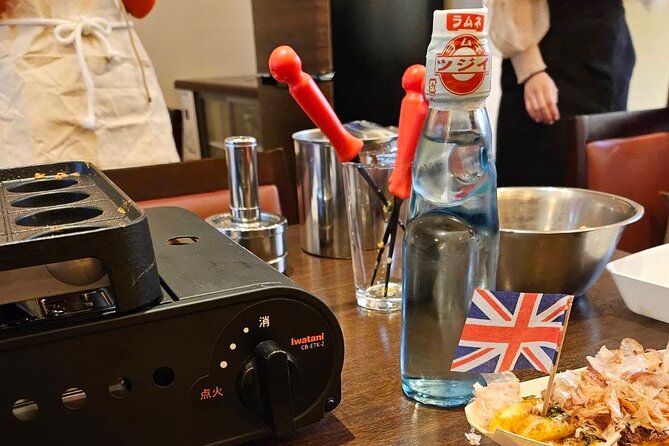
The class includes Ramune, a traditional Japanese carbonated drink. Its distinctive feature is the glass ball inside the bottle, which seals the drink until you open it.
Ramune is a small detail, but it suits the occasion. Takoyaki is familiar comfort food, and Ramune adds another recognizable part of Japanese everyday culture. The combination makes the session feel more like a casual Osaka food gathering than a formal cooking lesson.
If you have never opened a Ramune bottle, the marble stopper is part of the experience. Follow the host’s instructions and handle the bottle carefully. The drink gives you something cold and fizzy to enjoy alongside the hot takoyaki.
The hosts and the tone of the class
The hosts named in the sessions include Zen, Lisa, Masa, and Risa. Their role goes beyond showing you a recipe. They help with the cooking technique, answer questions, and talk with you while the takoyaki cooks.
The strongest feature of the teaching is patience. First-time cooks have been guided through the process step by step, and the hosts make room for conversation about Osaka culture, food, travel, and even anime.
That social side matters. You are not racing through a kitchen production line. The class is designed around making food together, so it works well for a parent and child, couples, friends, or solo visitors who enjoy meeting people through food.
The small group limit of 12 supports that mood. It does not guarantee a private lesson, but it should give the hosts a reasonable chance to assist each participant. If you want an intimate one-on-one cooking session, confirm the group size for your date before booking.
Who will get the most from this experience
I would recommend this class most strongly to:
- First-time visitors who want a simple introduction to Osaka food culture
- Families with children who enjoy hands-on activities
- Couples and friends looking for a shared activity
- People who like learning a recipe they can repeat at home
- Diners who want filling choices beyond octopus
- Solo visitors who enjoy a small group and conversation
It is also a good pick if you have already eaten takoyaki and want to understand how it is made. The class turns a familiar Osaka snack into a skill you can take home.
You may want to skip it if your schedule is extremely tight, you dislike group activities, or you are mainly looking for a sightseeing tour. The class stays focused on cooking and eating takoyaki. It does not include transport around Osaka or visits to several food stops.
Is $42.35 a fair price?
At $42.35 per person, this is more expensive than buying a serving of takoyaki from a shop. You are paying for instruction, the use of the cooking equipment, the ingredients, the Ramune, and roughly two hours of hosted time.
The value depends on what you want from Osaka. If you only want to taste takoyaki, spend less at a street stall or restaurant. If you want a guided activity, a meal, a cultural explanation, and a recipe you can repeat at home, the price is easier to justify.
I see the strongest value in the teaching and the social setting. The ingredients themselves are not the main reason to book. You are paying to learn the turning technique, try different fillings, and share the cooking process with hosts who can help you get the texture right.
The activity is booked on average 15 days in advance, so it is sensible to reserve early if the timing matters to your Osaka plans. The group cap of 12 may also limit availability on popular dates.
Timing, cancellation, and practical planning
The experience lasts about two hours and ends where it begins. Plan your day around that full block rather than treating it as a quick snack stop.
Confirmation is sent within 48 hours of booking, subject to availability. The experience offers free cancellation if you cancel at least 24 hours before the start time. Changes or cancellations inside that window are not accepted for a refund.
The activity also requires suitable weather and a minimum number of participants. If poor weather or an insufficient group causes cancellation, you are offered another date or experience, or a full refund.
Those conditions are worth noting because the activity takes place indoors, yet the stated policy still includes weather-related cancellation. Keep some flexibility in your schedule if the class is an important part of your trip.
Final call: should you book it?
Book this experience if you want to do more than eat Osaka’s famous snack. You will learn how to rotate takoyaki, choose fillings, cook with a group, and enjoy the food while it is hot. The patient teaching, small group size, and Ramune make it especially appealing for families, first-time visitors, and anyone who likes food with a story.
Skip it if you want a fast meal, a private class, or a sightseeing route through Osaka. At $42.35, the value comes from the activity and personal instruction, not from the amount of food alone.
For most visitors with two free hours, this is a friendly and practical way to connect with Osaka’s home-style food culture. You leave with a full stomach and a technique you can try again after returning home.
FAQ
Where does the takoyaki class take place?
It takes place at 369 Kitchen Studio in Osaka, at 2-chome-1-13 Tatsumi Housing Umeda Building, Sonezakishinchi, Kita Ward, Osaka, 530-0002.
How long does the experience last?
The activity lasts approximately two hours.
Where does the activity end?
It ends back at the same meeting point where the class begins.
How many people can join the class?
The maximum group size is 12 participants.
How much does the experience cost?
The listed price is $42.35 per person.
What fillings can you use?
You can use octopus, cheese, or crab sticks. The filling does not have to be octopus.
Is Ramune included?
Yes. You can enjoy Ramune, a Japanese carbonated drink with a glass ball inside the bottle, with your takoyaki.
Is this suitable for children?
The activity information says that even small children can enjoy making takoyaki safely. The food is served hot, so normal care is still needed.
Can vegetarians join?
A vegetarian participant was accommodated in one class, and the activity allows fillings other than octopus. Ask about your dietary needs when arranging the experience.
Can I cancel for a full refund?
Yes, if you cancel at least 24 hours before the experience start time. Cancellations made less than 24 hours in advance are not refunded.
Just added in Osaka
- Urban Canvas: Osaka Street Art Bike Tour★ 5.0 · 10 reviews
- Anime Cosplay Photshoot-50 Digital Photos Provided★ 5.0 · 8 reviews
- TeamLab Botanical Garden Osaka Ticket★ 3.5 · 6 reviews
- Umeda Sky Building & Kuchu Teien Observatory Ticket in Osaka★ 4.5 · 3 reviews
- Immerse in Judo Martial Arts Class from Japan★ 5.0 · 4 reviews
- Cherry Blossom Buddha and Mt.Yoshino with Strawberry Picking Tour★ 4.5 · 5 reviews
- Traditional Home cooking Experience in Osaka, Japan★ 5.0 · 14 reviews
- Traditional Calligraphy Experience near Dotonbori★ 5.0 · 3 reviews
Osaka Cooking Classes, compared.
Matcha Making Class in Osaka with Authentic Japanese Sweets Set
Read our review →
Traditional Mochi Pounding Experience with Tasting
Read our review →
Osaka Cooking Class: Okonomiyaki &Japanese cuisines experience
Read our review →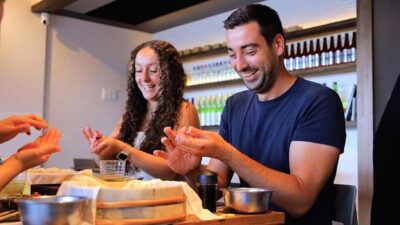
Roll and Authentic Sushi Making Class in Dotonbori
Read our review →
Osaka Sake Tasting & Takoyaki Cooking Experience
Read our review →Browse the lists this tour appears in