
Reviewed · OSAKA COOKING CLASSES
Katsu Curry OR Bento Making Cooking Class & Local Shop Tour
The best part of this Osaka experience is the link between local shopping and home cooking. You meet at Osaka Tenmangu Shrine, visit a few nearby shops with an English-speaking guide, then use what you have seen to prepare Katsu Curry or a bento meal.
I like the small-group format, limited to eight participants in the published details, and the clear, hands-on teaching. I also like that the food is meant to be recreated at home, not simply admired before someone else cooks it. The main consideration is that the class choice may affect the feel of the session, so check whether Katsu Curry or bento making is available for your date.
Key points at a glance
- Start at Osaka Tenmangu Shrine: Meet at the large main gate, not the smaller rear entrance.
- Visit a few local shops: Learn about Japanese ingredients and their place in everyday cooking.
- Choose a practical dish: Make Katsu Curry or assemble a bento box with step-by-step help.
- English guidance throughout: Guides such as Yuka, Miyako, and Tomoko explain the food and answer questions.
- Good for mixed ages: The class is designed for children, adults, and seniors to cook together.
- Plan on about 2.5 hours: The experience is described as a 150-minute session, though booking information may show a wider duration range.
Beginning at Osaka Tenmangu Shrine
Your meeting point is in front of the large main gate of Osaka Tenmangu Shrine. This detail matters in Osaka, where a shrine can have several entrances and a wrong turn can cost you the calm start you want before a timed class.
The shrine gives the experience a useful sense of place before the cooking begins. You are not being sent straight into a kitchen with no context. Instead, your guide starts in a part of Osaka that connects daily life, local customs, and food culture.
Arrive with the meeting point clearly in mind. The instructions specifically warn you not to go to the small back gate. That is one of those minor details that can save you from a rushed phone call or a last-minute walk around the shrine grounds.
More cooking classes in Osaka:
- Matcha Making Class in Osaka with Authentic Japanese Sweets Set
★ 5.0 · 509 reviews - Osaka Sushi Making Experience
★ 5.0 · 400 reviews - Osaka: Ramen and Gyoza Cooking Class in Dotonbori
★ 5.0 · 378 reviews
A few local shops before the kitchen
The first part of the experience is a short local tour of a few shops. This is not presented as a full market expedition, so keep your expectations in check. You are getting a focused introduction to ingredients rather than a long shopping tour with dozens of stops.
That shorter format works well with the cooking class. Your guide can point out items you will use or encounter in Japanese home meals, then explain what they are and why they matter. Translation assistance helps you understand labels and ingredients that would otherwise remain mysterious.
This is also where the experience becomes more useful than a standard restaurant meal. You get a little help reading the food world around you. If you have wondered what makes one curry sauce, bento ingredient, or Japanese pantry item different from another, this is a good place to ask.
The exact shops and ingredients are not listed in detail, so you should not book this expecting a fixed shopping menu. The focus is on a few local stops and cultural explanation, with the cooking itself taking center stage.
Choosing between Katsu Curry and bento
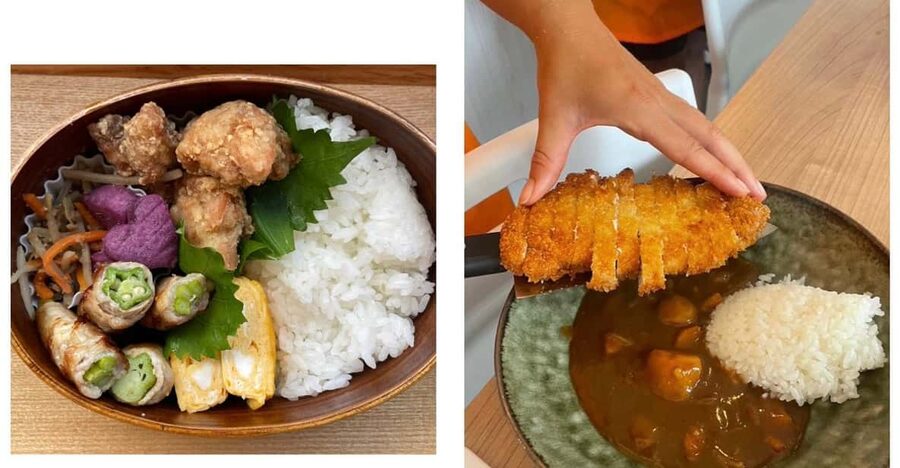
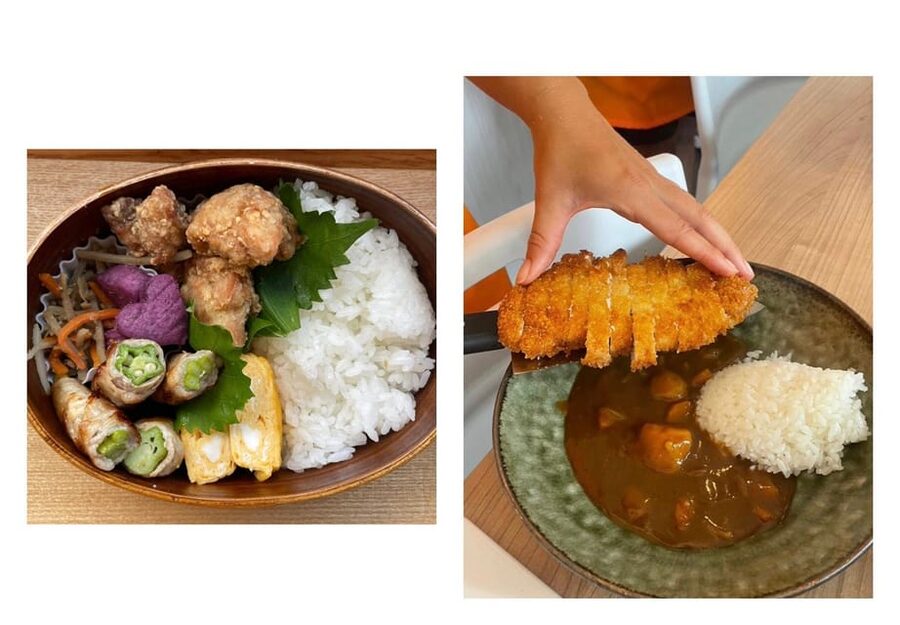
The central decision is simple: make Katsu Curry or prepare a bento box. Both options offer a meal you can recognize and repeat at home, but they teach different skills.
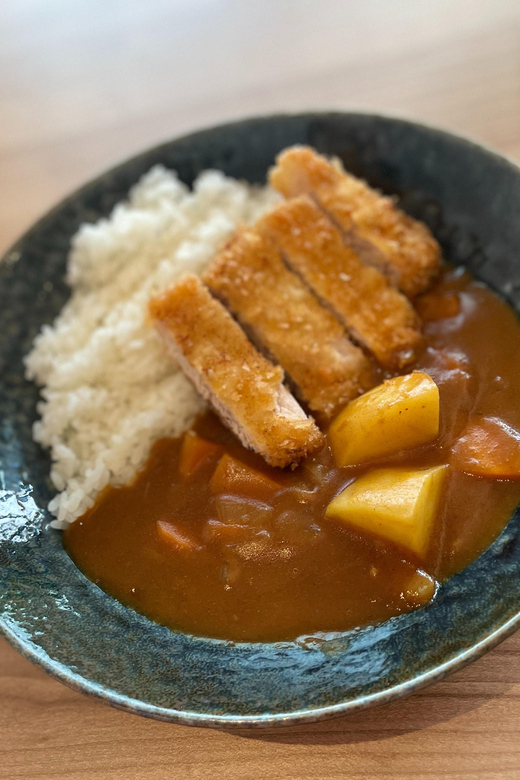
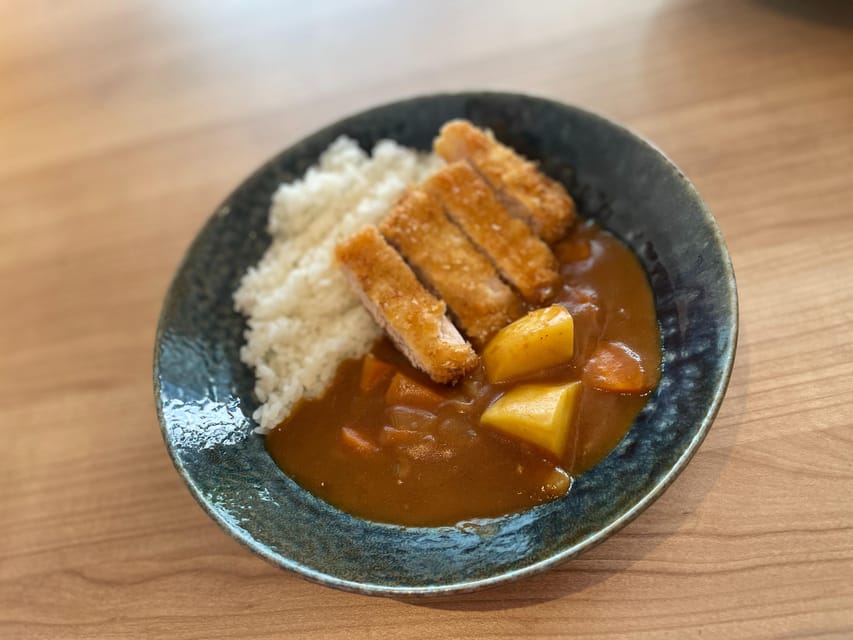
Katsu Curry gives you a comforting Japanese meal built around curry and a breaded cutlet. The class takes you through the preparation from the beginning, rather than handing you a finished sauce and asking you to plate it. That makes it a good pick if you want to understand the basic sequence behind a familiar Japanese favorite.
A bento class has a different appeal. You learn how separate foods can be prepared and arranged as one balanced lunchbox. One participant described feeling a real sense of achievement after putting the bento together, and that makes sense: presentation is part of the lesson, not a final decoration added by the guide.
Families may find the bento option especially engaging because assembling a box gives everyone a task. The Katsu Curry option may suit you if you want one hearty dish and a straightforward meal to repeat at home.
The available choice may depend on the date or booking selection. Check carefully before paying, especially if one dish matters more to you than the other.
Step-by-step cooking with an English-speaking guide
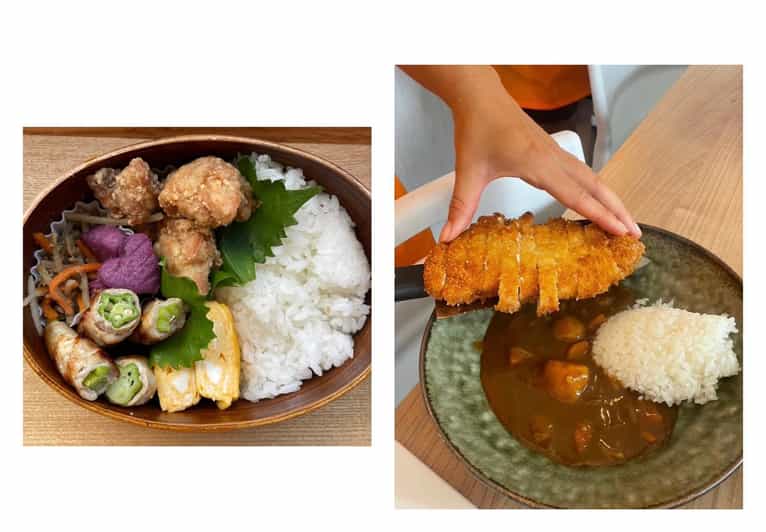
Once you reach the kitchen, the class becomes active. You are not expected to sit quietly and watch a demonstration. The format is built around preparing the food yourself, with each stage explained as you go.
The teaching is aimed at beginners. The supplied information specifically presents the class as suitable for all ages, from young children to seniors, and the individual experiences describe patient explanations from Yuka and friendly instruction from Miyako and Tomoko.
That does not mean every moment will move at the same pace. A small class can be lively, particularly when children have questions or several people need help at once. Still, the limited group size gives the guide a better chance to correct mistakes and explain unfamiliar techniques.
English is the listed language. This is important for a cooking class, since timing, texture, and small preparation choices can affect the result. You should be able to ask questions as you work rather than simply copy movements without understanding them.
The strongest feature here is the practical aim. You are being taught food you can make again, using methods that are explained in plain terms. You leave with more than a full stomach. You have a recipe concept, a set of techniques, and a better idea of how Japanese home meals are put together.
Same city, a completely different kind of afternoon:
- Osaka Go Karting Tour with Funny Costume
★ 5.0 · 2,658 reviews - Osaka Castle: Museum and Tower Entry Ticket
★ 4.5 · 2,380 reviews - Osaka: Shinsekai Food Tour with 13-15 Dishes at 5 Eateries
★ 4.8 · 2,204 reviews - Osaka Food Tour: 13 Dishes at 5 Local Eateries
★ 5.0 · 2,149 reviews
Conversation is part of the meal
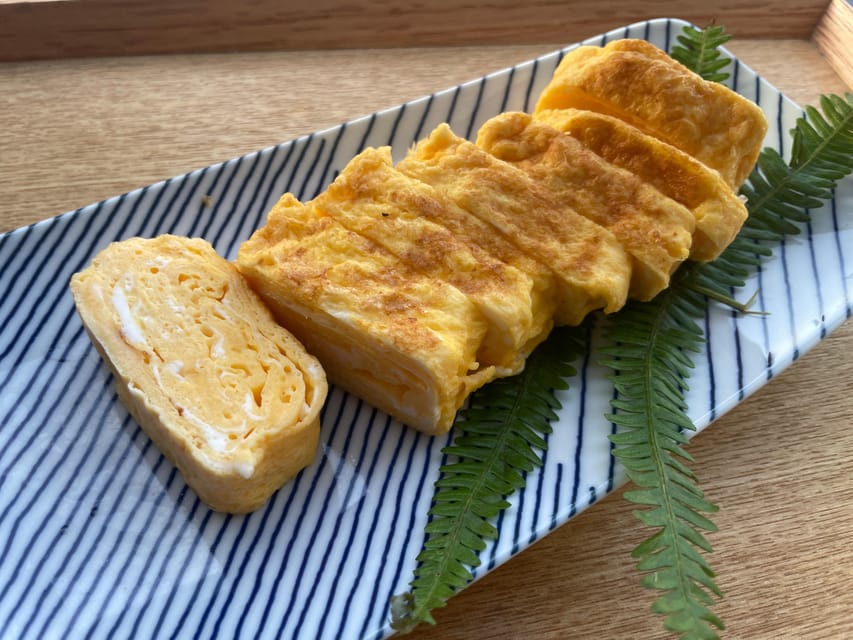
The class is also designed as a cultural exchange. Cooking creates natural openings for questions about Japanese life, food habits, and the area around Osaka Tenmangu Shrine.
This can be especially valuable if you are visiting Japan for the first time. A guide who knows the neighborhood can give you more useful context than a generic food demonstration. You can ask about ingredients, meals, local customs, or other places to eat in Osaka.
The guides named in the supplied information include Yuka, Miyako, and Tomoko. Yuka is described as patient with family questions, and she also handled detailed explanations during the Katsu Curry session. Miyako led a bento class with a solo participant and made the process feel engaging even without a larger group. Tomoko also helped with food recommendations.
Do not expect a formal lecture. The appeal is conversation while you cook. That informal rhythm means your experience may depend partly on the group and the questions you bring. If you want to get the most from it, arrive with a few things you are curious about.
What the 150-minute schedule means
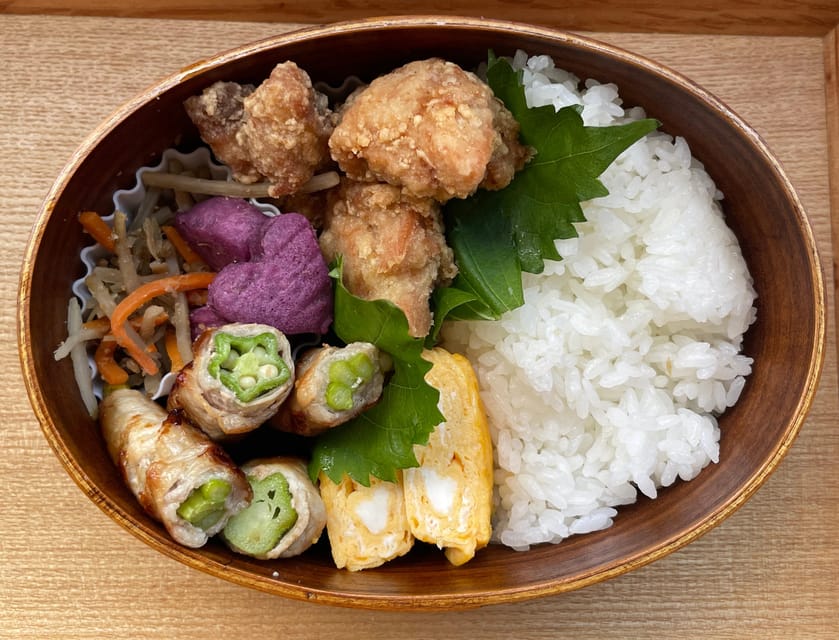
The main description sets the experience at 2.5 hours, or 150 minutes. That is long enough for the shrine meeting, local shop visits, cooking, conversation, and eating the finished food, but it is not an all-day culinary course.
The booking information also displays a duration range of 150 minutes to one day. Since the detailed program describes a 2.5-hour session, use 150 minutes as your practical planning figure and check the available start time for your chosen date.
A morning booking can work well because you finish with lunch you have prepared yourself. One person specifically recommended it as a good morning activity in Osaka. It also leaves the rest of your day open for another neighborhood or attraction.
Build in a little extra time before the meeting. The shrine entrance is precise, and the class follows a schedule. You do not want to spend the opening minutes trying to find the correct gate.
Is the $83 price fair?
At $83 per person, this is not the cheapest way to eat in Osaka. You can find a filling curry or bento for far less. The value comes from the combined experience: a local introduction, ingredient explanations, guided preparation, a meal, and cultural conversation.
The price makes more sense if you want an activity rather than just lunch. You are paying for instruction and participation, not only the food served at the end. The small group also matters. A cap of eight participants allows more contact with the guide than a large demonstration class.
The published information lists optional drinks, including sake tasting, separately from the included food and water. Keep that in mind when comparing the total cost. Drinks other than water are not part of the basic meal price.
For families, the value depends on how much your group enjoys hands-on activities. Children who like asking questions and helping with food may get a lot from the class. If your group mainly wants a quick meal, a restaurant will be faster and cheaper.
For solo visitors, a small group can add a social element without turning the class into a crowded event. One booking took place with only one participant, which suggests the class may still operate with a very small number, though you should not assume a private lesson unless the provider confirms it.
The food you take home in your head
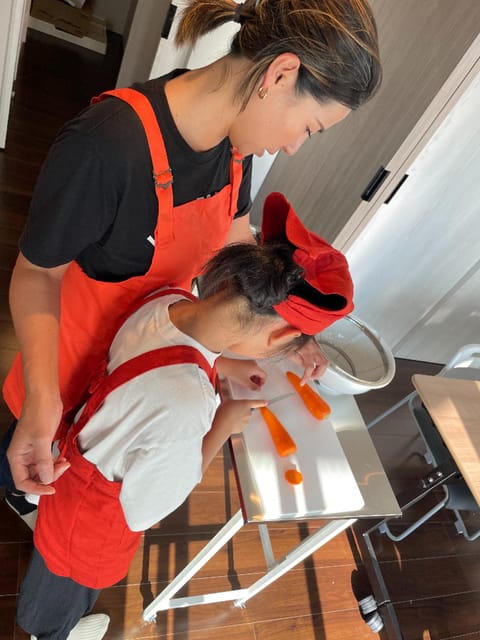
The biggest benefit is not a printed souvenir or a scenic view. It is knowing how to repeat the meal after your Japan trip.
Katsu Curry is approachable because it is a complete, familiar-style meal with a clear structure. Once you understand the preparation sequence, you can adapt it at home. The point is not to turn you into a professional Japanese cook in one afternoon. It is to give you enough confidence to try the dish without guessing at every step.
The bento class teaches a different kind of confidence. Bento food is about arrangement as well as cooking. You learn how individual pieces fit into one compact meal, and the finished box gives you a visible result to take pride in.
That practical focus separates this class from a passive food tour. You get to taste what you make, but the more lasting reward is the ability to bring the idea back to your own kitchen.
Who will enjoy this Osaka class most
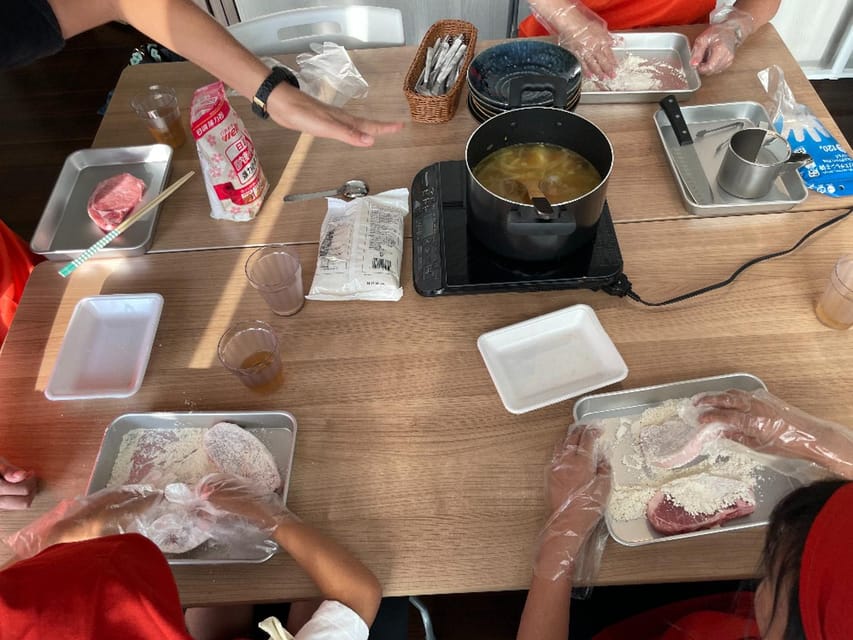
I would recommend this experience to:
- Families who want a child-friendly activity with food and conversation
- First-time visitors seeking a small introduction to Japanese daily life
- Solo visitors who prefer a guided activity with a limited group
- Home cooks who want a Japanese meal they can repeat
- Couples looking for a shared activity beyond sightseeing
- Anyone curious about Japanese ingredients but unsure how to use them
It may be less suitable if you want a long market tour, a specialized professional cooking lesson, or a completely fixed schedule with no conversation. The local tour covers only a few shops, and the teaching style appears friendly and flexible rather than highly technical.
You should also consider your food preferences before booking. The available options are Katsu Curry or bento, and the supplied information does not provide a full ingredient list or allergy policy. If you have dietary restrictions, ask Osaka Cooking Base before reserving.
Small details that make the booking easier
The class is conducted in English, and the group is limited to eight participants according to the published information. One booking description referred to a maximum of six, so confirm the current group size if that point matters to you.
You must reserve at least 24 hours in advance. The activity offers free cancellation up to 24 hours before the start time, with a full refund, and a reserve-now-pay-later option is available. These terms give you some flexibility, but they do not remove the need to check your start time and meeting gate.
Food is included. Water is included, while other drinks, including sake tasting, are optional. The experience provider is Osaka Cooking Base.
Should you book this cooking class?
Book it if you want a hands-on Osaka activity that combines food, neighborhood context, and friendly conversation. The strongest reasons are the practical recipes, the small group, and the chance to ask a local guide questions while you cook.
Choose Katsu Curry if you want a hearty dish with a clear preparation path. Choose bento if you like presentation, variety, and the satisfaction of assembling a complete lunchbox.
Skip it if your priority is a full market tour, a bargain meal, or advanced culinary training. For most visitors who have about 2.5 hours and want to do more than look at food, this is a useful and enjoyable way to spend a morning or afternoon in Osaka.
FAQ
Where does the cooking class meet?
You meet in front of the large main gate of Osaka Tenmangu Shrine. Do not go to the small back gate.
How long does the experience last?
The detailed program describes a 150-minute, or 2.5-hour, session. Booking information may display a duration range from 150 minutes to one day, so check the available time for your date.
What dishes can I learn to make?
You can learn to make Katsu Curry or a bento box. The available choice may depend on the booking option and date.
Is the food included?
Yes. The Katsu Curry or bento meal is included.
Are drinks included?
Water is included. Other drinks, including sake tasting, are optional and not part of the basic inclusion.
What language is the class taught in?
The listed language is English.
How many people can join?
The published group limit is eight participants. One class description referred to a maximum of six, so confirm the current limit if group size is important to you.
Is the class suitable for children?
Yes. The activity is designed to be suitable for all ages, including young children and seniors.
How far in advance must I book?
You should make your reservation at least 24 hours in advance.
Can I cancel for a full refund?
Yes. You can cancel up to 24 hours before the experience for a full refund.
More Workshops in Osaka
- Sushi Making Osaka Roll and Authentic Japanese Sushi Class
★ 5.0 · 1,220 reviews - Osaka Cooking Class: Okonomiyaki &Japanese cuisines experience
★ 5.0 · 261 reviews - Osaka: Roll and Authentic Sushi Making Class in Dotonbori
★ 4.9 · 239 reviews - Ramen and Gyoza Cooking Class in Osaka
★ 5.0 · 202 reviews
Just added in Osaka
- Urban Canvas: Osaka Street Art Bike Tour★ 5.0 · 10 reviews
- Anime Cosplay Photshoot-50 Digital Photos Provided★ 5.0 · 8 reviews
- TeamLab Botanical Garden Osaka Ticket★ 3.5 · 6 reviews
- Umeda Sky Building & Kuchu Teien Observatory Ticket in Osaka★ 4.5 · 3 reviews
- Immerse in Judo Martial Arts Class from Japan★ 5.0 · 4 reviews
- Cherry Blossom Buddha and Mt.Yoshino with Strawberry Picking Tour★ 4.5 · 5 reviews
- Traditional Home cooking Experience in Osaka, Japan★ 5.0 · 14 reviews
- Traditional Calligraphy Experience near Dotonbori★ 5.0 · 3 reviews
Osaka Cooking Classes, compared.
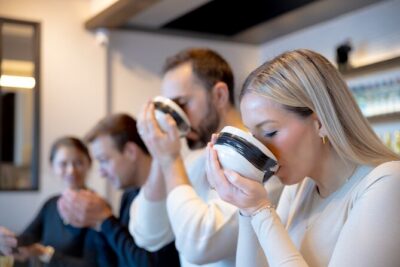
Matcha Making Class in Osaka with Authentic Japanese Sweets Set
Read our review →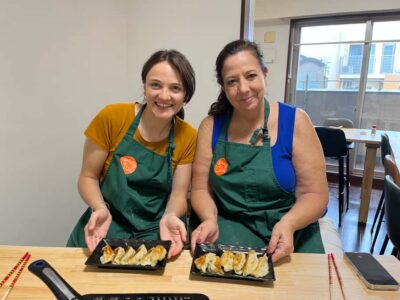
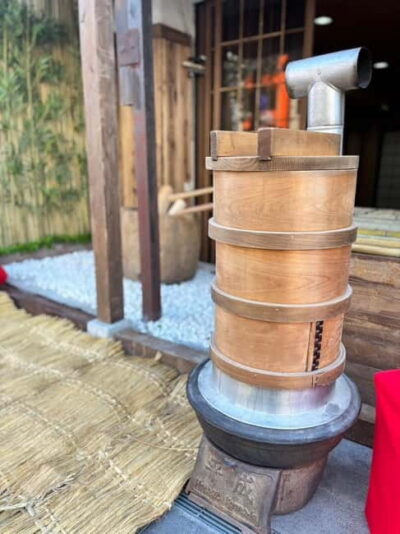
Traditional Mochi Pounding Experience with Tasting
Read our review →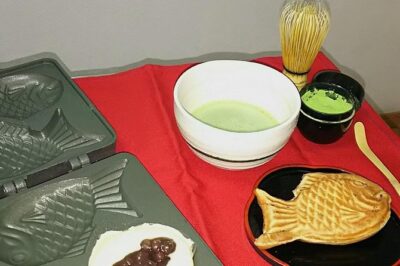
Osaka Cooking Class: Okonomiyaki &Japanese cuisines experience
Read our review →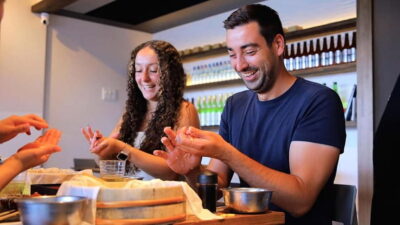
Roll and Authentic Sushi Making Class in Dotonbori
Read our review →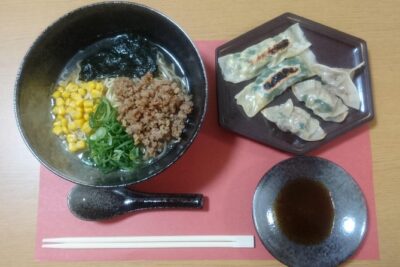
Osaka Sake Tasting & Takoyaki Cooking Experience
Read our review →Browse the lists this tour appears in