
Reviewed · WORKSHOPS
Tsumami Zaiku (Kanzashi) making Workshop in Abeno Osaka
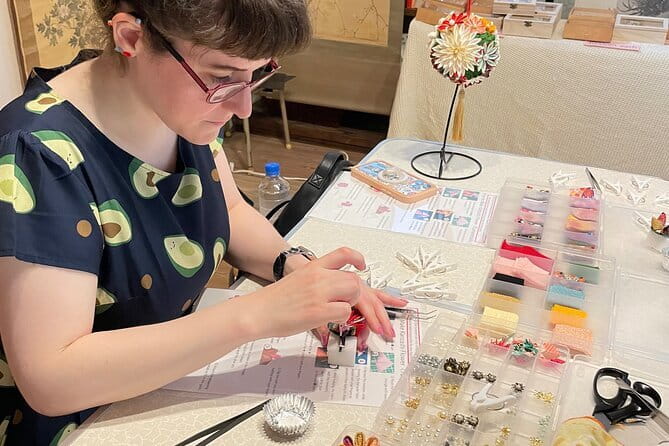
Making a tsumami zaiku kanzashi in a 100-year-old Japanese house gives you a hands-on look at a delicate craft that is easy to admire but harder to make than it first appears. Misa-sensei, with Jun and Ami, guides you through each step in a small group of no more than six people.
I like the choice between a simpler traditional kanzashi and a more detailed sakura design. I also like that the $35.83 price includes every material, matcha, Japanese sweets, and a box for your finished piece. The main consideration is the steep staircase, plus the fact that the sakura version may take longer than the 90-minute session.
Key points at a glance
- Held in a 100-year-old house: The setting has a traditional Japanese character with a mixed eastern-style interior.
- Two designs to choose from: Pick the easier traditional kanzashi or the more demanding cherry blossom version.
- Small group instruction: The workshop has a maximum of six participants, allowing time for questions and individual help.
- Matcha while the glue dries: Tea and Japanese sweets provide a pleasant pause during the craft process.
- Everything is supplied: Fabric, pin sets, accessories, pre-cut pieces, and a presentation box are included.
- A handmade Osaka souvenir: You leave with your own finished kanzashi, wrapped and ready to take home.
A quiet craft session in southern Osaka
This workshop takes place near Nishitanabe Station in Abeno Ward, away from the busiest sightseeing areas of central Osaka. The meeting point is at 1-chōme-1-25 Nishitanabechō, and the activity ends there as well. Pickup is offered, but you should check the arrangements when booking rather than assume door-to-door service.
The house is part of the appeal. It is around 100 years old and combines traditional Japanese details with an eastern-style interior. That gives the class a setting with more character than a modern craft studio. You are not simply sitting at a table in a commercial room. You are working in an older home where the surroundings help explain the place of handmade decoration in Japanese life.
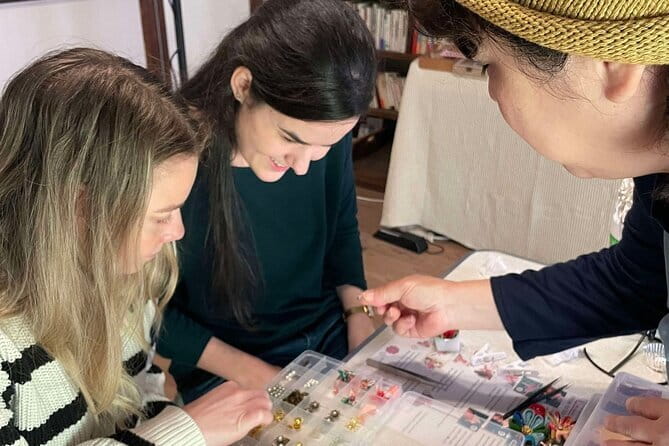
The group limit of six matters here. Tsumami zaiku uses small fabric pieces and careful folding, so close instruction is useful. In a larger class, you might spend much of the session waiting for help. Here, you can ask questions as you work, and Misa-sensei, Jun, and Ami can keep an eye on the details.
The total session lasts about one hour and 30 minutes. That is long enough to make a proper keepsake, but not so long that the activity takes over your entire day in Osaka.
A few more Osaka half-days worth pricing up
- Sushi Making Osaka Roll and Authentic Japanese Sushi Class
★ 5.0 · 1,220 reviews - Matcha Making Class in Osaka with Authentic Japanese Sweets Set
★ 5.0 · 509 reviews - Osaka: Ramen and Gyoza Cooking Class in Dotonbori
★ 5.0 · 378 reviews
Tsumami zaiku: small folded petals, careful hands
Tsumami zaiku is a traditional Japanese decorative craft made by folding small pieces of cloth into shapes such as petals. These pieces are arranged into kanzashi, the hair ornaments traditionally associated with Japanese hairstyles and seasonal dress.
The class begins with a short explanation of the craft’s background. You then see the two available designs:
- The traditional kanzashi, which is the easier option
- The sakura kanzashi, shaped around cherry blossom flowers and a little more difficult
The difference is practical, not just decorative. The traditional design is a sensible choice if you want a relaxed introduction or have limited time. The sakura option offers more detail, but it may take longer, so you should be ready to work carefully rather than rush to finish.
You do not need to arrive with craft skills. The teacher provides the materials and explains the process one step at a time. The cloth and accessories are prepared in advance, which keeps the workshop manageable. The petals for the kanzashi are the main part you make yourself.
That preparation is a good compromise. You get the satisfaction of creating the key decorative elements without spending the entire session cutting tiny pieces of fabric. It also makes the activity suitable for beginners and for older children who can follow instructions and work with care.
Choosing fabric and building your ornament
After selecting your design, you choose from a range of patterned cloths and accessories. This is where the finished item becomes personal. Two people can follow the same basic method and still end up with different-looking kanzashi because of their fabric and decoration choices.
The teacher then demonstrates how to fold and assemble the petals. Expect the work to require patience. The pieces are small, and neat folds matter. You are encouraged to ask questions, and mistakes are treated as part of the process rather than a disaster.
That relaxed approach is important for beginners. Tsumami zaiku can look simple when you see a finished flower, but the small scale makes precision harder. You should not expect to produce a flawless professional piece on your first attempt. The value comes from learning the method and making something with your own hands.
Misa-sensei has a strong reputation as a maker, and the instruction is described as friendly, accommodating, and professional. Jun and Ami are also involved in the workshop, adding support and conversation. If you enjoy meeting local people through a shared activity, this format offers more contact than a standard sightseeing stop.
Parents should note that children are allowed from age eight. Adults remain responsible for their children throughout the class. Younger children may find the small pieces and careful folding difficult, so this works best for a child who can sit, listen, and handle materials patiently.
The matcha break while the glue sets
The glue used to assemble the kanzashi needs time to dry. Instead of making you sit and wait, the workshop includes a break with matcha and Japanese sweets.
This pause serves two purposes. It gives the ornament time to set, and it lets you step away from the close work before the final stage. The matcha and sweets are included in the price, so you do not need to budget extra for them.
I like this part because it makes the 90-minute schedule feel less rushed. You have a natural break in the activity, and the tea adds a small cultural touch without turning the class into a formal tea ceremony. It is simply a chance to sit, talk, and enjoy something Japanese while your handmade piece dries.
The pause also gives you time to look at kanzashi made by the instructor. Some handmade pieces are available for purchase. This is useful if you want to compare your beginner’s work with a more polished example, or if you would like to buy an additional ornament as a gift.
Do not confuse the break with free shopping time in a large store. The items on display are instructor-made pieces connected to the workshop, so the selection may be limited. Still, it is a thoughtful extra for anyone who enjoys seeing how the craft looks at a professional level.
Same city, a completely different kind of afternoon:
- Osaka Go Karting Tour with Funny Costume
★ 5.0 · 2,658 reviews - Osaka Castle: Museum and Tower Entry Ticket
★ 4.5 · 2,380 reviews - Osaka: Shinsekai Food Tour with 13-15 Dishes at 5 Eateries
★ 4.8 · 2,204 reviews - Osaka Food Tour: 13 Dishes at 5 Local Eateries
★ 5.0 · 2,149 reviews
What you take home at the end
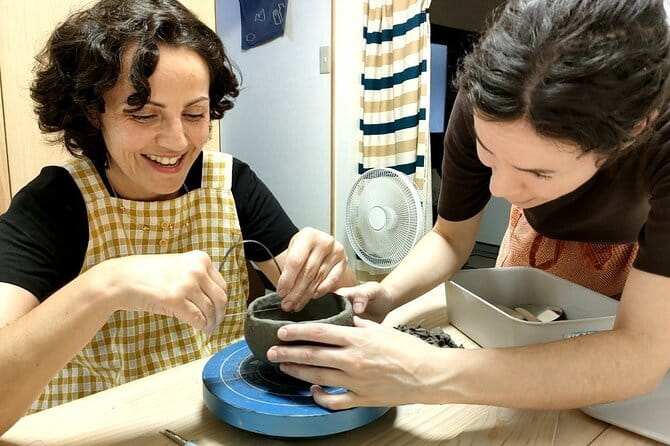
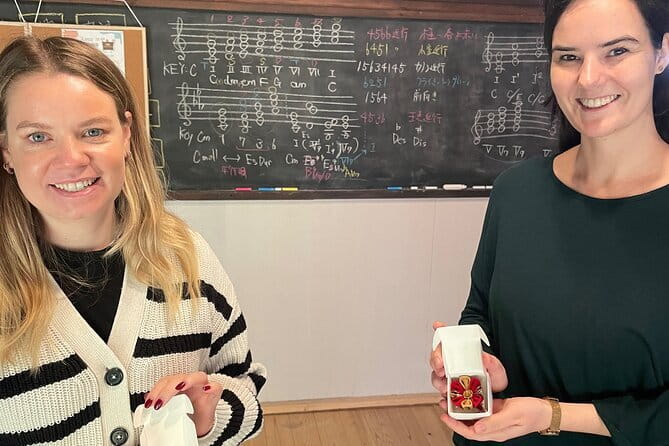
After the break, you receive the completed kanzashi wrapped and ready to take home. A box is included, which makes a real difference when packing a delicate handmade ornament in your luggage.
The box also turns the item into a proper souvenir rather than a loose craft project. You can protect it during the rest of your time in Japan and take it home without needing to find wrapping materials.
This is one of the stronger reasons to choose the workshop over a short decorative activity. You are not just watching a demonstration or making something disposable. You learn a traditional technique and leave with an object connected to the place and the time you spent there.
The finished kanzashi may not look exactly like the instructor’s version. That is normal. The point is to have made the petals and assembled the decoration yourself, with guidance when you need it.
Is $35.83 good value?
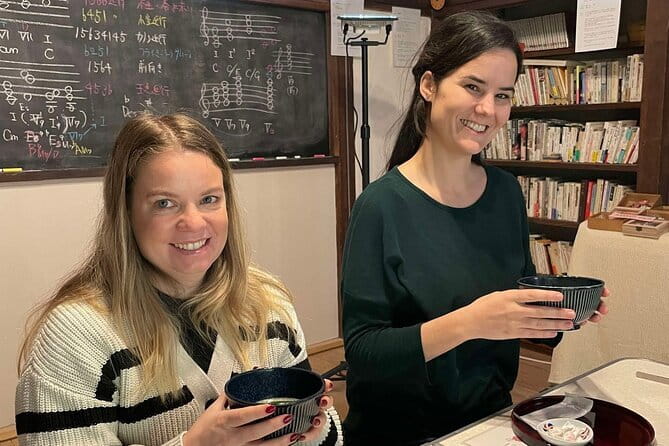
At $35.83 per person, the workshop is reasonably priced for a small-group craft session. The fee covers the instructor’s guidance, all cloth and accessories, pin sets, the kanzashi box, matcha, and Japanese sweets.
You are also paying for the setting and the time. A 100-year-old house offers a more distinctive atmosphere than a basic activity room, while a maximum of six participants keeps the lesson personal. If you value an authentic souvenir and a quiet cultural activity, the price is easier to justify.
The value is strongest for people who would otherwise buy a decorative hair ornament in Osaka. Here, you spend the same time learning how the item is made and creating your own version. It is less compelling if you want a fast, polished souvenir with no effort. In that case, buying one of the instructor’s finished pieces may suit you better.
The sakura design could also affect value because it may take more time. If you choose it, you are choosing a more detailed project rather than the quickest route to a finished ornament. Ask the instructor about timing at the start if your schedule is tight.
Getting there and planning your visit

The meeting point is near Nishitanabe Station, making public transport the practical choice. The activity starts and ends at the same meeting point, which simplifies the day and lets you plan another Osaka stop afterward.
Pickup is listed as available, but the exact details are not provided. Confirm where pickup occurs, how much notice is needed, and whether it changes the meeting instructions before you set your route.
Allow enough time to find the house and arrive before the start. A craft class does not begin as flexibly as a sightseeing attraction because the instructor needs to explain the materials and prepare the group together.
The workshop is listed as requiring good weather. If poor weather causes a cancellation, you are offered another date or a full refund. For normal changes of plan, you can cancel without charge up to 24 hours before the start time. Cancellations or changes made less than 24 hours ahead are not refunded or accepted.
The house has a steep staircase. If you have mobility difficulties, consider this carefully before booking. The venue is not presented as step-free.
Who will enjoy this workshop most?
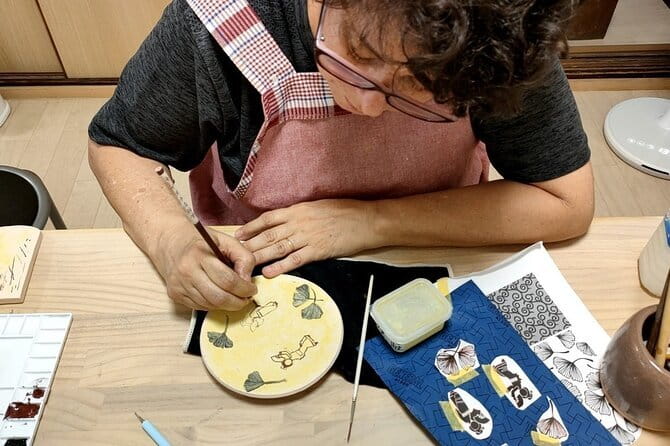
I would recommend it to anyone who likes making things, wants a small Osaka souvenir, or prefers a calm cultural activity to a packed sightseeing schedule. It is also a good choice for couples, friends, and families with children aged eight or older who can manage careful work.
The small group suits people who want to ask questions. It also helps if you prefer a teacher-led activity rather than trying to follow a craft kit alone.
You should choose the traditional design if you want the easiest path to completion. It is the better fit for a first attempt, a shorter attention span, or a day with firm plans afterward.
Choose the sakura design if you enjoy detail and do not mind giving the project extra time. The cherry blossom shape has a stronger seasonal feel, but the added work means you should not treat it as a quick craft.
This is not the best pick for someone who dislikes fine handwork, has very little time, or needs a fully accessible venue. The small fabric pieces require patience, and the staircase may be difficult for some people.
My booking advice
Book this workshop if you want more than a souvenir shop purchase. You will learn the basics of tsumami zaiku, select your own fabric and accessories, enjoy matcha and sweets, and take home a boxed kanzashi made during the session.
Choose the traditional version for a smoother first experience. Pick sakura only if you are comfortable with a slower, more detailed project. Check the staircase and pickup arrangements before paying, especially if mobility or transport is a concern.
For $35.83, the mix of instruction, materials, refreshments, small-group attention, and a handmade keepsake is a fair deal. It is a focused activity, not a major Osaka attraction, but it offers a personal connection to Japanese craft that you will not get from simply buying an ornament.
FAQ
Where does the kanzashi workshop take place?
It takes place near Nishitanabe Station at 1-chōme-1-25 Nishitanabechō, Abeno Ward, Osaka, 545-0011, Japan.
How long does the activity last?
The workshop lasts approximately one hour and 30 minutes.
What designs can I make?
You can choose between a traditional kanzashi and a sakura, or cherry blossom, kanzashi. The traditional option is easier, while the sakura option is more difficult and may take longer.
Are materials included?
Yes. Cloth, pin sets, accessories, pre-cut and prepared materials, and a box for the finished kanzashi are included.
Is matcha included?
Yes. The workshop includes matcha and Japanese sweets during the break while the glue dries.
Can children participate?
Children aged eight and above may participate. Adults are responsible for supervising their children during the workshop.
How many people can join the workshop?
The activity has a maximum of six participants.
Is the venue suitable for people with mobility difficulties?
The house has a steep staircase, so people with mobility difficulties need to consider whether the venue is suitable.
What is the cancellation policy?
You can cancel up to 24 hours before the start time for a full refund. Changes or cancellations made less than 24 hours before the start are not accepted or refunded. If poor weather causes the activity to be canceled, you can choose another date or receive a full refund.
Just added in Osaka
- Urban Canvas: Osaka Street Art Bike Tour★ 5.0 · 10 reviews
- Anime Cosplay Photshoot-50 Digital Photos Provided★ 5.0 · 8 reviews
- TeamLab Botanical Garden Osaka Ticket★ 3.5 · 6 reviews
- Umeda Sky Building & Kuchu Teien Observatory Ticket in Osaka★ 4.5 · 3 reviews
- Immerse in Judo Martial Arts Class from Japan★ 5.0 · 4 reviews
- Cherry Blossom Buddha and Mt.Yoshino with Strawberry Picking Tour★ 4.5 · 5 reviews
- Discover Osaka’s Iconic Umeda Sky Observation★ 5.0 · 6 reviews
- Traditional Home cooking Experience in Osaka, Japan★ 5.0 · 14 reviews
Workshops, compared.
Sushi Making Osaka Roll and Authentic Japanese Sushi Class
Read our review →
Matcha Making Class in Osaka with Authentic Japanese Sweets Set
Read our review →
Osaka Cooking Class: Okonomiyaki &Japanese cuisines experience
Read our review →
Roll and Authentic Sushi Making Class in Dotonbori
Read our review →

Browse the lists this tour appears in