
Reviewed · OSAKA KIMONO EXPERIENCES
Exclusive private Yukata dressing workshop
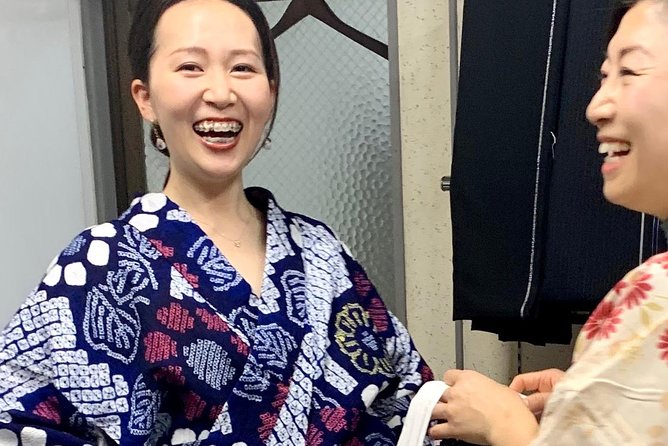
The best part of this Osaka experience is that you do not simply put on a costume and pose. Sena Alton teaches you how the yukata is worn, explaining the basic technique so the outfit feels like a real piece of Japanese clothing rather than a quick photo prop. You choose your own yukata and obi combination, then get time for pictures.
I like the private format, since Sena can focus on your group and adjust her instruction to your pace. I also like the modest price, about $26.01 per person, for a one-hour cultural activity that includes the yukata, obi, waist straps, photography help, and tea.
The main limitation is practical: this is a workshop, not a full day of sightseeing in traditional dress. Women’s yukata are available, but innerwear and geta sandals are not supplied. If you want to walk around Osaka afterward, you must arrange a two-day rental or purchase in advance.
Key Things to Know Before You Book
- You choose the outfit yourself: Pick a favorite yukata and obi combination before learning how to wear it.
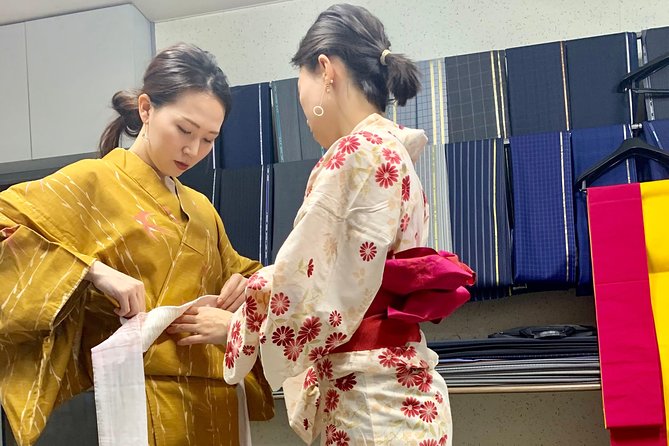
- Sena teaches the dressing method: She demonstrates first, then guides you through the basic technique.
- The activity is private: Only your own group participates, making the lesson personal and easy to follow.
- Photos are part of the experience: Bring your phone or camera, and Sena can take pictures for you.
- Bring suitable clothing: A camisole, leggings, and sandals are needed because innerwear and geta are not included.
- You can extend the experience: A two-day rental or a yukata purchase is available if you arrange it at least three days ahead.
A Gentle Introduction to Yukata in Osaka
A yukata is a lighter, simpler cousin of the kimono. It is closely linked with summer festivals, evening walks, and informal Japanese occasions. The clothing looks simple at first, but the way it wraps around the body is different from Western clothing, so a little instruction makes a big difference.
This workshop gives you that instruction in a small, private setting. You meet at 1-chōme-9-16 Awaza, in Osaka’s Nishi Ward, at 10:00 in the morning. The meeting point is near public transportation, which helps if you want to fit the class into a wider day in Osaka.
The activity lasts about one hour. That is long enough to learn the basics and take photos, but short enough to fit between sightseeing plans. I see this as a good choice for your first morning activity, especially if you want something calm before heading into the city.
The private setup also matters. You are not trying to keep up with a large group or waiting while several other people choose outfits. Sena can show you each step, answer questions, and help correct the wrap or sash as you practice.
More kimono experiences in Osaka:
- Osaka: Sumo Show & Experience w/ Optional Kimono & Hot Pot
★ 4.5 · 609 reviews - Learning Zen of Japanese Calligraphy in kimono near Osaka Castle
★ 4.5 · 53 reviews - Osaka: Kimono or Yukata Rental &Photos Service Options
★ 4.9 · 25 reviews
Choosing Your Yukata and Obi
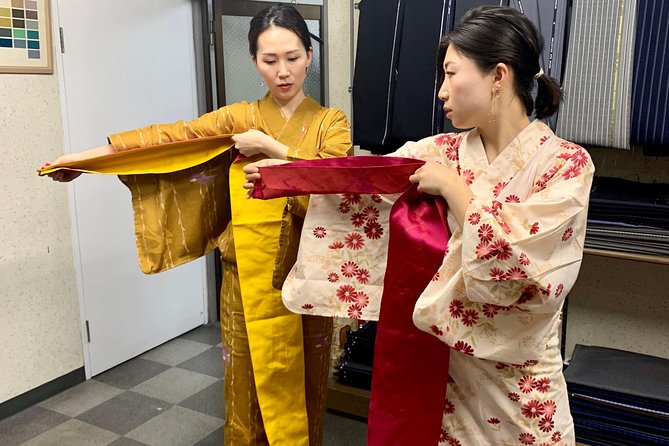
The session begins with one of the most enjoyable choices: selecting your yukata and obi. The yukata is the main robe, while the obi is the sash that holds the look together. The fabrics and patterns give the outfit its character, so take a moment before settling on a combination.
This is more personal than being handed a standard costume. You can choose the colors and pattern that appeal to you, then see how the obi changes the overall appearance. If you are taking photographs, consider how the two pieces work together rather than choosing each item separately.
The available outfit is women’s yukata only. That point is important for couples, families, and mixed groups planning a cultural activity together. The supplied set includes the yukata, obi, and waist straps, but not yukata underwear or sandals.
You should wear or bring a camisole and leggings. Sandals are also needed if you want footwear that works with the outfit. Geta sandals, the traditional raised wooden footwear often associated with yukata, are not provided.
That missing equipment does not make the workshop poor value, but it does affect how polished your final look will be. Check your packing before you go. A simple camisole, leggings, and suitable sandals are enough to cover the basics.
Learning the Basic Dressing Technique
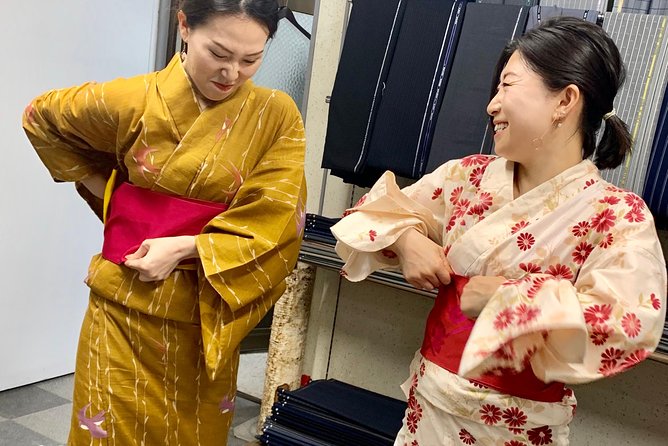
Once you have chosen your outfit, Sena demonstrates how to put it on. You then try the process yourself with her guidance. This two-step approach is useful because you first see the full sequence, then get to practice instead of simply standing still while someone dresses you.
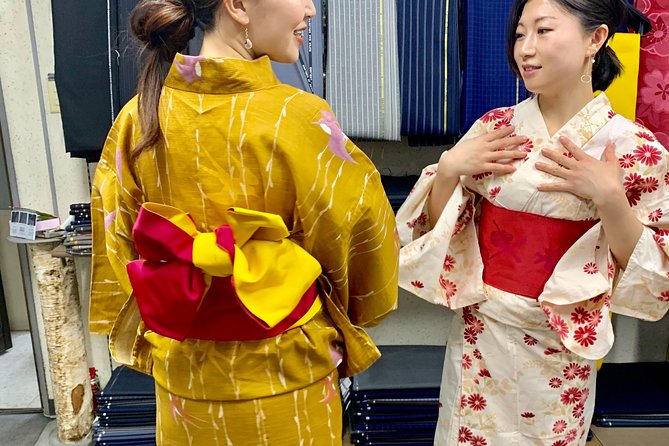
The wrap is the part that needs the most care. A yukata is not worn like a robe that can be thrown over the shoulders and tied casually. The layers must sit correctly, and the sash needs to be positioned firmly enough to hold the shape without becoming uncomfortable.
Sena’s lesson includes an explanation of the yukata and its place in Japanese culture. This gives the activity more substance than a dress-up session. You learn not just what to do with the fabric, but why the outfit has its distinctive form.
The available information does not promise advanced kimono styling or a full lesson in formal dress. You should book this for an introduction to basic yukata wearing, not for professional training. In one hour, the goal is to understand the method and leave feeling comfortable with the main steps.
The teaching style is especially suitable if you are nervous about getting something wrong. One participant came with a daughter who had bought a yukata and wanted to learn how to put it on properly. Sena helped explain the clothing and its history, making the class useful even for someone who already owns a yukata.
Taking Photos Without Rushing
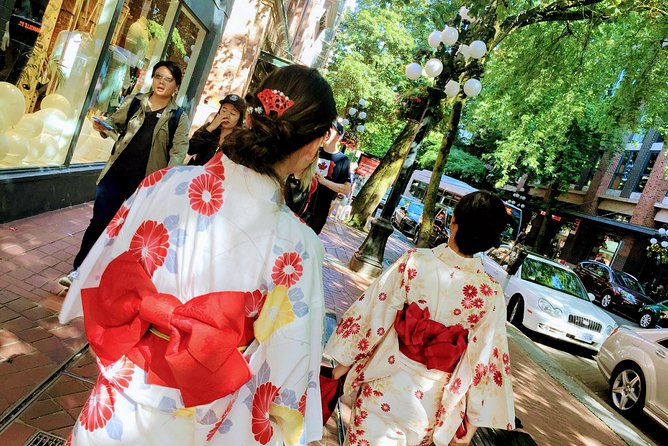
After you are dressed, the workshop includes a photo session. Bring your own phone or camera, and Sena can take pictures for you. This is a welcome detail for solo visitors and couples who want photographs together rather than a set of arm’s-length selfies.
The photos also give you a reason to enjoy the finished outfit before changing back. You have made the color choices, learned the dressing method, and now get a record of the result. If you are visiting Osaka with a friend or family member, this can be a simple shared activity with a clear keepsake at the end.
Do not expect a staged professional photography package unless that is arranged separately. The useful promise here is practical help with your own camera or phone. You control the images and can ask Sena to photograph you during the session.
Because the activity is private, you should have more freedom to take your time than in a large group class. Still, the total workshop lasts about an hour, so I would keep your photo plan simple. A few well-composed pictures are realistic. A long fashion shoot is not.
A few more Osaka half-days worth pricing up
- Sushi Making Osaka Roll and Authentic Japanese Sushi Class
★ 5.0 · 1,220 reviews - Matcha Making Class in Osaka with Authentic Japanese Sweets Set
★ 5.0 · 509 reviews - Osaka: Ramen and Gyoza Cooking Class in Dotonbori
★ 5.0 · 378 reviews - Osaka Cooking Class: Okonomiyaki &Japanese cuisines experience
★ 5.0 · 261 reviews
Tea, Changing, and Heading Into Osaka
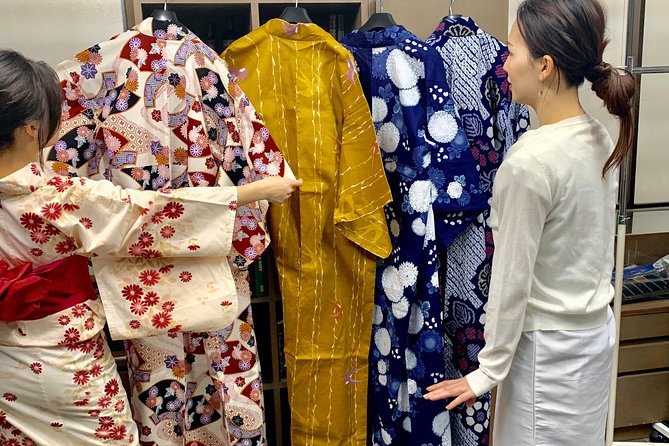
After the photo session, you return the yukata set and take a short tea break. This provides a natural end to the lesson and lets you slow down before returning to Osaka sightseeing.
The standard workshop does not let you leave wearing the rented yukata. If you want to walk through the city dressed in it, you need to arrange an extra option. A two-day rental costs 3,000 Japanese yen, with return by mail accepted. You can also purchase a yukata, obi, and two waist straps for 10,000 yen.
You must give notice at least three days in advance for either the rental or purchase option. This is one of the most important planning details. Do not assume you can decide at the end of the class and walk away with the outfit that morning.
The two-day rental changes the nature of the experience. Instead of a one-hour lesson and photographs, you can continue wearing the yukata as you explore Osaka. That may appeal to you if you want festival-style pictures or a more extended cultural experience.
The drawback is that sandals and innerwear still need attention. The extra rental covers the yukata arrangement, but you should confirm what you need to supply yourself. The safest plan is to arrive with your camisole, leggings, and sandals already sorted.
Where to Go After the Workshop
The workshop ends back at the meeting point in Awaza. From there, you can continue with your own plans. The provider suggests several Osaka stops, each offering a different kind of follow-up to the morning lesson.
Shinsekai is recommended for its energetic local character and old-school Osaka atmosphere. It is a natural choice if you want to trade the quiet workshop for a more animated city setting. The area gives you a chance to keep the cultural mood going while seeing a very different side of Osaka.
For food, the suggested Sumibi Yakiniku Showataishuhorumon has a nostalgic 1970s display and serves yakiniku. This is useful if you want lunch or an early meal after the class, though you should make your own transportation and dining arrangements.
The third suggestion is teamLab Botanical Garden, a cool night activity rather than an immediate daytime stop. It could work later in your Osaka itinerary if you want to finish the day with an art and light experience.
These suggestions are not included in the workshop, and the tour does not provide transport between them. Think of them as ideas for building your own day, not as part of the one-hour booking.
Is $26.01 Good Value?
At about $26.01 per person, the workshop is priced as an accessible cultural activity rather than a major splurge. The fee includes the yukata, obi, and waist straps, along with instruction, photos using your own device, and tea.
The value is strongest if you want personal guidance. You could rent a yukata elsewhere and simply wear it, but this class explains the basic technique and lets you practice it. That extra help is particularly worthwhile if you want to understand how the clothing is put on rather than only see yourself in it.
The price is also easier to justify for a private group. You are not paying for a large scheduled class with strangers. Your group receives the instructor’s attention, which can make the short duration feel productive.
The cost does not include the full set of accessories. You need to provide innerwear and sandals, and a longer rental or purchase costs extra. Add those expenses before comparing this with a full yukata rental experience elsewhere.
For a one-hour activity in Osaka, I consider the base price fair. It is a good fit for a morning when you want a cultural break without committing half a day.
Who Will Enjoy This Workshop Most?
I would recommend this for a first-time visitor who wants a hands-on Japanese cultural activity without the complexity of a full kimono experience. It is also a strong choice for someone who has purchased a yukata and wants to learn how to wear it correctly.
Families can benefit from the private arrangement, especially when one person is more interested in dressing up than the rest of the group. A daughter and parent can share the lesson, and Sena’s patient instruction makes it suitable for someone starting from scratch.
It also works well for friends, couples with a participant who wants to wear women’s yukata, and solo visitors who need help taking photographs. The activity is LGBT friendly and open to most participants.
I would not choose it if you want a full-day tour, a formal geisha transformation, or a men’s yukata option. I would also hesitate if your main goal is to spend the entire day already dressed, unless you arrange the two-day rental or purchase before arriving.
Timing, Cancellation, and Practical Details
The start time is 10:00 in the morning, and the meeting point is in Awaza, Osaka. Confirmation is received at booking, and a mobile ticket is provided. The activity ends back at the same meeting point.
Free cancellation is available if you cancel at least 24 hours before the start time. Cancellations made less than 24 hours in advance are not refunded, and late changes are not accepted.
The experience requires good weather. If poor weather causes cancellation, you are offered another date or a full refund. Since the main workshop takes place indoors, check the weather-related terms carefully when planning your wider Osaka day.
The activity is private, and only your group participates. That makes it easier to ask questions, choose your preferred pace, and take photos without a crowded class around you.
Should You Book the Yukata Workshop?
Book this experience if you want a short, personal introduction to Japanese clothing and culture, especially if you value learning the dressing method rather than simply putting on an outfit. Sena’s friendly teaching, the choice of yukata and obi, and the chance to take your own photographs give the hour a clear purpose.
Before booking, remember the limits. Women’s yukata are the only option, innerwear and geta sandals are not supplied, and the standard session ends with the outfit returned. Arrange the two-day rental or purchase at least three days ahead if you want to continue exploring Osaka in yukata.
For around $26.01, I think this is a sensible choice for a first visit, a family activity, or a memorable morning with a friend. It offers a personal lesson, not just a costume photograph, and leaves you free to spend the rest of the day discovering Osaka at your own pace.
FAQ
Where does the yukata workshop meet?
The meeting point is 1-chōme-9-16 Awaza, Nishi Ward, Osaka, 550-0011, Japan. It is near public transportation.
What time does the workshop start?
The activity starts at 10:00 in the morning and lasts about one hour.
Is the workshop private?
Yes. Only your own group participates in the activity.
Are innerwear and geta sandals provided?
No. You need to wear or bring a camisole, leggings, and sandals. Yukata innerwear and geta sandals are not included.
Can I walk around Osaka wearing the yukata afterward?
The standard workshop ends with the yukata set returned. A two-day rental for 3,000 Japanese yen or a purchase package for 10,000 Japanese yen is available if arranged at least three days ahead.
What is the cancellation policy?
You can cancel for a full refund up to 24 hours before the experience starts. Cancellations or changes made less than 24 hours before the start time are not refunded. If poor weather causes cancellation, you are offered another date or a full refund.
Just added in Osaka
- Urban Canvas: Osaka Street Art Bike Tour★ 5.0 · 10 reviews
- Anime Cosplay Photshoot-50 Digital Photos Provided★ 5.0 · 8 reviews
- TeamLab Botanical Garden Osaka Ticket★ 3.5 · 6 reviews
- Umeda Sky Building & Kuchu Teien Observatory Ticket in Osaka★ 4.5 · 3 reviews
- Immerse in Judo Martial Arts Class from Japan★ 5.0 · 4 reviews
- Cherry Blossom Buddha and Mt.Yoshino with Strawberry Picking Tour★ 4.5 · 5 reviews
- Traditional Home cooking Experience in Osaka, Japan★ 5.0 · 14 reviews
- Traditional Calligraphy Experience near Dotonbori★ 5.0 · 3 reviews
Osaka Kimono Experiences, compared.
Sumo Show & Experience w/ Optional Kimono & Hot Pot
Read our review →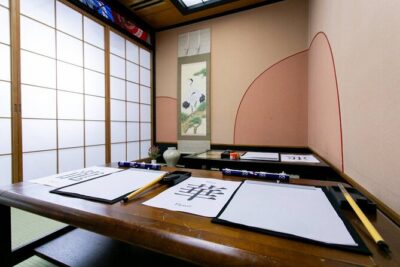
Learning Zen of Japanese Calligraphy in kimono near Osaka Castle
Read our review →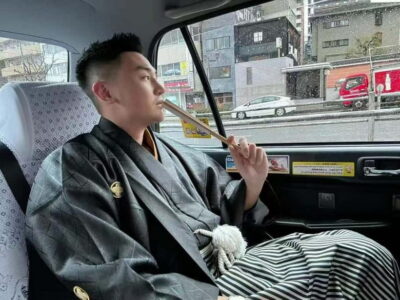
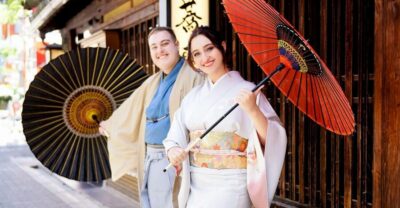
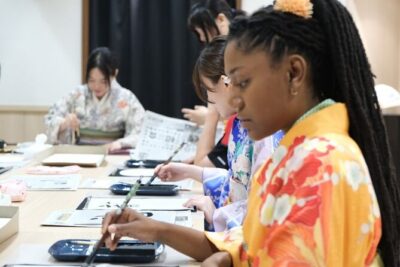
Premium Kimono Dressing, Tea Ceremony, Calligraphy, Samurai show
Read our review →
Japanese miniature kimono made with origami in Osaka
Read our review →
Osaka Kimono Experience – Quick Traditional Dress & Photos
Read our review →
Browse the lists this tour appears in