

Reviewed · OSAKA KIMONO EXPERIENCES
Japanese miniature kimono made with origami in Osaka
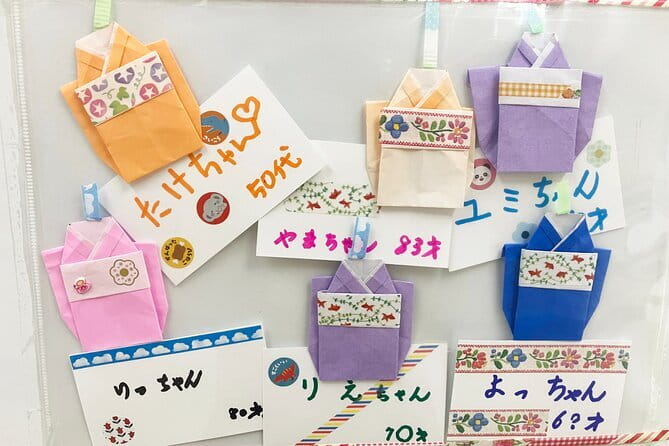
The clever idea here is simple: you turn a flat sheet of paper into a tiny Japanese kimono, complete with a shaped back and useful pockets. Instructor Hiroko teaches each fold slowly, so even a first-time folder can keep up. I like the practice round and the choice of patterned paper. I also like that the finished piece can hold a coin, a note, or a small gift.
The main consideration is that this is a craft lesson, not a sightseeing tour. Some folds can be tricky at first, and the class may feel slow if you already know origami. The meeting point is near Abeno Station, but you still pay your own transport costs.
Key points before you book
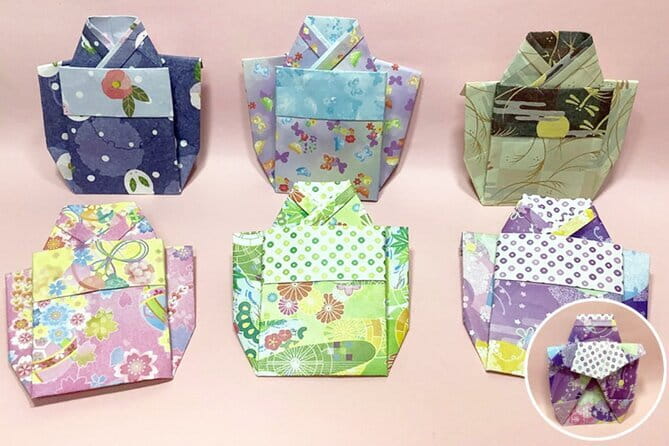
- A miniature kimono with a useful design: The finished origami has pockets, and the back includes a small sash detail.
- A gentle first lesson: You practice once before using the final patterned paper.
- A private activity: Only your own group takes part, which makes it easier to ask questions.
- A good Osaka location: Abeno Harukas, Tsutenkaku Tower, and Tennoji Zoo are nearby.
- A souvenir that keeps teaching: You receive a folding diagram and a QR code for a video.
- A 90-minute indoor break: This works well between sightseeing stops, especially for families and small children.
Folding a kimono from a single sheet
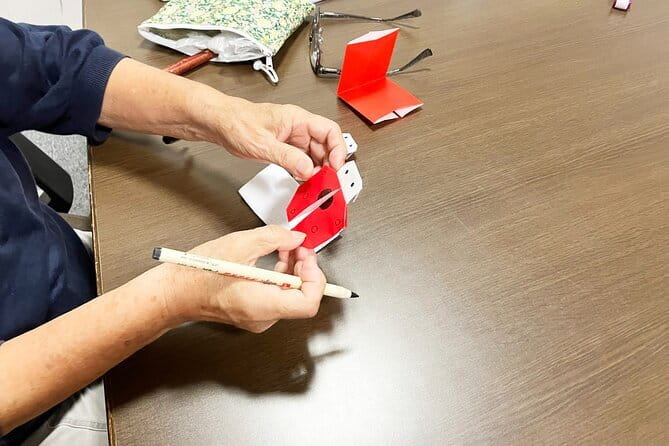
This Osaka activity takes a familiar Japanese craft and gives it a clear destination. Instead of folding an abstract animal or geometric shape, you create a miniature kimono with a recognizable front, back, sleeves, and belt-like detail.
That makes the finished work feel more personal than an ordinary paper souvenir. You can display it, give it to someone, or use its pockets for a coin, a short note, or another tiny gift. The design is the instructor’s own work, so this is not simply a standard origami lesson pulled from a common book.
You start with a practice sheet. Hiroko folds along with you and helps you learn the basic sequence before you handle the final paper. That first attempt matters. It gives you a chance to understand the order of the folds without worrying about spoiling the patterned sheet you want to keep.
The final kimono uses beautiful patterned origami paper. The design you choose becomes part of the finished object, so paper selection is one of the small pleasures of the lesson. If you have extra time, you can choose from 20 traditional works, giving you more choice than a single fixed model.
More kimono experiences in Osaka:
- Osaka: Sumo Show & Experience w/ Optional Kimono & Hot Pot
★ 4.5 · 609 reviews - Learning Zen of Japanese Calligraphy in kimono near Osaka Castle
★ 4.5 · 53 reviews - Osaka: Kimono or Yukata Rental &Photos Service Options
★ 4.9 · 25 reviews
Meeting Hiroko near Abeno Station
The meeting point is at the bottom of the stairs at Abeno Station Exit 7. The station is on the Osaka Metro Tanimachi Line, and the address is in the Abeno area of Osaka.
You are met there with an origami sign, then walk with the instructor to the classroom. This arrangement is helpful in a busy city. You do not have to search for an unfamiliar classroom on your own, though you should still allow enough time to reach Exit 7.
The building is a general facility with several stores. That is useful to know because the destination is not presented as a detached craft studio with a large street presence. Keep the meeting instructions handy on your phone and look for the origami sign at the station.
The activity is listed with pickup offered, but the detailed meeting instructions direct you to Abeno Station Exit 7. Traveling expenses are not included, so budget for your own journey to the station.
The 90-minute lesson, step by step
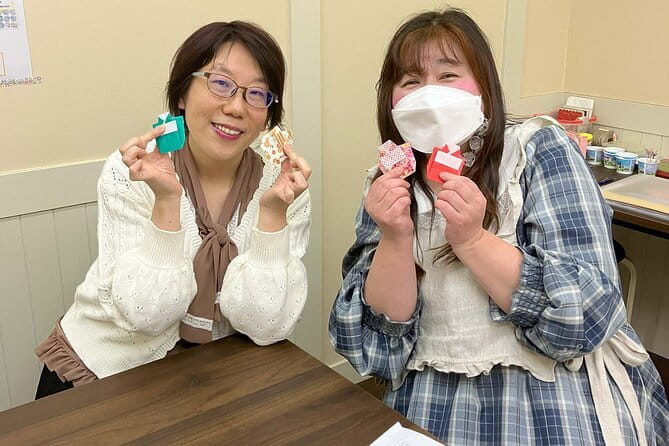
Once you reach the classroom, you choose a seat at the table. You then select your origami paper. This is a relaxed start, with no need to begin folding the most difficult model immediately.
The first folding session is practice. You and Hiroko fold together using a regular sheet, getting used to the sequence and the way the paper must be positioned. This is especially helpful for children and adults who have not folded origami before.
The second stage is the real kimono. You use a patterned sheet and repeat the process with more care. Some people may finish quickly, while others need the instructor to repeat a fold or explain the direction again. The teaching style is patient and clear, and the private format means you do not have to worry about holding up a large class.
The finished figure is small and detailed. The back has a cute sash-like feature, and the pockets give the piece a practical touch. The design can look difficult during the middle of the process, but the lesson breaks it into manageable steps.
The official duration is about one hour and 30 minutes. Some past participants needed close to two hours, which suggests that the pace can stretch when you make several pieces or need extra instruction. Treat the published time as a guide rather than a hard promise if you have another fixed booking afterward.
Why the private format matters
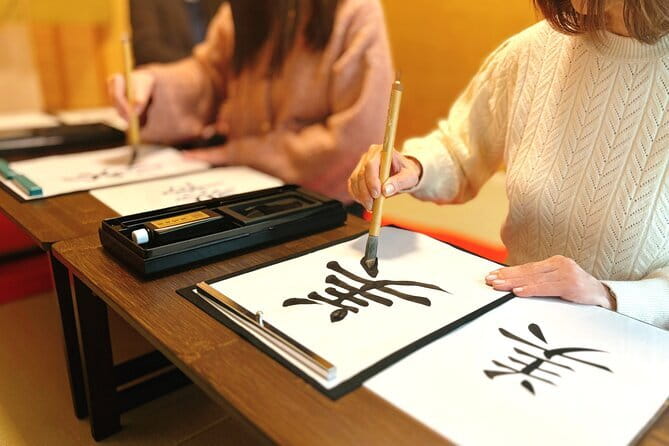
This is a private activity, so only your group participates. That is a strong advantage for a family, a couple, or friends who want to work at their own pace.
Origami depends on small visual details. A fold that is slightly off can affect the next step, and the problem may not be obvious until later. In a private class, you can ask Hiroko to show the fold again without feeling self-conscious.
The format also helps families with different skill levels. One person can work slowly while another moves ahead. Small children can join, although an adult may need to help them handle the paper and follow the sequence.
The private setup does not mean the lesson is entirely self-directed. You receive guided instruction from start to finish, beginning with practice and ending with the patterned kimono. If you like quiet, hands-on activities more than fast group entertainment, this should suit you well.
Same city, a completely different kind of afternoon:
- Osaka Go Karting Tour with Funny Costume
★ 5.0 · 2,658 reviews - Osaka Castle: Museum and Tower Entry Ticket
★ 4.5 · 2,380 reviews - Osaka: Shinsekai Food Tour with 13-15 Dishes at 5 Eateries
★ 4.8 · 2,204 reviews - Osaka Food Tour: 13 Dishes at 5 Local Eateries
★ 5.0 · 2,149 reviews
The finished kimono is more than a display piece

The miniature kimono has an unusual feature: pockets. You can place a coin, a small note, or another tiny item inside. That makes it suitable as a small present, particularly if you add a personal message or use it to hold a little gift.
The back detail is another reason to look at the finished work from all sides. The kimono is not designed only for a front view. Its sash-like back gives it the look of a miniature garment, and the pattern of the paper adds color without requiring paint or extra decoration.
You can also make several kimonos if time allows. The lesson is not limited to completing one piece and leaving immediately. The 20 traditional works give you additional designs to consider, although the exact number you can make depends on your pace and the time available.
The take-home materials add lasting value. You receive a QR code for a video and a folding diagram, so you can try the design again at home. This is useful if your first piece is a little uneven. You can practice with ordinary paper later, then make another kimono with a favorite pattern.
A convenient stop in southern Osaka

Abeno is a practical base for this activity because several popular sights are close by. Abeno Harukas, Osaka’s tallest building, is nearby, as are Tsutenkaku Tower and Tennoji Zoo.
That makes the class easy to pair with a day in southern Osaka. You could schedule it between city sights, use it as an indoor break, or place it after a morning at Tennoji Zoo. The craft itself is calm and seated, so it gives you a change of pace from walking, shopping, and tower visits.
The location is also part of the value. At $65.32 per person, you are paying for guided instruction, materials, a private session, and a souvenir you can take home. That is more than the cost of buying origami paper and watching a free online folding video. The difference is the direct teaching, the original kimono design, and the chance to finish the piece under supervision.
I would consider the price reasonable for someone who wants a personal cultural activity rather than a general craft table. It is less compelling if you only want inexpensive paper supplies or already know how to fold complex origami.
Who will enjoy this most

This is a good choice for first-time origami folders. The practice model takes away some of the pressure, and the instructor repeats the process as needed.
It also fits families well. Children can take part, and the completed kimono gives them something tangible to keep. The activity is not dependent on long explanations about Japanese culture, so younger participants can focus on the making.
Couples and small groups may like the private setting. You can compare paper choices, help each other with difficult folds, and leave with matching or contrasting miniature kimonos.
The experience is less suitable if you dislike careful handwork or want a tour filled with movement and sightseeing commentary. The class asks for patience. Even with clear instruction, the paper may not cooperate on the first attempt.
Language support is not described in detail, so if you need a particular language, check before booking. The available information does show that the teaching is designed to be easy to understand and that questions are welcomed.
Practical details that affect your day
The price is $65.32 per person. Group discounts are available, which may improve the value for friends or a family booking together. The activity accepts a mobile ticket.
Confirmation is sent within 48 hours of booking, subject to availability. Plan ahead if your Osaka schedule is tight, especially since this experience is commonly booked well in advance, on average about 155 days before the date.
Free cancellation is available up to 24 hours before the local start time. Canceling within 24 hours, or changing the booking that late, does not qualify for a refund.
Service animals are allowed, and the meeting point is near public transportation. Most people can participate. Since you sit at a table and work with paper, the main practical question is whether you are comfortable with the hand movements and concentration the folding requires.
Should you book this Osaka origami class?
Book it if you want a small, personal souvenir and enjoy learning by doing. The combination of a private lesson, patient guidance from Hiroko, patterned paper, and take-home instructions gives the activity more substance than a quick paper craft.
I especially recommend it for families, couples, and anyone who wants a quiet break near Abeno, Tennoji, or Tsutenkaku. The pockets and back sash make the finished kimono unusually charming, and the design is useful enough to turn into a gift.
Skip it if you are looking for a major Osaka attraction, a broad cultural lecture, or a low-cost drop-in activity. At $65.32, the value depends on wanting instruction and a finished handmade keepsake. For the right kind of visitor, this is a memorable way to spend 90 minutes and take a small piece of Osaka creativity home.
FAQ
Where does the activity begin?
You meet at the bottom of the stairs at Abeno Station Exit 7 in Osaka. The meeting address is in Abeno, Osaka 545-0052.
How long does the origami kimono experience last?
The scheduled duration is approximately one hour and 30 minutes. The session can take longer if you need extra instruction or make more than one kimono.
What is included in the price?
The tools and materials needed for the activity are included. Your travel expenses to the meeting point are not included.
Is the activity private?
Yes. Only your own group participates in the activity.
Can beginners and children take part?
Yes. Beginners and small children can participate. The lesson starts with a practice folding session before you make the final patterned kimono.
Do I take anything home after the class?
Yes. You take home the origami kimono you make, along with a QR code for a folding video and a folding diagram. You can also use the kimono as a small holder for a coin, note, or gift.
Can I cancel for a refund?
You can cancel at least 24 hours before the local start time for a full refund. Cancellations or changes made within 24 hours are not refunded or accepted.
Just added in Osaka
- Urban Canvas: Osaka Street Art Bike Tour★ 5.0 · 10 reviews
- Anime Cosplay Photshoot-50 Digital Photos Provided★ 5.0 · 8 reviews
- TeamLab Botanical Garden Osaka Ticket★ 3.5 · 6 reviews
- Umeda Sky Building & Kuchu Teien Observatory Ticket in Osaka★ 4.5 · 3 reviews
- Immerse in Judo Martial Arts Class from Japan★ 5.0 · 4 reviews
- Cherry Blossom Buddha and Mt.Yoshino with Strawberry Picking Tour★ 4.5 · 5 reviews
- Traditional Home cooking Experience in Osaka, Japan★ 5.0 · 14 reviews
- Traditional Calligraphy Experience near Dotonbori★ 5.0 · 3 reviews
Osaka Kimono Experiences, compared.
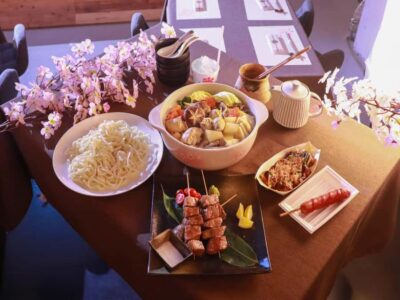
Sumo Show & Experience w/ Optional Kimono & Hot Pot
Read our review →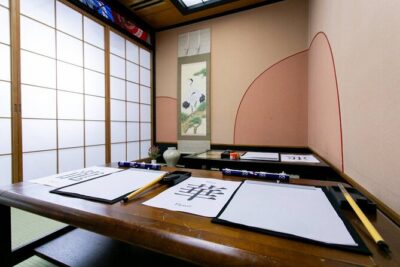
Learning Zen of Japanese Calligraphy in kimono near Osaka Castle
Read our review →


Premium Kimono Dressing, Tea Ceremony, Calligraphy, Samurai show
Read our review →
Osaka Kimono Experience – Quick Traditional Dress & Photos
Read our review →

Browse the lists this tour appears in