
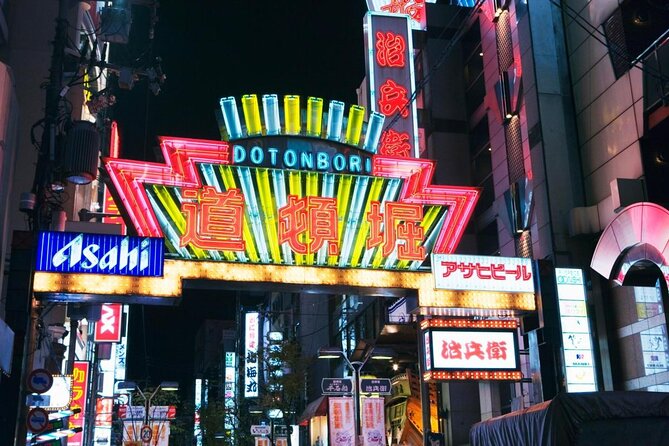
Reviewed · DOTONBORI TOURS
Sushi Class in Osaka Dotonbori
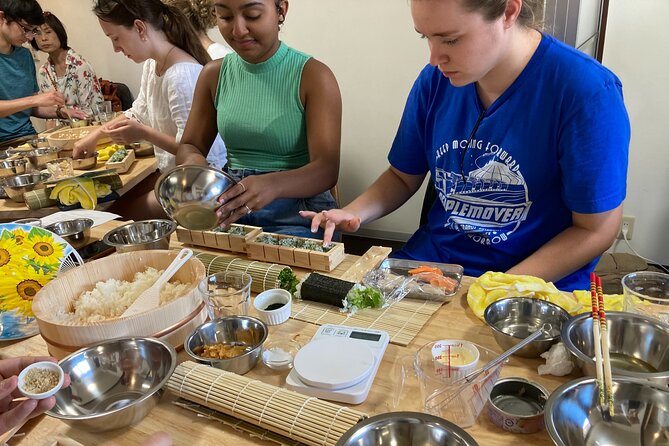
The best part of this Osaka cooking class is that you do not just watch someone make sushi. You shape three different styles yourself, then sit down to eat the results with miso soup. The menu moves from a familiar salad roll to delicate nigiri and traditional Kansai-style pressed sushi.
I like the small maximum of eight people, which gives the instructors room to correct your technique and answer questions. I also like the practical setup: ingredients are prepared, an apron is supplied, and the class is friendly to beginners, solo participants, families, and vegetarians. The main drawback is finding Room 807 inside Masters Residence Dotonbori I, since map apps have sent some people to the building across the street.
Key points to know before booking
- Three sushi styles in one class: Make a salad roll, nigiri, and Osaka-style oshizushi.
- A real hands-on lesson: You take part in the assembly instead of simply watching a demonstration.
- Small class size: The group is capped at eight people, so help is close at hand.
- A filling finish: Eat your handmade sushi with miso soup at the end.
- Dietary requests are possible: Vegetarian versions with or without eggs, plus gluten-free options, must be requested when booking.
- Allow extra arrival time: The activity begins at 9:30 am in Room 807, and the building entrance can be easy to miss.
Making Osaka sushi in a small Dotonbori room
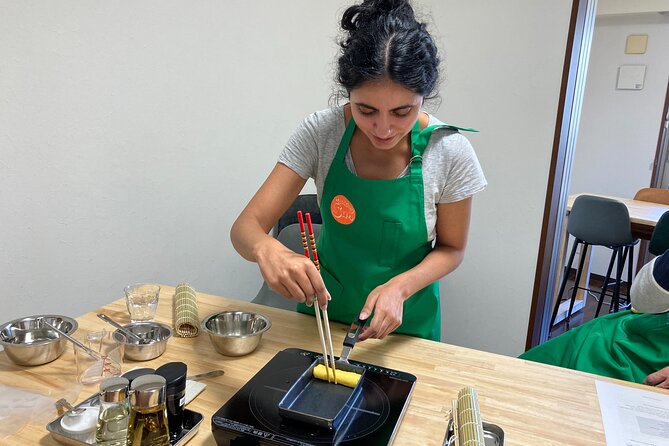
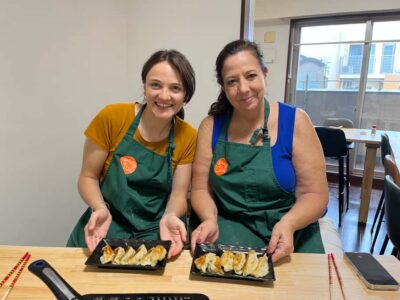
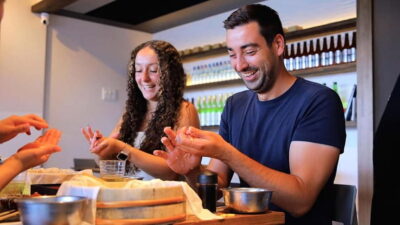
Cooking Sun’s sushi class gives you a useful look at Japanese food from the inside. You begin with a demonstration, then work through the recipes with an instructor guiding your hands and explaining the purpose of each step.
The class lasts about three hours. That is long enough to learn several techniques without turning the morning into a full professional cooking course. You also finish with a proper meal, which makes the $71.16 price easier to judge. You are paying for instruction, prepared ingredients, equipment, and lunch, not just a quick roll-making activity.
The group limit of eight matters here. Sushi can feel fussy when you first handle vinegared rice, nori, fillings, and raw or prepared toppings. In a large class, you might spend half the session trying to catch the teacher’s attention. With this smaller format, the instructor can slow down, repeat a motion, and help if your rice shape starts to wander.
The teaching style appears suited to beginners. Instructions are given step by step, and English communication has been clear enough for people to ask questions about sushi, Japanese food customs, and regional differences. I would not book this expecting advanced chef training, but you should leave with methods you can repeat at home.
More Dotonbori walks and food stops:
- Osaka Local Foodie Walking Tour in Dotonbori and Shinsekai
★ 5.0 · 985 reviews - Osaka: Dotonbori District River Cruise with Drink Discount
★ 4.2 · 876 reviews - Ultimate Osaka Walking Tour: Castle, Dotonbori & Hidden Gems
★ 5.0 · 862 reviews
Starting with a colorful salad roll
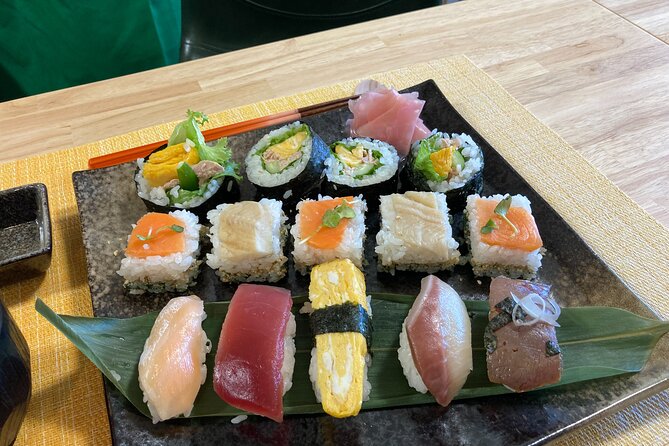
The first sushi is a salad roll, a forgiving place to begin. The filling includes crab-flavored kamaboko, lettuce, cucumber, avocado, tuna mixed with mayonnaise, and tamagoyaki, or Japanese rolled omelet. Nori wraps around the ingredients and rice to form the roll.
This is not a minimalist sushi course built only around raw fish. The mix of creamy, crisp, sweet, and savory fillings gives you several textures to manage at once. The tuna mayonnaise and avocado also make this an approachable option for people who are still getting used to Japanese seafood.
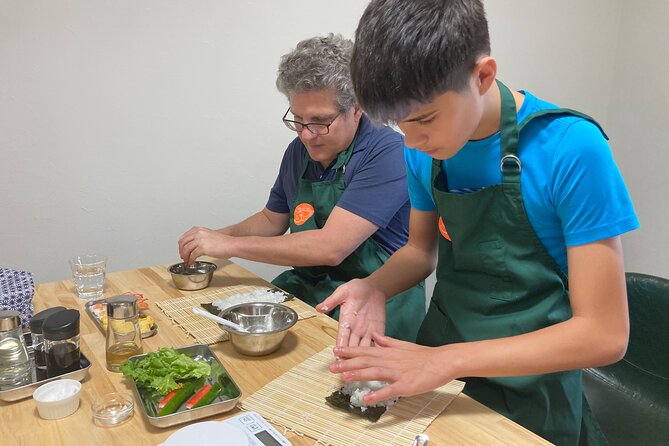
The key lesson is control. You learn how much rice to use, where to place the fillings, and how to roll without pushing everything out the far side. Your first roll may not look like one from a sushi counter, but that is part of the fun. You can see exactly how pressure and filling size affect the final shape.
Families may find this the easiest part for younger participants. One class included a 12-year-old who enjoyed learning the egg roll and taking photographs during the process. Children can take part, but the adults in the group should still expect a structured cooking lesson rather than a casual craft activity.
Shaping nigiri by hand
Nigiri is the most recognizable technique on the menu. It consists of a small piece of vinegared rice topped with fish, shellfish, omelet, or another sushi ingredient.
This part looks simple until you try it. The rice must hold together without becoming a heavy block, and the portion needs to be small enough to eat comfortably. You will get help with the amount of rice and the way to shape it in your palm.
Nigiri also gives the instructor a chance to explain the difference between sushi rice and ordinary cooked rice. The rice is seasoned with vinegar and must be handled gently. Too much pressure makes it dense. Too little leaves it falling apart before it reaches the plate.
I like this part because the lesson carries beyond Osaka. Once you understand the rice texture and basic hand shape, you have a foundation for making simple nigiri at home. The class is not only about assembling attractive food for one meal. It gives you a repeatable technique.
The exact ingredients can vary within the prepared menu, so you should not book this expecting a particular prized fish. The experience focuses on technique, variety, and the pleasure of making the food yourself.
Pressing Kansai-style oshizushi
Oshizushi is the most distinctive item in the class. It is a traditional Kansai form of sushi, closely linked with Osaka, where it is also known as box sushi.
Instead of shaping each piece by hand, you fill a square wooden frame with sushi rice and toppings. You then press the mixture so the rice holds to the ingredients. Once released from the mold, the sushi forms a neat square block, which you cut into pieces before eating.
This method gives you a useful regional contrast. Nigiri is shaped by hand. A salad roll is wrapped around a central filling. Oshizushi relies on a mold and steady pressure. In one meal, you see three different answers to the same basic problem: how to combine seasoned rice with toppings in a neat, portable form.
The pressed sushi is also a good reason to choose this class over a generic roll-making session. It connects your cooking lesson with Osaka’s food traditions rather than treating sushi as one single technique. You will need to press firmly enough for the block to hold, but not so hard that the rice becomes unpleasantly compact.
More sushi making classes in Osaka:
- Sushi Making Osaka Roll and Authentic Japanese Sushi Class
★ 5.0 · 1,220 reviews - Osaka Sushi Making Experience
★ 5.0 · 400 reviews - Osaka: Roll and Authentic Sushi Making Class in Dotonbori
★ 4.9 · 239 reviews - Osaka: Sushi Class in Dotonbori
★ 4.9 · 160 reviews
What makes the meal worthwhile
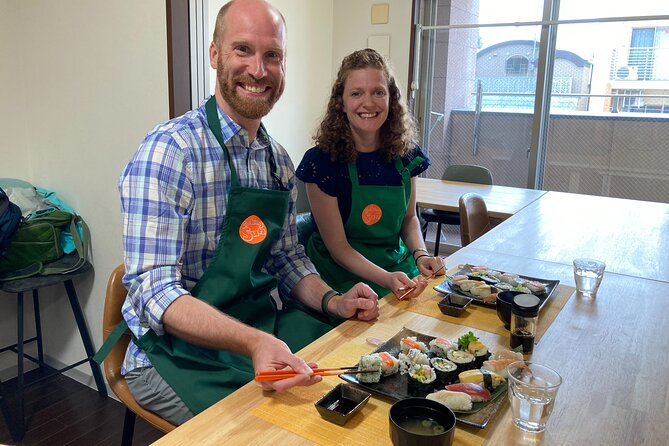
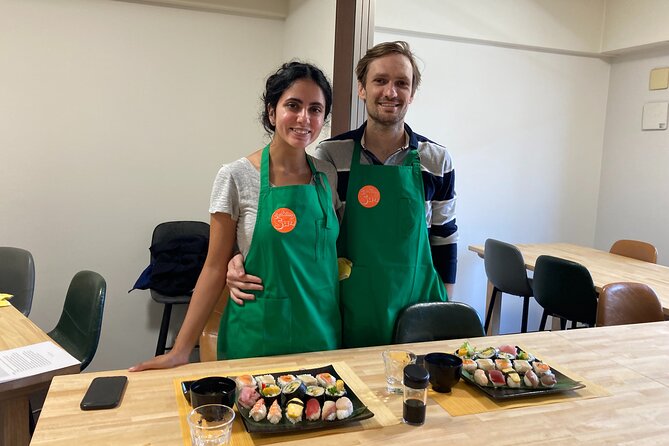
At the end, you eat the sushi you made, along with miso soup. This closing meal is more important than it sounds. You can compare the three styles side by side, see which technique worked best, and ask final questions while the lesson is still fresh.
The portions are described as filling, so this can function as lunch rather than a small tasting. That improves the value of the experience, especially for a morning class beginning at 9:30 am. You finish with food in your stomach and a set of techniques you can try again.
I also like the social side of eating your own work. A slightly uneven roll becomes part of the story. The meal gives you a reason to slow down, and it turns a cooking demonstration into something personal.
Food quality has been praised repeatedly, but you should keep expectations sensible. You are not dining at a high-end sushi counter, and this is not a market tour or a lesson in selecting fish. The appeal is the combination of fresh prepared ingredients, clear guidance, and the satisfaction of making lunch with your own hands.
Finding Cooking Sun in Masters Residence Dotonbori I
The meeting point is Cooking Sun at Masters Residence Dotonbori I, in Osaka’s Chuo Ward. The listed address is 2-9-14 Shimanouchi, Room 807, Osaka 542-0082.
This is the one logistical detail I would take seriously. The class is inside a residential-style building, not an obvious street-front cooking school. When you arrive, find the correct building, go to Room 807, press 807 on the intercom, and press the 呼出 call button so the staff can open the door.
Google Maps has directed some people to the building directly across the street. Look for the placard identifying Masters Residence Dotonbori I, and arrive early enough to sort this out. The activity starts at 9:30 am, and a few extra minutes can prevent a rushed entrance.
The location is near public transportation, and the activity returns to the same meeting point. You do not need to plan a separate transfer after the class, which is useful if you want to continue exploring Dotonbori or Namba afterward.
Dietary choices and practical limits
Vegetarians can request a version with eggs or one without eggs. Gluten-free arrangements are also available. These requests must be made when booking, not casually announced after the class starts, since the ingredients need to be prepared in advance.
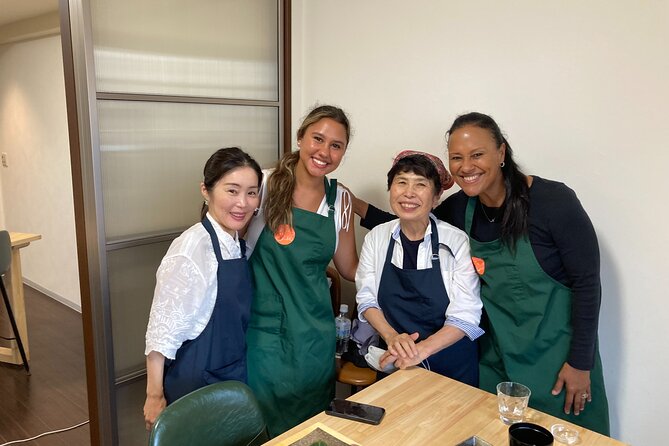
The activity is suitable for solo participants, couples, families, and people with some previous sushi experience. One instructor was able to give extra attention to a participant with physical difficulties, but the available information does not promise a fully adapted program. If you have specific mobility, food allergy, or handling needs, contact the provider before booking.
An apron is provided, and the ingredients are prepared for you. That keeps the class focused on sushi technique rather than shopping, chopping, or waiting for rice and fillings to be ready. It also makes the experience less demanding for children and first-time cooks.
The class is conducted with English support, and instructors explain Japanese food customs, sushi background, and regional differences. Some teaching styles may feel calm rather than theatrical. If you want a loud, highly animated cooking show, this may feel restrained. If you prefer time to listen, practice, and ask questions, the pace should suit you.
Is $71.16 a fair price?
At $71.16 per person, this is not the cheapest food activity in Osaka. The value depends on what you want from it.
For that price, you receive roughly three hours of instruction, an apron, prepared ingredients, a small-group setting, three sushi styles, and a meal with miso soup. You also get the chance to ask questions and receive corrections, something a self-guided food workshop may not offer.
The class is especially good value if you would otherwise spend money on both a cooking activity and lunch. It is less compelling if you only want to taste excellent sushi. In that case, a sushi restaurant gives you more refined preparation, while this class gives you the process and the memory.
The experience is often booked well ahead, with an average booking lead time of about 74 days. That suggests you should reserve early if your Osaka dates are fixed, particularly if you need a vegetarian or gluten-free arrangement.
Free cancellation is available until 24 hours before the 9:30 am start time for a full refund. Cancellations or changes inside that window are not accepted for a refund, so keep the local cut-off time in mind.
Who should book this Osaka sushi class?
I would choose this class if you want an active morning in Dotonbori and like the idea of eating what you make. It suits beginners especially well, but people with some kitchen experience can still ask more detailed questions and refine their hand movements.
It is a strong choice for couples, families with older children, and solo participants. The small group makes solo attendance comfortable, and the finished meal gives you a natural way to connect with the rest of the class without needing a large group.
You should think twice if you want a market visit, a lesson in buying raw fish, or a long session devoted to knife skills. None of those is the focus. You will be assembling prepared ingredients and learning three sushi formats.
Should you book it?
Book it if you want a friendly, hands-on introduction to Osaka food culture, especially if pressed sushi is new to you. The three formats, small group, patient instruction, and filling final meal make this more useful than a quick roll-making photo opportunity.
Skip it if your priority is eating restaurant-grade sushi rather than learning to prepare it. Also plan carefully for the Room 807 entrance, and request dietary changes at the time of booking.
For most visitors who have three free morning hours and a reasonable interest in Japanese food, this is a practical, enjoyable way to leave Osaka with more than a full stomach. You leave knowing how salad rolls, nigiri, and Kansai-style oshizushi are made, and you may find yourself shopping for sushi ingredients before the trip is over.
FAQ
How long does the sushi class last?
The class lasts approximately three hours and begins at 9:30 am.
Where does the class meet?
It meets at Cooking Sun in Masters Residence Dotonbori I, Room 807, at 2-9-14 Shimanouchi, Chuo Ward, Osaka 542-0082.
How do I enter Room 807?
Press 807 on the intercom, then press the 呼出 call button so the staff can open the door.
What types of sushi will I make?
You will make a salad roll, nigiri, and oshizushi, which is traditional pressed or box sushi from the Kansai region.
Are vegetarian or gluten-free options available?
Yes. Vegetarian versions with eggs or without eggs, along with gluten-free options, are available if requested when booking.
What happens at the end of the class?
The activity ends back at the meeting point, where you eat the sushi you prepared along with miso soup.
More Workshops in Osaka
- Matcha Making Class in Osaka with Authentic Japanese Sweets Set
★ 5.0 · 509 reviews - Osaka: Ramen and Gyoza Cooking Class in Dotonbori
★ 5.0 · 378 reviews - Osaka Cooking Class: Okonomiyaki &Japanese cuisines experience
★ 5.0 · 261 reviews - Ramen and Gyoza Cooking Class in Osaka
★ 5.0 · 202 reviews
Just added in Osaka
- Urban Canvas: Osaka Street Art Bike Tour★ 5.0 · 10 reviews
- Anime Cosplay Photshoot-50 Digital Photos Provided★ 5.0 · 8 reviews
- TeamLab Botanical Garden Osaka Ticket★ 3.5 · 6 reviews
- Umeda Sky Building & Kuchu Teien Observatory Ticket in Osaka★ 4.5 · 3 reviews
- Immerse in Judo Martial Arts Class from Japan★ 5.0 · 4 reviews
- Cherry Blossom Buddha and Mt.Yoshino with Strawberry Picking Tour★ 4.5 · 5 reviews
- Traditional Home cooking Experience in Osaka, Japan★ 5.0 · 14 reviews
- Traditional Calligraphy Experience near Dotonbori★ 5.0 · 3 reviews
Dotonbori Tours, compared.
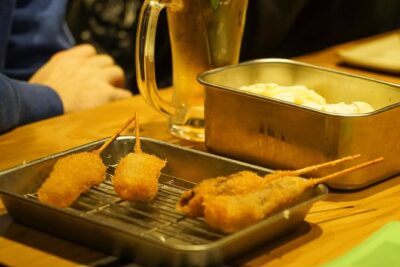
Osaka Local Foodie Walking Tour in Dotonbori and Shinsekai
Read our review →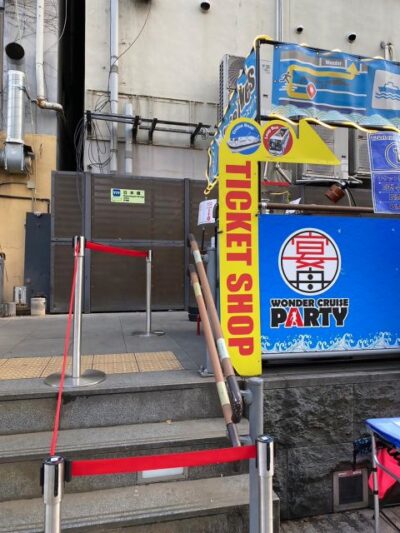
Dotonbori District River Cruise with Drink Discount
Read our review →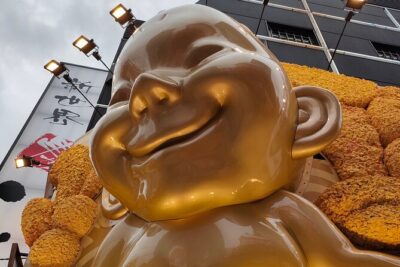
Ultimate Osaka Walking Tour: Castle, Dotonbori & Hidden Gems
Read our review →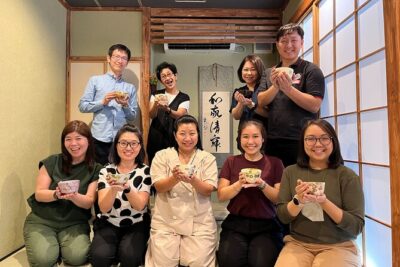
Roll and Authentic Sushi Making Class in Dotonbori
Read our review →
Osaka Local Bar Crawl in Dotombori & Uranamba Area
Read our review →
Browse the lists this tour appears in