
Reviewed · OSAKA CASTLE TOURS
Ramen-Making Experience in the Osaka Castle Area with Souvenir
Making ramen from flour, broth, and a few well-timed steps is far more satisfying than simply ordering a bowl. In this small-group class near Osaka Castle, you make the noodles, prepare chicken chashu, and choose the soup that finishes your meal.
I like the hands-on format and the choice of tonkotsu, shoyu, or miso. I also like the setting, with Japanese decorations and a more than 100-year-old glass entrance door. The main consideration is price: at $85.39 per person, this costs more than a casual ramen lunch, so the value comes from the instruction, meal, souvenir, and cooking time.
Key Points at a Glance
- Make noodles from Japanese ramen flour: You mix and shape your own fresh noodles rather than watching a chef do all the work.
- Choose your soup style: Pick tonkotsu, shoyu, or miso, each based on a recipe from a well-known ramen shop.
- Prepare chicken chashu: You simmer chicken in the studio’s original broth and make your own topping.
- Keep the group small: The class has a maximum of eight people, allowing room for questions and personal help.
- Fit it around Osaka sightseeing: Morning and late afternoon classes work well before or after Osaka Castle.
- Take home a souvenir: The class ends with a Japanese gift, adding something tangible beyond the meal.
Fresh Ramen Near Osaka Castle
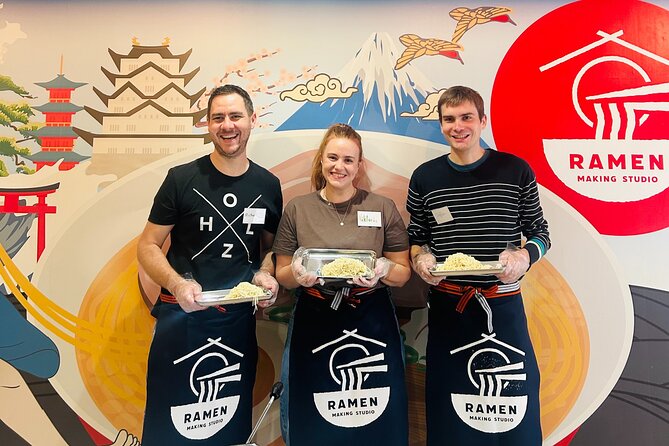
This is not a demonstration where you sit at a counter and watch someone else cook. You work through the key stages yourself, with an English-speaking instructor explaining what to do and answering questions as they come up.
The class lasts about two hours. That is enough time to make the food without turning the lesson into a long cooking seminar. You leave with a meal you prepared yourself, plus a souvenir from the studio.
The location is handy for a day in northern Osaka. The studio is about a 20-minute walk from Osaka Castle, and three stations are within roughly five to ten minutes on foot:
- Tenmabashi Station, Exit 13, about 10 minutes
- Minamimorimachi Station, Exit 6, about 10 minutes
- Osaka Temmangu Station, Exit 7, about five minutes
From the studio, Umeda Sky Building and Namba are both about 20 to 30 minutes away by train. You can place the class before a visit to the castle, after sightseeing around the castle park, or during a wider day in central Osaka.
The meeting point is at 1-chome 4, Higashitenma, Kita Ward, Osaka, postal code 530-0044. Since the studio is reached through a neighborhood rather than a major tourist entrance, allow time to find the exact building and arrive ready to start.
More ways to see Osaka Castle:
- Osaka Castle: Museum and Tower Entry Ticket
★ 4.5 · 2,380 reviews - Osaka Castle Walking Tour and Castle Tower Admission
★ 5.0 · 561 reviews - 5-Hour Osaka Bike Tour to the Neighborhood of Osaka Castle
★ 5.0 · 319 reviews
Kneading and Shaping Your Own Noodles

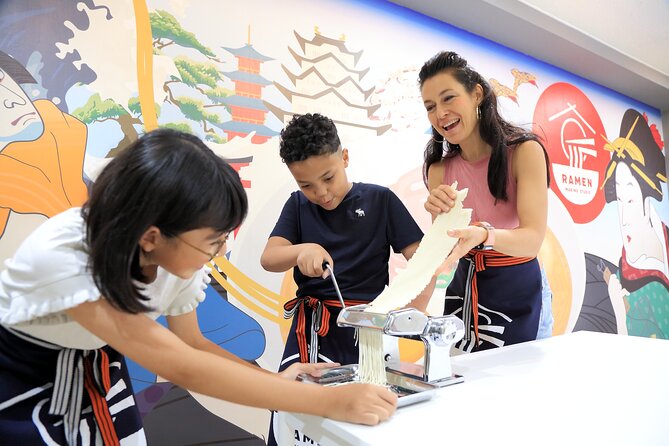
The first major task is noodle making. You use Japanese wheat flour made especially for ramen and turn it into your own noodles under the instructor’s guidance.
That detail matters. Fresh noodles have a different texture from dried noodles, and the class lets you see how the flour and preparation affect the finished bowl. The result is described as chewy, which is one of the qualities that makes ramen so appealing.
You do not need professional cooking skills. The class is open to all skill levels, and the hands-on approach is suitable for families as well as adults who simply want a practical food experience.
I would especially recommend this part for anyone who likes to understand how a familiar dish is built. You get a clearer sense of ramen as a process, not just a finished product. You also have something useful to remember after the class, since the techniques may encourage you to try making ramen at home.
The class is not advertised as a full recipe workshop for every element of ramen, so you should not expect to leave with a complete restaurant manual. Its strength is the guided experience: making fresh noodles, preparing the topping, and bringing the elements together into one bowl.
Three Soup Choices, Three Different Bowls
After working on the noodles, you choose one of three soup bases:
- Tonkotsu: A creamy, pork-bone-style ramen broth in the classic ramen tradition.
- Shoyu: A soy sauce-based soup with a more savory, direct flavor.
- Miso: A fuller, fermented soybean-based option with a hearty taste.
The exact recipes are described as secret recipes based on those used by well-known ramen shops. You should think of the choice as a way to match the bowl to your own taste, not as a formal tasting flight. Each person chooses a favorite flavor rather than sampling all three.
That freedom is useful in a mixed group. One person may prefer the deep, creamy character of tonkotsu, while another may want the salty soy flavor of shoyu or the stronger body of miso. Families do not have to agree on one soup for the whole table.
The soup-making stage also gives the class more substance than a simple noodle workshop. You are not just shaping pasta-like strands and taking a photo. You are learning how the broth sets the character of the final dish.
Still, the $85.39 price means you should value the process as much as the meal. If you want only a great bowl of ramen, Osaka offers cheaper options. If you want to learn, cook, ask questions, and eat what you made, the cost becomes easier to justify.
Chicken Chashu and the Final Bowl
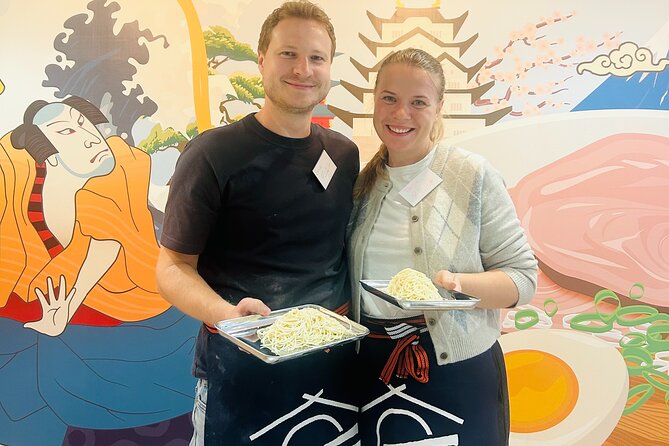
The topping here is chicken chashu. You prepare tender chicken by simmering it in the studio’s original broth, then use it to finish your ramen.
That is a useful point to note before booking. Many diners associate chashu with pork, but this experience specifically teaches you to make chicken chashu. If you enjoy chicken or want a lighter alternative to traditional pork toppings, that will be a plus. If you booked mainly to learn classic pork chashu, this class may not match your expectations.
The chicken preparation adds another cooking skill to the lesson. You see how simmering and broth help produce a tender topping with flavor that fits the soup. Together with the noodles and broth, it creates a complete meal rather than a single isolated technique.
The food is also the payoff for the work. You sit down to eat a bowl assembled from ingredients you helped prepare. That gives the meal a personal edge, especially for children or first-time cooks who may be more interested in eating something they made themselves.
More ramen and gyoza classes in Osaka:
- Osaka: Five Must-See Highlights Walking Tour & Ramen Lunch
★ 4.7 · 411 reviews - Osaka: Ramen and Gyoza Cooking Class in Dotonbori
★ 5.0 · 378 reviews - Ramen and Gyoza Cooking Class in Osaka
★ 5.0 · 202 reviews - Walking Tour of Osaka’s 5 Must-See Sights, with Ramen for Lunch
★ 5.0 · 158 reviews
A Studio With More Than a Kitchen
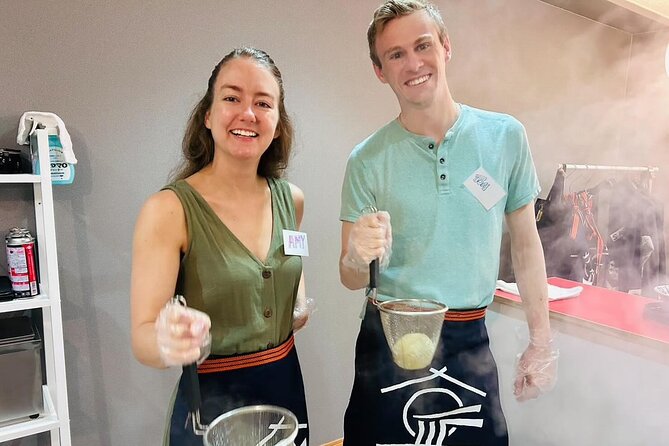
The studio is designed to be part cooking school and part cultural setting. Its walls carry ramen and Japanese motifs, giving you a colorful background for photos during the class.
The most unusual feature is the entrance glass door. It was made more than 100 years ago using a technique that no longer exists. That small architectural detail gives the visit a sense of place that a plain modern cooking room would not provide.
Inside, you will also find objects connected with Japanese culture. The staff introduce some of these items as part of the visit, so the class has an educational side beyond food preparation.
This setting matters because the experience is not only about copying a recipe. You get a short look at the food, design, and everyday cultural details that frame ramen in Japan. The cultural material does not replace the cooking, though. The food remains the main event.
The studio is also described as spotlessly clean in the available feedback, which is reassuring for a food activity involving flour, broth, and shared work surfaces. Staff are praised for being friendly, professional, kind, and able to speak English clearly. Those qualities matter when instructions need to be understood quickly.
Why the Small Group Matters
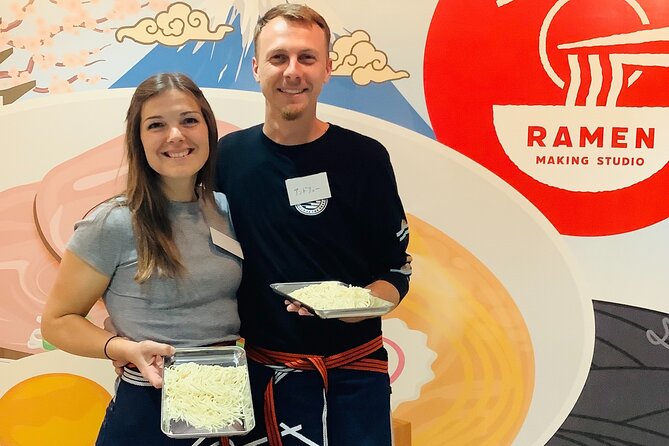
The class accepts no more than eight people. That is a useful limit for a practical lesson. You have a better chance to see each step, get help when needed, and ask questions without shouting across a crowded room.
The instructor’s role is active but not overbearing. The teaching style is described as a good balance of interaction and information. You can expect guidance during the process, while still doing the cooking yourself.
English instruction is one of the strongest reasons to choose this experience. You can ask about the noodles, broth, or cooking method in real time rather than trying to follow a silent demonstration.
The class also works well for families. Children who enjoy making things with their hands should find the noodle process engaging, while adults may appreciate the food background and cooking tips. You should still consider your child’s ability to follow kitchen instructions, since the supplied information confirms that the activity is family-friendly but does not give a minimum age.
The small group does not guarantee a private class. Other people may book the same session, with the total capped at eight. That setup keeps the atmosphere personal without promising one-on-one teaching.
Timing the Class Around Your Osaka Day
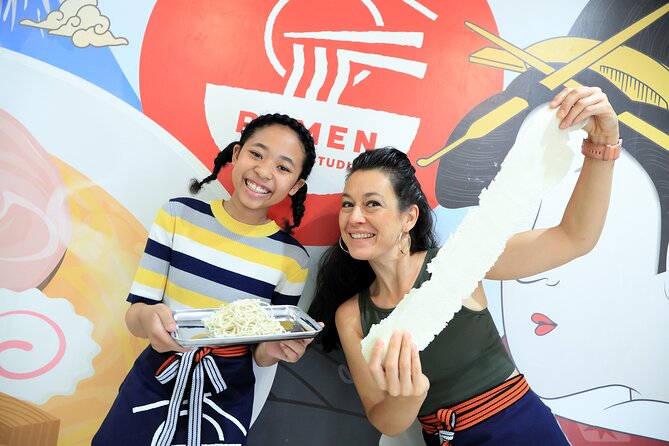
Morning and late afternoon sessions are available. This makes the activity easy to pair with other sightseeing.
A morning booking could work before a day around Osaka Castle, followed by a walk of about 20 minutes to the castle area. A late afternoon class could fit after sightseeing, with dinner already handled before you continue toward Umeda or Namba.
The class itself takes about two hours, but you should add travel time from the station and time to locate the entrance. Osaka Temmangu Station is the closest of the listed stations at about five minutes on foot, while Tenmabashi and Minamimorimachi take about ten minutes.
The nearby stations also give you flexibility if your day changes. Umeda Sky Building and Namba are roughly 20 to 30 minutes away by train, so the class can fit into a broader city plan rather than requiring a special full-day detour.
I would avoid booking this immediately before a tightly timed attraction. Cooking classes run on a set schedule, and arriving late could mean missing part of the instruction. The mobile ticket is convenient, but it does not remove the need to check the meeting address and local transport before leaving.
What the $85.39 Price Includes in Practical Terms
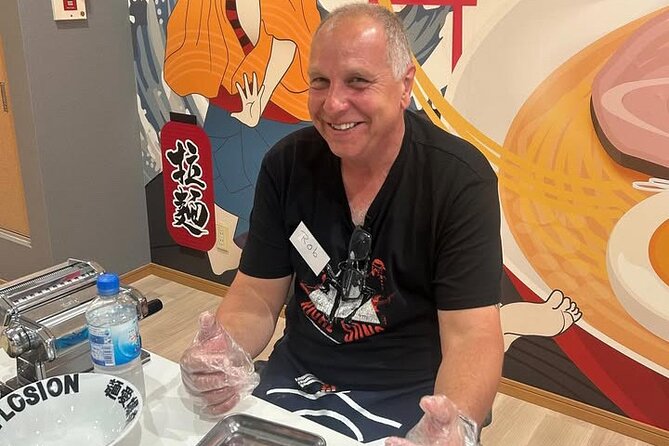
At $85.39 per person, this is a premium food activity. The meal itself will not cost that much in a neighborhood ramen shop, and you are paying more than you would for a basic Osaka lunch.
The price makes more sense when you count the full package:
- About two hours of guided cooking
- English-speaking instruction
- Fresh noodle preparation
- Chicken chashu preparation
- A choice of three soup bases
- The ramen meal you make
- A souvenir
- A small group capped at eight people
- A studio with cultural displays and a historic glass door
I like that the class gives you several active tasks instead of charging for a short photo stop. You are involved from noodles to soup and topping. That hands-on time is the main source of value.
I would book it if you want a food memory with structure and instruction. I would skip it if your main goal is simply to eat excellent ramen at the lowest possible cost. Osaka is full of cheaper bowls, and this class is about participation as much as flavor.
The full refund policy is straightforward. You can cancel at least 24 hours before the start time for a full refund. Cancellations or changes made less than 24 hours before the start time are not accepted for a refund.
Photos, Souvenir, and Small Practical Details
Staff may take photos and videos during the class for social media or advertising. If you do not want your image used, tell the staff before the experience begins. That is easy to handle, but it is worth remembering before the cooking starts.
At the end, you receive a Japanese souvenir. The exact item is not specified, so you should treat it as a pleasant extra rather than booking based on a particular gift.
The activity ends back at the meeting point. It is near public transport, and the mobile ticket should make entry simpler. Confirmation is provided when you book.
There is no separate accessibility information provided, so you should contact the provider if you need details about the kitchen setup, walking route, or access requirements.
Who Should Book This Ramen Class?
I would choose this experience for:
- First-time visitors who want a guided food activity in Osaka
- Families looking for something more active than a restaurant meal
- Ramen fans curious about fresh noodle preparation
- People who prefer English instruction
- Anyone staying near Osaka Castle, Umeda, or central Osaka
- Couples or friends who enjoy making and eating the same dish together
I would think twice if you dislike group activities, need a fully private lesson, or want to learn traditional pork chashu. The chicken topping is a clear feature of this class, not a minor detail.
The cooking is also better suited to people who enjoy a structured activity. You will be following instructions and working through several stages, not casually dropping into a tasting. That is a strength for some people and a drawback for others.
Should You Book the Osaka Ramen-Making Experience?
Book it if you want to make your own bowl from scratch, learn in English, and leave with both a meal and a souvenir. The small group, flexible morning or late afternoon timing, and location near Osaka Castle make it easy to fit into a city visit.
At $85.39, it is not a budget lunch. You are paying for guided participation, not just food. For a hands-on cultural activity with fresh noodles, chicken chashu, a choice of soup, and a capped group of eight, I consider it a fair choice for the right person.
Skip it if you only want a quick, inexpensive ramen meal. Choose it if the making is as important to you as the eating.
FAQ
How long does the ramen-making experience last?
The activity lasts approximately two hours.
Where does the class meet?
The meeting point is Japan, 530-0044 Osaka, Kita Ward, Higashitenma, 1-chome 4, Higashitenma Heights.
How far is the studio from Osaka Castle?
The studio is within walking distance of Osaka Castle, about 20 minutes away.
Which ramen soup bases can I choose?
You can choose tonkotsu, shoyu, or miso.
Is the class suitable for beginners and families?
Yes. The activity is family-friendly and open to all skill levels.
What happens if I need to cancel?
You can receive a full refund if you cancel at least 24 hours before the experience start time. Cancellations or changes made less than 24 hours before the start time are not accepted for a refund.
More Cooking Classes in Osaka
- Matcha Making Class in Osaka with Authentic Japanese Sweets Set
★ 5.0 · 509 reviews - Osaka Sushi Making Experience
★ 5.0 · 400 reviews - Osaka: Traditional Mochi Pounding Experience with Tasting
★ 4.9 · 306 reviews - Osaka Cooking Class: Okonomiyaki &Japanese cuisines experience
★ 5.0 · 261 reviews
Just added in Osaka
- Urban Canvas: Osaka Street Art Bike Tour★ 5.0 · 10 reviews
- Anime Cosplay Photshoot-50 Digital Photos Provided★ 5.0 · 8 reviews
- TeamLab Botanical Garden Osaka Ticket★ 3.5 · 6 reviews
- Cherry Blossom Buddha and Mt.Yoshino with Strawberry Picking Tour★ 4.5 · 5 reviews
- Umeda Sky Building & Kuchu Teien Observatory Ticket in Osaka★ 4.5 · 3 reviews
- Immerse in Judo Martial Arts Class from Japan★ 5.0 · 4 reviews
- Traditional Home cooking Experience in Osaka, Japan★ 5.0 · 14 reviews
- Traditional Calligraphy Experience near Dotonbori★ 5.0 · 3 reviews
Osaka Castle Tours, compared.
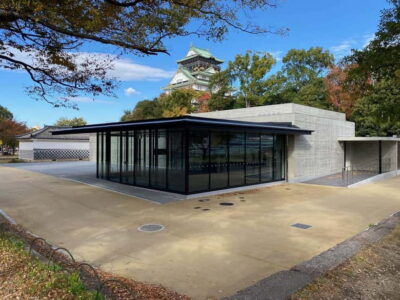

Osaka Castle Walking Tour and Castle Tower Admission
Read our review →
5-Hour Osaka Bike Tour to the Neighborhood of Osaka Castle
Read our review →


PRIVATE 6hr, Food tour from Osaka Castle, Kuromon, Dotonbori.
Read our review →
A Tour to Explore the Symbol of Osaka: Osaka Castle
Read our review →
Learning Zen of Japanese Calligraphy in kimono near Osaka Castle
Read our review →Browse the lists this tour appears in