
Reviewed · OSAKA COOKING CLASSES
Osaka Okonomiyaki Cooking Experience for Families & Groups
The best part of this Osaka activity is that you do not just eat okonomiyaki, you learn the flip, the sauce work, and the small choices that make this Japanese comfort food your own. Six daily toppings include vegetarian and seafood options, so you can build a plate that suits your group. I also like the colorful happi coats and the super ball scooping game, which give the 90-minute lesson a cheerful festival feel.
I like the clear English guidance and the fact that photos are sent to your phone, saving you from asking someone else to capture the tricky cooking moments. The $23 price is fair for a hands-on meal, a host-led lesson, a game, and a keepsake certificate, though extra drinks cost more and the activity may feel brief if you want a long, detailed cooking class.
Key points at a glance
- Cook on a real teppan: Learn the flipping technique on the same type of hot iron griddle used for this popular Japanese dish.
- Pick from six daily toppings: Vegetarian and seafood choices give you room to adjust the meal to your taste.
- Wear a happi coat: The festival-style jacket makes the cooking feel more like a local celebration than a standard food lesson.
- Keep digital memories: Photos from the activity are sent to your phone.
- Add a little friendly competition: Super ball scooping is included as a traditional Japanese festival game.
- Take home a title: An Okonomiyaki Master certificate gives children and families a simple souvenir of the experience.
Why this Osaka cooking class works for families
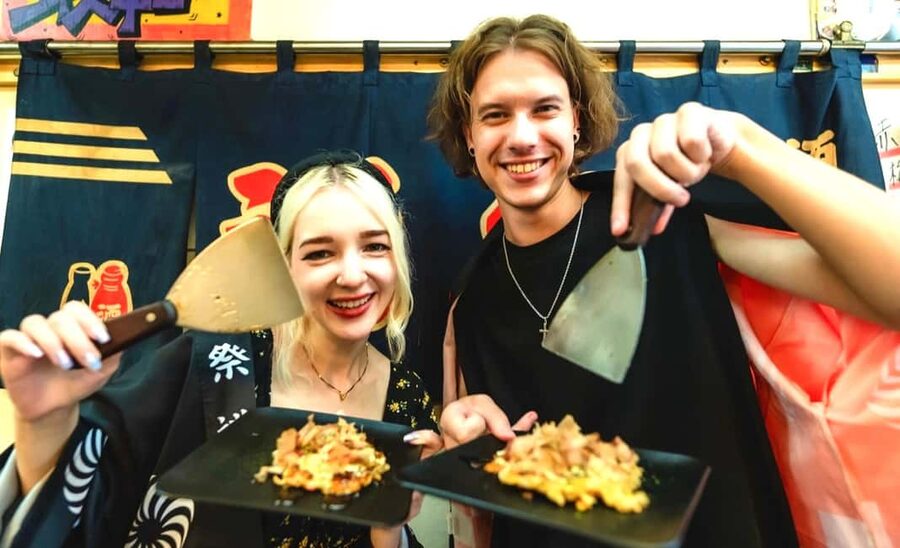
Okonomiyaki is a good first Japanese dish to learn because it is flexible, filling, and forgiving. You are not trying to produce a delicate pastry or a complex multi-course meal. You are working with a savory batter, toppings, sauces, and a hot griddle, then learning how to bring it all together.
That makes this a sensible choice for families with different appetites. A child can focus on the topping choices and the flipping trick, while an adult pays closer attention to heat and timing. The food is also familiar enough for cautious eaters, yet still gives you a useful introduction to a much-loved Japanese dish.
I especially like that the activity is not built around a lecture. You take part from the start. The host guides you in English, and the format keeps the focus on making, cooking, eating, and having fun. The instructor named in one account, Jailor, was praised for being a strong host, and another account described the guide as funny and positive throughout the session.
The mood matters here. The happi coat, festival game, and photo-taking turn the class into a small event. If you are visiting Osaka with children, that change of pace can be welcome after temples, shopping streets, and long train rides.
More okonomiyaki classes in Osaka:
- Osaka Cooking Class: Okonomiyaki &Japanese cuisines experience
★ 5.0 · 261 reviews - Cooking Ramen&Gyoza/KatsuCurry/Bento/Okonomiyaki+Store Tour@Osaka
★ 5.0 · 138 reviews - Osaka Okonomiyaki Cooking Experience!
★ 5.0 · 79 reviews
Arriving at the Family Mart meeting point
The meeting instructions use a Family Mart as a visual marker: once you arrive, look for the shop diagonally ahead to the left. That is useful in Osaka, where a simple landmark can save time on a busy street or in an unfamiliar neighborhood.
Give yourself enough time to find the point without rushing. The information provided does not name a train station, exact street address, or walking time, so you should check the final booking details carefully before setting out. The host guide speaks English, but arriving on time still makes the opening easier for everyone.
Once the group is gathered, expect the session to move quickly into the activity. This is not a tour with several sightseeing stops. The cooking area, the griddle, the food, and the festival elements are the main event.
Putting on the happi coat and choosing toppings
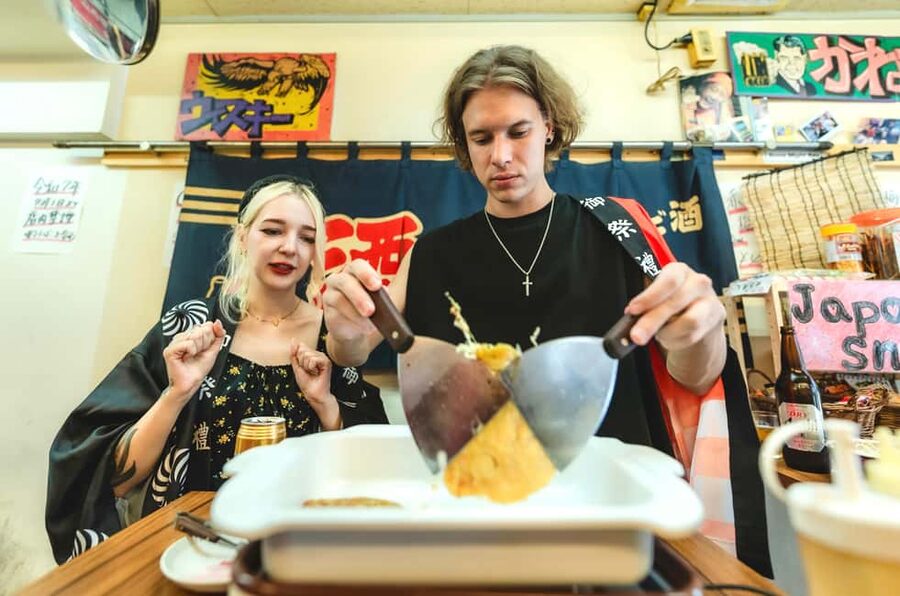
The festival-style happi coat is more than a costume photo prop. It sets the tone before you begin cooking and gives younger participants an easy way to feel part of the occasion. The bright design should also make for cheerful photos, especially when your group is gathered around the griddle.
You then choose from six toppings available that day. The exact selection can change, so you should not expect a fixed menu. What is clear is that the choices include vegetarian and seafood options, which is helpful for groups with different preferences.
This is one of the strongest parts of the experience because okonomiyaki is meant to be adjusted. You can make your dish mild or bold, keep it simple, or combine several flavors. The activity encourages you to treat the recipe as a base rather than a strict formula.
I would still ask the host about ingredients if you have an allergy or a strict dietary need. The provided information confirms vegetarian options, but it does not give a full ingredient list or promise arrangements for every dietary restriction.
Learning the flip on a real teppan
The central lesson takes place on a real teppan, the iron griddle used to cook the okonomiyaki. This is where the class earns its keep. You are not watching a chef prepare the dish behind a counter. You are handling the food yourself, with the instructor showing you how to cook and flip it.
The flip is the part children and adults tend to remember. It looks easy until you try it, which is exactly why the guided format helps. A host can show you when the mixture is ready and how to turn it without sending dinner across the griddle.
The activity is designed for beginners, so you do not need previous cooking experience. The instructions promise guidance from scratch, and the English-speaking format removes a major worry for international visitors. Still, you should expect some hands-on work and a little mess. That is part of the fun, but it may not suit someone hoping for a quiet meal with no participation.
The class also gives you a better sense of what makes okonomiyaki different from a standard pancake. The toppings, sauces, and griddle cooking all affect the final taste. You begin to understand why the dish is often treated as both street food and a social meal.
More cooking classes in Osaka:
- Matcha Making Class in Osaka with Authentic Japanese Sweets Set
★ 5.0 · 509 reviews - Osaka Sushi Making Experience
★ 5.0 · 400 reviews - Osaka: Ramen and Gyoza Cooking Class in Dotonbori
★ 5.0 · 378 reviews - Osaka: Traditional Mochi Pounding Experience with Tasting
★ 4.9 · 306 reviews
Testing sweet, spicy, and classic sauces
Once the okonomiyaki is cooked, the sauce choices give you another chance to personalize it. Sweet, spicy, and classic options are available, with plenty of possible combinations.
This small detail is valuable because sauce can change the whole character of the dish. A sweet finish may work well for children, while a spicy choice gives adults a stronger flavor. You can also compare sauces instead of committing the whole dish to one taste.
The food gets strong praise in the available feedback, especially the sauce. One family account noted that the meal was delicious and that the children were eager to eat what they had made. That is an important point for parents: the activity is not only educational, it gives children a reason to try the finished food.
Do not expect a restaurant-style menu with many separate courses. The focus is one handmade okonomiyaki, served as the reward for your work. That keeps the activity simple and helps the 90-minute schedule make sense.
A festival game between cooking and eating
Super ball scooping is included as the festival game. In Japan, this kind of activity is linked with local matsuri, where simple games, food, and colorful clothing create a playful public celebration.
Here, the game breaks up the cooking lesson. That matters for families because children may not want to spend the entire session listening to instructions or waiting for food to cook. It also gives adults a chance to enjoy the festival theme rather than treating the visit as a basic kitchen demonstration.
The game is not a major sightseeing attraction, and you should not book this experience for the game alone. Think of it as a compact extra that adds variety and makes the 90 minutes feel less formal.
Photos, a certificate, and the final meal
Photos are taken during the experience and sent to your phone. That is a practical touch. Cooking with a hot griddle takes attention, so it is hard to capture every moment yourself. You can focus on the activity and still leave with a record of the happi coats, the topping choices, and the finished food.
The Okonomiyaki Master certificate is another small but useful souvenir. It will not replace a traditional craft or a major cultural site, but children often enjoy having a physical reminder that they completed the challenge. It also gives the session a clear ending: you cook, eat, play, and receive recognition for taking part.
The main meal is included, while additional drinks are available for purchase. Plan for drinks to cost extra rather than assuming they are part of the $23 price. One account mentions receiving a complimentary drink, but the stated inclusions identify extra drinks as separate, so check the current arrangement when booking.
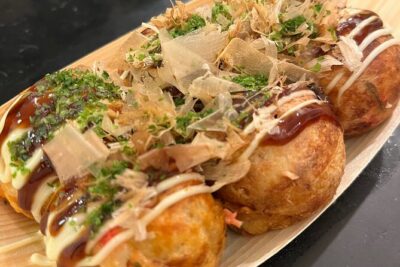
Some descriptions of the experience also mention learning takoyaki alongside okonomiyaki, but the clearly stated main dish is okonomiyaki. If takoyaki is important to you, confirm that it is part of your particular session rather than assuming it is guaranteed.
Is $23 a good price for 90 minutes?
At $23 per person, I consider this a reasonable Osaka activity for families and small groups who want food plus participation. You receive an English-speaking host, the cooking lesson, the okonomiyaki meal, a happi coat to wear, super ball scooping, photos, and a certificate.
The value is strongest when you count the food and the entertainment together. A simple meal may cost less, but it will not teach you how to make the dish or give children a structured activity. A longer professional cooking school could offer more technique, yet it would likely cost more and feel less relaxed.
The price is less attractive if you only want to eat okonomiyaki. You are paying for the social format and the guided practice, not just the plate. Extra drinks also add to the final cost.
The 90-minute length is well suited to a busy Osaka itinerary. It is long enough to cook, eat, play, and take photos, but short enough to fit around another part of your day. If you want several dishes, detailed culinary explanations, or a full market-to-table lesson, this may feel limited.
Who should book this experience?
I would point families toward this activity first. The happi coats, topping choices, flipping lesson, game, photos, and certificate give children several ways to take part. The food is also approachable, and the positive family feedback suggests the format works well for mixed ages.
Couples can enjoy it too, especially if they want a relaxed activity that produces dinner. Solo visitors are welcome according to the activity description, though the social energy may be more noticeable when several families or groups are cooking together.
This is a good choice for first-time visitors who want an easy introduction to Japanese food culture without committing to a full cooking school. It is also useful on a rainy day, since the main experience is built around an indoor cooking activity, though the supplied details do not describe the venue itself.
I would think twice if you have serious food allergies, need a fully specified menu, or dislike shared activity formats. The six topping choices help, but they do not replace a detailed dietary plan. I would also skip it if you want a long, technical lesson focused on knife work and regional food history.
Should you book the Osaka okonomiyaki class?
Book it if you want a short, hands-on Osaka food experience with a playful festival theme. The strongest reasons are the real teppan, beginner-friendly English instruction, flexible toppings, memorable sauce choices, and family extras that go beyond the meal.
The best fit is a family, couple, or small group that values participation over formality. At $23, the package gives you a meal and an activity in one. Just budget for additional drinks, confirm the current topping choices, and ask ahead if you need strict dietary arrangements or want to know if takoyaki is included.
FAQ
How long does the Osaka okonomiyaki cooking experience last?
The activity lasts 90 minutes. Starting times vary, so check availability when you choose your date.
How much does the experience cost?
The listed price is $23 per person. Additional drinks are available for purchase and are not included in the stated package.
Is the instruction available in English?
Yes. The instructor and local host guide provide the activity in English.
What food will I make?
You will make and eat okonomiyaki from scratch. You can choose from six daily toppings, including vegetarian and seafood options.
What is included besides the food lesson?
The package includes a local host guide, the okonomiyaki meal, a festival-style happi coat, and super ball scooping. Photos are also taken and sent to your phone, and an Okonomiyaki Master certificate is provided as a souvenir.
Can I cancel the booking?
You can cancel up to 24 hours in advance for a full refund. The activity also offers a reserve now and pay later option.
Just added in Osaka
- Urban Canvas: Osaka Street Art Bike Tour★ 5.0 · 10 reviews
- Anime Cosplay Photshoot-50 Digital Photos Provided★ 5.0 · 8 reviews
- TeamLab Botanical Garden Osaka Ticket★ 3.5 · 6 reviews
- Umeda Sky Building & Kuchu Teien Observatory Ticket in Osaka★ 4.5 · 3 reviews
- Immerse in Judo Martial Arts Class from Japan★ 5.0 · 4 reviews
- Cherry Blossom Buddha and Mt.Yoshino with Strawberry Picking Tour★ 4.5 · 5 reviews
- Traditional Home cooking Experience in Osaka, Japan★ 5.0 · 14 reviews
- Traditional Calligraphy Experience near Dotonbori★ 5.0 · 3 reviews
Osaka Cooking Classes, compared.

Matcha Making Class in Osaka with Authentic Japanese Sweets Set
Read our review →
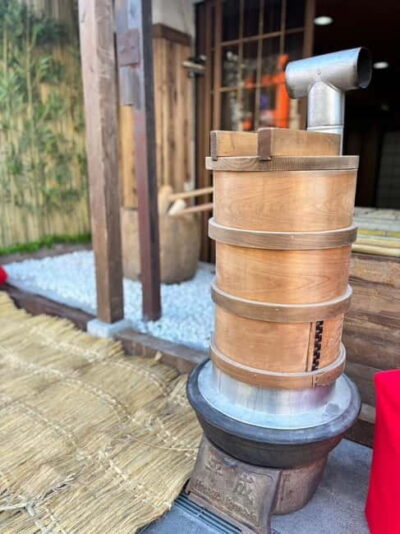
Traditional Mochi Pounding Experience with Tasting
Read our review →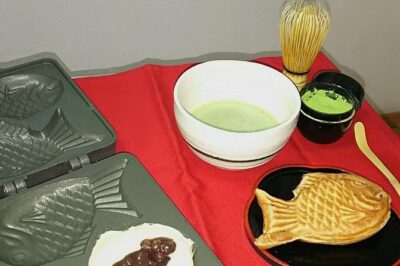
Osaka Cooking Class: Okonomiyaki &Japanese cuisines experience
Read our review →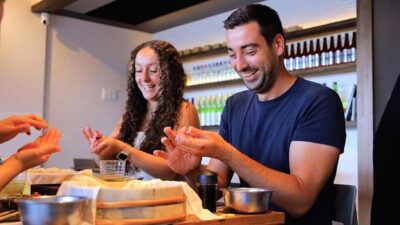
Roll and Authentic Sushi Making Class in Dotonbori
Read our review →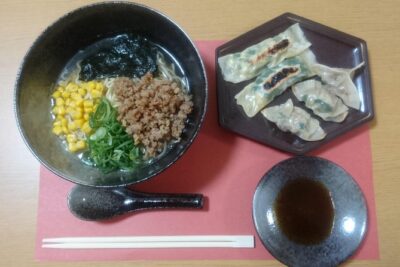

Osaka Sake Tasting & Takoyaki Cooking Experience
Read our review →Browse the lists this tour appears in