
Reviewed · OSAKA COOKING CLASSES
Osaka Home Feast Cooking and Sake Experience
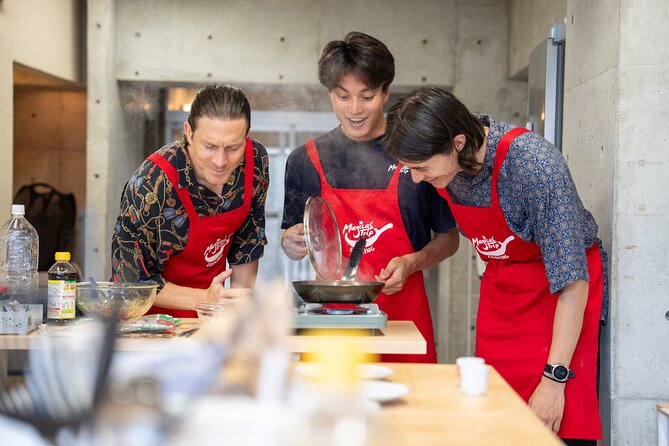
Osaka’s best food lesson may begin before you reach the kitchen. You meet your guide, browse a local supermarket, choose ingredients, and dream up takoyaki fillings before cooking a full izakaya-style meal. That shopping stop gives the evening a useful local touch instead of making it feel like a standard class.
I like the small maximum of seven people, which leaves room for questions and personal help. I also like the relaxed home-drinking setup, where you sip handpicked sake while making dishes such as wasabi-marinated tuna and chicken with mayo and ponzu. The main consideration is the fixed 4:30 pm start and the three-hour schedule, so this suits an evening plan more than a quick daytime activity.
Key points
- Supermarket first: Shop for Japanese ingredients and choose creative fillings for Osaka-style takoyaki.
- Three popular dishes: Make crispy takoyaki, wasabi tuna salad, and chicken with green onion, mayo, and ponzu.
- Friendly local guides: English-speaking guides such as Chie and Nina bring conversation and Japanese cultural context into the class.
- Sake pairing: Enjoy selected sake with your homemade food, with beer and soft drinks also available.
- Small group size: The class accepts no more than seven people, and a solo booking may still run as a personal class.
- Recipes included: Take home a downloadable recipe pack so you can repeat the meal after Japan.
A supermarket start in Minamimorimachi
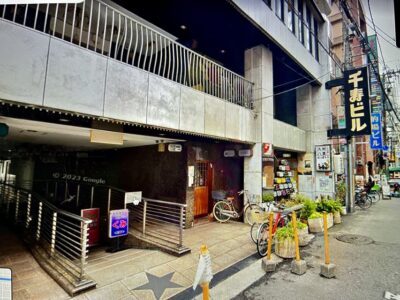
The meeting point is outside the FamilyMart on the south side of Minamimorimachi Station, at 4:30 pm. From there, you walk with your guide to a nearby Japanese supermarket.
This first step is one of the best parts of the experience. A supermarket shows you ordinary food life in Osaka better than a display of carefully arranged cooking ingredients. You can look at unfamiliar products, notice how Japanese shoppers buy and package food, and ask your guide about ingredients you might otherwise pass without a second glance.
The group also talks through possible takoyaki fillings. That matters because takoyaki is not simply a dish you watch someone prepare. It is a food built around choice, timing, and a little kitchen nerve. The class gives you a chance to think about what belongs inside your own batch.
One useful detail from the available experiences is that the shopping trip can feel personal even when the booking is small. Nina once led the supermarket visit for a solo participant, turning what could have been an awkward one-person class into a friendly food outing. Chie has also used the cooking time to answer questions about Japan and add cultural background.
The shopping portion does take time away from cooking, so you should know what you are choosing. If you want a fast lesson focused only on recipes, this may feel like an extra stop. If you want to see how ingredients enter an everyday Japanese meal, it adds real value.
More sake tastings in Osaka:
- Osaka Sake Tasting with Takoyaki Cooking
★ 5.0 · 156 reviews - Osaka Sake Tasting & Takoyaki Cooking Experience
★ 5.0 · 149 reviews - Osaka Cooking Class and Sake Tasting with Local Supermarket Visit
★ 5.0 · 79 reviews
Cooking Osaka dishes in a cozy studio
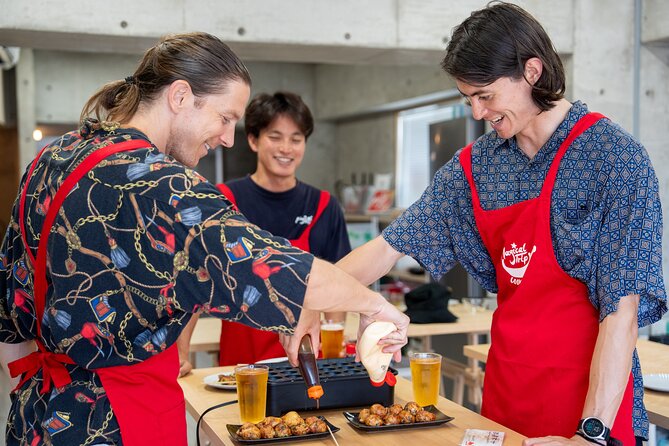
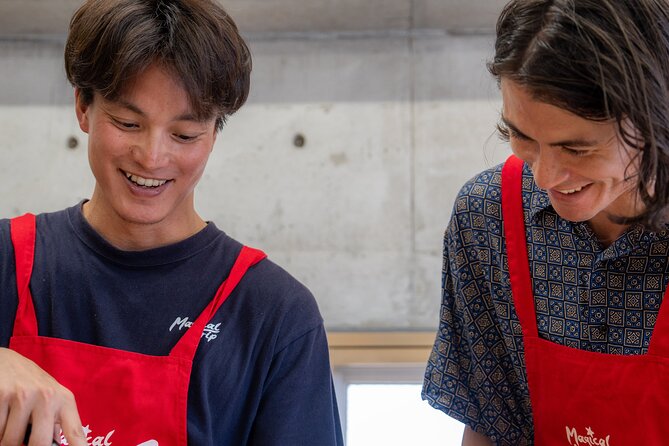
After the supermarket, you head to a cooking studio and put on a MagicalTrip apron. The setting is designed for a small group, not a large demonstration where you stand at the back and try to see what is happening.
The meal follows an izakaya-style pattern. In Japan, izakaya food is made for sharing alongside drinks, so the menu works well for conversation. You are not preparing one formal course with a long list of delicate steps. Instead, you make several savory dishes that can be eaten together as they are ready.
The first bites include Mugen Cabbage and Wasabi Tuna Salad. These early dishes help you settle into the kitchen before the more hands-on takoyaki work begins. The wasabi tuna brings a sharp, fresh flavor, while the cabbage offers a simple side that fits the casual drinking-table style.
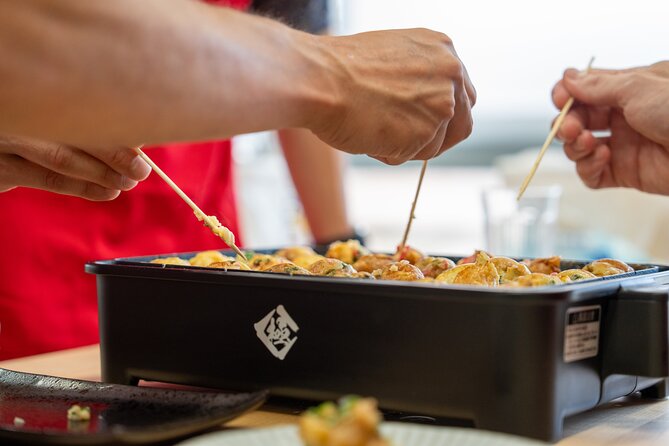
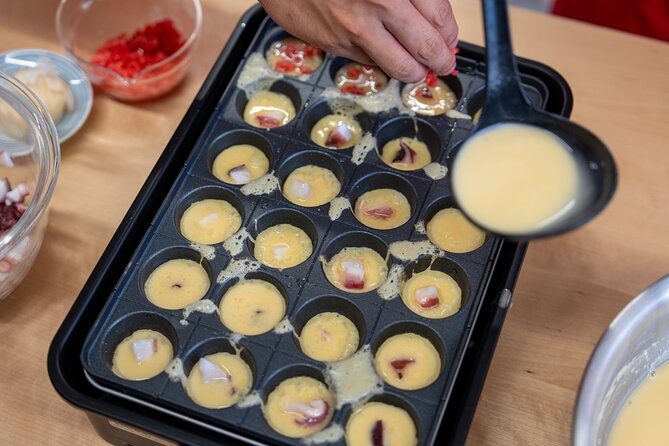
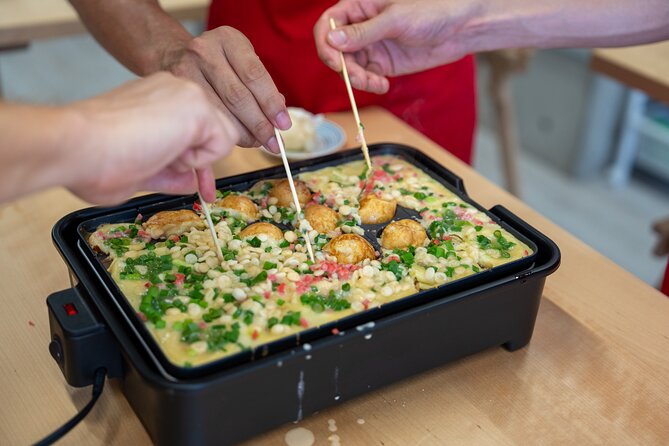
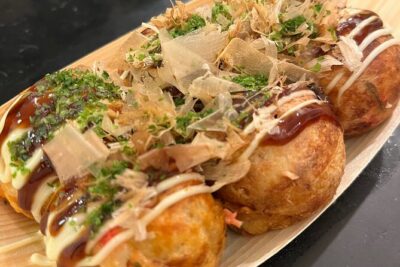
You then prepare crispy takoyaki. This is the dish most closely tied to Osaka, and it is also the one most likely to test your coordination. Takoyaki batter is cooked in round molds, and the pieces need to be turned as they set. The fun is partly in watching loose batter become neat little balls, but your first batch may not look perfect.
That is not a problem. A cooking class is a better place to make uneven takoyaki than a restaurant is. Your guide can show you how to work the pieces and help keep the mood light. The class also lets you experiment with fillings, which gives the dish a more personal feel than simply copying a fixed recipe.
The chicken dish brings a different texture and flavor. You make chicken with green onion, mayonnaise, and ponzu. The ponzu adds a citrusy, savory note, while the mayo gives the chicken a richer finish. Together, the dishes create a spread with different tastes rather than three versions of the same thing.
Sake, beer, and the taku-nomi mood
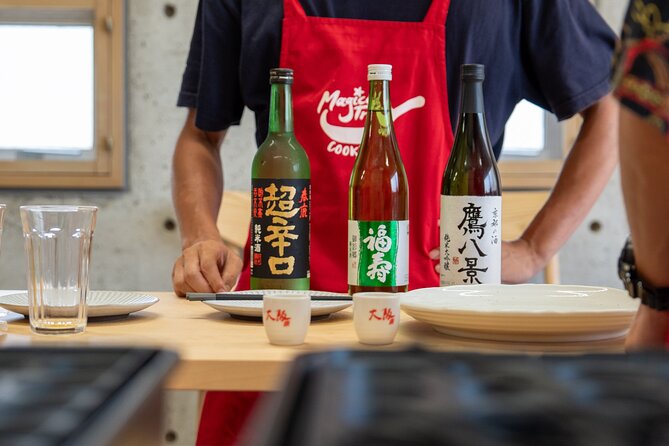
Drinks are part of the lesson, not an afterthought. You can sip handpicked sake while cooking and then pair it with the food once everything is ready. Beer and soft drinks are also available, so the experience does not depend on liking sake.
The taku-nomi idea means home drinking, and the tone aims for that kind of easy evening. You cook, taste early dishes, continue preparing food, and talk with the guide. The meal is meant to feel social rather than formal.
I like this format because sake makes more sense when you try it with food. A short tasting in a shop can tell you what a drink smells like, but pairing it with tuna, chicken, and takoyaki gives you a clearer idea of how it works at the table. You do not need advanced knowledge of sake to enjoy that comparison.
Still, the drink element may not suit everyone. If you do not drink alcohol, you can choose soft drinks, but the sake pairing is one of the central features. You should also plan on this being an evening built around eating and conversation, not a quiet technical course.
What the guide adds to the meal
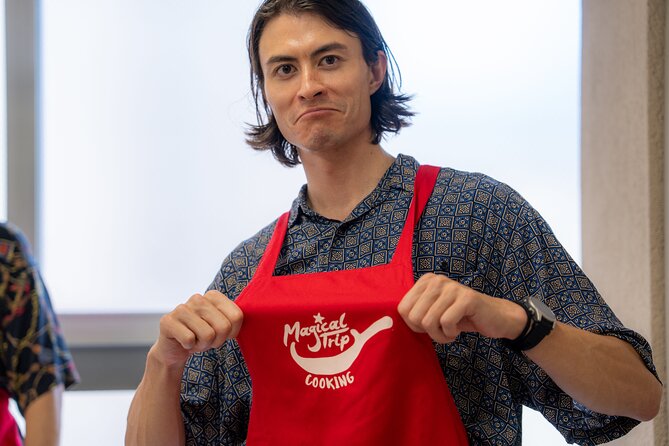
The guide is important here because the class includes more than cooking instructions. The available guide experiences highlight Chie and Nina, both of whom made time for questions and conversation.
Chie has been praised for combining the meal with a history lesson about Japan. That does not turn the class into a lecture. It simply means you can ask about the country while chopping, mixing, and eating. For a first visit to Japan, those informal answers can help connect the dishes to daily life.
Nina has shown that the small-group format can work even when only one person books. A solo participant was met early at the meeting point, then accompanied through the supermarket and cooking session. You should not assume that a small booking will create a silent or uncomfortable class.
The maximum group size is seven. That is large enough for a social atmosphere but small enough for direct help. If you have questions about an ingredient, need assistance with takoyaki, or want to understand a cooking step, you are more likely to receive an answer than in a large class.
The exact guide depends on the date, and the experience description does not promise a particular person. Chie and Nina are useful examples of the friendly, conversational approach, but you should treat the assigned guide as subject to availability.
More cooking classes in Osaka:
- Matcha Making Class in Osaka with Authentic Japanese Sweets Set
★ 5.0 · 509 reviews - Osaka Sushi Making Experience
★ 5.0 · 400 reviews - Osaka: Ramen and Gyoza Cooking Class in Dotonbori
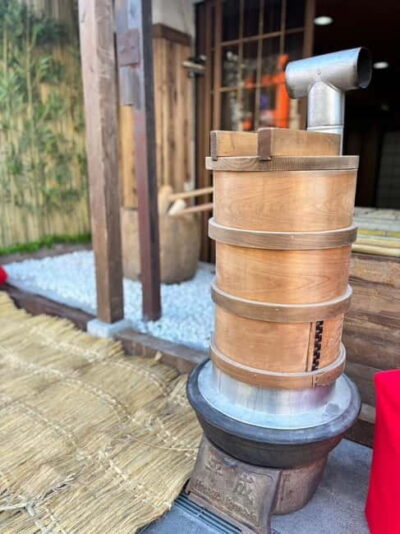
★ 5.0 · 378 reviews - Osaka: Traditional Mochi Pounding Experience with Tasting
★ 4.9 · 306 reviews
A three-hour evening with a clear rhythm
The experience lasts about three hours and begins at 4:30 pm. The timing makes sense for a late afternoon start, supermarket visit, cooking session, and shared dinner. You finish back at the same meeting point, which keeps the route simple.
The evening follows this general rhythm:
- Meet the guide at FamilyMart near Minamimorimachi Station.
- Walk to a nearby Japanese supermarket.
- Look at ingredients and plan takoyaki fillings.
- Continue to the cooking studio and put on an apron.
- Prepare early dishes such as Mugen Cabbage and Wasabi Tuna Salad.
- Cook takoyaki and chicken with green onion, mayo, and ponzu.
- Pair the finished food with sake, beer, or soft drinks.
- Receive the recipes in downloadable form before leaving.
This order keeps the class moving without packing in too many dishes. You get variety, but you are not asked to prepare a full restaurant menu in a short time.
The fixed start time is worth noting. You need to reach the meeting point by 4:30 pm, and the activity ends back there after the meal. Since the class involves a supermarket walk and a shared dinner, it is best placed on an evening when you do not have another tightly timed booking.
How the $91.04 price measures up
At $91.04 per person, this is not the cheapest way to eat in Osaka. A restaurant meal can cost less, especially if you are paying only for food. The fair comparison is not a dinner alone. You are paying for a guide, supermarket visit, cooking instruction, ingredients, drinks, a small group, and the chance to make the meal yourself.
The value is strongest if you care about process. You see ingredients before they reach the kitchen, learn several dishes, eat what you prepare, and receive recipes for later use. That last part matters if you want the experience to continue after your trip.
The class also makes sense for solo visitors and pairs who want more contact with local life. A group of up to seven keeps the cost from being purely private while still allowing a personal exchange. If you mainly want to fill your stomach, the price may seem high. If you want a food activity that also teaches you how an everyday Japanese meal comes together, it is easier to justify.
The included drinks add to the value, especially for anyone interested in sake. You can sample selected pairings without arranging a separate tasting. Soft drinks mean non-drinkers are not left out, though the class is still built around a shared drinking-table atmosphere.
The practical details worth knowing
Confirmation arrives when you book, and the meeting point is near public transportation. The activity starts and ends at the FamilyMart on the south side of Minamimorimachi Station, at 2-chome 3-10, 1F, in Osaka’s Kita Ward.
The mobile ticket is useful for a city evening when you may not want to carry printed paperwork. Still, I would save the meeting details on your phone before leaving for the class. The start point is specific, and arriving a little early gives you time to find the correct station exit.
The activity has a maximum of seven people. No accessibility details, dietary arrangements, or age rules are provided, so you should ask the provider directly before booking if you have food restrictions or mobility concerns.
Free cancellation is available up to 24 hours before the start time for a full refund. Changes or cancellations made less than 24 hours before the local start time are not accepted for a refund.
Who will enjoy this Osaka food class?
I would recommend it most to you if you want to do more than order familiar Japanese food. It suits first-time visitors who want a relaxed introduction to home-style cooking, couples looking for a shared evening, and solo visitors who like conversation and hands-on activities.
It is also a good choice for anyone curious about Osaka food culture. Takoyaki is strongly associated with the city, and the supermarket visit helps place it in a wider setting. You are not just served a finished snack. You get to choose fillings, handle the cooking, and eat the results with other small dishes.
Families and groups of friends may enjoy the social format, though the available information does not specify children’s policies. Ask before booking if that point matters to you.
I would be less likely to choose this experience if you want a highly technical cooking course, a long sake seminar, or a private meal with no group element. The class favors friendliness, shared food, and conversation over professional-level instruction.
Should you book the Osaka Home Feast?
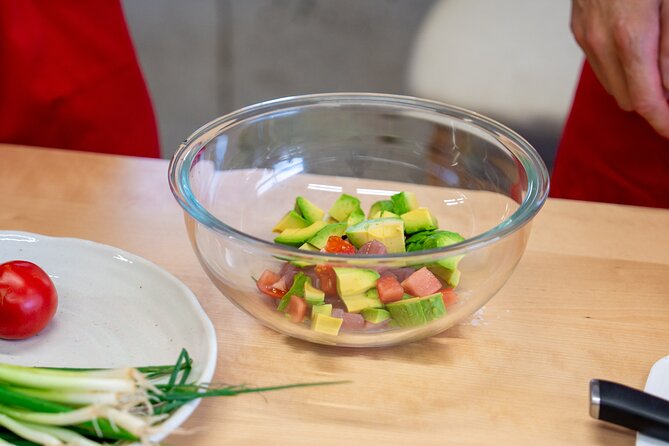
Book this experience if you want Osaka food with a personal guide and a relaxed kitchen evening. The supermarket visit, small group, sake pairing, and downloadable recipes give it more substance than a simple cooking demonstration.
The strongest reasons to choose it are the chance to create your own takoyaki fillings, the variety of dishes, and the warm guide-led format shown by Chie and Nina. Keep the fixed 4:30 pm start and alcohol-centered meal style in mind. For an authentic, practical introduction to Japanese home cooking, the $91.04 price is reasonable, especially if you plan to use the recipes at home.
FAQ
Where does the Osaka Home Feast Cooking and Sake Experience begin?
It begins at the FamilyMart on the south side of Minamimorimachi Station in Osaka’s Kita Ward, at Tenjinbashi 2-chome 3-10, 1F.
What time does the experience start?
The start time is 4:30 pm.
How long does the activity last?
The experience lasts approximately three hours and ends back at the meeting point.
How many people can join the class?
The activity has a maximum of seven participants.
What food will I prepare?
You will prepare Osaka-style takoyaki, wasabi tuna salad, Mugen Cabbage, and chicken with green onion, mayonnaise, and ponzu.
Are drinks included?
You can enjoy handpicked sake during the experience, and beer or soft drinks are also available.
Do I receive recipes after the class?
Yes. You receive a downloadable recipe pack so you can recreate the dishes at home.
More Food and Drink Tours in Osaka
- Osaka: Shinsekai Food Tour with 13-15 Dishes at 5 Eateries
★ 4.8 · 2,204 reviews - Osaka Food Tour: 13 Dishes at 5 Local Eateries
★ 5.0 · 2,149 reviews - Hungry Osaka Street Food Tour:15 Tastings & 3 Drinks with a Local
★ 5.0 · 1,727 reviews - Hungry Osaka Street Food Tour: 15 Dishes & 3 Drinks
★ 4.9 · 694 reviews
More Bar Hopping Nights in Osaka
- Osaka: Namba Pub Bar Crawl with a Local Guide
★ 4.9 · 424 reviews - Osaka: Izakaya Bars Guided Walking Tour
★ 4.9 · 385 reviews - Osaka Pub Crawl and Nightlife Tour
★ 5.0 · 293 reviews - Osaka Local Bar Crawl in Dotombori & Uranamba Area
★ 5.0 · 199 reviews
Just added in Osaka
- Urban Canvas: Osaka Street Art Bike Tour★ 5.0 · 10 reviews
- Anime Cosplay Photshoot-50 Digital Photos Provided★ 5.0 · 8 reviews
- TeamLab Botanical Garden Osaka Ticket★ 3.5 · 6 reviews
- Umeda Sky Building & Kuchu Teien Observatory Ticket in Osaka★ 4.5 · 3 reviews
- Immerse in Judo Martial Arts Class from Japan★ 5.0 · 4 reviews
- Cherry Blossom Buddha and Mt.Yoshino with Strawberry Picking Tour★ 4.5 · 5 reviews
- Traditional Home cooking Experience in Osaka, Japan★ 5.0 · 14 reviews
- Traditional Calligraphy Experience near Dotonbori★ 5.0 · 3 reviews
Osaka Cooking Classes, compared.

Matcha Making Class in Osaka with Authentic Japanese Sweets Set
Read our review →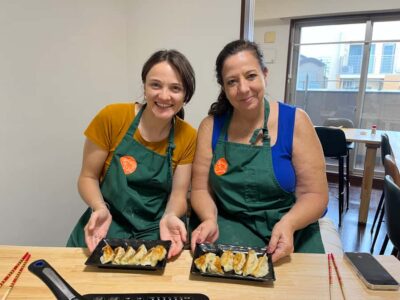
Traditional Mochi Pounding Experience with Tasting
Read our review →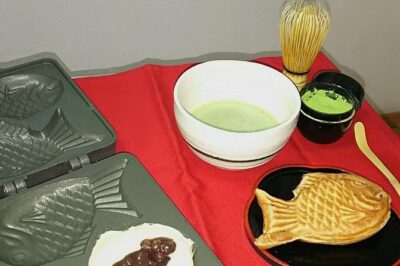
Osaka Cooking Class: Okonomiyaki &Japanese cuisines experience
Read our review →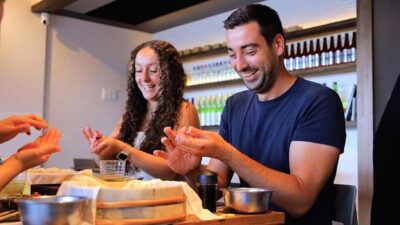
Roll and Authentic Sushi Making Class in Dotonbori
Read our review →
Osaka Sake Tasting & Takoyaki Cooking Experience
Read our review →Browse the lists this tour appears in