
Reviewed · OSAKA TEA CEREMONIES
Matcha Tea Bowl Experience in Osaka
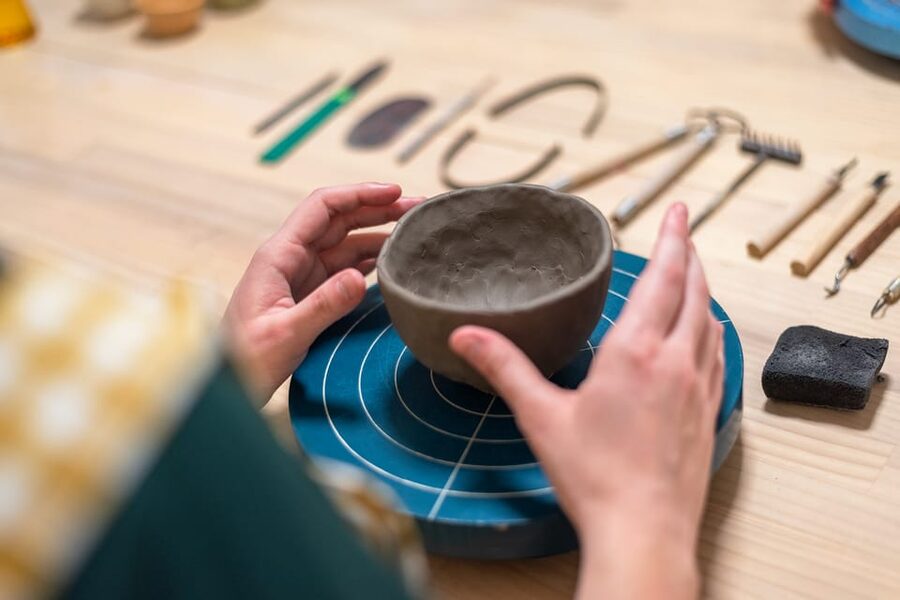
The best part of this Osaka workshop is that you do not simply buy a ceramic souvenir. You make a matcha bowl by hand, carving the clay with the Japanese kurinuki technique and giving it the uneven, personal character prized in wabi-sabi pottery. You can even sign the bowl in Japanese characters.
I like two things right away: Anna, the ceramist, guides you patiently through every stage, and the private setting lets you ask questions without being rushed. I also like that the cultural lesson is tied to a real object you will use at home, not separated from the craft. The main consideration is time: your finished bowl takes about two months to fire and ship, and shipping costs are extra.
- Carve your own chawan: Use tools to shape a matcha bowl with no two pieces alike.
- Learn from Anna: She studied ceramics in Osaka and Barcelona and teaches in English, Spanish, Catalan, or Japanese.
- Connect craft with tea ceremony: Learn why the matcha bowl matters and how it is used.
- Choose your glaze color: Your bowl is finished after the workshop and sent to your address.
- Add a tea ceremony session: Kiyomi and Masako lead an optional tea preparation lesson with Japanese sweets.
- Meet in Ikuno Ward: Station pickup makes the workshop easy to find near JR Teradacho Station.
Making a Bowl Instead of Buying One
Osaka has no shortage of shops selling attractive ceramics. This experience gives you something better for many visitors: a souvenir with your fingerprints, decisions, and small imperfections still visible.
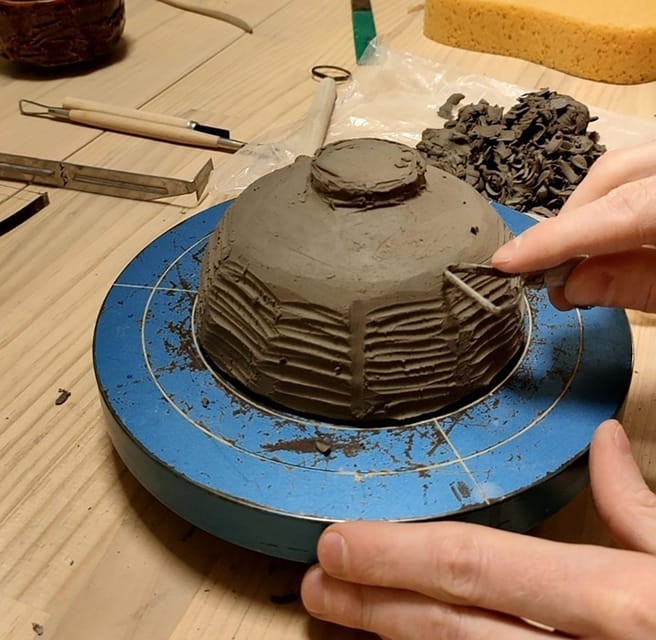
The method is called kurinuki. Instead of throwing clay on a wheel, you carve and hollow it with tools. That approach suits beginners because the goal is not factory-perfect symmetry. The bowl develops its form as you work, and the finished piece keeps a handmade look associated with wabi-sabi.
You will decorate the bowl during the session rather than complete the full firing process yourself. At the end, you select a color for the finish. The workshop then handles the remaining ceramic work and ships the finished bowl to the address you provide.
That delay matters. You will not leave with the completed bowl in your backpack. Shipping takes about two months, and the cost is not included in the activity price. Ask for the approximate shipping charge before booking, since it depends on your country and the number of people in your group.
Meeting Anna Near JR Teradacho Station
The meeting point is the north exit of JR Teradacho Station. You will find the host carrying a sign marked Ceramics Tocoton, followed by a station pickup to the traditional building where the workshop takes place.
This arrangement is useful in Osaka, where a small studio can be harder to spot than a major attraction. Still, arrive on time. If you expect to be more than 15 minutes late, contact the provider. More than 15 minutes late counts as a no-show.
The area is Ikuno Ward, away from the most famous central Osaka sights. That is part of the appeal. The experience gives you a reason to spend time in a local part of the city rather than moving only between major sightseeing districts. After the workshop, you can explore the area on your own.
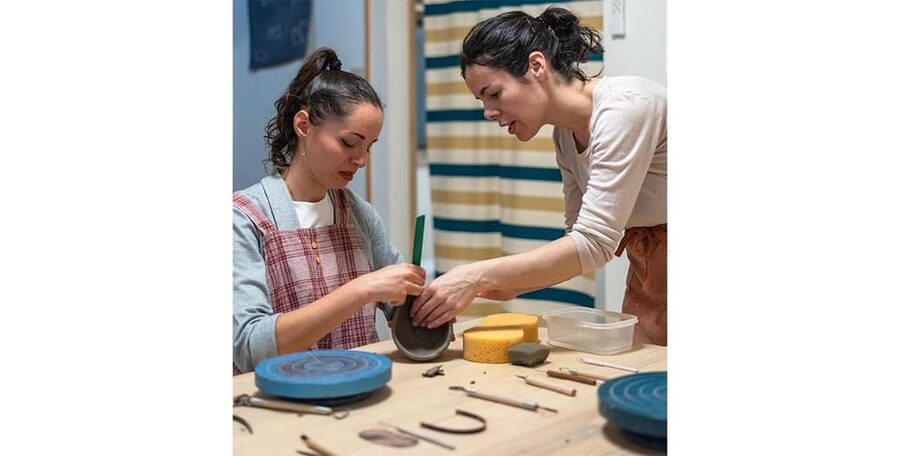
The group is private, so the pace can suit the people who book it. That is a real advantage for first-time pottery students. You can stop to ask how deeply to carve, how to correct an uneven edge, or how to sign the bowl without feeling that you are holding up a large class.
More tea ceremonies in Osaka:
- Osaka: Tea Ceremony Experience
★ 4.9 · 1,426 reviews - Tea Ceremony Experience in Osaka Doutonbori
★ 5.0 · 754 reviews - Matcha Making Class in Osaka with Authentic Japanese Sweets Set
★ 5.0 · 509 reviews
Carving With the Kurinuki Method
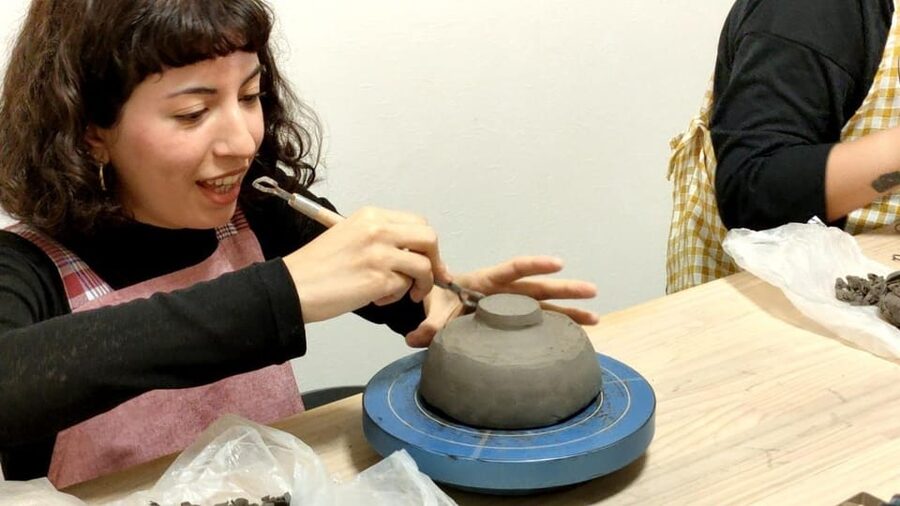
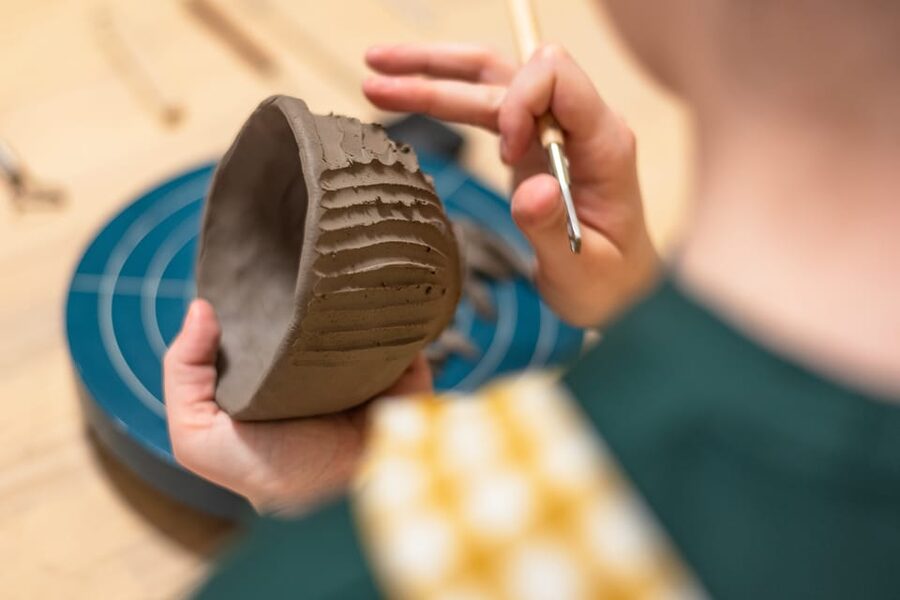
Anna begins with the practical side of the craft. You learn how to work the clay and use different tools to cut, scrape, and shape the surface. The result is a bowl designed by you, not a blank item waiting for a quick painted decoration.
Do not expect a polished studio pottery class built around speed. The charm comes from making choices as you go. You decide how much texture to leave, how smooth or irregular the surface should be, and how strongly your design shows the hand of the maker.
Beginners should feel comfortable here. No previous experience is required, and Anna helps correct small mistakes during the process. That guidance is important because clay can change quickly under your hands. A little pressure can alter the rim or wall of the bowl, and a calm instructor helps you understand what can be fixed.
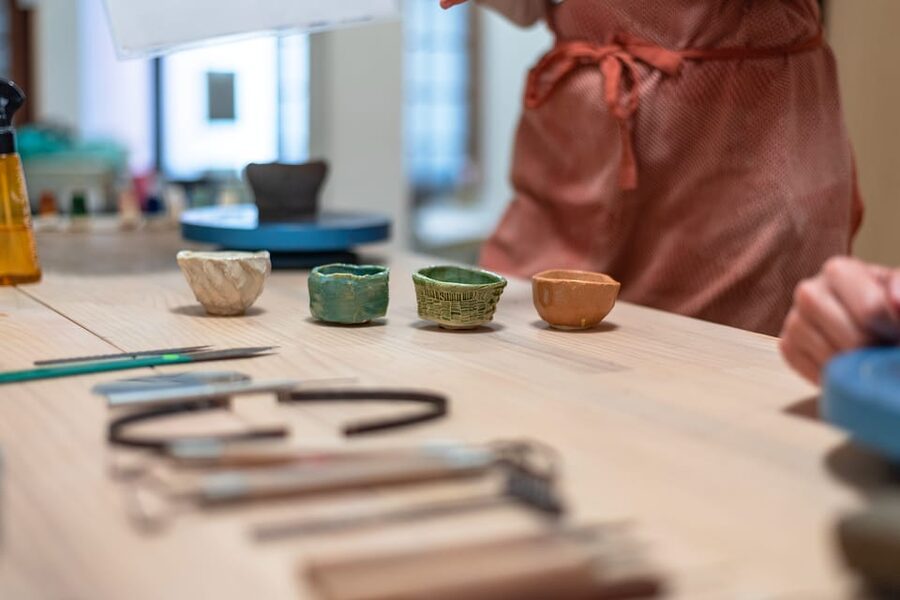
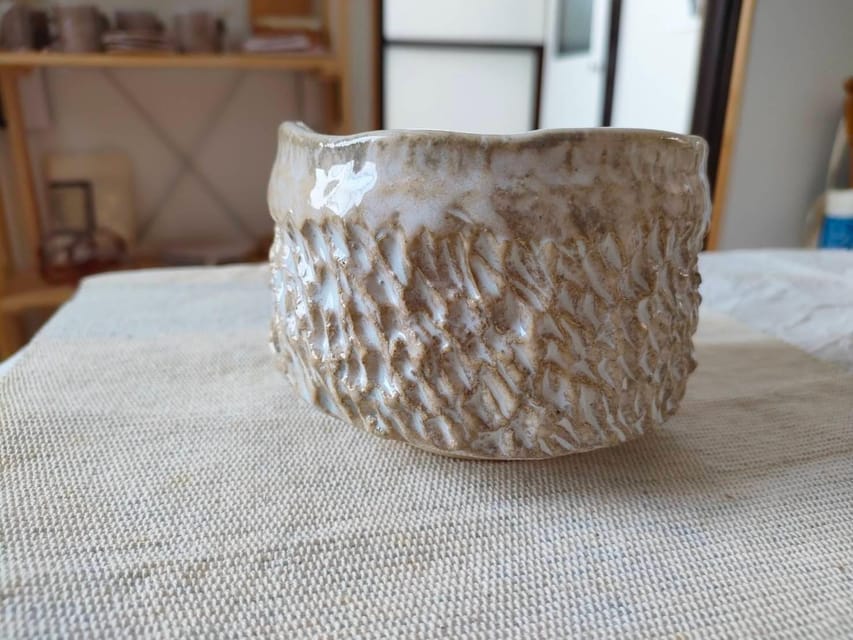
The finished pieces can look very different from one another, even when everyone starts with similar materials. If you are hoping for a perfectly uniform Japanese tea bowl, this may not be the right activity. If you like objects that show how they were made, the handmade variation is the point.
Adding a Japanese Signature and Personal Details
One unusual touch is the chance to sign your bowl using Japanese characters. That gives the object a clear connection to your trip and creates a small personal mark that will remain part of the finished piece.
You do not need to treat the design like an art exam. The workshop is built around personal choices, and Anna helps you shape those choices into something workable. The best result is likely to be a bowl that reminds you of the afternoon, including its irregularities.
I would take a moment before the class to think about what you want from the bowl. Do you want a quiet, simple surface? A heavily carved texture? A bold color? You will have more fun if you arrive with a loose idea but remain open to the clay changing your plan.
Why the Chawan Matters in Tea Ceremony
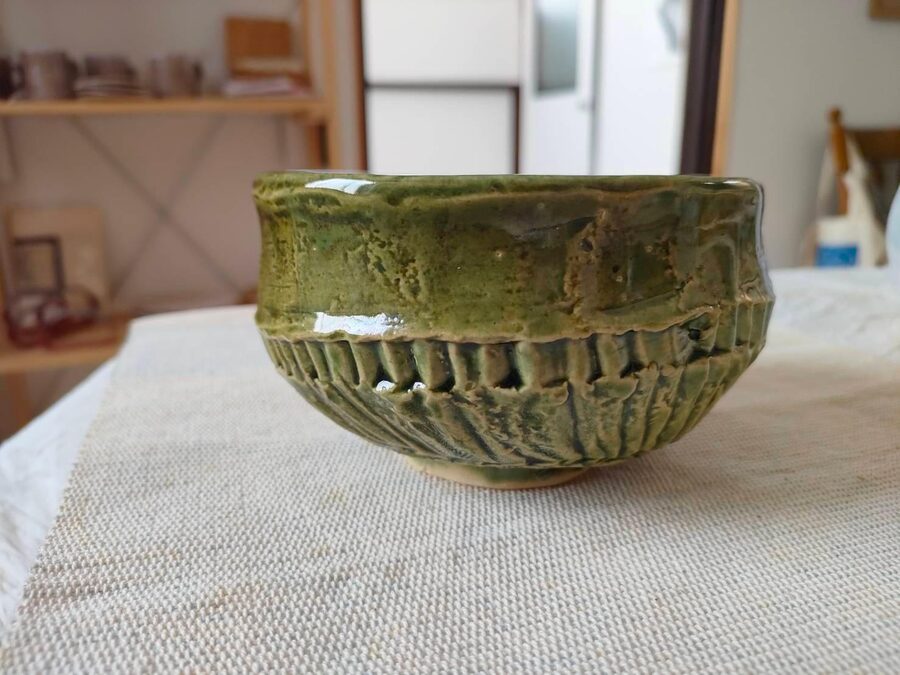
A matcha bowl, or chawan, is not just a container for a drink. Its shape, surface, weight, and imperfections all affect the way tea is prepared and enjoyed.
Anna explains the cultural role of the bowl as part of the workshop. This gives the craft a useful setting. You are not making a decorative dish without context. You are learning why this kind of pottery belongs to a traditional Japanese ceremony and how the object is treated within that practice.
The cultural explanation also helps you notice details you might otherwise miss. A handmade bowl can feel different in the hand from a mass-produced cup. Its uneven rim may invite you to turn it toward a particular side. Its texture and color can change how the tea looks.
This part is especially valuable if you have seen matcha tea ceremony but never understood the objects involved. You get a direct explanation from someone who works with clay and studies the role of the bowl in Japanese culture.
Same city, a completely different kind of afternoon:
- Osaka Go Karting Tour with Funny Costume
★ 5.0 · 2,658 reviews - Osaka Castle: Museum and Tower Entry Ticket
★ 4.5 · 2,380 reviews - Osaka: Shinsekai Food Tour with 13-15 Dishes at 5 Eateries
★ 4.8 · 2,204 reviews - Osaka Food Tour: 13 Dishes at 5 Local Eateries
★ 5.0 · 2,149 reviews
Adding the Tea Ceremony Option
The optional combined workshop adds a second part before the pottery session. Tea ceremony masters Kiyomi and Masako teach you the basics of preparing matcha, and you enjoy the tea with Japanese sweets.
This is a good choice if you want the full connection between the drink and the bowl. First, you experience the ceremony from the user’s side. Then, you make the vessel that will eventually hold your own matcha.
The two sections also offer different kinds of activity. Tea preparation asks you to pay attention to gesture, sequence, and presentation. Pottery gives you more freedom to shape and alter the clay. Together, they make a fuller introduction to matcha culture than the bowl workshop alone.
You also receive a small ceramic dish as a gift in the combined workshop. It is intended for serving sweets during tea at home. The standard experience includes a ceramic gift as well, though the supplied details describe the additional dish specifically as part of the combined option.
Check the exact option when booking. The basic pottery session includes a drink, while the combined session adds tea ceremony instruction and Japanese sweets. Both are private experiences, but the total timing can vary from about 90 minutes to two hours.
Choosing the Color and Waiting for the Finished Bowl
Near the end, you choose the color for your bowl. This is one of the most satisfying decisions because the glaze changes how the carved surface will appear after firing.
The final result is partly a surprise. You make the form and choose the color, but the completed bowl is not ready until the studio finishes its ceramic work. That means you should not judge the piece only by what it looks like before firing.
Your bowl will be shipped to your provided address in about two months. Shipping is separate from the $83 per-person activity price, and the amount depends on your country and the number of people booking.
For a short holiday, this creates a nice after-trip connection. You return home first, then receive a practical reminder of Osaka later. The downside is that you need to provide a reliable address and wait. If you are moving between hotels or leaving Japan without a stable delivery address, ask about the shipping arrangements before you reserve.
What the $83 Price Buys You
At $83 per person, this is not the cheapest cultural activity in Osaka. The price makes more sense when you count what is included: station pickup, materials, equipment, instruction, cultural explanations, a drink, and a ceramic gift.
You are also paying for a private class rather than a large group demonstration. That matters most if you have never worked with clay. You can get direct help and make a bowl according to your own taste instead of following a quick, fixed project.
The value is strongest for people who want an activity with a lasting result. If you only want to drink matcha once, a tea house visit will cost less and take less time. If you want to understand tea ceremony and leave with a bowl made during your trip, this workshop offers more substance.
Remember to add international shipping to your budget. Since the charge varies by destination and group size, the final cost is not fully known from the advertised activity price alone.
Languages, Pace, and Who Will Enjoy It
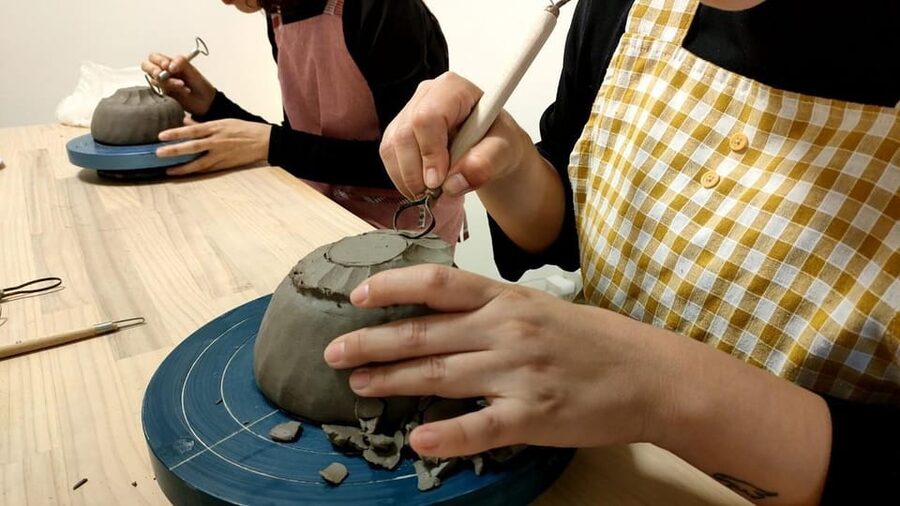
The workshop is available in English, Spanish, Catalan, and Japanese. That range is useful in a private class, since the craft depends on clear demonstrations and small corrections.
Anna’s background is a major part of the experience. She studied ceramics in Osaka and Barcelona, and she brings both technical pottery skill and an understanding of the cultural setting. The strongest praise for the activity centers on her warmth, patience, and ability to explain the process while helping with small errors.
You will probably enjoy this most if you fit one or more of these descriptions:
- You want a personal souvenir instead of a shop purchase.
- You like hands-on craft and do not mind an imperfect result.
- You are curious about matcha beyond simply drinking it.
- You prefer a private class and direct contact with the instructor.
- You want to spend time in a less tourist-focused part of Osaka.
- You are willing to wait for your finished bowl to arrive at home.
The activity is not suitable for children under six. The space is not adapted for wheelchair users, so check this carefully before booking.
Alcohol and drugs are not allowed. That is a simple rule, but it matters in a hands-on class where the instructor needs your full attention.
How This Fits Into an Osaka Itinerary
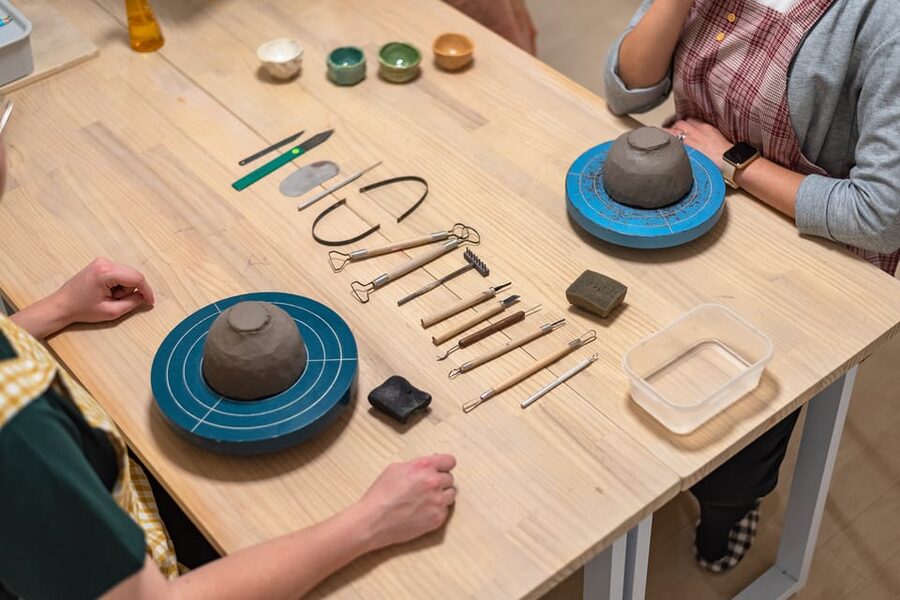
Allow between 90 minutes and two hours for the workshop itself. Add time for getting to JR Teradacho Station and for seeing a little of Ikuno Ward afterward.
I would not place this between two tightly scheduled attractions on the other side of Osaka. The starting time varies by availability, and arriving late can mean losing the booking. Give yourself a calm window rather than trying to squeeze it between lunch and a timed museum entry.
The station pickup removes much of the stress at the start, but you still need to reach the north exit. Once the class ends, the local area gives you a chance to continue at an unhurried pace.
This is also a useful rainy-day plan. The main activity takes place indoors, and the work is active enough to hold your attention. You do not need previous pottery experience, special equipment, or a separate tea ceremony background.
Should You Book the Matcha Bowl Experience?
Book it if you want to make something personal and learn why matcha bowls matter in Japanese tea culture. The combination of carving, design, cultural explanation, and a finished bowl shipped to your home gives the experience a clear purpose.
Choose the combined tea ceremony option if preparing matcha and eating Japanese sweets are just as important to you as making pottery. Choose the pottery-only session if you mainly want hands-on craft and a compact activity.
Skip it if you need a finished souvenir immediately, want a low-cost tea tasting, or cannot manage a delayed shipment. Also think twice if a wheelchair-accessible space is essential.
For the right visitor, this is a thoughtful Osaka activity: small in scale, personal in result, and connected to a tradition you can continue at home with the bowl you made.
FAQ
Where does the matcha bowl workshop meet?
Meet at the north exit of JR Teradacho Station in Osaka. The host carries a sign marked Ceramics Tocoton and provides station pickup.
How long does the experience last?
The activity takes about 90 minutes to two hours. Starting times depend on availability.
Do I need pottery experience?
No. Previous experience is not required. Anna guides you through the carving and helps correct small mistakes.
In which languages is the workshop offered?
The instructors can provide the activity in English, Spanish, Catalan, or Japanese.
When will I receive my finished bowl?
Your bowl is shipped to the address you provide in about two months. Shipping is not included in the activity price, and the cost depends on the destination and number of people.
Can children or wheelchair users join?
Children under six cannot join. The space is not adapted for wheelchair users.
Just added in Osaka
- Urban Canvas: Osaka Street Art Bike Tour★ 5.0 · 10 reviews
- Anime Cosplay Photshoot-50 Digital Photos Provided★ 5.0 · 8 reviews
- TeamLab Botanical Garden Osaka Ticket★ 3.5 · 6 reviews
- Umeda Sky Building & Kuchu Teien Observatory Ticket in Osaka★ 4.5 · 3 reviews
- Immerse in Judo Martial Arts Class from Japan★ 5.0 · 4 reviews
- Cherry Blossom Buddha and Mt.Yoshino with Strawberry Picking Tour★ 4.5 · 5 reviews
- Traditional Home cooking Experience in Osaka, Japan★ 5.0 · 14 reviews
- Traditional Calligraphy Experience near Dotonbori★ 5.0 · 3 reviews
Osaka Tea Ceremonies, compared.

Matcha Making Class in Osaka with Authentic Japanese Sweets Set
Read our review →
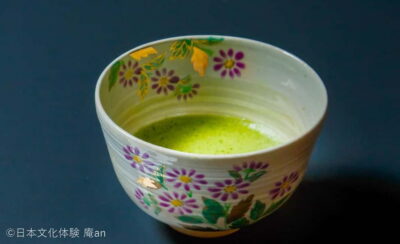
Japanese Traditional Sweets Making and Tea Ceremony
Read our review →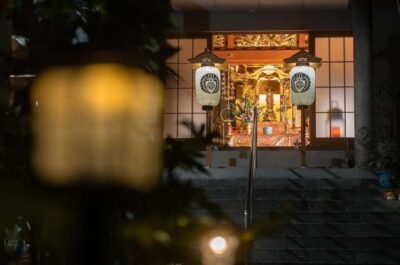
Osaka Temple Cool Foot Bath & Matcha Experience〈45min〉
Read our review →
Samurai Show, Tea Ceremony, Japanese Traditional Activities
Read our review →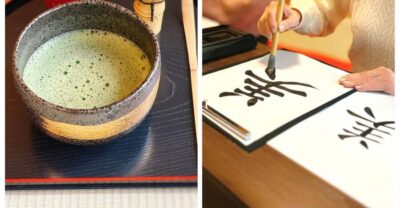
Browse the lists this tour appears in