
Reviewed · OSAKA SAKE TASTINGS
Sake “Omakase” in Osaka : Guided Tasting by a Active Sake brewer
The most interesting part of this Osaka tasting is the host: Yuki is the owner of Sake Pairing Bar Potan and an active sake brewer who spent a year training at a brewery in Osaka. You learn from someone who has worked with rice, water, and koji, not simply someone reading tasting notes from a menu.
I like the careful seven-sake comparison, especially the chance to taste the same sake at two temperatures. I also like the small size, limited to 10 people, which leaves room for questions and conversation about Japanese culture, travel, and brewing.
The main consideration is the price, $71.54 per person, for roughly 90 minutes. That is fair if you want a focused lesson with seven pours and three food pairings, but it may feel high if you only want a quick drink at a bar.
Key points
- Learn from brewer Yuki: Get practical explanations from the owner, who trained at a sake brewery in Osaka.
- Taste seven sakes: Compare three sake styles, two rice varieties, and two serving temperatures.
- See why temperature matters: The same sake can show a different aroma and flavor when served warm or chilled.
- Receive a personal diagnosis: Use the tasting sheet to identify the sake styles you prefer.
- Enjoy seasonal pairings: Three small Japanese dishes are served with the alcoholic beverages.
- Stay near central Osaka: The bar is in Fukushima Ward and close to public transportation.
Why this Fukushima sake session is different
Many sake tastings ask you to sample several bottles and decide which one you like. This session takes a more useful route. It gives you a framework for understanding why the bottles taste different in the first place.
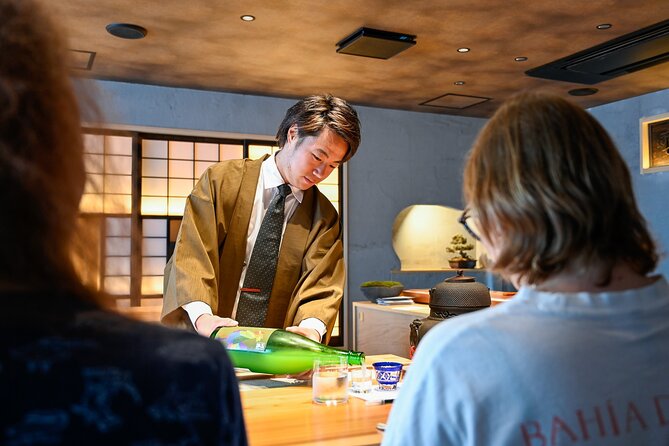
At Sake Pairing Bar Potan, Yuki explains how rice, water, and koji shape the finished drink. You also learn about rice varieties, polishing ratios, basic sake history, and simple etiquette. That information matters because sake labels can look confusing when you are standing in a Japanese shop with no idea what the terms mean.
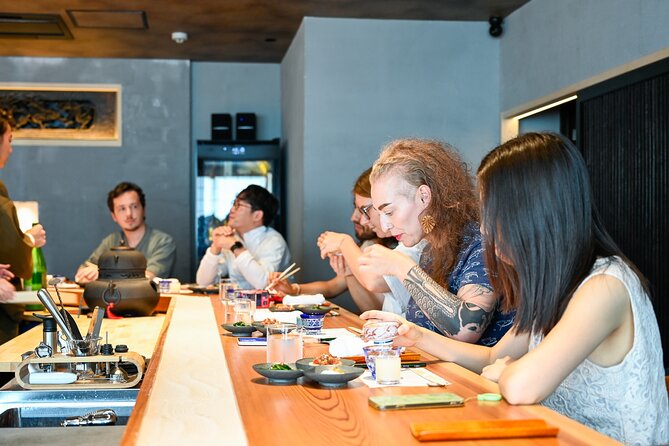
The setting adds to the lesson. The bar uses traditional Japanese architectural touches and is designed to keep sake at the center of attention. You are not being rushed through a noisy food tour or sent from one bar to another. The whole experience takes place in one refined space in Fukushima, just minutes from central Osaka.
Yuki also brings a cross-cultural point of view. He traveled through about 35 countries by the age of 20, and that experience helped shape his interest in sharing Japanese culture through sake. The conversation can move beyond production methods into Japanese customs, regional differences, and travel.
More sake tastings in Osaka:
- Osaka Sake Tasting with Takoyaki Cooking
★ 5.0 · 156 reviews - Osaka Sake Tasting & Takoyaki Cooking Experience
★ 5.0 · 149 reviews - Osaka Cooking Class and Sake Tasting with Local Supermarket Visit
★ 5.0 · 79 reviews
Meeting Yuki, the brewer behind the tasting
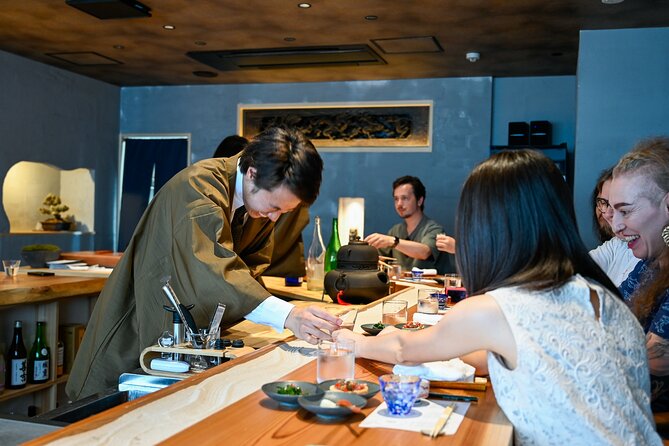
Yuki is both the host and the owner, and he has real brewery experience. He trained for a year at a brewery in Osaka, so his explanations are tied to practical work rather than only restaurant service.
That distinction is useful for beginners. You can ask basic questions without needing to know terms such as koji, ginjo, or polishing ratio in advance. The session is designed to make sake easier to understand, not to test how much you already know.
English is also an important strength here. The experience is conducted in a way that English-speaking visitors can follow, and the available feedback specifically praises Yuki’s clear English and easy-to-follow explanations. That makes a difference when the subject involves production details and subtle flavor changes.
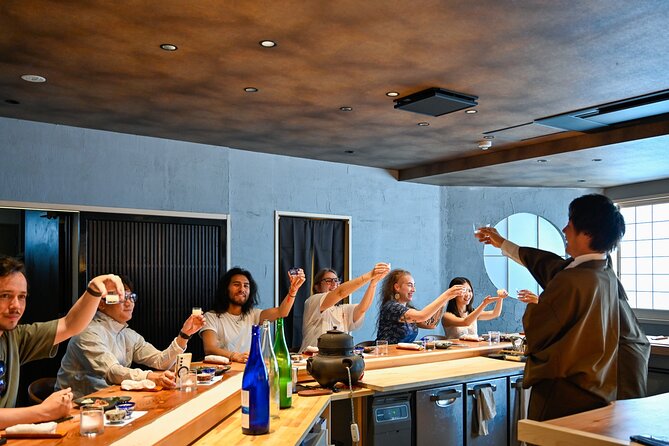
The group limit is 10 people. That is large enough to create a social mood, but small enough for a personal question or two. If everyone attends, it is not a private lesson, so you should expect shared discussion rather than one-on-one instruction.
The opening lesson: rice, water, koji, and polishing
The first part introduces the basics of sake brewing. You learn about the drink’s history and the role of its main ingredients: rice, water, and koji.
Koji is especially important because it helps convert the rice’s starch into sugar, allowing fermentation to create alcohol. You do not need to remember every technical step, but this explanation helps you understand why sake is not simply rice wine in the casual sense. Its production has its own process and vocabulary.
Rice polishing is another useful subject. Sake rice is milled to remove portions of the outer grain. The polishing ratio affects the style and can help explain why two bottles made from similar ingredients taste quite different.
The lesson also covers simple sake etiquette. This is practical for the rest of your time in Japan. You leave with a better sense of how to approach sake at a restaurant, bar, or bottle shop, even if you do not become a serious sake collector.
The host may also show actual brewing materials up close. That physical connection helps turn an abstract explanation into something you can see and discuss.
Three sake styles, tasted side by side
The first tasting section focuses on three different sake styles. This is a good starting point because it gives you broad contrasts before the session gets more specific.
You can pay attention to aroma, sweetness, acidity, texture, and finish. The point is not to find the most expensive or most unusual bottle. It is to notice which qualities you enjoy.
I like this structure because beginners often describe all sake as simply smooth or strong. Comparing several styles in sequence gives you better words to use. You may find that you prefer a light, clean style, a more fragrant pour, or something with greater body and savory character.
The tasting sheet keeps you active. Rather than sitting back while someone talks, you record your impressions as you go. Your notes do not need to sound like a professional critic. Simple observations such as light, dry, sweet, fragrant, or full-bodied are enough.
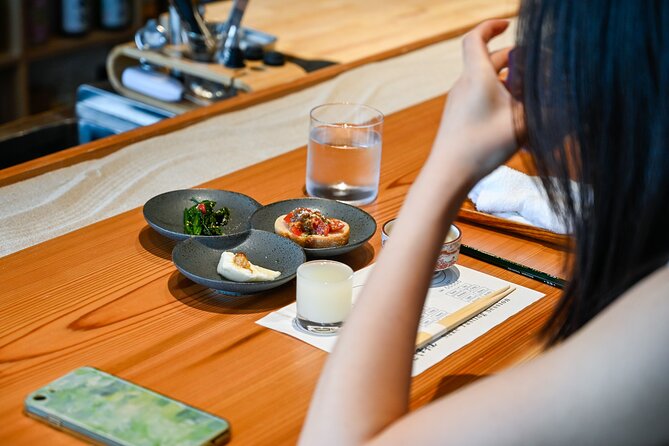
The food pairing also helps. Three seasonal Japanese pairing dishes are included, giving you a chance to see how sake behaves with food instead of tasting it in isolation. The available details do not specify the exact dishes, so you should treat them as seasonal accompaniments rather than expect a fixed menu.
More bar hopping nights in Osaka:
- Osaka: Namba Pub Bar Crawl with a Local Guide
★ 4.9 · 424 reviews - Osaka: Izakaya Bars Guided Walking Tour
★ 4.9 · 385 reviews - Osaka Pub Crawl and Nightlife Tour
★ 5.0 · 293 reviews - Osaka Local Bar Crawl in Dotombori & Uranamba Area
★ 5.0 · 199 reviews
Comparing two rice varieties
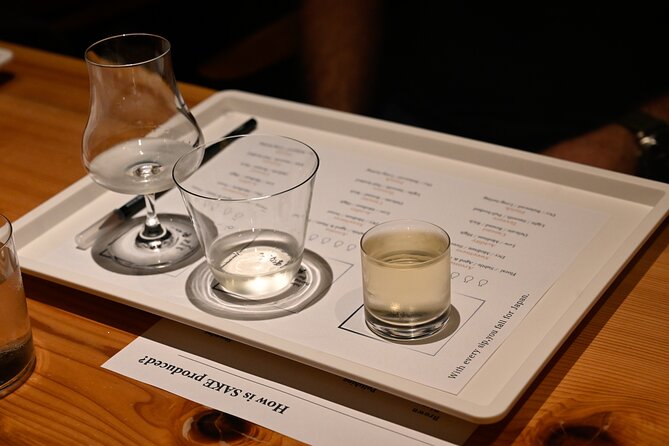
The next stage compares two sakes made from different rice varieties. This is where the brewing lesson becomes more concrete.
Rice variety can affect aroma, texture, and the balance of the final drink. The comparison gives you a direct way to notice those changes without having to rely on a label description.
This part is useful if you plan to buy sake during your trip. Japanese sake labels often provide information about the rice used, the polishing ratio, and the brewing method. After this tasting, those details have more meaning because you have already sampled the results.
You may not develop a favorite rice variety after one comparison, and that is fine. The value lies in learning to ask better questions. Instead of choosing a bottle only because of its design or price, you can start thinking about the rice and style you want.
The session is also suitable for people who have already tried sake but never learned how it is made. One available account describes a previous tasting that offered drinks without much education, while this experience filled in the missing context. That is a useful distinction when you are comparing Osaka activities.
The same sake at two temperatures
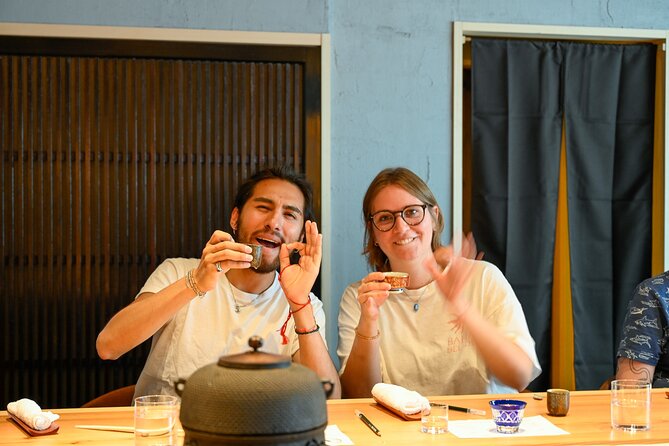
The temperature comparison is one of the most practical parts of the experience. You taste the same sake in two temperature conditions and observe how the aroma and flavor shift.
Temperature can change how strongly you notice sweetness, acidity, fragrance, and texture. A sake that seems crisp and restrained when chilled may feel softer or fuller when warmer. You do not need specialist vocabulary to notice the contrast.
This exercise also changes how you order sake later. Instead of assuming each bottle should be served in one fixed way, you begin to understand that temperature is part of the choice.
For me, this is the kind of lesson that earns a tasting its price. You are not just sampling seven unrelated drinks. You are seeing how the same drink can behave differently, which gives you a practical tool for future meals.
The experience does not promise a long brewery visit or a full production tour. Its focus is the tasting bar and the guided comparison. If you want to walk through an operating brewery, this is not the right format. If you want to understand sake without giving up half a day, the compact structure works well.
Your sake preference diagnosis
Near the end, you use your tasting sheet to receive a personal Sake Preference Diagnosis. This is a simple but useful finish.
The diagnosis helps turn a pleasant tasting into information you can use. You may discover that you prefer a particular style, rice character, temperature, or flavor balance. That makes your next order less of a guess.
The diagnosis is especially helpful for beginners who feel lost when choosing from a long sake list. You can describe what you liked and use the session’s guidance as a starting point.
It is not a formal certification or a professional palate assessment. Think of it as a personal guide based on your reactions during the tasting. The result should make sake more fun and less intimidating.
Conversation, culture, and the pace of the session
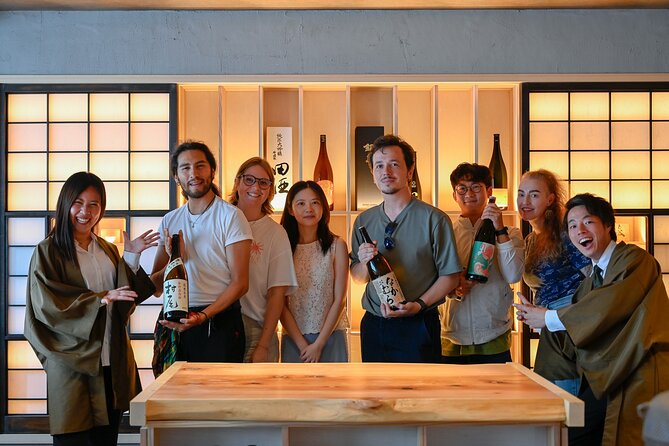
The final portion includes questions and open conversation. This gives you time to ask about brewing, regional differences, Japanese culture, or travel.
The tone is intended to be relaxed and friendly. Yuki’s international travel background supports the cultural side of the discussion, and the experience is built around cross-cultural exchange as much as alcohol.
The compact duration keeps the session manageable. The stated duration is approximately one hour and 30 minutes, although the sample schedule runs from 13:00 through 14:55. Because those details do not match perfectly, confirm the exact timing when you book. Either way, plan enough time around the activity so you are not rushing to a train or dinner reservation.
The format suits solo visitors, couples, and small groups. A group discount is available, which may make it more appealing for friends traveling together. The 10-person maximum keeps it from feeling like a large lecture.
What the $71.54 price buys you
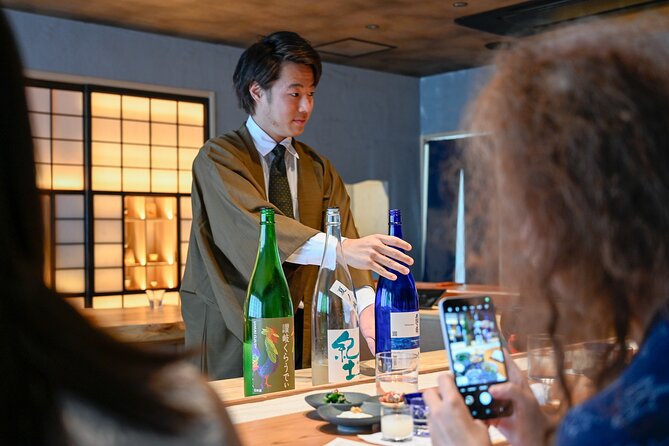
At $71.54 per person, the cost is not low for a 90-minute drink tasting. The value comes from what is included: seven sake samples, instruction from an active brewer, three seasonal Japanese pairing dishes, a tasting sheet, and the personal preference diagnosis.
You are also paying for structure. At a normal bar, you might spend less on one or two drinks, but you would not necessarily learn why they taste different or how to compare them. Here, the seven pours are arranged to teach specific ideas: style, rice, and temperature.
The price makes the most sense if you want an educational experience and plan to keep drinking sake during your trip. It is less suitable if you already know exactly what you like and only want a casual glass.
The group discount can improve the value for friends or family members booking together. Public transportation is not included, and tips are also not included, so allow for those extra costs.
Getting to Sake Pairing Bar Potan
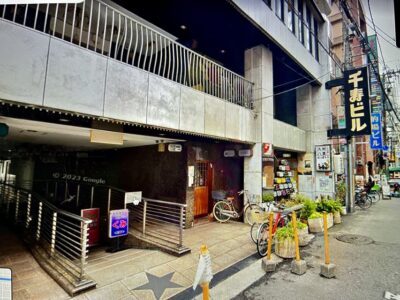
The meeting point is Sake Pairing Bar Potan, at NANEI Fukushima Building 4F in Fukushima Ward:
553-0003 Osaka, Fukushima Ward, Fukushima, 2-chōme 7-24.
The bar is near public transportation and only minutes from central Osaka. You return to the same meeting point at the end, so you do not need to arrange a separate pickup or find your way to a second location.
The exact area is worth checking carefully before you set out, since the venue is on the fourth floor. Confirmation is provided when you book, so use that information for the final address and meeting details.
Service animals are allowed. The activity does involve alcoholic beverages, so you should plan your wider Osaka schedule sensibly and avoid pairing it with anything that requires strict timing or intense physical effort.
Who should book this sake experience
I would choose this for you if you are curious about Japanese sake but do not know where to begin. It also works well if you have tasted sake before and want to understand the production process, rice varieties, and serving temperatures.
It is a particularly good fit for:
- First-time sake drinkers who want clear explanations
- Visitors interested in Japanese food and drink culture
- Couples or friends who enjoy guided tastings
- Solo visitors who like conversation in a small group
- People planning to visit sake bars or buy bottles later in Japan
- Travelers who prefer a single, focused activity near central Osaka
I would be less likely to recommend it to someone who wants a brewery tour, a long meal, or a large selection of food. The included dishes are three seasonal pairings, not a full lunch or dinner.
You should also consider the alcohol itself. Seven tastings in a short session can be substantial, even if the pours are small. Eat sensibly beforehand, use public transportation, and do not plan to drive afterward.
Cancellation and booking details
You receive confirmation at the time of booking. Free cancellation is available if you cancel at least 24 hours before the local start time.
Cancellations made less than 24 hours before the experience are not refunded, and changes within that window are not accepted. Keep the 24-hour cutoff in mind if your Osaka schedule is still changing.
Should you book Sake Omakase in Osaka?
Book it if you want more than a flight of drinks. The strongest reason to go is the combination of Yuki’s brewery experience and the carefully planned comparisons. Tasting seven sakes is useful, but tasting them by style, rice variety, and temperature gives the session a clear purpose.
The $71.54 price is reasonable for a focused lesson with food, especially if you are new to sake or expect to order it again during your trip. It is not the best choice for a casual drink, a full meal, or a brewery walk-through.
For most visitors who want a friendly introduction to Japanese sake in Osaka, this is a smart, compact pick. Just confirm the exact timing, allow for transportation, and arrive ready to taste slowly rather than simply count the pours.
FAQ
Where does the sake experience take place?
It takes place at Sake Pairing Bar Potan in Fukushima Ward, Osaka, at NANEI Fukushima Building 4F, 2-chōme 7-24, postal code 553-0003.
How long does the experience last?
The stated duration is approximately one hour and 30 minutes. The sample schedule runs from 13:00 to 14:55, so confirm the exact timing when booking.
How many people can join?
The activity has a maximum of 10 travelers.
Who hosts the tasting?
The owner, Yuki, hosts the session. He is an active sake brewer who trained for one year at a sake brewery in Osaka.
How many sakes are included?
You taste seven sakes during the session.
What comparisons will I make?
You compare three sake styles, two sakes made from different rice varieties, and the same sake served at two temperatures.
Is food included?
Yes. Three seasonal Japanese pairing dishes are included with the sake.
Is transportation included?
No. Public transportation is not included, although the venue is near public transportation.
Is a group discount available?
Yes. Group discounts are listed as a feature of the experience.
Can I cancel for a refund?
Yes. You can receive a full refund if you cancel at least 24 hours before the local start time. Cancellations or changes made less than 24 hours in advance are not accepted for a refund.
More Food and Drink Tours in Osaka
- Osaka: Shinsekai Food Tour with 13-15 Dishes at 5 Eateries
★ 4.8 · 2,204 reviews - Osaka Food Tour: 13 Dishes at 5 Local Eateries
★ 5.0 · 2,149 reviews - Hungry Osaka Street Food Tour:15 Tastings & 3 Drinks with a Local
★ 5.0 · 1,727 reviews - Hungry Osaka Street Food Tour: 15 Dishes & 3 Drinks
★ 4.9 · 694 reviews
Just added in Osaka
- Urban Canvas: Osaka Street Art Bike Tour★ 5.0 · 10 reviews
- Anime Cosplay Photshoot-50 Digital Photos Provided★ 5.0 · 8 reviews
- TeamLab Botanical Garden Osaka Ticket★ 3.5 · 6 reviews
- Umeda Sky Building & Kuchu Teien Observatory Ticket in Osaka★ 4.5 · 3 reviews
- Immerse in Judo Martial Arts Class from Japan★ 5.0 · 4 reviews
- Cherry Blossom Buddha and Mt.Yoshino with Strawberry Picking Tour★ 4.5 · 5 reviews
- Traditional Home cooking Experience in Osaka, Japan★ 5.0 · 14 reviews
- Traditional Calligraphy Experience near Dotonbori★ 5.0 · 3 reviews
Osaka Sake Tastings, compared.
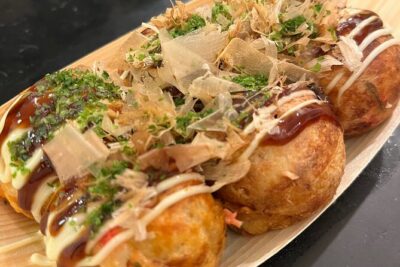
Osaka Sake Tasting & Takoyaki Cooking Experience
Read our review →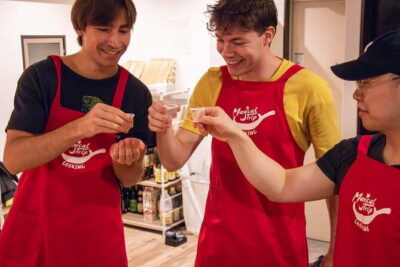
Osaka Cooking Class and Sake Tasting with Local Supermarket Visit
Read our review →
Cooking Class & Sake Tasting with Local Market Visit
Read our review →
3.5h Osaka Night guided Local Bar Hopping, Sake & Karaoke
Read our review →
Browse the lists this tour appears in