
Reviewed · OSAKA COOKING CLASSES
Master Washoku: 5 Core Techniques for Authentic Cooking
The clever part of this Osaka cooking class is its focus on five core washoku techniques, not just a single famous dish. In three hours, chef Yuki takes you beyond sushi and tempura, showing how soy sauce, mirin, sake, vinegar, heat, and time create the flavors found in everyday Japanese cooking.
I like two things right away. First, the menu gives you a proper meal, not a token snack: fish, octopus, vegetables, rice, and potato salad all make an appearance. Second, the group is limited to four people, so Yuki can offer the small corrections and practical tips that make hands-on cooking useful. The possible drawback is that transportation to the apartment is not included, and the exact meeting point varies by booking option.
Key points at a glance
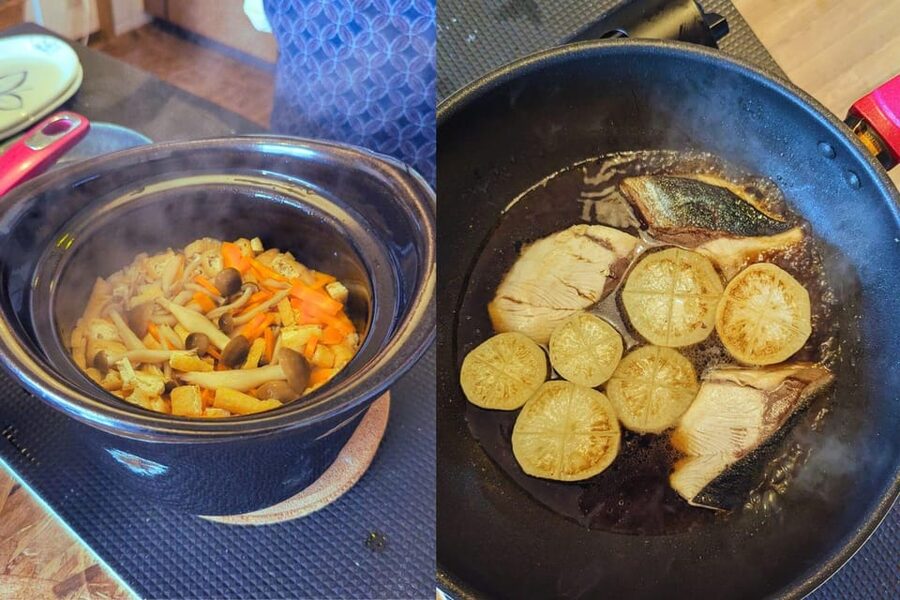
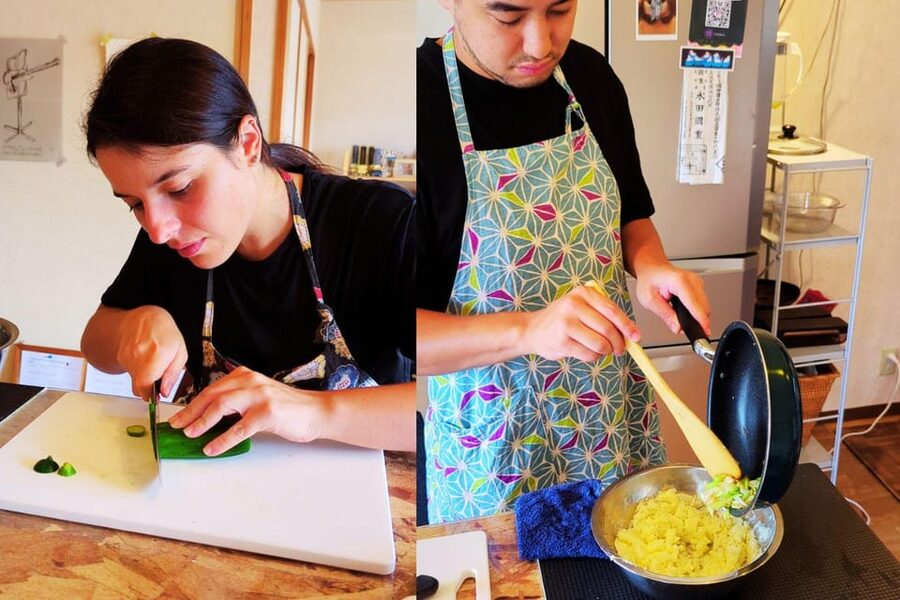
- Five dishes, five useful techniques: Practice marinating, frying, simmering, pickling, and shaping rice into onigiri.
- Chef Yuki leads the class: You learn from a chef with 4.5 years at a Michelin Bib Gourmand izakaya in Osaka.
- The octopus cucumber salad is a highlight: Its clean vinegar balance makes a good introduction to Japanese seasoning.
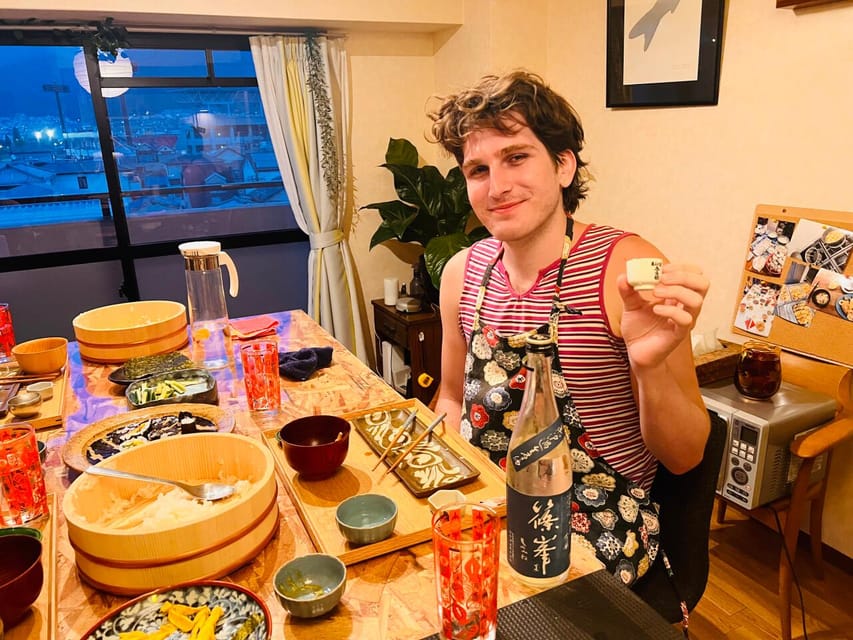
- Optional sake tasting: Compare a chilled Junmai, a chilled Junmai Ginjo, and one warm sake.
- Small group setting: With no more than four participants, the class feels personal rather than assembly-line.
- Good value for a full meal: At $109 per person, the price includes ingredients, equipment, apron, tea, water, instruction, and digital photos.
Why this class looks beyond sushi and tempura
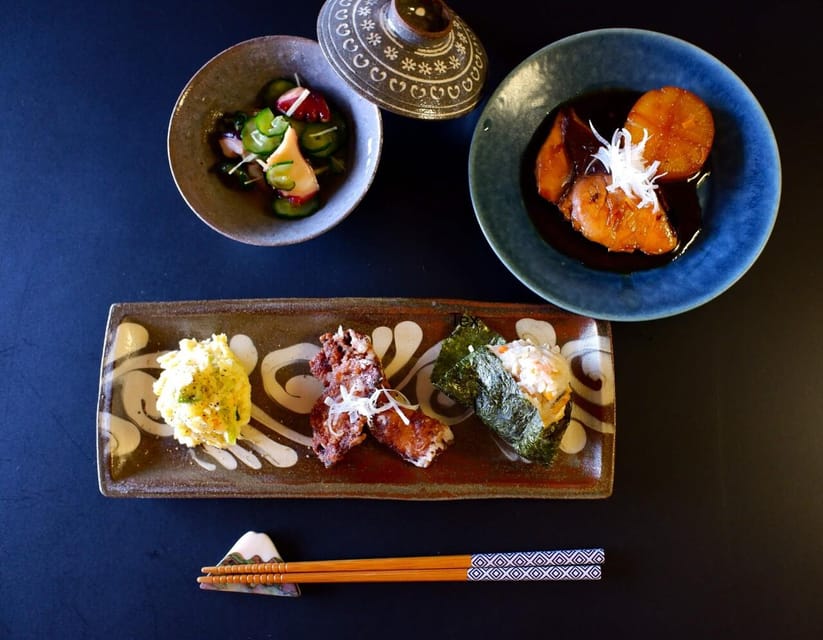
Many first Japanese cooking classes stay with familiar tourist dishes. This one takes a more useful route. Washoku, the traditional Japanese approach to food, depends on balance and restraint. A dish may be salty, sweet, sour, savory, or spicy, but no single flavor should flatten the rest.
That idea comes through in the menu. The vinegar salad teaches sharpness and freshness. The simmered yellowtail shows how gentle cooking can build flavor. The mixed rice onigiri demonstrates how a simple staple can become a satisfying meal with the right seasoning and texture.
I like that the class uses familiar ingredients in several different ways. Soy sauce, mirin, and sake are not presented as mysterious Japanese products. You use them as working tools, learning what each one does in a marinade, sauce, simmering liquid, or rice mixture.
The cooking also reflects the food culture of an izakaya, a Japanese pub where small dishes are served with drinks and conversation. The recipes are substantial enough to eat after class, but practical enough to repeat at home.
More cooking classes in Osaka:
- Matcha Making Class in Osaka with Authentic Japanese Sweets Set
★ 5.0 · 509 reviews - Osaka Sushi Making Experience
★ 5.0 · 400 reviews - Osaka: Ramen and Gyoza Cooking Class in Dotonbori
★ 5.0 · 378 reviews
Meeting chef Yuki in a small Osaka kitchen
Chef Yuki brings 4.5 years of experience from a Michelin Bib Gourmand izakaya in Osaka. The activity also describes the instruction as Michelin-trained, giving you a teacher with professional kitchen experience rather than a casual hobby host.
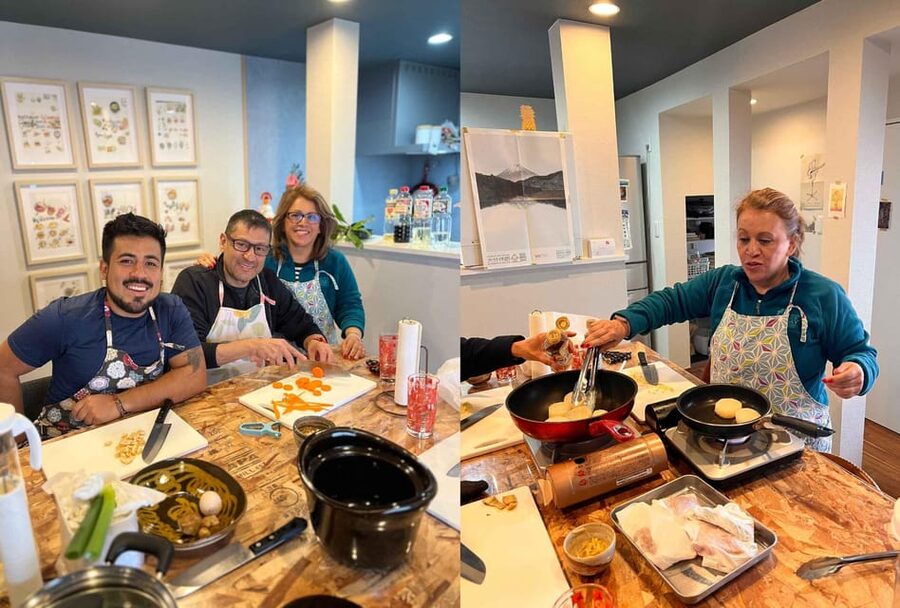
The setting is a comfortable apartment near central Osaka. That matters because the class is meant to feel like cooking in a real home, not touring a restaurant kitchen from behind a barrier. One participant described the experience as cooking in a private home, and that is the right expectation to carry with you.
The group limit is four. I consider that one of the strongest features. Cooking classes can become frustrating when one person handles every important step while everyone else watches. Here, the small size should give you a better chance to cut, season, shape, and taste the food yourself.
Yuki teaches in English and Japanese. You should still tell the host about food allergies before arriving. Adjustments can be made as much as possible, but the information provided does not promise that every ingredient can be replaced.
Five dishes that build a complete meal
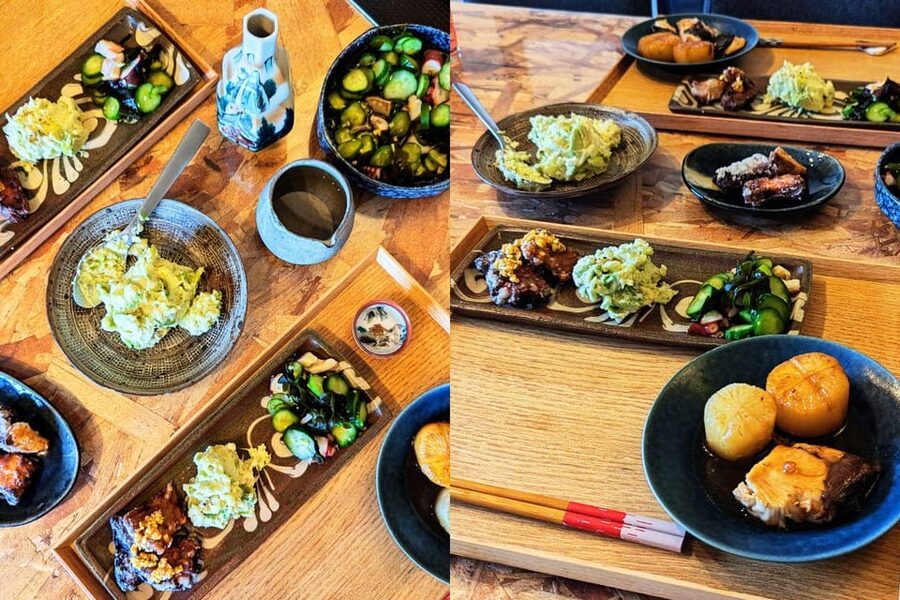
The menu is arranged like a compact lesson in Japanese home and izakaya cooking. You are not simply preparing five unrelated recipes. Each dish points to a different part of the washoku toolkit.
Wasabi garlic potato salad
The first dish puts a Japanese spin on a familiar Western-style side. Potato salad is a common izakaya comfort food, but wasabi and garlic give it more bite than the mild versions many people know.
This is a useful opening recipe because it shows how a small amount of a strong ingredient can change a dish. Wasabi brings heat through the nose rather than the long chili burn of peppers. Garlic adds depth, while the potato gives the mixture a soft, calming base.
Pay attention to balance here. Too much wasabi can overpower everything else. The practical lesson is not just how to make this salad, but how to add assertive flavors without losing the main ingredient.
Same city, a completely different kind of afternoon:
- Osaka Go Karting Tour with Funny Costume
★ 5.0 · 2,658 reviews - Osaka Castle: Museum and Tower Entry Ticket
★ 4.5 · 2,380 reviews - Osaka: Shinsekai Food Tour with 13-15 Dishes at 5 Eateries
★ 4.8 · 2,204 reviews - Osaka Food Tour: 13 Dishes at 5 Local Eateries
★ 5.0 · 2,149 reviews
Octopus and cucumber vinegar salad
The octopus and cucumber salad is one of the most appealing parts of the menu. It is cool, crisp, and light, with vinegar providing the central note. The dish teaches how Japanese cooking uses acidity to refresh the palate.
Cucumber brings crunch, while octopus adds a firmer, pleasantly chewy texture. That contrast keeps the salad interesting without relying on a heavy dressing. It is also the sort of dish that can sit beside fried or simmered food and make the entire meal feel less rich.
This recipe received especially strong praise from one participant, who singled out the cucumber salad with octopus as a favorite. I can see why. It offers a clear lesson in Japanese flavor balance and gives you a dish that feels distinctly different from standard Western salads.
Fish tatsuta-age with scallion sauce
Tatsuta-age is marinated fish that is coated and fried until crisp. The scallion sauce adds freshness and a savory edge, while the fish makes this a natural match for sake.
This part of the class should appeal to anyone who wants to understand Japanese fried food beyond tempura. Tempura depends on a light batter and quick frying. Tatsuta-age begins earlier, with the marinade. The flavor is built into the fish before it reaches the pan.
You will also learn how a sauce can work with fried food without making it soggy or heavy. The contrast between crisp coating and bright scallion flavor is the point. It is a good reminder that Japanese pub food often depends on texture as much as seasoning.
Simmered yellowtail with daikon
The yellowtail and daikon dish is likely the most traditional-feeling course. Simmering is a patient technique. Instead of adding intense heat or a thick coating, you allow the fish and radish to cook gently in a seasoned liquid.
Daikon, the long white Japanese radish, absorbs the cooking flavors while keeping its own mild character. Yellowtail brings a fuller taste and tender texture. Together, they show how Japanese cooks make a satisfying dish from a few well-matched ingredients.
This is where the class moves beyond quick snack preparation. You learn that good Japanese food is not always about speed. The quality of the final dish depends on careful cooking and an understanding of when ingredients are ready.
For home cooks, this may be the most useful lesson of the day. Simmered dishes are forgiving in concept, but timing still matters. You need the daikon tender without losing its shape and the fish cooked without turning dry.
Mixed rice onigiri
The class ends with mixed rice onigiri. Onigiri are rice balls shaped by hand, often made for lunch, picnics, or a quick meal. Here, the rice receives extra seasoning and ingredients before you shape it.
This final dish works well because it turns a basic staple into something personal. Rice texture matters. So does the pressure you use when shaping. Pack it too loosely and it falls apart. Press too hard and it becomes dense.
Making onigiri by hand also gives the class a satisfying finish. You have prepared several dishes, then use one of Japan’s simplest food forms to bring the meal together. It is easy to remember and practical to repeat after you return home.
The techniques you take home
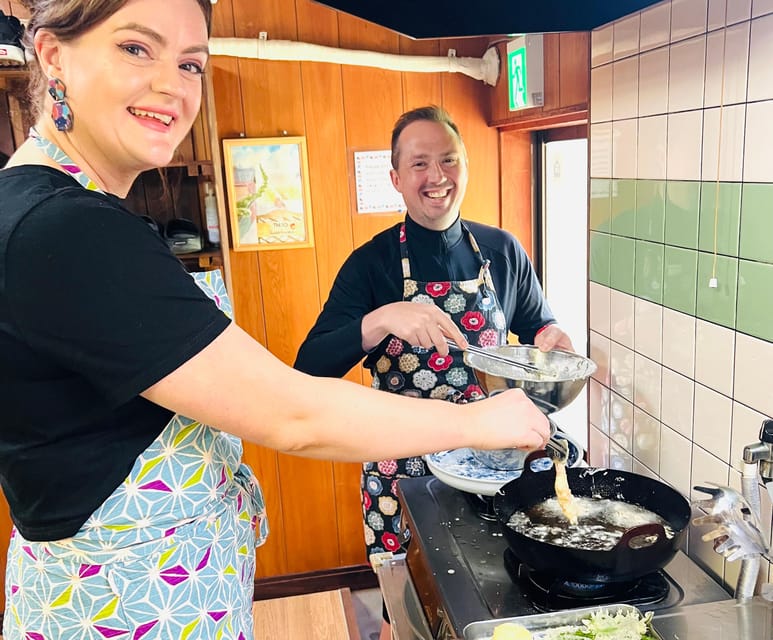
The five dishes cover a useful range of methods:
- Marinating: Build flavor before cooking, as with the fish tatsuta-age.
- Frying: Create crisp texture while protecting the fish inside.
- Simmering: Cook yellowtail and daikon gently in a seasoned liquid.
- Pickling and vinegar seasoning: Use acidity to make a clean, refreshing salad.
- Rice preparation and shaping: Season mixed rice and form it into onigiri.
The class also introduces grilling as one of the core Japanese methods, although the supplied menu does not identify a separate grilled dish. You should think of the experience as an introduction to the broader set of techniques rather than a full technical course in every method.
The value is in learning how Japanese flavors are assembled. You will work with soy sauce, mirin, and sake, then taste how these ingredients behave in different settings. That gives you more lasting knowledge than copying a single recipe without understanding its structure.
What the optional sake tasting adds
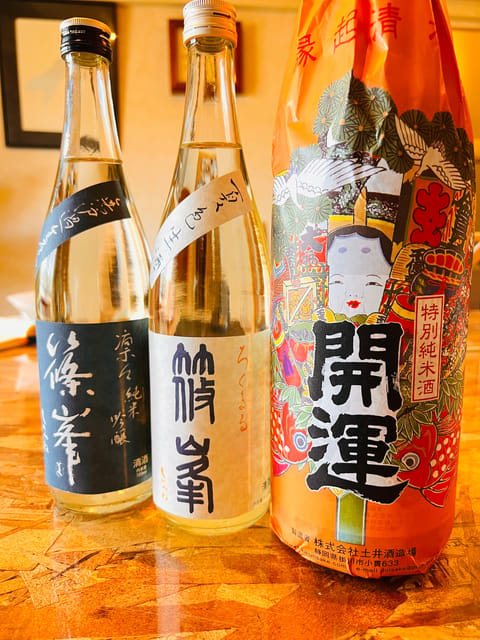
The sake tasting is optional, so you can choose the version of the class that fits your interest and budget. If you add it, you taste three sakes: a chilled Junmai, a chilled Junmai Ginjo from the same brand, and one warm sake.
Comparing the Junmai and Junmai Ginjo side by side is a smart format. Because they come from the same brand, the difference between the styles should be easier to notice. You can focus on how aroma, texture, and finish change rather than trying to compare unrelated bottles.
The warm sake adds another useful lesson. Temperature changes how sake tastes. A sake that seems delicate when chilled may feel rounder and more expressive when warm. The tasting is not just an extra drink with the meal. It connects directly to the food, especially the fried fish and izakaya-style dishes.
The available information does not state the extra cost of the sake option, so check the selected booking option before paying. If you do not drink alcohol, the cooking class itself remains the main experience.
A three-hour pace that leaves room to eat
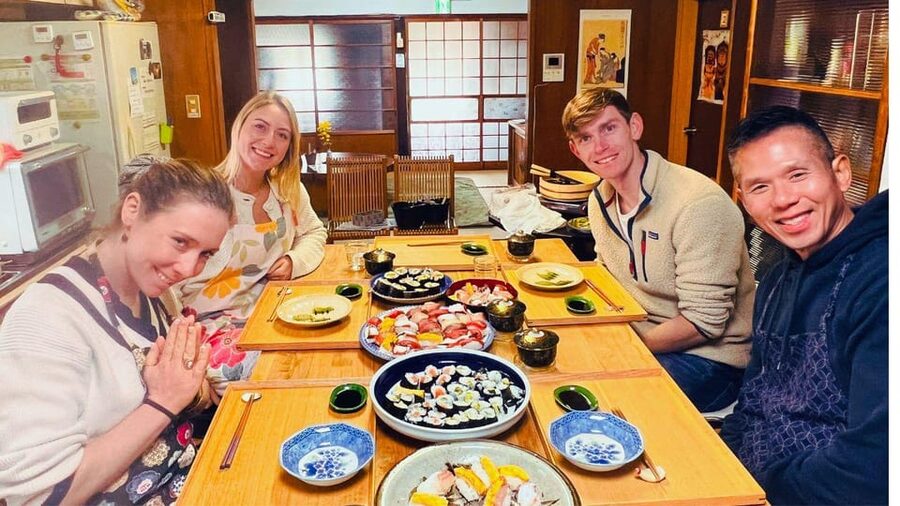
Three hours is a sensible length for this menu. Five dishes require preparation, cooking, tasting, and explanation. A shorter class would risk turning the experience into a quick demonstration with little time for you to handle the food.
The schedule should feel active but not rushed. You will move between different tasks and cooking methods, then sit down to enjoy what you made. Water and tea are included, and aprons, equipment, and ingredients are supplied.
The digital photos are a pleasant extra, particularly if you want a record of the class without stopping to take pictures while cooking. The main souvenir, though, is the set of techniques. Photos preserve the afternoon, but the recipes give you something you can use.
Because the meeting point may vary by booking option, check the exact location before setting out. Transportation is not included, so allow enough time to reach the apartment near central Osaka.
Is $109 a fair price?
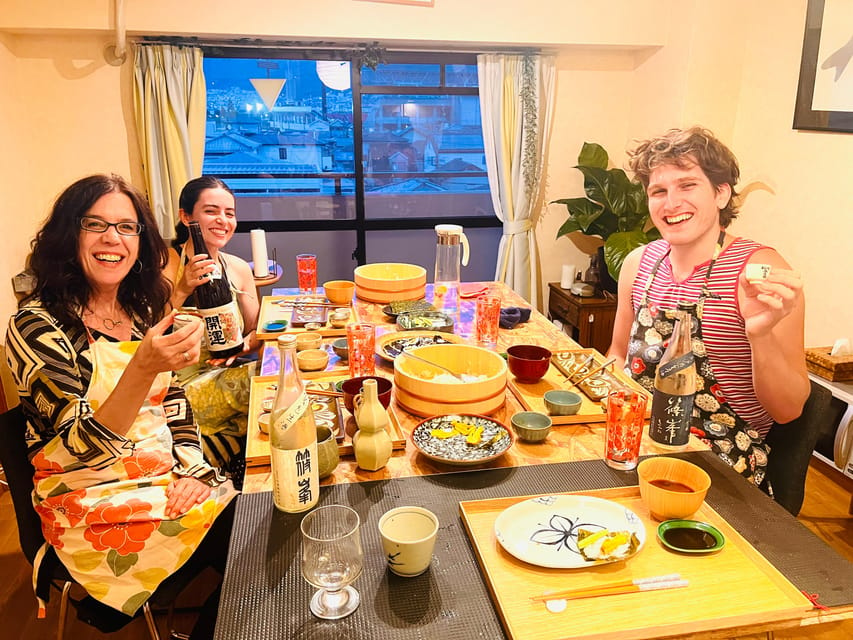
At $109 per person, this is not a bargain meal, but the price includes more than food. You receive three hours of instruction, all ingredients and cooking equipment, an apron, tea and water, cultural context, digital photos, and a meal made from five dishes.
The group cap of four makes the price easier to justify. A larger class could offer a lower rate, but you would likely get less direct contact with the chef. Here, the chance to ask questions and receive help while cooking adds real value.
The professional background also matters. You are not paying only for access to a kitchen. You are paying for Yuki’s experience in an Osaka izakaya and for a lesson built around techniques that can be repeated at home.
I would consider the class good value for someone who wants active instruction and a full meal. It is less compelling for someone who only wants a quick tasting or a famous dish to photograph. The experience rewards curiosity and participation.
Who will enjoy this most
This class suits you if you like food and want to understand how it is made. It works well for first-time visitors to Japan who want a cultural activity with a practical result, as well as experienced cooks looking for ideas beyond sushi.
It is also a good choice for small groups, couples, and solo participants who prefer a personal setting. With only four places, the class should be easier to follow than a large workshop.
Families and mixed-skill groups may also find the menu approachable because the dishes range from simple potato salad and onigiri to more involved fish preparation. Still, the activity includes seafood and alcohol as an optional feature, so check the menu carefully if you have allergies or dietary restrictions.
You should skip it if your schedule is too tight to spare three hours, if you dislike hands-on cooking, or if you want a class focused only on sushi. This experience is about the wider pattern of Japanese food, not one iconic dish.
Booking details worth checking
The class is offered in English and Japanese, with a maximum of four participants. It includes free cancellation up to 24 hours before the start time, and you can reserve now and pay later, which helps if your Osaka plans are still shifting.
Tell Yuki about allergies in advance. The host will adjust preferences as much as possible, but you should not assume every dish can be changed.
The meeting point depends on the option you select. Since transportation is not included, confirm the address and plan your route before the day of the class.
Should you book Master Washoku?
I would book this class if you want a small, friendly cooking session that teaches usable Japanese techniques rather than a single souvenir recipe. The octopus and cucumber salad, simmered yellowtail, and mixed rice onigiri give the menu variety, while the optional sake comparison adds a thoughtful food-and-drink lesson.
The main caution is the price and the seafood-heavy menu. At $109, you should want the instruction as much as the meal. If that sounds right, chef Yuki’s small Osaka class offers a practical and personal way to understand washoku at the kitchen counter.
FAQ
Where does the cooking class take place?
The class takes place in a comfortable, accessible apartment near central Osaka. The exact meeting point may vary depending on the option you book.
How long does the experience last?
The cooking class lasts three hours. Starting times depend on availability.
How many people can join?
The group is limited to four participants, allowing for more personal instruction.
Which languages does the instructor speak?
The instruction is available in English and Japanese.
What dishes will I prepare?
You will prepare wasabi garlic potato salad, octopus and cucumber vinegar salad, fish tatsuta-age with scallion sauce, simmered yellowtail with daikon, and mixed rice onigiri.
Is the sake tasting included?
The sake tasting is optional. The tasting includes two chilled sakes, one Junmai and one Junmai Ginjo from the same brand, plus one warm sake.
What is included in the price?
The experience includes chef instruction, five hands-on dishes, ingredients, cooking equipment, cultural information, an apron, water, tea, digital photos, and the optional sake tasting if you select that option. Transportation to the venue is not included.
Just added in Osaka
- Urban Canvas: Osaka Street Art Bike Tour★ 5.0 · 10 reviews
- Anime Cosplay Photshoot-50 Digital Photos Provided★ 5.0 · 8 reviews
- TeamLab Botanical Garden Osaka Ticket★ 3.5 · 6 reviews
- Umeda Sky Building & Kuchu Teien Observatory Ticket in Osaka★ 4.5 · 3 reviews
- Immerse in Judo Martial Arts Class from Japan★ 5.0 · 4 reviews
- Cherry Blossom Buddha and Mt.Yoshino with Strawberry Picking Tour★ 4.5 · 5 reviews
- Discover Osaka’s Iconic Umeda Sky Observation★ 5.0 · 6 reviews
- Traditional Home cooking Experience in Osaka, Japan★ 5.0 · 14 reviews
Osaka Cooking Classes, compared.

Matcha Making Class in Osaka with Authentic Japanese Sweets Set
Read our review →
Traditional Mochi Pounding Experience with Tasting
Read our review →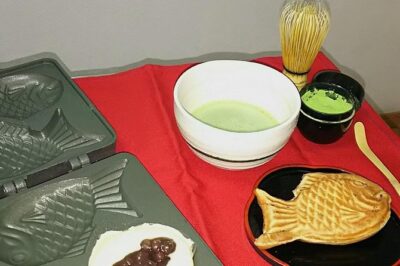
Osaka Cooking Class: Okonomiyaki &Japanese cuisines experience
Read our review →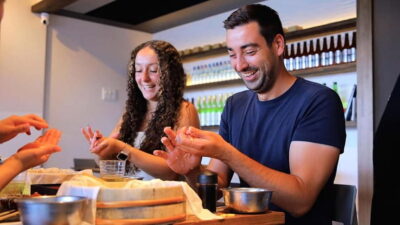
Roll and Authentic Sushi Making Class in Dotonbori
Read our review →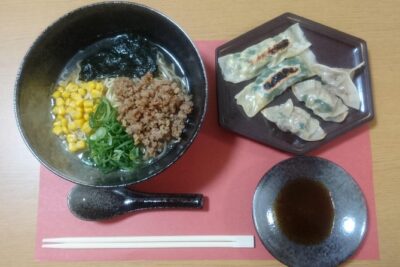

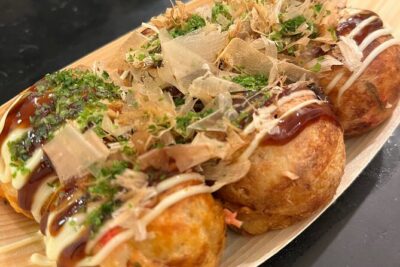
Osaka Sake Tasting & Takoyaki Cooking Experience
Read our review →Browse the lists this tour appears in