
Reviewed · OSAKA TEMPLE TOURS
Osaka:Bamboo Healing Massage at the Temple <90-min>
A foot bath, oil massage, bamboo fascia work, a yukata photo, and tea ceremony all fit into one peaceful visit at an Osaka temple. This is more than a massage appointment. It gives you a small, guided look at Japanese customs while helping your body slow down.
I especially like the mix of hands-on relaxation and cultural rituals, and the fact that the experience is private for your group. The complimentary yukata photo is another smart touch, since it gives you a keepsake rather than just a pleasant hour that disappears into the rest of your trip.
The main concern is practical: the meeting point can be difficult to find, and directions have caused confusion. Allow extra time to reach Tossa de coracao in Kitahorie, and contact the provider rather than calling the temple directly if you need help.
Key details to know before booking
- A foot bath starts the 90-minute program, giving you a calm transition before the massage.
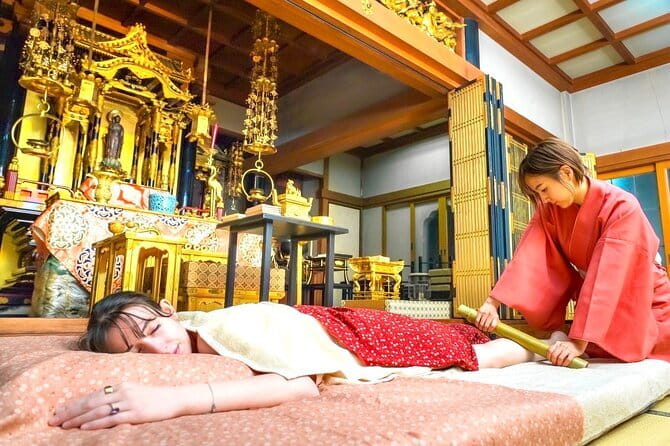
- The full-body oil massage includes fascia release, with a bamboo stick used to work on tight areas.
- You choose your preferred essential oil, adding a personal touch to the treatment.
- Traditional clothing is part of the visit, with a yukata available and a complimentary photo provided.
- Tea and wagashi finish the experience, along with an introduction to temple history and worship.
- The private activity costs $130.31 per person, and the entire visit takes about two hours.
A temple setting instead of a standard spa
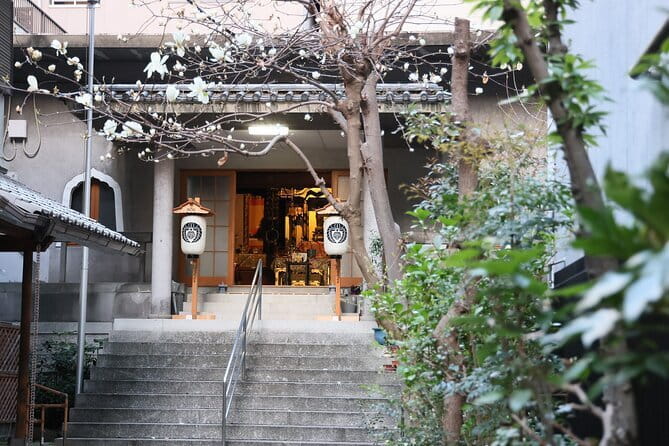
The appeal here begins with the setting. You are not walking into a modern hotel spa with quiet music, polished counters, and the usual anonymous treatment room. You are visiting a traditional Japanese temple in Osaka, where staff in kimono welcome you and explain the place before the treatment begins.
That change of setting matters. A massage can be relaxing anywhere, but the temple gives the appointment a cultural frame. You receive a short explanation of the temple’s history and origins, then learn how to worship with the help of guidebooks. This makes the visit useful for anyone who wants more context around Japanese customs but does not have time for a longer cultural tour.
The activity is private, so only your group takes part. That should make the pace feel more personal than a large class or shared spa booking. It also suits solo visitors who want a guided activity without being placed into a big group.
The meeting point is listed as Tossa de coracao, 1-chōme-6-19 Kitahorie, Nishi Ward, Osaka, 550-0014. One important warning: the directions can be hard to follow, and the location may not be obvious at first glance. I would save the address before leaving your hotel, check your route carefully, and avoid cutting it close.
More temple tours in Osaka:
- Osaka: Minoh, Katsuoji Temple, & Minoh Falls Full-day Tour
★ 4.9 · 172 reviews - Osaka Temple Cool Foot Bath & Matcha Experience〈45min〉
★ 4.9 · 82 reviews - Osaka: Mind & Spirit Balance Temple Reiki Healing
★ 5.0 · 41 reviews
The first pause: a scented foot bath
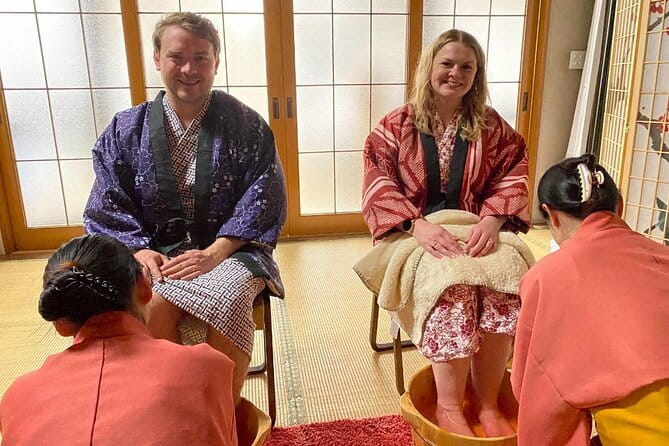
The program begins with a soothing foot bath. This is a small detail, but it helps set the tone. Instead of moving straight from Osaka’s streets into a full-body treatment, you get a few minutes to settle down and let your attention shift away from sightseeing.
The foot bath also gives the experience a gentle beginning for anyone who has never had a massage in Japan. You do not need to know what to do or how the appointment works. The staff welcome you, explain the process, and guide you through each stage.
The supplied details describe the bath as scented, and the treatment later uses your choice of essential oil. That combination makes the opening feel more personal than a fixed, one-size-fits-all routine.
Still, keep your expectations realistic. This is a short wellness program rather than an extended spa day. The foot bath is an opening ritual, not a separate long treatment. Its value comes from helping you settle in and prepare for the massage.
Oil massage and bamboo fascia work
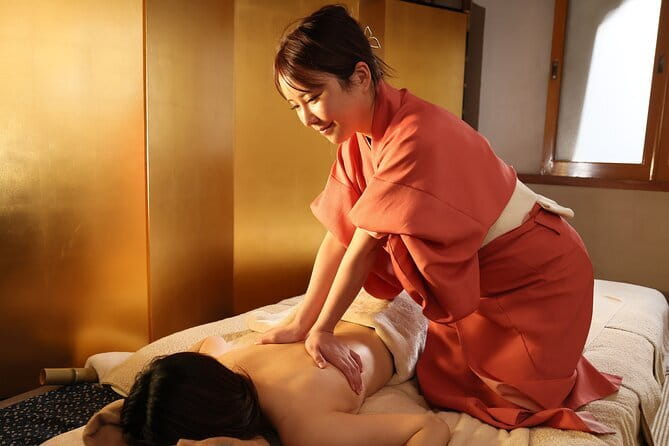
The main treatment is a full-body oil massage designed to release tension. The use of oil allows the practitioner to work across the body with smooth strokes, while the fascia release techniques focus on areas that feel tight or restricted.
A bamboo stick is used for part of the fascia work. That gives this massage a distinct Japanese-style feature and sets it apart from a standard oil treatment. The bamboo tool can help apply focused pressure, though anyone sensitive to firm work should speak up during the session.
You can choose your favorite essential oil. Since the activity information does not list the available scents, you should ask what options are offered when you arrive. If you have allergies or a strong reaction to fragrance, mention that before the massage begins.
The phrase fascia release can sound technical, but the practical point is simple: some of the work aims at stubborn tightness rather than only providing light, soothing strokes. That may appeal to you after long days of walking around Osaka. It may be less appealing if you want only a very gentle massage.
Good communication matters here. Tell the practitioner if pressure feels too strong, especially during bamboo work. The goal is to leave feeling refreshed, not tender. The experience is presented as suitable for most people, but the information does not provide medical guidance or list conditions that should avoid massage, so anyone with a health concern should check with a medical professional before booking.
Yukata, temple guidance, and a keepsake photo
The cultural side of the visit continues with a chance to wear a yukata. This is a casual traditional Japanese garment, and the staff help make it part of the experience rather than asking you to arrive already prepared.
A complimentary photo is included. I like this because it gives the visit a clear memory to take home. You are not simply paying for a massage that ends when you leave the temple. You also receive a small portrait in traditional clothing, set against the atmosphere of the temple.
The photo is not presented as a professional photo shoot, so do not book this expecting a long styling session or a series of elaborate portraits. Think of it as a simple souvenir that captures the cultural side of the appointment.
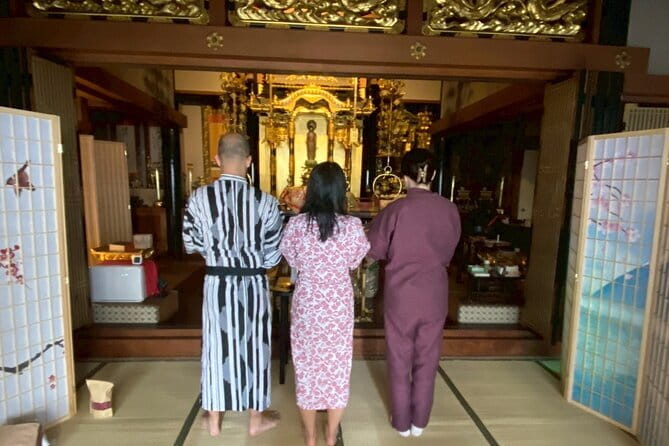
The staff also explain the history and origins of the temple, along with how to worship. Guidebooks support the explanation. This is useful if you have felt unsure about what to do at a Japanese temple. You can take part respectfully without guessing at the correct steps.
One past participant also described a short meditation in the shrine area. That detail appears in the experience description as part of the broader temple visit, but the exact timing is not spelled out. It is best to think of meditation as a possible brief element rather than a separate, guaranteed class.
More massage and spa sessions in Osaka:
- Osaka Temple Head Spa &Matcha Facial – Refresh & Glow〈90min〉
★ 5.0 · 24 reviews - Osaka: Tennen Onsen Naniwa-no-Yu, the famous hot spring spa
★ 4.7 · 19 reviews - Osaka Temple :Warm Bamboo Oil Massage – Deep Restore〈90min〉
★ 5.0 · 14 reviews - Osaka: Japanese Zen Massage and Facial at the Temple/180-min
★ 4.8 · 10 reviews
Tea and wagashi to close the visit
The final stage is an authentic tea ceremony with wagashi, traditional Japanese sweets. This is a fitting finish because it brings the visit back from bodywork to custom and hospitality.
The ceremony is described as a mini tea experience, so you should not expect a long formal tea school lesson. You will, however, have a chance to see the careful presentation and manners connected with Japanese tea. The wagashi adds a sweet bite and gives the closing ritual a clear local character.
I like the order of the program. The massage encourages you to relax physically, while the tea ceremony gives you a quiet cultural ending. You are not rushed from the treatment directly into the street. The final portion helps the experience feel like a complete visit rather than a massage with a few extras attached.
If you are interested in Japanese culture but have limited time, this combination is practical. You get a small introduction to temple etiquette, traditional clothing, tea, and sweets in one booking. The tradeoff is that each cultural element is brief. You receive a taste, not an in-depth study.
How much value does $130.31 offer?
The listed price is $130.31 per person. That is not a bargain massage, so the value depends on what you want from the outing.
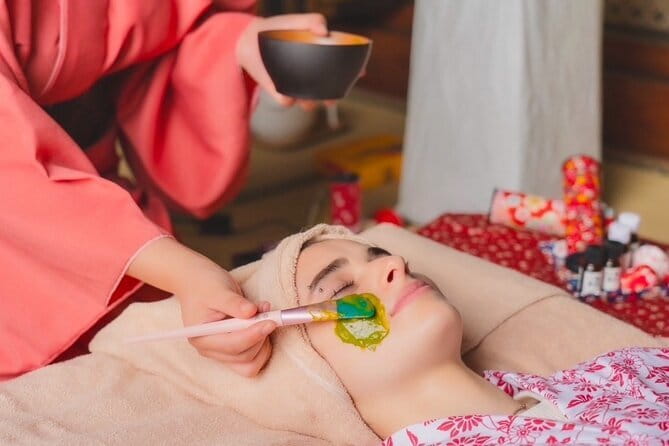
If you are comparing it with a basic massage, the price may feel high. You are paying for more than bodywork, though. The visit includes a foot bath, full-body oil massage, fascia work with bamboo, essential oil selection, temple guidance, yukata use, a complimentary photo, and tea with wagashi. The private format also matters, since your group is not combined with others.
For someone seeking a simple treatment, I would compare prices carefully before booking. For someone wanting a special occasion in Osaka, the package makes more sense. It combines relaxation with a cultural activity and a souvenir, which can save you from arranging several separate experiences.
The two-hour approximate duration is another factor. The massage course itself is described as 90 minutes, while the total visit includes welcome time, temple explanations, dressing, the photo, and tea. Do not schedule a tight train connection immediately afterward.
The experience is booked an average of 46 days ahead. That suggests planning early is sensible, especially if you want a particular day during a busy Osaka visit. Free cancellation is available until 24 hours before the start time, with a full refund. Changes or cancellations inside that window are not accepted and are not refunded.
Who will enjoy this Osaka experience?
This is a strong fit for several kinds of visitors.
Solo visitors may appreciate the private format and the staff guidance. One person who was anxious about solo travel found the activity especially rewarding, and the step-by-step structure can help you feel comfortable even if you have never had a Japanese massage.
Couples and friends get a shared cultural memory as well as time to relax. The yukata photo can make the booking feel more special than two separate spa appointments.
First-time visitors to Japan may value the simple explanation of temple worship. You do not need prior knowledge, and the guidebooks help make the customs easier to follow.
People with tired legs and tight muscles may like the foot bath, oil massage, and fascia work after days of sightseeing. The bamboo treatment is particularly suited to anyone curious about a more focused approach to tension.
This may not suit you if you want a long, formal tea ceremony, a deep cultural lecture, or a modern luxury spa with extensive facilities. It is also not the best choice for a visitor who dislikes scented oils, firm pressure, or traditional clothing.
Practical advice for a smooth visit
Save the full meeting-point address and allow extra time for finding the entrance. The directions have been difficult for some people, so do not rely on a last-minute map search while standing on a busy Osaka street.
Contact the experience provider by email for reservations or questions. Do not call Saishoji Temple directly. This distinction matters because the temple and the massage provider handle different parts of the arrangement.
Wear something that makes changing into a yukata easy, although the supplied information does not specify a dress code. Service animals are allowed, and the activity is near public transportation. Most people can participate, but the provider does not give detailed medical or mobility guidance, so ask ahead if you have specific needs.
The mobile ticket is convenient. Keep it ready on your phone, along with your booking details and the provider’s contact information. Confirmation is provided at the time of booking.
Because the activity is private, you can expect the visit to center on your own group rather than a large audience. That makes the explanations, massage, and photo feel more personal, but it also means punctuality matters. A late arrival could reduce the time available for one of the scheduled elements.
The best reasons to book, and the reasons to pause
I would book this if you want a small cultural experience with real relaxation built in. The combination is unusual. You learn how to worship, try a foot bath, receive a full-body treatment, wear a yukata, take home a photo, and finish with tea and wagashi.
The strongest feature is the way the pieces work together. The massage is the main attraction, but the temple setting and traditional customs give it more character. The staff’s polite welcome and careful guidance are also important, especially if you are traveling alone or feel unsure about Japanese etiquette.
I would pause if the $130.31 price is more than you want to spend on a 90-minute treatment, or if you are looking for an extensive spa facility. You should also allow for the possibility that the meeting point will take effort to find.
For the right person, this is a memorable Osaka splurge. Book it well ahead, keep the schedule relaxed, and treat it as a cultural wellness visit rather than only a massage appointment.
FAQ
Where does the experience begin?
It begins at Tossa de coracao, 1-chōme-6-19 Kitahorie, Nishi Ward, Osaka, 550-0014, Japan.
Where does the experience end?
The activity ends back at the meeting point.
How long does the experience last?
The massage course is described as 90 minutes, while the overall visit takes approximately two hours.
How much does it cost?
The listed price is $130.31 per person.
Is the activity private?
Yes. Only your group participates in the activity.
What is included in the massage program?
The program includes a foot bath, full-body oil massage, essential oil selection, and fascia release using a bamboo stick.
Is a yukata provided?
Yes. You have the opportunity to wear a yukata, and a complimentary photo is provided.
Is tea included?
Yes. The experience ends with a traditional tea ceremony and wagashi, which are traditional Japanese sweets.
Can I cancel for a refund?
You can cancel up to 24 hours before the start time for a full refund. Cancellations or changes made less than 24 hours before the start time are not accepted and are not refunded.
Just added in Osaka
- Urban Canvas: Osaka Street Art Bike Tour★ 5.0 · 10 reviews
- Anime Cosplay Photshoot-50 Digital Photos Provided★ 5.0 · 8 reviews
- TeamLab Botanical Garden Osaka Ticket★ 3.5 · 6 reviews
- Umeda Sky Building & Kuchu Teien Observatory Ticket in Osaka★ 4.5 · 3 reviews
- Immerse in Judo Martial Arts Class from Japan★ 5.0 · 4 reviews
- Cherry Blossom Buddha and Mt.Yoshino with Strawberry Picking Tour★ 4.5 · 5 reviews
- Traditional Home cooking Experience in Osaka, Japan★ 5.0 · 14 reviews
- Traditional Calligraphy Experience near Dotonbori★ 5.0 · 3 reviews
Osaka Temple Tours, compared.
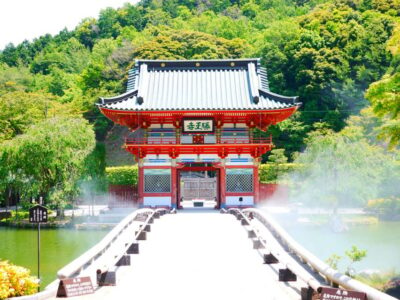
Minoh, Katsuoji Temple, & Minoh Falls Full-day Tour
Read our review →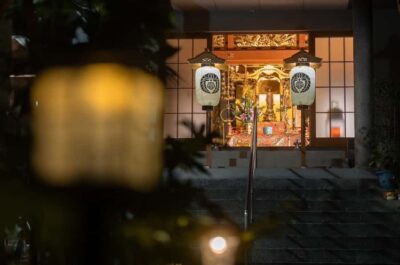
Osaka Temple Cool Foot Bath & Matcha Experience〈45min〉
Read our review →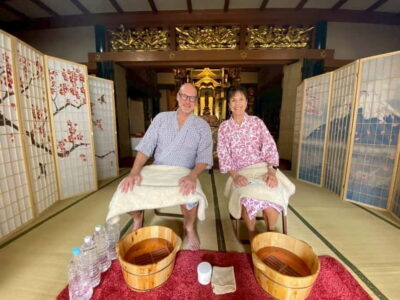
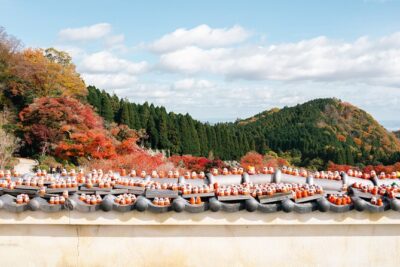
Katsuo-ji Temple, Arashiyama Forest, & Nara Park
Read our review →
Minoh Waterfall & Katsuo-ji Temple Half-Day Tour
Read our review →
Osaka Half-day E-bike Adventure: Minoh Falls & Katsuoji Temple
Read our review →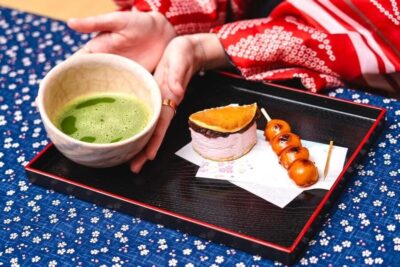
Osaka Temple Head Spa &Matcha Facial – Refresh & Glow〈90min〉
Read our review →
Browse the lists this tour appears in