
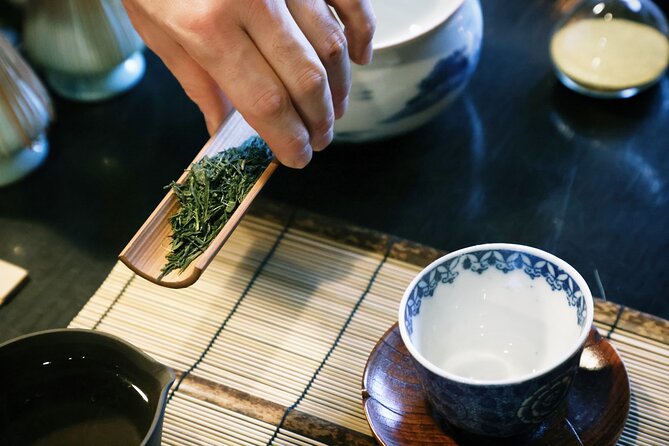
Reviewed · OSAKA TEA CEREMONIES
Discover Japanese Tea Blending Techniques in Osaka
The most interesting part of this Osaka experience is that it treats tea as both old craft and modern drink. You’ll learn how to brew sencha, Japanese black tea, oolong, hojicha, and matcha, then use tea in fruit drinks and cocktails. Ko leads the workshop with humor, strong English, and a clear passion for the subject.
I like the small maximum of three people, which gives you real time to handle the pot and ask questions. I also like the setting near Namba Yasaka Jinja, away from Osaka’s main tourist streets, plus the tea leaves and recipes you can take home. The main drawback is its narrow appeal: if you want a quick cup and a photo, two hours of brewing technique may feel like too much.
- Five Japanese teas in one sitting: Compare sencha, wakocha, oolong, hojicha, and matcha rather than treating Japanese tea as one single style.
- Ko’s hands-on teaching: Learn details such as water temperature, timing, tea-pot handling, and why the grip and pouring method matter.
- A tea house, not a staged ceremony: The calm space, antique objects, and small group make this feel personal and informal.
- Tea cocktails and fruit drinks: See how traditional tea works with natural ingredients and alcohol.
- A useful take-home souvenir: Leave with tea samples and recipes, so the lesson can continue in your own kitchen.
- A quieter corner of Osaka: Meet at Namba Yasaka Jinja in Motomachi, a short walk from public transportation and beyond the main shopping crowds.
Why This Workshop Is Different From a Standard Tea Ceremony

Many visitors come to Japan expecting tea to mean matcha whisked in a formal room. This workshop gives you a wider picture. Matcha is included, but it shares the table with sencha, roasted hojicha, Japanese black tea called wakocha, and Japanese oolong tea.
That range matters. You can taste how roasting changes a tea, how green tea differs from black tea, and how brewing choices affect aroma and strength. Instead of memorizing rules, you begin to see tea as a group of related drinks with different methods and moods.
Ko also connects the drinks to Japanese history and culture. The lesson covers how tea-making traditions shaped the country, along with the philosophy behind Japanese tea culture. You won’t simply hear that tea is important. You’ll learn why the preparation is handled with care.
The tone is informal. You are not expected to sit silently while an instructor performs. You handle the tools, brew the tea, taste the results, and adjust your technique with help. That makes this a good choice if you learn best by doing.
Meeting Ko at Namba Yasaka Jinja
The workshop begins at 3 p.m. at Namba Yasaka Jinja, 2-chome-9-19 Motomachi, in Osaka’s Naniwa Ward. The meeting point places you outside the busiest tourist center, in an area with a more local feel and a calmer walk from public transportation.
Namba Yasaka Jinja is also a useful landmark for finding the start. Check the exact meeting instructions before you leave, and allow enough time to arrive at 3 p.m. The activity ends at the same meeting point, so you won’t need to arrange a separate pickup or find your way to another neighborhood afterward.
The location is part of the appeal. You get a small change of pace from Osaka’s shopping arcades and major sights without committing to a long trip across the city. If you have a free afternoon in Namba, this fits neatly between sightseeing and dinner.
The group limit is three people. That is unusually small for a paid activity and changes the feel of the lesson. You can ask about a particular tea, repeat a brewing step, or get help with the pot without waiting behind a large class.
More tea ceremonies in Osaka:
- Osaka: Tea Ceremony Experience
★ 4.9 · 1,426 reviews - Tea Ceremony Experience in Osaka Doutonbori
★ 5.0 · 754 reviews - Matcha Making Class in Osaka with Authentic Japanese Sweets Set
★ 5.0 · 509 reviews
Brewing Sencha, Wakocha, Oolong, Hojicha, and Matcha
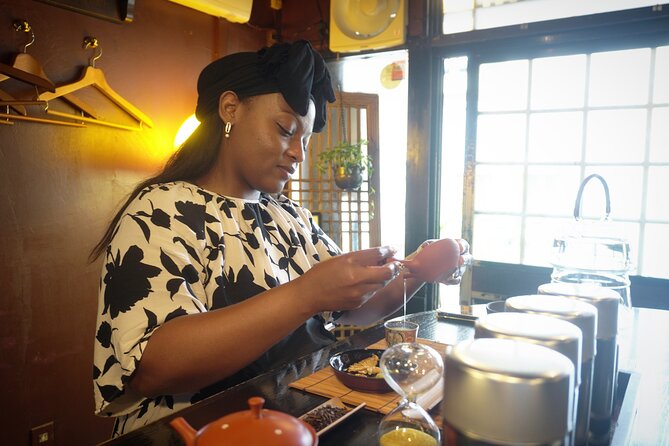
The core of the workshop is learning how each tea should be prepared. You’ll discuss brewing temperature, timing, handling, and technique, then put those points into practice.
Sencha gives you a clear introduction to Japanese green tea. It is not enough to pour hot water over leaves and hope for the best. Water temperature and steeping time affect bitterness, fragrance, and body. A small change can produce a noticeably different cup.
Japanese black tea, or wakocha, offers a useful contrast. It shows that Japan’s tea culture is not limited to green tea. The workshop also includes Japanese oolong tea, which adds another point of comparison and helps you understand how processing changes the final drink.
Hojicha is roasted tea, and its warm, toasted character makes it easy to compare with the fresher taste of green tea. One particularly useful lesson is that high-quality brewed hojicha can taste very different from bottled tea bought at a vending machine or convenience store.
Matcha brings a different set of skills. Because the tea is powdered rather than steeped and removed, preparation and texture matter. You’ll see how it fits into the wider tea tradition, then use it in a modern drink later in the workshop.
The teaching includes small physical details that are easy to overlook. You learn how to hold the tea pot correctly and why that grip matters. These points may seem minor, but they help you pour with control and treat the equipment properly.
The Hands-On Lesson Makes the Difference
The workshop does not stop at demonstration. You brew the teas yourself, using the methods introduced by Ko. If you are new to loose-leaf tea, this is where the price begins to make more sense. You leave with practical skills rather than only a pleasant memory.
Ko is described as a funny, friendly teacher who speaks excellent English and explains complicated ideas in a relaxed way. His experience learning brewing methods directly from tea farmers adds useful context, especially when he explains why a particular tea needs a certain approach.
You can expect guidance rather than a pass-or-fail test. The activity is designed for people with different levels of tea experience, and the small group means you can ask for help when a step feels unclear.
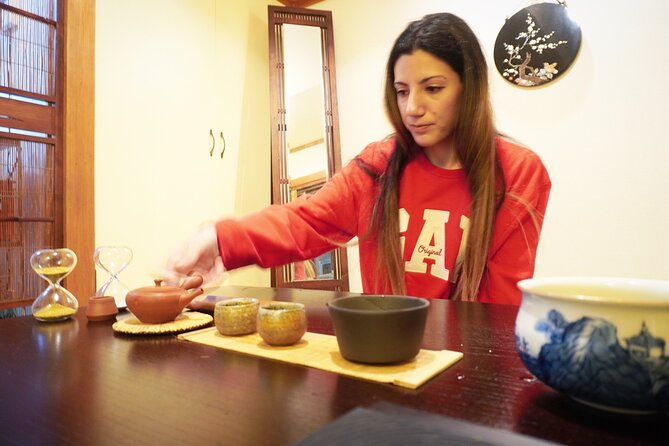
I especially like that the setting is a real tea house rather than a classroom made for large groups. Antique objects and a cozy atmosphere give the lesson a sense of place. The room is meant for conversation and tasting, not just a formal presentation.
There is also time to talk while the tea brews. That makes the workshop feel social without turning it into a noisy group outing. If you enjoy asking questions about ingredients, Japanese customs, or drink preparation, you’ll have room to do so.
From Traditional Tea to Tea Cocktails
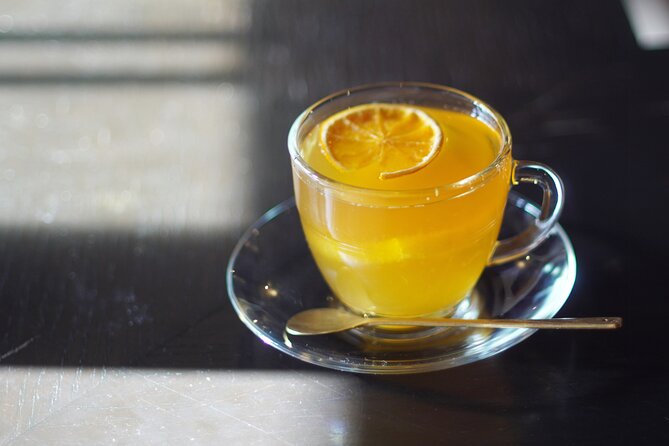
The modern section is the surprise. After learning traditional techniques, you use tea in drinks made with natural ingredients such as fruit. Alcohol can also be added, turning the lesson into a small mixology session.
This is not a separate cocktail class tacked onto a tea demonstration. The point is to show how the flavor, aroma, and strength of tea can work in new forms. You may find that roasted hojicha, grassy matcha, or a lighter oolong each suits a different kind of drink.
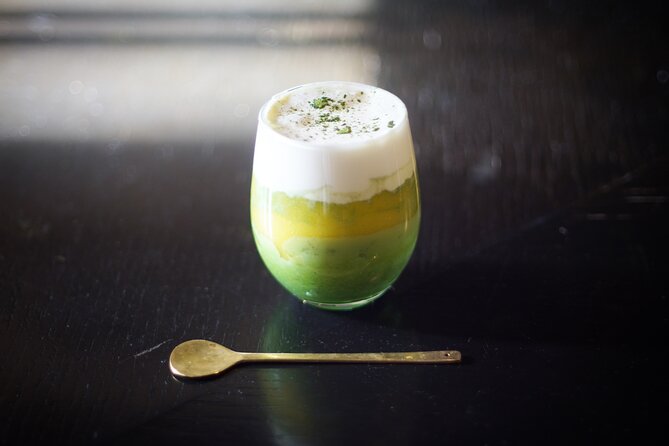
The exact drinks can vary, but the experience includes a tea drink and a tea cocktail. Past examples include a mango matcha macchiato with foam, a combination that shows how matcha can move beyond the traditional bowl.
You also sample traditional Japanese sweets. That gives you another way to notice how sweetness changes the taste of tea. A tea that seems sharp on its own may feel rounder with a small sweet alongside it.
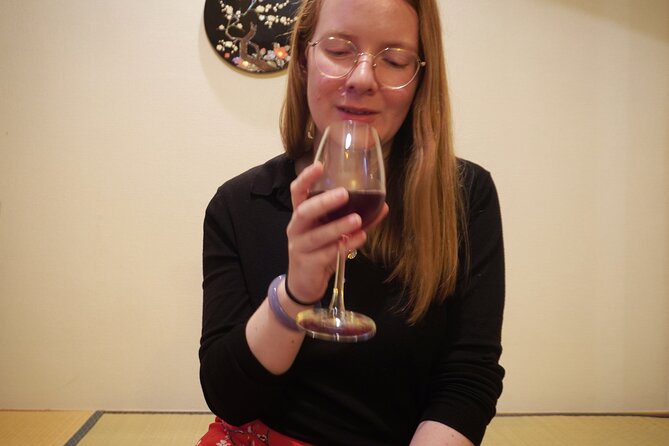
Alcohol is part of the activity, so consider that when booking. The supplied information does not specify the cocktail ingredients, portion sizes, or nonalcoholic substitutions. If you do not drink, ask the provider before arrival.
Same city, a completely different kind of afternoon:
- Osaka Go Karting Tour with Funny Costume
★ 5.0 · 2,658 reviews - Osaka Castle: Museum and Tower Entry Ticket
★ 4.5 · 2,380 reviews - Osaka: Shinsekai Food Tour with 13-15 Dishes at 5 Eateries
★ 4.8 · 2,204 reviews - Osaka Food Tour: 13 Dishes at 5 Local Eateries
★ 5.0 · 2,149 reviews
A Calm Osaka Afternoon Outside the Main Tourist Hub
This workshop works well as an afternoon break. The 3 p.m. start leaves your morning open for Osaka Castle, Kuromon Market, a museum, or shopping around Namba. After the tea lesson, you finish back at the meeting point rather than crossing the city in the dark.
The neighborhood offers a useful change from Osaka’s most crowded areas. You are still close to public transportation, but the walk around Motomachi can feel calmer and less commercial. That small shift helps the activity feel connected to everyday Osaka rather than built only for sightseeing.
The location also makes sense for a short itinerary. At roughly two hours, the workshop is long enough to feel substantial but short enough to combine with another plan. One person who attended suggested setting aside at least an hour and a half, so avoid scheduling a tight dinner reservation immediately afterward.
The advertised duration is approximate. Tea preparation naturally takes time, and a small group may linger over questions or extra conversation. Leave some breathing room in your schedule.
What You Take Home
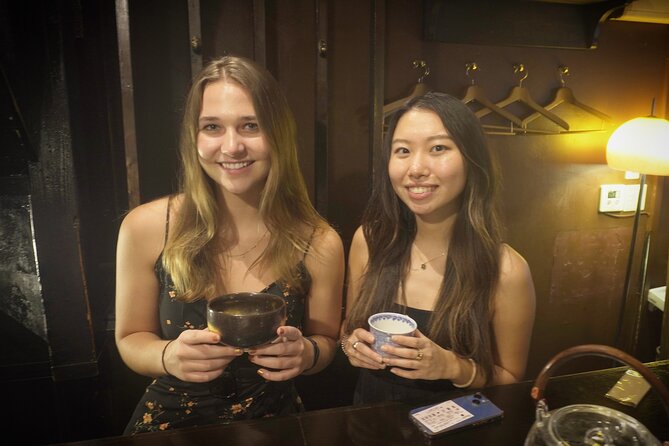
The take-home samples are modest but useful. You receive tea to share or brew later, along with recipes for the beverages made during the workshop. That is more practical than a souvenir that sits on a shelf.
The samples also help you test whether the techniques transfer to your own kitchen. You can repeat the brew, compare it with the cup you made in Osaka, and adjust your temperature or timing.
If the class sparks an interest in loose-leaf tea, you may find yourself looking for a tea pot or better tea at home. That is a sign the workshop teaches a habit, not just a fact. Still, you should not expect a large retail package or a full tea-making kit unless the provider confirms otherwise.
The recipes are especially valuable for anyone who enjoys hosting. A tea cocktail or fruit-based tea drink gives you a simple way to share a piece of the workshop with friends and family.
Is the $54.46 Price Good Value?
At $54.46 per person, this is not the cheapest food or drink activity in Osaka. You are paying more than the cost of ordering several cups of tea at a café.
The value comes from the private-feeling format. The maximum of three people means your fee covers instruction, tasting, hands-on practice, tea samples, recipes, and several different drinks. You are also paying for access to Ko’s technique and explanation, not just ingredients.
For a tea lover, the price is fair. You taste five tea styles, learn how to brew them, and explore cocktails and sweets in one two-hour session. It can also be a good choice for a honeymoon or special trip because it offers a quieter shared activity with plenty of conversation.
For a casual drinker, the calculation is different. If you rarely drink tea and do not care about brewing at home, you may get more value from a simple tea café or a market visit. This activity rewards curiosity and attention.
The small group is the key selling point. A larger class might cost the same while giving you less time with the tools. Here, you can ask questions and make the drinks yourself.
Who Should Book This Experience?
You should consider booking if you enjoy tea, cooking, Japanese food culture, or small-group lessons. It also suits couples who want an activity that is calm, interactive, and easy to fit into an afternoon.
Beginners are welcome in practical terms because the teaching covers basic brewing temperatures, technique, and tool handling. You do not need to arrive with specialist tea knowledge.
It is also a good fit for someone who has already visited Japan once and wants a more personal activity. The workshop offers cultural context without the formality of a major ceremony.
You may want to skip it if your schedule is packed or you dislike guided instruction. Two hours is a meaningful block of time, and the workshop asks you to pay attention to small differences in taste and preparation.
The alcohol element is another consideration. The information confirms a tea cocktail but does not give full details, so ask about the drink format if you need an alcohol-free option.
Practical Booking Advice for the 3 p.m. Start
The activity has a mobile ticket, and confirmation is sent when you book. Keep the ticket easy to access on your phone, and verify the meeting point at Namba Yasaka Jinja before setting out.
It is often booked about 60 days ahead. That does not guarantee every date sells out, but the maximum of three people makes early booking sensible, especially if you have only one afternoon available.
Free cancellation is allowed up to 24 hours before the local start time for a full refund. Changes or cancellations inside that window are not accepted and are not refunded.
Because the tour returns to its starting point, planning is simple. You can arrange dinner nearby or continue sightseeing from the same transport area.
Should You Book the Tea Workshop?
Book it if you want to understand Japanese tea through your hands, not just through a tasting cup. Ko’s teaching, the three-person limit, the mix of traditional brewing and modern tea cocktails, and the take-home samples give the $54.46 fee a clear purpose.
I would choose this over a formal tea photo opportunity if you care about flavor and technique. I would skip it only if you want a fast, passive stop or have no interest in brewing tea yourself.
For a curious visitor with a free Osaka afternoon, this is a thoughtful two-hour experience that adds skill, context, and a few good drinks to your Japan itinerary.
FAQ
Where does the tea workshop begin?
It begins at Namba Yasaka Jinja, 2-chome-9-19 Motomachi, Naniwa Ward, Osaka, 556-0016, Japan.
What time does the workshop start?
The scheduled start time is 3 p.m.
Where does the activity end?
The activity ends back at the meeting point.
How long does the experience last?
It lasts approximately two hours.
How many people can join?
The maximum group size is three people.
Which teas are included?
The workshop covers sencha, Japanese black tea called wakocha, Japanese oolong tea, hojicha, and matcha.
What will I learn about brewing?
You’ll learn about brewing temperature, timing, technique, tool handling, and how to hold a tea pot correctly.
Are tea cocktails part of the activity?
Yes. The workshop includes modern tea drinks made with natural ingredients such as fruit, and it includes a tea cocktail with alcohol.
Do I take anything home?
Yes. You can take home small tea samples and recipes for the beverages made during the workshop.
Can I cancel for a full refund?
Yes. You can cancel at least 24 hours before the local start time for a full refund. Cancellations or changes made less than 24 hours before the start are not accepted or refunded.
Just added in Osaka
- Urban Canvas: Osaka Street Art Bike Tour★ 5.0 · 10 reviews
- Anime Cosplay Photshoot-50 Digital Photos Provided★ 5.0 · 8 reviews
- TeamLab Botanical Garden Osaka Ticket★ 3.5 · 6 reviews
- Umeda Sky Building & Kuchu Teien Observatory Ticket in Osaka★ 4.5 · 3 reviews
- Immerse in Judo Martial Arts Class from Japan★ 5.0 · 4 reviews
- Cherry Blossom Buddha and Mt.Yoshino with Strawberry Picking Tour★ 4.5 · 5 reviews
- Traditional Home cooking Experience in Osaka, Japan★ 5.0 · 14 reviews
- Traditional Calligraphy Experience near Dotonbori★ 5.0 · 3 reviews
Osaka Tea Ceremonies, compared.
Matcha Making Class in Osaka with Authentic Japanese Sweets Set
Read our review →
Japanese Traditional Sweets Making and Tea Ceremony
Read our review →
Osaka Temple Cool Foot Bath & Matcha Experience〈45min〉
Read our review →
Samurai Show, Tea Ceremony, Japanese Traditional Activities
Read our review →
Browse the lists this tour appears in