
Reviewed · OSAKA TEA CEREMONIES
Osaka: Tea Ceremony Experience
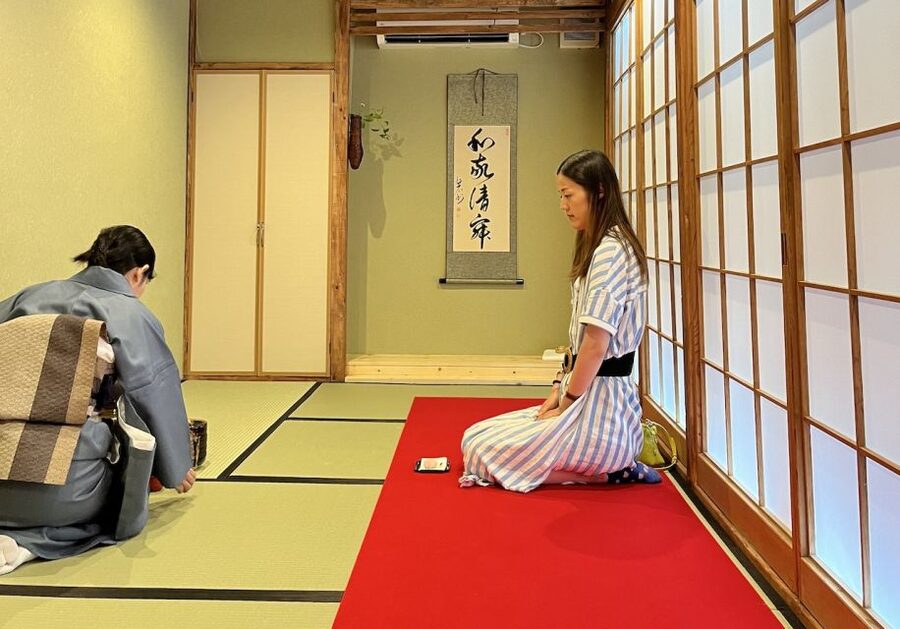
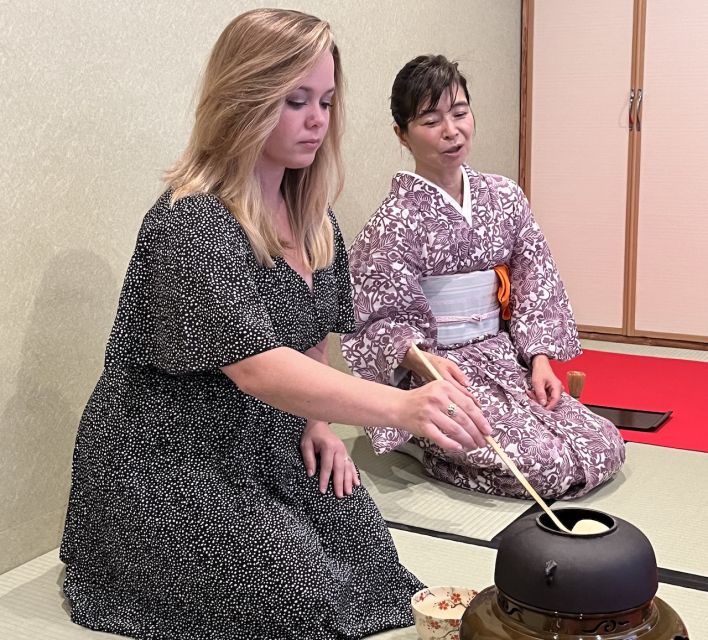
Osaka’s streets can be loud, crowded, and wonderfully chaotic. This 45-minute tea ceremony offers a quiet change of pace, with a kimono-clad Japanese instructor explaining the meaning behind each movement before you prepare your own matcha.
I especially like the hands-on tea making and the seasonal sweets served with it. The English instruction is another strong point, with hosts such as Yuki, Akiko, Kazu, Kana, and Mayumi praised for their patience and clear explanations. The main drawback is practical: the address can be difficult to find, and you sit on the tatami floor for most of the session.
Key Points
- You make your own matcha: Use a bamboo whisk and traditional tea tools after watching the instructor’s demonstration.
- English-speaking Japanese hosts: Instructors wear kimono and explain the ceremony, manners, and symbolism in clear English.
- A calm break near Dotonbori: The tatami room gives you a peaceful setting close to one of Osaka’s busiest areas.
- Seasonal sweets are included: Delicate Japanese confections balance the strong, slightly bitter taste of matcha.
- Short and fairly priced: At $25 per person, the 45-minute session fits easily into a sightseeing day.
- Arrive with time to spare: The second-floor venue can be tricky to locate, and there is little room to wait outside.
Why This Osaka Tea Ceremony Works
A formal Japanese tea ceremony can seem mysterious if you do not know what to look for. This experience gives you a friendly introduction without asking you to study Japanese customs beforehand.
You begin in a traditional room with tatami flooring. The instructor welcomes you, then explains the background and meaning of the tea ceremony. This opening matters because the session is not simply a lesson in making green tea. You learn why the host handles each item with care, how the tea is served, and how small gestures help create a calm shared moment.
The instructors wear traditional kimono, which adds to the sense of occasion. At the same time, the atmosphere is informal enough for questions. Hosts including Yuki, Akiko, Kazu, Kana, and Mayumi have been praised for answering questions patiently and explaining the ritual in accessible English.
The setting is especially useful if you are spending the day around Dotonbori. You can step away from bright signs, restaurant queues, and heavy foot traffic for a short period, then return to Osaka’s energetic streets with a better understanding of one part of Japanese culture.
More tea ceremonies in Osaka:
- Tea Ceremony Experience in Osaka Doutonbori
★ 5.0 · 754 reviews - Matcha Making Class in Osaka with Authentic Japanese Sweets Set
★ 5.0 · 509 reviews - Osaka: Matcha Making Experience with Japanese Sweets
★ 5.0 · 146 reviews
Arriving at the Tatami Room Near Dotonbori
The meeting point is at 大阪市中央区道頓堀1丁目東5-26, on the second floor. The listed coordinates are 34.66885079999999, 135.5063291.
Use Google Maps and search for tea ceremony osaka the osaka. Do not rely only on a quick glance at the address. The venue can be difficult to identify, so I would leave extra time rather than arrive at the last minute. One participant found the location hard to locate and also noted that there was nowhere comfortable to sit while waiting. That is a useful warning: arrive early enough to find the room, but not so early that you are left standing around outside.
Once inside, you will enter a traditional Japanese room. You should expect to sit on the floor rather than on a chair. One person specifically noted sitting on the floor for about an hour, although the advertised activity lasts 45 minutes. If kneeling or sitting on tatami is uncomfortable for you, consider this before booking.
Strollers, baby carriages, food, jumping, and loud noise are not allowed. The quiet rules make sense in a small room where the ceremony depends on concentration, but they may make this a poor choice for very young children.
The Welcome Explains More Than the Basics
The instructor begins with an introduction to Japanese tea ceremony. You learn about the practice’s meaning, the role of the host, and the manners used when receiving tea.
This short explanation gives the ceremony context instead of treating it as a photo opportunity. You will hear why the tea bowls, tools, movements, and serving order matter. One session included an explanation of the significance of the tea bowls, which are often among the most visually striking objects in the room.
The language level is designed for international visitors. The listed host language is English, and the instructors have more than 10 years of tea ceremony experience. Several hosts are singled out by name in the supplied feedback. Yuki is described as kind and pleasant, Akiko as attentive and gracious, Kazu as encouraging, and Mayumi as welcoming and thorough.
Your particular instructor will depend on the schedule, so you should not book expecting a specific host unless the reservation process confirms that person. Still, the consistency of the teaching style is a major strength: the explanations are clear, gentle, and focused on helping you understand what you are seeing.
Watching the Demonstration
Next, the instructor performs the ceremony while explaining the tools and basic manners. Watch the small details here. The interest lies less in speed or spectacle and more in the careful order of the actions.
The instructor shows how the tea is prepared and served, then explains how you should receive and drink it. You do not need to memorize every rule. The demonstration gives you enough guidance to participate respectfully and understand what the movements express.
This is also the most peaceful part of the session. The room becomes quiet, and the repeated motions of measuring, whisking, and presenting the tea create a reflective mood. Several people found the demonstration calming, while others valued the symbolism and careful precision.
You should know that this is an introduction rather than an advanced study of tea ceremony. In 45 minutes, the instructor can explain the main ideas and let you participate, but there is no time for an exhaustive discussion of every school, regional style, or historical period. For a first encounter, that shorter format is an advantage. It keeps the activity approachable and fits neatly into a busy Osaka itinerary.
Same city, a completely different kind of afternoon:
- Osaka Go Karting Tour with Funny Costume
★ 5.0 · 2,658 reviews - Osaka Castle: Museum and Tower Entry Ticket
★ 4.5 · 2,380 reviews - Osaka: Shinsekai Food Tour with 13-15 Dishes at 5 Eateries
★ 4.8 · 2,204 reviews - Osaka Food Tour: 13 Dishes at 5 Local Eateries
★ 5.0 · 2,149 reviews
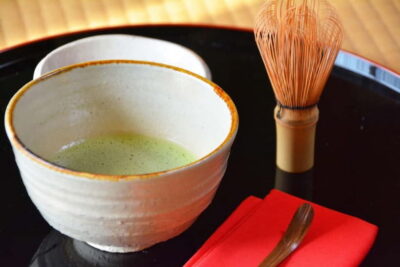
Making Matcha With Authentic Tools
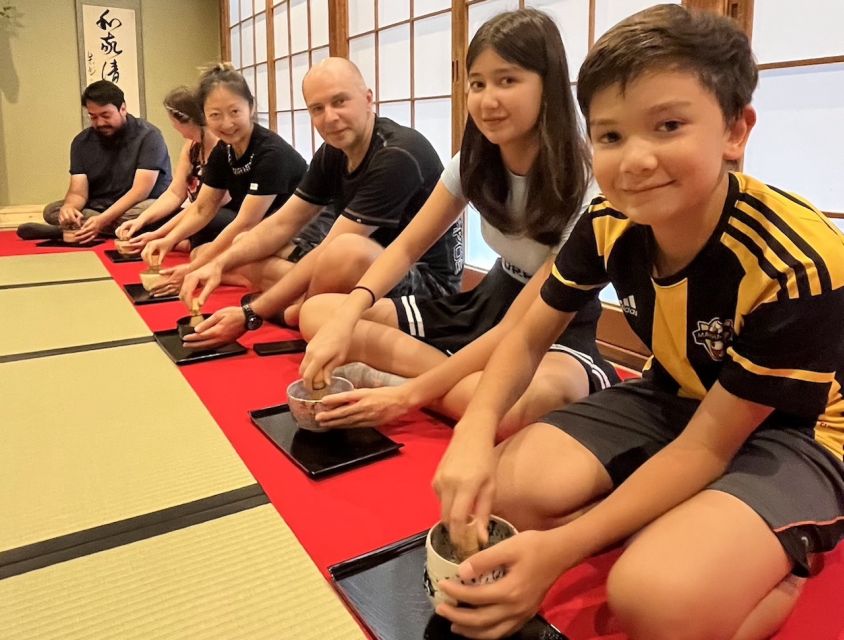
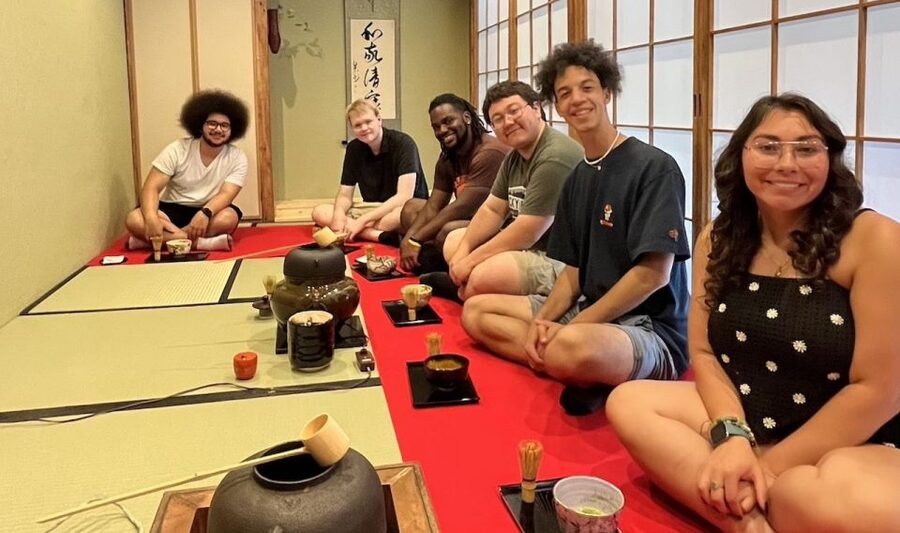
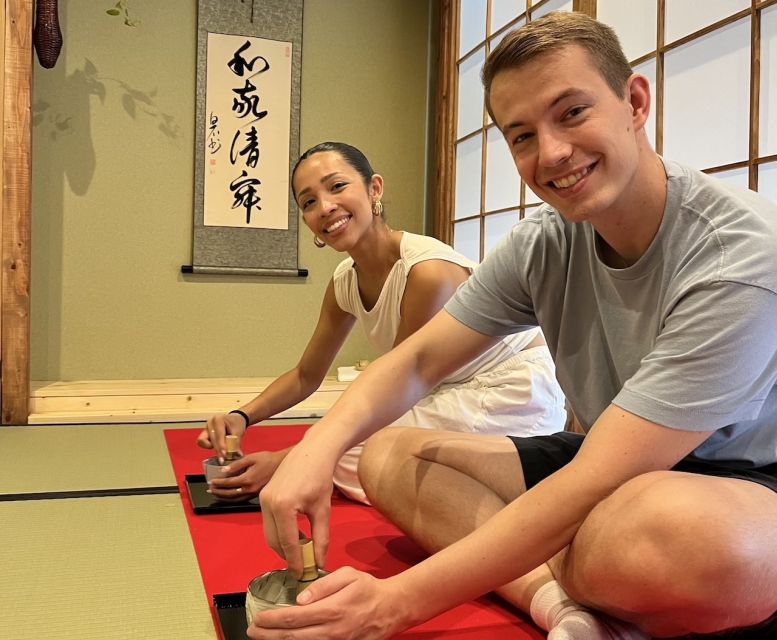
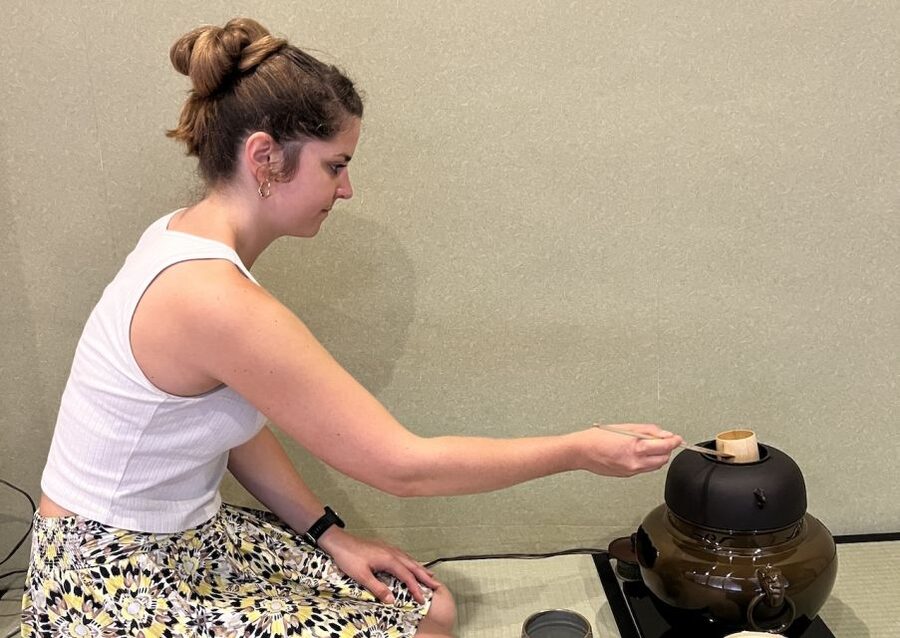
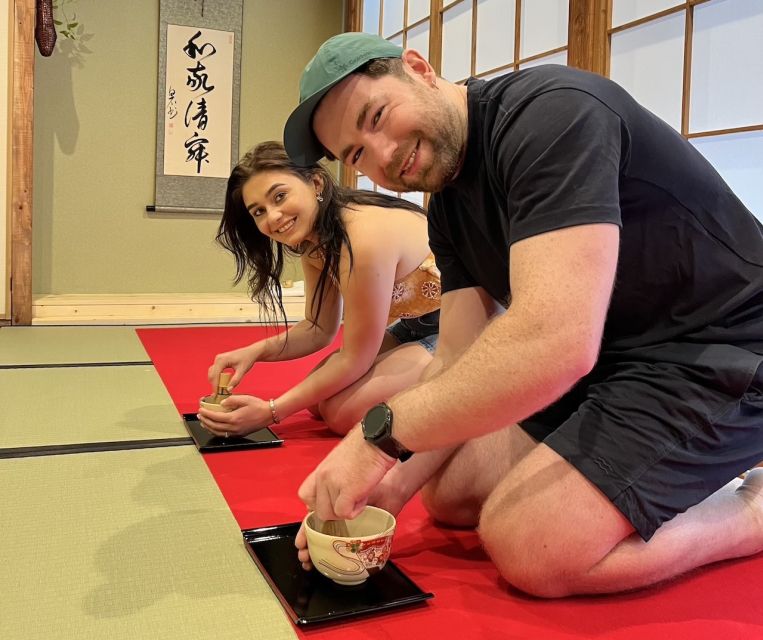
After the demonstration, you get your own turn. The instructor guides you as you prepare matcha with traditional tea tools.
This hands-on part is the reason I would choose this activity over simply watching a performance. You see how much movement is involved in creating a smooth bowl of tea, and you gain a practical feel for the whisk and bowl. The task is simple enough for beginners but still gives you a direct connection to the ceremony.
Your finished tea may not look exactly like the instructor’s, and that is part of the fun. The aim is not to pass a test. You are learning the basic process and taking part in a custom that can otherwise feel distant.
Matcha has a strong taste that is grassy, earthy, and sometimes bitter. If you already enjoy matcha, you will appreciate the chance to prepare it properly. If you are unsure about it, the sweets help balance the flavor. One participant admitted that the experience did not create a full matcha convert, but still found the ceremony well worth doing. That is a fair expectation: book this for the cultural experience as much as for the drink.
Seasonal Sweets Complete the Experience
Traditional Japanese sweets are included, and they are served to complement the matcha. Their sweetness softens the tea’s sharper notes and gives the tasting a clear rhythm.
The confections are small and delicate rather than a full snack or meal. Several people singled them out as a highlight, describing them as delicious, divine, or surprisingly good value within the $25 price. The sweets may also change with the season, so you should expect a traditional confection chosen for the occasion rather than a fixed menu.
Pay attention to the order in which you are served the sweet and tea. The instructor will guide you through the basic etiquette. Even if you forget a step, the tone is supportive rather than strict.
Food is not allowed in the venue apart from what is provided as part of the experience. Do not bring snacks into the room, especially since the space is quiet and arranged for the ceremony.
Is $25 Good Value for 45 Minutes?
At $25 per person, this is a reasonably priced cultural activity in Osaka. The fee includes admission, matcha, and confections, so you do not need to add a separate tasting charge.
The value comes from the combination of teaching, demonstration, and participation. You are not just drinking a prepared cup of tea. You receive an introduction to the custom, watch an experienced instructor, make your own bowl, and taste a seasonal sweet in a traditional room.
The 45-minute length also helps the price. You can fit the activity between sightseeing stops, use it as a quiet break from Dotonbori, or schedule it before an evening meal. It is short enough that you do not need to give up half a day.
There are limits. If you want a long, highly formal ceremony with detailed instruction in Japanese aesthetics, this session may feel brief. If you are mainly seeking a cultural taste and a chance to try matcha yourself, the price is easier to justify.
The experience currently carries a 4.9 rating from 1,426 ratings, which reflects strong satisfaction with the hosts, explanations, calm setting, and sweets. More important for your decision is the repeated pattern: people value the warmth of the instructors and the chance to participate, not just the appearance of the room.
Who Should Book It?
I would recommend this activity to first-time visitors to Japan who want an easy introduction to a traditional custom. It works particularly well for couples, small groups, solo visitors, and anyone who wants a calm hour between Osaka’s busier attractions.
It is also a good choice for people who enjoy food and drink experiences but want more cultural context than a simple café visit. You learn why matcha is prepared in a certain way, then get to drink the result.
Families need to read the age rules carefully. Children aged five and above require their own ticket. Children under five are not allowed to enter, and the supplied information says to contact the provider in advance if you are accompanied by a child under four. The wording of the age information is not perfectly clear, so contact the provider before booking if your group includes young children.
The activity is less suitable if you cannot sit on the floor, need a stroller, or prefer a loud, social attraction. The room depends on quiet and attention. That is what makes it peaceful, but it also means you should arrive ready to slow down.
Practical Tips for a Smoother Visit
Use the exact Google Maps search provided by the operator, and save the address in Japanese as well as English. The second-floor location is not necessarily obvious from the surrounding streets.
Plan to arrive with enough time to find the room. Do not count on a comfortable waiting area outside, and avoid arriving so early that you must stand around.
Wear clothing that allows you to sit comfortably on the floor. You do not need to dress formally, and the instructors provide the traditional visual element with their kimono.
Keep your phone quiet and avoid bringing food or a stroller. The ceremony is conducted in a small, calm room, so simple courtesy makes a real difference.
The activity offers free cancellation up to 24 hours before the scheduled start, and you can reserve now and pay later. That flexibility helps if your Osaka plans are still changing.
Should You Book This Tea Ceremony?
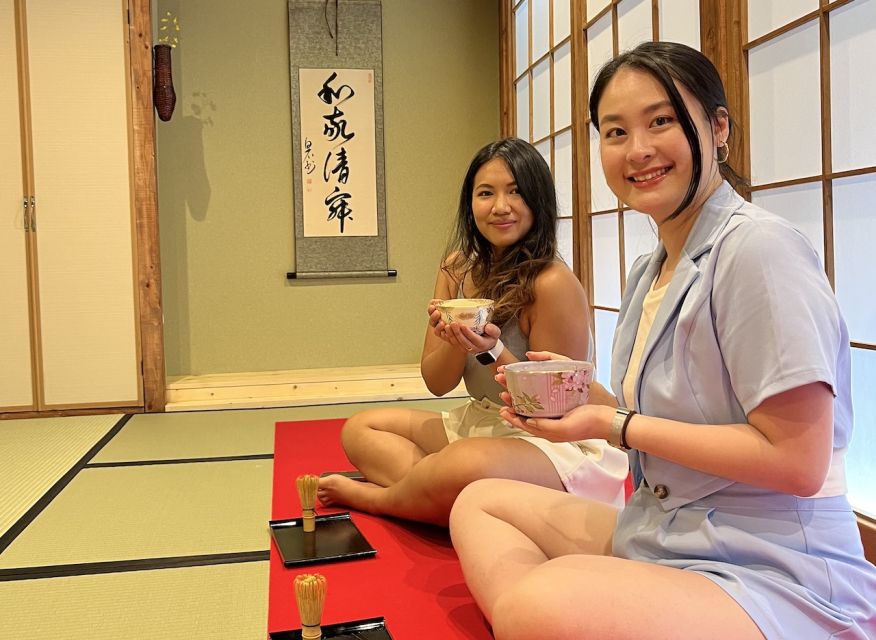
Book it if you want a short, personal introduction to matcha and Japanese tea customs rather than a lengthy academic lesson. The clearest strengths are the English-speaking instructors, the kimono, the traditional tatami setting, and the chance to make your own tea with authentic tools.
I would place it high on your Osaka list if you are staying near Dotonbori and want a quiet pause from the city. The main things to plan around are the hard-to-find meeting point, limited waiting space, floor seating, and strict age rules.
For $25, the combination of instruction, sweets, matcha, and hands-on practice is solid value. It will not make everyone love the taste of matcha, but it should help you understand the care and meaning behind the cup.
FAQ
How long does the Osaka tea ceremony last?
The activity lasts 45 minutes. Starting times vary, so check availability when choosing a date.
How much does the tea ceremony cost?
The listed price is $25 per person. The fee includes entrance, matcha, and traditional confections.
Is the experience conducted in English?
Yes. Japanese instructors guide the activity in English, and an English audio guide is included.
Will I make my own matcha?
Yes. After watching a demonstration, you will use traditional tea tools to prepare your own bowl of matcha and then drink it.
Are sweets included?
Yes. Seasonal Japanese confections are included and are served with the matcha.
Where is the meeting point?
The venue is on the second floor at 大阪市中央区道頓堀1丁目東5-26 in Osaka. The listed coordinates are 34.66885079999999, 135.5063291. Use Google Maps and search for tea ceremony osaka the osaka.
Can young children join?
Children aged five and above need their own ticket. Children under five are not allowed to enter. If you are accompanied by a child under four, contact the provider in advance.
Just added in Osaka
- Urban Canvas: Osaka Street Art Bike Tour★ 5.0 · 10 reviews
- Anime Cosplay Photshoot-50 Digital Photos Provided★ 5.0 · 8 reviews
- TeamLab Botanical Garden Osaka Ticket★ 3.5 · 6 reviews
- Umeda Sky Building & Kuchu Teien Observatory Ticket in Osaka★ 4.5 · 3 reviews
- Immerse in Judo Martial Arts Class from Japan★ 5.0 · 4 reviews
- Cherry Blossom Buddha and Mt.Yoshino with Strawberry Picking Tour★ 4.5 · 5 reviews
- Traditional Home cooking Experience in Osaka, Japan★ 5.0 · 14 reviews
- Traditional Calligraphy Experience near Dotonbori★ 5.0 · 3 reviews
Osaka Tea Ceremonies, compared.
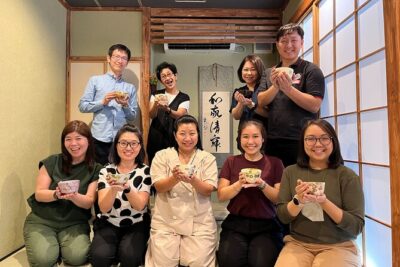

Matcha Making Class in Osaka with Authentic Japanese Sweets Set
Read our review →
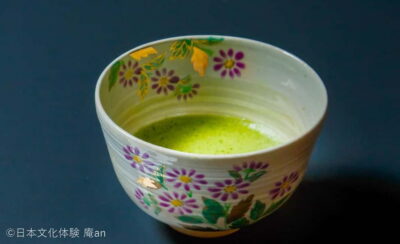
Japanese Traditional Sweets Making and Tea Ceremony
Read our review →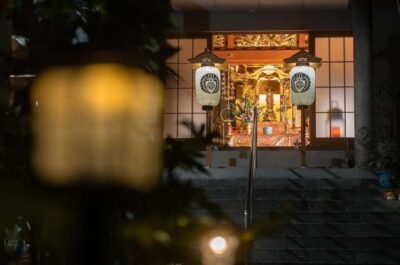
Osaka Temple Cool Foot Bath & Matcha Experience〈45min〉
Read our review →
Samurai Show, Tea Ceremony, Japanese Traditional Activities
Read our review →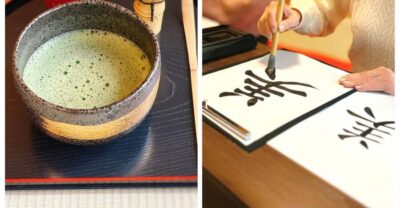
Osaka; Japanese Tea ceremony experience, Macha and Sencha
Read our review →Browse the lists this tour appears in