
Reviewed · OSAKA WAGASHI SWEETS WORKSHOPS
Osaka: Japanese Traditional Sweets Making and Tea Ceremony
Japanese sweets making is the star here. You color white bean paste, shape it into a flower-style nerikiri, then make a second kinton nerikiri before preparing Uji matcha. It is a hands-on way to meet wagashi, not just look at it behind glass.
I like the use of bean paste from long-established Kyoto shops, and I like that you make two sweets tied to the season. The 95-minute format and $18 price also make this an easy cultural activity to fit between Osaka sights.
The main thing to consider is language. The instructors work hard in Japanese and English, but English translation is not automatic, and the building has stairs with no elevator. Arrive early, since late arrivals cannot be accommodated.
Key points at a glance
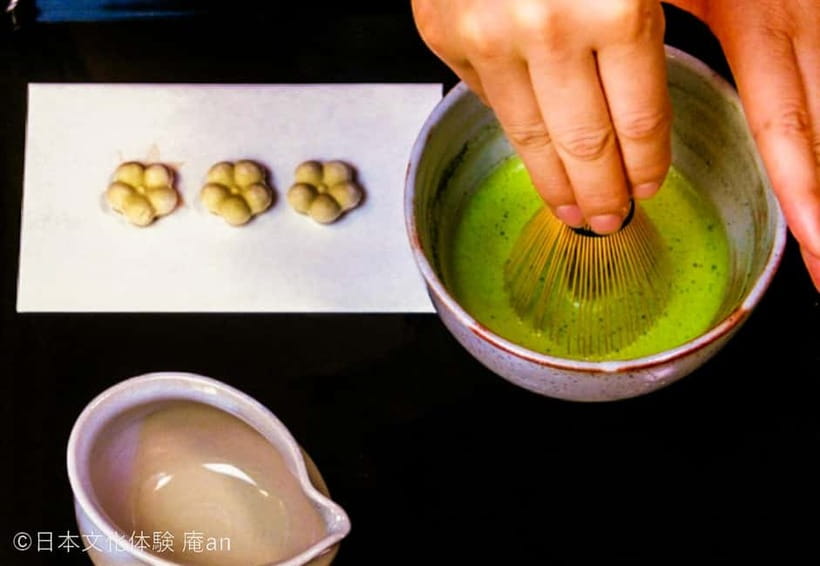
- Two handmade nerikiri sweets: Shape a flower-style sweet and a kinton-style sweet from high-quality Kyoto bean paste.
- Single-origin Uji matcha: Prepare your own tea after watching a matcha grinding demonstration.
- A calm city break: The workshop offers a quiet change from Osaka’s busy streets without taking up half your day.
- Helpful instructors: Maiko, Jun, and Mihiko are among the instructors praised for patience, warmth, and clear guidance.
- Central Nakanoshima access: Higobashi Station is only a one-minute walk from the meeting point.
- Good value at $18: The fee covers the activity and tools, while a take-out box costs an extra 100 JPY.
Making seasonal sweets from Kyoto bean paste
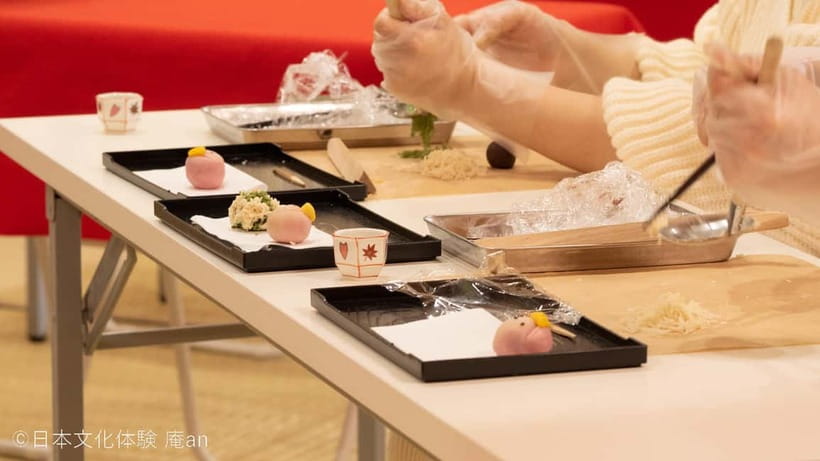
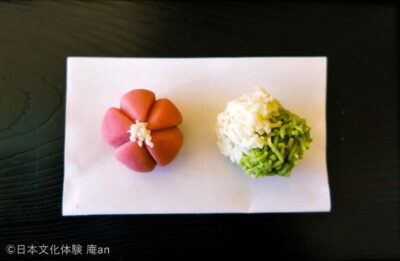
Nerikiri is a refined Japanese sweet made by coloring white bean paste and shaping it into flowers, fruit, or other seasonal forms. Here, you do not simply receive a finished wagashi with your tea. You work through the basic process yourself, which makes the final bite more meaningful.
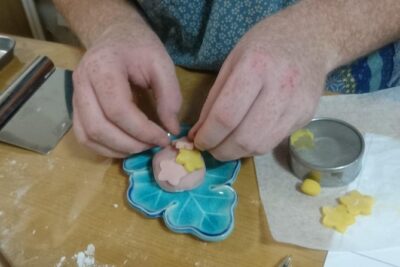
The class begins with an explanation of traditional Japanese sweets. You then color the white bean paste before shaping the first flower-style nerikiri. This is a small but creative task. The color, folds, and final shape depend on your hands, so the results may look a little different from the instructor’s example. That is part of the fun.
The ingredients matter. The workshop uses white and red bean paste made by long-established Kyoto shops. That gives you a taste of the ingredient at the center of many Japanese sweets, rather than a generic confection prepared for a tourist demonstration.
The second sweet is called kinton nerikiri. Its texture and appearance differ from the first, giving you two styles to make and compare. Both sweets are matched to the season, so the activity connects food with the time of year rather than treating wagashi as a fixed souvenir.
I like this part because it works for different types of visitors. If you enjoy careful handwork, you can focus on the shape and details. If you are traveling with children, the coloring and molding provide an accessible activity, and children aged under two who sit on a parent’s lap can attend free.
Do not expect professional pastry training. The point is to learn the basic forms, hear about the sweets, and make something attractive enough to eat with matcha. The instructions are presented in Japanese, so requesting English support in advance is sensible.
More wagashi and sweets workshops in Osaka:
- Matcha Making Class in Osaka with Authentic Japanese Sweets Set
★ 5.0 · 509 reviews - Osaka: Matcha Making Experience with Japanese Sweets
★ 5.0 · 146 reviews - Japanese Traditional Sweets “Nerikiri” making
★ 4.2 · 5 reviews
A closer look at the 95-minute schedule
The experience is structured in clear stages, with the sweets taking up the first part of the class.
At the start, the instructor explains Japanese traditional sweets and introduces the materials. You then make the flower-shaped nerikiri, followed by the kinton nerikiri. This work lasts about 55 minutes, long enough to understand the process without turning the activity into an all-day cooking class.
A short break follows. Around the 65-minute mark, the focus changes to tea. The instructor explains the role of matcha and the basic customs connected with serving and drinking it. You also see a demonstration of matcha being ground into powder, a detail that adds useful context to the cup in front of you.
The tea portion then becomes hands-on. You prepare your own matcha and drink it with the sweets you made earlier. The slightly bitter, grassy taste of matcha is intended to balance the sweetness of the bean paste. That contrast is one of the best reasons to make the sweets first rather than receiving a pre-made snack.
There is also picture time before the experience ends at about 85 minutes. Eating and drinking take place near the end, and the room departure is scheduled at 95 minutes.
The exact feel of the tea segment may vary. One session included a more casual tea ceremony, while another participant described hearing about the ceremony and traditions without having to practice every formal step. If you want a strict, highly formal tea ceremony with long periods of ritual, this may feel light. If you want a friendly introduction that includes making and drinking matcha, the format should suit you better.
What the tea ceremony teaches you
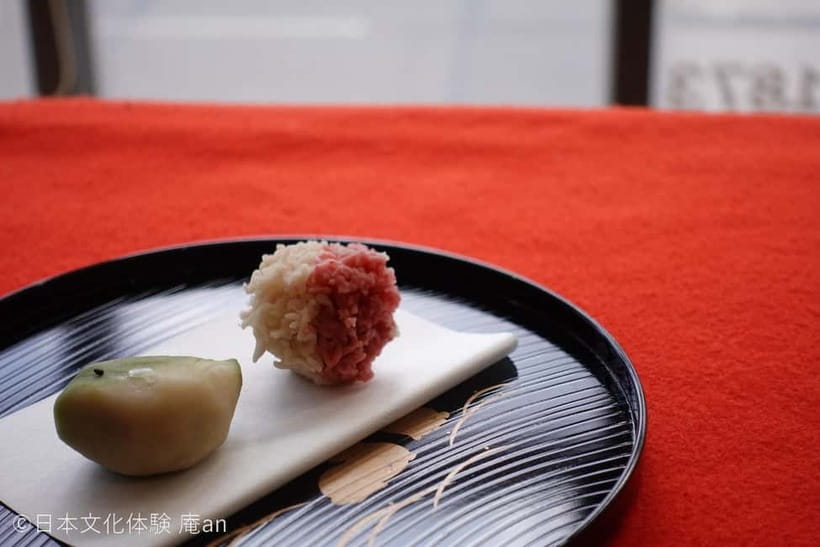
This is not only a lesson in how to whisk a green drink. The instructor explains how to prepare matcha and how to show appreciation within Japanese tea customs. That gives the final tasting a cultural frame.
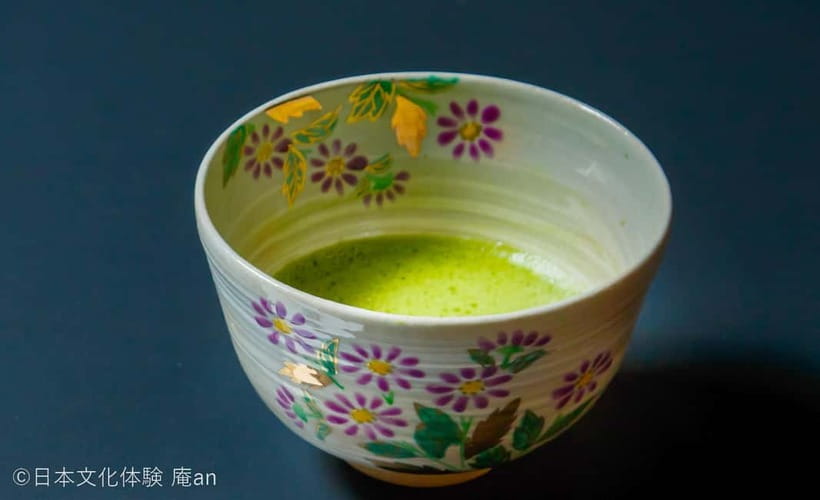
The workshop uses special single-origin matcha from Uji. Uji, near Kyoto, is strongly associated with Japanese tea, and the use of Uji matcha fits well with the Kyoto-made bean paste used in the sweets. You are able to compare the tea’s bitterness with the smooth sweetness of the wagashi you created.
The matcha grinding demonstration is especially useful for anyone who has seen powdered green tea but has never considered how it is made. You get to watch the transformation into the fine powder used for preparation, then take part in making the drink yourself.
The approach is friendly rather than intimidating. Instructors such as Maiko have been praised for cheerful, clear guidance in both Japanese and English. Jun is described as patient, and Mihiko has handled the switch between Japanese and English with care. The staff names and language abilities can vary by date, so treat those examples as an indication of the teaching style, not a guarantee of your particular instructor.
You should also understand the language arrangement. Japanese is the official language, and English translation is provided as much as possible when requested. Several sessions have worked well for English speakers, but the activity does not promise a fully English-led class every time. Contact the provider before booking if detailed English instruction is essential to you.
Why the $18 price works
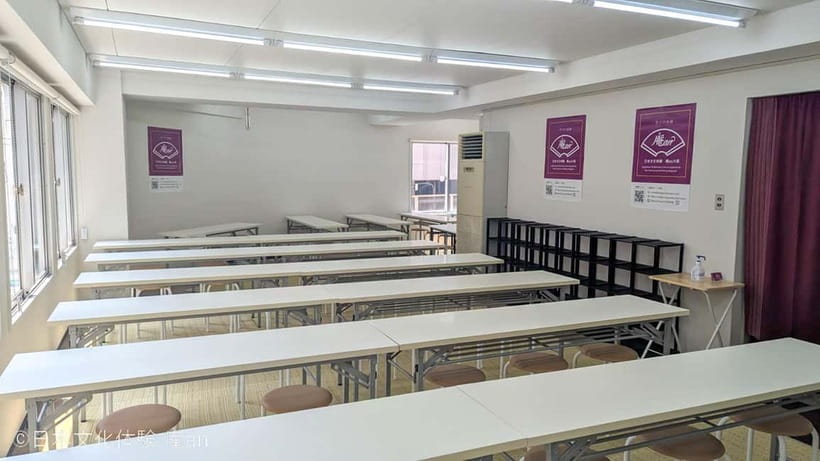
At $18 per person, this is priced below many longer food tours and formal cultural demonstrations in Osaka. The fee includes the 95-minute experience and all required tools. You also make two sweets and prepare matcha, so you are receiving more than a single tasting.
The value comes from the combination of activity and explanation. A quick wagashi sample might cost less, but it would not show you how the paste is colored and shaped. A formal tea ceremony might offer more ritual, but it would not usually include two sweets that you make yourself.
There are a couple of small extras. A box for taking sweets away costs 100 JPY, and a completion certificate costs 300 JPY. The scheduled format appears designed for eating the sweets during the activity, so bring the small box fee if you want to carry them out.
I would consider this particularly good value for a short Osaka stay. You can get a taste of Japanese food culture, tea customs, and hands-on craft without committing a morning or afternoon to a distant venue. It also gives you something different from the usual shopping, temples, and food-market stops.
More tea ceremonies in Osaka:
- Osaka: Tea Ceremony Experience
★ 4.9 · 1,426 reviews - Tea Ceremony Experience in Osaka Doutonbori
★ 5.0 · 754 reviews - Osaka Temple Cool Foot Bath & Matcha Experience〈45min〉
★ 4.9 · 82 reviews - Samurai Show, Tea Ceremony, Japanese Traditional Activities
★ 5.0 · 56 reviews
Finding the workshop near Higobashi
The meeting point is well placed for Osaka sightseeing. From Exit 10 of Osaka Metro’s Yotsubashi Line at Higobashi Station, it is about a one-minute walk. That is the easiest route.
You can also walk from Watanabebashi Station on the Keihan Nakanoshima Line in about five minutes, or from Yodoyabashi Station on the Osaka Metro and Keihan lines in about seven minutes. Kitashinchi Station on the JR Tozai Line is around ten minutes away, while Osaka Station’s South Central Gate is about fifteen minutes on foot.
Use the supplied map link before setting out. The building can be easy to miss, and one participant had trouble locating a gray building that was not clearly identified by Google Maps. I would allow extra time for the final approach, even though the station is close.
There is no elevator in the building. You need to use stairs to reach each venue, so this activity is not a good fit if stairs present a serious problem. Drivers should use nearby coin parking, since dedicated parking is not included.
The operating hours are 10:00 to 17:00. Starting times vary, so check the available slot when booking. Most important, do not cut it close. The event cannot be held for late arrivals, and the provider does not compensate you for transportation costs if you miss it.
A good choice for families and first-time visitors
The workshop has a broad appeal because it combines making, watching, tasting, and a little etiquette. Adults who want a quiet cultural break can enjoy the careful work, while older children can take part in the coloring and shaping.
Two children aged 10 and 12 were able to enjoy the activity, despite the Japanese-language format. That makes it a reasonable family option, especially if you request English help ahead of time and explain the process to younger children as you go.
The activity also suits solo visitors and couples. A small class can feel personal, and one two-person session had a casual tone with plenty of direct explanation. Group size is not specified, so you should not book expecting either a private lesson or a large class.
You will probably enjoy this most if you like food with a story and do not mind a little imperfection in your finished sweets. The experience is less suitable if you want advanced cooking instruction, a fully formal tea ceremony, or a class guaranteed to be conducted entirely in English.
How to prepare before you arrive
Request English translation when you book or as soon as possible. The instructor may still use Japanese for parts of the class, but advance notice gives the provider a better chance to support you.
Arrive early enough to find the building and climb the stairs. The venue is close to several stations, but the final entrance can be less obvious than the journey itself. Keep the map open on your phone and do not assume the closest station exit will put you directly in front of the door.
Wear something that lets you work comfortably with your hands. The supplied information does not list a dress code or special equipment, and all required tools are included. You do not need to bring cooking tools.
Plan to eat the sweets during the activity. If you want to take them away, add the 100 JPY box fee. The sweets are handmade, so carrying them carefully matters more than it would with a packaged souvenir.
Cancellation is free up to 24 hours before the activity for a full refund. You can also reserve and pay later, which helps if your Osaka schedule is still changing. These flexible terms are useful, but they do not protect you from a same-day missed start, so keep your transport plan simple.
Should you book this Osaka sweets and tea class?
Book it if you want an affordable, compact introduction to wagashi and matcha with real participation. The strongest parts are the two seasonal nerikiri sweets, the Kyoto bean paste, the Uji matcha, and the warm teaching style associated with instructors such as Maiko, Jun, and Mihiko.
I would also recommend it for families with older children, couples, and first-time visitors who want more than a photo stop. The activity is close to major rail stations, lasts 95 minutes, and costs only $18, making it easy to fit into a busy Osaka plan.
Think twice if you require a fully English-language class, cannot use stairs, or want a highly formal tea ceremony. For everyone else, this is a sensible small-scale cultural activity, with enough food, craft, and tea etiquette to feel worthwhile without taking over your day.
FAQ
How long does the Japanese sweets and tea experience last?
The experience lasts 95 minutes. The sweets-making portion takes about 55 minutes, tea instruction begins around the 65-minute mark, and the activity ends with eating and drinking before room departure.
What sweets will I make?
You will make two seasonal nerikiri sweets. The first is a flower-shaped nerikiri, and the second is a kinton nerikiri made from colored bean paste.
What ingredients are used for the sweets?
The workshop uses white and red bean paste produced by long-established shops in Kyoto. The sweets are shaped and colored during the class.
Is the experience held in English?
Japanese is the official language. English translation is provided as much as possible if you request it, so contact the provider in advance if you need English support. English ability can vary by instructor and session.
Where is the meeting point?
The venue is one minute on foot from Exit 10 of Higobashi Station on the Osaka Metro Yotsubashi Line. It is also about five minutes from Watanabebashi Station, seven minutes from Yodoyabashi Station, ten minutes from Kitashinchi Station, and fifteen minutes from Osaka Station.
Is the building accessible by elevator?
No. There is no elevator, and you need to use stairs to reach each venue.
Can I take my handmade sweets home?
A take-out box is available for an additional 100 JPY. The standard activity includes the experience and required tools, but not the box.
Just added in Osaka
- Urban Canvas: Osaka Street Art Bike Tour★ 5.0 · 10 reviews
- TeamLab Botanical Garden Osaka Ticket★ 3.5 · 6 reviews
- Anime Cosplay Photshoot-50 Digital Photos Provided★ 5.0 · 8 reviews
- Umeda Sky Building & Kuchu Teien Observatory Ticket in Osaka★ 4.5 · 3 reviews
- Immerse in Judo Martial Arts Class from Japan★ 5.0 · 4 reviews
- Cherry Blossom Buddha and Mt.Yoshino with Strawberry Picking Tour★ 4.5 · 5 reviews
- Traditional Home cooking Experience in Osaka, Japan★ 5.0 · 14 reviews
- Traditional Calligraphy Experience near Dotonbori★ 5.0 · 3 reviews
Osaka Wagashi Sweets Workshops, compared.

Matcha Making Class in Osaka with Authentic Japanese Sweets Set
Read our review →
Browse the lists this tour appears in