
Reviewed · OSAKA TEA CEREMONIES
Osaka; Japanese Tea ceremony experience, Macha and Sencha
The most interesting part of this Osaka experience is that you do not simply watch a tea ceremony. You learn the gestures, prepare your own matcha, and then compare it with sencha, the everyday green tea many people in Japan drink. The setting is a traditional tatami room, and an English-speaking tea master explains each step.
I like the clear contrast between formal matcha and everyday sencha. I also like that the teacher explains the history and spiritual purpose of the ceremony instead of treating it as a quick photo stop. Tea master Yuko receives repeated praise for her warm manner and strong English.
The main drawback is its short one-hour format. It gives you a useful introduction, not a full study of tea culture. The traditional sweets may not suit people with food allergies, and the activity is not suitable for wheelchair users.
Key points to know before booking
- You make the matcha yourself: The tea master first demonstrates the process, then guides you through the etiquette.
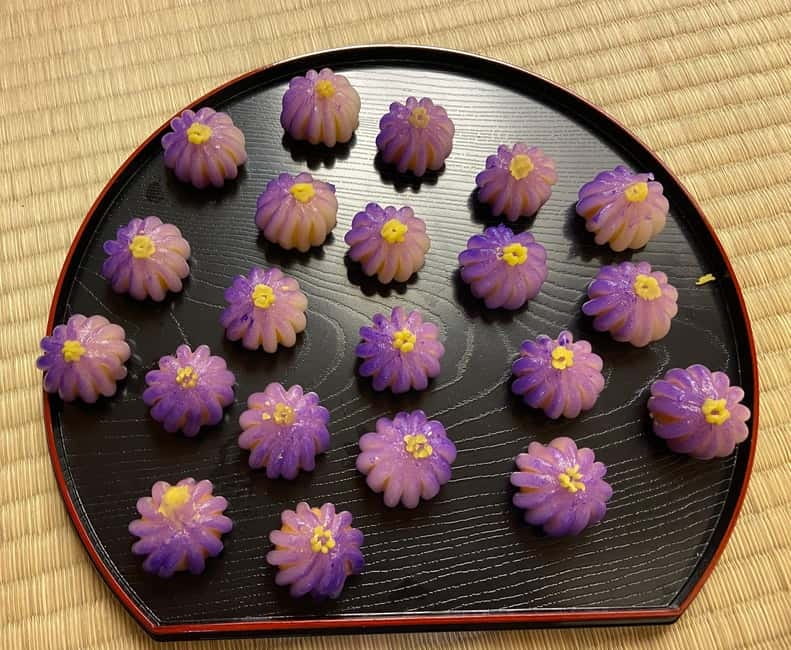
- Matcha and sencha are both included: You taste ceremonial matcha and modern-style sencha, with a sweet served alongside each.
- Yuko may be your instructor: Her English, friendly teaching style, and historical explanations receive especially strong praise.
- The setting is a tatami room: This gives the hour a traditional feel without requiring a long formal ceremony.
- A yukata is optional: You can rent one separately and have photographs taken during the experience.
- The price is modest: At $25 per person, the activity offers a focused cultural lesson for about one hour.
Entering a traditional Osaka tea room
This experience begins at the underground Midosuji Line, Exit 3, on the ground floor. That meeting point matters in Osaka, where large stations can turn a simple rendezvous into a small expedition. Give yourself enough time to find Exit 3 rather than arriving at the last minute.
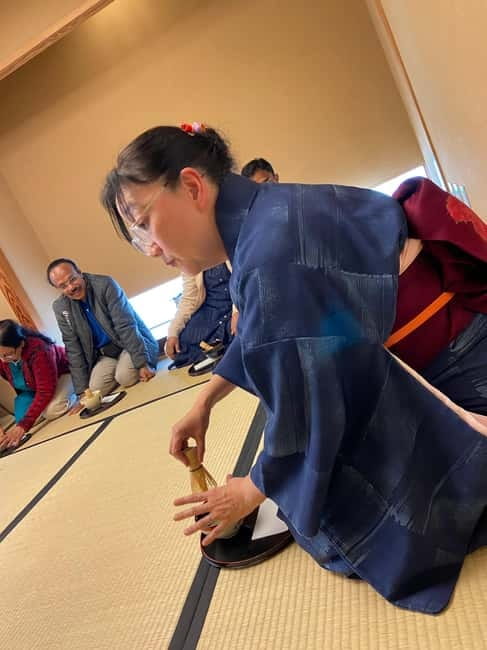
Once inside, you enter a traditional tatami room for the tea ceremony. The room itself helps set the tone. You will sit in a space associated with Japanese hospitality, careful movement, and attention to small details. You do not need to know the correct posture or gestures in advance. The instructor introduces them as part of the lesson.
The activity is conducted in English and Japanese. For most English-speaking visitors, the English explanation is the key advantage. You can ask questions about the ceremony and follow the instructions without guessing what each movement means.
This is not presented as a silent, highly formal ceremony where you must know every rule before you arrive. It is an accessible introduction, with the tea master explaining what you are seeing and why it matters.
More tea ceremonies in Osaka:
- Osaka: Tea Ceremony Experience
★ 4.9 · 1,426 reviews - Tea Ceremony Experience in Osaka Doutonbori
★ 5.0 · 754 reviews - Matcha Making Class in Osaka with Authentic Japanese Sweets Set
★ 5.0 · 509 reviews
Watching the matcha preparation
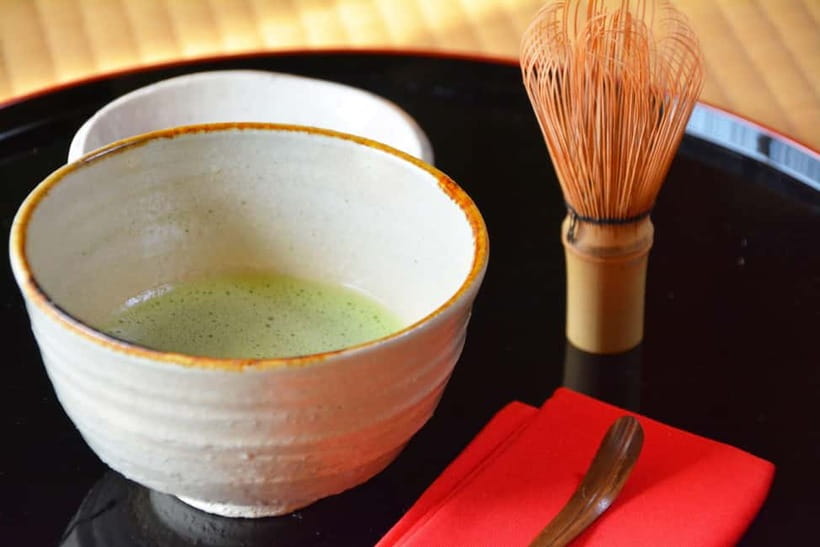
The first major section focuses on matcha, the bright green powdered tea used in the traditional ceremony. The tea master prepares it while explaining the movements and etiquette. Watch closely here, because the value of the activity comes from understanding the order and purpose of the actions rather than simply drinking the finished tea.
Matcha is prepared differently from ordinary steeped tea. The powder is mixed into water, creating a stronger, thicker drink. The ceremony gives this simple preparation a formal structure. The way the bowl is handled, the order of serving, and the way you receive the tea all carry meaning.
The teacher also explains the history and spiritual role of the tea ceremony. That context helps you see why the ceremony is about more than a beverage. It is a focused act of hospitality. The host prepares something carefully for the guest, while the guest responds with attention and respect.
I like this part because you receive both instruction and context. A demonstration alone can be pretty to watch but easy to forget. Here, the explanation gives the gestures a reason, and that makes it easier to remember them after you leave Osaka.
Making your own bowl of matcha
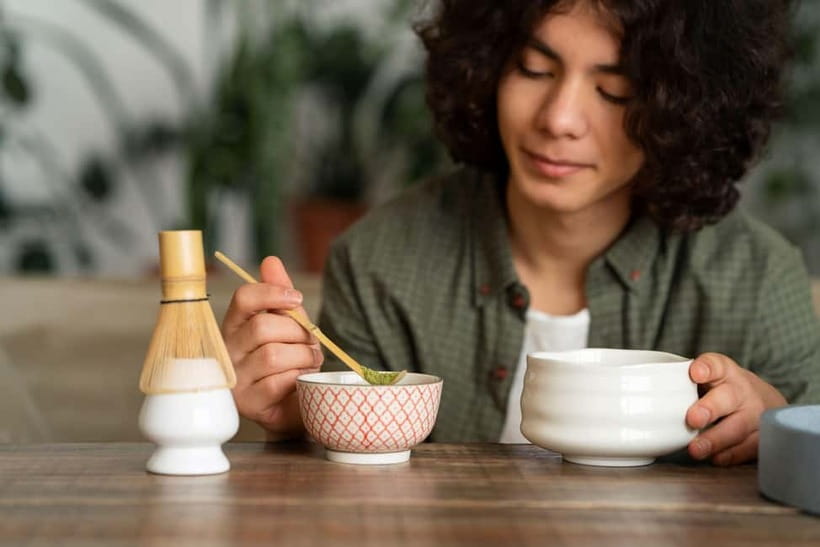
After watching the demonstration, you prepare tea yourself. The instructor guides you through the process and helps you follow the basic etiquette. This hands-on section is the heart of the experience.
You should expect to make a beginner-friendly version of matcha rather than master every detail of a tea school in one hour. That is the right expectation. The activity gives you a respectful introduction, with enough practical instruction to help you understand what the tea master has just shown you.
The hands-on format also makes the hour more personal. You are not sitting through a lecture about Japanese culture. You are learning through movement, taste, and repetition. Even small actions become easier to understand when you perform them yourself.
The tea is served with traditional Japanese sweets. These sweets are not an extra detail to ignore. In a tea ceremony, the sweet balances the bitterness of the tea and forms part of the order of the experience. You taste the confectionery as part of the lesson, not as a separate snack.
If you have a food allergy, take the warning seriously. The activity advises you not to eat the Japanese sweets and confectionery if you have allergies. The available information does not provide an alternative sweet, so ask before booking if this is important to you.
Comparing ceremonial matcha with everyday sencha
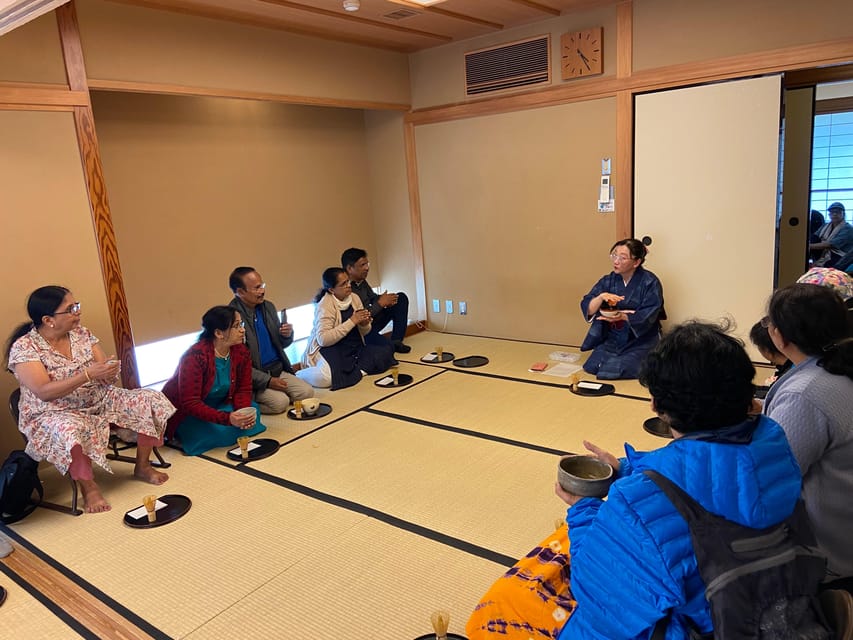
The second tea is sencha. This is a useful addition because it prevents the experience from presenting matcha as the only important Japanese tea.
Sencha is commonly drunk in Japan today, and the teacher explains its history and other features while you taste it with current Japanese confectionery. The contrast helps you understand two different tea traditions:
- Matcha is powdered tea prepared with formal ceremony etiquette.
- Sencha is a steeped green tea associated with ordinary modern drinking habits.
- Both are served with sweets during the activity, but they have different preparation methods and cultural roles.
This comparison is one of the strongest reasons to choose this experience over a short matcha demonstration. You get a clearer picture of how traditional ceremony fits beside daily tea drinking in Japan.
The sencha section also changes the pace. After the careful formality of matcha, you can consider how tea culture exists in everyday life. You are not left with the impression that Japanese tea is only something performed for visitors in a historic setting.
Same city, a completely different kind of afternoon:
- Osaka Go Karting Tour with Funny Costume
★ 5.0 · 2,658 reviews - Osaka Castle: Museum and Tower Entry Ticket
★ 4.5 · 2,380 reviews - Osaka: Shinsekai Food Tour with 13-15 Dishes at 5 Eateries
★ 4.8 · 2,204 reviews - Osaka Food Tour: 13 Dishes at 5 Local Eateries
★ 5.0 · 2,149 reviews
What the one-hour schedule gives you
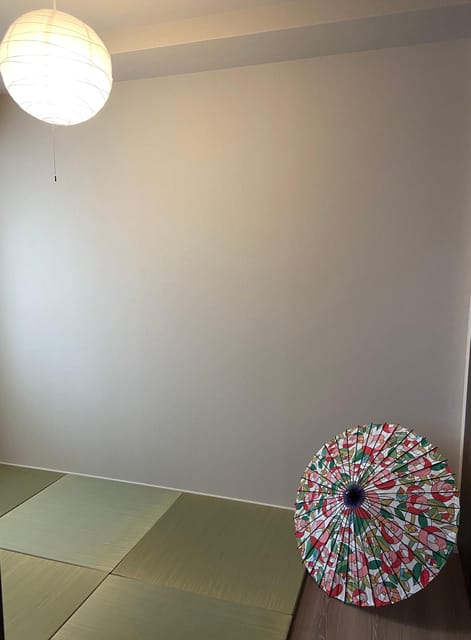
The entire activity lasts one hour. That makes it easy to fit between sightseeing in Osaka, especially if you want a cultural stop without giving up half a day.
The short length is also the main limitation. You will learn the basic sequence, make tea, taste two kinds of tea, hear historical explanations, and sample sweets. You will not have time for an advanced lesson in tea ceremony schools, tea utensils, regional tea production, or the full range of Japanese confectionery.
I would treat the experience as a well-focused introduction. It works best when you want practical understanding rather than a long, highly specialized workshop. The teacher’s explanations give the hour substance, while the hands-on preparation keeps it from feeling like a museum talk.
The published rating is 4.9 from 29 reviews, and the praise is remarkably consistent about the teaching. Comments in Italian, French, German, and English all point to a friendly instructor and a clear explanation of the ceremony. The specific praise for Yuko matters because an activity like this depends heavily on the person guiding it.
Yuko’s teaching style and language support
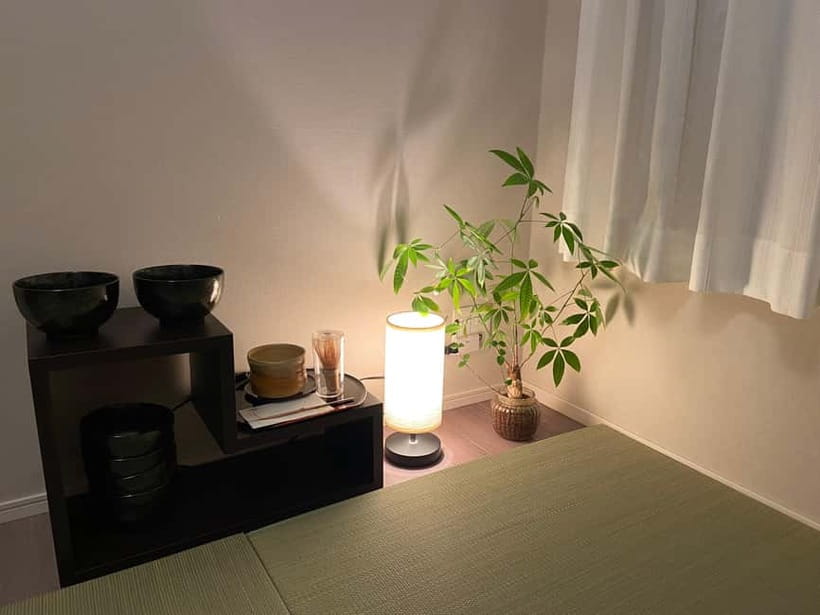
Yuko is identified in several comments as the tea master, and her English receives particular praise. That is useful information if you want to understand the meaning behind the gestures rather than merely copy them.
The teacher explains the history of the tea ceremony, its spiritual role, and the difference between matcha and sencha. This gives you several chances to ask questions and connect the physical actions with Japanese customs.
The tone appears friendly and conversational rather than stiff. That matters for beginners. You can make a mistake with a movement, ask for clarification, and continue without feeling that you have failed a formal test.
The experience is offered in English and Japanese. If you do not speak Japanese, the English instruction should allow you to follow the main lesson. If you speak Japanese, you can also take part in the activity in that language.
Adding a yukata and photographs
You can rent a yukata as an additional option when booking. The yukata is not included in the $25 base price, so check that you select the extra option if you want to wear one.
A yukata is a casual Japanese garment often associated with summer festivals and traditional settings. Wearing one can make the photographs more memorable, especially in a tatami room during a tea ceremony. The activity gives you an opportunity to have your photograph taken after the tea experience.
I would see the yukata as an optional enhancement, not a requirement. The tea lesson itself does not depend on dressing up. If you care mainly about learning how the ceremony works, the basic booking is enough. If you want a keepsake photograph or enjoy cultural clothing, the extra cost may be worthwhile.
The available details do not state the rental price, how long changing takes, or what designs are available. Check those points before booking if the clothing option is important to your schedule.
Is $25 good value in Osaka?
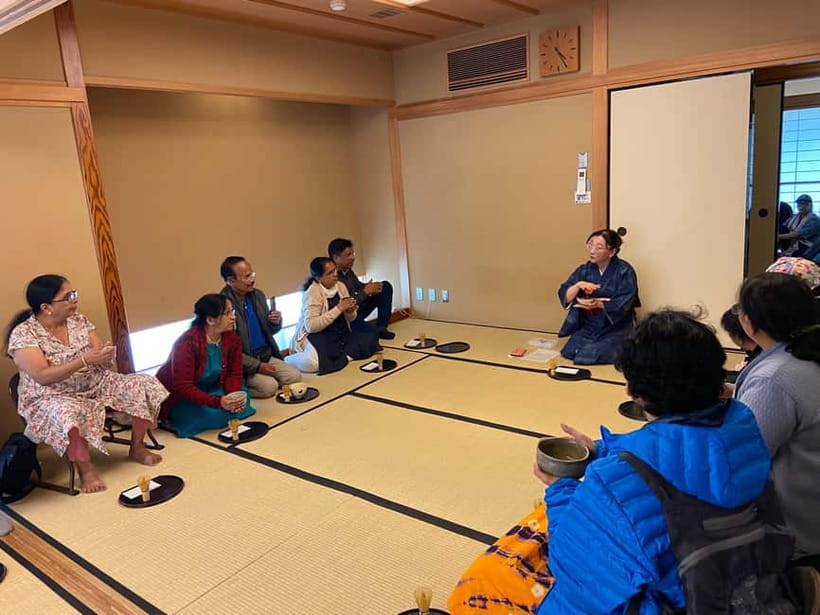
At $25 per person, this is a reasonable price for a one-hour cultural activity that includes two teas, two types of sweets, instruction, and the use of a traditional setting.
The value comes from the teaching rather than the quantity of food. You are not paying for a meal. You receive a small serving of sweets with each tea, enough to understand how the flavors fit the drinks. You also receive a guided lesson and a chance to make matcha yourself.
For a visitor who would otherwise only see matcha on a café menu, the hands-on instruction adds real value. You leave with a better sense of why matcha is whisked, how sencha differs, and how etiquette shapes the ceremony.
The price is less compelling if you want a long, private lesson or a full meal. It is also worth remembering that a yukata costs extra. Still, for an hour near central Osaka transport, the base price is easy to justify.
You can reserve now and pay later, which helps if your Osaka schedule is still changing. Free cancellation is available up to 24 hours in advance for a full refund. These terms are useful for an activity that can fit into several different days of a city visit.
Who should book this tea ceremony?
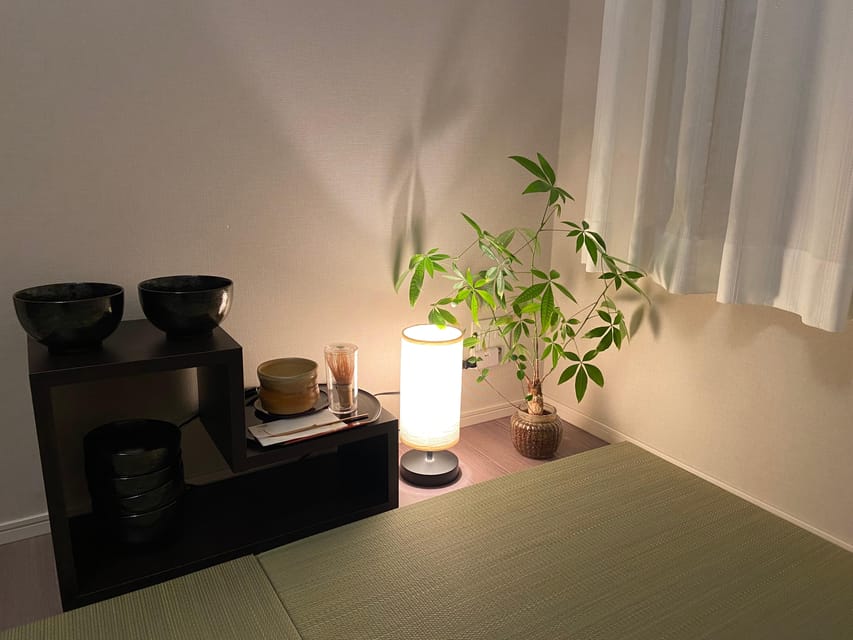
I would recommend it to first-time visitors who want a polite, understandable introduction to Japanese tea culture. It also suits anyone who likes learning through participation rather than simply watching a performance.
The activity is a good fit for:
- Couples or solo visitors looking for a calm cultural hour
- People curious about the difference between matcha and sencha
- Visitors who want an English-speaking instructor
- Anyone interested in wearing a yukata for photographs
- Those with a short Osaka itinerary who cannot spare half a day
It may not suit you if you need wheelchair access. Non-folding wheelchairs, electric wheelchairs, and scooters are not permitted, and the activity is specifically described as unsuitable for wheelchair users.
The rules also prohibit pets, smoking, alcohol, drugs, chewing gum, loud noise, weapons, sharp objects, and fire. Bachelor and bachelorette party groups are not accepted. These restrictions fit the quiet nature of the room and the care required during tea preparation.
Practical tips for a better visit
Arrive with enough time to locate the Midosuji Line Exit 3. Osaka station areas can be confusing, and the meeting point is described as the ground floor at the underground line exit.
Wear clothing that allows you to sit comfortably in a tatami room. The activity information does not give a dress code, but traditional tea ceremony etiquette includes sitting and moving carefully, so comfort matters more than formal fashion.
Read the sweets warning before booking. If you have a food allergy, do not assume that you can simply skip one item and receive a replacement. Contact the provider in advance if you need specific food arrangements.
If you want a yukata, select that option during booking rather than expecting it to be included. Also leave enough time in your Osaka day for the one-hour session and any photography.
Should you book this Osaka tea experience?
Book it if you want a friendly, practical introduction to Japanese tea ceremony, especially one that goes beyond matcha and includes sencha. The combination of demonstration, hands-on preparation, historical explanation, sweets, and optional yukata photographs gives the hour a good balance.
I would be especially comfortable recommending it to visitors who value clear English instruction. Yuko’s warm teaching style and explanations receive the strongest praise, and the 4.9 rating from 29 reviews supports the impression of a well-received activity.
Skip it if you want an advanced tea-school lesson, a full meal, or wheelchair access. For everyone else, $25 buys a focused cultural experience that fits neatly into an Osaka sightseeing day.
FAQ
Where does the tea ceremony experience meet?
The meeting point is at the underground Midosuji Line, Exit 3, on the ground floor.
How long does the activity last?
The tea ceremony experience lasts one hour. Starting times depend on availability.
Which languages are available?
The instructors speak English and Japanese.
Does the experience include both matcha and sencha?
Yes. You learn about and taste matcha green tea and sencha tea during the activity.
Are sweets included?
Yes. Matcha is served with traditional Japanese sweets, and sencha is served with current Japanese confectionery.
Is a yukata included in the price?
No. A yukata can be rented separately by selecting the additional option when booking.
Is the activity suitable for people with food allergies or wheelchair users?
The activity is not suitable for wheelchair users. People with food allergies are advised not to eat the Japanese sweets and confectionery.
Just added in Osaka
- Urban Canvas: Osaka Street Art Bike Tour★ 5.0 · 10 reviews
- TeamLab Botanical Garden Osaka Ticket★ 3.5 · 6 reviews
- Anime Cosplay Photshoot-50 Digital Photos Provided★ 5.0 · 8 reviews
- Umeda Sky Building & Kuchu Teien Observatory Ticket in Osaka★ 4.5 · 3 reviews
- Immerse in Judo Martial Arts Class from Japan★ 5.0 · 4 reviews
- Cherry Blossom Buddha and Mt.Yoshino with Strawberry Picking Tour★ 4.5 · 5 reviews
- Traditional Home cooking Experience in Osaka, Japan★ 5.0 · 14 reviews
- Traditional Calligraphy Experience near Dotonbori★ 5.0 · 3 reviews
Osaka Tea Ceremonies, compared.
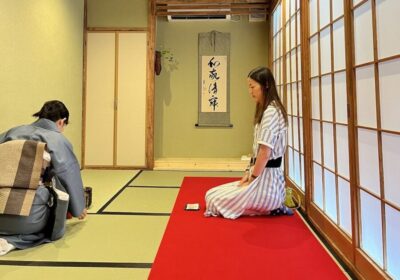
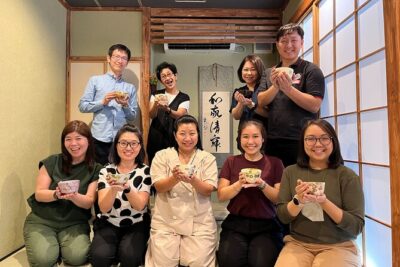
Matcha Making Class in Osaka with Authentic Japanese Sweets Set
Read our review →
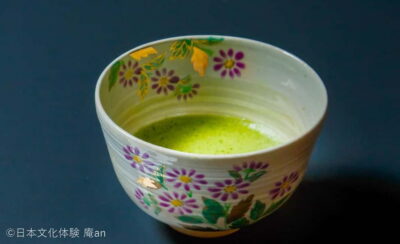
Japanese Traditional Sweets Making and Tea Ceremony
Read our review →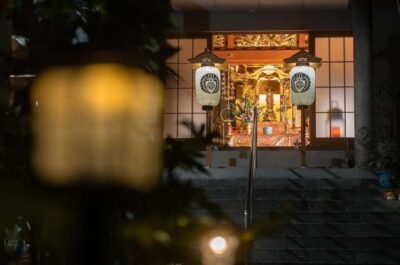
Osaka Temple Cool Foot Bath & Matcha Experience〈45min〉
Read our review →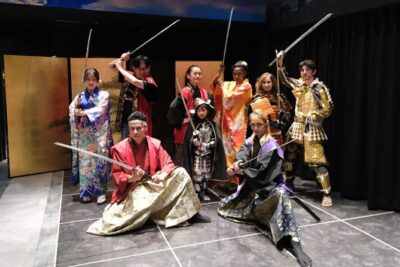
Samurai Show, Tea Ceremony, Japanese Traditional Activities
Read our review →
Browse the lists this tour appears in